
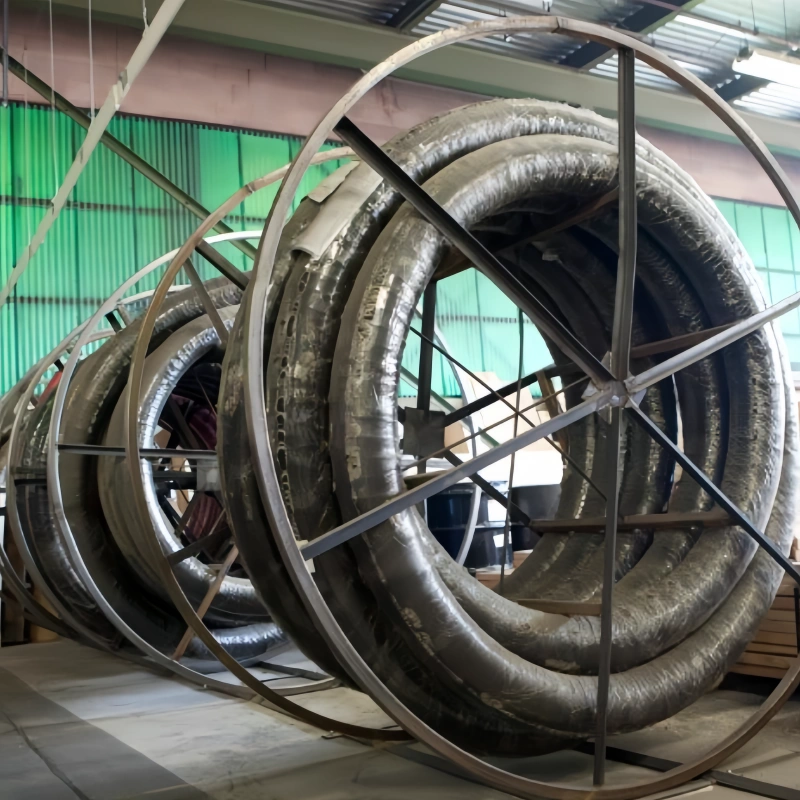
You must select oilfield hoses with precision to protect safety and maximize efficiency in oilfield operations. An oilfield hose specification guide helps you focus on four critical factors: inside diameter, outside diameter, temperature range, and pressure rating.
Careful handling and proper storage prevent material degradation and maintain hose integrity. Alienfrac delivers high-quality oilfield hose solutions that withstand demanding conditions and support your operational goals.
Key Takeaways
- Select oilfield hoses based on inside diameter (ID) to ensure proper flow rates and pressure management.
- Check the outside diameter (OD) for compatibility with fittings to prevent leaks and equipment damage.
- Consider temperature ratings when choosing hoses to maintain performance and extend service life in extreme conditions.
- Understand pressure ratings (PSI) to ensure hoses can handle operational demands and prevent failures.
- Follow the STAMPED method for hose selection to ensure safety, efficiency, and compliance with industry standards.
Oilfield Hose Specification Guide Overview
What Is an Oilfield Hose?
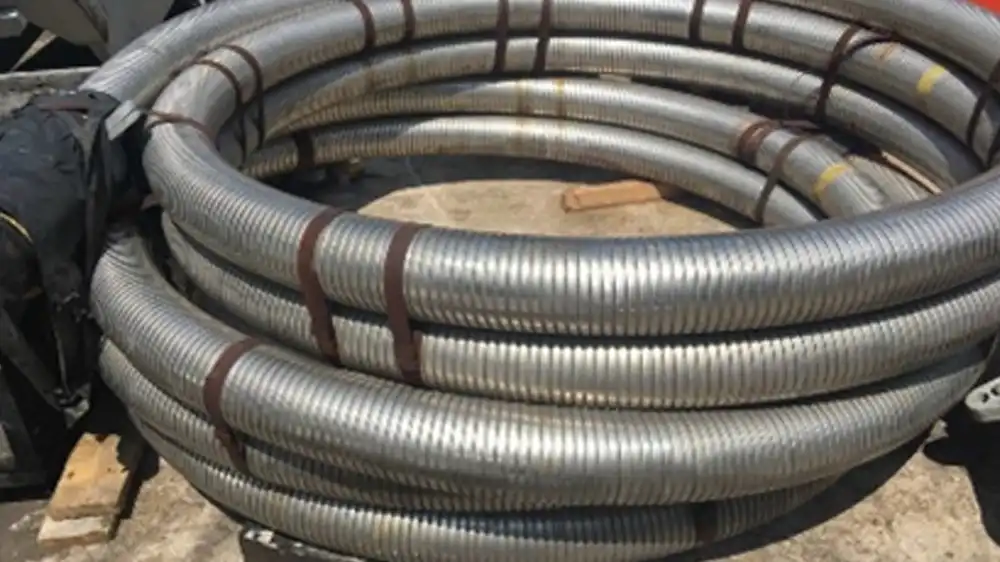
You rely on oilfield hoses to transfer fluids, chemicals, and gases in some of the harshest environments. These hoses serve as lifelines for drilling rigs, hydraulic systems, and offshore platforms. The oilfield hose specification guide helps you understand the unique requirements for each application. Common types include:
- Oil and gas drilling hoses for transferring drilling fluids and chemicals
- Hydraulic hoses for powering heavy machinery
- Offshore platform hoses designed for saltwater and extreme temperatures
- Chemical processing hoses for corrosive materials
Alienfrac stands out as a leader in the industry. The company integrates advanced technology, offers high customization, and meets strict standards. You can see how Alienfrac compares to competitors in the table below:
| Feature | Alienfrac | Competitors |
|---|---|---|
| Customization | High focus on tailored solutions | Limited customization options |
| Technology | Advanced technology integration | Standard technology |
| Certifications | Leading in industry certifications | Varies by manufacturer |
| Working Pressure Ratings | Up to 20,000 PSI | Generally lower ratings |
| Commitment to Quality | Meets strict safety standards | Varies by manufacturer |
Why Specs Matter in Oilfield Operations?
You must follow the oilfield hose specification guide to ensure safety and performance. Each hose specification, from inside diameter to pressure rating, plays a role in preventing equipment failure. The guide emphasizes compliance with api standards and other industry standards.
You protect your team and equipment by choosing hoses that meet or exceed these standards.
Rigorous testing protocols help ensure that hoses can withstand extreme conditions, thereby reducing the risk of leaks and failures that could lead to hazardous situations.
Testing these hoses under controlled laboratory conditions ensures that they can perform reliably in high-pressure gas networks without leaks or failures, preventing potential safety hazards.
The oilfield hose specification guide also highlights the importance of api certification. You maintain integrity in your operations by selecting hoses that pass strict api standards.
Alienfrac’s commitment to standards and compliance with api standards gives you confidence in every hose. You reduce downtime and improve efficiency by following the oilfield hose specification guide.
Inside Diameter (ID) in Oilfield Hoses
ID Definition and Importance
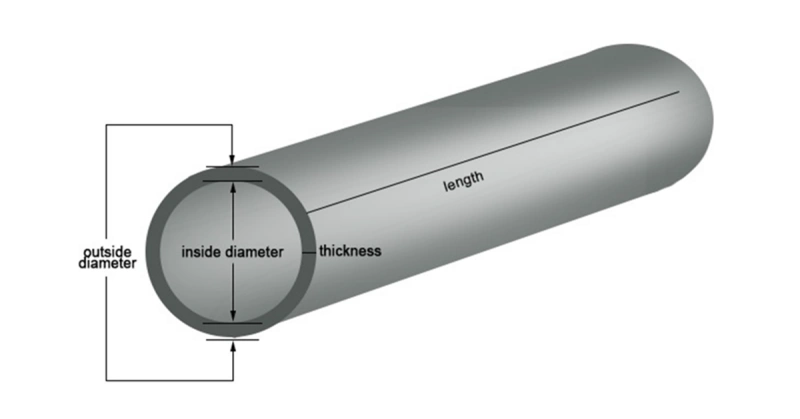
Inside diameter (ID) refers to the measurement across the inner opening of an oilfield hose. You must pay close attention to this value because it determines how much fluid or gas can move through the hose at any given time. The ID directly affects the flow rate and pressure within your oilfield hose system.
Even a small change in diameter can lead to significant differences in performance.
Tip: Always check the ID when selecting a hose for your oilfield application. The right ID ensures you meet flow requirements and avoid pressure loss.
The relationship between ID, flow rate, and pressure follows key engineering principles. According to Poiseuille’s law, the flow rate increases rapidly as the diameter grows.
Bernoulli’s equation also shows that pressure and velocity change with diameter. If you increase the ID, you allow more fluid to pass through, which can reduce pressure loss and improve efficiency.
Measuring and Selecting the Right ID
You can find oilfield hoses in a range of standard inside diameters. The table below shows common sizes in both imperial and metric units:
| Inside Diameter (Imperial) | Inside Diameter (Metric) |
|---|---|
| 2″ | 50.8 mm |
| 3″ | 76.2 mm |
| 4″ | 101.6 mm |
| 6″ | 152.4 mm |
| 8″ | 203.2 mm |
When you select the right ID, consider these factors:
- The type of fluid or gas you need to transfer
- The required flow rate for your operation
- The pressure rating of your oilfield hose
- Compatibility with existing equipment
A larger ID supports higher flow rates but may require a hose with a higher pressure rating. A smaller ID can increase velocity but may cause pressure drops. Always match the ID to your specific oilfield needs to ensure safe and efficient operations.
Outside Diameter (OD) and Fittings
OD’s Role in Hose Compatibility
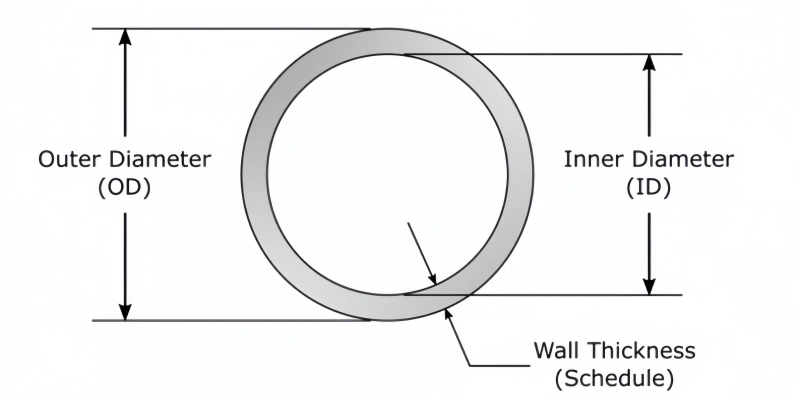
You must pay close attention to the outside diameter when selecting an oilfield hose. The OD determines how well the hose fits with couplings, clamps, and other fittings. Proper compatibility ensures a secure connection and prevents leaks or failures during operation.
If you choose the wrong OD, you risk poor sealing or even equipment damage.
Oilfield hoses come in different OD sizes to match a wide range of applications. The OD affects not only the fit but also the installation process and ongoing maintenance. For example, a hose with a larger OD may require stronger clamps and more space for routing.
A smaller OD offers more flexibility and can fit into tighter spaces, which is important for well service or production operations.
You can see how OD impacts installation and maintenance in the table below:
| Hose Diameter Type | Application | Characteristics |
|---|---|---|
| Small Diameter | Well service and production operations | Space-saving, flexible, moderate pressure handling |
| Medium Diameter | Drilling and production operations | Balance of fluid transfer capacity and flexibility |
| Large Diameter | Hydraulic fracturing, deepwater drilling | High fluid transfer volumes, high strength, high pressure, and temperature handling |
You must always check the OD to ensure compatibility with your existing fittings and equipment. This step helps you avoid costly downtime and keeps your oilfield hose system running smoothly.
Tips for OD Selection
When you select the OD for your oilfield hose, you should consider several factors to guarantee compatibility. Start by reviewing the specifications of your equipment and fittings. Measure the available space and check the required bend radius. Make sure the OD matches the coupling size for a tight seal.
Tip: Always confirm material compatibility between the hose and the fluids you plan to transfer. This step prevents chemical reactions that could weaken the hose or fittings.
You should also think about the pressure and temperature demands of your oilfield application. A larger OD often means higher strength and better resistance to external damage. However, a smaller OD can make installation easier in confined areas.
By balancing these factors, you ensure the best compatibility for your oilfield hoses and fittings.
Temperature Range for Oilfield Hose
Temperature Impact on Hose Performance
You must consider temperature as a critical factor when selecting an oilfield hose. Oilfield operations often expose hoses to extreme heat or cold. These conditions can change how the hose performs and how long it lasts.
Industrial hoses in the oil and gas industry must operate in high-temperature environments, especially during drilling and oil recovery. Oilfield Hose Manufacturers use materials like fluoroelastomer, silicone rubber, and PTFE for their heat resistance.
- Temperature influences hose performance and service life in frac operations.
- Ambient temperature ranges can vary significantly, affecting hose integrity.
- Friction-generated heat from high flow rates can lead to material degradation.
- Standard frac hoses are rated for temperatures from -20°F to +180°F, with specialized hoses needed for extreme conditions.
Higher temperatures can lead to the hose becoming hard, brittle, and cracked, while lower temperatures result in the hose becoming cracked without losing its softness or flexibility.
You must always check the temperature rating before using a hose in any oilfield application. This step helps you maintain safety and avoid unexpected failures.
Matching Hose to Application Temperature
You need to match the oilfield hose to the temperature requirements of your specific operation. The right choice ensures reliable performance and reduces the risk of downtime. Review the following factors when making your selection:
| Factor | Description |
|---|---|
| Temperature Resistance | Hoses must be selected based on the temperature range required for the specific oil application. |
| Material Compatibility | The hose material should be compatible with the oil type to prevent degradation. |
| Application Requirements | Consider the specific conditions of use, such as flexibility and durability needed for the task. |
You should always consult the manufacturer’s guidelines and consider the environment where the hose will operate. If your oilfield faces extreme temperatures, choose a hose designed for those conditions. This approach protects your equipment and supports continuous, safe operations.
Pressure Rating (PSI) in Oilfield Hose
Understanding PSI and Safety Margins
You must understand pressure ratings when selecting an oilfield hose. Pressure, measured in pounds per square inch (PSI), defines how much force the hose can safely handle during operation. Oilfield hoses often face high-pressure environments, especially in drilling and hydraulic fracturing.
If you exceed the rated pressure, you risk hose failure and potential hazards.
Safety margins play a critical role in oilfield operations. You should always use hoses that meet or exceed the required working pressure. Burst pressure, which is usually three to four times higher than the working pressure, provides an extra layer of protection.
Regular pressure testing ensures your hoses maintain their integrity and meet safety standards. Training your team on pressure monitoring and emergency response also helps prevent accidents. By following these practices, you create a safer work environment and reduce downtime.
| Part Number | I.D. (In) | O.D. (In) | W.P. (PSIG) |
|---|---|---|---|
| 2410-075 | 3/4 | 1.22 | 200 |
| 2410-100 | 1 | 1.46 | 200 |
| 2410-125 | 1-1/4 | 1.77 | 200 |
| 2410-150 | 1-1/2 | 2.01 | 200 |
| 2410-200 | 2 | 2.56 | 200 |
| 2410-250 | 2-1/2 | 3.11 | 200 |
| 2410-300 | 3 | 3.62 | 200 |
| 2410-400 | 4 | 4.65 | 150 |
| 2410-600 | 6 | 6.77 | 150 |
Choosing the Right Pressure Rating
You need to match the pressure rating of your oilfield hose to your application. Start by identifying the working pressure required for your operation. Consider temperature changes, as heat or cold can affect hose performance.
Always check the burst pressure, which should be at least three to four times the working pressure for added safety. Follow api guidelines and safety standards to ensure compliance and reliability.
- Consider the working pressure for normal operations.
- Account for temperature effects on hose performance.
- Evaluate burst pressure for a strong safety margin.
- Adhere to api and industry safety standards.
Selecting the right pressure rating ensures your oilfield hose delivers high-pressure capabilities without risk. By following these steps, you protect your equipment, maintain compliance with api requirements, and keep your oilfield operations running smoothly.
How to Select the Right Oilfield Hose?
Step-by-Step Oilfield Hose Selection
You need a reliable hose selection guide to ensure safety and efficiency in your oilfield operations. Start by gathering all relevant information about your application. The STAMPED method gives you a structured approach:
- Size: Measure the inside diameter and outside diameter. Confirm the length required for your system. Accurate sizing prevents flow restrictions and ensures proper fit with your equipment.
- Temperature: Identify the minimum and maximum temperatures your oilfield hose will face. Select a hose with a temperature rating that matches your environment. Extreme heat or cold can affect the hose material and reduce service life.
- Application: Define the specific use for the hose. Will you transfer drilling fluids, chemicals, or abrasive slurries? Each application demands a different hose construction and material.
- Material: Choose a hose built with the right material for your fluid. The inner tube must resist chemical reactions, while the outer cover should withstand abrasion and weather. Alienfrac offers hoses with advanced rubber compounds and multiple steel wire reinforcements. These features protect against harsh chemicals and physical damage.
- Pressure: Determine the working and burst pressure requirements. Always select a hose with a pressure rating that meets or exceeds your needs. Alienfrac hoses comply with strict api standards, giving you confidence in high-pressure environments.
- Ends: Select the correct fittings and couplings. The ends must match your system for a secure, leak-free connection. Alienfrac provides a range of end fittings to suit your setup.
- Delivery: Plan for delivery and installation. Consider the bend radius and routing path. Proper planning prevents kinks and extends hose life.
Tip: Always verify that your hose selection guide includes api certification and compliance. Alienfrac hoses carry api, DNV, CCS, and ABS certifications, ensuring you meet industry regulations.
Alienfrac’s customizable solutions allow you to specify the exact size, pressure, and material for your oilfield hose. You can request hoses tailored to your unique requirements, including special temperature ratings or abrasion-resistant covers. This flexibility ensures you get the best performance and safety for your operation.
Common Mistakes to Avoid
You can avoid costly downtime and safety risks by following a thorough hose selection guide. Many operators make preventable errors during oilfield hose selection and maintenance. Review these common mistakes and learn how to prevent them:
- Neglecting a proactive replacement schedule based on service conditions
- Skipping regular visual inspections for early signs of deterioration
- Failing to use protective sleeves or guards in areas prone to abrasion
- Ignoring the manufacturer’s minimum bend radius specifications
- Selecting hoses without temperature ratings suitable for your application
- Using unqualified technicians or improper crimping equipment for assembly
- Overlooking fluid compatibility with the hose inner tube material
Note: Always check the compatibility between the transferred fluid and the hose material. Incompatible material can lead to rapid degradation and hose failure.
You should also ensure that your oilfield hose meets all relevant api standards. Non-compliance can result in equipment failure and regulatory penalties. Alienfrac’s hoses undergo rigorous testing and hold multiple certifications, including api, to guarantee safety and reliability.
A comprehensive hose selection guide helps you avoid these pitfalls. By focusing on correct sizing, material selection, and api compliance, you protect your team and equipment. You also extend the service life of your oilfield hose and maintain efficient operations.
Alienfrac Oilfield Hose Features & Advantages
Reinforced Construction and Durability
You need oilfield hoses that deliver consistent performance in the toughest environments. Alienfrac uses a multilayer design with advanced hose construction and durability in mind. Each oilfield hose features multiple steel wire reinforcement layers. This structure gives you high-pressure resistance and flexibility.
The inner tube resists oil, chemicals, and abrasion. The outer cover protects against harsh weather and mechanical damage. You can rely on these hoses to handle abrasive slurries, rapid pressure changes, and extreme temperatures.
Alienfrac’s focus on robust materials and engineering ensures your oilfield operations stay safe and efficient.
You reduce downtime and avoid costly failures when you choose hoses built for durability. Alienfrac’s hoses stand up to vibration, impact, and chemical exposure, making them a smart investment for any oilfield application.
Customization and Certification
You often face unique challenges in oilfield operations. Alienfrac offers a wide range of customization options to meet your specific needs. You can select custom diameters, pressure ratings, and fittings. You can request hoses for high-pressure applications or those compatible with unique media.
The table below shows the main customization options available:
| Customization Option | Description |
|---|---|
| Custom Diameters | Hoses can be tailored to specific diameter requirements. |
| Pressure Ratings | Options for different pressure ratings are available. |
| Fittings | Custom fittings can be requested to match operational needs. |
| High-Pressure Applications | Hoses can be customized for high-pressure scenarios. |
| Unique Media Compatibility | Hoses can be designed for compatibility with specific media. |
You gain confidence when you see api certification on your oilfield hose. Alienfrac hoses carry api certification, DNV, CCS, and ABS approvals. These certifications show that your hoses meet strict global safety and quality standards. In the oil and gas sector, api certification is essential for reliability and performance.
You know your hoses will perform under pressure and in challenging environments. Alienfrac’s commitment to api certification means you get products that pass rigorous testing and comply with industry regulations.
You protect your team and equipment by choosing hoses with api certification. You also ensure your oilfield operations meet international standards and customer expectations.
Conclusion
You protect safety and maximize efficiency when you match oilfield hose specifications to your specific application needs. The table below highlights how api compliance and regular testing support safe, reliable operations:
| Requirement | Impact on Safety and Efficiency |
|---|---|
| High-pressure capabilities | Prevents hose failures that could lead to accidents and hazards. |
| Regular testing for integrity | Identifies weak hoses before failure, reducing downtime. |
| Compliance with api standards | Ensures optimal performance and minimizes inefficiencies. |
Alienfrac stands as your trusted partner for high-quality, API-certified oilfield hoses. For expert guidance, you can consult resources like the SAE J1273 Hydraulic Guidelines or reach out to manufacturers for tailored solutions. Proper hose selection reduces downtime and increases productivity in every oilfield operation.
FAQ
What is the importance of API certification for oilfield hoses?
You ensure safety and reliability when you choose hoses with api certification. The api standard verifies that your hose meets strict requirements for oilfield operations. You reduce risks and comply with industry regulations by using API-certified hoses.
How do you verify if an oilfield hose meets API standards?
You should check the product documentation for api markings. You can also request api certificates from the manufacturer. Alienfrac provides full api documentation for every oilfield hose, so you can confirm compliance before installation.
Can you use the same oilfield hose for different fluids?
You must review the hose’s api rating and material compatibility. Not all hoses handle every fluid safely. Always consult the api guidelines and manufacturer recommendations to avoid chemical reactions or hose degradation.
How often should you inspect oilfield hoses for API compliance?
You should inspect hoses before each use and during scheduled maintenance. Look for api markings and check for wear or damage. Regular inspections help you maintain api compliance and prevent unexpected failures in oilfield operations.
Where can you find support for selecting API-compliant oilfield hoses?
You can contact Alienfrac’s technical team for expert advice. They help you select hoses that meet api standards for your oilfield application. You also find resources on the Alienfrac website to guide your selection process.