

You need to select the right Kelly hose by matching the pressure rating of the Kelly hose to your system’s maximum operating pressure, always including a safety margin.
Failure to do this can result in downtime or property damage. Trusted brands like Alienfrac deliver high quality kelly hoses that meet industry standards.
- Consider the working pressure and use a systematic approach, such as the QIANLI system, for determining the proper safety margin.
Focus on safety, compatibility, and technical specifications to ensure reliable performance.
Key Takeaways
- Always match the Kelly hose pressure rating to your system’s maximum operating pressure, including a safety margin of at least 25%.
- Select hoses made from durable materials to withstand high-pressure conditions and prevent failures.
- Regularly inspect and maintain hoses to ensure safety and efficiency, replacing them as needed based on manufacturer guidelines.
- Check the compatibility of hose materials with the fluids used in your operation to avoid damage and leaks.
- Consult with experts or suppliers for tailored advice to ensure the best hose selection for your specific needs.
Matching the Pressure Rating of Kelly Hose to System Needs
Determining Maximum Operating Pressure
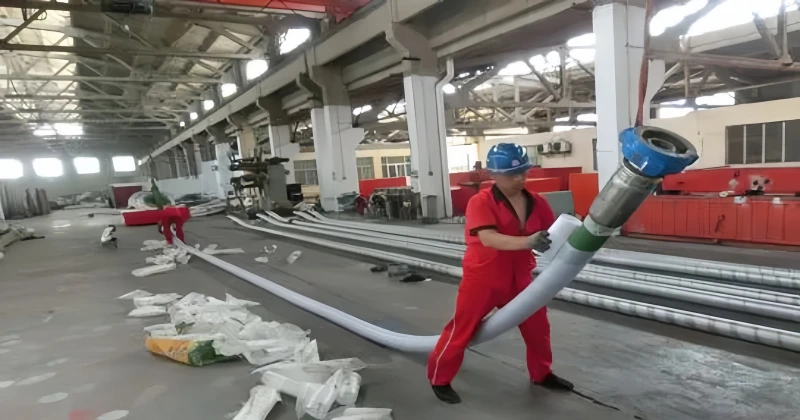
You must start your selection process by identifying the maximum operating pressure of your drilling system. This value represents the highest pressure your equipment will experience during normal operations.
Always use the actual data from your system’s pressure gauges or technical documentation. If you underestimate this value, you risk choosing a hose that cannot handle the demands of your operation.
If you use a kelly hose with a pressure rating below your system’s maximum operating pressure, you expose your operation to several serious risks:
- System failure
- Costly downtime
- Environmental hazards
- Personal injury
You can avoid these issues by accurately determining your system’s requirements before making a selection. This step forms the foundation for safe and efficient drilling operations.
Applying Safety Margin
After you determine the maximum operating pressure, you need to apply a safety margin. Industry best practices recommend selecting a Kelly hose with a pressure rating at least 25% higher than your system’s maximum operating pressure.
This margin accounts for unexpected pressure spikes and ensures the hose remains reliable under demanding conditions.
Alienfrac stands out as a reliable provider of high-pressure hoses for oilfield applications. The company’s Kelly hoses meet or exceed API Spec 7K standards. Each hose undergoes factory testing at 1.5 times its working pressure.
Alienfrac also recommends periodic hydrostatic pressure testing at 1.25 times the working pressure every 6 to 12 months, with each test held for at least 10 minutes without leakage. These rigorous protocols ensure that every hose maintains its integrity and supports your safety margin.
Alienfrac’s design and manufacturing processes focus on extreme working conditions. The hoses offer excellent wear and corrosion resistance, which is essential for long-term stability in high-pressure environments.
By choosing Alienfrac, you gain confidence that your hose selection will protect both your equipment and your personnel.
Tip: Always review the manufacturer’s specifications and certifications before finalizing your selection. This step helps you confirm that the pressure rating of kelly hose matches your system’s needs and includes the necessary safety margin.
Understanding the Pressure Rating of Kelly Hose
The pressure rating of the Kelly hose is a critical specification you must understand before making a selection. This rating tells you the maximum pressure the hose can safely handle during operation. It plays a vital role in oilfield safety, as it helps prevent hose failure and protects your crew and equipment.
| Aspect | Description |
|---|---|
| Definition | Pressure rating indicates the maximum working pressure a kelly hose can safely handle. |
| Working Pressure | Typically ranges from 3,000 to 10,000 PSI depending on hose grade and application. |
| Hose Grades (API 7K) | D (5,000 PSI), E (7,500 PSI), F (10,000 PSI) |
| Test Pressure | Conducted at 1.5 times the working pressure to ensure hose integrity. |
| Burst Pressure | Designed to withstand at least 4 times the working pressure, ensuring a minimum safety factor of 4:1. |
| Significance | Ensures safe operation under high drilling fluid loads, preventing hose failure and accidents in oilfield operations. |
Working vs Burst Pressure
You will often see two main pressure values on a Kelly hose: working pressure and burst pressure. The working pressure is the maximum pressure the hose can handle during normal operations.
Burst pressure is the point at which the hose will fail. Manufacturers design kelly hoses so that burst pressure is at least four times higher than the working pressure. This safety margin protects you from unexpected pressure spikes and ensures reliable performance in demanding environments.
Construction and Materials
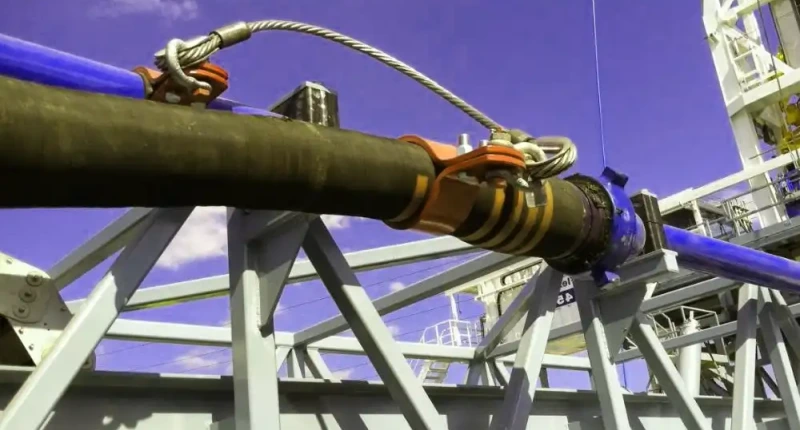
The construction of a kelly hose directly impacts its pressure rating and durability. You should look for hoses built with advanced materials and manufacturing techniques. Alienfrac uses a multi-layered approach to hose construction:
- Inward Tube: Made from NBR (Nitrile Butadiene Rubber), which resists abrasion, erosion, and oils.
- Reinforcement Layer: Contains 2-8 layers of high-tensile spiraled steel wire, providing structural integrity and pressure resistance.
- Outer Cover: Uses high-quality elastomer, mainly chloroprene rubber, to protect against abrasion, weathering, and UV radiation.
Alienfrac hoses are manufactured using a bonded method that fuses steel and elastomeric materials into a single unit. The couplings are chemically bonded to the hose, creating a robust assembly. This process allows the hose to withstand working pressures up to 15,000 psi, depending on the grade.
Alienfrac’s commitment to quality is evident in its certifications. The company meets API 7K and ISO 6807 standards, which set strict requirements for design, material composition, and performance testing. These certifications give you confidence that your hose will perform safely and reliably in the field.
Key Factors for Kelly Hose Selection
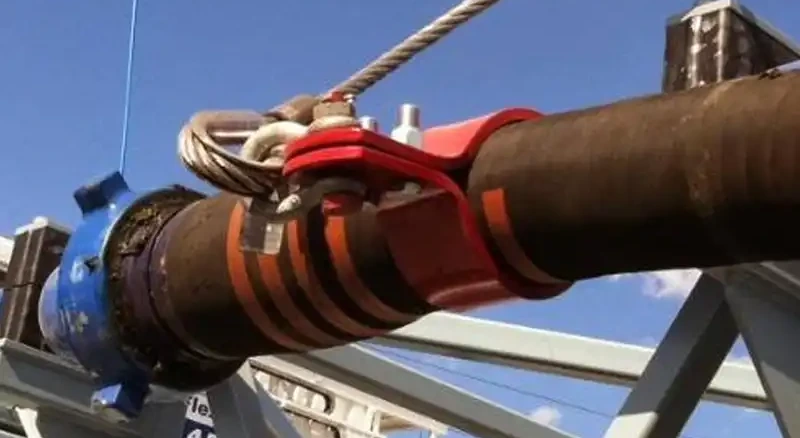
When you approach hydraulic hose selection for oilfield operations, you must consider several critical selection factors. Each factor ensures the hose will perform safely and efficiently under demanding conditions. Let’s break down the most important aspects of hose selection.
Operating Pressure
You need to match the hose’s pressure capabilities to your system’s specific pressure range. Always check the maximum operating pressure and confirm that the hydraulic hose can handle both steady loads and pressure surge dampening.
Alienfrac offers extremely high-pressure hoses and medium-pressure hoses, so you can select the right product for your hydraulic applications. Sizing considerations also play a role—choose the correct inner diameter to optimize flow and minimize pressure loss.
Safety Factor
Safety factors protect your operation from unexpected events. In the oil and gas industry, the typical safety factor for kelly hoses is 2.5. This means you should select a hydraulic hose with a pressure rating at least 2.5 times higher than your system’s maximum working pressure.
This approach reduces the risk of hose failure and supports long-term reliability.
Fluid Compatibility
Fluid compatibility is essential for hydraulic hose selection. You must ensure the hose materials resist the chemicals and fluids used in your operation. Alienfrac customizes Kelly hoses with inner layers made from synthetic rubber like HNBR or fluororubber, which provide excellent chemical resistance.
This prevents swelling, leakage, and inner wall damage, maintaining hose integrity and extending service life.
Temperature and Environment
Environmental conditions directly affect hydraulic hose selection. Consider the following impacts:
| Factor | Impact on Hose Lifespan and Pressure Rating |
|---|---|
| Temperature | Extreme temperatures cause hardening or cracking, reducing lifespan and pressure tolerance. |
| Pressure | Surpassing the hose rating risks bursting or deformation. |
| Media Compatibility | Incorrect rubber causes swelling or damage, weakening the hose. |
| UV Exposure | Lack of UV resistance leads to chalking and cracking. |
| Installation | Over-bending or twisting causes joint failure and fatigue. |
Alienfrac addresses these challenges by engineering hoses with multi-layer composite structures and protective outer covers. You can select low-pressure hoses, medium-pressure hoses, or extremely high-pressure hoses based on your environment and application.
Proper hydraulic hose selection ensures durability, safety, and performance in any condition.
Tip: Always review all compatibility requirements and consult with experts to ensure your hydraulic hose selection matches your operational needs.
Interpreting Hose Ratings and Specifications
Reading Hose Labels
You need to read those labels carefully to ensure you select the right product for your operation. Manufacturers print essential information directly on the hose. You will see details such as working pressure, burst pressure, temperature range, and hose type.
These labels help you confirm that the hydraulic hose meets your system requirements. Look for certification marks like API 7K or ISO 6807. These marks indicate that the hose has passed rigorous testing and meets industry standards.
You should check the label for the manufacturer’s name, production date, and batch number. This information helps you track the hose’s origin and verify its authenticity. If you see a label with Alienfrac branding, you know the hose comes from a trusted source.
Alienfrac hoses display clear pressure ratings and compliance certifications, making your selection process easier.
Tip: Always inspect the hose label before installation. If you notice any missing or unclear information, contact the supplier for clarification.
Using Manufacturer Datasheets
Manufacturer datasheets provide detailed technical specifications for each hose model. You can use these datasheets to compare products and make informed decisions. Datasheets include information such as inner diameter, length, reinforcement layers, and material composition.
You will also find performance data, including maximum working pressure, burst pressure, and recommended safety factors.
Review the datasheet to check compatibility with your system’s fluids and environmental conditions. Alienfrac offers datasheets for every hydraulic hose, outlining chemical resistance, temperature tolerance, and installation guidelines.
You can use these documents to verify that the hose will perform reliably in your application.
| Specification | What to Check |
|---|---|
| Pressure Rating | Matches system requirements |
| Material | Compatible with fluids |
| Certification | Meets industry standards |
| Temperature Range | Suitable for the environment |
Note: If you have questions about datasheet details, consult with Alienfrac experts or your supplier. They can help you interpret technical data and select the best hose for your needs.
Selection Checklist for Kelly Hose
When you approach Kelly hose selection, you need a systematic checklist to ensure safety and performance. Follow these steps for a reliable outcome.
Identify System Requirements
Start by gathering all relevant data about your drilling system. Record the maximum operating pressure, fluid type, temperature range, and environmental conditions. You must understand these requirements before making any selection. This information forms the foundation for your decision.
Review Hose Specifications
Examine the technical specifications for each hose option. Look for details such as working pressure, burst pressure, material composition, and certifications. Use manufacturer datasheets to compare products. Alienfrac provides clear documentation, making your selection process easier. Check that the hose meets or exceeds your system requirements.
Confirm Safety Margin
Verify that the hose offers a safety margin above your maximum operating pressure. Industry standards recommend a margin of at least 25%. This step protects your operation from unexpected pressure spikes. Alienfrac hoses undergo rigorous testing to ensure reliability. Always confirm the safety margin during selection.
Check Compatibility
Assess the compatibility of the hose with your fluids and environmental conditions. Review the inner tube material and outer cover for chemical resistance and durability. Alienfrac customizes hoses for various oilfield applications. Make sure the hose fits your system and withstands harsh conditions.
Consult Experts or Suppliers
Seek expert consultation if you have questions or need tailored solutions. Contact Alienfrac or your trusted kelly hose suppliers for guidance. Professional consultation helps you address complex requirements and ensures the best selection for your operation.
Tip: Use this checklist for every Kelly hose selection. It reduces risk and improves operational safety.
| Step | Action Required |
|---|---|
| System Requirements | Gather data on pressure and environment |
| Specifications | Compare hose details and certifications |
| Safety Margin | Confirm margin above max pressure |
| Compatibility | Check material and fluid resistance |
| Consultation | Seek expert advice |
Conclusion
You must match the pressure rating of your Kelly hose to your system’s needs and consider all selection factors. Industry experts recommend these best practices:
| Recommendation | Description |
|---|---|
| Use Durable Materials | Ensure hoses are made from high-quality, durable materials to withstand high-risk conditions. |
| Schedule Preventive Maintenance | Regular maintenance appointments can prevent hose failures and ensure safety. |
| Emergency Services Availability | Choose suppliers that offer 24/7 emergency hose replacement services to minimize downtime and risks. |
- Safety is crucial when handling flammable materials.
- Regular maintenance keeps hoses efficient and safe.
Alienfrac provides trusted solutions that focus on safety and reliability. For tailored advice, consult with experts or your supplier.
FAQ
What is the difference between working pressure and burst pressure?
Working pressure shows the maximum pressure you can safely use during normal operations. Burst pressure is the point at which the hose fails. Always select a hose with a burst pressure at least four times higher than the working pressure.
How often should you inspect or replace a Kelly hose?
You should inspect Kelly hoses before each use and after any pressure event. Replace hoses immediately if you see damage, leaks, or wear. Follow manufacturer guidelines for scheduled replacement, usually every 12 to 24 months.
Can you use any Kelly hose for all drilling fluids?
No. You must check fluid compatibility. Some fluids require special inner tube materials. Alienfrac offers hoses with custom linings for different chemicals. Always verify compatibility to prevent hose failure.
What certifications should you look for in a Kelly hose?
Look for hoses certified to API 7K, ISO 6807, or similar standards. These certifications ensure the hose meets strict safety and performance requirements. Alienfrac hoses carry multiple international certifications for reliability.