Choose hammer unions by figure, pressure class, size, end connection and service condition. Alienfrac supplies standard-service and sour-service options for drilling, cementing, fracturing, testing and flowline systems, with clear product marking and material traceability for project documentation.
• Figure range from low-pressure general service to 20,000 psi-class applications
• Threaded and butt-weld end options, subject to figure and size
• Standard-service and sour-service configurations where available
• RFQ support for dimensions, materials, seals, marking and document requirements
Send your service data, connection drawing and document requirements. Alienfrac will review the figure, size, end connection and service class before preparing a line-by-line quotation.
Start with the figure number, then confirm the exact size, pressure rating, end connection, temperature, fluid and service class. The ratings below are catalogue-level guides, not design approval. Final selection must follow the current Alienfrac datasheet, purchase specification and engineering review for the complete assembly.
A figure number alone is not enough to place a safe order. Two unions can look similar while having different pressure limits, service materials or thread geometry. Build the RFQ around the operating envelope and the exact connection on each end.
State normal working pressure, maximum expected pressure, test pressure requirement, temperature and whether pressure is steady or cyclic. Keep cold working, test and burst values separate. A sour-service version may have a lower working rating than the standard-service version, and availability can change with size or end connection.
Specify nominal size, male or female half, threaded or butt-weld end, thread form, pipe schedule, weld preparation and any required orientation. If the union will be fitted to a hose, manifold, pup joint or pressure instrument, include the mating drawing or part number instead of relying on a verbal description.
For H₂S exposure, provide fluid composition, H₂S and CO₂ level, water phase, chloride content, pressure, temperature and the required material standard. “NACE” should never be used as a stand-alone buying description. Confirm the exact material grade, hardness limits, heat treatment, seal compound, marking and supporting records for the proposed union.
Compare the current manufacturer drawing for overall length, nut radius, bore, thread and weld-end geometry. Do not assume that parts from different figures, brands, service classes or manufacturing generations can be mixed. API Spec 7HU2 was created to reduce mismatch risk in newly manufactured oilfield hammer unions; project requirements and component identification still need to be checked.
A dependable hammer union starts with controlled material, forging or casting quality, heat treatment, machining, thread gauging and final inspection. For repeat orders, the drawing revision, marking convention and document package should stay tied to the exact part number and service class.
Ask Alienfrac to confirm the project document package, which may include:
• Product drawing and approved data sheet
• Material certificate and heat/lot traceability
• Heat-treatment and hardness records where specified
• Dimensional, thread-gauge and visual inspection records
• Pressure-test record when included in the order scope
• Marking, preservation, packing and certificate index
Safety note: never strike, tighten or loosen a pressurized hammer union. Do not use worn, corroded, eroded, leaking or unidentified components. Follow the operator’s procedure, the current manufacturer instructions and the project’s inspection limits.
Hammer unions are used where crews need a compact connection that can be made up and broken out quickly. Typical duties include drilling and cementing manifolds, pressure-pumping and fracturing lines, well-test packages, choke and kill equipment, mud and production lines, truck-mounted systems and selected industrial piping. The figure, material and seal must match the actual fluid, pressure, temperature and operating procedure.
A complete RFQ prevents back-and-forth and makes supplier quotations easier to compare. Send the fields below for every line item, and attach the mating drawing when compatibility is critical.
• Figure number and item description
• Quantity and required delivery date
• Nominal size and bore
• Male, female or complete union
• Threaded, butt-weld, socket-weld or other end detail
• Pipe schedule, material and weld preparation
• Working pressure, test requirement and pressure-cycle duty
• Fluid, temperature and standard/sour service
• Seal material and low-temperature requirement
• Applicable standard, edition and project specification
• Marking, paint/color, traceability and certificate requirements
• Packing, preservation and delivery destination
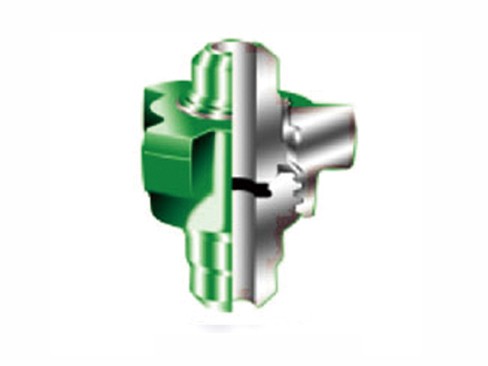
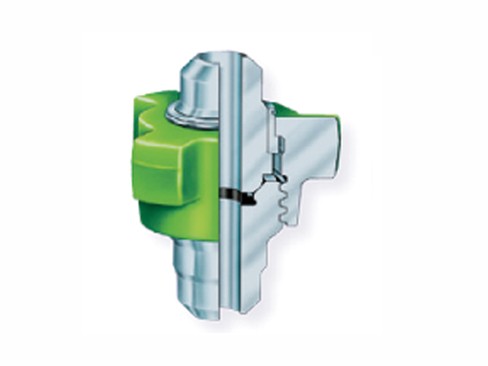
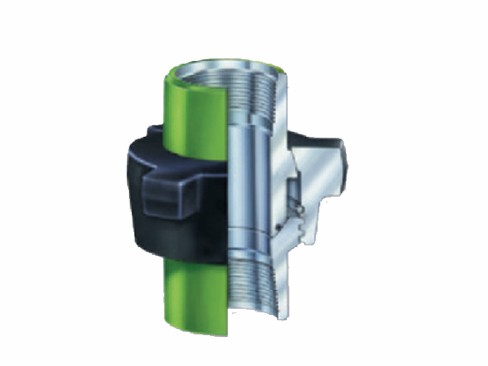
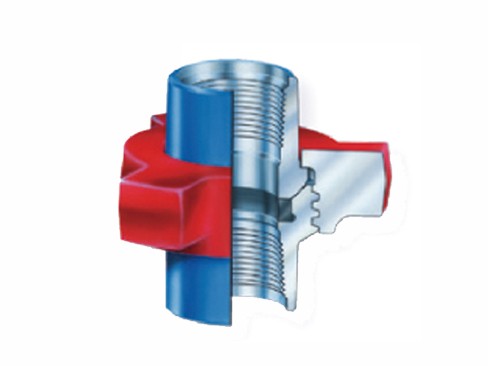
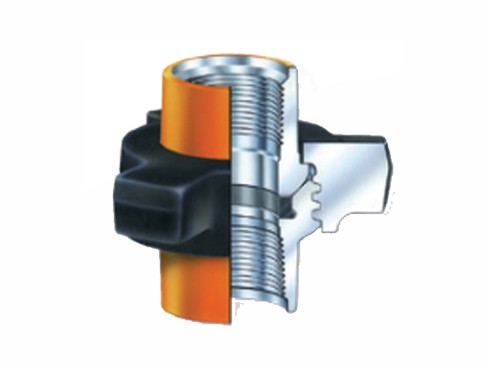
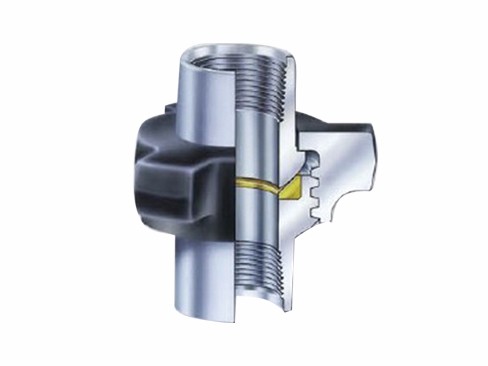
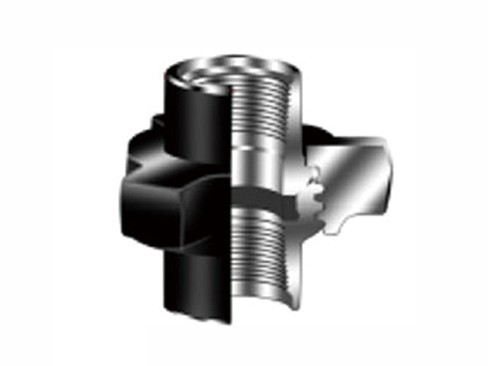
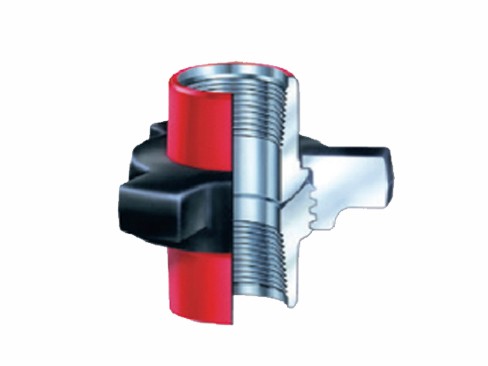
A hammer union is a compact connection made from mating subs and a wing nut. It allows crews to make up or break out selected flowline connections quickly. The correct figure, size, pressure rating, end connection, material and service class must be matched to the system.
Start with working pressure and service, then check size, end connection, fluid, temperature, standard or sour service, seal material and dimensions. Use the current manufacturer drawing and datasheet for the exact part—not a color code or figure number alone.
FIG 602 is commonly used for 6,000 psi-class standard-service applications, while FIG 1502 is commonly used for 15,000 psi-class standard-service applications. Sour-service ratings and available sizes may be lower or different. Never mix components; confirm the exact product specification.
Do not assume interchangeability. Similar-looking components can have different threads, dimensions, pressure classes, materials or service ratings. Verify the current drawings, markings and project requirements. API Spec 7HU2 addresses dimensional and functional interchangeability for newly manufactured unions within its scope.
Send the figure, quantity, nominal size, male/female/complete-union requirement, end connection, pipe schedule, material, working pressure, test scope, fluid, temperature, standard or sour service, seal, applicable specification, documents, marking and delivery destination.
Not unless the exact union is designed, manufactured, marked and documented for the specified sour-service conditions. Provide the complete H₂S environment and required standard, then obtain written confirmation for the proposed part number and rating.
WhatsApp us