
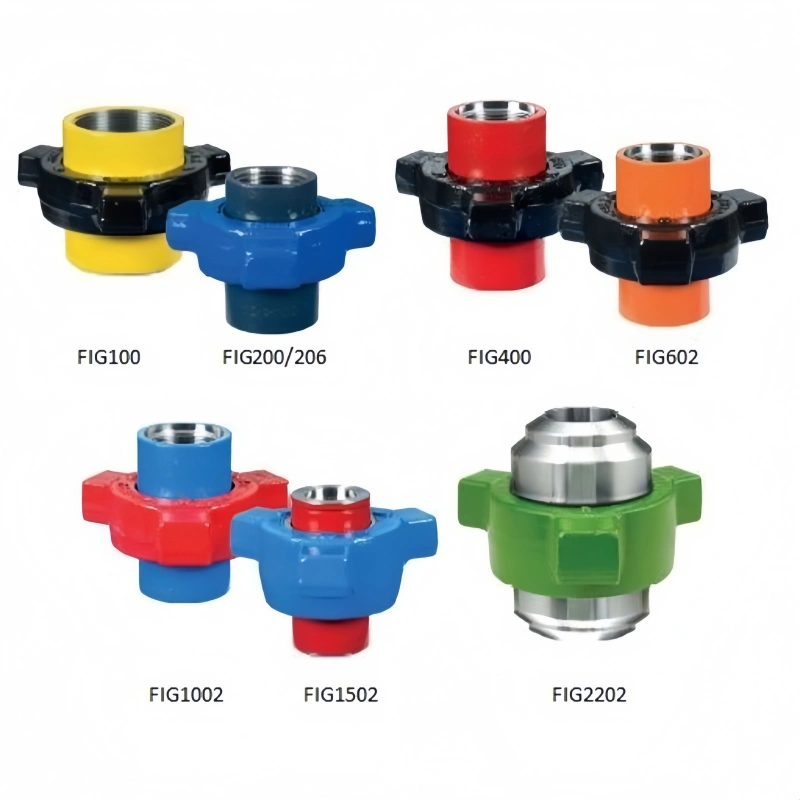
You face demanding environments in the oilfield every day. Hammer union pressure ratings and color codes help you make quick, safe decisions when connecting equipment. These ratings and codes show you which unions handle specific pressures and applications.
Alienfrac delivers reliable solutions with precise manufacturing and strict quality standards. You gain confidence knowing you use products trusted by professionals worldwide.
Key Takeaways
- Understand hammer union pressure ratings to ensure safe equipment connections. Match the right union to your job’s pressure requirements.
- Use the color coding system to quickly identify hammer unions. Each color represents a specific pressure rating and application, enhancing safety.
- Regularly inspect hammer unions for wear and damage. This practice helps prevent leaks and equipment failures in high-pressure environments.
- Follow a step-by-step selection process for hammer unions. Confirm pressure ratings, color codes, and compatibility to ensure reliable performance.
- Stay informed about industry standards and best practices. Continuous learning helps you adapt to safety protocols and improve operational efficiency.
Hammer Union Pressure Ratings Overview
What Are Hammer Union Pressure Ratings?
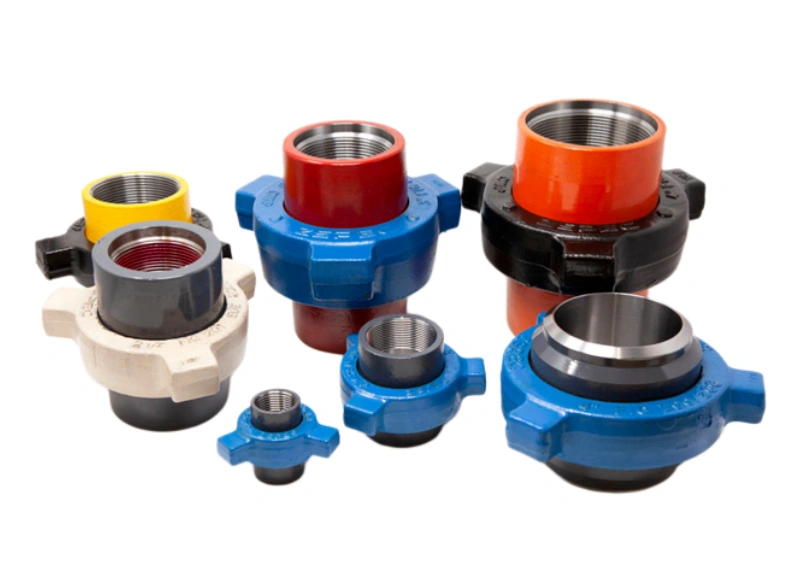
You rely on hammer union pressure ratings to determine the maximum pressure a union can safely handle during oilfield operations. These ratings help you match the right equipment to the demands of your job.
In the context of oilfield equipment, hammer unions are specialized pipe fittings that allow rapid assembly and disassembly for fluid transfer. Each union receives a pressure rating based on its Cold Working Pressure (CWP), which is the highest pressure it can safely withstand at normal operating temperatures.
Manufacturers also test each union at a higher pressure, known as the test pressure, to verify its strength and integrity.
| Term | Description |
|---|---|
| Hammer Unions | Specialized pipe fittings for rapid assembly and disassembly in fluid transfer applications. |
| CWP (Cold Working Pressure) | The maximum pressure the union can safely handle under normal operating temperatures. |
| Test Pressure | Pressure at which the union is hydrostatically tested to verify its integrity and strength. |
Alienfrac offers a comprehensive range of hammer unions with pressure ratings from 1,000 psi to 15,000 psi. This wide selection ensures you can always find the right union for your specific application.
Common Ratings and Figures
You encounter several common pressure ratings and figure numbers in the field. Each figure corresponds to a specific design and pressure capability. The table below summarizes the most widely used figures and their associated ratings:
| Figure Number | CWP (psi) | Test (psi) |
|---|---|---|
| FIG100 | 1,000 | 1,500 |
| FIG200 | 2,000 | 3,000 |
| FIG400 | 4,000 | 6,000 |
| FIG600 | 6,000 | 9,000 |
| FIG1002 | 10,000 | 15,000 |
| FIG1502 | 15,000 | 22,500 |
| FIG2002 | 20,000 | 30,000 |
You select a figure based on the pressure requirements and the intended use. Here are typical applications for each figure:
| Hammer Union Figure | Typical Application |
|---|---|
| Fig 100 | Low-pressure oilfield fluid transfer and general surface service. |
| Fig 200 | Low-pressure oilfield fluid transfer and general surface service. |
| Fig 206 | Low- to medium-pressure oilfield flowline service. |
| Fig 602 | Medium-pressure drilling, mud, and well service flowlines. |
| Fig 1002 | High-pressure well service, cementing, and manifold connection. |
| Fig 1502 | High-pressure cementing, fracturing, treating iron, and pressure pumping. |
| Fig 2202 | Ultra-high-pressure oilfield service in selected applications. |
Alienfrac’s hammer unions cover all these common pressure ratings, giving you flexibility and confidence in your equipment selection.
Application and Safety Impact
You must always match hammer union pressure ratings to your specific application. Using the correct rating prevents leaks, blowouts, and equipment failure. The following table outlines how different pressure categories align with typical oilfield tasks:
| Pressure Rating Category | Typical Applications | Key Features |
|---|---|---|
| Low Pressure (up to 1,000 psi) | Water transfer, utility lines | Cost-effective, simple design |
| Medium Pressure (1,000 to 6,000 psi) | Oil & gas, chemical, mining | Balanced strength and durability |
| High Pressure (over 6,000 psi) | Hydraulic fracturing, deepwater drilling | Premium materials, precision engineering |
Tip: Always verify the pressure rating before installation. Proper selection based on application-specific ratings helps you prevent catastrophic failures and ensures safety in high-pressure environments.
Compliance with industry standards for hammer union pressure ratings is now a key purchasing criterion for many operators.
You improve operational safety and efficiency when you choose unions with the correct common pressure ratings. Alienfrac’s rigorous testing and quality control ensure every union meets or exceeds its rated performance, so you can trust your connections in the most demanding conditions.
Hammer Union Color Codes Guide
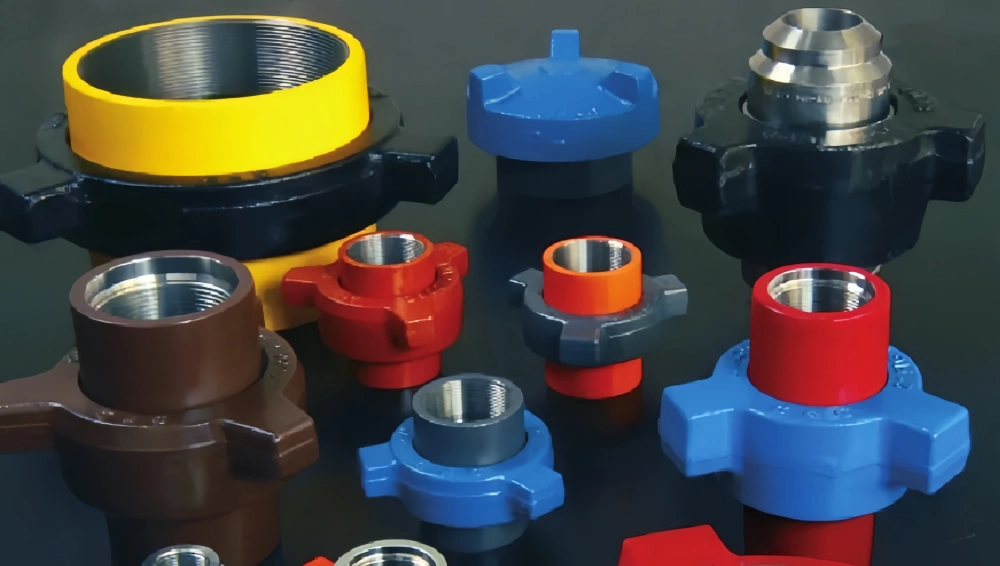
Color Coding System Explained
You need to identify hammer unions quickly and accurately in the field. The color coding system, based on the API 16 C standard, helps you do this with ease. Each color represents a specific pressure rating and material type. This system creates a universal language for oilfield professionals.
You can spot the right union at a glance, even in challenging conditions.
The color coding system offers several key benefits:
- You can quickly identify hammer unions by pressure rating and material type.
- Each color signals a specific application, which helps you avoid mismatches that could lead to dangerous situations.
- A universal color system reduces confusion among your team and improves operational efficiency.
- You enhance safety by minimizing the risk of using the wrong union for a given pressure.
Alienfrac follows the API 16C color coding standard for all hammer unions. This commitment ensures you receive products that meet global safety and identification requirements.
Color Code Table by Figure and Rating
You can use the following table to match Alienfrac Hammer Union figures, pressure ratings, and their corresponding color codes. This table helps you select the right union for your job and verify compatibility at a glance.
| Figure Number | Pressure Rating (psi) | Color Code | Typical Application |
|---|---|---|---|
| FIG 100 | 1,000 | Black Nut / Silver Subs | Low-pressure fluid transfer |
| FIG 200 | 2,000 | Blue Nut / Gray Subs | Low-pressure fluid transfer |
| FIG 206 | 2,000 | Green Nut / Gray Subs | Low-to-medium-pressure flowline |
| FIG 400 | 4,000 | Yellow Nut / Silver Subs | Medium-pressure drilling and mud service |
| FIG 602 | 6,000 | Red Nut / Blue Subs | Medium-pressure well service |
| FIG 1002 | 10,000 | Orange Nut / Black Subs | High-pressure cementing and manifold |
| FIG 1502 | 15,000 | Purple Nut / Gray Subs | High-pressure fracturing and treating iron |
| FIG 2202 | 20,000 | White Nut / Silver Subs | Ultra-high-pressure service |
For FIG 2202, confirm the pressure rating, color identification, seal arrangement, and service requirements against the current FIG 2202 product specification. Product-specific documentation should take priority over general color-code guidance when selecting a union for acid-gas service.
Tip: Always check both the color code and the figure number before installation. This double-check ensures you use the correct union for your pressure requirements.
Visual Identification Tips
You can improve safety and efficiency by mastering visual identification of hammer unions. Use these practical tips in the field:
- Inspect the nut and sub colors before connecting any union.
- Confirm the figure number stamped on the union matches the color code.
- Clean unions regularly to keep color markings visible and clear.
- Replace unions if color codes become faded or hard to read.
Common errors during visual identification include missing or faded color codes, wear, corrosion, and misalignment. These issues can lead to operational inefficiencies and premature wear. You can avoid these problems by following best practices:
- Conduct regular inspections to check for signs of wear or damage.
- Use high-quality, anti-galling lubricants during maintenance.
- Ensure proper alignment when installing unions to prevent stress on threads.
Note: Quick and accurate identification of hammer unions using color codes helps you prevent mismatches, reduce downtime, and maintain a safe work environment.
You can trust Alienfrac’s commitment to clear color coding and strict quality standards. This attention to detail supports your team’s safety and efficiency in every operation.
Selecting Alienfrac Hammer Unions
Step-by-Step Selection Process
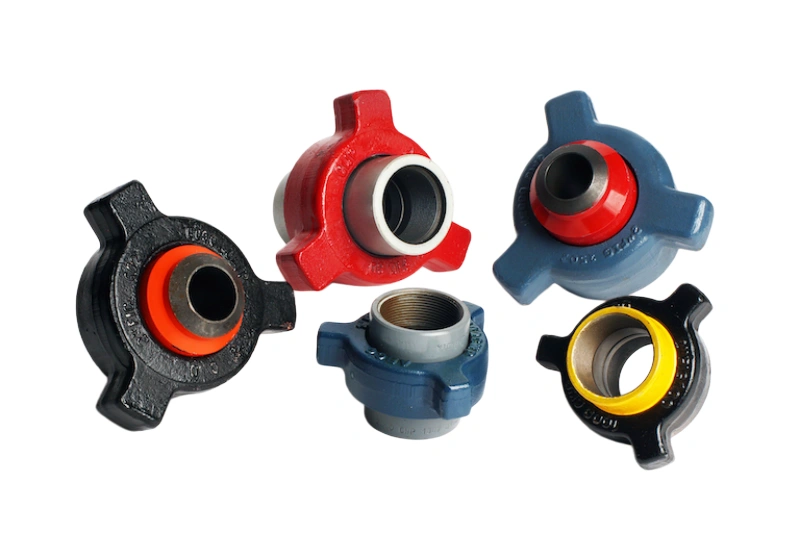
You need a clear process to select the right hammer unions for your operation. Start by understanding the pressure rating required for your application. Check the color coding system, which simplifies identification and enhances safety. Each color corresponds to a specific pressure rating, material type, and application.
For example, a red hammer union signals a certain pressure range, while blue may indicate a different material or use.
Consider the temperature ranges your equipment will face. Different materials respond uniquely to heat, so thermal conductivity matters for high-temperature jobs.
Review customer feedback to learn about durability and ease of use. Alienfrac ensures high-quality products that meet industry standards, so you can trust their reliability.
Follow these steps for selection:
- Identify the pressure rating needed for your operation.
- Match the color code to the pressure rating and material type.
- Confirm compatibility with your piping system.
- Evaluate temperature tolerance and material performance.
- Review customer experiences for insights on usability.
- Choose hammer unions from a reputable supplier like Alienfrac.
Tip: Familiarity with the color coding system and safety factors helps you prevent failures and ensures reliability.
Avoiding Common Mistakes
Mistakes during selection can lead to costly downtime and safety hazards. You must avoid mismatched or misidentified hammer unions. Common errors include improper lubrication, seal degradation, misalignment, material fatigue, corrosion, and over-tightening. The table below shows the consequences of these mistakes:
| Common Mistakes | Consequences |
|---|---|
| Improper lubrication | Increased wear and potential galling |
| Seal degradation | Costly downtime and safety hazards |
| Misalignment | Operational inefficiencies and premature wear |
| Material fatigue | Sudden failures due to cracks |
| Corrosion | Structural weakening and potential leaks |
| Over-tightening | Damaged threads leading to leaks and failures |
Alienfrac supports you with resources to avoid these errors. You can access guidance on safety factors, temperature tolerance, connection types, seal selection, and maintenance practices.
Compliance with industry standards and proper maintenance extends the lifespan of your hammer unions and keeps your operation safe.
Note: Always double-check color codes and pressure ratings before installation. Alienfrac’s expert support helps you make informed decisions and maintain operational efficiency.
Safety and Compliance for Hammer Unions
Importance of Correct Selection
You must select the right hammer union for every oilfield operation. Hammer unions handle high pressure and harsh conditions, so correct selection is critical for safety and equipment longevity.
You benefit from easy installation, which is essential in fast-paced environments. Secure connections depend on matching pressure, material compatibility, and size. Proper maintenance practices also enhance the lifespan and reliability of your equipment.
- Hammer unions are designed to withstand high pressure and extreme environments.
- You ensure secure connections by choosing unions based on pressure rating, material, and size.
- Maintenance routines help you avoid unexpected failures and extend equipment life.
Alienfrac’s hammer unions meet strict industry standards. You can trust their API, DNV MED, CCS, and ABS certifications for quality and safety. These certifications guarantee that every union passes rigorous pressure testing before reaching your site.
Risks of Incorrect Use
Incorrect use of hammer unions exposes you to serious risks. Using the wrong pressure rating or color code can cause leaks, spills, or equipment failure. You may face injuries or costly downtime if unions fail under pressure testing. The following table highlights documented risks and incidents in oilfield operations:
| Year | Percentage of Non-Fatal Injuries | Description |
|---|---|---|
| 2007 | 32% | Non-fatal injuries due to being struck by an object in the oil and gas field. |
| 2016 | Significant time away from work | Most non-fatal injuries resulted in significant time away from work with limitations or restrictions. |
You also see real-world incidents:
- In February 2014, a dump line froze, causing the hammer joint to loosen and spill 42 gallons onto the ground.
- In November 2013, a failed hammer union resulted in a 21-gallon spill of fluid, impacting the surface of the Well Pad.
“Fatigue increases the risk of improper procedure or careless operation of equipment, which increases fatal and non-fatal injury.”
You must follow industry standards for hammer union selection and use. The table below shows key standards:
| Standard | Description |
|---|---|
| Spec 7HU2 | A global standard addressing the incompatibility of hammer union components, enhancing safety and interoperability in oilfield operations. |
| API Recommended Practice 7HU1 | Provides guidelines for the safe use of 2-inch hammer unions in oilfield applications. |
Alienfrac holds certifications such as API Spec Q1, API Spec 7K, and API Spec 16C. These certifications confirm that every union undergoes pressure testing and meets technical requirements for oilfield safety.
Regular inspection and maintenance are essential for ongoing safety. You should:
- Inspect hammer unions before each use and during prolonged operations.
- Examine for visible cracks, dents, or signs of corrosion.
- Check threads for damage and keep them clean.
- Inspect rubber seals for wear to maintain pressure integrity.
- Lubricate moving parts to prevent friction and malfunctions.
Routine pressure testing and effective inspection techniques help you identify wear or damage early. Safety protocols and performance evaluations enhance reliability and extend the lifespan of your hammer unions.
Conclusion
You improve safety and efficiency when you understand hammer union pressure ratings and color codes.
- You prevent system failures by matching unions to the correct pressure.
- Color codes help you identify specifications quickly.
- Pressure testing confirms your equipment can handle operational demands.
Alienfrac supports you with expert guidance and reliable products.
| Selection Factor | Description |
|---|---|
| Working Pressure | Match the union to your system’s maximum pressure. |
| Figure Type | Choose the right figure for your application. |
| Size | Verify the correct flowline size. |
| Service Medium | Identify the fluid type. |
| End Connection | Select the proper connection style. |
| Service Condition | Confirm the service environment. |
| Seal Material | Use compatible seals for pressure and fluid. |
| Inspection | Request inspection documents as needed. |
| Compatibility | Ensure fit with your current equipment. |
You stay ahead by following industry standards and seeking ongoing education. Continuous learning helps you adapt to new safety protocols and design improvements. Trust Alienfrac for dependable hammer unions and expert support.
FAQ
What do hammer union color codes mean?
Color codes help you identify the pressure rating and material type of each hammer union. You can quickly match the right union to your application by checking the nut and sub colors.
How do you select the correct hammer union for your job?
You should check the required pressure rating, figure number, and color code. Confirm compatibility with your piping system. Always follow industry standards for safety.
How often should you inspect hammer unions?
You need to inspect hammer unions before each use. Look for cracks, corrosion, or faded color codes. Regular checks help you prevent leaks and equipment failure.
Can you use the same hammer union for different pressure ratings?
No. You must always match the hammer union to the specific pressure rating. Using the wrong union can cause leaks, spills, or equipment damage.