
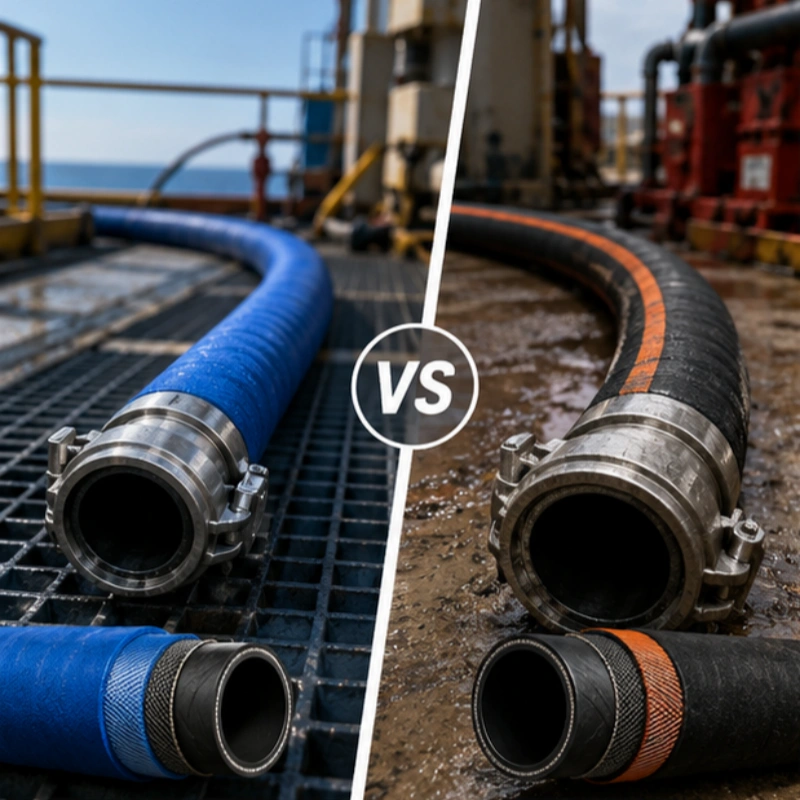
You face a clear choice when comparing a degassing hose vs a mud hose. Degassing hoses operate at lower pressures and handle gas-cut mud, connecting degasser units for safe gas removal. Mud hoses withstand higher pressures and circulate abrasive drilling fluids, linking pumps to drill strings.
Selecting the right hose ensures system integrity and protects your team. Alienfrac delivers reliable hoses for every oilfield need.
Key Takeaways
- Degassing hoses operate at lower pressures and transport gas-cut mud to degasser units, ensuring safe gas removal.
- Mud hoses handle higher pressures and circulate abrasive drilling fluids, connecting pumps to drill strings for efficient drilling operations.
- Choosing the right hose type is crucial for system integrity and safety; always match the hose to your system’s pressure and function.
- Regular inspection and maintenance of hoses prevent failures and extend their lifespan, protecting both equipment and personnel.
- Consult with technical experts for custom hose solutions that meet your specific drilling requirements and ensure compliance with industry standards.
Degassing Hose vs Mud Hose Comparison
Key Specifications Table
You need a clear view of the technical differences when choosing between a degassing hose and a mud hose. The following table highlights the most important specifications for both hoses. Alienfrac designs each hose to meet the demands of oilfield operations, focusing on durability, safety, and performance.
| Feature | Degassing Hose | Mud Hose |
|---|---|---|
| Material | Synthetic rubber with steel wire reinforcement | Synthetic rubber with multiple wire layers |
| Working Pressure | Up to 2,000 PSI (13.8 MPa) | 3,000 PSI to over 5,000 PSI |
| Applications | Mud degasser systems, vacuum degasser lines | Drilling mud circulation, pump to drill string |
| Construction | Multi-layer, abrasion and chemical resistant | Heavy-duty, high abrasion and impact resistant |
| Outer Cover | UV, weather, oil, and seawater resistant | Weather, oil, and abrasion resistant |
| Fittings | Hammer union, threaded, flange, custom | Crimped, flanged, heavy-duty |
| System Location | Surface, degasser units, auxiliary lines | Standpipe, swivel, drill string connections |
Alienfrac’s degassing hose uses synthetic rubber compounds and steel wire reinforcement for strength. The multi-layer structure handles abrasive fluids and outdoor conditions. The outer cover protects against UV exposure, extreme temperatures, and abrasion.
Mud hoses feature heavy internal reinforcement and are built for high-pressure environments.
Main Differences Overview
You must understand the main differences between a degassing hose and a mud hose to ensure safe and efficient oilfield operations. Degassing hoses operate at lower pressure and focus on transporting gas-cut mud or hazardous gases to degasser units.
Mud hoses handle much higher pressure and circulate abrasive drilling fluids from pumps to the drill string. You install degassing hoses on surface equipment, connecting degasser systems and auxiliary lines.
Mud hoses connect to high-pressure points like standpipes and swivels, forming the backbone of drilling fluid circulation.
Alienfrac provides both hoses with advanced materials and custom fittings. You benefit from hoses that resist abrasion, oil, and harsh weather. The company’s expertise ensures you get the right hose for each application, minimizing downtime and maximizing safety.
When you compare a degassing hose vs. a mud hose, you see that each hose serves a unique role. Alienfrac’s solutions help you match the correct hose to your system, supporting reliable performance in demanding environments.
Tip: Always match the hose type to your system’s pressure and function. Alienfrac offers technical support and custom assemblies to fit your exact requirements.
Pressure Ratings of Hoses
Degassing Hose Pressure
You need to understand the pressure requirements for degassing hoses before you select them for drilling operations. Degassing hoses from Alienfrac support working pressures up to 2,000 PSI. These hoses handle the transfer of gas-cut mud and hazardous gases during drilling operations.
The construction of these hoses includes synthetic rubber and steel wire reinforcement. This design prevents collapse under vacuum and maintains stability even when exposed to fluctuating pressure. You can rely on these hoses to perform in both onshore and offshore drilling operations.
The burst pressure for degassing hoses reaches up to 8,000 PSI, giving you a significant safety margin. Always confirm that the pressure rating of your hoses matches or exceeds the maximum pressure in your system. This step protects your equipment and your team during drilling operations.
Mud Hose Pressure
Mud hoses face much higher pressure demands in drilling operations. You use these hoses to circulate abrasive drilling fluids from pumps to the drill string. The pressure ratings for mud hoses are critical for safe and efficient drilling operations. The following table shows typical pressure ranges for mud hoses:
| Pressure Type | Pressure Range (PSI) |
|---|---|
| Working Pressure | 1,500 – 5,000 |
| Burst Pressure | > 15,000 |
Alienfrac mud hoses feature multiple wire layers for reinforcement. These hoses withstand severe pressure surges and constant abrasion. You must select hoses with a pressure rating that exceeds your operational requirements. This choice ensures that your hoses will not fail during demanding drilling operations.
Application Impact
Selecting the correct pressure rating for your hoses is essential for both safety and performance in drilling operations. Consider these key points:
- Always choose hoses with a working pressure that meets or exceeds your system’s maximum pressure.
- Using hoses with a lower pressure rating can result in sudden failure and serious safety hazards.
- The pressure rating shows the maximum pressure a hose can safely handle during drilling operations.
- Hoses rated below operational requirements can rupture or leak, causing equipment damage and safety risks.
- The burst pressure is the point at which hoses fail under extreme conditions.
- Verifying that the pressure rating exceeds operational demands is crucial for reliability and safety.
- The right pressure rating prevents failures and extends the lifespan of your hoses.
Note: Proper pressure selection for hoses in drilling operations protects your investment and keeps your team safe. Alienfrac offers technical support to help you match the right hoses to your drilling operations.
Function and System Location
Degassing Hose Role
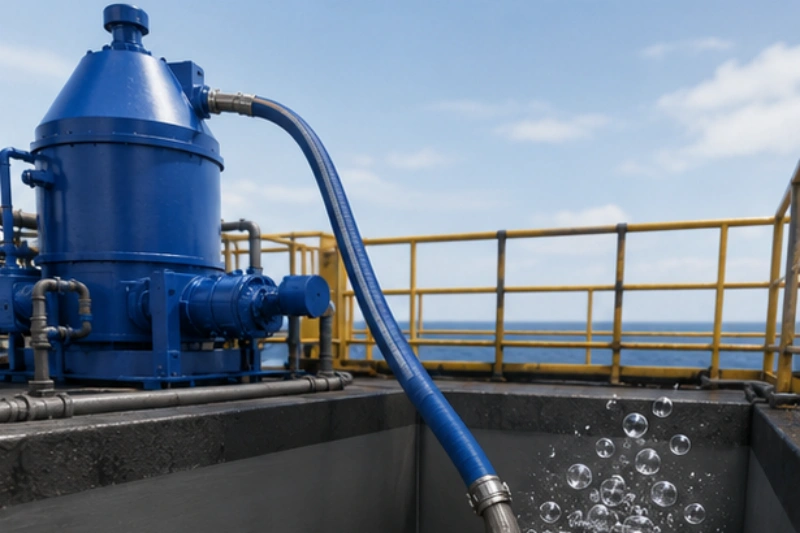
You rely on degassing hoses to manage gas-laden mud during drilling. These hoses connect the mud inlet and outlet of the degasser unit. When you send drilling mud saturated with gases through these hoses, the degasser removes unwanted gases like methane. This process protects your equipment and keeps your operation safe.
Alienfrac degassing hoses handle this task with strong synthetic rubber and steel wire reinforcement. You can trust these hoses to resist abrasion, oil, and harsh weather. Their flexibility allows you to install them on both onshore and offshore rigs.
You keep your mud system stable and prevent dangerous pressure surges by using the right degassing hoses.
Mud Hose Role
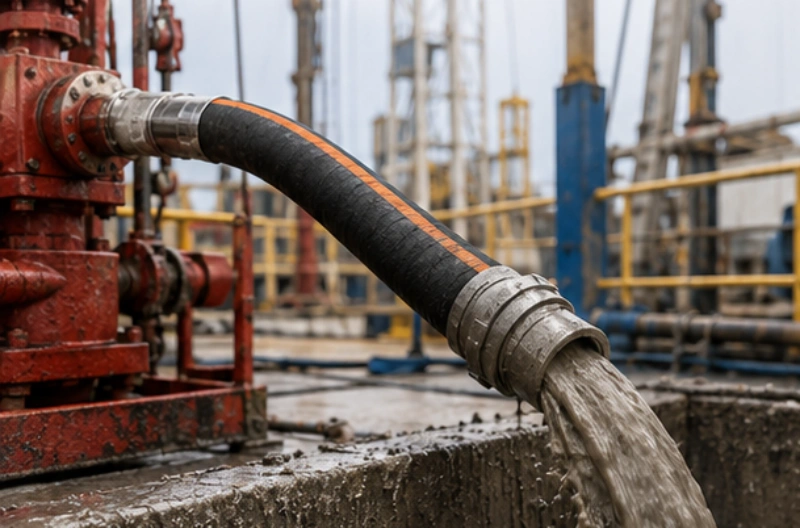
Mud hoses play a central role in drilling operations. You use these hoses to circulate drilling mud from the pumps to the drill string. The mud cools and lubricates the drill bit, carries cuttings to the surface, and stabilizes the wellbore.
Mud hoses, also called rotary or kelly hoses, must handle high pressures and large volumes of abrasive fluids. You depend on their flexibility to accommodate movement in the rig. Alienfrac mud hoses meet API 7K standards and deliver reliable performance in demanding environments.
These hoses support efficient drilling by maintaining uninterrupted mud flow and preventing kinks or restrictions.
| Feature | Specification |
|---|---|
| Operating Pressure | 5,000 to 10,000 psi |
| Mud Flow Rate | Up to 1,000 gallons per minute |
| Standards Compliance | API 7K grades D-F |
| Applications | High-volume circulation in demanding environments |
Where Each Hose Is Used?
You install degassing hoses at the surface, connecting the degasser unit to the mud system. The typical installation points include the mud inlet and outlet of the degasser. You route gas-cut mud into the degasser, remove gases, and return the treated mud to the circulation system.
This setup keeps your drilling operation safe and efficient.
You place mud hoses between the standpipe and the swivel or kelly on the rig. These hoses must handle the vertical and rotational movement of the drilling assembly. Proper location ensures that your hoses do not kink or restrict flow. You maintain system safety by matching each hose to its correct position and function.
Alienfrac provides hoses designed for each critical point in your drilling system, giving you confidence in every connection.
Tip: Always inspect your hoses before and after installation. Proper placement and regular checks extend hose life and protect your team.
Hose Fittings and Connections
Degassing Hose Fittings
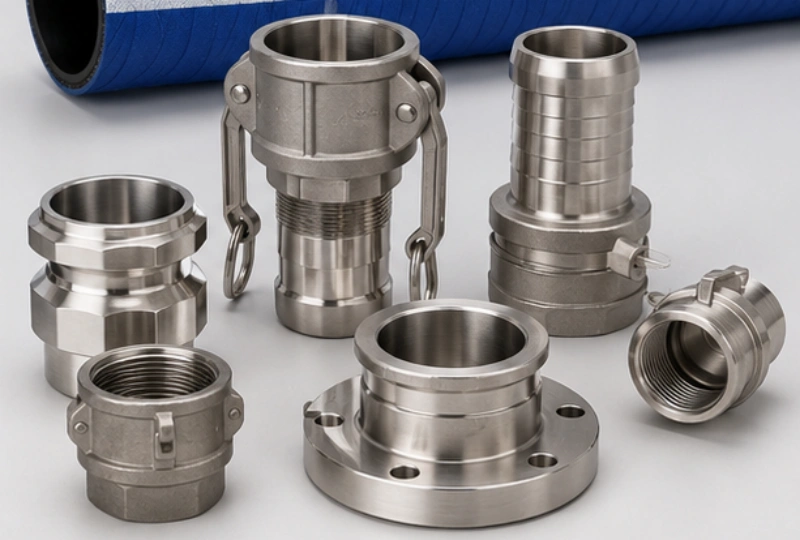
You select fittings for degassing hoses based on the requirements of mud degasser systems. Alienfrac offers hammer unions, threaded ends, flanges, and custom connections. These fittings allow you to attach hoses quickly to surface equipment.
Hammer unions provide fast assembly and disassembly, which helps you save time during rig changes. Threaded fittings give you a secure seal for vacuum and low-pressure applications. Flanges offer a strong connection for hoses exposed to outdoor conditions.
Custom fittings ensure compatibility with unique mud system layouts. You can request hoses with specific fittings to match your degasser unit.
Mud Hose Fittings
Mud hoses require heavy-duty fittings to withstand high-pressure drilling operations. Alienfrac supplies crimped ends, flanged connections, and reinforced couplings. Crimped fittings create a tight seal that prevents leaks under extreme pressure.
Flanged fittings support large-diameter hoses and allow you to bolt hoses directly to standpipes or swivels. Reinforced couplings add extra strength for hoses that handle abrasive fluids. You choose fittings based on the pressure rating and the location of the hoses in your drilling system.
Alienfrac mud hoses meet API 7K standards, ensuring you get reliable connections for demanding environments.
Why Fittings Differ?
Fittings differ because each hose serves a unique function in your oilfield operation. Degassing hoses operate at lower pressures and connect to surface equipment. Mud hoses handle high-pressure fluids and attach to critical points in the drilling system.
You must match fittings to the hose type and application. Using fittings from different manufacturers can cause tightening issues or leaks. Fittings that do not meet proper specifications may leak due to porous materials or inconsistent standards.
Compatibility between hoses, fittings, and fluids prevents breakdowns and hazardous situations.
- Incompatibility can lead to high-velocity fluid discharge, which increases explosion risks.
- Breakdowns in fittings or hoses can result in injuries from inhalation, ingestion, or skin exposure.
You protect your team and equipment by choosing hoses with the right fittings. Alienfrac provides technical support to help you select hoses and fittings that match your system. Proper installation and regular inspection keep your hoses safe and extend their service life.
Tip: Always verify the compatibility of hoses and fittings before installation. Alienfrac offers custom assemblies to ensure a perfect fit for your oilfield needs.
Choosing the Right Hose for Oilfield Operations
Selection Criteria
You must evaluate several factors when selecting hoses for drilling. Start by identifying the pressure requirements of your system. Degasser hoses work best in low-pressure environments, while mud hoses are designed for high-pressure applications. Consider the function of each hose.
Degasser hoses transport gas-cut drilling mud to degasser units, preventing hazardous gas buildup. Mud hoses move drilling mud from pumps to the drill string, supporting continuous drilling operations. Review the system location.
Surface installations require hoses with flexibility and resistance to weather, oil, and abrasion. For high-pressure applications, choose hoses with reinforced construction and secure fittings. Always confirm compatibility with drilling mud, temperature range, and connection type.
Tip: Consult with technical experts to match hoses to your drilling system’s unique needs. Alienfrac provides support for custom assemblies and technical drawings.
Alienfrac Hoses Advantages
Alienfrac hoses deliver reliable performance in demanding drilling environments. You benefit from advanced materials and high-pressure capabilities. These hoses meet strict standards, including ISO 9001:2015 certification, ensuring consistent quality and reliability.
Alienfrac degasser hoses remove gas from drilling mud, protecting your equipment from pressure instability, pump cavitation, and wear. You can trust these hoses to maintain stable operations and extend equipment life.
Alienfrac tests hoses for corrosion resistance, leak prevention, mechanical stress, and temperature extremes. You receive hoses that maintain flexibility and integrity from -40°C to +121°C. In emergencies, hoses sustain operating pressure at 1300°F for five minutes.
Alienfrac customizes hoses to fit your system, matching material, fittings, and documentation for both onshore and offshore drilling.
| Feature | Alienfrac Hoses Benefit |
|---|---|
| Advanced Materials | Enhanced durability and abrasion resistance |
| High-Pressure Capabilities | Reliable for high-pressure applications |
| Customization | Tailored to your drilling requirements |
| International Compliance | Meets ISO and API standards |
Safety and Efficiency Tips
You can maximize hose performance and lifespan by following industry best practices. Extreme heat can harden and crack hoses, while cold makes them brittle. Use protective sleeves and covers to shield hoses from temperature extremes.
Operate hoses within their specified pressure rating to prevent premature degradation. Abrasion, punctures, chemicals, and UV rays can accelerate hose wear. Allow slight slack in hose length to accommodate expansion and contraction during pressurization.
This flexibility absorbs vibrations and reduces tension on fittings.
Respect the minimum bend radius to prevent stress on reinforcement layers. Avoid bends closer than twice the hose’s outside diameter to its fitting. Use elbow fittings or adapters in tight spaces.
Align the layline straight during installation. Check for twists and reinstall if necessary. Proper alignment maintains the hose’s reinforcement structure and pressure tolerance.
Regular inspection and maintenance keep hoses safe and extend service life. Alienfrac supports you with technical guidance and custom solutions for every drilling operation.
Conclusion
You see clear differences between degassing hoses and mud hoses. Choosing the right hoses protects your team and keeps your operation efficient. Alienfrac designs hoses for every oilfield challenge. You get hoses with advanced materials, high-pressure ratings, and extended service life.
Alienfrac’s hoses offer flexibility and durability. You benefit from hoses that resist abrasion and corrosion. You trust hoses that meet strict standards. Alienfrac’s hoses support oil and gas extraction, shale gas development, and acid fracturing. You rely on hoses with strong impulse resistance.
Alienfrac’s hoses overcome technical challenges. You receive hoses with custom assemblies. You improve safety with hoses that fit your system. You gain expert advice for hose selection. You maximize performance with hoses from Alienfrac.
- Enhanced flexibility during installation
- Extended service life for demanding environments
- Ultra-high pressure and abrasion resistance
- Strong corrosion and impulse resistance
Consult Alienfrac for custom hoses and technical support. You secure reliable hoses for every oilfield application.
FAQ
What is the main difference between degassing hoses and mud hoses?
You use degassing hoses to transport gas-cut mud to degasser units. Mud hoses circulate drilling mud under high pressure. Both hoses serve unique functions in oilfield operations. You must select hoses based on system requirements.
Can you use automotive hoses for oilfield applications?
You should not use automotive hoses in oilfield environments. Automotive hoses lack the pressure rating and chemical resistance needed for drilling operations. You must choose hoses designed for oilfield use.
How do you select the right hoses for your drilling system?
You start by identifying the pressure and function requirements. You match hoses to system location and fluid compatibility. You consult technical experts for custom assemblies. You ensure hoses meet industry standards.
Tip: Always verify the specifications of hoses before installation.
What fittings are available for degassing hoses and mud hoses?
You can choose hammer unions, threaded ends, flanges, or custom fittings for degassing hoses. Mud hoses use crimped, flanged, or reinforced couplings. You select fittings based on pressure and installation points.
How often should you inspect hoses in oilfield operations?
You inspect hoses before and after installation. You check for cracks, leaks, and deformation. You replace hoses showing signs of wear. Regular inspection extends hose life and protects your team.