
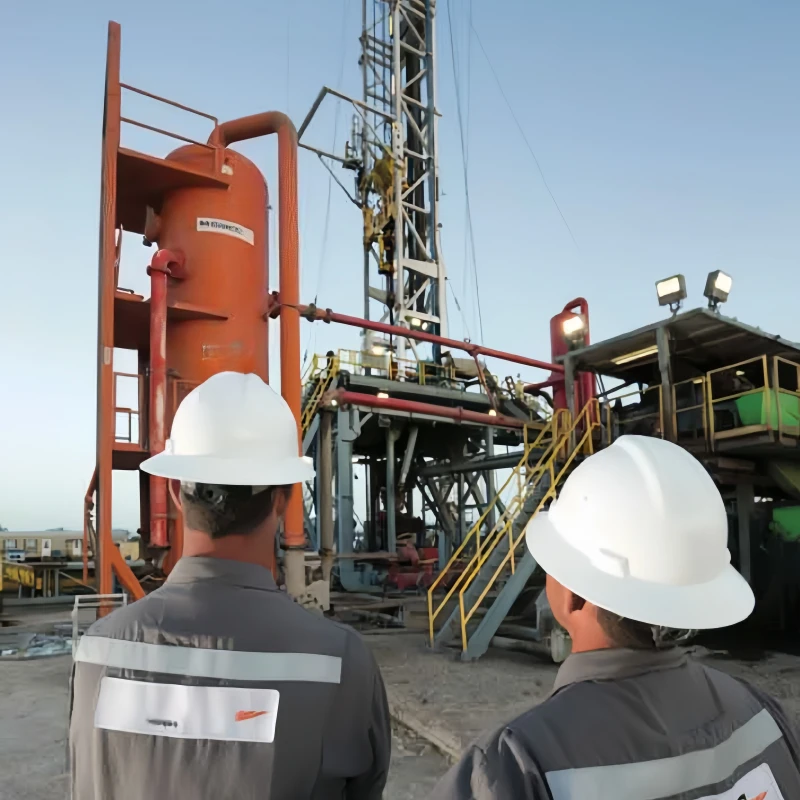
Gas entering your drilling fluids presents immediate risks that demand your attention. Degassing remains critical because even small amounts of gas can compromise well control and threaten safety. When you encounter gas-cut mud, you face serious operational and safety challenges:
- Reduced mud density lowers bottom hole pressure, making the well more vulnerable.
- Gas expansion can create surface hazards, especially in deep wells.
- Misleading pit gains and unreliable flow checks complicate field recognition.
- Lower effective mud weight increases kick risk and can hide warning signs, which raises the blowout potential.
Alienfrac delivers industry-proven solutions to help you manage gas-cut mud and maintain safe, efficient drilling fluid systems.
Key Takeaways
- Gas-cut mud reduces mud density, increasing the risk of well control issues. Regularly monitor and adjust mud weight to maintain safety.
- Gas in drilling fluids disrupts pump efficiency, leading to erratic flow rates. Use real-time monitoring to ensure optimal pump performance.
- Effective gas removal is crucial for safety. Implement advanced degassing techniques to prevent blowouts and protect your crew.
- Utilize vacuum degassers and mud gas separators together for maximum gas removal efficiency. This combination minimizes operational risks.
- Follow best practices with Alienfrac products to enhance drilling efficiency. Regular monitoring and crew training are key to successful gas management.
Gas Cut Mud Risks in Drilling Fluids
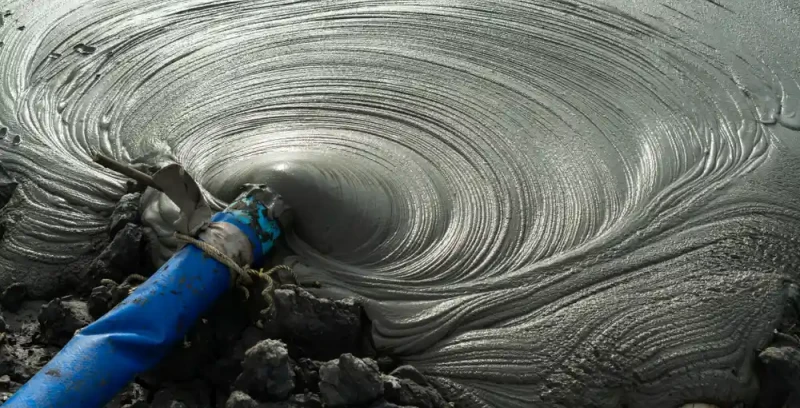
Reduced Density and Well Control
When gas enters your drilling fluids, it reduces the overall density of the mud. This change directly impacts your ability to maintain well control. As gas rises through the mud column, it expands and further lowers the bottom hole pressure.
You may notice that the effective mud weight drops, which can lead to a kick or even a blowout if not managed quickly. In many onshore gas field developments, operators like Shell have faced narrow mud weight windows.
The difference between dynamic equivalent circulating density and static bottomhole pressure becomes critical. If you do not control the mud density, you risk sudden influxes or lost circulation. Gas-cut mud can also mask the early warning signs of a kick, making it harder for you to respond in time.
Tip: Regularly monitor and adjust mud weight. Early detection systems and real-time monitoring help you maintain the right hydrostatic pressure and prevent gas from entering the wellbore.
Pump Efficiency and Equipment Impact
Gas in your drilling fluids does more than just affect density. It can disrupt the performance of your pumps and other surface equipment. When gas becomes entrained in the mud, it changes the fluid’s properties and can cause erratic pump discharge pressures.
Continuous agitation is essential to keep gas in suspension and prevent it from separating. If you allow gas to accumulate, your pumps may lose efficiency, and you could face irregular flow rates or foaming in the pits.
These issues complicate your ability to circulate drilling mud effectively and can lead to equipment wear or failure.
- Gas-cut drilling mud can cause:
- Fluctuating pump pressures
- Reduced pump output
- Increased maintenance needs for surface equipment
Alienfrac’s products support real-time monitoring and work seamlessly with degassers and defoamers, helping you restore optimal mud properties and keep your equipment running smoothly.
Safety Hazards and Blowout Prevention
The presence of gas in drilling fluids introduces significant safety hazards. If you do not detect and control a kick in time, the risk of a blowout increases dramatically. Entrained gas can make mud readings unreliable, which complicates your ability to spot a developing well control issue.
Industry standards recommend several safety protocols to prevent blowouts caused by gas-cut mud:
- Close the wellhead valve using the blowout preventer (BOP).
- Pump heavy drilling fluid to restore hydrostatic pressure.
- Drill a relief well if necessary to intersect and control the original wellbore.
- Use specialized fire-fighting equipment if a fire occurs.
You must stay vigilant and use efficient gas handling systems, such as vacuum degassers and mud gas separators, to remove gas from your drilling fluids. Alienfrac’s solutions are designed for compatibility with these systems, ensuring you maintain well control and protect your crew and assets.
Note: Managing gas-cut mud is not just about operational efficiency. It is a critical step in safeguarding your well, your team, and your investment.
Degassing Solutions in Drilling Fluid Systems
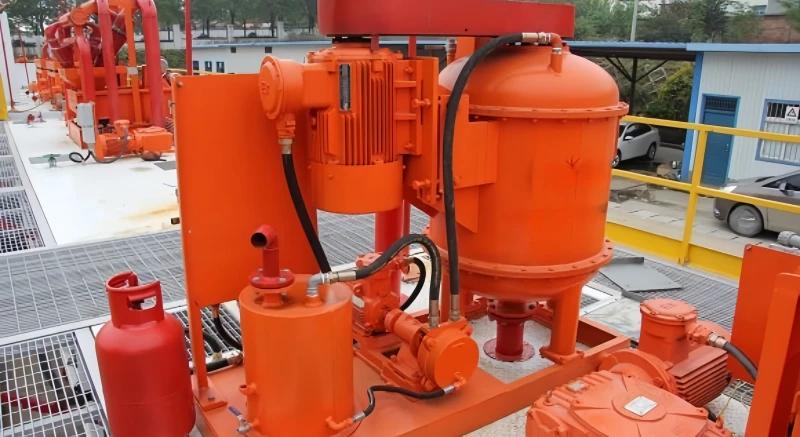
Principles of Gas Removal
You must understand the science behind gas removal to maintain safe and efficient drilling operations. Gas enters drilling mud as small bubbles or larger pockets. These bubbles reduce mud density and threaten well control. The vacuum degasser plays a central role in removing these gas bubbles from the fluid.
It uses several key principles:
- The vacuum degasser allows air bubbles to rise quickly to the surface of the liquid. Bubble diameter and fluid density influence this process.
- The system reduces the thickness of the liquid layer, making it easier for bubbles to reach the surface.
- By creating a vacuum, the degasser expands the volume of air bubbles, which improves gas removal efficiency.
- The equipment uses a centrifugal field to speed up the movement of air bubbles.
You rely on these mechanisms to restore the properties of your drilling mud and keep your drilling fluid systems stable. Without effective degassing, gas-cut mud can compromise your well control and increase operational risks.
Tip: Always monitor the efficiency of your degassing equipment. Early detection and removal of gas ensure safer drilling and reduce downtime.
Vacuum Degassers and Mud Gas Separators
You have two main tools for removing gas from drilling fluids: the vacuum degasser and the mud gas separator. Each serves a specific purpose in your operation.
| System | Gas Removal Efficiency | Notes |
|---|---|---|
| Vacuum Degasser | 95% or higher | Creates a partial vacuum to expand and remove gas bubbles from mud. |
| Mud Gas Separator | Lower than 95% | Handles larger gas influxes but less effective at removing fine bubbles. |
The vacuum degasser excels at removing fine gas bubbles. It creates a partial vacuum, which expands and extracts gas from the drilling mud with high efficiency. You use this equipment when you need to restore mud properties quickly and maintain precise control over your drilling fluid systems.
Mud gas separators handle larger volumes of gas, especially during significant influx events. They remove most of the gas before the fluid reaches the vacuum degasser. This process reduces the risk of gas percolating into mud pits and helps you avoid complications during drilling.
- Mud gas separators are essential for removing bulk gas from drilling fluid before it reaches the degasser.
- These systems minimize the risk of gas cutting and other complications.
- You should always use both tools together for maximum safety and efficiency.
Recent advancements in degassing solutions focus on integrated systems that adapt to changing gas evolution rates. Smart monitoring and automated controls now allow you to detect gas in real time and regulate flow remotely.
Modern degassers capture and route extracted gases to closed-loop recovery units, reducing emissions and improving safety. The industry is moving toward zero-emission containment systems to meet strict regulations and enhance operational efficiency.
Role of Alienfrac in Degassing Technology
Alienfrac stands at the forefront of degassing technology for drilling fluid systems. You benefit from products that integrate seamlessly with both vacuum degassers and mud gas separators. Alienfrac hoses and connectors withstand high pressures and harsh environments, ensuring reliable performance during degassing operations.
You can trust Alienfrac’s solutions to support real-time monitoring and automated control. These features help you maintain system integrity, even in extreme conditions like offshore platforms or Arctic drilling.
Alienfrac’s commitment to innovation means you receive equipment that meets the latest safety and environmental standards.
Note: Choosing Alienfrac for your degassing needs ensures you stay ahead of industry regulations and operational challenges. You protect your crew, your assets, and the environment with every drilling project.
You must prioritize degassing as a core part of your drilling strategy. Effective gas removal keeps your drilling mud stable, prevents well control incidents, and supports efficient, safe operations.
Alienfrac provides the expertise and technology you need to manage gas-cut mud and maintain the integrity of your drilling fluid systems.
Operational Benefits of Managing Gas Cut Mud
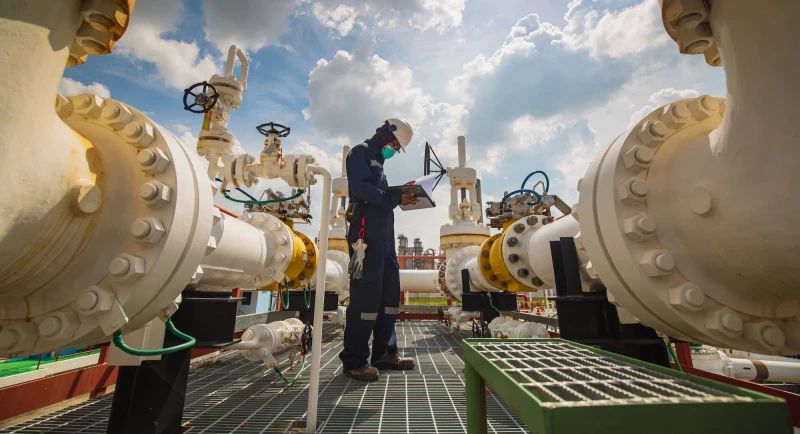
Restoring Drilling Fluid Properties
You restore drilling fluid properties by managing gas-cut mud effectively. When you remove gas from drilling mud, you regain the correct density and viscosity. This process helps you maintain wellbore stability and prevents formation damage.
You optimize transport velocities and improve fluid flow, which leads to enhanced drilling efficiency. You also achieve better waste management, including sludge separation and treatment. These improvements reduce environmental impact and support operational effectiveness.
- Enhanced drilling efficiency through optimized fluid flow.
- Improved waste management practices that mitigate environmental risks.
- Preservation of wellbore integrity and formation stability.
Maintaining proper mud properties ensures you avoid costly downtime and keep your drilling operations running smoothly.
Enhancing Safety and Efficiency
You increase safety and efficiency when you adopt advanced degassing techniques. Modern pneumatic quantitative degassers provide filtration, extraction, flow detection, and multi-layer stirring degassing. These features allow you to calculate the degassing rate and monitor gas content in real time.
Accurate gas monitoring reduces the risk of gas-related incidents during drilling. You gain access to real-time data, which helps you make informed decisions and respond quickly to changes.
- Real-time gas content monitoring improves safety.
- Reduced risk of gas-related incidents during drilling.
- Enhanced operational efficiency through advanced degassing technology.
Real-time monitoring and accurate gas calculations help you protect your crew and assets.
Best Practices with Alienfrac Products
You achieve the best results by following proven practices with Alienfrac products. You select hoses and connectors designed for high-pressure environments. You use gas-cut drilling mud compatible with degassers and defoamers. You monitor mud density regularly and communicate results to your team.
You implement early detection systems and maintain equipment to prevent air ingress. You adjust mud properties based on real-time data and follow industry standards for well control.
Recommended Steps:
- Choose Alienfrac degassing hoses and connectors for reliable performance.
- Use gas-cut mud compatible with degassing equipment.
- Monitor mud density and gas content frequently.
- Apply defoamers and maintain surface equipment.
- Train your crew to recognize early warning signs and respond promptly.
Consistent monitoring and proactive management with Alienfrac solutions help you minimize non-productive time and maximize drilling efficiency.
Conclusion
You must prioritize degassing gas-cut mud to ensure safe and efficient drilling operations. The table below highlights why industry guidelines require this step for both safety and environmental compliance.
| Key Aspect | Details |
|---|---|
| Regulatory Requirement | Drilling mud degassing operations must calculate and report GHG emissions to the EPA. |
| Emission Sources | Methane, VOCs, and CO2 are emitted from gas cut mud during drilling operations. |
| Compliance Date | The requirement was expanded in May, indicating a recent regulatory change. |
| Importance of Degassing | Essential for operational safety and environmental compliance during drilling activities. |
Alienfrac provides reliable solutions for your drilling fluid systems. To prevent well control incidents, follow these best practices:
- Monitor mud weight regularly.
- Use early detection systems for gas influx.
- Apply effective kick control strategies.
Consult Alienfrac for tailored mud management solutions that keep your team and assets protected.
FAQ
What is gas-cut mud and why does it matter?
Gas-cut mud contains gas bubbles that lower mud density. You must manage it to maintain well control and prevent kicks or blowouts. Early detection and removal of gas keep your drilling operations safe and efficient.
How do you detect gas-cut mud during drilling?
You monitor mud weight, watch for foaming in pits, and check for irregular pump pressures. Real-time monitoring systems help you spot gas influx quickly. You communicate findings to your crew for immediate action.
Which equipment removes gas from drilling fluids?
You use vacuum degassers and mud gas separators to extract gas from mud. These tools restore mud properties and support safe drilling. You also rely on surface equipment like the shale shaker for initial solids separation.
How often should you monitor mud density?
You check mud density regularly throughout drilling. Frequent measurements help you catch gas influx early. You adjust mud properties as needed to maintain well control and protect your assets.
What steps improve gas-cut mud management?
You select compatible hoses and connectors, apply defoamers, and maintain surface equipment. You train your crew to recognize warning signs. You follow industry standards for well control and use advanced monitoring systems.