
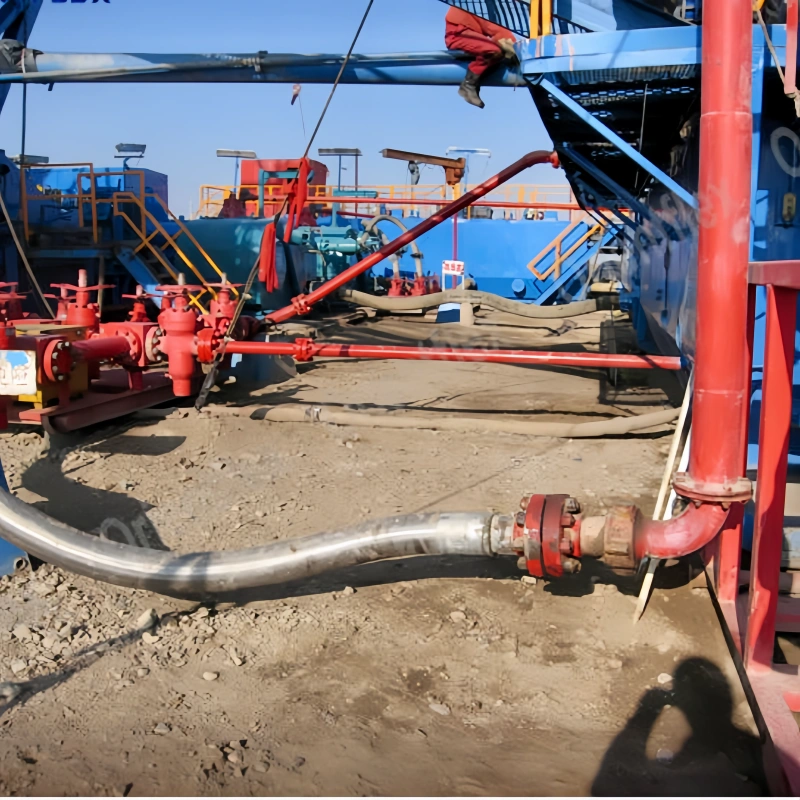
You ensure safety, reliability, and compliance when you understand how to maintain an API 16C choke and kill hose. Regular inspection, cleaning, and strict adherence to api 16c standards protect your hose from corrosion and erosion, the most common causes of failure.
Alienfrac’s advanced manufacturing and quality control deliver hoses you can trust in demanding oilfield environments. The table below shows typical failure causes you should watch for during maintenance:
| Cause of Failure | Description |
|---|---|
| Corrosion | Caused by well fluids such as H2S, CO2, and chlorides, which attack the metal, especially at higher temperatures. |
| Erosion | Resulting from high fluid velocity and solids, particularly damaging in areas of turbulent flow. |
Key Takeaways
- Inspect hoses regularly to catch early signs of wear and prevent failures.
- Clean hoses after each use to remove mud, oil, and chemicals.
- Store hoses in a cool, dry place to avoid damage and maintain flexibility.
- Follow a strict maintenance schedule to extend hose life and ensure safety.
- Replace hoses if they show signs of damage or fail pressure tests.
Inspection Steps for API 16C Choke and Kill Hose
Visual and Physical Checks
Start your inspection by examining the hose surface and structure. Look for cracks, cuts, blisters, or signs of abrasion on the outer cover. Check for any bulges or soft spots that could signal internal damage.
Run your hands along the hose to feel for irregularities. Inspect the reinforcement layers for exposed steel wire or cable, which can compromise pressure resistance. Confirm that the hose is free from oil, mud, or chemical buildup. Regular inspection helps you catch early signs of wear before they threaten well control equipment.
Pressure and Leak Testing
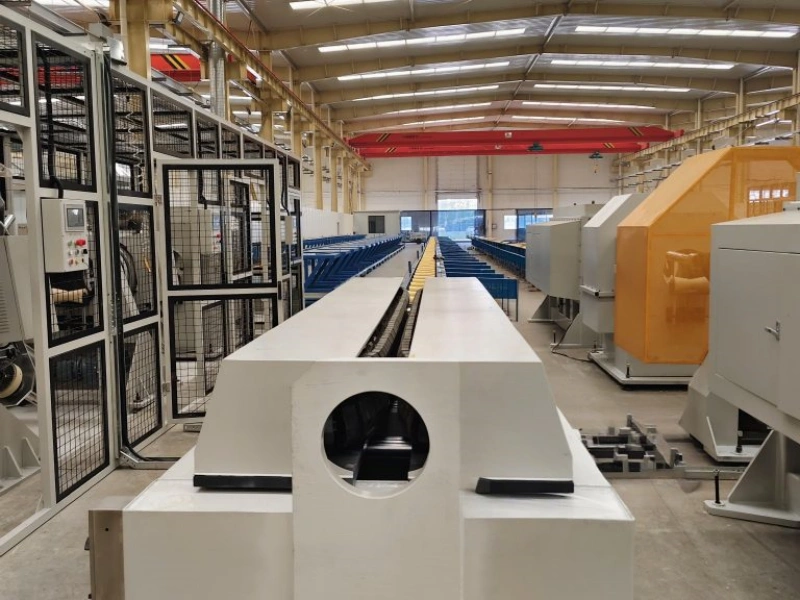
You must test the hose to verify its integrity under pressure. Follow these standard procedures for api 16c choke and kill hoses:
- Use cold water or water with additives as the testing fluid.
- Set the hydrostatic test pressure to the hose’s rated working pressure.
- Hold the test pressure for at least one hour to confirm no leaks or pressure drops.
- Never apply test pressure as a differential across internal choke mechanisms.
- Cycle actuators through all positions at least three times to ensure proper operation.
- Test articulated choke and kill line assemblies before they leave the manufacturer, meeting specific pressure and duration requirements.
Pressure and leak testing ensure your hose can handle the demands of choke and kill systems and protects your api 16c well control equipment.
Fittings and Documentation Review
Check all hose fittings for tightness and secure attachment. Look for corrosion, thread damage, or signs of leaks around connections. Confirm that the fittings match the pressure rating and application of your api 16c hose.
Review documentation to verify compliance with api and industry standards. Use the table below to guide your documentation review:
| Required Documentation | Description |
|---|---|
| API 16C | Standard for choke and kill hoses |
| API 6A | Standard for gate valves and chokes |
| NACE compliance | Corrosion resistance standards |
| MTCs | Material Test Certificates |
| NDT reports | Non-Destructive Testing reports |
| Hydrotest charts | Documentation of pressure tests |
| ITP/QCP | Inspection Test Plan/Quality Control Plan |
| Third-party inspection (if needed) | Inspections by BV, SGS, DNV, etc. |
Reviewing these documents ensures your hose meets all api requirements and supports safe operation of well control equipment.
Cleaning & Storage for API 16C Hoses
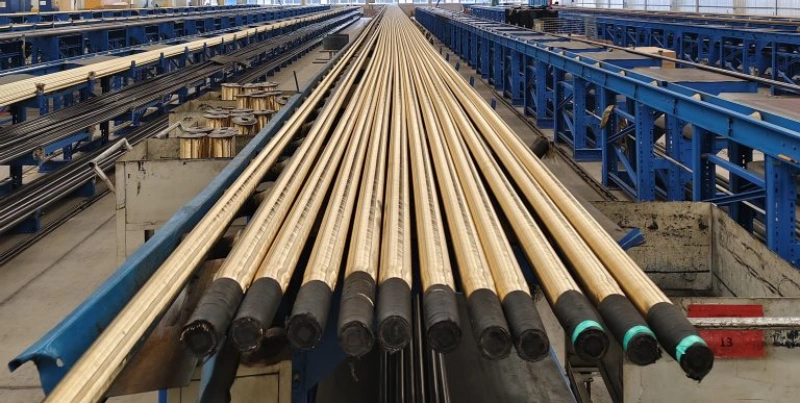
Proper Cleaning Methods
You should clean each hose after every operation to prevent buildup of drilling mud, oil, or corrosive fluids. Start by flushing the hose with clean water or a suitable solvent, especially if the hose has carried oil-based mud or chemicals. This step removes residues that can cause internal damage or reduce the hose’s lifespan.
Use a soft brush or cloth to wipe the outer cover. Avoid harsh chemicals that could degrade the abrasion-resistant and oil-resistant layers. Always inspect the hose for any remaining debris or blockages. Regular cleaning and maintenance help you keep flexible choke and kill lines in top condition and ready for the next job.
Safe Storage Practices
Store each hose in a cool, dry, and shaded area. The ideal temperature range is between +10°C and +30°C. Keep the hose away from direct sunlight, ozone sources, and chemicals that could damage the weather-resistant outer cover. Lay the hose flat or on padded racks to prevent kinks or deformation.
Make sure the bending radius is always larger than the Minimum Bend Radius (MBR) specified for your hose. This practice protects the internal reinforcement and maintains the flexibility of flexible choke and kill lines. Label each hose with inspection and cleaning dates to support traceability and compliance.
Handling and Transport
Handle and transport each hose with care to avoid mechanical damage. Follow these best practices:
- Use padded racks or wooden crates for transport.
- Avoid dragging the hose on rough or abrasive surfaces.
- Use lifting belts or cradles when moving the hose; never use metal hooks directly on the hose body.
- Check that the hose is not twisted or bent beyond its recommended radius during handling.
These steps help you protect the hose’s structure and extend its service life. Proper cleaning and storage routines ensure your hose remains reliable and compliant with industry standards.
Maintenance Schedule and Best Practices
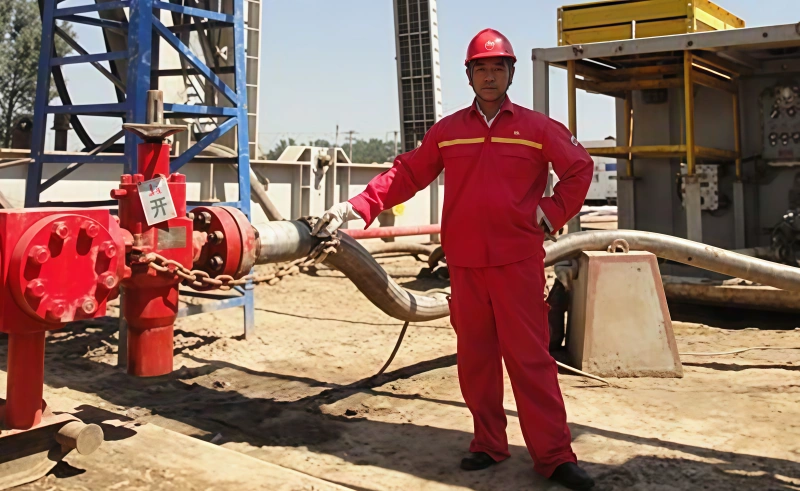
Recommended Intervals
You need to follow a strict schedule to keep your api 16c choke and kill hose in top condition. Regular checks help you spot issues before they become serious. For most operations, inspect the hose visually before every use. Complete a full inspection, including pressure and leak testing, at least every three months.
If you operate in harsh environments or use the hose for critical well control, increase the inspection frequency. Always check the hose after any event that could cause damage, such as a pressure surge or accidental impact.
Alienfrac recommends following the api 16c inspection intervals and adjusting them based on your site’s risk profile.
Tip: Set reminders for scheduled inspections and keep a logbook for each hose. This practice supports compliance with api and api standard 53 requirements.
Preventive Maintenance
You can extend the life of your api 16c choke and kill hose by following a preventive maintenance routine. Start by cleaning the hose after every operation. Remove all mud, oil, and chemicals from the surface and flush the inside with clean water. Inspect the outer cover for cuts, abrasions, or blisters.
Check the reinforcement layers for exposed steel wire or cable. Examine the fittings for corrosion or leaks. Test the hose under pressure according to api 16c guidelines. Replace any worn or damaged parts immediately. Store the hose in a cool, dry place away from sunlight and chemicals.
Keep detailed records of every maintenance activity. Good documentation helps you track the hose’s condition and supports traceability. You should include the following in your records:
- Written specifications for all pressure-containing parts, both metallic and non-metallic
- An operating manual for each hose model and size, which covers:
- Installation instructions
- Operating instructions for normal and emergency use
- Dimensions and physical data for major components
- Repair, maintenance, and testing information
- Parts information
- Storage information
These steps align with api and api standard 53 requirements and help you maintain compliance.
Replacement Criteria
You must know when to replace your api 16c choke and kill hose. Replace the hose if you find any of the following:
- Deep cuts, cracks, or blisters on the outer cover
- Exposed or broken reinforcement wires
- Persistent leaks during pressure testing
- Deformation, bulging, or soft spots along the hose body
- Corroded or damaged fittings that cannot be repaired
- Failure to pass any inspection or test required by api 16c or api standard 53
Do not use a hose that fails any of these checks. Always use a certified replacement that meets api 16c and api standard 53 requirements. Alienfrac provides hoses that meet or exceed all api and api standard 53 standards, ensuring your well control system remains safe and reliable.
Note: Proper documentation and traceability are essential. Keep all inspection, maintenance, and replacement records for each hose. This practice supports compliance with api, api 16c, and api standard 53.
By following these best practices, you ensure your choke and kill hose remains safe, reliable, and compliant throughout its service life. You also reduce downtime and avoid costly failures in your well control system.
Troubleshooting Common Issues
Identifying Problems
You need to recognize common issues in your choke and kill hose before they lead to failure. Start by checking for blisters or bubbles on the hose surface. These can signal internal pressure problems in choke and kill systems. Look for delamination, where layers of the hose separate.
This often appears as soft spots or uneven surfaces. Leaks are another warning sign. You may see fluid escaping near the choke or kill fittings. Fire resistance is critical in api applications. Inspect the hose for any signs of heat damage, such as discoloration or hardening.
Use a checklist to track these issues during each inspection.
| Common Issue | What to Look For |
|---|---|
| Blistering | Raised bubbles on the hose surface |
| Delamination | Soft spots, layer separation |
| Leaks | Fluid around choke or kill ends |
| Fire Resistance | Burn marks, discoloration, cracks |
Quick Fixes and When to Replace
You can address minor surface dirt or loose fittings with simple cleaning and tightening. If you find small abrasions, clean the area and monitor it closely. For leaks, blisters, or delamination, do not attempt repairs. Remove the hose from service immediately.
Replace the hose if it fails any api pressure test or shows signs of structural damage. Never use a hose that cannot pass all api requirements. Always choose a certified replacement for your choke and kill systems.
Alert: If you see exposed steel wire, deep cracks, or persistent leaks, replace the hose right away. These problems can cause sudden failure in choke and kill operations.
Professional Support from Alienfrac
You should contact Alienfrac if you have any doubts about the condition of your choke and kill hose. The Alienfrac team provides expert guidance on api compliance, troubleshooting, and replacement. You can send inspection reports or photos for a professional review.
Alienfrac offers certified hoses for all choke and kill systems, ensuring safety and reliability. Reach out for technical support or to order a replacement. You protect your operation when you rely on Alienfrac’s expertise.
API 16C Compliance and Certification
Meeting API Standards with Alienfrac
You must ensure your operation meets all api 16c requirements to guarantee safety and reliability. The api 16c standard sets strict rules for pressure control and well control equipment. When you use a certified api 16c hose, you know it can handle high-pressure drilling fluids and harsh oilfield conditions.
Alienfrac hoses come from Qingdao Qingflex Hose Factory, which holds the api 16c Monogram certification. This certification proves that every hose meets or exceeds global api standards. The hoses use multiple layers of high-tensile steel and abrasion-resistant rubber.
This construction helps you maintain control during demanding drilling operations.
Fire Test and Safety Requirements
You need to verify that your api 16c hose passes all fire test procedures. The api 16c fire test ensures the hose can withstand extreme heat and pressure. Follow these steps to meet api fire test requirements:
- Expose the flexible hose to fire for 5 to 30 minutes while under nominal working pressure.
- Use a flame or radiant heat source with a temperature of at least 1300°F (704°C).
- Place thermocouples around the hose and fittings to confirm the correct temperature.
- Pressurize the hose with water during the test, either horizontally or vertically.
- Use a test sample at least 10 feet long, with 5 feet exposed to fire.
- Keep the hose pressurized until it cools or leaks appear after fire exposure.
Passing this test shows your api 16c hose can perform safely in emergencies.
Keeping Records and Documentation
You must keep detailed records for every api 16c hose in your operation. Proper documentation includes inspection reports, pressure test charts, and material certificates. If you fail to maintain these records, you risk catastrophic well control incidents. Good documentation supports regular maintenance and inspection.
It also helps you track each hose’s history and ensures accountability. Always update your records after every inspection or test. This practice keeps your operation compliant with api 16c and supports continuous improvement.
Conclusion
You maintain safety and reliability when you follow a consistent maintenance routine for your API 16C choke and kill hoses. Regular inspections, cleaning, and documentation help you:
- Reduce the risk of leaks and equipment downtime
- Extend hose life and catch problems early
- Support compliance and traceability for audits
Alienfrac’s certified hoses and expert support give you confidence in every operation. Stay proactive with your maintenance schedule. For technical advice or product support, reach out to Alienfrac’s team.
FAQ
How often should you inspect an API 16C choke and kill hose?
You should inspect the hose visually before every use and perform a full inspection, including pressure testing, at least every three months. Increase the frequency if you operate in harsh environments or after any incident.
What cleaning method works best for these hoses?
Flush the hose with clean water or a suitable solvent after each use. Wipe the outer cover with a soft cloth. Avoid harsh chemicals. This routine prevents buildup and extends hose life.
When do you need to replace your choke and kill hose?
Replace the hose if you see deep cuts, exposed wires, leaks, bulges, or if it fails any pressure test. Never use a damaged hose in well control operations.
Can you use Alienfrac hoses for sour service applications?
Yes. Alienfrac offers API 16C hoses with H₂S-resistant liners for sour service. Always confirm your requirements with Alienfrac before ordering to ensure proper material selection and certification.