
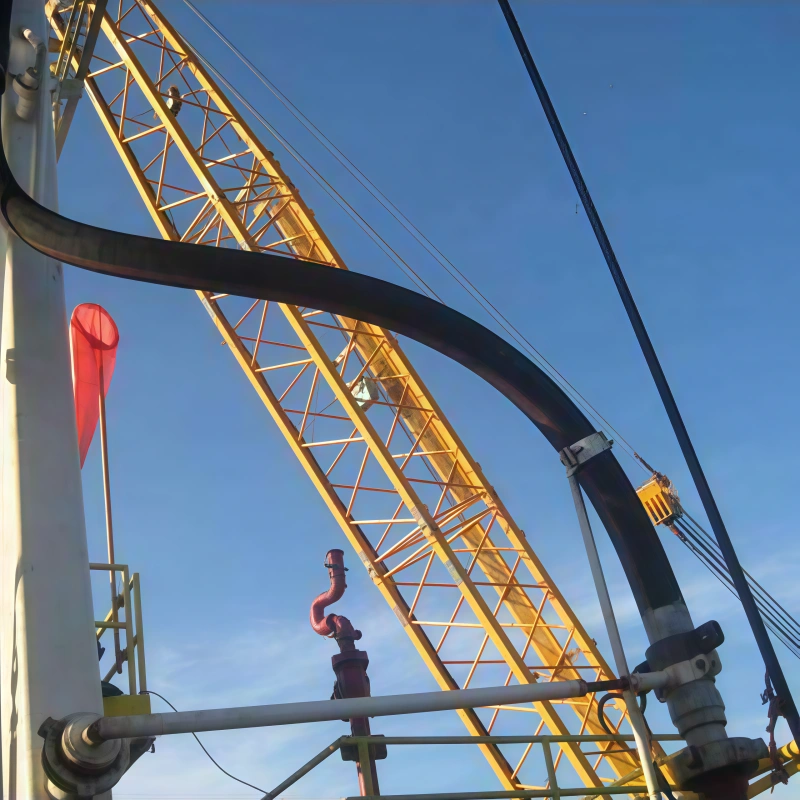
When comparing API 7 K vs. API 16C, focus on their core differences. Api 7k hoses support drilling and mud circulation, while api 16c hoses handle high-pressure well control in choke and kill systems. Selecting the right API-certified hose keeps your operation safe and efficient.
You must choose oilfield hoses that meet strict api standards. Alienfrac manufactures hoses that comply with every api requirement. Before you decide, assess your operational needs and always confirm api compliance for safety and performance.
Key Takeaways
- API 7K hoses are designed for drilling and mud circulation, while API 16C hoses are used for high-pressure well control.
- Always check for API certification to ensure safety and compliance in your oilfield operations.
- Regular inspections and maintenance extend the lifespan of your hoses and prevent unexpected failures.
- Choose the right hose based on your specific operational needs, including pressure ratings and temperature resistance.
- Consult with experts like Alienfrac for tailored hose solutions that meet your unique requirements.
API 7K vs API 16C: Key Differences
When you compare api 7k vs api 16c, you see that each hose type serves a unique role in oilfield operations. Both hoses meet strict api standards, but their technical features and applications differ. Understanding these differences helps you select the right hose for your project and ensures safety and compliance.
Tip: Always match the hose type to your operational scenario to maximize performance and minimize risk.
Below is a table that highlights the primary technical differences between api 7k and api 16c hoses according to the latest api specifications:
| Feature | API 7K | API 16C |
|---|---|---|
| Working Pressure | 1,500 psi to 15,000 psi or more | 10,000 psi and up |
| Application | Drilling and well servicing | Choke and kill systems |
| Fire Resistance | Not specified | Required to pass fire tests |
| H2S Resistance | Yes | Yes |
| Temperature Range | Wide range from freezing to extreme heat | Not specified |
| Common Use | Rotary vibrator and drilling hoses | Blowout preventer (BOP) systems |
API 7K Hose Applications
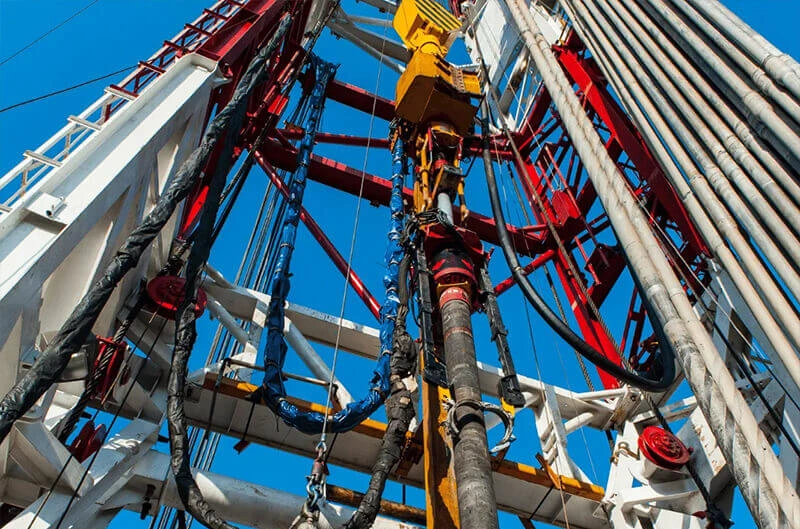
You use api 7k hoses primarily for drilling and well servicing. These hoses play a vital role in transferring drilling fluids and supporting mud circulation. You will find api 7k hoses on both onshore and offshore rigs, including deepwater drilling platforms and mechanical rigs.
They adapt well to submersibles and specialized environments, providing stability and efficiency during drilling.
Api 7k rotary drilling hoses connect mud pumps to the standpipe and swivel, ensuring a steady flow of drilling mud. You also use high-pressure cement hoses under api 7k to link the upper end of the neutral pipe to the top drive or rotary device.
These hoses handle the pumping of mud at high pressure, which is essential for oil drilling and exploration.
Industry reports show that api 7k hoses perform well in extreme conditions, such as those found in the Neuquén Basin. You benefit from advanced anti-hydrogen embrittlement liners and enhanced impulse life. These features reduce downtime and lower the total cost of ownership.
Maintenance for api 7k rotary hoses is straightforward. You should perform a visual inspection every 200 hours to ensure continued reliability.
Note: Regular inspection extends the service life of your api 7k hoses and helps prevent unexpected failures.
API 16C Hose Applications

Api 16c hoses are critical for well control and safety. You use these hoses in choke and kill systems, where they manage high-pressure fluid control during drilling emergencies.
Api 16c hoses are essential for blowout preventer (BOP) operations, providing a flexible and secure connection between the choke manifold, mud pumps, and BOP equipment.
You rely on api 16c hoses when you need to control well pressure and circulate heavy drilling mud under extreme conditions. These hoses must pass rigorous fire resistance tests and offer strong protection against corrosive agents like hydrogen sulfide (H2S).
Api 16c hoses are available in multiple fire service levels, ensuring you have the right level of safety for your operation.
The following table summarizes the main operational scenarios where api 16c hoses are required over api 7k hoses:
| Feature/Scenario | API 16C Hoses | API 7K Hoses |
|---|---|---|
| Primary Use | Choke and kill systems for well control | Drilling operations |
| High-Pressure Fluid Control | Required for high-pressure situations | Not primarily designed for this |
| Blowout Preventer (BOP) Control | Essential for BOP operations | Not applicable |
| Safety and Reliability | Critical for safety in well control procedures | Less critical |
| Fire Resistance | Must pass fire tests for integrity | Not required |
| H2S Resistance | Designed to resist corrosive agents like H2S | Not specifically designed for this |
| Service Levels (FSL) | Available in multiple fire service levels | Not applicable |
Api 16c hoses require more rigorous maintenance. You should hydrotest these hoses every six months or after 400 hours of use to ensure they meet api safety standards.
Alert: Never skip scheduled hydrotesting for api 16c hoses. This step is crucial for maintaining well control and operational safety.
When you evaluate api 7k vs api 16c, remember that api 7k hoses focus on drilling and mud circulation, while api 16c hoses protect your operation during high-pressure well control events.
Both types of oilfield hoses are essential, but you must choose based on your specific operational needs and the level of risk involved.
API Standards for Oilfield Hoses
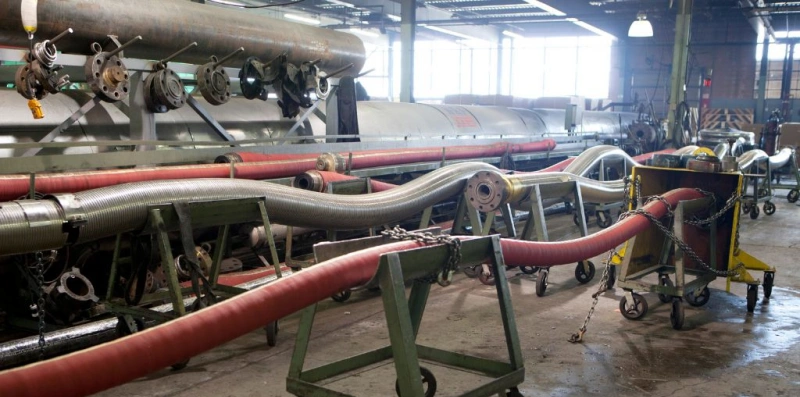
When you select oilfield hoses for your operation, you must understand the role of api standards. These standards set the benchmark for safety, reliability, and performance in the oil and gas industry. You protect your team and equipment when you choose hoses that meet strict api requirements.
Alienfrac demonstrates full compliance with these standards, holding certifications from DNV, CCS, ABS, and api. This commitment ensures you receive hoses that pass rigorous testing and inspection.
API 7K Overview
You rely on api 7k when you need hoses for drilling and well servicing. This standard covers the design, manufacture, and testing of hoses used in rotary drilling and mud circulation. Api 7k sets clear requirements for pressure ratings, construction, and performance.
You can trust hoses with this certification to handle the demands of drilling operations. Regular audits and inspections confirm that manufacturers like Alienfrac maintain quality and safety.
Tip: Always check for the api 7k mark before you deploy hoses on your rig. This step helps you avoid compliance issues and operational risks.
API 16C Overview
Api 16c applies to hoses used in choke and kill systems. You must use hoses that meet api 16c for well control and high-pressure fluid transfer. This standard requires hoses to pass fire resistance tests and demonstrate strong performance under extreme conditions.
Api 16c also addresses resistance to corrosive fluids and compatibility with blowout preventer systems. You ensure the highest level of safety when you choose hoses certified to api 16c.
Alienfrac’s api 16c hoses undergo third-party testing and certification. You can operate with confidence, knowing your hoses meet or exceed industry standards.
Alert: Never compromise on api 16c compliance in well control applications. Your safety depends on it.
Alienfrac Oilfield Hose Solutions
Product Range Overview
You need reliable oilfield hoses for every stage of drilling and well control. Alienfrac stands out as a trusted manufacturer with a wide selection of hoses built for the toughest oilfield environments.
You can choose from rotary drilling hoses, choke and kill hoses, cement hoses, and industrial hydraulic hoses. Each product meets strict api standards, giving you confidence in both performance and safety.
Here is a quick look at the main hose types and their api compliance:
| Product Type | API Standards |
|---|---|
| AllienFrac hoses | API 7K |
| API-7K Cement hoses | API 7K |
| Rotary Drilling and Vibrator Hoses | API 7K |
| API-16C Choke and Kill Hoses | API 16C |
| BOP Control Hoses | API 16C |
| Acid frac hoses | API 7K, API 16C |
| Hydraulic hoses | DIN, SAE, Japanese, GB |
You can match the right hose to your operation, whether you need high-pressure drilling, well control, or specialized hydraulic applications.
Certification and Quality
You want assurance that your hoses will perform under pressure. Alienfrac delivers this through advanced quality control and industry-leading certifications. Every hose is developed according to international standards, including api 7k and api 16c.
The company uses high-end testing equipment, such as burst testing and dynamic impulse machines, to verify hose strength and durability.
Alienfrac’s quality system covers every step, from raw material checks to 100% pressure testing before shipment. The company holds ISO 9001, API Q1, API 7K, and API 16C certifications. These benchmarks show that Alienfrac meets or exceeds global safety and quality requirements.
| Certification | Description |
|---|---|
| API 7K | Burst pressure must reach 4 times the rated working pressure and pass 2 million pulse cycles. |
| API 16C | Hoses must maintain integrity at 180°C and resist hydrogen sulfide corrosion (NACE MR0175). |
You can trust Alienfrac to supply oilfield hoses that keep your operation safe, efficient, and compliant with every api requirement.
API 7K vs API 16C: Performance Comparison
Pressure Ratings
You must understand the pressure ratings when selecting oilfield hoses. Pressure ratings determine how well a hose performs under demanding conditions. The following table compares the main technical specifications for api 7k and api 16c hoses:
| Hose Type | Burst Pressure | Working Pressure | Temperature Resistance | Corrosion Resistance |
|---|---|---|---|---|
| API 7K | 155 MPa | 35 MPa | N/A | N/A |
| API 16C | N/A | N/A | 180 ℃ | NACE MR0175 |
Api 16c hoses are engineered to handle pressures up to 15,000 psi. This capability is essential for safety in high-pressure operations. If a hose fails, you risk releasing high-pressure fluids, which can cause equipment damage, injuries, or environmental harm.
Api 16c hoses play a vital role in blowout preventer systems. Their ability to withstand extreme pressures helps you prevent well kicks and blowouts.
Safety and Compliance
You need to prioritize safety and regulatory compliance in every oilfield operation. Api 7k rotary drilling hoses undergo a 78MPa ultra-high-pressure blasting test. They also face wear testing with simulated mud sand content at 15%. The design uses a honeycomb-type steel wire winding, which increases torsional strength.
Api 16c hoses must meet strict fire resistance and corrosion standards. Both hose types are designed to meet or exceed api specifications. Certified hose assemblies, such as Black Gold®, help you maintain uptime for critical systems.
Tip: Always verify that your hose assemblies are rated up to 15,000 psi and meet the latest api 7k and api 16c requirements.
Durability and Construction
You benefit from advanced construction features in both api 7k and api 16c hoses. Api 7k hoses use multiple steel wire layers for reinforcement. This design improves durability and resists abrasion during high-pressure drilling hose applications. Api 16c hoses include materials that withstand high temperatures and corrosive fluids.
The construction meets the demands of well control and emergency scenarios. Hose assemblies are tested to ensure they perform reliably under extreme conditions. You can trust hoses that meet api standards to deliver long service life and consistent performance.
Note: Regular inspections and maintenance extend the lifespan of your hoses and help you avoid unexpected failures.
Choosing the Right Oilfield Hose
Operational Needs Assessment
You must start by understanding your operation’s unique requirements. Each oilfield project has different demands, so you need to match the hose to the job. Consider the main factors that influence your selection. The table below outlines what you should evaluate before making a decision:
| Factor | Description |
|---|---|
| Application | Identify the specific function of the hose (drilling, well control, hydraulic BOP control). |
| Working Pressure | Ensure the hose meets or exceeds the maximum working pressure of your application. |
| Temperature | Check that the hose can handle the maximum temperature of the application. |
| Media Compatibility | The inner tube must be compatible with the fluids being transported (drilling mud, oil, gas). |
| End Connections | Verify compatibility of the hose’s end connections with existing equipment (hammer unions, flanges). |
You should always confirm that the hose meets the relevant api standard for your application. This step helps you avoid costly mistakes and ensures safety.
Decision Checklist
You can simplify your selection process by following a clear checklist. Use these points to guide your decision:
- Specify the right componentry for your process conditions and choose materials that prevent static discharge.
- Avoid mixing components from different manufacturers to ensure compatibility and performance.
- Follow the manufacturer’s instructions for assembly to prevent leaks and ensure proper fitting.
- Keep operating conditions in mind, including vibration, pressure, and temperature, to avoid fatigue and early failure.
Tip: A thorough checklist helps you select the right hose and reduces the risk of operational issues.
Common Selection Mistakes
Many operators make similar mistakes when choosing oilfield hoses. You can avoid these problems by staying aware of the most common errors:
- Ignoring pressure ratings can lead to hose failure under extreme conditions.
- Neglecting the temperature range may cause the hose to degrade or leak.
- Overlooking chemical compatibility can result in material failure and safety hazards.
Alert: Careful planning and regular review of your selection process help you avoid these costly mistakes.
Oilfield Hose Applications
Drilling Operations
You rely on oilfield hoses for many critical tasks during drilling operations. These hoses connect equipment, transfer fluids, and support high-pressure processes. The table below outlines the main applications and highlights the importance of using the right API standard for each connection:
| Application Type | Description |
|---|---|
| Drilling flowline connections | Used for connecting mud pump discharge lines and maintaining stable mud circulation. |
| Cementing line connections | Essential for cementing operations in high-pressure environments. |
| Fracturing and pressure pumping | Supports heavy-duty service and frequent field connection cycles for fracturing operations. |
| Well testing flowline connections | Facilitates the testing of well performance under various conditions. |
| Workover and well service operations | Provides reliable connections during maintenance and service operations on wells. |
| API Standard | The Fig 1502 hammer union is the most commonly used standard for high-pressure applications. |
Tip: Always confirm that your hose assemblies match the pressure and connection standards required for your drilling operations.
Well Control Systems
You play a vital role in maintaining safety by choosing the correct hoses for your well control system. During emergencies, API 16C hoses act as flexible pipes connected to the blowout preventer assembly. These hoses help circulate drilling fluid and manage wellhead pressure after the well is sealed.
The choke line allows you to release fluid and gas in a controlled way, reducing pressure safely. The kill line lets you inject heavy drilling fluid, which stabilizes well conditions and counters high formation pressure.
Using the right hose in your well control system ensures you can respond quickly and effectively to unexpected events.
Alert: Never overlook the importance of certified hoses in your well control system. Your safety and the safety of your team depend on it.
Hydraulic Fracturing
You need hoses that meet strict requirements for hydraulic fracturing. When you select hoses for this application, consider the following:
- Pressure ratings must range from 2,000 to 5,000 PSI, with some jobs needing up to 15,000 PSI.
- Standard hoses handle temperatures from -20°F to +180°F, but specialized hoses work in even more extreme conditions.
- Media compatibility is essential. Your hoses must handle fresh water, salt water, proppants, and frac chemicals.
- Handling requirements include installation space, routing, connection frequency, and weight for manual handling.
- Abrasion and cover protection keep hoses safe from external damage and harsh environments.
- Hose construction types include smooth bore for efficiency and corrugated for flexibility, with multiple reinforcement layers for pressure.
- Connection options such as Fig 1502 hammer unions and crimp-style fittings provide safety and efficiency.
Note: Always review your hydraulic fracturing requirements before selecting hoses to ensure safe and efficient operations.
Conclusion
You must match the hose type to your application. API 7K hoses excel in drilling and mud circulation. API 16C hoses provide safety in well control and high-pressure events. Use the decision checklist and consult with Alienfrac or industry experts for tailored solutions.
Best practices for hose selection and safety include:
- Choose hoses with proper size, length, and material.
- Inspect hoses regularly and follow a test plan.
- Select approved fittings for secure connections.
- Train your team on safe handling.
| Best Practice | Description |
|---|---|
| Adherence to API Standards | Ensures hoses meet strict design and testing requirements. |
| Regular Testing | Maintains operational integrity and reduces downtime. |
Prioritize safety, compliance, and quality in every oilfield hose selection.
FAQ
What is the main difference between API 7K and API 16C hoses?
You use API 7K hoses for drilling and mud circulation. API 16C hoses handle high-pressure well control in choke and kill systems. Each hose meets specific API standards for safety and performance.
How do you verify API certification for oilfield hoses?
You check the hose for API markings and review the manufacturer’s certification documents. Alienfrac provides API 7K and API 16C certified hoses. Always request proof of compliance before installation.
When should you replace an oilfield hose?
You replace a hose if you see visible wear, leaks, or damage. Follow the manufacturer’s maintenance schedule. Regular inspections help you prevent unexpected failures and maintain operational safety.
Can you customize oilfield hoses for unique applications?
You can request custom sizes, pressure ratings, and end fittings from Alienfrac. The company offers tailored solutions to match your operational needs and ensure compatibility with your equipment.