API 7K Hose Manufacturer for Rotary Drilling, Mud & Cementing
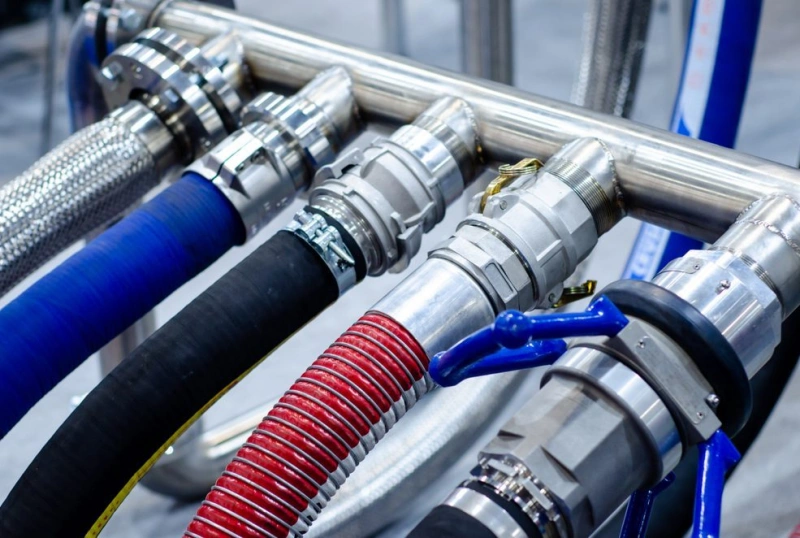
API 7K hose from Alienfrac handles high pressure mud, cement, water, and oil in drilling, cementing, and workover jobs on land or offshore. We manufacture each hose to API 7K spec for flexibility, tough service, fast fit-up, and reliable uptime, with fittings and accessories to suit your line. Need oilfield hose? Get a quote from Alienfrac.
Built for drilling fluid transfer where pressure resistance, flexibility and abrasion resistance are required.
Technical Specifications to Confirm Before Quotation
Item
Content
Standard
API Spec 7K or project-specified drilling hose requirement
Applications
Rotary drilling, vibrator line, mud circulation, cementing and related well-servicing equipment
Common hose types
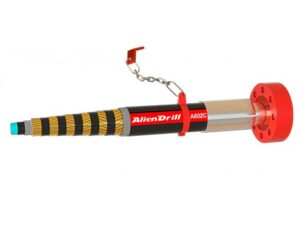
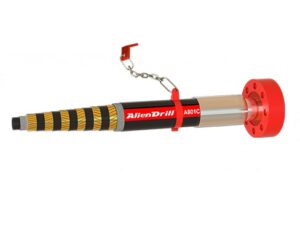
Rotary hose, vibrator hose, mud hose, cement hose and kelly hose
Key selection data
Hose ID, overall length, working pressure, test pressure, temperature range, medium, minimum bend radius and safety requirements
End connections
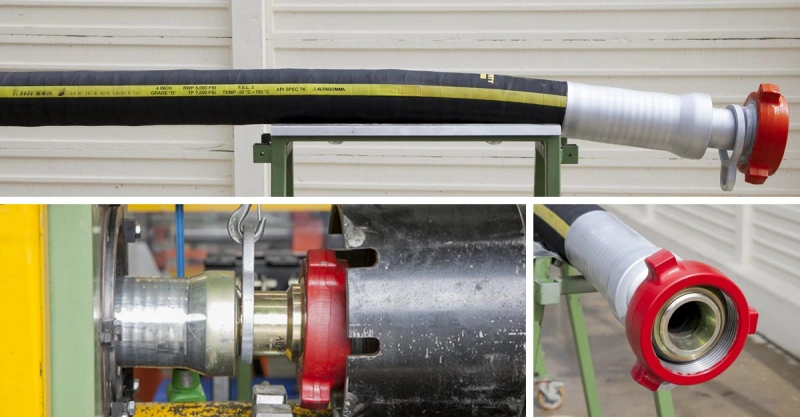
Hammer union, API flange, hub connection or customized fitting
Advanced API 7k Hose Manufacturer
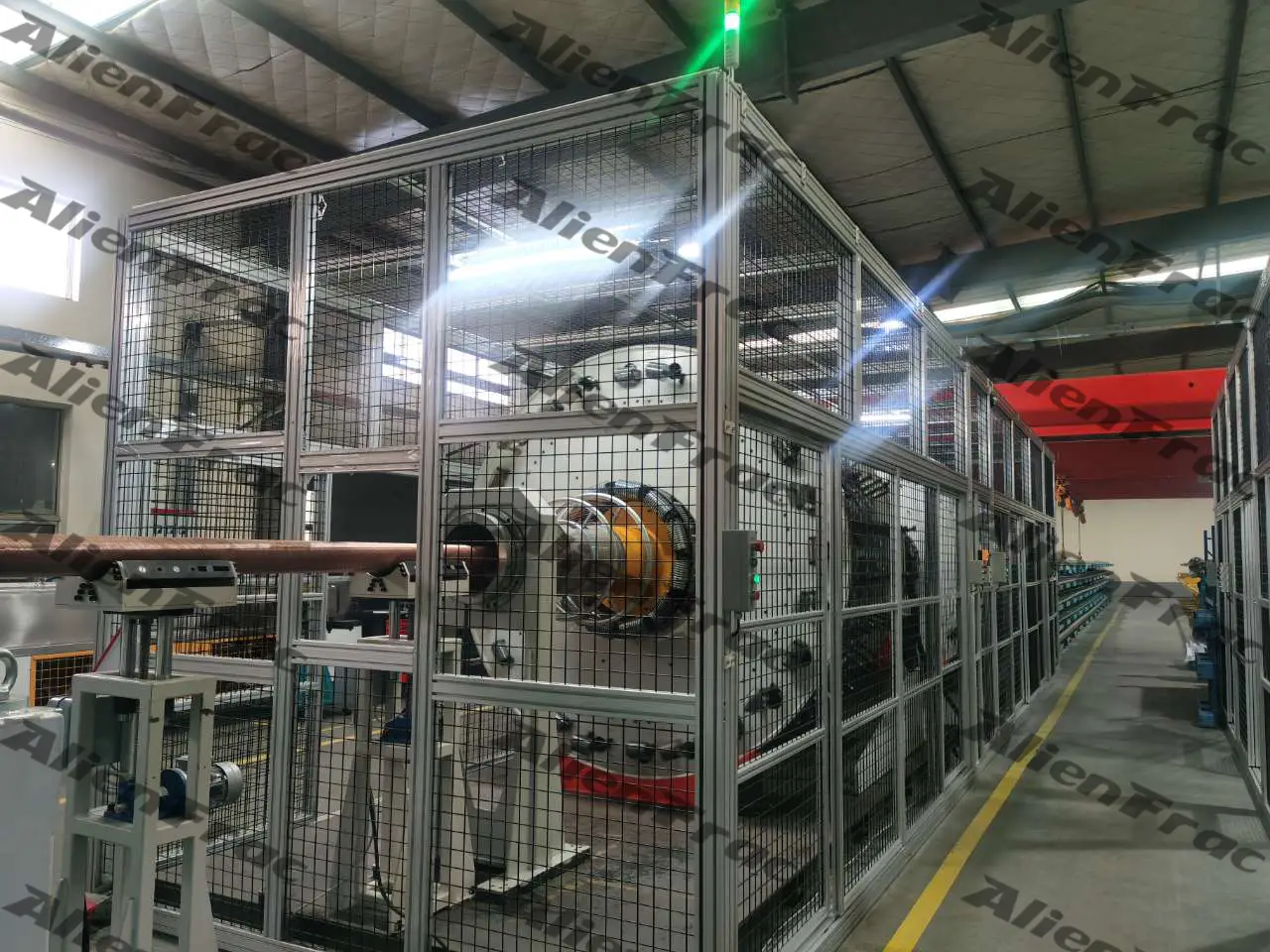
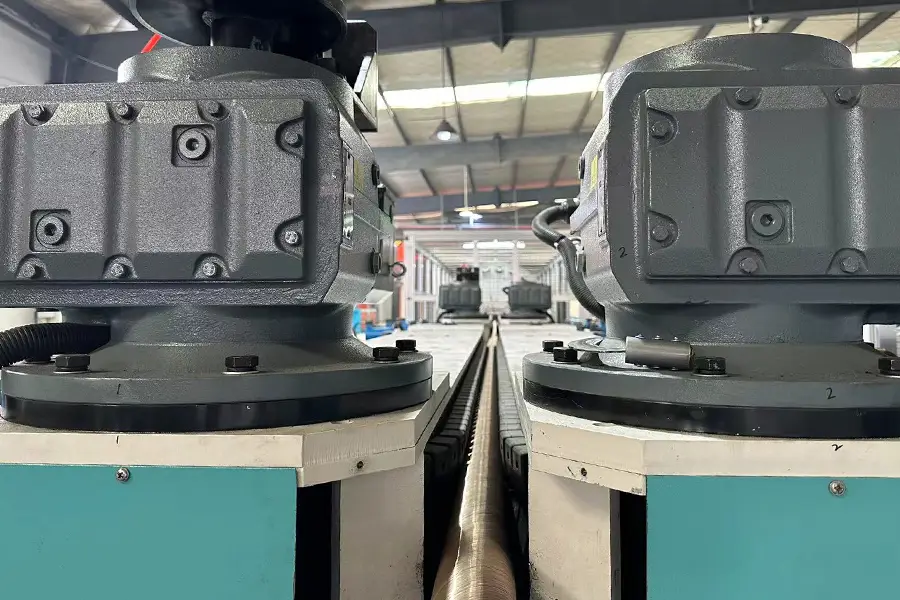
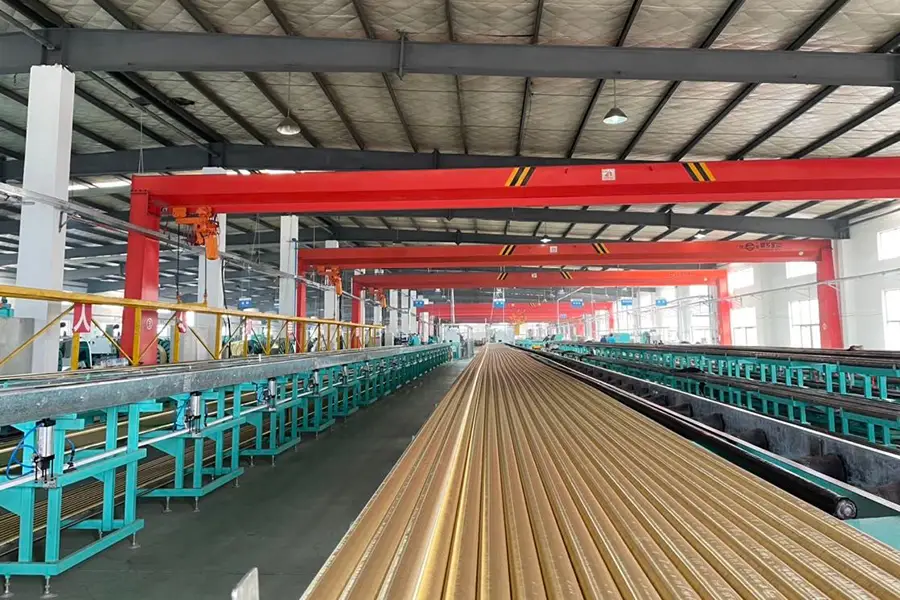
AlienFrac, founded in 2008, boasts a formidable production capacity and focuses on R&D and production of built-in and crimped high-pressure oilfield hoses.
Why Choose AlienFrac as Your API 7k Hose Manufacturer
Reliable in Harsh Conditions
We manufacture API 7K hose for high pressure drilling, cementing, and workover operations. Our hose is built to handle harsh conditions and help reduce failure risk and downtime.
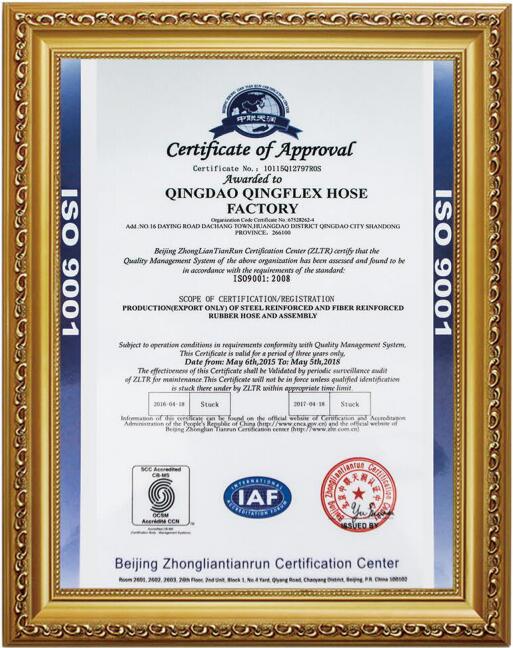
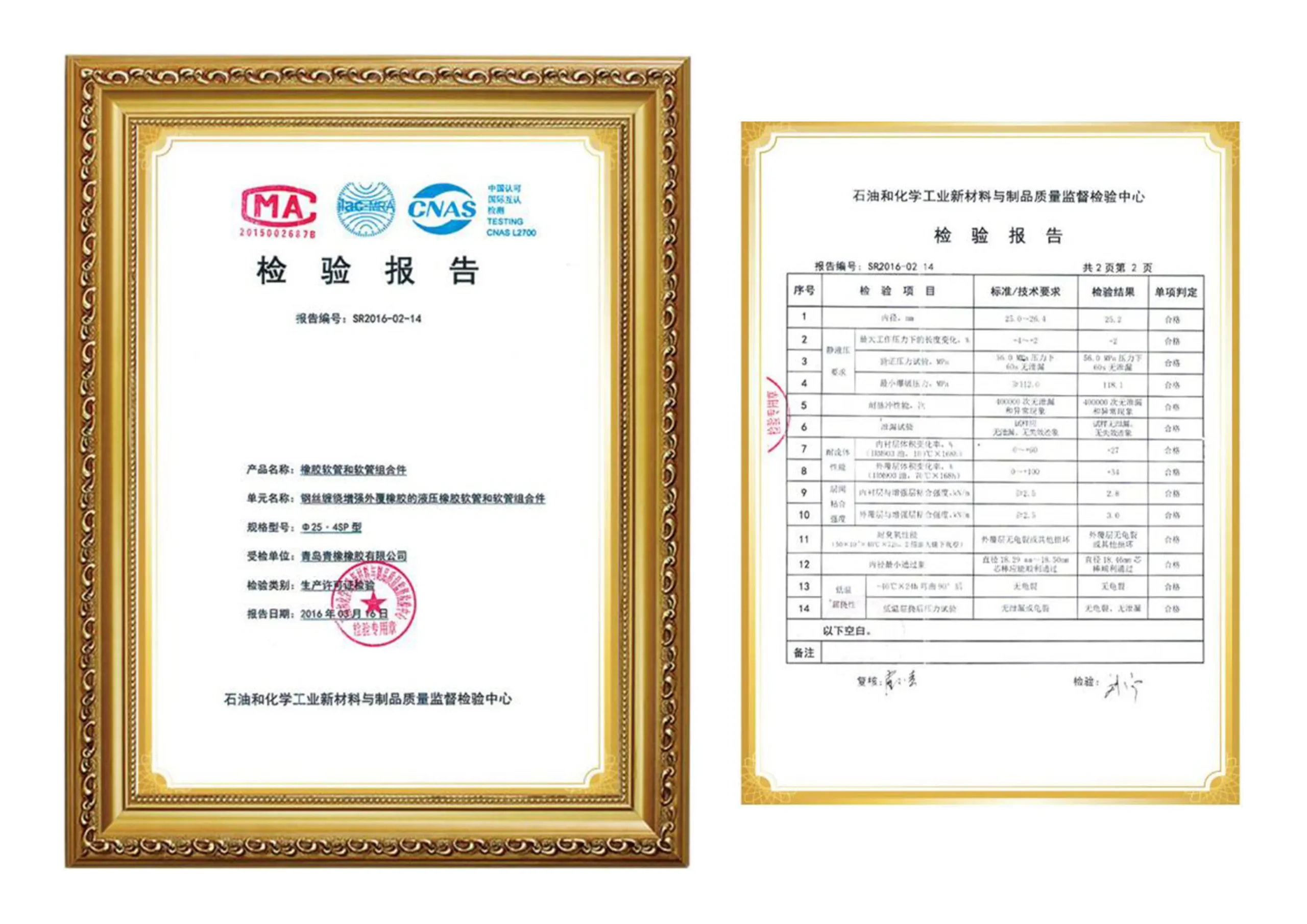
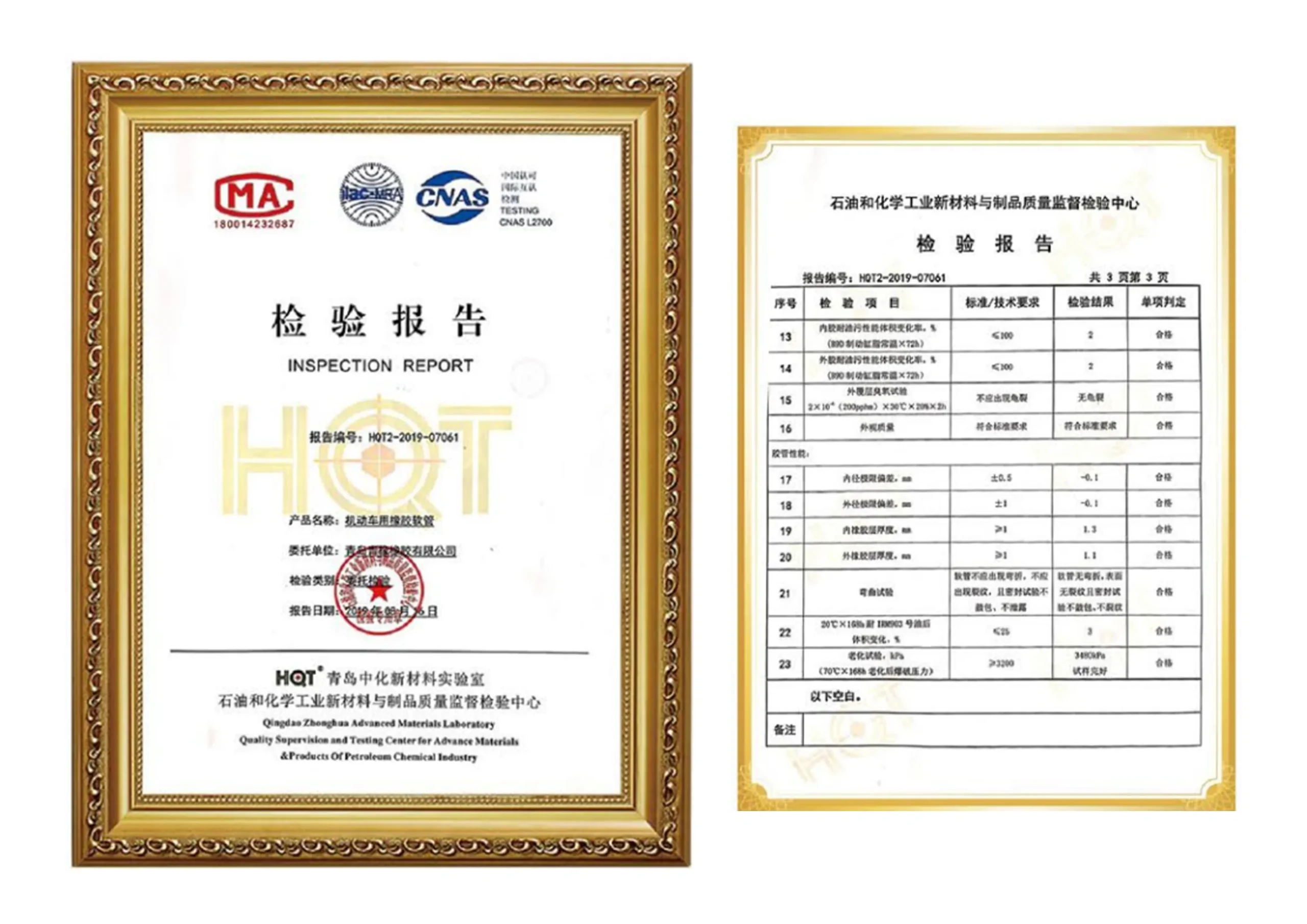
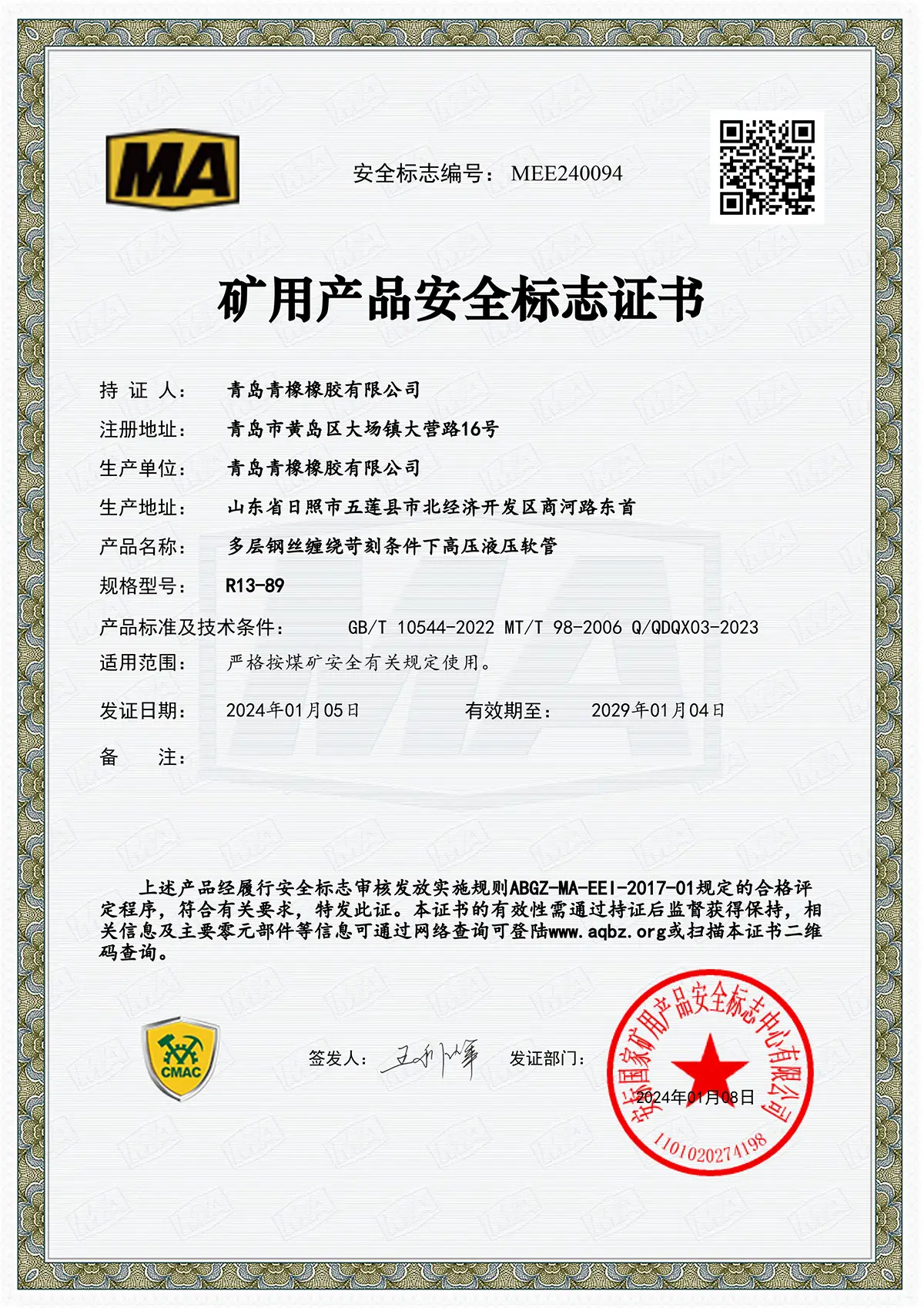
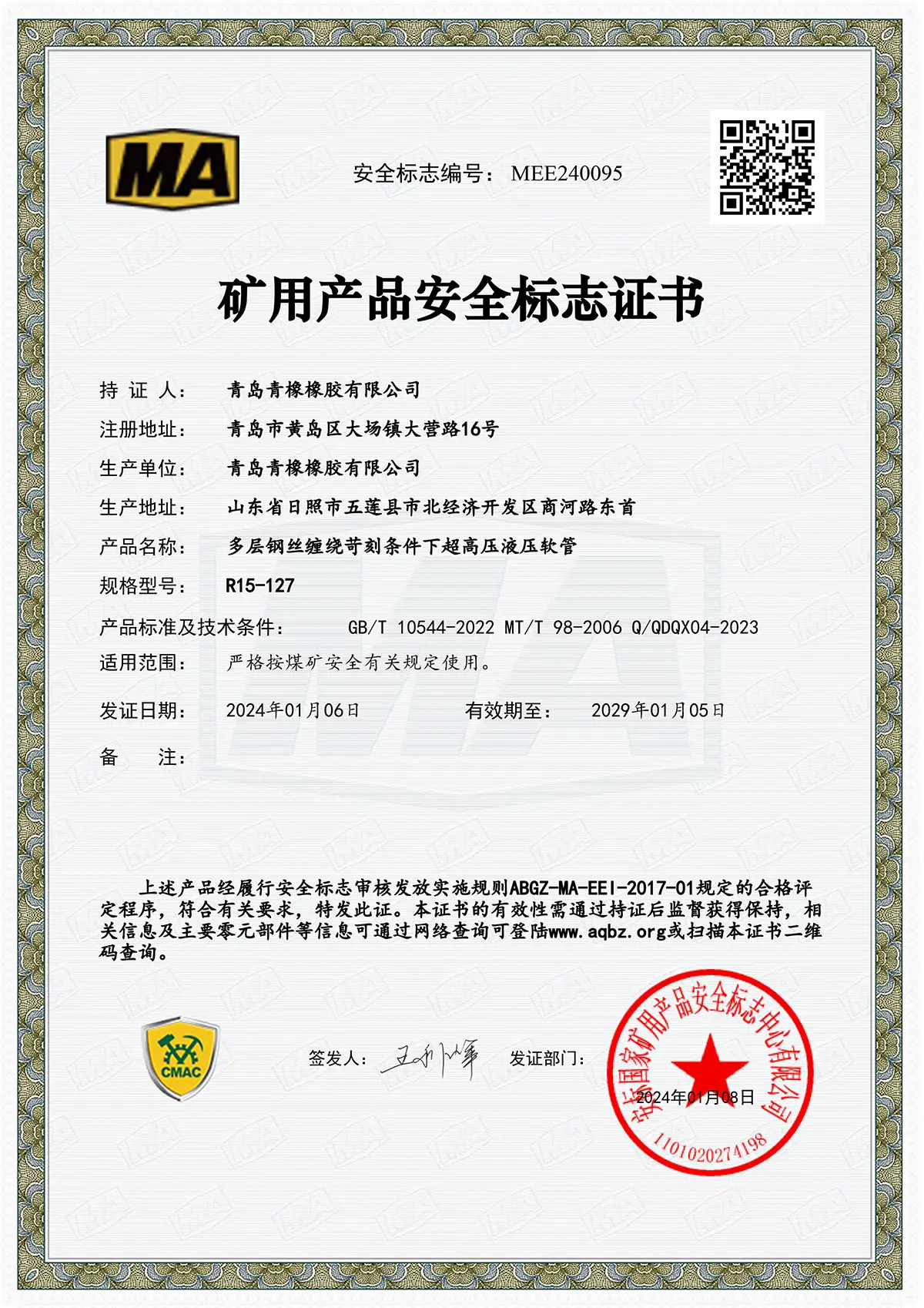
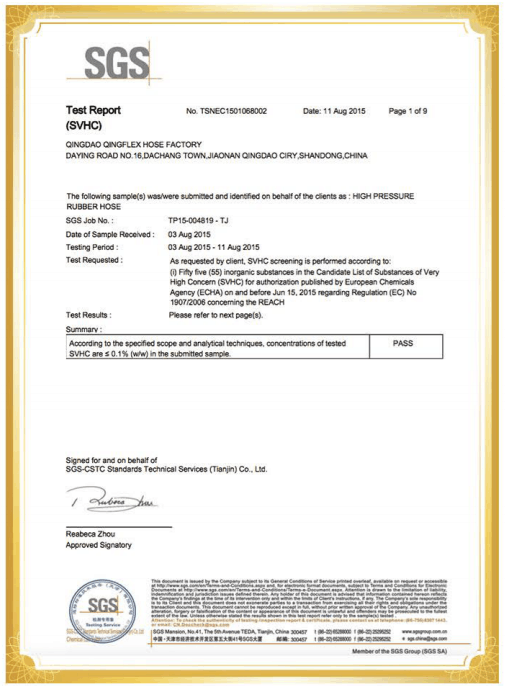
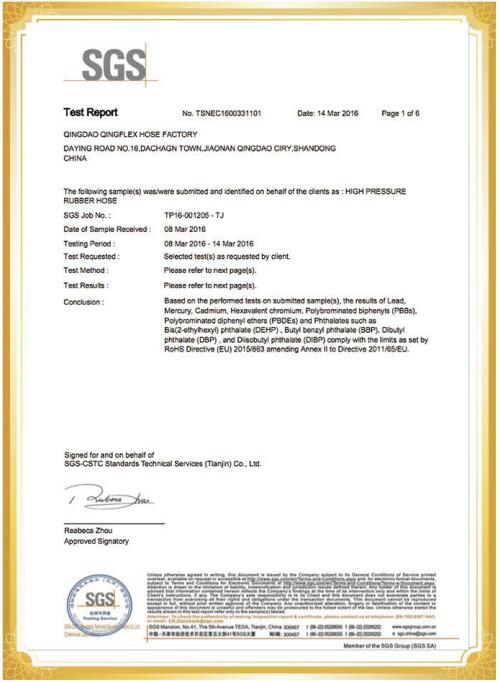
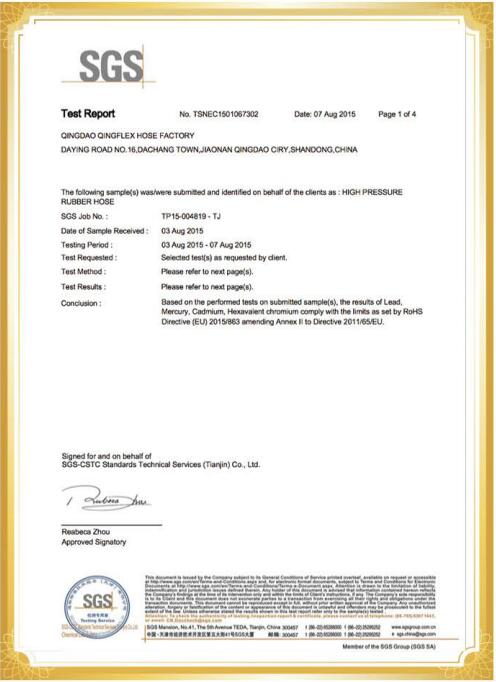
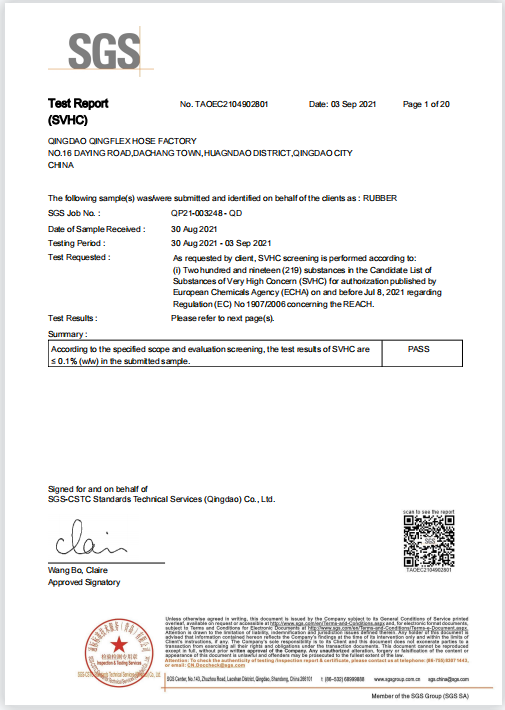
We control production and assembly to meet API 7K requirements. You get consistent quality, clear documentation, and traceability that supports compliance and technical approval.
We respond quickly to urgent replacement needs and project demand. We offer custom hose assemblies, fittings, and accessories to match your application.
We focus on hose durability, correct fit, and dependable supply. That helps reduce replacement frequency, maintenance pressure, and the real cost of operation.
API 7K hose assemblies are commonly used on land rigs, offshore rigs, workover units, mud pump systems, cementing equipment and high-pressure drilling packages. They are suitable for areas where rigid piping cannot handle movement, vibration or equipment misalignment. Typical locations include mud pump discharge to standpipe, standpipe to swivel, standpipe to top drive, cementing manifold connections and other drilling-fluid transfer points. When selecting a hose, confirm whether the service is mud, cement slurry, water-based fluid, oil-based mud or another medium.
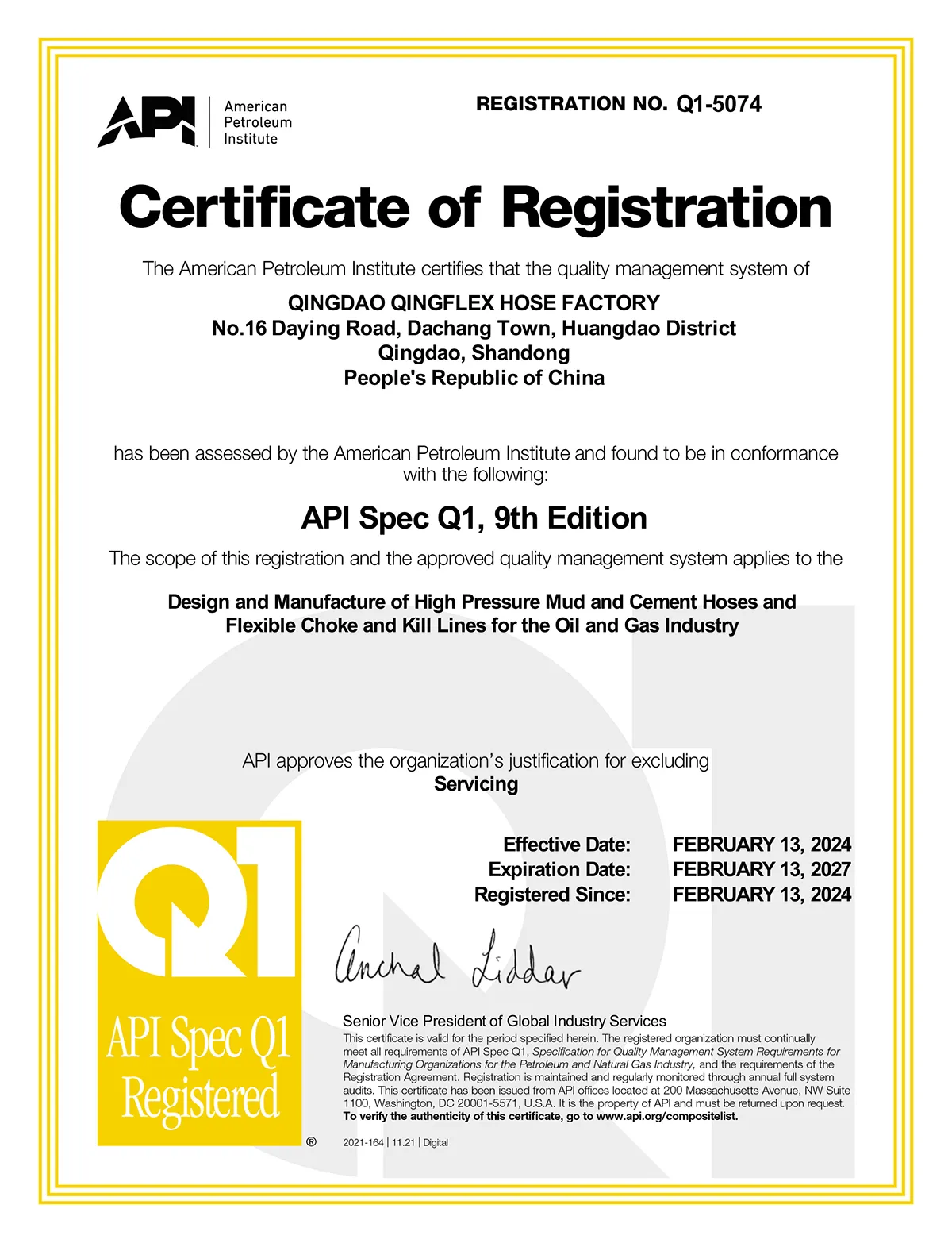
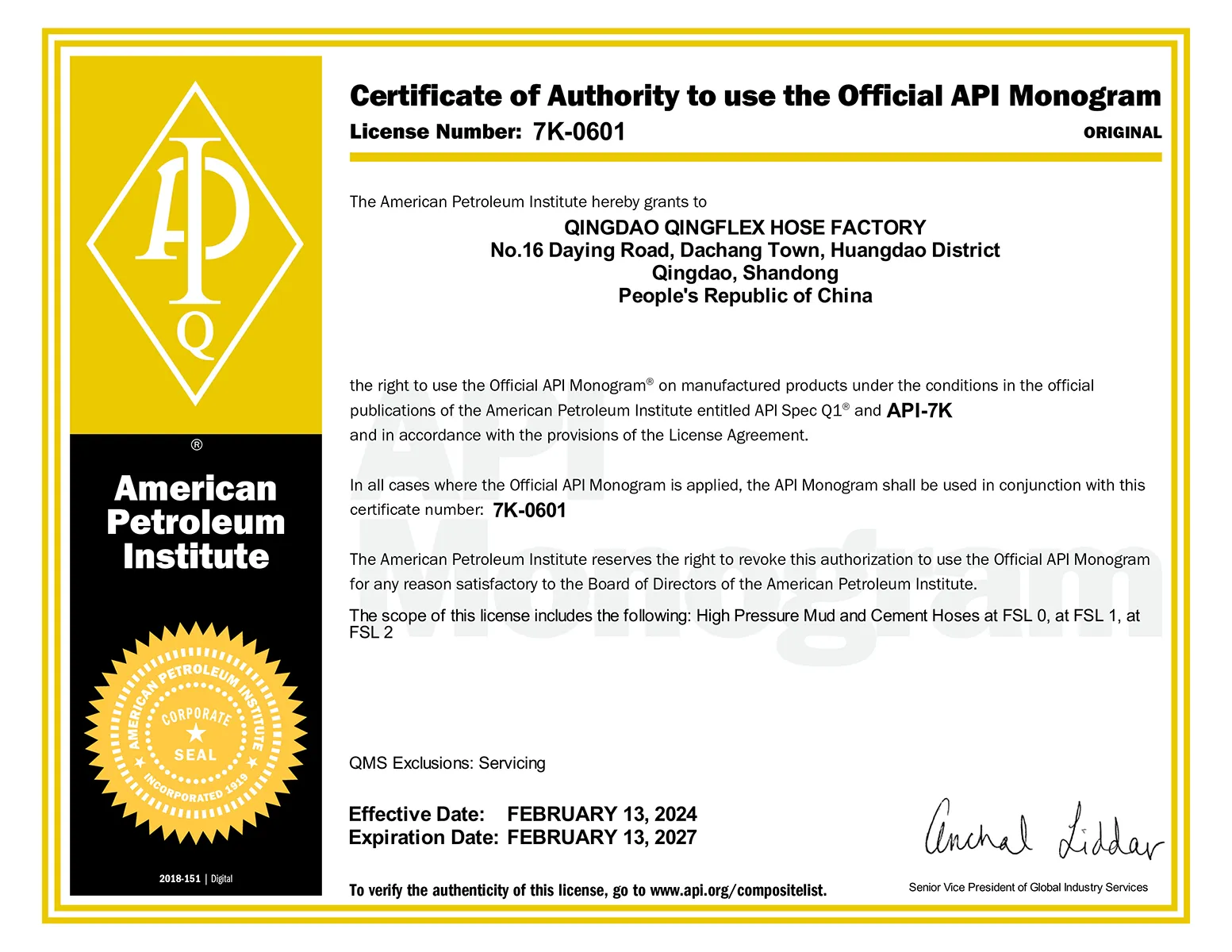
API 7K certification is an American Petroleum Institute (API) standard that defines the design, manufacturing, and performance requirements for drilling and well-servicing equipment. It ensures that critical, high-pressure equipment—such as mud hoses, slush pump components, and rotary tables—is safe, reliable, and standardized for use in oil and gas operations.
Key Aspects of API 7K Certification: Equipment Covered: The specification covers various equipment types, including rotary tables, slush pump components, high-pressure mud/cement hoses, manual tongs, and safety clamps. Purpose: Ensures high-pressure equipment can withstand harsh drilling environments, reducing risk. Standards: Covers the design, material, testing, and documentation of new equipment, with the 6th edition being a recent standard, as discussed in this API update. Monogram Licensing: Manufacturers can obtain a license to use the API Monogram, indicating compliance with API Spec Q1 (quality management) and API Spec 7K. Importance: It is essential for ensuring that equipment is robust and safe, often required in the oil and gas industry.
Key Requirements: Performance: Must comply with specific design and testing requirements. Documentation: Rigorous documentation and quality control are required, often requiring annual audits. Safety: Equipment must meet safety standards, such as those for high-pressure mud and cement hoses. Commonly Used Equipment Covered by API 7K: Rotary Tables: Machines that rotate the drill string. Slush Pump Components: Parts of the pumps that circulate drilling mud. Drilling Hoses: High-pressure hoses for mud circulation. Manual Tongs: Tools used for handling pipe.
API 7K ensures that the equipment you use on your rig is safe and up to code.
What is an API 7K hose?
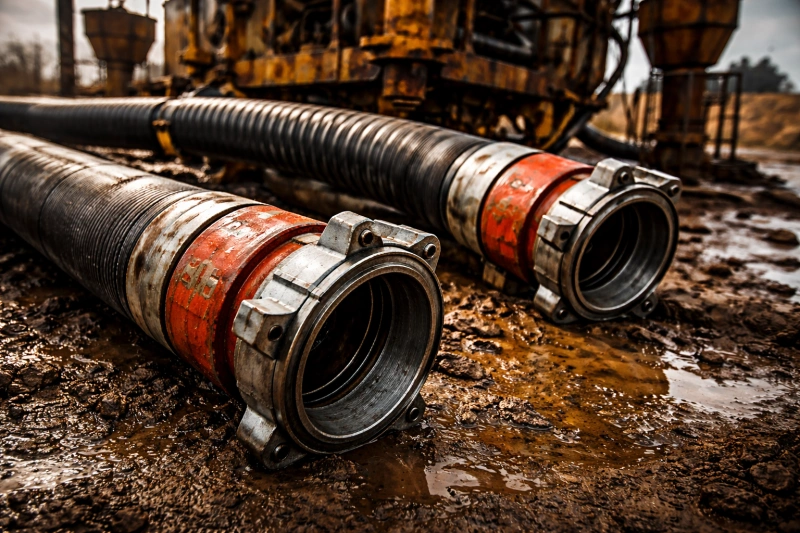
An API 7K hose is a high-pressure flexible hose used in drilling and well-servicing equipment, commonly for rotary drilling, vibrator line, mud circulation and cementing applications.
How Do You Choose the Right API 7k Hose for Drilling or Cementing Service?
Choosing the right API 7K hose requires a clear understanding of real field conditions. You need more than a pressure rating on paper. They need a hose that fits the actual drilling or cementing application, supports safe operation, and performs reliably under demanding service conditions.
Match the hose to the actual service type. Start by confirming whether the hose will be used for drilling service or cementing service, because each application places different demands on the hose.
Check the working pressure carefully. The hose must handle the normal operating pressure of the system without running too close to its limit.
Review surge pressure as well as normal pressure. Pressure spikes can place extra stress on the hose, so buyers should consider both steady pressure and sudden surges during operation.
Evaluate the required flow rate. Flow rate affects hose performance, pressure loss, and service life, especially in high-demand drilling and pressure pumping applications.
Select the correct hose ID. The right hose inside diameter helps maintain proper flow and reduces unnecessary stress on the hose assembly.
Confirm fluid compatibility. The hose must suit the actual media that will pass through it, including drilling mud, cement slurry, or other field fluids.
Review the operating temperature range. Temperature can affect hose performance and service life, so the hose must match the expected field temperature conditions.
Check bend radius requirements. A hose that bends too tightly during installation or operation can wear out faster and face a higher risk of failure.
Consider routing space on the equipment. The hose must fit the available installation area without twisting, stretching, or creating unnecessary mechanical stress.
Verify end connections before purchase. The correct end connections help ensure proper fit, safe installation, and reliable performance within the system.
Look at installation support from the manufacturer. Strong technical support, installation guidance, and product documentation help buyers avoid selection mistakes and improve field performance.
A good API 7K hose selection supports long-term value. The right choice helps protect safety, improve uptime, and reduce premature hose failure in demanding drilling and pressure pumping operations.
How Do End Connections Affect API 7k Hose Safety and Performance?
API 7K end connections are critical to hose safety and performance, as they are the primary failure point for high-pressure drilling lines. Proper selection—such as [welded rather than threaded fittings for high pressures (>5,000 psi)]—prevents fatigue failures, ensures leak-free operations, and handles cyclic bending stresses, particularly on floating rigs.
Key impacts of end connections on API 7K hose safety and performance include:
Pressure Rating Compliance: API Spec 7K dictates that for working pressures exceeding 34.5 MPa (5,000 psi), end connections must be butt-welded or integral to the coupling, as threaded connections are forbidden due to failure risks. Fatigue and Movement Resistance: On floating offshore rigs, hoses experience severe cyclic bending. Butt-welded end connections provide superior strength, reducing fatigue failures at the last engaged thread compared to threaded connections. Preventing Leakage and Premature Failure: Properly installed couplings, such as [crimped or built-in types], ensure secure seals. Improper connections can lead to premature failure and loss of sealing efficiency. Compatibility and Operational Efficiency: End fittings, commonly hammer unions, enable direct, secure connections to standard oilfield equipment, ensuring smooth, leak-free operation. Safety Features: High-quality end connections come with integral safety features such as protective coatings to prevent corrosion and secure locking mechanisms to handle high operational loads.
Using specialized connections like [swivel-type end fittings] can prevent the hose from twisting during installation, further enhancing safety.
How Long Does an API 7k Mud Hose or Cement Hose Last?
API 7K mud and cement hoses generally last 3 to 7 years with proper maintenance, inspection, and usage. Their lifespan is heavily dependent on factors like frequency of use, operating pressure, and the abrasiveness of materials conveyed, with high-intensity 24/7 drilling operations often reducing this lifespan. Key factors and maintenance tips for API 7K hoses include:
Inspection & Testing: Regular inspections for bulges, cracks, and coupling damage are necessary. Hydrostatic testing at working pressure is recommended every 6 months, as per API 7K standards. Operational Conditions: Exposure to excessive heat, corrosive chemicals, and severe abrasion from drilling mud can cause premature failure. Maintenance & Care: Replacing seals, gaskets, and unions after roughly 500 hours of operation can extend service life. Storage: Proper, protected storage when not in use is critical to prevent premature aging.
High-quality hoses, such as those with specialized inner layers for increased wear resistance, can significantly increase service life, with some cement hoses lasting up to 3,000 hours in abrasive, water-based mud conditions.
What Installation Mistakes Shorten API 7k Hose Life?
Proper installation plays a major role in API 7K hose performance and service life. Even a high-quality mud hose or cement hose can fail early when crews make avoidable installation mistakes.
Do not twist the hose during installation. Twisting puts extra stress on the hose structure and can damage the reinforcement during service.
Do not force bends below the minimum bend radius. Tight bends place excessive strain on the hose and can shorten service life very quickly.
Use the correct hose length for the application. A hose that is too short can create unnecessary tension, poor alignment, and extra load at the connection points.
Prevent rubbing and interference during operation. Contact with nearby equipment or structural components can damage the hose cover and weaken long-term performance.
Handle the hose carefully during rig-up. Rough handling, dragging, kinking, or improper lifting can damage the hose before it even enters service.
Install safety clamps correctly. Incorrect clamp placement or poor restraint setup can reduce safety and increase the risk of connection-related problems.
Control pulsation and vibration in the system. Continuous pulsation and vibration can place extra stress on the hose and reduce its useful life.
Stay within the rated temperature and flow limits. Excessive temperature or flow can accelerate wear, reduce hose performance, and shorten operating life.
Repair cover damage immediately. Exposed reinforcement can allow moisture intrusion, corrosion, and further structural damage.
Do not modify used hose carelessly in the field. Uncontrolled field rework or re-coupling can compromise hose integrity and raise the risk of failure.
These installation mistakes have real operational consequences. They can reduce pressure integrity, shorten hose life, increase maintenance needs, and raise failure risk in drilling and cementing operations.
When Should You Replace an API 7K Hose Instead of Keeping It in Service?
You should replace an API 7K hose when inspection shows damage, liner problems, coupling issues, or service exposure that can no longer support safe operation. Mud hose and cement hose work in high-pressure drilling and pressure pumping systems where small warning signs can turn into a major failure.
Replace the hose when the liner shows bulges, blisters, punctures, or any breach.
Replace the hose when external inspection shows damage to the body, end structure, or couplings.
Replace the hose when safety clamps, clamp fasteners, or safety restraints show damage or deterioration.
Replace the hose when service pressure, surge pressure, or pulsation has exceeded the hose limits.
Replace the hose when gas exposure has compromised hose integrity.
Replace the hose when rough service has likely violated bend radius or imposed high axial force.
Replace the hose when cover damage has exposed the reinforcement and the damage cannot be restored to a safe condition.
Replace the hose instead of trying to extend life with casual field rework.
Replace the hose when inspection history or operating history creates doubt about continued safe use.
What is the Difference Between a Rotary Hose and a Vibrator Hose?
A rotary hose usually connects the standpipe to the swivel or top drive. A vibrator hose usually connects the mud pump discharge line to the standpipe and absorbs pump vibration and pressure pulses.
What Information is Needed for an API 7k Hose Quotation?
Please provide hose ID, length, working pressure, test pressure if required, application, fluid medium, temperature, end connection, quantity and delivery country.
Can API 7k Hose Be Used for Oil-Based Mud?
Yes, when the inner tube material is selected for the drilling fluid. Always confirm the mud type, temperature and chemical compatibility before ordering.
What End Connections Are Available?
Common options include hammer union, flange, hub and project-specific fittings. The final selection depends on rig equipment, pressure class and customer specification.
How Should API 7k Hose Be Inspected?
Inspect the hose before operation for cover damage, kinking, leakage, fitting movement and abnormal deformation. Follow the operator’s inspection program and pressure-test requirements.
Is API 7k the Same as API 16c?
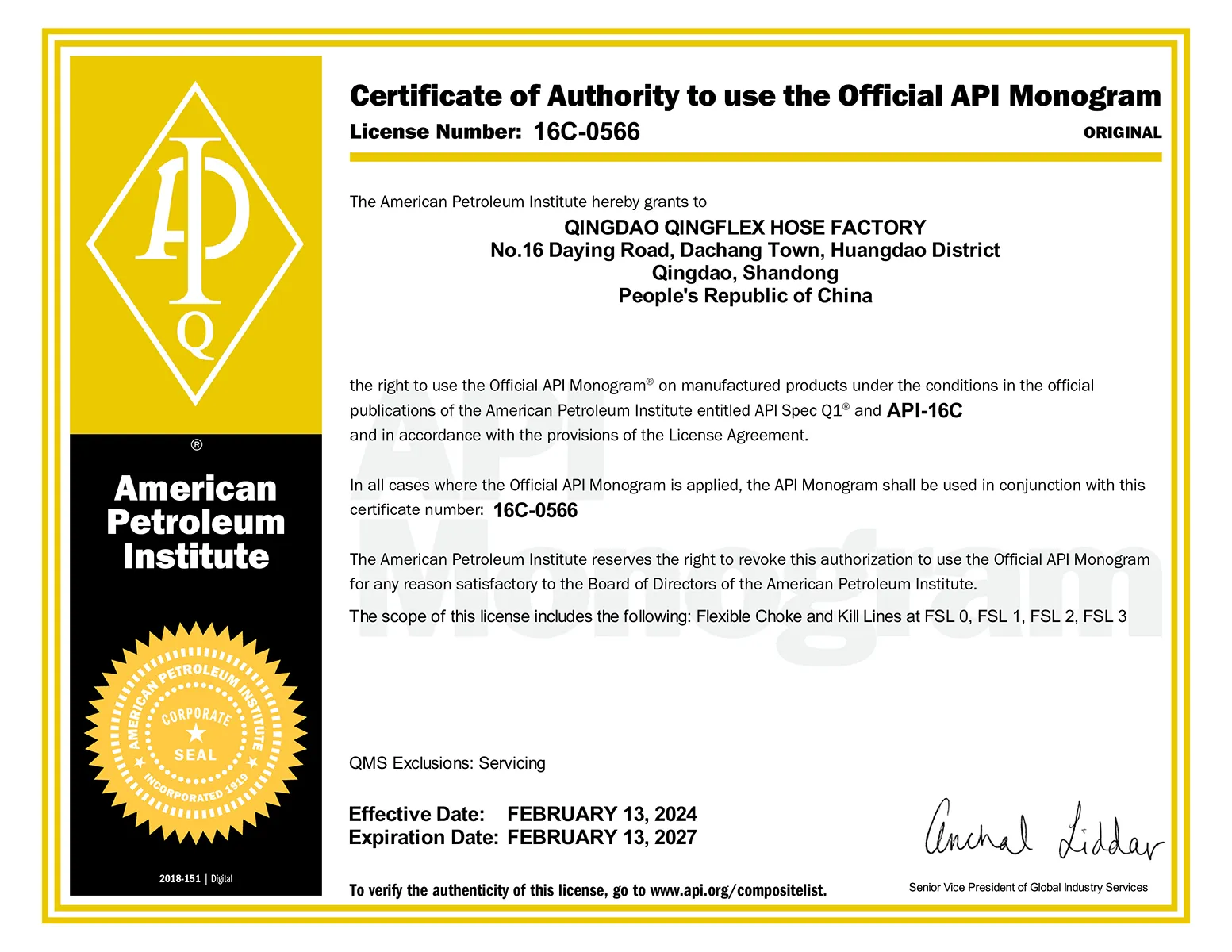
No. API 7K is associated with drilling and well-servicing equipment such as rotary, mud and cement hoses. API 16C is associated with choke and kill systems for well control.
How Do I Choose the Correct Working Pressure?
Match the working pressure to the rig system requirement and confirm test pressure, safety factor, FSL level and end connection rating. Do not select only by hose diameter.