
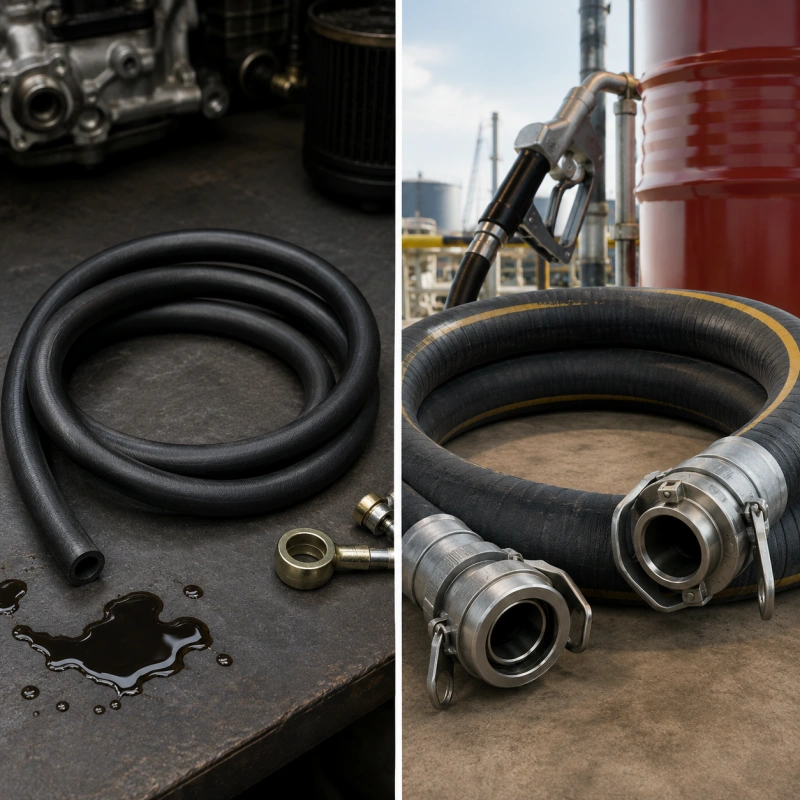
You need to understand the main difference between oil hoses and petroleum hoses. Oil hoses resist oil-induced swelling and degradation. Petroleum hoses transport fuels and crude oil efficiently. Choosing the right hose reduces leakage risk and boosts operational safety.
Alienfrac provides certified hoses that minimize hazards and extend service life.
| Hose Type | Leakage Risk Increase | Safety Impact |
|---|---|---|
| Non-specialized Rubber | 78% | Higher risk of safety hazards and compliance issues |
| Specialized Oil Hoses | N/A | Minimized leakage risks and enhanced service life |
- Oil hoses feature specialized inner layers made of nitrile or fluororubber.
- Built-in leak detection sensors and biofuel compatibility improve safety and performance.
Key Takeaways
- Oil hoses resist oil-induced swelling and degradation, making them ideal for lubricating oils and hydraulic fluids.
- Petroleum hoses are designed for fuel transfer, ensuring safe and efficient movement of gasoline and diesel.
- Choosing the right hose reduces leakage risks and enhances operational safety, especially in demanding environments.
- Material selection impacts hose durability and performance; advanced compounds like PTFE offer high chemical resistance.
- Regular maintenance and compliance with safety standards are crucial for extending hose life and preventing failures.
Oil Hose vs Petroleum Hose: Key Differences
Definition of Oil Hose
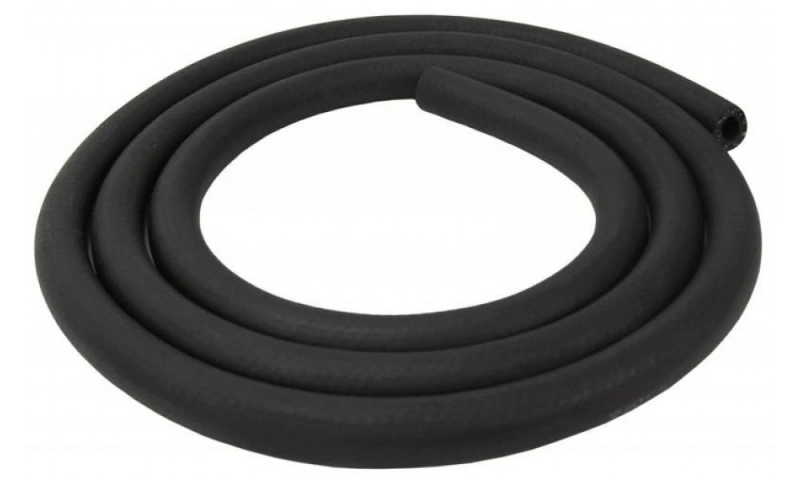
You use oil hoses to transfer lubricating oils, hydraulic fluids, and other petroleum-based liquids in industrial settings. These hoses feature specialized inner layers that resist oil-induced swelling and degradation. Manufacturers design oil hoses for environments where chemical compatibility and durability matter most.
You often find oil hoses in machinery, hydraulic systems, and oilfield operations. The construction focuses on preventing leaks and maintaining structural integrity under high pressure.
Definition of Petroleum Hose
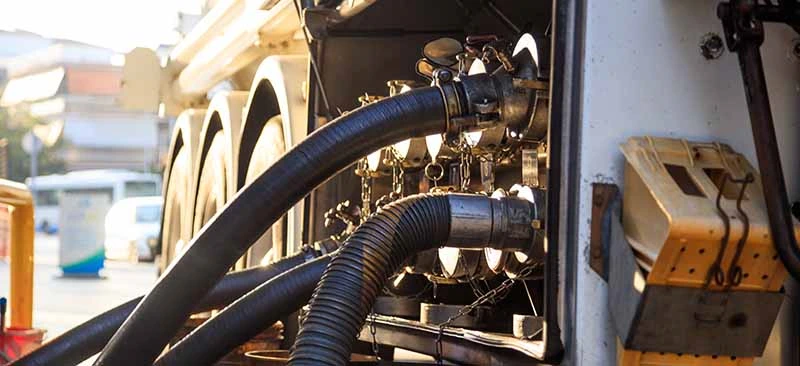
Petroleum hoses serve as the backbone for fuel transfer and crude oil transportation. You rely on these hoses to move gasoline, diesel, and other fuels from storage tanks to vehicles or equipment. Petroleum hoses must withstand harsh conditions, including abrasion and exposure to chemicals.
The design emphasizes flexibility and strength, making them suitable for tank trucks, marine docks, and industrial fuel delivery systems. You select petroleum hoses when you need reliable, safe, and efficient fuel transfer.
Material Comparison
You must consider material differences when comparing oil hose vs petroleum hose. Oil hoses often use advanced rubber compounds, stainless steel, or PTFE linings to resist oil and chemicals. Petroleum hoses typically feature tough oil-resistant rubber with synthetic fiber or steel wire reinforcement.
The choice of materials affects chemical compatibility, durability, and lifespan.
Tip: Selecting the right material ensures your hose lasts longer and performs safely under demanding conditions.
| Material | Properties | Chemical Compatibility |
|---|---|---|
| Stainless Steel | Excellent corrosion resistance and durability. 304 and 316L grades available. | Suitable for many applications; 316L is better for chlorides and acids. |
| Carbon Steel | Economical but more susceptible to corrosion. | Suitable for less aggressive chemicals. |
| Exotic Alloys | Superior resistance to highly corrosive chemicals. | Ideal for extreme conditions but costly. |
| PTFE/PFA Lining | Provides an additional barrier against corrosive chemicals. | Extends hose life significantly. |
| Reinforcements | Braided or spiral reinforcements enhance pressure rating. | Improves structural integrity. |
| End Fittings | Must be made from compatible materials to avoid galvanic corrosion. | Critical for maintaining hose integrity. |
You also see differences in hose lifespan based on material selection. PTFE hoses offer high chemical resistance, temperature tolerance, and durability. Rubber fuel hoses provide moderate resistance and degrade over time.
| Feature | PTFE Hose | Rubber Fuel Hose |
|---|---|---|
| Chemical Resistance | High | Moderate |
| Temperature Tolerance | -100°F to 500°F | Up to 200°F |
| Pressure Rating | High | Moderate |
| Durability | Long-lasting | Degrades over time |
| Longevity | Longer lifespan | Shorter lifespan |
Performance and Durability
You expect high performance from both oil hoses and petroleum hoses, but their capabilities differ. Oil hoses are engineered for high-pressure applications. You can rely on them to withstand extreme temperatures, ranging from -40°F to +302°F. The temperature limitations depend on the material and construction.
Petroleum hoses deliver reliable performance in fuel transfer, but their pressure and temperature ratings are usually lower than oil hoses.
- Oil hoses are designed for high-pressure applications.
- They can withstand extreme temperatures ranging from -40°C to +150°C (-40°F to +302°F) or higher.
- The temperature limitations vary based on material and construction.
You achieve high performance and durability by choosing hoses with the right reinforcement and lining. Oil hoses excel in environments with aggressive chemicals and high pressure. Petroleum hoses perform best in fuel transfer and delivery, where flexibility and abrasion resistance matter most.
When you compare oil hose vs petroleum hose, you must evaluate your operational needs and select the hose that matches your requirements for safety, longevity, and efficiency.
Oilfield Hose and Petroleum Hose Features
Oilfield Hose Construction
You rely on oilfield hoses to deliver high performance in harsh environments. Alienfrac designs these hoses with multiple layers that protect against abrasion, chemicals, and extreme temperatures. The inner layer uses materials like neoprene, nitrile, fluorine, acrylic rubber, and polyurethane.
Each material offers unique benefits. Neoprene resists wear and cold. Nitrile provides excellent oil resistance. Fluorine rubber withstands high temperatures. Polyurethane handles solvents and abrasion.
| Material | Properties |
|---|---|
| Neoprene rubber | Wear-resistant, cold-resistant, oil-resistant, suitable for various industrial applications. |
| Nitrile rubber | Excellent oil resistance, oil corrosion resistance, anti-aging properties. |
| Fluorine rubber | High temperature and oil resistance, suitable for chemical and petroleum industries. |
| Acrylic rubber | Good oil resistance, suitable for automotive and aviation applications. |
| Polyurethane | Wear resistance, oil resistance, solvent resistance, suitable for mining and construction. |
Alienfrac oilfield hoses feature an inner rubber layer that transmits fluids, a reinforcement layer made from high-strength fibers or steel wire, and an outer rubber layer that protects against wear, corrosion, and UV exposure. You can select custom diameters and pressure ratings to match your drilling needs.
Petroleum Hose Construction
You use petroleum hoses for fuel transfer and delivery. Alienfrac petroleum hoses combine tough oil-resistant rubber with synthetic fiber or steel wire reinforcement. The construction ensures flexibility and strength. The inner lining prevents leaks and chemical reactions.
The outer layer resists abrasion and weather. You can depend on these hoses for safe and efficient fuel transfer in tank trucks, marine docks, and industrial sites.
Alienfrac offers options like PTFE hose for applications requiring high chemical resistance and temperature tolerance. You achieve high performance by choosing hoses with the right reinforcement and lining. The company also provides rubber fuel hose solutions for moderate resistance and flexibility.
Note: Alienfrac hoses support both traditional and advanced fuel delivery systems, including biofuel and hydraulic fluid transfer.
Certifications and Quality Standards
You must select hoses that meet strict certifications and quality standards. Alienfrac hoses comply with API, ISO 9001, DNV-GL, ASTM D2000, and CE requirements. These certifications guarantee operational safety and reliability.
You can request up-to-date test reports for burst pressure, flame retardancy, and antistatic properties. Alienfrac verifies the source and accreditation of each report, ensuring consistency between tested products and production batches.
| Certification/Standard | Description | Impact on Product Selection |
|---|---|---|
| ASTM D2000 | Sets specifications for rubber products and O-Rings | Ensures compatibility and performance in various environments |
| ISO 3601 | Specifies standards for O-Rings | Critical for operational reliability |
| API | Governs quality management and safety | Reduces costs and enhances speed to market |
| ISO 9001 | Focuses on overall quality management | Essential for operational safety |
| DNV-GL | Ensures safety for critical applications | Important for maritime safety |
| CE | Product-specific certifications for certain applications | Confirms compliance for specialized uses |
You see Alienfrac hoses in real-world applications. A logistics company improved delivery speeds by 25% and reduced downtime by 15 hours per month using Alienfrac fuel oil delivery hoses. The company also cut fuel expenses by 20%. Customer feedback highlights increased productivity and cost savings.
Third-party evaluations confirm improved efficiency and reliability in demanding conditions.
Oil Hose vs Petroleum Hose: Use Cases and Applications
Oilfield Operations
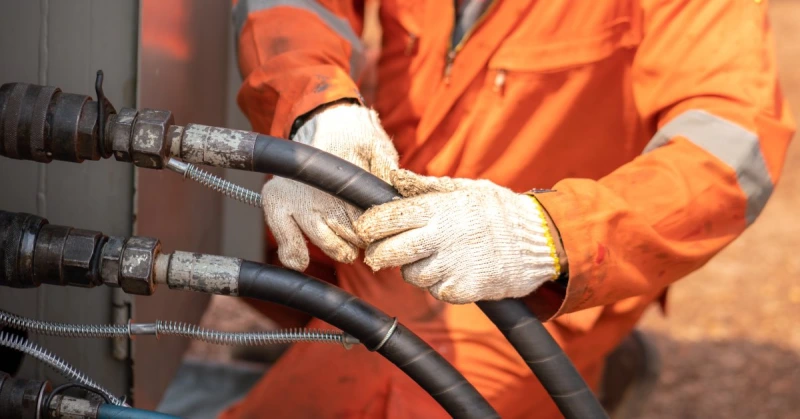
You encounter demanding conditions in oilfield operations. Choosing between oil hose vs petroleum hose depends on the specific task and fluid type. Oil hoses play a critical role in drilling, hydraulic fracturing, and refining. You use drilling hoses to pump fluids under high pressure, preventing failures that can halt operations.
Hydraulic fracturing hoses withstand pressures above 400 PSI, maintaining productivity and preventing leaks. Refining hoses minimize leaks and resist chemicals and heat, ensuring continuous operation.
Petroleum hoses support fuel transfer in oilfields. They rely on oil-resistant tube construction for gasoline, diesel, and fuel oil. High-strength reinforcement provides pressure stability. Abrasion- and weather-resistant covers extend service life. You benefit from static dissipation options for added safety.
Custom hose assemblies meet your operational needs and comply with industry standards.
| Benefit | Description |
|---|---|
| High-pressure handling | Suitable for heavy-duty petroleum transfer, ensuring safety and reliability. |
| Excellent resistance | Designed to resist oil, weather, and abrasion, enhancing durability in harsh conditions. |
| Flexible construction | Allows for easier handling in both mobile and industrial systems, improving operational efficiency. |
| Options for suction and discharge | Versatile for various applications including tank trucks and refineries. |
| Custom hose assemblies | Tailored solutions available for specific operational needs. |
Alienfrac offers PTFE hose solutions for oilfield operations. You select PTFE hose when you need high chemical resistance and temperature tolerance. Rubber fuel hose options provide flexibility and moderate resistance. You choose the right hose based on fluid compatibility, pressure rating, and safety requirements.
Fuel Oil Delivery Hoses in Industry
You depend on fuel oil delivery hoses for efficient and safe fuel transfer in industrial settings. These hoses support a wide range of applications, including general fuel transfer, petroleum product handling, and heavy-duty operations.
You can select from types of fuel oil hoses such as rubber hoses, NBR hoses, braided hoses, oil suction hoses, and specialized hoses for aviation fuel.
| Hose Type | Application | Performance Characteristics |
|---|---|---|
| Rubber Hoses | General fuel transfer | Flexible, strong, reliable |
| NBR Hoses | Petroleum products | High-pressure support, vapor resistance |
| Braided Hoses | Heavy-duty fuel transfer | Prevents bulging, adds stability |
| Oil Suction Hoses | Suction and discharge settings | Smooth fuel flow, puncture resistance |
| Specialized Hoses | Aviation fuel | Ensures safety and consistent movement |
| Diameter Consideration | Affects flow speed | Wider hoses allow faster delivery; narrow hoses slow flow |
| Material Impact | Affects resistance and flow rate | Different textures and densities influence speed |
You improve performance by choosing hoses with the right diameter and material. Wider hoses increase fuel transfer speed, while narrow hoses slow delivery. Material selection affects resistance and flow rate. Braided hoses enhance stability during use.
Oil suction hoses ensure smooth fuel flow. Petroleum hoses offer multiple diameters and pressure ratings for dependable performance.
Alienfrac provides PTFE hose and rubber fuel hose options for industrial applications. You select PTFE hose for high chemical resistance and durability. Rubber fuel hose delivers flexibility and reliability. You achieve optimal performance by matching hose type to your operational requirements.
| Feature | Fuel Oil Delivery Hoses | Petroleum Hoses |
|---|---|---|
| Construction | Braided hoses prevent bulging under pressure | Oil-resistant tube compounds with reinforced construction |
| Safety | Designed to support smooth fuel flow and resist punctures | Durable covers engineered for harsh environments |
| Application | Suitable for both suction and discharge settings | Dependable performance for demanding fuel handling applications |
Marine and Automotive Applications
You face strict regulatory requirements in marine and automotive applications. Regulations mandate compliance with safety and performance standards. These rules influence material selection and pressure ratings for hoses.
Using non-specialized rubber hoses for oil transfer increases leakage risk by 78%, which can lead to OSHA fines.
Fuel oil delivery hoses are essential in the shipping industry. You rely on these hoses for reliable fuel transfer to vessels, minimizing downtime and boosting operational output. In automotive logistics, you see measurable improvements.
A major company improved delivery speeds by 25% and reduced operational downtime by 15 hours per month after switching to specialized fuel oil delivery hoses. The firm also reported a 20% reduction in fuel expenses due to more efficient delivery systems.
You select PTFE hose for marine and automotive applications when you need high resistance to chemicals and temperature extremes. Rubber fuel hose options provide flexibility and durability. Alienfrac offers certified hoses that meet international safety standards, ensuring compliance and reliable performance.
Tip: Always verify hose certifications before use in regulated environments. Alienfrac hoses comply with API, ISO, and DNV standards, supporting safe and efficient operations.
Choosing the Right Hose: Practical Guide
Factors for Selection
You must evaluate several factors before choosing between oil hoses and petroleum hoses. Pressure rating, temperature range, hose diameter, hose material, compatibility with fluids, and application-specific requirements all play a role.
Heavy-duty oilfield discharge and suction hoses need compatibility with fluids like drilling mud, unrefined oils, and refined fuels. You should always match the hose to the operational environment. For hydraulic fracturing, select hoses that meet high pressure ratings, often between 2,000 and 15,000 PSI.
Temperature tolerance matters, especially when ambient conditions range from -20°F to +180°F. Media compatibility is essential. Different fluids, such as fresh water, salt water, and chemicals, affect hose integrity and longevity.
Alienfrac offers tailored solutions, including PTFE hose options, which provide high chemical resistance and durability for demanding applications.
- Pressure Rating
- Temperature Range
- Hose Diameter
- Hose Material
- Compatibility with Fluids
- Application Specific Requirements
Safety and Compliance
You must ensure hoses meet strict safety and compliance standards. OSHA requirements apply to standpipe systems, including protection from mechanical damage and prompt repairs. Equipment must allow quick access and clear identification.
Installations after January 1, 1981, require lined hoses and compatible connections. Hydrostatic testing is mandatory to verify safety and functionality. Alienfrac hoses undergo rigorous testing, including hydraulic hose impulse testing, to simulate real-world stresses.
Compliance with standards like SAE J343 and ISO 6803 ensures durability and safety. Alienfrac’s certifications and documentation demonstrate a commitment to quality and reliability. You can trust PTFE hose solutions for environments where compliance and performance are critical.
Maintenance Tips
Proper maintenance extends hose service life and reduces failure rates. You should verify chemical compatibility, pressure, and temperature ratings. Install hoses using certified couplings and avoid twisting. Conduct periodic inspections and hydrostatic tests to detect issues early.
Replace worn or damaged parts promptly. Follow best practices during use to prevent damage. Store hoses correctly to avoid unnecessary wear and tear. Regular inspections catch issues before failure. Testing protocols ensure hoses meet safety standards.
Proactive replacement scheduling prevents failures. Documentation supports regulatory compliance and risk management. Alienfrac recommends PTFE hose for applications requiring frequent maintenance and high reliability.
| Maintenance Practice | Description |
|---|---|
| Proper Selection | Verify chemical compatibility, pressure and temperature ratings, and evaluate abrasion resistance. |
| Correct Installation | Use certified couplings, avoid twisting, and follow manufacturer protocols. |
| Preventive Maintenance | Conduct periodic inspections and hydrostatic tests to detect issues early. |
| Timely Component Replacement | Replace worn or damaged parts promptly to maintain hose integrity. |
| Good Operational Practices | Follow best practices during use to prevent damage. |
| Proper Transport and Storage | Store hoses correctly to avoid unnecessary wear and tear. |
Tip: You can maximize hose performance and safety by following these maintenance practices and choosing certified products like Alienfrac’s oilfield hose.
Conclusion
You see clear differences between oil hoses and petroleum hoses in material, construction, and application. Certified hoses from trusted brands like Alienfrac ensure safety and performance. API certification confirms that hoses withstand extreme conditions and meet industry standards.
You improve reliability by following expert recommendations:
- Document your requirements for pressure, temperature, and size.
- Invest in high-quality hoses for long-term value.
- Plan for easy maintenance and system growth.
- Review safety factors for critical operations.
Consult industry experts and follow best practices to maximize hose performance and safety.
FAQ
What is the main difference between oil hoses and petroleum hoses?
Oil hoses handle lubricating oils and hydraulic fluids. Petroleum hoses transfer fuels like gasoline and diesel. You choose oil hoses for chemical resistance and durability. You select petroleum hoses for flexibility and safe fuel transfer.
How do you select the right hose for your application?
You should check fluid compatibility, pressure rating, temperature range, and certification. Always match the hose to your operational needs. Consult with Alienfrac for tailored solutions.
Why do certifications matter for hoses?
Certifications like API and ISO ensure your hose meets safety and quality standards. You reduce risks and improve reliability by choosing certified hoses from trusted brands like Alienfrac.
How often should you inspect or replace hoses?
You should inspect hoses regularly for wear, leaks, or damage. Replace any hose that shows signs of aging or fails safety tests. Regular maintenance extends service life and prevents accidents.