
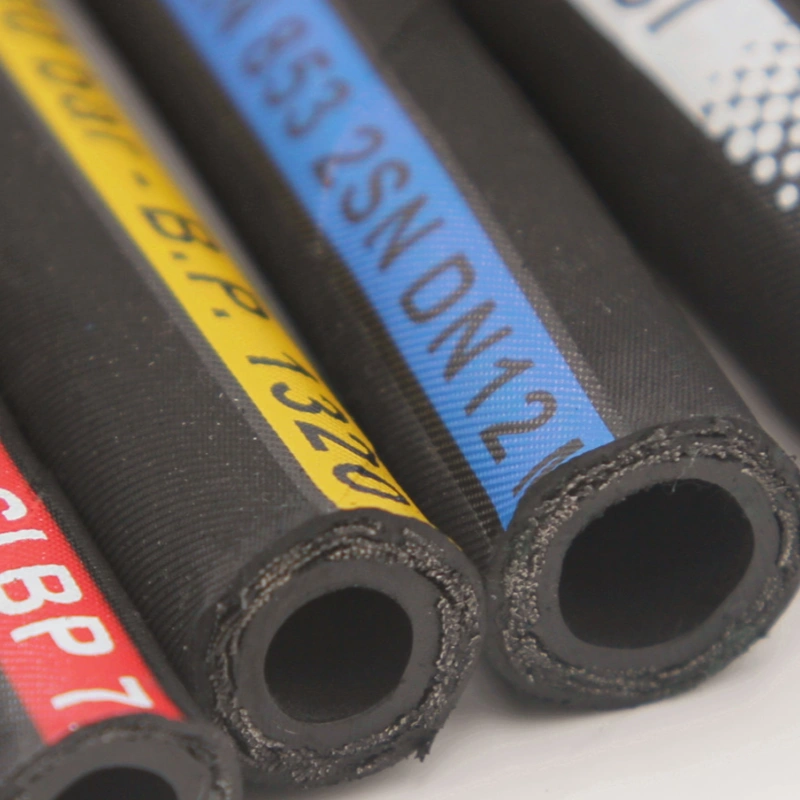
You rely on hydraulic hose standards to protect your operations and ensure each component works seamlessly together. These safety standards set strict requirements for design, pressure, and materials.
You see their influence in industries worldwide, with SAE, EN, and ISO shaping how hoses perform under pressure. By choosing certified hoses from Alienfrac, you support safety and reliability in every application.
Key Takeaways
- Hydraulic hose standards, like SAE, EN, and ISO, ensure safety and reliability in industrial applications.
- Choosing certified hoses from Alienfrac guarantees compliance with strict safety requirements, reducing risks of failures.
- Regular inspections and maintenance of hoses enhance performance and extend their service life, ensuring operational safety.
- Understanding the differences between SAE, EN, and ISO standards helps you select the right hose for your specific application.
- Always verify hose specifications and certifications to ensure compatibility and safety in your hydraulic systems.
Understanding Hydraulic Hose Standards
What Are Hydraulic Hose Standards?
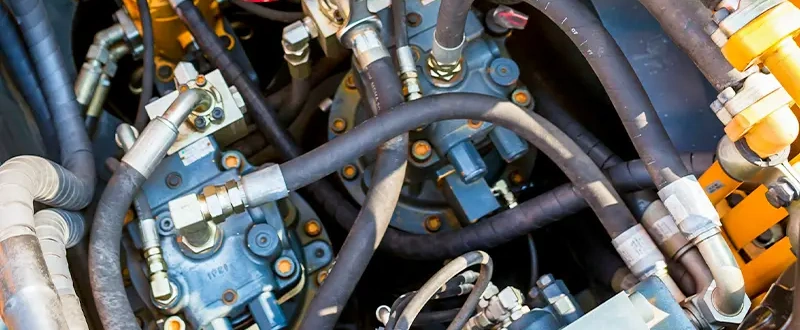
You encounter hydraulic hose standards every time you select hoses for industrial applications. These standards define the requirements for hose construction, performance, and testing. Organizations such as SAE, EN, and ISO create these guidelines to ensure hoses operate safely under pressure.
SAE focuses on North American markets, while EN standards address European requirements. ISO provides global standards that unify practices across regions. You see SAE and EN referenced in oil and gas, construction, and manufacturing. EN standards often specify materials, dimensions, and testing methods.
SAE standards emphasize pressure ratings and compatibility. When you follow hydraulic hose standards, you guarantee that hoses meet strict criteria for durability and safety.
Why Standards Matter?
Hydraulic hose standards protect your equipment and workforce. You reduce risk by choosing hoses that comply with SAE and EN standards. These guidelines help you avoid failures caused by improper materials or construction. Global standards like ISO ensure you can use hoses across international projects.
You benefit from enhanced hose safety performance and reduced liability exposure. Systematic documentation supports compliance and proactive maintenance. Regular auditing identifies potential issues before they become critical failures.
Preventative maintenance inspections reveal wear patterns and approaching end-of-life conditions. Hose safety audits provide valuable data for optimizing replacement schedules and improving system reliability.
When you rely on SAE, EN, and ISO standards, you build a foundation for safe and efficient operations. You gain confidence knowing your hoses meet industry benchmarks. Alienfrac offers certified hoses that align with SAE and EN standards, supporting your commitment to quality and safety.
SAE, EN, and ISO Standards Overview
When you select hydraulic hoses for your operations, you encounter three main types of standards: SAE, EN, and ISO. Each standard has a unique history, regional focus, and technical requirements. Understanding these differences helps you choose the right hose for your application and ensures global compatibility.
SAE Hydraulic Hose Standards
You see SAE standards most often in North America. SAE, or the Society of Automotive Engineers, develops technical standards that set the benchmark for quality and interoperability in hydraulic systems. These standards guide you on materials, design, manufacturing, and testing.
SAE standards have expanded over time to cover sectors like aerospace and commercial vehicles, always focusing on safety and reliability.
When you use SAE hydraulic hose standards, you benefit from:
- Clear pressure ratings for each hose type.
- Detailed guidelines for hose construction and performance.
- Compatibility with a wide range of hydraulic fluids and systems.
- Reliable testing methods that ensure product safety.
SAE standards, such as SAE 100R12, are widely recognized in oil and gas, construction, and manufacturing. You can trust hoses that meet SAE standards to deliver consistent performance in demanding environments.
Alienfrac’s industrial hydraulic hoses comply with SAE standards, giving you confidence in their durability and safety.
EN Standards For Hydraulic Hoses
EN standards, developed for Europe, focus on strict technical requirements and high safety margins. You find EN standards referenced in industries that demand superior abrasion resistance, pulse life, and burst pressure.
These standards help you meet European regulations and ensure your hoses perform under tough conditions.
Here is a summary of core EN requirements:
| Requirement | Specification |
|---|---|
| Abrasion Resistance | 0.1g abrasion loss |
| Ozone Resistance | 500 hours (standard: 72 hours) |
| Burst Pressure | 10%-30% higher than standard |
| Pulse Life | 700,000 to over 1,000,000 cycles |
| Construction | 4-layer & 6-layer wire reinforced |
EN standards set higher benchmarks for burst pressure and pulse life compared to many other standards. You benefit from hoses that last longer and withstand harsh environments. Alienfrac’s product range includes hoses certified to EN standards, supporting your needs for European and international projects.
ISO Hydraulic Hose Standards
ISO standards aim for international harmonization. When you work on global projects, you rely on ISO standards to ensure your hoses meet worldwide expectations for quality and safety. ISO standards, such as ISO 1436 and ISO 3862, are among the most referenced in hydraulic hose manufacturing.
They focus on performance metrics that matter for international trade.
You gain several advantages with ISO standards:
- Consistent quality across different markets.
- Easier international sourcing and project management.
- Assurance that hoses meet global standards for safety and reliability.
ISO standards, like ISO18752:2025, help you market products internationally. By choosing hoses that comply with ISO, SAE, and EN standards, you can handle diverse regulatory environments and simplify your supply chain.
Alienfrac’s certified hoses display compliance with all three standards, making them ideal for global operations.
Tip: When you choose hoses that meet SAE, EN, and ISO standards, you ensure compatibility, safety, and performance—no matter where your project takes you. Alienfrac’s certified product range supports your commitment to quality and global standards.
Key Specifications For Hydraulic Hoses
Dimensions And Construction
You must understand hydraulic hose specifications before selecting the right hose for your application. Dimensions play a crucial role in hydraulic hose standards. You see hoses measured by inner diameter, outer diameter, and length. These measurements affect flow rate and system efficiency.
Construction varies based on SAE and EN standards. You find hoses with single or multiple layers of reinforcement, such as steel wire or textile braid. SAE standards often specify wire braid for high-pressure applications.
EN standards may require four or six layers for enhanced durability. You benefit from robust construction that improves performance and safety. When you choose hoses with proper dimensions and construction, you ensure compatibility with your hydraulic system.
Pressure And Temperature Ratings
Hydraulic hose specifications include pressure and temperature ratings. SAE and EN standards define minimum burst and working pressures. You must match these ratings to your system requirements. High-pressure hoses withstand up to 10,000 PSI, while standard hoses handle lower pressures.
Temperature ratings depend on hose material. You can see hoses made from NBR, EPDM, PTFE, and thermoplastic. Each material offers unique performance characteristics. Review the table below for typical temperature ranges:
| Hose Material | Temperature Range (°C) | Description |
|---|---|---|
| NBR | -40°C to +100°C | Standard for petroleum-based hydraulic oils |
| EPDM | -50°C to +150°C | Excellent for water, steam, and coolants |
| PTFE | -60°C to +260°C | Exceptional heat and chemical resistance |
| Thermoplastic | -54°C to +100°C | Good for lightweight, low-temp flexibility |
You protect your equipment by selecting hoses that meet SAE standards and EN standards for pressure and temperature. This ensures reliable performance and safety in demanding environments.
Material Compatibility
Material compatibility is essential in hydraulic hose specifications. You must choose hoses that resist chemicals, abrasion, and extreme temperatures. SAE and EN standards approve materials like fluoropolymers, silicone, elastomers, metal, thermoplastics, and composite/laminated types.
Each material offers specific advantages for performance and durability. Review the table below for common materials:
| Material Type | Properties | Applications |
|---|---|---|
| Fluoropolymers | Durable flex life, excellent corrosion and chemical resistance, high temperature handling | General hydraulic applications |
| Silicone | Flexible, good temperature resistance | Specialized applications |
| Elastomers | Strong flexibility | General hydraulic applications |
| Metal | Handles high temperatures and high flow materials | High-pressure applications |
| Thermoplastics | Tight minimum bend radius, superior kink resistance | General hydraulic applications |
| Composite/Laminated | Combines properties of different materials for enhanced performance | Various hydraulic applications |
Tip: Always verify hydraulic hose specifications for material compatibility to maximize hose life and maintain system performance. You avoid costly downtime and improve operational safety by following SAE standards and EN standards.
Technical Differences: SAE vs EN vs ISO
Construction And Design
You notice clear differences in construction and design when comparing SAE, EN, and iso hydraulic hose standards. SAE standards focus on single or double wire and textile braids, which offer flexibility and reliable performance for many hydraulic systems.
EN standards often require multi-spiral steel reinforcement, which increases strength and abrasion resistance. Iso standards aim to harmonize these approaches, balancing durability and global compatibility.
| Aspect | SAE Standard | EN Standard |
|---|---|---|
| Construction Type | Single/double wire, textile | Single/double wire, multi-spiral |
| Pressure Rating | Medium to high | Medium to very high |
| Temperature Range | -40°C to 100°C approx | -40°C to 125°C approx |
| Application Suitability | Mobile & industrial machinery | Industrial, mobile, high-pressure |
| Durability & Safety | Reliable, flexible, moderate wear resistance | High strength, abrasion and pressure resistant |
Alienfrac designs hoses that meet both SAE and EN standards, ensuring you get the right specifications for your application.
Pressure Classes And Testing
Pressure class requirements set SAE and EN standards apart. SAE standards assign one working pressure per hose size or type, focusing on static pressure levels. EN standards use pressure classes and emphasize dynamic performance.
You see stricter impulse testing in EN standards, which simulates frequent pressure cycles and ensures higher safety margins.
| Standard | Pressure Class Requirements | Focus | Testing Method |
|---|---|---|---|
| SAE | One working pressure per hose size/type | Static pressure level | Less emphasis on dynamic performance |
| EN | Based on pressure classes | Dynamic performance | Stricter impulse testing, frequent pressure cycles |
Alienfrac hoses undergo rigorous testing to meet both SAE and EN requirements, giving you confidence in their performance and safety.
Application Suitability
You select hydraulic hoses based on the demands of your industry. SAE standards work well for mobile and industrial machinery in North America. EN standards suit high-pressure systems in Europe and industries needing superior abrasion resistance.
Iso standards appeal to global projects, offering compatibility and consistent performance across regions.
Construction, marine, energy, and manufacturing sectors rely on hoses that meet these hydraulic hose standards. You benefit from Alienfrac’s ability to deliver hoses certified to SAE, EN, and iso standards. This versatility ensures you always find the right solution for your equipment, no matter the application or location.
Tip: Always match your hose selection to the required standards for maximum safety, performance, and compatibility.
Hydraulic Hose Testing And Compliance
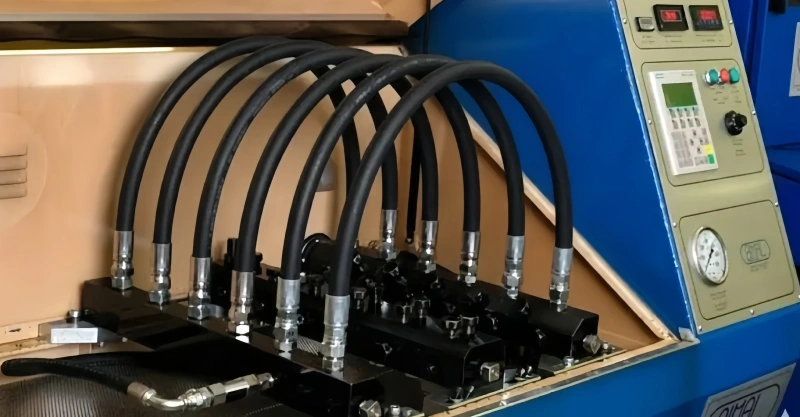
Standard Testing Methods
You need to trust that your hydraulic hoses will perform under pressure. Testing methods confirm that hoses meet safety and quality standards before you use them in the field. Manufacturers use several tests to check hose strength, durability, and leak resistance.
Here is a table that shows the most common testing methods for hydraulic hoses:
| Testing Method | Description |
|---|---|
| Burst Pressure Testing | Tests the hose to its breaking point by applying extreme pressure beyond normal operating conditions. |
| Proof Pressure Testing | Verifies the hose can safely operate under its designated working pressure, usually 1.5 to 2 times the working pressure. |
| Impulse Testing | Simulates repetitive pressure cycles that hoses experience in real-world operations. |
| Leakage Testing | Identifies small leaks by pressurizing the hose and inspecting for visible or microscopic leaks. |
| Hydrostatic Pressure Testing | Assesses strength and integrity by filling the hose with liquid and applying pressure without causing damage. |
You also see abrasion testing, which checks how well the hose resists wear from outside forces. These tests help you avoid failures and keep your operations safe.
Note: Always review test results before you install hoses in critical systems. Reliable testing protects your equipment and your team.
Certification And Quality Assurance
You want hoses that meet the highest industry standards. Certification proves that hoses have passed strict tests and inspections. Major standards include API, ISO, SAE, and EN. Each standard focuses on different performance areas.
- API Spec 7K: Requires hoses to handle extreme pressures and temperatures. You see fire resistance and chemical resistance tests for oilfield use.
- ISO 18752: Classifies hoses by pressure capability. You benefit from impulse and leakage tests that ensure performance in many industries.
- SAE J517: Sets guidelines for burst pressure and cold flexibility. You find these hoses in automotive and industrial settings.
- EN 853 & EN 857: Focus on reinforced hoses for medium to high-pressure jobs. These standards require burst and impulse testing.
Alienfrac holds certifications from API, ISO, DNV MED, CCS, and ABS. You can trust Alienfrac hoses to meet or exceed global requirements. The company uses advanced testing and quality control at every step. This commitment gives you confidence in every hose you choose.
When you select certified hoses from Alienfrac, you support safety, reliability, and long-term value for your operations.
Selecting The Right Hydraulic Hose Standard
Application And Market Needs
You must evaluate your application and market requirements before choosing hydraulic hose standards. Each industry and region sets unique demands for hose selection. Oil and gas, construction, manufacturing, and marine operations require hoses that withstand high pressures and harsh environments.
You see North America and Europe prioritize strict safety standards and high-quality materials. Asia-Pacific values cost-effective manufacturing and rapid industrialization, which leads to diverse standards. Latin America’s demand comes from mining, agriculture, and construction, shaping local requirements.
The Middle East and Africa focus on durable hoses for oil, gas, and mining projects.
- North America leads in market share due to infrastructure projects and regulatory standards.
- Europe emphasizes compliance with regulations like REACH and PED, promoting recyclable and low-emission materials.
- Asia-Pacific drives growth with cost-competitive solutions and fast-paced industrial expansion.
- Latin America maintains aftermarket demand despite economic fluctuations.
- The Middle East and Africa invest in energy and infrastructure, supporting the adoption of robust hydraulic hose standards.
You must match your hose selection to the operating environment and regulatory framework. Alienfrac offers a wide range of hoses certified to SAE, EN, and ISO standards, ensuring you find the right solution for any market.
Tip: Always consider the industry, region, and regulatory requirements when selecting hoses. Alienfrac’s experts help you navigate complex standards and market needs.
Performance And Safety Criteria
You must prioritize performance and safety when selecting hydraulic hoses. Leading standards mandate rigorous testing to ensure reliability in demanding conditions. You need hoses that pass pressure, temperature, fluid compatibility, abrasion resistance, and flex fatigue tests.
| Criteria | Description |
|---|---|
| Pressure Testing | Proof and burst tests confirm the hose’s ability to withstand internal pressure. |
| Temperature Testing | Evaluates hose performance under extreme temperature fluctuations and cold conditions. |
| Fluid Compatibility Testing | Ensures hose material resists degradation from hydraulic fluids. |
| Abrasion Resistance Testing | Measures durability against wear from rough surfaces or abrasive materials. |
| Flex Fatigue Testing | Assesses resistance to cracking from repeated bending cycles during operation. |
You must select hoses that meet or exceed SAE, EN, and ISO requirements for performance and safety. Alienfrac’s industrial hydraulic hoses undergo advanced testing and quality assurance, meeting global standards. You gain confidence in hose reliability, reducing downtime and maintenance costs.
Note: Always review test certifications and performance data before installation. Alienfrac’s certified hoses deliver proven safety and durability.
Dual Certification And Global Projects
You face complex challenges when managing global projects. Dual certification simplifies international operations and ensures compliance across regions. You need hoses that meet both SAE and EN standards for seamless integration in North America and Europe.
ISO certification supports global compatibility, making it easier to source and deploy hoses worldwide.
Alienfrac provides hoses with dual and triple certifications, including API, ISO, SAE, and EN. You benefit from versatile products that fit diverse regulatory environments and project requirements. You can select hoses for oilfield, construction, marine, and manufacturing applications, knowing they meet the highest standards.
- Dual certification streamlines procurement for multinational projects.
- Certified hoses reduce risk and support consistent performance across borders.
- Alienfrac’s technical support helps you select the right hose for every application.
Tip: Choose hoses with dual or triple certification for global projects. Alienfrac’s certified product range ensures you meet all regulatory and performance requirements.
Actionable Guidance: Selecting Your Hose
You must follow a systematic approach when selecting hydraulic hose standards for a new project. Consider these key factors:
- Operating Pressure: Verify the hose can handle the maximum working pressure, including surges.
- Hose Size (Inner Diameter): Select the correct diameter to maintain optimal flow and avoid restrictions.
- Temperature Range: Ensure the hose withstands both fluid and ambient temperatures.
- Bend Radius and Flexibility: Check the minimum bend radius to prevent kinking and damage.
You must also review material compatibility, certification, and suitability for application. Alienfrac’s experts provide tailored recommendations and support, helping you choose hoses that maximize performance and safety.
Callout: Reach out to Alienfrac for expert guidance and certified solutions. You secure reliable hoses that meet your project’s technical and regulatory needs.
Common Misconceptions About Hydraulic Hose Standards
Interchangeability Myths
You may believe that all hydraulic hoses are interchangeable if they meet the same standard. This is not always true. Differences in test methods, dimensions, tolerances, and impulse requirements can affect interchangeability and compatibility.
You should not assume that a hose certified to SAE will work in place of an EN or ISO hose without checking dual certification or consulting the manufacturer.
Here is a table that highlights common myths and the realities you should know:
| Misconception | Reality | Recommendation |
|---|---|---|
| Hoses with higher pressure rating last longer | Over-specification can reduce flexibility and increase installation complexity | Choose hose according to actual working pressure and operating environment |
| Hoses of the same standard can be freely interchanged | Differences in test methods, dimensions, tolerances, and impulse requirements exist | Follow original standard or confirm dual certification with manufacturer |
| Following the standard alone ensures safety | Proper installation, routing, and maintenance are equally critical | Regular inspection, correct routing, timely replacement |
| Heavier hoses are always better | Excessive weight may reduce flexibility and complicate system design | Select based on system requirements, not arbitrary thickness |
You must always verify interchangeability and compatibility before making substitutions to protect system safety.
Pressure Ratings And Hose Life
You might think that using a hose with a higher pressure rating will always extend hose life. In practice, this can lead to reduced flexibility and more difficult installation. A case study showed that using hoses rated just above the system’s operating pressure led to repeated failures.
When the manufacturer increased the safety margin and selected hoses with a higher working pressure, reliability improved, and failures stopped. You should match the hose rating to your actual system needs and consider a proper safety factor.
Installation And Maintenance
Proper installation and maintenance play a critical role in hose performance. You should follow these best practices:
- Inspect hose length, routing, and assemblies before installation.
- Handle hoses carefully to avoid kinking or bending below the minimum bend radius.
- Avoid twisting hoses during installation.
- Use restraints and protective sleeves to prevent abrasion.
- Keep hoses away from heat sources or use heat shields.
- Check fittings for proper torque and eliminate air entrapment during system checkouts.
- Establish a maintenance program with regular visual and functional inspections.
By following these steps, you ensure optimal performance and extend hose life. Good installation and maintenance support interchangeability and compatibility across your hydraulic systems.
Conclusion
You protect your operations by understanding and applying hydraulic hose standards. Regular inspections, proper training, and careful routing reduce risks in industrial environments. Choosing certified hoses from Alienfrac ensures safety, quality, and compliance. Review the table below for documented benefits:
| Benefit | Description |
|---|---|
| Safety | Withstands demanding conditions, reducing failures and leaks. |
| Quality assurance | Delivers reliable performance in industrial applications. |
| Compliance | Meets industry standards and regulatory requirements. |
| Reliability | Performs consistently throughout its service life. |
| Documentation | Provides certification and test results for assurance. |
| Performance longevity | Extends hose service life and prevents material fatigue. |
Consult with experts and select hoses that match your industry’s requirements. Alienfrac’s certified solutions help you achieve safe and efficient operations.
FAQ
What is the most important factor when choosing a hydraulic hose standard?
You should always consider your application’s pressure and temperature requirements first. These factors determine the hose’s construction and material. Matching the standard to your operating environment ensures safety and long-term performance.
Can you use a hose certified to one standard in a system designed for another?
Not always. Differences in dimensions, testing, and performance exist between standards. You should check for dual certification or consult the manufacturer before substituting hoses.
How do you verify if a hydraulic hose is certified?
Look for markings on the hose or request certification documents from your supplier. Certified hoses display standard codes, batch numbers, and manufacturer details. Alienfrac provides full documentation for every certified hose.
Does Alienfrac offer hoses with multiple certifications?
Yes. You can select hoses from Alienfrac that meet SAE, EN, and ISO standards. This flexibility supports global projects and ensures compliance in different regions.