
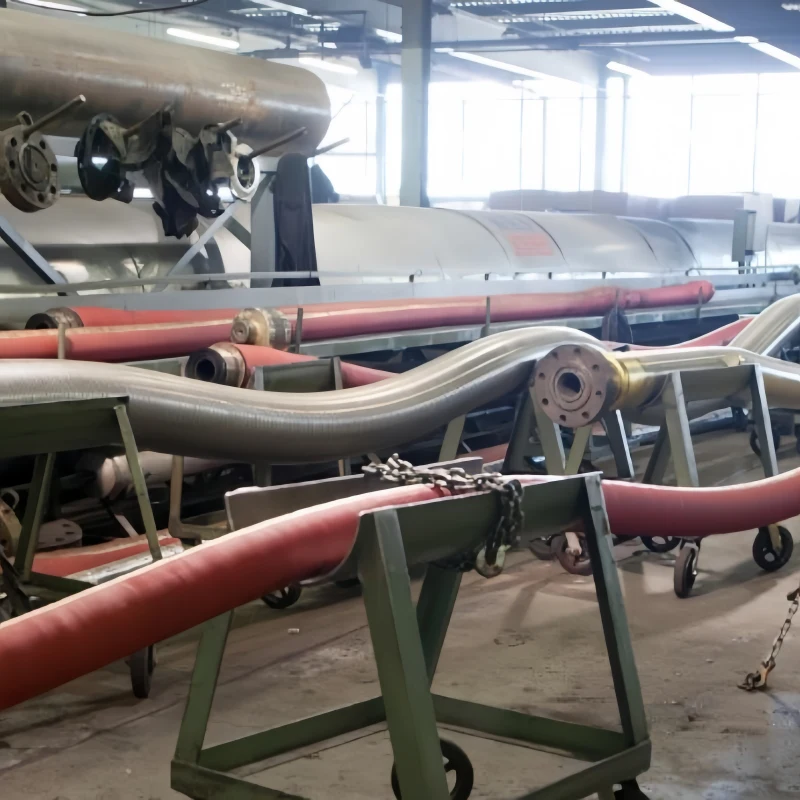
You need to understand what sets api 16c, api 7k, and api 16d hoses apart when working in oilfield operations. Each API hose adheres to strict standards and serves distinct purposes. The table below highlights their main differences:
| API Standard | Key Features |
|---|---|
| API 7K | High-pressure capability, abrasion resistance, rotary drilling, and mud circulation. |
| API 16C | Extreme high pressure, fire, and H2S resistance, choke and kill systems. |
| API 16D | Hydraulic control, fire-resistant and insulated, robust for BOP systems. |
Choosing the right oilfield hoses ensures safety and efficiency. Alienfrac delivers API-certified hoses trusted by operators worldwide.
Key Takeaways
- Understand the unique features of API hoses: API 16C handles extreme high pressure, API 7K focuses on flexibility for drilling, and API 16D is designed for blowout preventer control.
- Choose the right hose for your application to enhance safety and efficiency. Each hose type is tailored for specific tasks in oilfield operations.
- Regularly inspect and maintain hoses to prevent failures. Follow recommended schedules for hydrotesting and visual inspections to ensure reliability.
- API certification is crucial. It guarantees that hoses meet strict safety and performance standards, reducing risks in oilfield operations.
- Customization options are available. Tailor hose specifications like length and pressure rating to fit your specific project needs.
API 16C Hoses Overview
Key Features
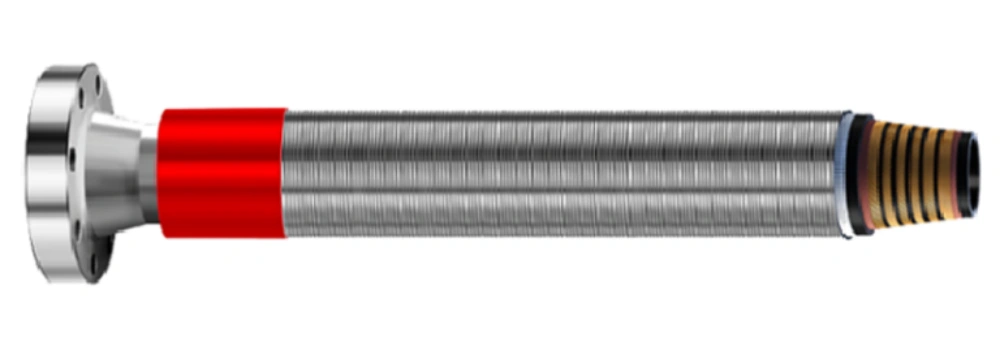
You need reliable high-pressure hoses when working with flexible choke & kill lines in demanding oilfield environments. Alienfrac’s API 16C hoses stand out due to their advanced construction and robust materials. These hoses use an inner layer made from HNBR, which resists oil, heat, and chemicals.
The reinforcement comes from multiple layers of high-strength steel wires or ropes, giving you the durability needed for high-pressure operations. The outer layer uses fire-resistant synthetic rubber, and many hoses include stainless steel armor for extra protection.
Here’s a quick comparison of design characteristics:
| Characteristic | API 16C Hoses | Other API Hose Types |
|---|---|---|
| Inner Layer Material | HNBR, oil/heat/chemical resistant | Varies |
| Reinforcement Layer | Multi-layered high-strength steel wires/ropes | Less robust |
| Outer Layer Material | High-temp, fire-resistant synthetic rubber | Varies |
| Additional Protection | Stainless steel armor | Not common |
| Operating Temperature Range | Wide, for high-pressure/high-temp environments | Narrower |
| Patented Protection Tech | Internal sealing to prevent damage/heat leakage | Limited |
Alienfrac offers customization for inner diameter, length, pressure rating, and end connections. You can select built-in armored or unarmored options, ensuring the hoses fit your project needs.
These high-pressure flexible hoses also feature comprehensive inspection and testing, supporting your requirements for api certification and safety.
Typical Applications
You will find api 16c hoses essential in both onshore and offshore drilling. These hoses play a critical role in flexible choke & kill lines, conveying mud and well-control fluid between the blowout preventer and choke or kill manifolds. They also handle conveying hydraulic power for well-control systems.
In offshore environments, these hoses resist seawater corrosion and pressure changes. On land, they ensure safety in complex geological conditions.
Common applications include:
- Flexible choke & kill lines for BOP systems
- Conveying hydraulic power and fluid in high-pressure drilling
- Onshore and offshore rigs require reliable high-pressure hoses
You can rely on these hoses to address industry challenges like abrasion, downtime, and environmental risks. Their design helps prevent leaks and equipment failure, keeping your crew and site safe.
API 16C Standards
API 16C standards set strict requirements for flexible choke & kill lines. You must use hoses that withstand pressures up to 15,000 psi and resist corrosive fluids like hydrogen sulfide. The standards require fire resistance, ensuring hoses maintain integrity during emergencies.
Alienfrac’s hoses meet these demands with multi-layer steel wire reinforcement, fire-resistant rubber, and stainless steel armor.
Key requirements include:
- Extreme working environment resistance
- Safety and reliability for high-pressure operations
- Global interoperability for equipment compatibility
- Multiple fire service levels for added protection
You get hoses that pass rigorous hydrostatic and fire tests, supporting your need for api certification and operational safety.
API 7K Hoses Overview
Key Features
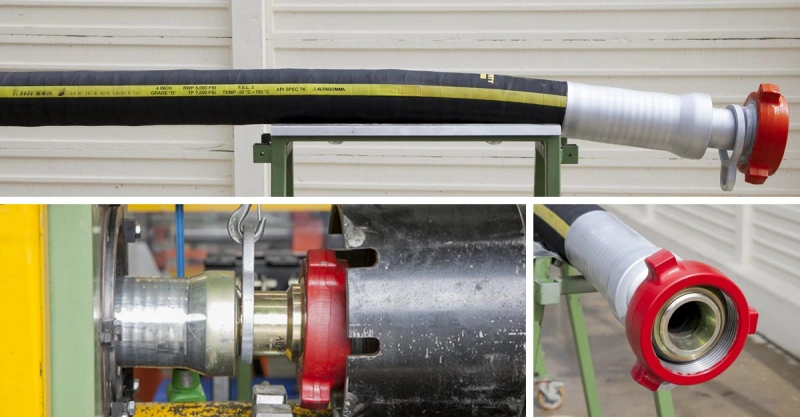
When you work in drilling operations, you need hoses that deliver consistent performance under tough conditions. Alienfrac’s API 7K hoses give you the strength and flexibility required for demanding oilfield tasks.
These high-pressure hoses use multiple layers of high-tensile steel wire, which provide outstanding durability and help prevent wear. You benefit from secure connections and clamps that keep the hoses in place, even during intense vibration or movement on the rig floor.
Here’s a quick look at the main features that support reliability in drilling:
| Feature | Description |
|---|---|
| High Pressure Resistance | Engineered to withstand high pressure, ensuring reliable performance. |
| Temperature Tolerance | Designed to operate within a wide temperature range, maintaining flexibility. |
| Durable Construction | Made with robust materials for exceptional durability and wear resistance. |
| Safety Compliance | Meets stringent safety standards, including flame resistance requirements. |
You can count on these hoses for flexibility, easy installation, and long service life. The rotary & vibrator hoses from Alienfrac also help you handle rapid changes in pressure and movement, making them ideal for both land and offshore rigs.
Typical Applications
You will find API 7K hoses in many critical drilling scenarios. These hoses play a vital role in conveying mud and other fluids during rotary drilling, well service, and cementing. The rotary & vibrator hoses deliver drilling fluid from the mud pump to the top drive or swivel, keeping your drilling equipment lubricated and cool.
In well service, these hoses handle pulsating pressure and high flow rates, supporting workover and fracturing jobs.
| Application Type | Description |
|---|---|
| Rotary Drilling | Delivers drilling fluid from the mud pump to the top drive or swivel for lubrication. |
| Well Service | Used in workover and fracturing operations, enduring pulsating pressure and high flow rates. |
| Cementing and Circulation | Handles high-pressure cement slurry delivery from pumps to the well during cementing operations. |
| Mud Delivery Systems | Transfers drilling mud during wellbore cleaning and fluid circulation. |
You can rely on rotary & vibrator hoses to address industry challenges like ultra-high pressure, strong corrosion, and impulse resistance. These hoses help you maintain stable performance and reduce downtime in harsh environments.
API 7K Standards
API 7K hoses must meet strict requirements to ensure safety and performance in drilling. You need hoses that handle temperatures up to 130°C (266°F) and pass fire resistance tests. The hoses also undergo pressure pulsation tests to simulate dynamic loads and must resist oil, drilling fluids, and other chemicals.
| Requirement Type | Details |
|---|---|
| Temperature Handling | Hoses must handle temperatures up to 130°C (266°F). |
| Fire Resistance Testing | Hoses are tested for their ability to withstand fire exposure. |
| Pressure Pulsation Tests | Hoses must endure repeated pressure pulsations simulating dynamic loads. |
| Chemical Resistance | Hoses are tested for resistance to oil, drilling fluids, and chemicals. |
Alienfrac’s high-pressure hoses meet all API certification requirements. You gain peace of mind knowing your hoses comply with global standards and deliver the reliability you need for safe, efficient drilling operations.
API 16D Hoses Overview
Key Features
When you work with api 16d hoses, you need equipment that performs under the most extreme conditions. These hoses deliver reliable hydraulic control for blowout preventer systems, especially during fire emergencies. You benefit from several advanced features:
- Fire-resistant and insulated design keeps the hoses functional even when exposed to intense heat.
- Robust construction includes stainless steel armored jackets or protective layers that resist abrasion and mechanical stress.
- Dependable hydraulic link ensures the blowout preventer operates when you need it most.
- High-pressure hoses maintain their pressure rating during emergencies, supporting critical safety systems.
- Subsea compatibility allows you to use these hoses in deepwater environments where safety is essential.
You can trust these hoses to provide a secure connection for conveying mud and hydraulic fluid, even in high-pressure, high-temperature situations.
Typical Applications
You will find api 16d hoses essential in subsea and surface blowout preventer control systems. These hoses play a vital role in hydraulic actuation, ensuring the BOP can close quickly during emergencies. You also use them in accumulator units, control manifolds, and other safety-critical equipment.
In subsea drilling, these hoses withstand harsh underwater conditions and maintain performance during fire exposure. They also support rotary & vibrator hoses in complex drilling operations, especially when conveying mud and fluid under high pressure.
Common applications include:
- Subsea BOP control systems
- Surface BOP hydraulic actuation
- Accumulator units and control manifolds
- Rotary & vibrator hoses for conveying mud and fluid in high-pressure drilling
- Safety systems in offshore and onshore rigs
API 16D Standards
You must follow strict api standards when selecting hoses for safety-critical systems. The api 16d specification outlines fire resistance and performance criteria to ensure operational integrity. The table below summarizes the main requirements:
| Criteria | Details |
|---|---|
| Fire Exposure Temperature | 700–760°C (1292–1400°F) for 5 minutes |
| Components Tested | Hydraulic hoses, accumulator units, control manifolds, valves, seals |
| Performance Requirement | Must not leak, rupture, or lose control function during fire exposure |
| Certification Focus | Ensures operational integrity of BOP control systems during fire events |
You need hoses that pass fire exposure tests at 700°C for at least five minutes without leaking. The testing simulates real subsea and surface operating conditions.
The goal is to keep your BOP control systems functional, even during emergencies. By choosing high-pressure hoses that meet api 16d standards, you ensure safety and reliability for your entire operation.
API 16C vs API 7K vs API 16D Hoses Comparison
Features Comparison
When you compare api 16c vs api 7k vs api 16d hoses, you notice each type offers unique features for oilfield operations. You need to focus on pressure ratings, temperature ranges, and construction details to choose the right hose for your job.
Here is a table that highlights the main differences in pressure and temperature capabilities:
| Hose Type | Temperature Range (°C) | Pressure Rating (psi) | Key Features |
|---|---|---|---|
| API 7K | -25 to +100 | N/A | High flexibility, abrasion resistance, rotary drilling, and mud circulation |
| API 16C | -25 to +100 | Up to 15,000 | Extreme high pressure, fire, and H2S resistance, choke and kill systems |
| API 16D | -40 to +121 | N/A | Fire-resistant, insulated, robust for BOP hydraulic control |
You see that api 16c hoses handle the highest pressure, reaching up to 15,000 psi. These hoses also resist fire and hydrogen sulfide, making them ideal for critical well-control systems. Api 7k hoses focus on flexibility and abrasion resistance, which you need for rotary drilling and mud circulation.
Api 16d hoses stand out for their fire resistance and insulation, which protect blowout preventer systems during emergencies.
You also find differences in construction. Api 16c hoses use multi-layer steel wire reinforcement and optional stainless steel armor. Api 7k hoses rely on high-tensile steel wire for strength and flexibility. Api 16d hoses feature insulated layers and armored jackets to withstand fire and mechanical stress.
Application Differences
You must match the right hose to your specific drilling needs. Each hose type supports different applications in the oilfield.
- API 16C hoses: You use these for choke and kill lines, transferring drilling mud and well-control fluids between blowout preventers, choke manifolds, and kill manifolds. These hoses absorb movement and vibration, keeping your well-control systems safe and reliable.
- API 7K hoses: You rely on these for rotary drilling, mud delivery, cementing, and well service. These hoses connect mud pumps to the top drive or swivel, ensuring smooth drilling fluid circulation and supporting high-pressure cementing jobs.
- API 16D hoses: You need these for hydraulic control of blowout preventers, especially in fire-prone or subsea environments. These hoses maintain pressure and function during fire exposure, protecting your critical safety systems.
Tip: Always review your drilling operation’s requirements before selecting a hose. The right choice improves safety, reduces downtime, and ensures compliance with industry standards.
Standards Overview
You must follow strict api standards to ensure safety and performance in oilfield operations. Each hose type meets a different set of requirements.
- API 16C: This standard covers flexible choke and kill lines. You need hoses that withstand up to 15,000 psi, resist fire, and handle sour gas environments. Api certification for 16c hoses includes hydrostatic and fire testing.
- API 7K: This standard applies to rotary drilling and well-servicing equipment. You must use hoses that pass pressure pulsation, fire resistance, and chemical compatibility tests. Api certification for 7k hoses ensures safe operation in drilling and cementing.
- API 16D: This standard focuses on fire-resistant hoses for blowout preventer control systems. You need hoses that survive direct fire exposure at high temperatures for at least five minutes. Api certification for 16d hoses guarantees operational integrity during emergencies.
You see that api 16c vs api 7k vs api 16d hoses each meet specific standards for their intended applications. By choosing hoses with the right api certification, you protect your crew, equipment, and the environment.
Choosing the Right API Hose
Selection Factors
When you select oilfield hoses, you need to consider several important factors. Start by identifying the specific oilfield application and the type of fluid or gas the hose will carry. Check the required pressure rating and temperature range. Review the compatibility of the hose with your existing equipment.
Always verify that the hose meets the correct api standard for your operation. If you need hoses for hydraulic control, rotary drilling, or choke and kill systems, each application demands a different hose type.
Alienfrac offers tailored solutions, helping you choose the right hose size, length, and end connections for your project.
Application Matching
Matching the right hose to your oilfield operation prevents costly mistakes. Using the wrong hose can cause bursts or leaks, which threaten safety and may lead to environmental contamination.
You reduce leakage, prevent wrong assembly, minimize downtime, and avoid unnecessary replacement costs by selecting the correct API-certified hose. For example, use choke and kill hoses for high-pressure well-control, rotary hoses for drilling mud circulation, and hydraulic hoses for blowout preventer systems.
Alienfrac’s team can guide you through the selection process, ensuring your oilfield hoses fit your operational needs.
Safety and Compliance
You must prioritize safety and compliance when choosing oilfield hoses. The table below highlights critical considerations:
| Consideration | Description |
|---|---|
| Safety Assurance | Standards ensure hoses can withstand pressure, temperature, and environmental stresses, minimizing risks of failures. |
| Performance Reliability | Standards define performance criteria ensuring hoses maintain efficient fluid transfer under varying conditions. |
| Compatibility and Interchangeability | Following standards facilitates easy integration of hoses into existing systems, ensuring compatibility across different suppliers. |
Regular maintenance and inspection keep your hoses reliable. For example, you should hydrotest choke and kill hoses every six months or 400 hours, visually inspect rotary hoses every 200 hours, and replace hydraulic hoses every 12–18 months. Keep inspection logs and pressure test reports up to date.
Alienfrac supports you with documentation and technical guidance, helping you maintain compliance and safety in every oilfield operation.
Conclusion
You now understand the main differences between api 16c vs api 7k vs api 16d hoses. Choosing the right hoses prevents failures that can cause costly downtime and safety hazards in oilfield operations. Industry studies show that proper hose selection boosts both safety and efficiency.
Alienfrac stands out as a trusted supplier, holding key certifications and using advanced quality control:
| Certification | Description |
|---|---|
| API 16C | Hoses for choke and kill systems, fire resistance, and extreme performance. |
| API 7K | Drilling and production equipment standards. |
| ISO 9001 | Quality management system. |
| API Q1 | Oil and gas industry quality system. |
Choose Alienfrac for reliable api hoses that keep your operations safe and efficient.
FAQ
What is the main difference between API 16C, API 7K, and API 16D hoses?
You use API 16C hoses for choke and kill systems, API 7K hoses for rotary drilling and mud circulation, and API 16D hoses for blowout preventer control. Each hose meets specific API standards for its application.
How do you select the right API hose for your operation?
You should review your application, pressure rating, temperature range, and fluid compatibility. Always check the required API standard. Alienfrac’s team can help you match the correct hose to your project needs.
How often should you inspect or replace API hoses?
You should inspect hoses regularly. For example, hydrotest choke and kill hoses every six months, visually inspect rotary hoses every 200 hours, and replace hydraulic hoses every 12–18 months. Keep inspection records updated.
Can you customize API hoses for unique requirements?
Yes. You can request custom lengths, diameters, pressure ratings, and end connections. Alienfrac offers tailored solutions to fit your specific oilfield applications.
Why is API certification important for oilfield hoses?
API certification ensures your hoses meet strict safety and performance standards. Certified hoses reduce the risk of failure, improve operational safety, and help you comply with industry regulations.