
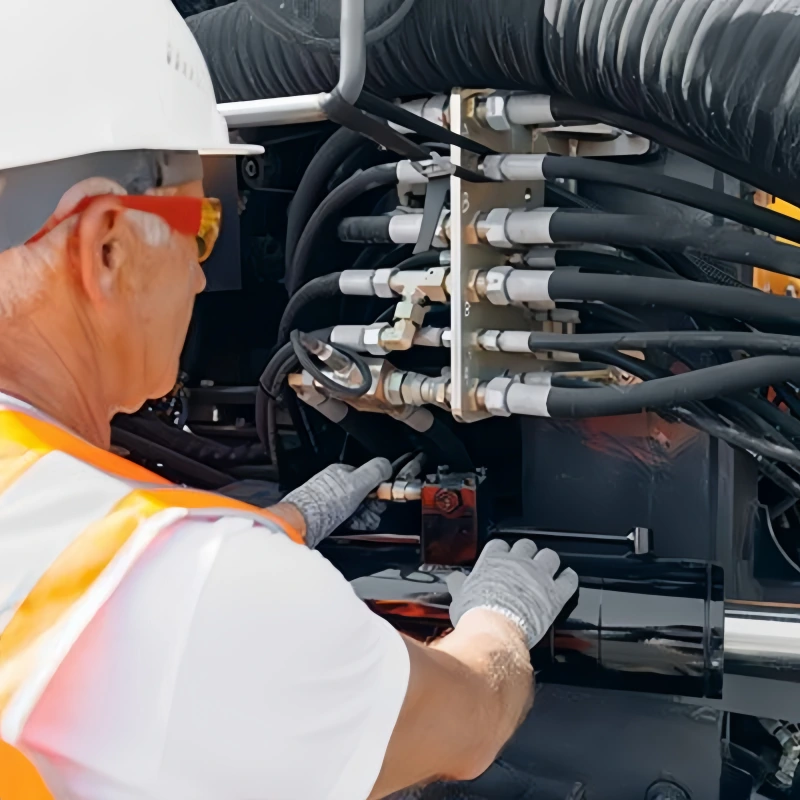
You rely on hydraulic hose maintenance to keep your operations safe, efficient, and cost-effective. With regular hydraulic hose maintenance, you reduce the risk of dangerous equipment failures and avoid costly production halts.
When you give proper care to your hydraulic hoses, you extend their lifespan and prevent unexpected downtime. Trusted brands like Alienfrac deliver high-quality solutions that support your commitment to hydraulic hose maintenance and care.
By focusing on routine hydraulic hose maintenance and consistent care, you help your business save thousands of dollars and maintain continuous operations.
- Over 30 years of industry experience shows that hydraulic hose maintenance and care can extend hose lifespan by up to 50%.
- Proactive hydraulic hose maintenance prevents missed deadlines and costly repairs.
Key Takeaways
- Regular hydraulic hose maintenance can extend hose lifespan by up to 50%, saving you money and reducing downtime.
- Proactive inspections help prevent dangerous failures and costly repairs, ensuring a safer work environment.
- Use a structured inspection routine to catch issues early, including visual checks and physical assessments.
- Follow proper cleaning and storage practices to maintain hose integrity and performance over time.
- Choose high-quality hydraulic hoses like Alienfrac that meet international standards for safety and reliability.
Why Hydraulic Hose Maintenance Matters?
Safety and Reliability
You protect your team and equipment when you make industrial hose maintenance a priority. Hydraulic hose failures can cause serious incidents in industrial environments. The table below shows the most common safety risks:
| Incident Type | Description |
|---|---|
| Personal Injury | High-pressure fluid can penetrate the skin, causing severe medical emergencies. |
| Hose Whipping | A detached hose can whip around, injuring workers and damaging machinery. |
| Environmental Damage | Leaks can pollute soil and water, leading to ecological harm and possible fines. |
| Economic Losses | Downtime from failures leads to expensive repairs and lost production time. |
You reduce these risks by following a regular industrial hose maintenance routine. Scheduled inspections help you catch problems before they become emergencies. You also keep your operations running smoothly by preventing fluid contamination and equipment wear.
Cost Savings
Industrial hose maintenance saves you money in many ways. When you maintain your hoses, you avoid costly breakdowns and production delays. The following table highlights the difference maintenance can make:
| Aspect | Before Maintenance | After Maintenance |
|---|---|---|
| Production Downtime | 36 hours | 0 hours |
| Lost Production Costs | $175,000 | $0 |
| Cleanup Costs | $32,000 | $0 |
| Environmental Incidents | 1 | 0 |
| Regulatory Fines | $15,000 | $0 |
| Worker Injuries | 1 | 0 |
| ROI | N/A | Over 400% |
You see immediate returns when you invest in industrial hose maintenance. You avoid unexpected expenses and keep your workplace safe.
Alienfrac Quality Commitment
Alienfrac stands behind every industrial hydraulic hose with a strong commitment to quality. You benefit from products that meet strict international standards, including:
- DNV MED
- CCS
- ABS
- API
You can trust Alienfrac hoses to deliver reliable performance in the toughest environments. The company’s focus on innovation and quality ensures that your industrial hose maintenance efforts lead to long-lasting results. You gain peace of mind knowing your hoses are built for safety, efficiency, and compliance.
Hydraulic Hose Components Overview
Hose Construction
You depend on hoses built with advanced materials and engineering. Alienfrac hoses use a layered structure that maximizes performance and safety. The inner tube consists of synthetic rubber, which resists chemical degradation and keeps hydraulic fluids contained.
Reinforcement layers made from high-tensile steel wire give hoses the strength to handle extreme pressures. The outer cover uses synthetic materials that protect hoses from abrasion, UV rays, and harsh chemicals. This construction ensures hoses last longer and perform reliably in demanding environments.
| Component | Material Used | Impact on Performance |
|---|---|---|
| Inner Tube | Synthetic Rubber | Ensures chemical compatibility and prevents degradation when in contact with hydraulic fluids. |
| Reinforcement | High-Tensile Steel Wire | Provides structural strength to withstand high internal pressures, preventing bursting. |
| Outer Cover | Various Synthetic Materials | Protects against environmental factors like abrasion, UV radiation, and chemicals, ensuring longevity. |
Key Parts and Functions
You need to understand how hoses work to maintain them properly. Each hose has three main parts. The core tube carries hydraulic fluid and keeps it contained. Reinforcement layers support the hose and prevent it from bursting under pressure. The outer cover shields hoses from external threats like abrasion and chemicals.
These parts work together to deliver safe and efficient fluid transfer.
| Component | Function |
|---|---|
| Core Tube | Contains and conveys hydraulic fluid; made from materials like synthetic rubber or thermoplastics. |
| Reinforcement Layers | Provide strength to withstand pressure and external forces; made from high-tensile materials. |
| Outer Cover | Protects against abrasion, UV radiation, and chemicals; made from synthetic rubber compounds. |
Industrial Hydraulic Hose Features
Alienfrac hoses stand out for their durability and compliance with industry standards. You benefit from hoses that meet certifications like MSHA, API, and ISO 9001. These hoses handle high-pressure applications up to 20000psi. Super abrasion-resistant materials extend hose life and reduce maintenance needs.
Swaged fittings make installation easier and replace traditional steel pipes. You can rely on hoses that perform in mining, oil, and industrial settings.
- High-pressure capabilities up to 20000psi
- Super abrasion-resistant materials
- Swaged fittings for easy installation
- Compliance with MSHA, API, and ISO 9001 standards
Alienfrac hoses deliver consistent performance and safety. You get hoses that meet strict requirements and support your operations in every environment.
Causes of Hose Failure
Hydraulic hose failures can disrupt your operations and put your team at risk. You need to understand the common causes of hydraulic hose failure to keep your equipment running safely and efficiently.
Abrasion and Damage
You often see hoses exposed to rough surfaces or moving parts. Abrasion happens when the hose rubs against machinery or other objects. This constant contact wears down the outer cover and exposes the reinforcement layer. Once this layer is damaged, a leak can develop quickly.
You may notice a leak forming at the point of contact. If you ignore these signs, the leak can grow, leading to a sudden hose burst. Preventing equipment malfunctions starts with regular checks for abrasion and timely repairs.
Leaks and Swelling
Leaks are one of the most visible signs of trouble. You might spot fluid dripping or pooling under your equipment. Swelling shows up as soft, bulging, or deformed sections on the hose. These issues often result from fluid incompatibility, pressure spikes, or exposure to chemicals.
A leak can also occur if the hose material softens due to high temperatures. You should address every leak immediately to avoid hydraulic fluid contamination. Regular inspections help you catch leaks early and prevent further damage.
If you see swelling, you must replace the hose to stop a leak from turning into a major failure.
Age and Wear
Hoses age as they handle pressure and temperature changes every day. Over time, you may see cracks, stiffness, or loss of flexibility. These signs mean the hose is wearing out. Old hoses are more likely to develop a leak, especially in heavy machinery.
Thermal cycling can create micro-cracks that lead to leaks before you see any damage. Tracking hose age and service cycles helps you plan timely repairs and avoid unexpected leaks. You reduce the risk of hydraulic hose failures by replacing old hoses before they fail.
Environmental Factors
Your hoses face harsh conditions in industrial settings. Sunlight, ozone, and chemicals can break down hose materials. High temperatures cause hardening and cracks, while cold makes hoses brittle. UV radiation can silently damage hoses, increasing the chance of a leak.
If the outer cover is not compatible with the environment, leaks become more frequent. You must choose hoses designed for your worksite and inspect them often. This approach helps you avoid leaks and hydraulic fluid contamination.
Tip: Create a checklist to monitor for leaks, swelling, and cracks during every inspection. Early detection and timely repairs keep your system safe and reliable.
| Common Causes of Hydraulic Hose Failure |
|---|
| Abrasion and Wear |
| Excessive Pressure |
| Incorrect Assembly and Installation |
| Fluid Compatibility |
| Age and Degradation |
| Contaminated Hydraulic Fluid |
| Vibration and Mechanical Stress |
You can prevent most hydraulic hose failures by understanding these risks and acting quickly when you spot a leak.
Hydraulic Hose Inspection Guide
You need a comprehensive hydraulic hose inspection routine to ensure safety and reliability in your operations. This guide walks you through step-by-step methods for visual checks, leak detection, physical assessment, and Alienfrac inspection standards.
By following these practices, you reduce risks and extend the lifespan of your hoses.
Visual Checks
You start every hydraulic hose inspection with visual checks. This process helps you spot early signs of damage and wear. Use the following checklist to guide your visual inspections:
- Begin with an initial visual assessment. Examine the hose’s external condition for obvious issues.
- Prioritize high-risk zones. Focus on areas where hoses move or rub against surfaces.
- Use appropriate lighting. Bright light reveals fine cracks and leaks that you might miss otherwise.
- Assess the external hose surface. Look for abrasions, cracks, swelling, or discoloration.
- Inspect end fittings and couplings. Check for secure attachment and signs of corrosion.
- Examine connections and interfaces. Look for leaks and ensure compatibility.
You repeat these visual checks during every routine hydraulic hose inspection. This checklist helps you catch problems before they escalate.
Tip: Keep a detailed checklist for visual inspections. Record findings and schedule follow-up actions for any issues you discover.
Leak Detection
Leak detection is a critical part of hydraulic hose inspection. You must identify leaks quickly to prevent fluid loss and equipment damage. The leak detection process uses several tools and techniques. The table below summarizes the most effective methods:
| Technique | Description | Advantages | Limitations |
|---|---|---|---|
| Ultrasonic Leak Detection | Uses high-frequency sound waves to identify leaks in hydraulic systems. | Non-invasive, quick detection, identifies invisible leaks. | Requires specialized equipment, may not detect all types of leaks. |
| Dye Penetrant Testing | Applies colored dye to detect surface-breaking defects in hoses. | Simple to perform, detects fine cracks. | Requires careful surface preparation, not suitable for porous materials. |
| Thermal Imaging | Employs infrared cameras to detect temperature variations from leaks. | Non-invasive, quick assessments, visualizes temperature differences. | May require specialized training, effectiveness can depend on environmental conditions. |
You use ultrasonic leak detection to find leaks that are not visible. Dye penetrant testing helps you spot fine cracks. Thermal imaging reveals temperature changes caused by leaks. Each method adds value to your leak detection process. You include these techniques in your checklist for regular checks.
Note: Always document the leak detection results in your inspection checklist. Early leak detection prevents costly repairs and downtime.
Physical Assessment
Physical assessment goes beyond visual checks. You use this step to identify internal damage that might not show on the surface. Follow this checklist for a thorough physical assessment:
- Perform a visual inspection. Look for cuts, cracks, abrasions, discoloration, blistering, or chemical exposure.
- Check for fluid leaks. Presence of hydraulic fluid around hoses signals potential damage.
- Identify bulges or swelling. These signs suggest internal damage from excessive pressure.
- Conduct a flexibility test. Bend the hose to check for stiffness or cracking sounds.
- Execute pressure testing. Pressurize the hose if you suspect internal issues but see no visible damage.
- Monitor for bulges or deformations. These indicate internal damage or exposure to high pressure.
- Assess hose flexibility. Reduced flexibility signals aging or material degradation.
You add these steps to your hydraulic hose inspection checklist. Physical assessment ensures you catch hidden issues before they cause failures.
Alert: Replace hoses immediately if you find bulges, swelling, or reduced flexibility during physical assessment. These signs indicate serious internal damage.
Alienfrac Inspection Standards
Alienfrac sets high standards for hydraulic hose inspection. You follow these guidelines to maintain safety and performance:
- Use a routine hydraulic hose inspection checklist for every hose in your system.
- Schedule regular checks based on operating conditions and manufacturer recommendations.
- Apply visual checks, leak detection, and physical assessment for each hose.
- Record inspection results and take corrective actions promptly.
- Train your team on the leak detection process and proper inspection techniques.
- Use Alienfrac hoses that meet international standards for durability and reliability.
You trust Alienfrac’s inspection standards to guide your maintenance program. These practices help you prevent failures and keep your operations running smoothly.
Reminder: Consistent hydraulic hose inspection, using Alienfrac’s recommended checklist, protects your equipment and ensures compliance with industry standards.
Routine Inspection and Maintenance
Creating a Hose Inspection Routine
You set the foundation for hydraulic system maintenance by creating a hose inspection routine. This process ensures you catch problems early and keep your equipment running safely. Start by prioritizing safety. Always wear protective gear and follow lockout procedures before you begin any inspection.
Next, perform both visual and physical assessments. Look for signs of wear, such as cracks, abrasions, or discoloration. Check for leaks around fittings and along the hose body. Secure fittings and connections to prevent unexpected failures.
Build your routine around a structured inspection program that includes pre-operation checks, periodic assessments, and annual evaluations. This approach helps you maintain consistency and reliability in your maintenance efforts.
Tip: Use a checklist for each step of your routine. Document your findings to track hose condition over time.
Inspection Program for Industrial Hydraulic Hose
You need a robust inspection program to maximize the lifespan and safety of your Alienfrac industrial hydraulic hoses. Begin by conducting regular examinations of every hose in your system. Focus on identifying damage such as kinks, flattened areas, or worn fittings.
Understand the pressure ratings for each hose to prevent overloading and potential failures. For longer hoses under pressure, use restraints to minimize movement and reduce wear. Store hoses properly when not in use to maintain their condition and prevent premature aging.
Keep detailed records for every inspection. Document the date, findings, and any corrective actions taken. This practice allows you to identify patterns and address recurring issues before they escalate. Take a proactive approach to hose management by scheduling routine inspections and maintenance.
Train your team to recognize early warning signs and respond quickly. Alienfrac recommends following these steps to ensure your hoses meet industry standards and deliver reliable performance in demanding environments.
Note: A well-structured inspection program reduces downtime and extends the service life of your hoses.
Recommended Intervals
You must set clear intervals for routine inspection and maintenance based on how you use your hoses. The table below outlines industry-recommended frequencies for different usage types:
| Usage Type | Inspection Frequency |
|---|---|
| Heavy-Duty Use | Daily visual checks, weekly physical inspections, monthly comprehensive inspections |
| Moderate Use | Weekly visual checks, bi-weekly physical inspections, monthly detailed inspections |
| Light Use | Pre-use visual checks, monthly physical inspections, quarterly detailed inspections |
You adjust your inspection program intervals to match your operational demands. For heavy-duty environments, daily and weekly checks are essential. For moderate or light use, you can extend the time between inspections, but never skip them. Consistent routine inspections help you catch issues before they become critical.
Alienfrac recommends following these intervals and adapting them as needed for your specific application. By maintaining a disciplined inspection program, you ensure your hoses remain safe, reliable, and compliant with industry standards.
Alert: Never overlook the importance of routine. Regular checks and maintenance protect your investment and keep your operations running smoothly.
Cleaning and Storage Best Practices
Safe Cleaning Methods
You protect your hydraulic hoses and extend their service life when you use proper cleaning techniques. Always start by removing loose debris with a dry cloth. For more stubborn dirt, choose a mild detergent mixed with water. Use a soft-bristled brush to gently scrub the hose surface and fittings.
Rinse the hose with clean water to remove any soap residue. Allow the hose to air dry completely before returning it to service. Avoid high-pressure cleaning systems, which can damage the hose structure.
Select cleaning agents that are compatible with both the hydraulic fluid and the hose material. Cover open fittings during maintenance to prevent contamination.
- Dry wipe hoses to remove dust and debris.
- Clean with mild detergent and water for tougher grime.
- Use a soft brush for stubborn spots.
- Rinse thoroughly and let hoses air dry.
- Never use high-pressure washers on hoses.
- Always use cleaning solutions that match hose and fluid compatibility.
- Cover open ends to keep out dirt and moisture.
Tip: Consistently applying proper cleaning techniques helps prevent contamination and reduces the risk of premature hose failure.
Proper Storage Techniques
You maintain hose integrity and performance by following best practices for hose storage. Store hoses indoors in a cool, dry area, away from direct sunlight and temperature extremes. Keep hoses off the floor and away from sources of moisture or chemicals.
Coil hoses loosely without kinks or sharp bends to avoid stress points. Cap the hose ends to block dirt, moisture, and other contaminants. Label each hose for easy identification and rotate your stock using the First In, First Out (FIFO) method.
This ensures you use older hoses before newer ones, reducing the chance of aging in storage.
- Store hoses in a clean, dry, and shaded location.
- Avoid stacking or overlapping hoses tightly.
- Cap hose ends to prevent contamination.
- Use FIFO to rotate stock and prevent aging.
- Label hoses for quick identification.
Note: Following these proper cleaning techniques and best practices for hose storage will help you maximize hose lifespan and maintain safe, reliable operations.
Installation and Handling Tips
Correct Installation Steps
You achieve reliable performance when you follow correct installation steps for hydraulic hoses. Begin by inspecting the hose and fittings for any visible defects. Confirm that the hose matches the required specifications for pressure, temperature, and fluid compatibility.
Align the hose without twisting or stretching. Secure the fittings tightly, but avoid over-tightening, which can damage threads or seals. Position the hose so it does not rub against sharp edges or moving parts. Use clamps or protective sleeves where necessary to prevent abrasion.
Test the system at low pressure before full operation to check for leaks or misalignment.
Tip: Always document the installation process. Keeping records helps you track maintenance and identify issues early.
Handling to Prevent Wear
You extend hose life and reduce maintenance costs when you practice proper use and handling. Sharp bends can damage the reinforcement layer, so avoid excessive bending. Monitor temperature exposure to ensure the hose is rated for both fluid and ambient conditions.
Control pressure surges by opening and closing valves slowly. Verify chemical compatibility to prevent corrosion or material degradation. Shield hoses from direct sunlight, rain, and moisture to prevent cracking or fading.
- Avoid excessive bending or twisting.
- Monitor temperature and pressure conditions.
- Match hose materials with transferred fluids.
- Protect hoses from UV and harsh weather.
- Use clamps and sleeves to prevent abrasion.
According to Marshall Equipment, the functional lifespan of a high-pressure hydraulic line can be slashed by 70% if it is subjected to a twist of a mere 5°.
You maintain system reliability when you focus on proper use and handling. Consistent attention to these practices ensures your hoses deliver safe and efficient performance throughout their service life.
Conclusion
You gain significant advantages when you commit to regular hydraulic hose maintenance and inspection.
- You prevent failures and minimize downtime.
- You ensure safe and efficient operation of your equipment.
- You transform reactive repairs into proactive reliability management.
- You catch small issues before they escalate.
Routine inspection programs for Alienfrac hoses help you identify wear and reduce accident risks.
Define your maintenance plan, schedule inspections, and record activities.
You protect your team and maximize operational safety when you prioritize hose care.
FAQ
How often should you inspect hydraulic hoses?
You should inspect hydraulic hoses regularly. For heavy-duty use, check daily. For moderate use, inspect weekly. Always follow the recommended intervals in your maintenance program.
What signs indicate a hydraulic hose needs replacement?
Look for cracks, leaks, swelling, or stiffness. If you see bulges or hear cracking sounds during a flexibility test, replace the hose immediately.
Can you clean hydraulic hoses with high-pressure washers?
Avoid high-pressure washers. Use a dry cloth or mild detergent with water. High-pressure cleaning can damage the hose structure and reduce its lifespan.
What is the best way to store hydraulic hoses?
Store hoses in a cool, dry place. Keep them off the floor and away from sunlight. Coil hoses loosely and cap the ends to prevent contamination.
Why choose Alienfrac industrial hydraulic hoses?
Alienfrac hoses offer durability, high-pressure performance, and compliance with international standards. You gain reliable solutions for demanding environments and benefit from advanced manufacturing and strict quality control.