Blog
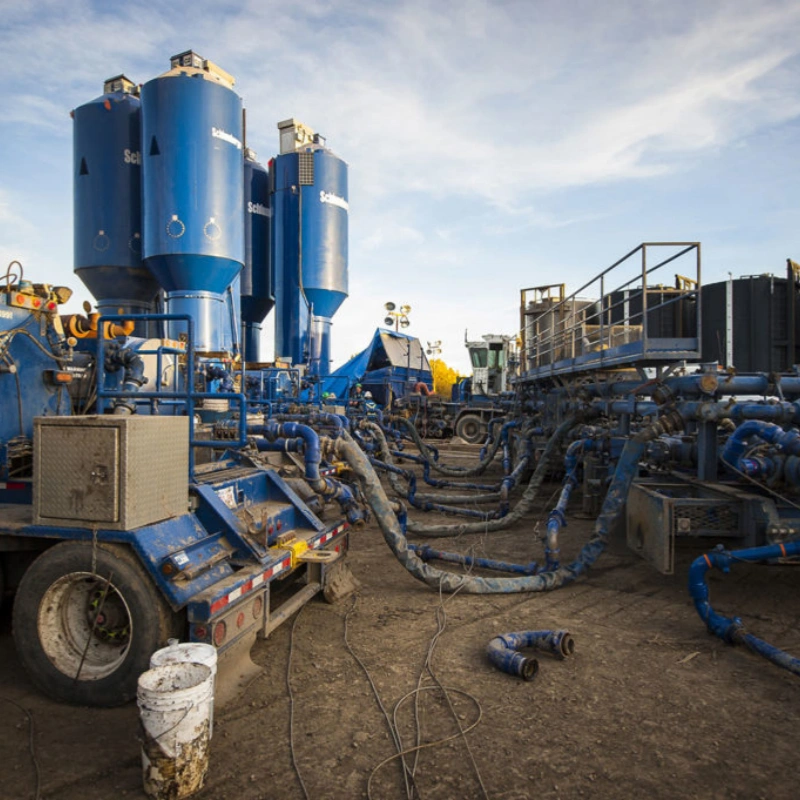
Oilfield Hose Failure Modes and Prevention Guide
Identify common oilfield hose failure modes, trace likely causes, know when to stop service, and prevent repeat damage in high-pressure hose systems.

Identify common oilfield hose failure modes, trace likely causes, know when to stop service, and prevent repeat damage in high-pressure hose systems.
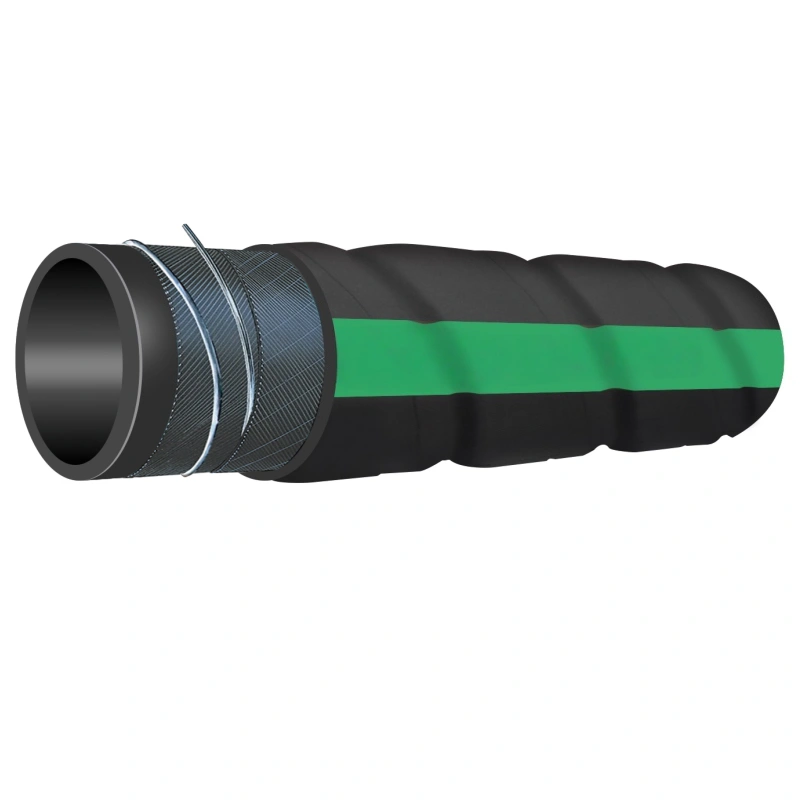
Compare oilfield hose liner materials, including UHMWPE, HNBR and synthetic rubber. Match the liner to fluid, temperature, abrasion and hose service.
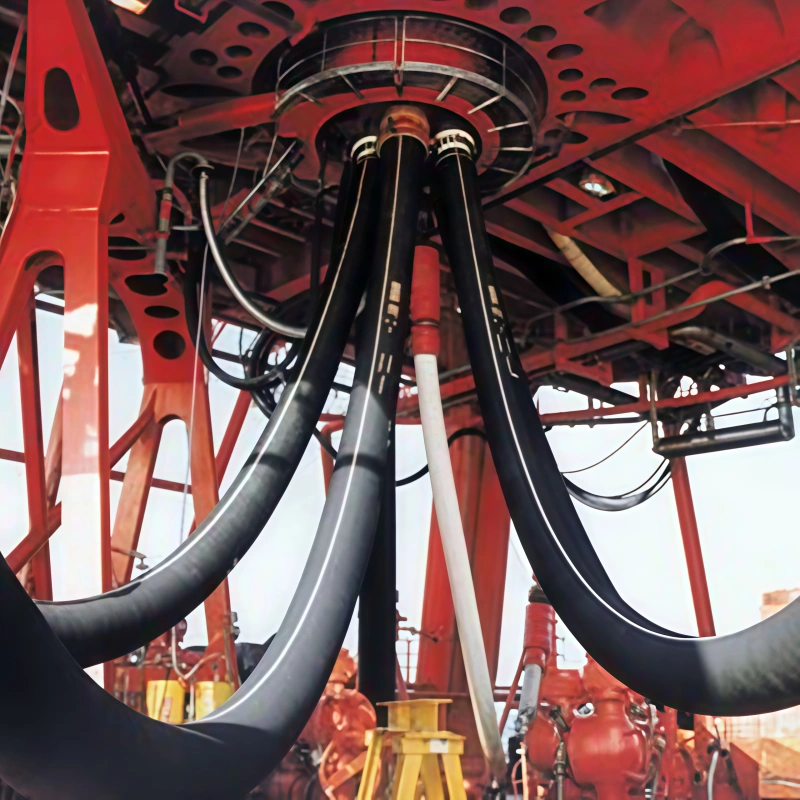
Oilfield hose temperature rating guides safe hose selection and fluid compatibility, reducing leaks and failures in extreme oilfield environments.
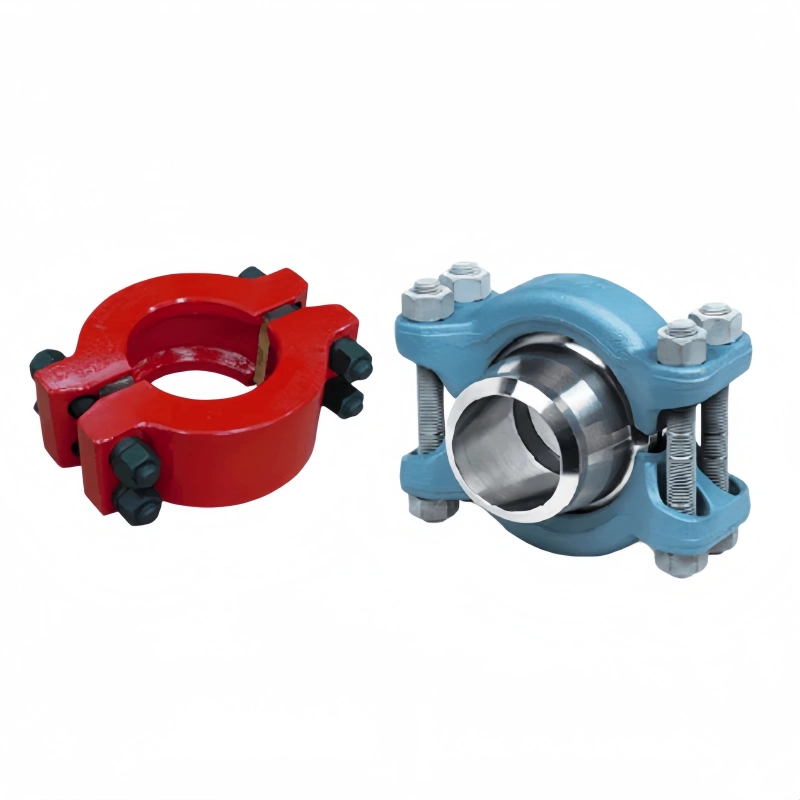
Compare frac hose connection types including hammer unions, API flanges, hubs and other end options. Learn how pressure, hose size, equipment interface and installation requirements affect End A and End B selection.
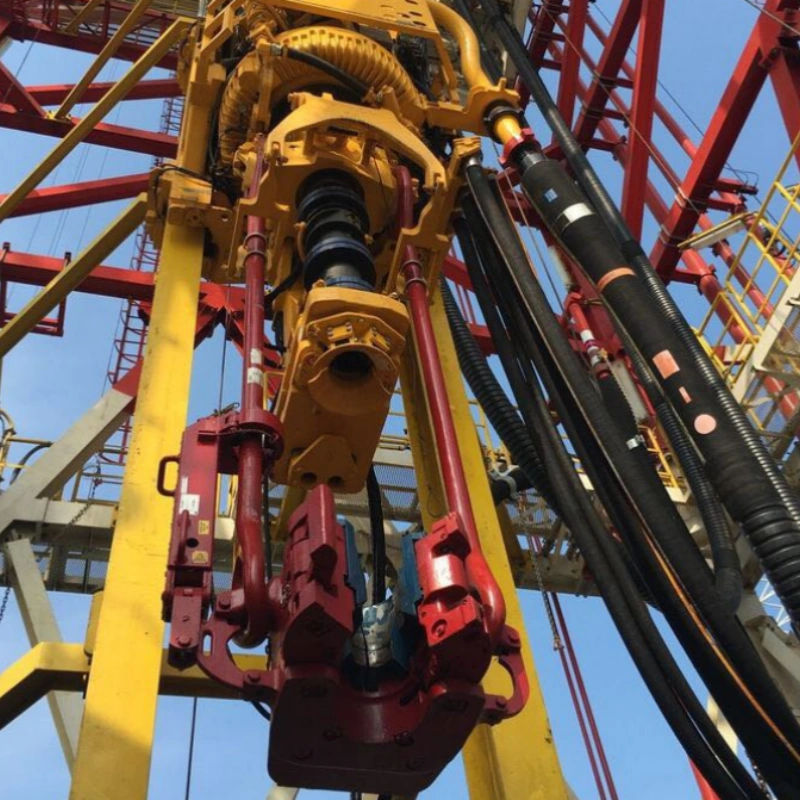
Oilfield hose inspection checklist covers visual checks, pressure testing, and compliance to prevent leaks, failures and ensure safe oilfield operations.
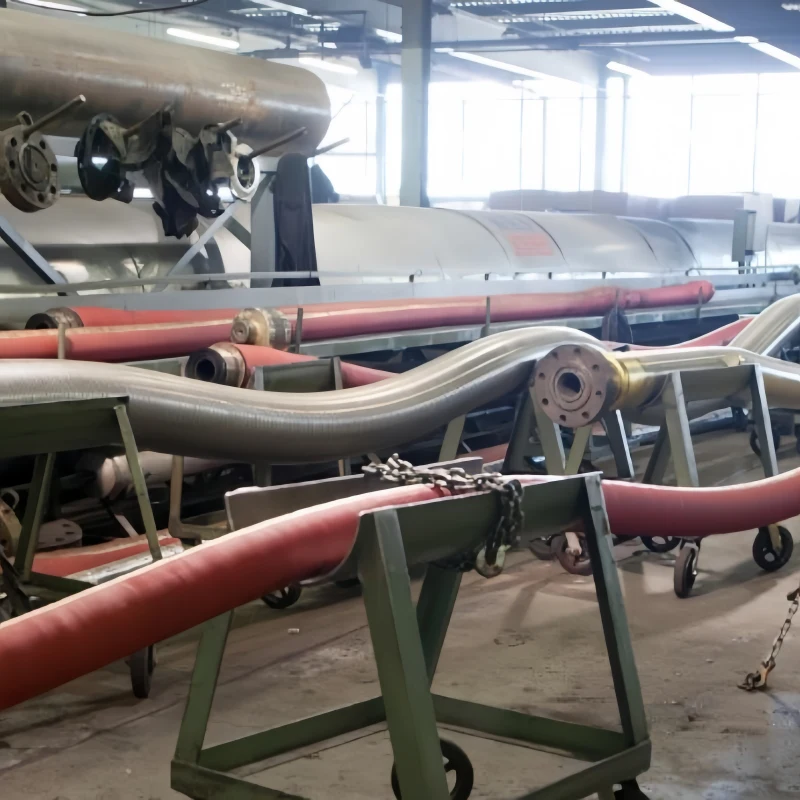
You need to understand what sets api 16c, api 7k, and api 16d hoses apart when working in oilfield operations. Each API hose adheres to strict standards and serves distinct purposes. The table below highlights their main differences: API Standard Key Features API 7K High-pressure capability, abrasion resistance, rotary drilling,
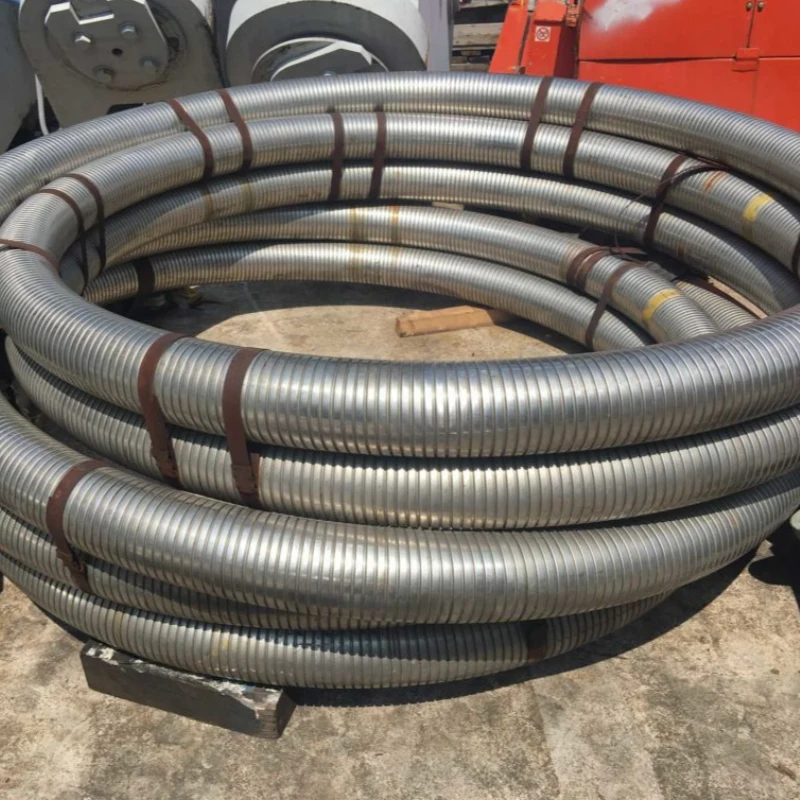
Choke and kill hose price in 2026 depends on material, specs, compliance, tech, order size, and support. See 8 key factors before your next RFQ.
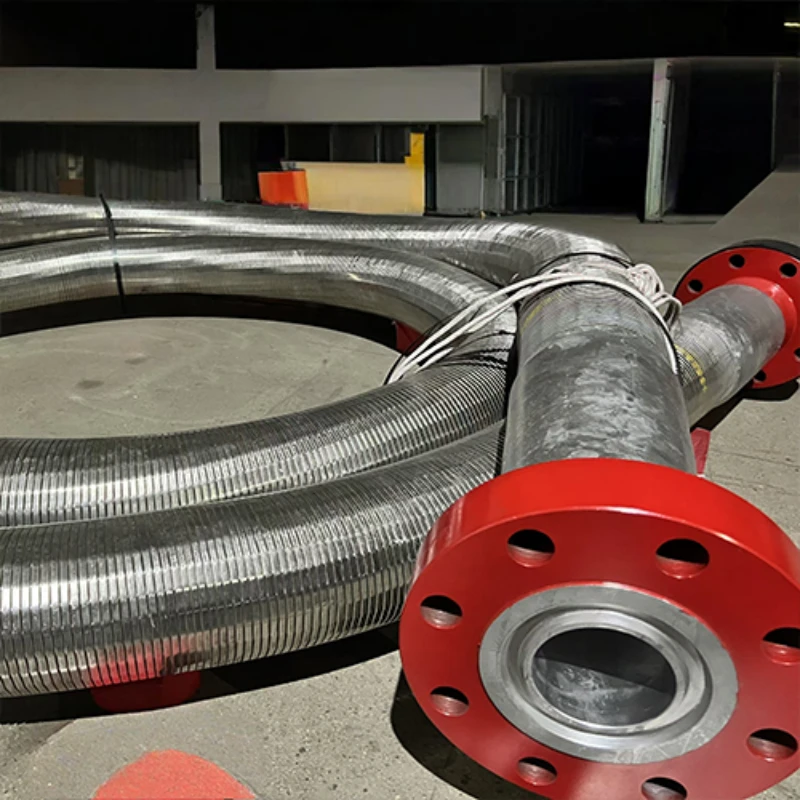
Use this pre-operation choke and kill hose inspection checklist to verify identification, cover condition, fittings, routing, records, and quarantine triggers.
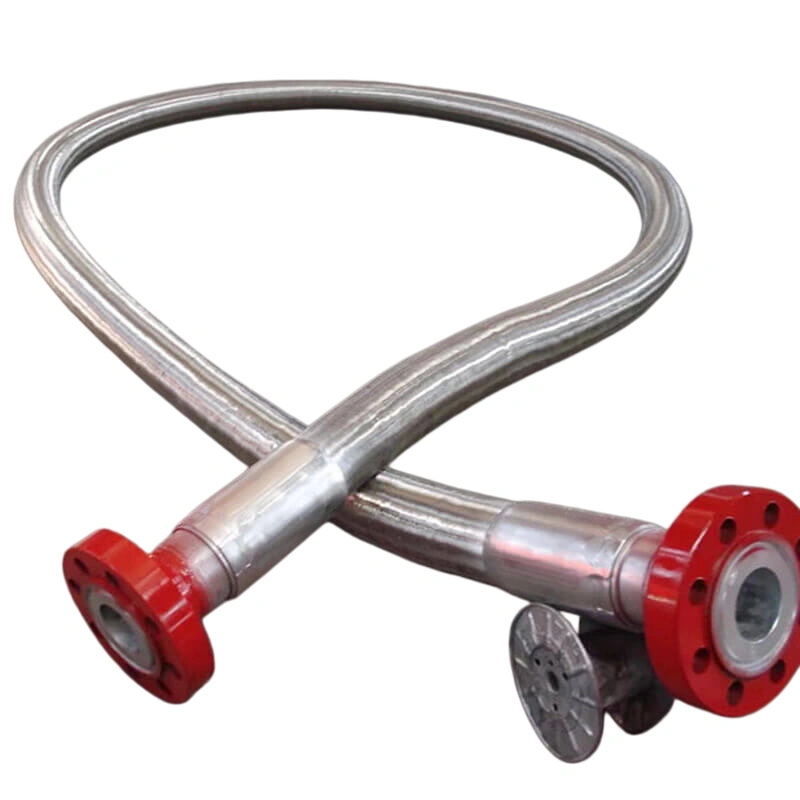
You rely on api 16c hose testing to protect your oilfield operations from dangerous failures. When you test api 16c hoses, you reduce the risks of accidents and injuries caused by pressurized fluid releases. These tests help prevent environmental damage from leaks or spills. Fire resistance, pressure, and H2S service
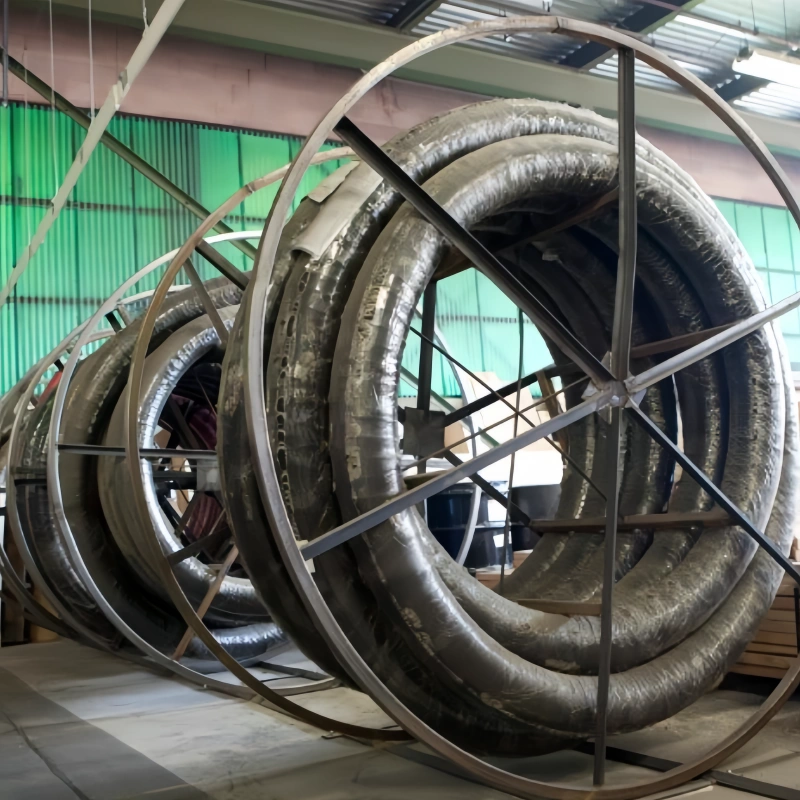
The oilfield hose specification guide covers ID, OD, temperature, and PSI to help you select safe, efficient hoses for demanding oilfield applications.
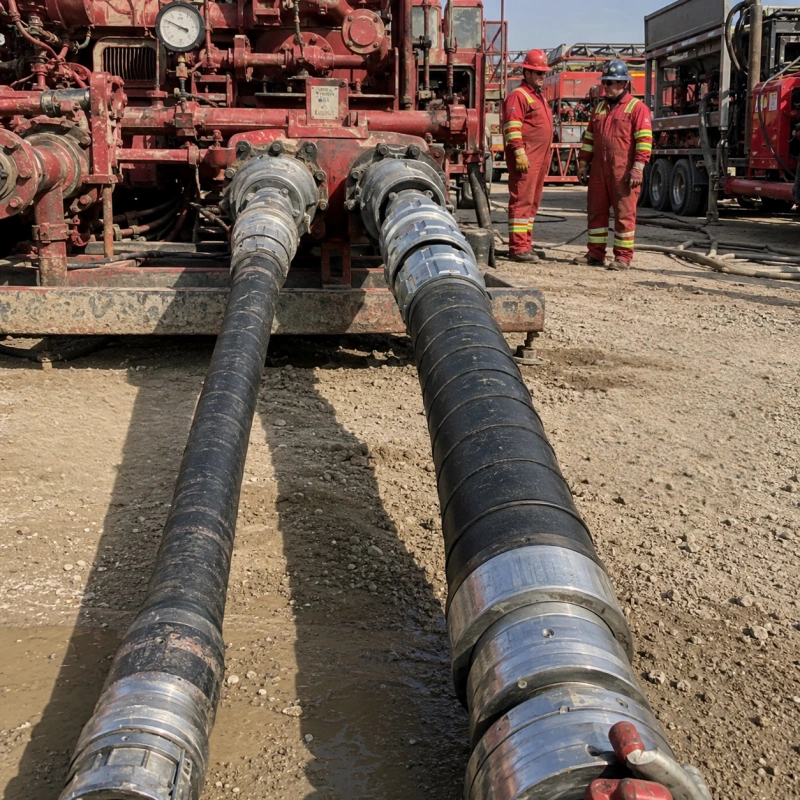
Compare 15000 psi vs 20000 psi frac hose to choose the right option for your oilfield needs, balancing safety, pressure, cost, and equipment fit.
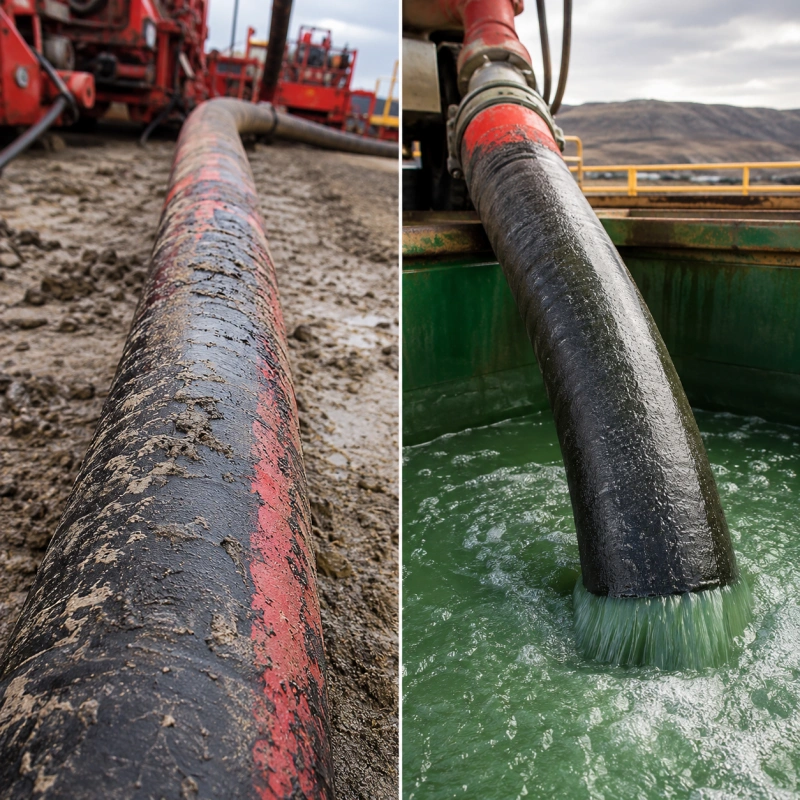
Learn how proppant abrasion, acid chemistry, temperature and liner construction affect acid frac hose durability. Compare AlienFrac UHMW/HNBR hose constructions and the data needed for compatibility review.