
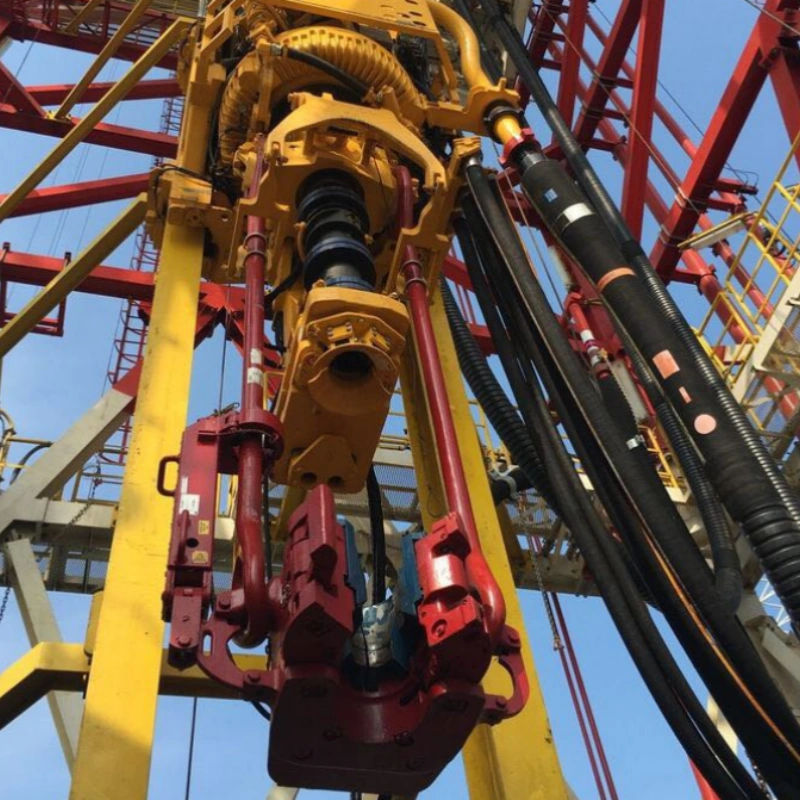
You play a vital role in ensuring safety on the oilfield. Oilfield hose inspection helps you identify risks before they become hazards. When you ask, “What should I check during an oilfield hose inspection?” you focus on preventing incidents and protecting your team.
Alienfrac’s dedication to quality and innovation brings you advanced hose technology for reliable performance. Ignoring inspection can lead to:
- Fires or explosions from damaged hoses
- Escalation of minor issues into major hazards
- Danger to lives, assets, and the environment
| Innovation Type | Description |
|---|---|
| Smart Hose Technologies | Real-time sensor monitoring for temperature and pressure |
| Predictive Maintenance | Early detection of irregularities to reduce downtime and risks |
| Compliance with Safety Standards | Digital reports and automated alerts for regulatory compliance |
| AI and Cloud Computing | Data analysis for better decision-making |
| Intelligent Hose Assemblies | Custom designs for high-pressure and chemical resistance |
Key Takeaways
- Conduct thorough visual inspections of hoses to identify cracks, leaks, and wear. Early detection prevents accidents and ensures safety.
- Verify pressure ratings and certifications to ensure hoses can handle operational demands. Always perform hydrostatic testing to confirm reliability.
- Regularly inspect both the interior and exterior of hoses. Use specialized tools to check for internal damage and maintain a detailed maintenance log.
- Follow proper hose routing and restraint practices to prevent wear and leaks. Secure hoses to avoid kinks and abrasion, extending their lifespan.
- Invest in qualified inspectors for maintenance tasks. Skilled personnel enhance safety and reliability by spotting issues early and following protocols.
Oilfield Hose Inspection Steps
Visual Checks for Damage
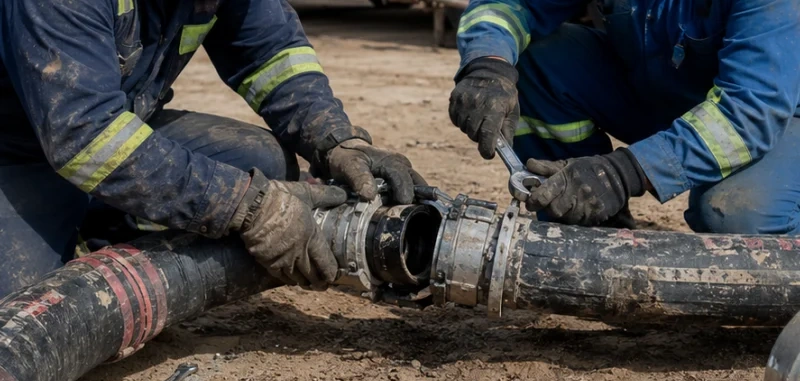
You start every oilfield hose inspection with a thorough visual inspection. This step helps you spot early signs of wear and prevent failures. Use the following checklist to guide your process:
- Examine the hose for surface cracks, cuts, or splits. These defects compromise the hose’s integrity.
- Look for abrasion and wear patterns caused by friction. These areas often signal weak spots.
- Check for kinks or twists. Misalignment reduces fluid flow and increases stress.
- Identify bulges or blisters. These indicate internal damage or overpressure.
- Inspect fittings and connectors. Loose or damaged fittings can cause leaks.
- Search for leaks or fluid residue. These signs point to worn hoses or faulty connections.
- Test flexibility. Loss of flexibility means aging or material degradation.
- Assess for temperature or chemical damage. Extreme conditions weaken hoses.
- Review protective sleeves and covers. Worn protective layers shorten hose life.
- Confirm compliance with industry standards. Reliable hoses meet safety requirements.
| Visual Sign of Damage | Description |
|---|---|
| Surface Cracks or Cuts | Visible cracks, splits, or cuts that compromise integrity. |
| Abrasion and Wear | Hoses exposed to friction can develop abrasions, indicating wear patterns. |
| Kinks or Twists | Hoses with kinks reduce fluid flow and increase stress, requiring inspection for proper alignment. |
| Bulges and Blisters | Indicate internal damage or overpressure, necessitating early identification for safety. |
| Loose or Damaged Fittings | Inspecting connectors to prevent leaks and ensure proper functionality. |
| Leaks or Fluid Residue | Signs of leakage indicate worn hoses or damaged fittings, crucial for system efficiency. |
| Flexibility and Stiffness | Loss of flexibility signals aging or material degradation, affecting performance. |
| Temperature or Chemical Damage | Exposure to extreme conditions can weaken hoses, requiring careful inspection. |
| Protective Sleeves and Covers | Checking for wear on protective layers to extend hose life. |
| Compliance with Industry Standards | Ensuring hoses meet safety and operational standards for reliability. |
Tip: Always document your findings during visual inspections. This record helps you track hose condition and schedule timely maintenance.
Pressure Ratings and Certification
You must verify pressure ratings and certifications during oilfield hose inspection. Pressure testing ensures hoses withstand operational demands and maintain safety. Industry standards recommend selecting hoses with a working pressure that exceeds the highest expected pressure by a safety factor of 4:1.
For example, if your system operates at 3,000 psi, choose a hose rated for at least 12,000 psi.
Hydrostatic proof testing is essential. You test hoses at pressures double their working pressure. This process confirms reliability under real conditions. Alienfrac hoses comply with SAE J517 and ISO 18752 standards, which require rigorous pressure testing and certification.
Always review certification documents to confirm compliance with DNV, CCS, ABS, and API standards.
Note: Pressure testing protects your team and equipment. Never skip this step during oilfield hose inspection.
Inspecting Hose Interiors and Exteriors
You inspect both the interior and exterior of the hose to ensure complete reliability. Establish a maintenance program tailored to your application and hose type. Consider the nature and severity of the operation, past inspection history, and manufacturer recommendations when setting inspection frequency.
- Schedule regular inspections based on usage and environmental conditions.
- Use specialized tools to check for internal abrasion, dry rot, or delamination.
- Evaluate the hose’s inner tube for chemical resistance and signs of wear.
- Inspect the outer cover for damage from vibration, temperature extremes, or abrasive materials.
- Document all findings and update maintenance logs.
Callout: Alienfrac hoses feature multiple steel wire reinforcement layers and robust rubber covers. These designs help you detect issues early and maintain safe operations.
You face challenges during oilfield hose inspection. Lifting and carrying hoses, working at heights, and enduring harsh environments require proper PPE and careful attention. Always prioritize safety and follow best practices to protect yourself and your team.
Hydraulic Hose Inspection and Related Components
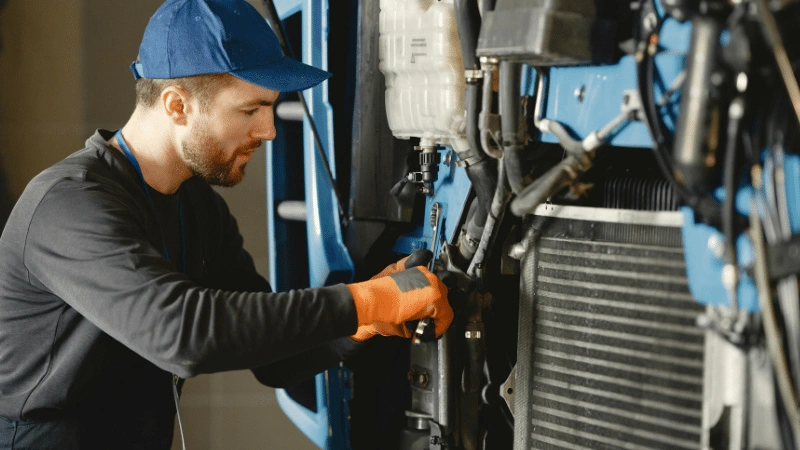
Couplings and Fittings
You begin hydraulic hose inspection by focusing on couplings and fittings. These components connect hoses to pumps, valves, and other equipment. You must check for contamination from dirt, metal shavings, or degraded fluid. Contaminants can enter the system and cause damage. Look for leaks at connection points.
Improper fitting connections often lead to fluid leaks and system inefficiency. Examine each fitting for abrasion or external damage. Vibration and temperature changes can loosen fittings and create leaks. Watch for signs of fretting at connections, which indicate vibration stress.
Alienfrac hoses use high-quality connectors designed for durability in harsh oilfield environments.
- Inspect for:
- Contamination from dirt or debris
- Leaks or fluid residue at fittings
- Abrasion or external damage
- Loose or improperly tightened fittings
- Signs of vibration stress
Tip: Use a piece of cardboard to check for leaks under pressure. Never use your hand.
Hydraulic Fluid Levels
Hydraulic hose inspection requires you to monitor hydraulic fluid levels. Low fluid levels reduce system performance and increase wear. Check reservoirs and sight gauges regularly. Look for puddles or dirty areas on or around hoses. These signs often indicate fluid leaks.
Alienfrac hoses feature robust construction to minimize leaks and maintain system integrity. Replace or top off hydraulic fluid as needed. Always use the correct fluid type for your system.
- Steps for checking fluid levels:
- Inspect reservoirs and sight glasses.
- Look for fluid leaks or residue.
- Top off fluid if levels are low.
- Replace fluid if it appears dirty or degraded.
Hose Routing and Restraint
Proper hose routing and restraint prevent premature wear and improve safety. During hydraulic hose inspection, check that hoses follow recommended paths and avoid sharp bends. Improper routing causes abrasion and increases the risk of hose bursts.
Secure hoses with clamps or restraints to prevent movement from vibration. Alienfrac hoses are flexible and designed for easy routing in complex systems.
- Key points for routing and restraint:
- Avoid contact with abrasive surfaces.
- Use clamps to secure hoses.
- Prevent sharp bends or kinks.
- Ensure hoses do not rub against each other.
Note: Proper routing and restraint extend hose life and reduce the risk of fluid leaks.
Hydraulic hose inspection and hydraulic hose testing keep your equipment running safely. You protect your team and assets by identifying leaks, fluid leaks, and other issues early. Regular inspection and testing help you maintain compliance and prevent costly downtime.
Repair, Replacement, and Safety Risks
Repair vs Replacement Criteria
You must decide when to repair or replace an oilfield hose to keep your preventative maintenance program effective. Follow these steps to make the right choice:
- Check for visible cracks or leaks. Replace the hose immediately if you see these signs.
- Monitor for loss of pressure or flow. This often means internal damage, which requires timely replacement.
- Listen for unusual vibrations or noise. These can signal internal problems that need immediate attention.
- Look for bulging or blistering on the surface. Replace the hose if you find these issues.
- Feel for hard, brittle, or discolored material. Environmental exposure can cause these changes, making timely replacement necessary.
- Inspect fittings for corrosion or looseness. Replace the entire hose if you find compromised fittings.
Alienfrac hoses meet strict durability and certification standards. The table below shows how these standards help you make repair or replacement decisions:
| Evidence Description | Impact on Repair vs Replacement Decisions |
|---|---|
| Adherence to strict industry standards ensures safety, reliability, and performance. | This adherence justifies repairs that meet or exceed original specifications, making repairs more favorable than replacements. |
| Following industry regulations minimizes failure or accident risks. | Compliance with these guidelines shows dedication to quality, influencing the decision to repair rather than replace. |
| Implementation of quality management systems like ISO 9001 ensures controlled processes. | Proper documentation and compliance with standards maintain accurate repair records, supporting repair decisions. |
You should always follow your preventative maintenance plan and manufacturer recommendations for inspection and maintenance. Timely replacement of hoses prevents unexpected failures and keeps your operation safe.
Risks of Neglecting Inspection
Neglecting inspection puts your team and equipment at risk. You may face sudden hose failures, fluid leaks, or even fires. Skipping preventative maintenance increases the chance of accidents and costly downtime. You must schedule regular inspection and maintenance to avoid these risks.
Timely replacement of worn hoses is a key part of your preventative maintenance strategy. You protect your assets and ensure safety by staying proactive.
Alert: Never ignore signs of hose damage. Immediate action prevents larger problems and supports a safe work environment.
Importance of Qualified Inspectors
You need qualified inspectors to carry out preventative maintenance and inspection tasks. Trained personnel know how to spot early signs of hose wear and understand when timely replacement is necessary. They follow safety protocols and document all maintenance actions.
You improve safety and reliability by investing in skilled inspectors. Regular training and certification keep your team up to date with the latest preventative maintenance standards.
Tip: Assign only certified personnel to inspection and maintenance tasks for the best results.
Conclusion
You ensure safety on every job site by following a detailed inspection checklist. Regular inspection helps you catch issues early, prevent failures, and protect your team. The table below shows how digital inspection platforms improve safety and documentation:
| Aspect | Paper Inspection Reports | Digital Inspection Platforms |
|---|---|---|
| Execution Quality | Cannot verify execution quality | Enforces execution quality with photos |
| Compliance Documentation | Administrative only | Audit-defensible documentation |
| Defect Escalation | No automated escalation | Quick routing to maintenance coordinators |
| Verification Evidence | No physical verification | GPS timestamps and visual proof |
You extend hose lifespan and reduce risks by making inspection part of your routine. Alienfrac stands behind you with reliable hose solutions. Regular inspection and maintenance keep safety at the center of your operations.
- Regular inspection:
- Reduces safety risks
- Improves accountability
- Prevents costly failures
- Extends equipment lifespan
FAQ
How often should you inspect oilfield hoses?
You should inspect oilfield hoses before every use and at regular intervals based on your operation’s intensity. High-pressure or harsh environments may require daily checks. Always follow the manufacturer’s recommendations for inspection frequency.
What tools help you detect hose damage?
You can use visual inspection, pressure gauges, and specialized cameras for internal checks. Leak detection spray and flexible borescopes help you find hidden issues. Always wear proper PPE during inspections.
When should you replace a hose instead of repairing it?
Replace a hose if you see cracks, bulges, leaks, or exposed reinforcement. If fittings show corrosion or the hose fails pressure tests, install a new hose. Never repair hoses that do not meet safety standards.
How do you verify hose certification and compliance?
Check the hose’s labeling for certification marks like API, DNV, CCS, or ABS. Review the manufacturer’s documentation for test results and compliance records. Alienfrac provides certification documents for all oilfield hoses.