
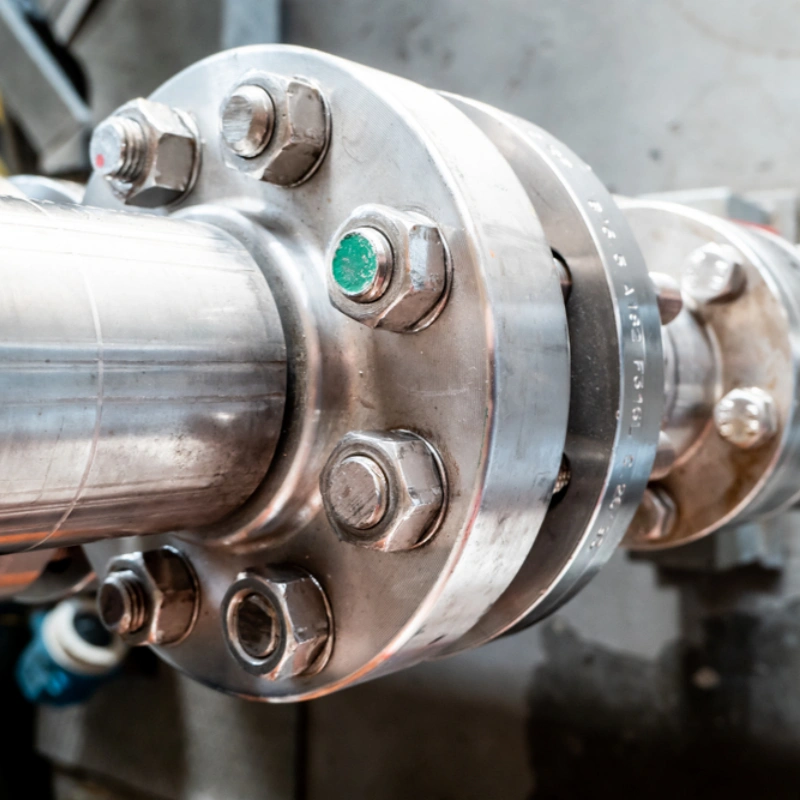
Flanges are essential components used to connect pipes, valves, pumps, and other equipment in oil and gas facilities. When considering what flanges are used for, the primary purpose is to create secure, leak-proof joints capable of handling extreme pressure and temperature.
In fact, over half of industrial pipelines rely on flanges, highlighting their critical importance in daily operations. The table below illustrates how understanding what flanges are used for can help you maintain safety and keep your system running efficiently.
| Feature | Benefit |
|---|---|
| Standards Compliance | You ensure safety and reduce downtime by choosing flanges that meet strict industry standards. |
| Downtime Risk Mitigation | Vendor-managed inventory of flanges helps you avoid project delays and keeps sites efficient. |
| High-Integrity Components | You depend on flanges to withstand high pressure, protecting your facility and workers. |
Alienfrac supplies API flanges that meet these demands, ensuring you get reliable performance in every project and a clear answer to what flanges are used for in high-pressure environments.
Key Takeaways
- Flanges create secure, leak-proof connections in oil and gas systems, ensuring safety and efficiency.
- Choosing flanges that meet industry standards reduces downtime and enhances operational reliability.
- Regular maintenance is easier with flanges, allowing for quick inspections and repairs without major system shutdowns.
- Selecting the right flange material is crucial for handling pressure and corrosion, impacting the longevity of your system.
- API-certified flanges provide peace of mind, ensuring compliance with safety protocols and preventing costly leaks.
What Are Flanges Used For in Oil and Gas?
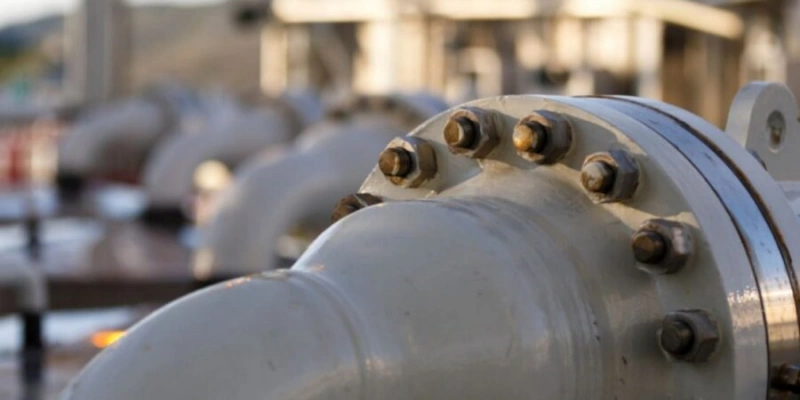
When you work in oil and gas, you need to know what flanges are used for in your daily operations. Flanges play a vital role in connecting, maintaining, and sealing your pipeline systems. They help you keep your facility safe, efficient, and compliant with industry standards.
The table below shows the main functions of flanges in oil and gas applications:
| Function/Application | Description |
|---|---|
| Fluid Transport | Flanges ensure secure, leak-proof connections for transporting crude oil, natural gas, and refined products. |
| Equipment Connection | They connect pipes to valves, pumps, and compressors, maintaining structural stability. |
| Safety Assurance | Flanged joints provide reliable sealing, minimizing downtime and enhancing operational safety. |
| Chemical Resistance | Flanges are made from corrosion-resistant materials for use in aggressive environments. |
| Compliance | API 6A-rated flanges ensure adherence to international safety protocols in wellhead connections. |
Alienfrac’s API flanges meet these requirements, giving you confidence in every connection.
Connecting Pipes and Equipment
You use flanges to join pipes, valves, pumps, and other equipment in your processing systems. This method gives you flexibility. You can replace or upgrade parts without cutting or welding pipes. A flanged connection has three main parts: the pipe flanges, gaskets, and bolting.
This setup lets you assemble and disassemble sections quickly. When you ask what flanges are used for, you see that they make your system modular and easy to manage.
- Flanges connect pipes to valves, pumps, and compressors.
- They allow you to swap out equipment with minimal downtime.
- You can adjust your system layout as your needs change.
Alienfrac’s API flanges provide the strength and precision you need for these critical connections. Their products help you maintain structural stability, even under high pressure.
Maintenance and Inspection Access
You need regular maintenance to keep your oil and gas systems running safely. Flanges make this process easier. You can separate and reseal pipeline sections quickly, which is essential during inspections.
This modular design helps you check for corrosion, gasket wear, and bolt alignment. Early detection of problems prevents leaks and costly repairs.
- Inspect gaskets for wear or damage and replace them as needed.
- Clean flange and gasket surfaces before reinstallation.
- Check for rust, discoloration, and other signs of corrosion.
Flanges let you perform these tasks without shutting down large sections of your system. When you consider what flanges are used for, you see that they support safe and efficient maintenance routines. Alienfrac’s API flanges are designed for easy access, helping you minimize downtime and keep your operations safe.
Leak-Proof Sealing
You rely on flanges to create leak-proof seals in high-pressure environments. The sealing mechanism usually includes gaskets, O-rings, or glands. These components compress between flange faces to stop fluids from escaping. The table below explains common sealing mechanisms:
| Sealing Mechanism | Description |
|---|---|
| O-Rings | Flexible seals made from rubber or synthetic polymers are compressed between flanges to prevent fluid escape. |
| Gaskets | Flat sealing components that compress between flange faces to form a seal. |
| Glands and Flanges | Structural components that maintain alignment and compression of seals, ensuring effective pressure containment. |
Industry standards like ASME B16.5 and API 6A set strict guidelines for flange sealing performance. Alienfrac’s API flanges meet these standards, so you can trust them to prevent leaks and protect your facility. If you use substandard flanges, you risk leaks, safety hazards, and expensive downtime.
Choosing high-quality flanges answers the question of what flanges are used for—they keep your system sealed, safe, and reliable.
Tip: Always choose flanges that comply with recognized standards and certifications. This ensures long-term safety and performance in your oil and gas operations.
Types of Flanges
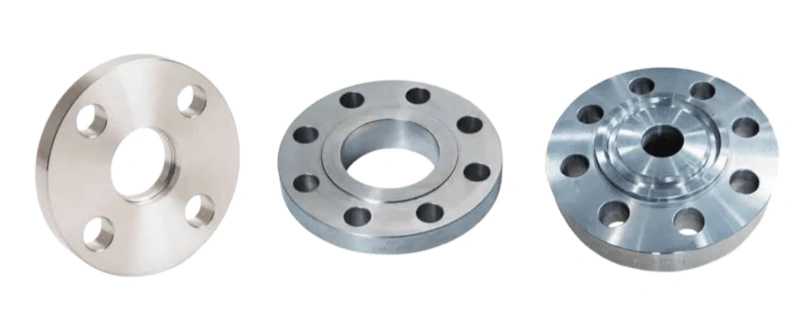
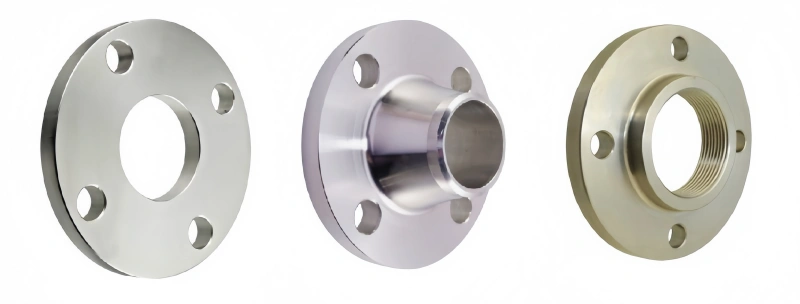
You will find several types of flanges in oil and gas operations. Each type serves a specific purpose and fits different system requirements. The table below gives you a quick overview of the most common flange types, their features, and where you might use them:
| Flange Type | Description | Typical Applications |
|---|---|---|
| Weld Neck Flange | Has a neck that transfers pipe tension and reduces pressure at the flange. | Used in pipelines operating at low or high temperatures and high pressures. |
| Socket Weld Flange | Connected by fillet welds, not advisable for critical services. | Useful for small-bore lines; an alternative to weld neck flanges in tight spaces. |
| Blind Flange | Made without a bore, used to blank off openings. | Commonly used to seal the ends of pressure vessels, valves, and pipes. |
| Lap Joint Flange | Useful with stub ends, it does not contact the substance in the pipe. | Ideal for systems with expensive materials, like carbon steel flanges on stainless steel pipes. |
| Threaded Flange | Bored to match the pipe’s inside diameter with taper pipe threads. | Helpful in piping systems where welding is not feasible. |
Tip: Choose the flange type that matches your system’s pressure, temperature, and maintenance needs. This decision helps you avoid leaks and costly repairs.
Alienfrac manufactures all these flange types with precision. You get products that meet strict API standards, such as API 6A. These standards ensure that every flange delivers consistent quality and reliable performance. When you use API-rated flanges, you protect your pipelines and equipment from leaks and failures.
Recent advancements in flange technology give you even more benefits. Manufacturers now use advanced alloys and composite materials for better corrosion resistance.
Enhanced seal designs reduce the risk of leaks and product loss. Some flanges even include sensors for real-time leak detection. Automated manufacturing and 3D printing allow for complex shapes and faster production.
Alienfrac stays ahead by adopting these innovations. You receive flanges that not only meet industry standards but also offer the latest in safety and durability. This commitment to quality helps you keep your oil and gas operations running smoothly and safely.
Flange Materials and Standards
Choosing the right material for your flanges is critical in oil and gas operations. The material you select affects how well your flanges handle pressure, temperature, and corrosion. If you use the wrong material, you risk leaks, equipment failure, and safety hazards.
You want flanges that last, even in harsh environments. Alienfrac understands this need and manufactures flanges using only high-quality materials that meet strict API certifications.
Common Flange Materials
Different materials offer unique benefits for oil and gas applications. You should match the material to your operating conditions, such as exposure to chemicals or seawater. The table below highlights some of the most common flange materials and their properties:
| Material | Properties | Applications |
|---|---|---|
| Titanium Flanges | Excellent resistance to seawater and chloride, lightweight | Offshore and subsea systems |
| Stainless Steel 904L | Superior resistance to pitting and crevice corrosion | Oil refineries, chemical processing |
| Nickel 200 Flanges | Outstanding resistance to neutral and alkaline salts | Gas treatment, oil refineries |
| Monel K500 Flanges | High strength, resists hydrofluoric acid, and has excellent corrosion resistance | High pressure, high-velocity applications |
| Super Duplex 2507 | Exceptional strength and corrosion resistance | Offshore and subsea applications |
You often see stainless steel and carbon steel flanges in the field. Stainless steel resists corrosion better and handles extreme temperatures. Carbon steel needs protective coatings, but costs less. Stainless steel also reduces maintenance because it lasts longer in aggressive environments.
Tip: Always consider the chemicals and temperatures your flanges will face before choosing a material.
Flange Standards
You must follow international standards to ensure your flanges fit and perform safely. Standards like API, ASME, and ISO set the rules for flange design, size, and pressure ratings. Here are some key standards you should know:
| Standard | Description |
|---|---|
| ANSI B16.5 | Sets dimensions and pressure ratings for pipe flanges up to NPS 24 |
| ANSI B16.47 | Covers larger flanges (NPS 26 and above) |
| ASME B16.5 | Specifies material and pressure requirements for pipe flanges |
| ASME B16.34 | Applies to flanged valves, ensuring compatibility |
| API 605 | Tailored for large diameter flanges in oil and gas |
| ISO 7005 | Ensures global compatibility for piping system flanges |
When you choose flanges that meet API standards, you get products that can handle extreme conditions. API-certified flanges deliver high strength, reliable sealing, and leak-free connections. Alienfrac’s API flanges meet these standards, giving you peace of mind and helping you maintain safe, efficient operations.
- API standards directly impact safety, compatibility, and cost.
- API flanges ensure reliable performance in high-pressure oil and gas systems.
- Compliance with these standards protects your facility and your team.
Benefits and Practical Value
Safety and Reliability
You depend on flanges to keep your oil and gas systems safe. API flanges from Alienfrac use gaskets to achieve an impermeable seal. This prevents fluid or gas from escaping and protects your facility. You see these safety features in every flange:
- Pressure containment keeps pressurized substances secure.
- Sealing with gaskets stops leaks and maintains system integrity.
- Corrosion resistance ensures flanges last in harsh environments.
- Quick assembly and disassembly make maintenance safer and faster.
| Safety Feature | Description |
|---|---|
| Pressure Containment | Securely confines pressurized substances to prevent leaks and failures in high-pressure systems. |
| Sealing with Gaskets | Prevents fluid or gas escape, ensuring system integrity and safety. |
| Corrosion Resistance | Maintains structural integrity in harsh environments, prolonging the lifespan of the flanges. |
| Quick Assembly and Disassembly | Facilitates efficient maintenance, reducing downtime and enhancing operational safety. |
You avoid connection failures by using reliable flanges. Over 60% of pipeline leaks happen because of poor connections. API flanges help you prevent these issues and keep your operations running smoothly.
Cost-Effectiveness and Durability
You want your equipment to last and save money over time. High-quality flanges use advanced materials that extend their lifespan. You can use a 3mm thick layer of high-grade material to get the same performance as solid, expensive materials. This approach saves you money and reduces maintenance needs.
- Advanced materials increase the lifespan of piping systems.
- Initial investment in quality flanges leads to long-term savings.
- You spend less on repairs and replacements.
Engineers in oil and gas know that using durable flanges means fewer shutdowns and lower costs. You benefit from reduced downtime and reliable performance.
Tip: Choose flanges made from corrosion-resistant materials to maximize durability and minimize maintenance.
Real-World Oilfield Examples
You see the value of flanges in real oilfield operations. For example, stronger flange bearings solved problems in high-rotation, high-load applications. Old flange bearings showed cold flow deformation at high loads and RPMs.
Engineers switched to Rulon AR and Rulon LR materials. These new bearings reduced cold flow and improved efficiency for prover systems.
| Case Study | Challenge | Solution |
|---|---|---|
| Stronger Flange Bearings for a High Rotation, High Load Application | Existing flange bearings for compact provers lacked the required mechanical properties, exhibiting cold flow deformation at high loads and RPMs. | TriStar solved the problem with Rulon AR and Rulon LR materials, which reduce cold flow and enhance efficiency for prover systems. |
You can answer what flanges are used for by looking at these examples. Flanges play a critical role in keeping oilfield systems safe, efficient, and reliable.
Conclusion
You rely on flanges to keep oil and gas systems safe and efficient. High-performance flanges create secure, leak-proof connections that withstand extreme pressure and corrosion. The table below shows why flanges matter in your operations:
| Key Point | Description |
|---|---|
| Importance | Flanges ensure reliable and safe piping connections. |
| Specialized Demand | Needed for offshore and high-temperature environments. |
| Sales Preference | Direct sales help maintain quality and compliance. |
Alienfrac’s API flanges deliver the quality you need. Choose certified flanges to protect your facility and boost performance.
FAQ
What are the main advantages of using API flanges in oil and gas?
You get reliable, leak-proof connections that handle high pressure and temperature. API flanges meet strict industry standards. They help you maintain safety and efficiency in your operations.
How do you select the right flange material for your application?
You should consider the fluid type, pressure, temperature, and environment. Stainless steel works well for corrosion resistance. Carbon steel offers cost savings. Always match the material to your system’s needs.
Can you reuse flanges after disassembly?
You can reuse flanges if they show no signs of damage, warping, or corrosion. Always inspect the sealing surfaces and replace gaskets before reassembly to ensure a proper seal.
What are flanges used for in oil and gas maintenance?
You use flanges to access pipeline sections for inspection, cleaning, or repairs. Flanged joints let you separate equipment quickly. This makes maintenance safer and reduces downtime.
How do you ensure a leak-proof flange connection?
You must use the correct gasket, tighten bolts evenly, and follow recommended torque values. Clean all surfaces before assembly. Proper installation prevents leaks and keeps your system safe.