
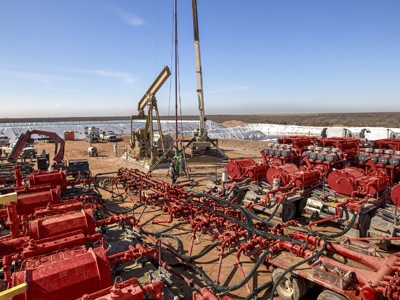
Frac hoses play a critical role in acid fracturing operations across the oil and gas industry. You rely on acid fracturing hoses to maintain safe and efficient delivery of acid during high-pressure cycles. Alienfrac’s hoses ensure integrity in corrosive environments and support safe and efficient delivery of fluids.
Improper use of acid fracturing equipment can cause high-pressure pump failures, frac iron malfunctions, or even explosions and fires. Regular maintenance of hoses helps prevent toxic acid leaks and protects your team.
- High-pressure frac pump failures
- Frac iron and manifold malfunctions
- Chemical additive pump equipment failures
- Flowback phase explosion risks
- Explosions, fires, and blowouts
Key Takeaways
- Frac hoses are essential for safe acid delivery during stimulation in carbonate reservoirs. They withstand high pressure and corrosive fluids, ensuring operational integrity.
- Regular inspections and maintenance of hoses prevent leaks and equipment failures. Check for cracks, bulges, and wear to maintain fracture conductivity.
- Choosing the right materials, like EPDM or polyurethane, enhances hose durability against acid attack. This choice extends service life and protects your investment.
- Technological advancements, such as IoT sensors and wear-resistant materials, improve safety and efficiency in acid fracturing operations. They enable real-time monitoring and predictive maintenance.
- Training your team in best practices for installation and safety protocols ensures reliable acid delivery and maximizes production in carbonate formations.
Essential Acid Fracturing Equipment
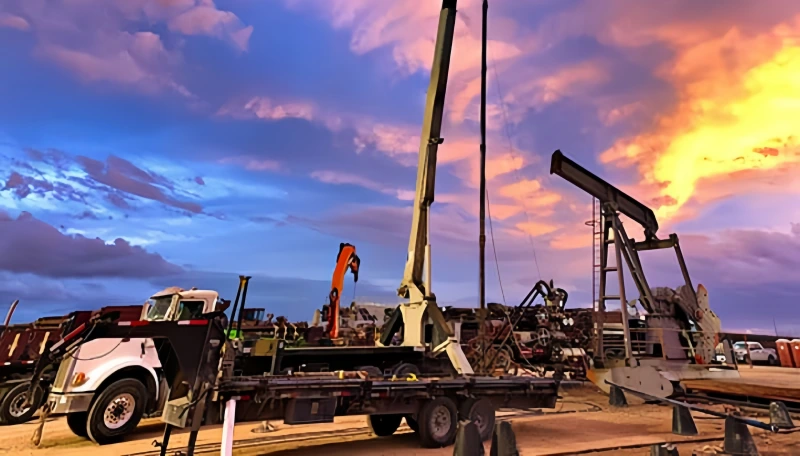
You need reliable acid fracturing equipment to achieve optimal stimulation and maintain fracture conductivity in carbonate reservoirs.
Alienfrac’s expertise in manufacturing high-pressure acid fracturing hoses ensures you meet industry standards and maximize production. Each piece of specialized equipment supports safe operations and enhances conductivity during acid stimulation.
Choosing the right acid fracturing equipment improves fracture conductivity and boosts production in carbonate formations.
| Equipment Type | Function |
|---|---|
| High-Pressure Pumps | Inject acid into the reservoir at high pressures to fracture the rock and increase conductivity. |
| Mixing Units | Blend acid with additives to create stimulation fluids that enhance carbonate fracture conductivity. |
| Acid Storage Tanks | Safely hold large volumes of acid, using corrosion-resistant materials to protect conductivity and prevent leaks. |
| Fracturing Lines and Manifolds | Connect surface equipment to the wellbore, maintaining high-pressure acid delivery and supporting stimulation. |
| Data Vans | Monitor real-time parameters, ensuring acid fracturing equipment operates efficiently and maintains fracture conductivity. |
High-Pressure Pumps
You rely on high-pressure pumps to inject acid into carbonate formations and create fractures that improve conductivity. Pumps operate at pressures exceeding 80 MPa, delivering stimulation fluids through acid fracturing hoses.
Alienfrac hoses withstand up to 15,000 PSI and 20,000 PSI, supporting safe acid injection and maintaining fracture conductivity. Common failure modes include jetting, scorched packing, improper torque, bore wear, and worn plungers. Regular maintenance prevents leaks and ensures consistent stimulation.
Mixing Units
Mixing units prepare acid solutions by blending acid with additives. You use these units to create stimulation fluids that optimize carbonate fracture conductivity. Alienfrac acid fracturing hoses transfer blended fluids efficiently, supporting safe operations and maximizing production.
Proper mixing ensures uniform acid distribution and enhances stimulation results.
Acid Storage Tanks
Acid storage tanks hold large volumes of acid for stimulation. You select tanks made from corrosion-resistant materials to protect conductivity and prevent leaks. The choice of tank material impacts the longevity and safety of acid fracturing equipment.
Regular inspections and monitoring maintain tank integrity and support safe acid handling.
Fracturing Lines & Manifolds
Fracturing lines and manifolds connect acid fracturing equipment to the wellbore. You depend on Alienfrac hoses and lines to withstand high pressures and corrosive acid environments.
These components ensure efficient stimulation and maintain fracture conductivity in carbonate reservoirs. Secure connections and robust manifolds prevent leaks and support safe operations.
Data Vans
Data vans serve as mobile control centers for acid fracturing equipment. You monitor real-time data to optimize stimulation, maintain fracture conductivity, and ensure safe acid handling.
Data vans track pump pressures, acid flow rates, and stimulation parameters, helping you make informed decisions and maximize production.
Tip: Regularly inspect acid fracturing hoses, lines, and tanks to maintain conductivity and prevent equipment failures during stimulation.
Alienfrac Frac Hose Applications
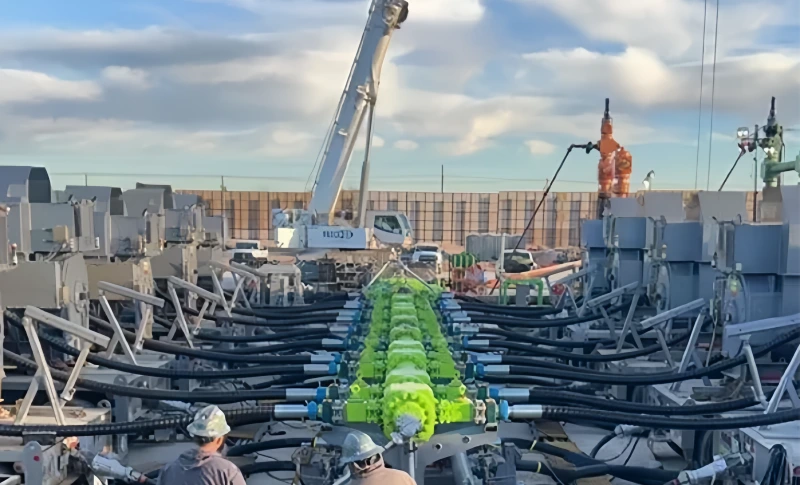
Acid Delivery & Flow
You depend on Alienfrac hoses to manage acid delivery during every stage of stimulation in carbonate reservoirs. These hoses play a vital role in maintaining fracture conductivity and supporting safe, efficient operations.
You use them to move acid from storage tanks to high-pressure pumps, ensuring precise delivery and minimizing risk. The flexibility and durability of Alienfrac hoses allow you to adapt to changing site layouts and harsh oilfield conditions.
You can easily inspect and maintain these hoses, which helps prevent leaks and protects your team.
- You transfer acid from storage tanks to pumps for stimulation in carbonate formations.
- You maintain safe delivery of acid under high pressure, supporting fracture conductivity.
- You rely on hoses that withstand harsh environments, ensuring consistent stimulation and boosting production.
- You perform regular inspections to maintain operational integrity and prevent leaks.
- You achieve efficient acid delivery, which directly impacts carbonate fracture conductivity and overall production.
Tip: Always verify hose integrity before each stimulation job to ensure safe acid delivery and maintain carbonate conductivity.
Material & Corrosion Resistance
Alienfrac hoses use advanced materials to resist corrosion from acidic fluids. You need hoses that stand up to the aggressive chemicals used in carbonate stimulation.
The inner tube and cover materials protect against acid attack, extending service life and maintaining fracture conductivity. You can trust these hoses to deliver acid safely, even in the most challenging environments.
| Material | Description |
|---|---|
| EPDM | Ethylene propylene diene monomer rubber is known for its chemical corrosion resistance against acidic fluids. |
| PU | Polyurethane is also recognized for its resistance to acidic or alkaline fracturing fluids. |
You select hoses with EPDM or PU construction for maximum durability in carbonate acidizing. These materials help you avoid costly downtime and keep stimulation operations running smoothly. You maintain high fracture conductivity and protect your equipment investment.
Flexibility & Efficiency
Alienfrac hoses offer unmatched flexibility, which you need for efficient stimulation in complex carbonate reservoirs. You can route hoses around obstacles and adjust layouts quickly, saving time and reducing setup costs.
The lightweight design makes handling easier, while reinforced construction ensures safety during high-pressure acid delivery. You achieve greater efficiency by minimizing hose whip and connection failures.
You improve operational efficiency by choosing hoses that match your stimulation needs. Flexible hoses allow you to adapt to changing site conditions and maintain consistent carbonate fracture conductivity. You boost production by reducing downtime and ensuring reliable acid delivery throughout the stimulation process.
Note: Flexible hoses not only improve efficiency but also enhance safety by reducing the risk of sudden pressure surges during carbonate stimulation.
Maintenance & Safety Practices
Inspection & Replacement:
- Regular inspections are essential for maintaining the integrity of Alienfrac hoses during carbonate stimulation.
- Inspect hose covers, fittings, and inner tubes for early signs of wear, abrasion, or chemical damage.
- Replace hoses with visible damage to preserve fracture conductivity and prevent leaks.
- Follow simple inspection and maintenance routines to keep acid fracturing equipment in optimal condition.
- Document each inspection to track hose performance and ensure safe stimulation.
- Maintain a set inspection and replacement schedule to maximize production and protect carbonate conductivity.
Leak Prevention:
- Prevent leaks by selecting Alienfrac hoses made from abrasion-resistant materials and chemicals for durability.
- Use advanced rubber covers or UHMWPE sheaths to resist abrasion and extend hose lifespan.
- Choose crimp-type hoses for leak-proof acid delivery during downhole stimulation treatments.
- Ensure hoses are structurally strong enough to withstand high-pressure pulses and aggressive chemicals.
- Install hoses with secure fittings and proper torque to prevent leaks and maintain fracture conductivity.
- Monitor hose connections and pressure ratings to prevent leaks, supporting safe acid stimulation.
Training & Best Practices:
- Train your team on best practices for acid fracturing operations, emphasizing proper installation techniques.
- Ensure team members understand safety protocols to deliver acid safely and preserve carbonate conductivity.
- Provide hands-on training for inspection, maintenance, and replacement of hoses.
- Encourage following the manufacturer’s guidelines for acid fracturing equipment to ensure reliability.
- Review procedures for handling acid, checking fittings, and monitoring pressure.
- Foster a culture of safety and reliability to ensure consistent fracture conductivity and maximize production.
Tip: Maintain high fracture conductivity and protect your investment by adhering to strict inspection, leak prevention, and training routines.
Technological Advances in Acid Fracturing Equipment
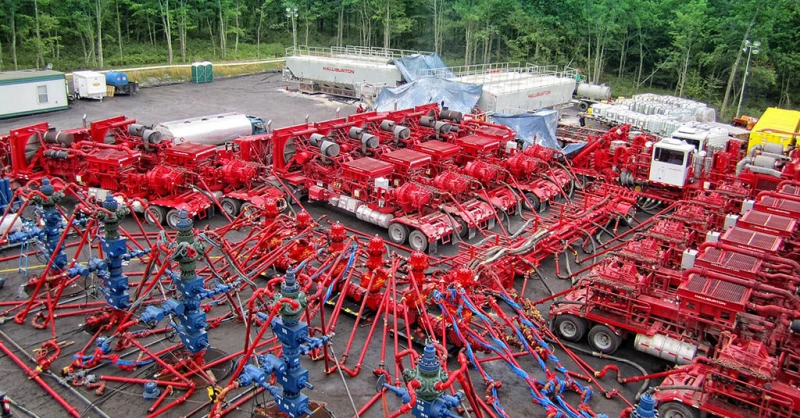
Recent innovations in hose materials significantly enhance the performance and durability of acid fracturing equipment. Advances include wear-resistant composites, IoT sensors, and nanocomposite materials, which collectively extend hose lifespan and improve resistance to high-pressure and corrosive environments.
Wear-resistant materials, for example, can last 30-50% longer in high sand content areas, reducing downtime and maintenance costs. IoT sensors embedded within hoses enable real-time health monitoring, providing early warnings of wear or chemical attack.
This integration enhances safety and operational reliability during fracturing operations.
| Innovation Type | Description | Impact on Acid Fracturing Applications |
|---|---|---|
| Wear-resistant materials | Hoses designed with advanced composites to withstand abrasion and chemical attack. | Lasts longer in high sand and acid environments, reducing replacement frequency. |
| IoT sensors | Sensors monitor hose condition and pressure in real-time. | Improves safety by enabling predictive maintenance and early fault detection. |
| Nanocomposites and polymers | Use of nanomaterials to reinforce the hose structure and chemical resistance. | Supports lower emissions and greener practices while maintaining high fracture conductivity. |
These material innovations support the industry’s goal of improving reservoir permeability by ensuring the integrity of hoses under extreme conditions.
Selecting high-performance materials such as PTFE linings and corrosion-resistant coatings delays erosion from acids, maintaining fracture conductivity and preventing structural failure. Compression-resistant reinforcement layers, like aramid fibers, further bolster hose strength, ensuring safety during fracturing.
Automation and monitoring technologies also play a vital role. Automated control systems and online monitoring enable continuous data collection, reducing human error and enhancing safety during operations. These systems detect early signs of failure, allowing you to take corrective actions promptly.
Fully automated fracturing systems, such as one-click operations, streamline procedures and minimize risks, ensuring consistent efficiency and safety.
By adopting these technological advancements, you can significantly improve the safety and efficiency of your acid fracturing operations. These innovations ensure that your equipment maintains high fracture conductivity, supports the effective stimulation of carbonate reservoirs, and reduces downtime.
As a result, you achieve better reservoir permeability and maximize production.
Conclusion
Alienfrac frac hoses and acid fracturing equipment are essential for maintaining safety and maximizing productivity in carbonate reservoirs. These solutions deliver acid with precision, protect conductivity, and enhance well productivity.
Advanced technology and regular maintenance ensure efficient acid fracturing operations. Over the next decade, lightweight, corrosion-resistant hoses and smart monitoring systems will become the industry standard.
With a focus on acid stimulation in carbonate formations, maintaining conductivity, and supporting sustainable practices, Alienfrac guarantees reliable acid delivery, consistent carbonate conductivity, and superior fracturing results.
FAQ
What is a frac hose, and why do you need it for carbonate stimulation?
You use a frac hose to transfer acid safely during stimulation in carbonate reservoirs. This hose withstands high pressure and corrosive fluids. You maintain fracture conductivity and protect your equipment investment with reliable hoses.
How do you inspect a frac hose before carbonate acidizing?
You check the hose for cracks, bulges, or wear. You verify pressure ratings and fittings. You document each inspection. You ensure safe acid delivery and maintain carbonate conductivity by following strict routines.
Which materials work best for hoses in carbonate acid fracturing?
You select hoses made with EPDM or polyurethane. These materials resist acid attack and abrasion. You achieve longer service life and maintain carbonate conductivity in harsh environments.
How does Alienfrac’s hose technology improve carbonate stimulation?
You benefit from advanced hose technology that uses wear-resistant composites and real-time monitoring. You reduce downtime and enhance safety. You maintain carbonate conductivity and maximize production.
Can you customize hoses for carbonate acidizing operations?
You request hoses with tailored lengths, pressure classes, and fittings. You match those specifications to your carbonate stimulation needs. You improve operational efficiency and maintain conductivity.
Tip: You always choose hoses that match your carbonate reservoir requirements to ensure safe and efficient stimulation.