
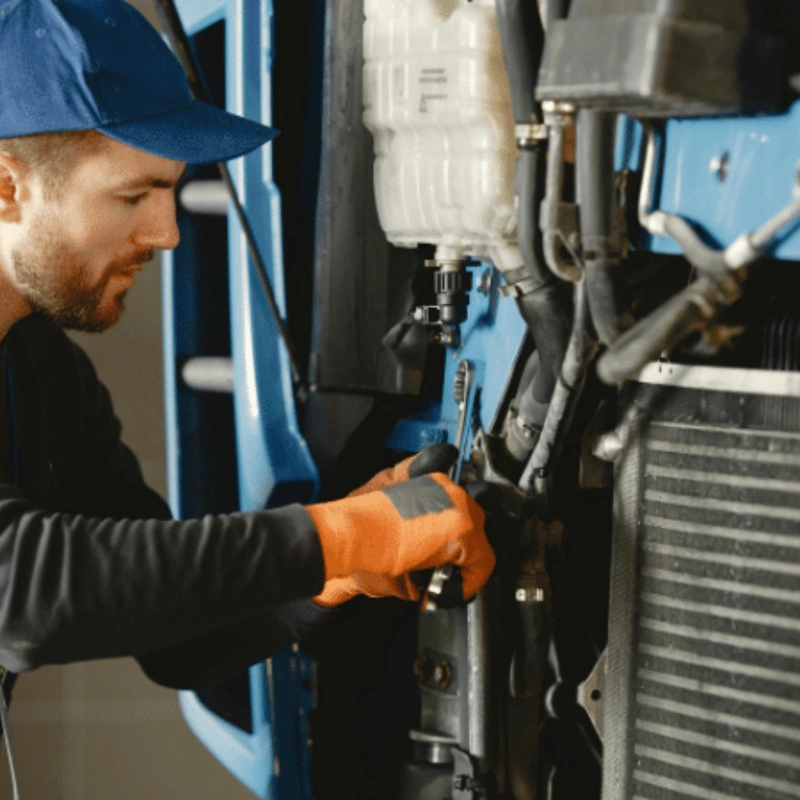
You face constant challenges in keeping hydraulic systems running smoothly. Hydraulic hose inspection and maintenance serve as your first line of defense against unexpected breakdowns, costly downtime, and hazardous incidents.
Brands like Alienfrac raise the bar with innovative Industrial Hydraulic Hose solutions that deliver real advantages:
- Wear resistance increases service life when handling abrasive fluids.
- Chemical corrosion resistance ensures dependable performance in harsh conditions.
- High temperature adaptability and lightweight design add flexibility and efficiency.
- Compliance with industry standards like API 7K boosts confidence in your operations.
Proactive steps protect your investment and elevate safety across every project.
Key Takeaways
- Regular hydraulic hose inspections enhance safety by identifying wear and tear before they lead to accidents.
- Routine inspections can save companies significant money by reducing emergency repairs and downtime.
- Adjust inspection frequency based on environmental conditions to protect hoses from damage.
- Follow a structured inspection process to catch issues early and maintain hydraulic system performance.
- Proper installation and storage of hoses are crucial for extending their lifespan and ensuring reliable operation.
Importance of Hydraulic Hose Inspection
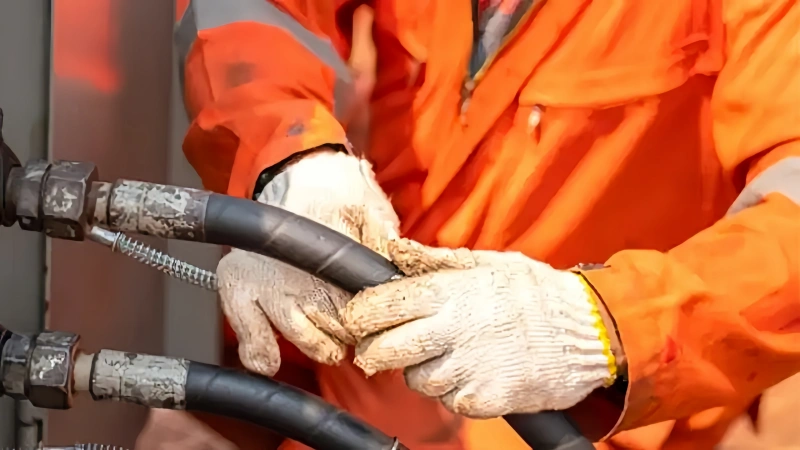
Safety and Reliability
You cannot overlook the importance of hose inspection when it comes to safety. Hydraulic hose inspection helps you spot common signs of wear and tear before they become dangerous. If you neglect regular inspections, you put your team and equipment at risk. Some of the main safety risks include:
- High-pressure leaks that can cause severe injuries
- Environmental contamination from spilled hydraulic fluid
- Increased repair costs due to damage to secondary components
- Catastrophic failures leading to lost productivity and safety hazards
The most severe localized injury resulting from hydraulic failure is often the high-pressure fluid injection injury. These injuries require immediate emergency medical attention and often lead to complex tissue damage, necessitating surgical intervention, and frequently resulting in amputation or death.
By making hydraulic hose inspection a routine part of your maintenance, you increase reliability and extend the life of your equipment. You also reduce the risk of fluid spills, equipment damage, and accidents. Regular inspections help you catch issues early, so you can fix them before they cause major problems.
Cost and Efficiency Benefits
Routine inspection does more than keep you safe. It also saves you money and boosts efficiency. Companies that maintain their hoses well report up to 75% fewer emergency repairs. One manufacturing plant reduced unplanned failures from six monthly to less than one per quarter after starting regular inspections.
| Maintenance Type | Cost Range | Savings from Avoided Repairs |
|---|---|---|
| Annual Preventive Maintenance | $2,000 – $5,000 per machine | $10,000 – $20,000 |
| Contamination Repair Costs | $1,000 escalating to $4,000 – $6,000 | N/A |
When you perform regular inspections, you prevent downtime and keep your operations running smoothly. Well-maintained hoses ensure efficient operation and reduce wear on other components. You also avoid the high costs of emergency repairs and environmental cleanup.
Watching for common signs of wear and tear during each inspection helps you plan maintenance and avoid surprises.
Hydraulic Hose Inspection and Maintenance Intervals
Recommended Schedules
You need a clear inspection schedule to keep your hydraulic hoses in top condition. Regular checks help you catch problems before they lead to failures. Most industry experts recommend the following intervals:
- Weekly inspections work best for high-demand systems or when you operate in severe conditions.
- Monthly inspections suit most hydraulic hoses in moderate use.
- Quarterly inspections are enough for low-pressure or lightly used hoses.
- Annual inspections should include pressure and flex testing. Always tailor these checks based on your risk assessment and the manufacturer’s recommendations.
- For high-cycle applications, inspect hoses at every service interval.
- Replace hoses every 1 to 2 years, even if they look fine.
Tip: Consistent inspection routines help you avoid unexpected downtime and extend the life of your hoses.
Factors Affecting Frequency
Not all environments treat hoses the same way. You must adjust your inspection frequency based on the conditions your hoses face. Temperature, pressure, and fluid type all play a role in hose wear.
| Condition | Effect on Hoses | Recommendation for Inspections |
|---|---|---|
| High Temperatures | Degrades materials, causes loss of flexibility and strength, increases risk of bursting. | Inspect more often in high-temperature environments. |
| Low Temperatures | Makes hoses rigid, increases likelihood of cracking. | Increase inspection frequency in cold conditions. |
| Temperature Fluctuations | Causes expansion and contraction, leading to premature fatigue and cracking. | Inspect regularly during temperature swings. |
Cold weather can make hydraulic fluids thicker and damage elastomeric materials. You should check hoses more often in extreme cold for tears, cracks, or leaks. By adjusting your inspection schedule to match your operating environment, you protect your equipment and keep your operations running smoothly.
Step-by-Step Hydraulic Hose Inspection
A thorough hydraulic hose inspection and maintenance routine helps you prevent downtime, ensure safety, and extend the life of your equipment. By following a structured step-by-step hose inspection process, you can identify issues early and keep your operations running smoothly.
Here’s how you can approach a general hose assembly inspection with confidence.
Safety Protocols
Before you begin any hydraulic hose inspection, you must follow strict safety protocols. These steps protect you from accidental fluid release and other hazards. Always start by shutting down the system and depressurizing it completely. Never attempt inspection on a pressurized system.
- Depressurize the hydraulic system to prevent accidental fluid release.
- Wear personal protective equipment (PPE) to ensure safety during inspection.
- Schedule regular inspections to identify wear, leaks, and potential failures early.
| Personal Protective Equipment |
|---|
| Safety glasses or face shield |
| Cut-resistant gloves |
| Steel-toe boots |
| High visibility vest (if outdoors) |
| Long pants and long sleeves |
| Hearing protection (if equipment running) |
Tip: Never skip PPE. Even a small leak can cause serious injury.
Visual and Physical Checks
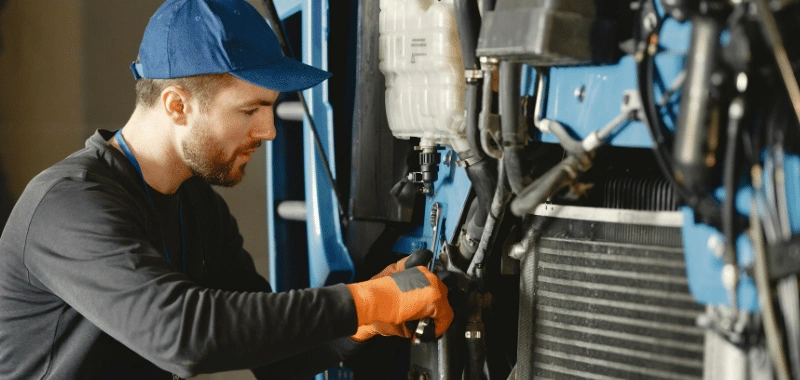
During hydraulic hose inspection and maintenance, you need to look for specific signs of deterioration. Start with a visual scan, then use your hands to feel for hidden issues. This routine hydraulic hose inspection helps you spot problems before they escalate.
- Bulges or swelling may signal internal damage or blockages.
- Brittleness, stiffness, or cracking often result from temperature or chemical exposure.
- Frayed ends weaken connections and can lead to leaks.
- Surface damage includes cuts, cracks, abrasions, or heat discoloration.
- Check fitting integrity by ensuring fittings are tight and free from leaks or corrosion.
- Look for vibration damage, chemical exposure, and abrasion from nearby components.
- Examine connectors for wear or damage.
- Inspect crimped areas for secure attachment.
- Watch for fluid contamination inside the hose.
- Confirm hose length is correct and not stretched.
- Inspect protective coverings for damage.
- Verify compliance with safety and pressure standards.
- Use pressure testing to confirm the hose withstands required pressure.
- Flex testing helps you find cracks or stiffness.
Note: Consistent periodic inspections help you catch small issues before they become major failures.
Leak Detection
Leak detection is a critical part of hydraulic hose inspection and maintenance. You must search for leaks using both visual and advanced techniques. Start by inspecting high-risk areas and use safe methods to avoid exposure to high-pressure fluid.
- Use visual inspection under safe conditions to spot obvious leaks.
- Apply leak detection fluids or sprays to suspected areas.
- Gradually pressurize the system and observe for leaks.
- Use UV dyes and lighting to highlight leaks in low-light conditions.
- Infrared thermography detects temperature changes along the hose, revealing hidden leaks.
- Ultrasound devices help you find internal defects and leaks that are not visible.
Callout: Never use your hands to check for leaks on a pressurized hose. High-pressure fluid can penetrate the skin and cause severe injury.
Fittings and Connections
Fitting assessments are essential for reliable hose assembly maintenance. You need to check every connection point for integrity and security. Properly maintained fittings prevent fluid leaks and pressure loss, supporting safe and efficient operation.
| Inspection Step | Description |
|---|---|
| Examine fittings | Look for rust, cracks, or distortion that could compromise integrity. |
| Ensure alignment | Proper alignment avoids uneven tension or leaks. |
| Use calibrated tools | Ensure fittings are tightened to the manufacturer’s specified torque. |
| Check fastening | Ensure fittings are securely fastened with no gaps or movement. |
| Inspect reinforcements | Look for frayed reinforcements indicating wear or poor crimping. |
- Inspect all fittings, connectors, and couplings for looseness, corrosion, or damage.
- Tighten any loose fittings using appropriate tools.
- Make sure fittings are properly aligned and sealed.
- Remove dirt, debris, and contamination from connection points.
Proper fitting assessments during hose assembly inspection help you maintain system integrity and prevent downtime.
Documentation
Accurate documentation supports effective hydraulic hose inspection and maintenance. Keeping detailed records allows you to track hose history, schedule preventative maintenance, and address recurring issues.
Good documentation practices also help you comply with industry standards and improve troubleshooting hydraulic hose assemblies.
| Essential Field | Description |
|---|---|
| OEM Part Numbers | Unique identifiers for each hose to ensure correct replacements and tracking. |
| Fault Documentation | Records of any issues found during inspections to track recurring problems. |
| Repair Notifications | Alerts for maintenance teams regarding necessary repairs and actions taken. |
| Sign-off Procedures | Confirmation that inspections and repairs have been completed satisfactorily. |
- Set up a routine inspection schedule based on operating hours and manufacturer recommendations.
- Maintain records of inspections, maintenance actions, and repairs to track hose history.
Note: Detailed documentation helps you identify patterns, improve preventive maintenance, and ensure safety across your operations.
By following this step-by-step hose inspection process, you strengthen your preventative maintenance program, reduce the risk of failure, and keep your hydraulic systems performing at their best. Regular hydraulic hose inspection and maintenance, combined with proper hose maintenance and documentation, will help you prevent downtime and support safe, efficient operations.
Signs of Wear in Hydraulic Hoses
Visual Indicators
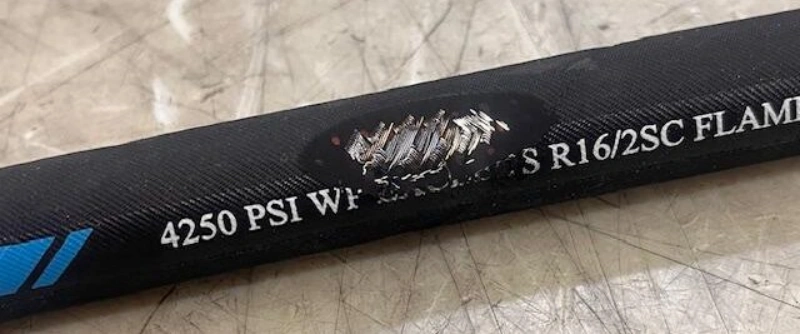
You can often spot early signs of hydraulic hose wear with a careful visual inspection. Look for changes on the hose surface and at connection points. These changes signal that the hose may soon fail or already has damage.
- Abrasions or scuff marks on the outer surface show that the hose has rubbed against other equipment or surfaces.
- Cracks in the hose material or outer cover suggest aging or exposure to harsh conditions.
- Exposed reinforcement layers beneath the protective covering mean the hose has lost its main defense against pressure and abrasion.
- Bulges or bubbles indicate internal damage or separation of hose layers.
- Kinks or crushed sections can restrict fluid flow and weaken the hose structure.
- Visible leaks or seepage point to holes or splits in the hose wall.
- Excessive abrasion, porosity, or oil leakage are clear warnings that the hose needs attention.
- Visible bulging often means the hose is close to bursting.
Tip: Always check for these visual indicators during every inspection. Early detection helps you prevent sudden failures and costly downtime.
Performance Issues
Sometimes, you notice hose problems not by sight, but by how your hydraulic system performs. Performance issues often signal hidden hose damage or improper installation.
- Pressure loss in the system can result from weak spots or leaks in the hose.
- Erratic movement of machinery may occur when hoses bulge or leak under high pressure.
- Inconsistent or excessive pressure can cause hoses to deform, leading to unpredictable equipment behavior.
- Contaminated fluids inside the hose can damage it from within, causing pressure drops and reduced efficiency.
- Improper assembly or poor maintenance often create weak points, making hoses more likely to fail.
You should always investigate any sudden changes in system performance. These issues often point to underlying hose problems that require immediate attention.
Alert: Never ignore changes in pressure or machine movement. Quick action keeps your equipment safe and extends hose life.
Troubleshooting Hydraulic Hose Problems
Abrasion and Protection
You often see abrasion as a leading cause of hydraulic hose failure. External abrasion happens when hoses rub against machinery or rough surfaces. Internal abrasion results from high-pressure fluid eroding the hose lining.
During each inspection, check for signs of wear on the outer cover and at critical points like elbows and joints. Improper routing increases stress and abrasion, shortening hose lifespan. You can prevent abrasion by using protective sleeves, clamps, and selecting wear-resistant materials.
Regular inspection helps you spot damage early and take action before leaks or bursts occur.
- External abrasion comes from hoses rubbing against surfaces or other hoses.
- Internal abrasion is caused by high-pressure fluid flow.
- Preventive measures include proper routing, protective sleeves, and frequent inspection.
- Improper installation leads to unnecessary wear and potential failure.
Tip: Use protective sleeves and clamps to reduce abrasion and extend hose life.
Burst and Leak Solutions
When a hydraulic hose bursts or leaks, you must act quickly. Stop operating the equipment immediately and keep personnel away from the leak. Identify the source of failure during your inspection. Avoid temporary repairs, as they compromise safety.
Contact an emergency hydraulic hose repair specialist for proper replacement. The safest solution is to replace damaged hoses rather than repair them. Professionals attend breakdowns on-site, supply correct hose assemblies, and restore hydraulic performance. Timely replacement minimizes downtime and ensures reliability.
- Replace hoses every 1-2 years, even if they appear intact during inspection.
- Never use makeshift repairs for burst hoses.
- Professional repair organizations ensure safe and correct replacement.
Alert: Hydraulic systems operate under high pressure. Always prioritize safety and professional repairs.
Twisting and Routing
Twisting and improper routing cause internal stress and restrict fluid flow. Even a 5° twist can reduce hose lifespan by 70%. During inspection, look for kinks, bends, and misalignment. Twisting misaligns reinforcement layers, weakening the hose and leading to early failure.
Avoid excessive bending and twisting. Consult manufacturer guidelines for minimum bend radius. Use visual guides like lay lines to prevent twisting during installation. Leave appropriate slack in hoses to accommodate pressure changes without tension.
- Twisting and kinking generate heat and pressure, compromising hose integrity.
- Correct alignment of fittings reduces twisting risks.
- Inspection of routing prevents premature hose failure.
Note: Proper routing and installation techniques extend hose life and improve system performance.
When to Call a Professional?
You should call a professional hydraulic technician when you notice oil spots, cracks, or stiffness during inspection. Environmental factors like extreme temperatures affect hose integrity. Issues with fluid compatibility or poor assembly practices also require expert attention.
Improper routing causes physical stress and increases failure risk. Professionals have the tools and knowledge to handle troubleshooting and repairs safely. Regular inspection and timely consultation with experts keep your hydraulic system running efficiently.
- Consult professionals for signs of wear, environmental stress, or assembly issues.
- Professional troubleshooting ensures safe and reliable repairs.
Callout: Never hesitate to seek expert help when inspection reveals serious hose problems.
Best Practices for Hose Maintenance with Alienfrac
Alienfrac sets the standard for hydraulic hose maintenance with its commitment to quality and innovation. You benefit from the durability and versatility of Industrial Hydraulic Hose, especially in demanding environments. Following best practices helps you maximize hose performance and minimize deterioration.
Cleanliness and Fluid Care
Maintaining cleanliness in your hydraulic system is essential. Contaminated fluid causes up to 75% of hydraulic component failures. You must focus on fluid care to prevent deterioration and ensure reliable operation.
- Conduct regular fluid analysis to detect contamination early.
- Use high-quality filtration systems to remove particles as small as 5 microns.
- Implement clean fill practices when adding fluid.
- Monitor hydraulic fluid temperature to avoid overheating.
- Check reservoir fluid levels daily to prevent pump cavitation.
- Replace filters based on differential pressure readings.
- Use multi-stage filtration to protect critical components.
Tip: Water contamination promotes corrosion and reduces component life. Cleanliness is your first defense against system failure.
Installation Tips for Industrial Hydraulic Hose
Correct installation prevents premature deterioration and supports efficient operation. You must follow industry standards and manufacturer guidelines for inspection and installation.
- Inspect hoses before installation for signs of damage or wear.
- Use proper tools to ensure fittings are tightened to the specified torque.
- Avoid twisting or kinking hoses during installation.
- Maintain the minimum bend radius recommended by Alienfrac.
- Align fittings and connectors to prevent leaks.
- Confirm compatibility with hydraulic fluids and system pressure.
Callout: Correct installation extends hose life and reduces the risk of unexpected failures.
Storage Guidelines
Proper storage preserves hose integrity and prevents deterioration. You must protect hoses from environmental hazards and physical damage.
- Store hoses in a cool, dry place to avoid heat and moisture.
- Hang hoses on racks or hooks to prevent kinks.
- Coil hoses properly to reduce stress.
- Keep hoses off the ground to protect from dirt and moisture.
- Avoid contact with chemicals and oils.
- Rotate stock regularly to use older hoses first.
- Maintain controlled temperature and humidity in storage areas.
| Storage Practice | Benefit |
|---|---|
| Hang on racks/hooks | Maintains flexibility |
| Coil properly | Prevents internal damage |
| Store off ground | Reduces contamination risk |
Note: Proper storage is vital for extending hose lifespan and maintaining performance.
Maintenance Programs
Structured maintenance programs improve reliability and reduce downtime. You must tailor your program to your system’s operating conditions and follow regular inspection routines.
- Identify system operating conditions, including flow, pressure, and environment.
- Follow equipment manufacturer requirements for preventive maintenance.
- Monitor hydraulic fluid ISO particulate levels.
- Adhere to filter company guidelines for filtration performance.
- Review equipment history to verify maintenance procedures.
- Inspect hoses visually and physically at least once a month.
- Conduct detailed pressure testing quarterly.
- Replace hoses every 2 to 5 years based on operating conditions.
Callout: A data-driven maintenance program helps you spot weak points before they cause failures.
By following these best practices with Alienfrac’s Industrial Hydraulic Hose, you ensure safe, efficient, and reliable hydraulic system operation. You protect your investment and support the importance of maintenance in every project.
Conclusion
You protect your team and equipment when you inspect hydraulic hoses regularly. Industry case studies show that you should check stationary equipment every three months and mobile equipment every 400–600 hours. High-quality hoses like Alienfrac’s Industrial Hydraulic Hose give you durability and peace of mind.
For best results:
- Train your staff on safe handling and contamination prevention.
- Set clear procedures and schedule periodic inspections.
- Consult trusted professionals for tailored solutions.
Stay proactive to keep your operations safe and efficient.
FAQ
How often should you inspect hydraulic hoses?
You should inspect hydraulic hoses at least once a month. High-demand systems require weekly checks. Regular inspection helps you spot early signs of wear and supports effective leak detection. Always follow manufacturer guidelines for hydraulic maintenance intervals.
What are the main signs of hydraulic hose failure?
You notice hydraulic hose failure through bulges, cracks, leaks, and reduced system performance. Early leak detection prevents costly repairs. Abrasions and exposed reinforcement signal immediate replacement needs. Quick action keeps your hydraulic system safe.
Why is leak detection important in hydraulic systems?
Leak detection protects your equipment and prevents environmental hazards. You avoid downtime and costly repairs by identifying leaks early. Hydraulic fluid leaks can cause severe injuries. Use visual checks, UV dyes, and pressure testing for reliable leak detection.
How do you perform leak detection on hydraulic hoses?
You start with a visual inspection. Apply leak detection fluids or UV dyes to suspected areas. Gradually pressurize the hydraulic system and observe for leaks. Use infrared thermography and ultrasound devices for advanced leak detection.
What should you do if you find a hydraulic hose leak?
You must stop the hydraulic system immediately. Keep personnel away from the leak. Contact a professional for proper leak detection and hose replacement. Never attempt temporary repairs. Safety comes first in hydraulic maintenance.
Tip: Always document hydraulic hose inspections and leak detection results for future reference.