

Hydraulic hose repair stands as a critical task in maintaining safety and efficiency across industrial settings. You protect both people and equipment when you act quickly and use reliable products like Alienfrac’s Industrial Hydraulic Hose. Regular inspection and strict adherence to standards can make a dramatic difference.
The data below shows how these practices reduce failures, fluid spills, and emergency repairs:
| Metric | Value |
|---|---|
| Reduction in hose failures | 75% |
| Decrease in fluid spills | 90% |
| Lower emergency repairs | 50% |
| Extended hose life | 35% |
| Average cost per failure | $15K |
| Preventable failures | 80% |
| Injury risk | 25% |
You ensure operational continuity and reduce risks by prioritizing training, inspection, and quality products.
Key Takeaways
- Regular inspection of hydraulic hoses reduces failures and extends their life.
- Timely repairs prevent costly downtime and ensure safety.
- Understanding common failure causes helps in preventing unexpected issues.
- Using certified products like Alienfrac hoses ensures reliability.
- Proper training and documentation improve maintenance practices.
Understanding Hydraulic Hose Repair
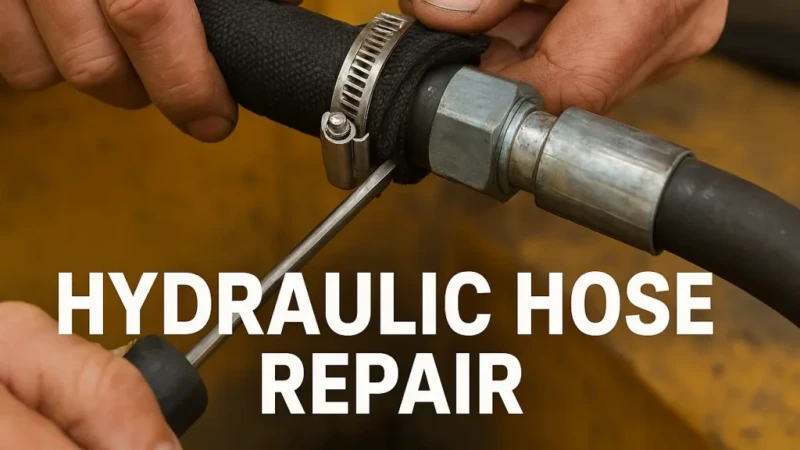
Role in Industrial Systems
You play a vital role in keeping industrial systems running smoothly when you focus on hydraulic hose repair. Reliable hoses ensure that machines operate without interruption. When you use high-quality products like Alienfrac’s Industrial Hydraulic Hose, you support operational continuity and safety.
The table below highlights how proper hose maintenance impacts efficiency and safety:
| Aspect | Impact on Efficiency and Safety |
|---|---|
| Operational Continuity | Ensures systems remain functional without interruptions |
| Downtime Reduction | Minimizes the time systems are offline due to repairs |
| Safety Standards Compliance | Adheres to regulations, reducing risks of accidents |
You reduce risks from leaks and bursts, maintain system integrity, and meet industry safety standards by prioritizing regular inspection and repair.
Causes of Hydraulic Hose Failure
You encounter several common causes of hydraulic hose failure in industrial environments:
- Cover abrasion from hoses rubbing against surfaces exposes reinforcement layers.
- Pressure surges, excessive bending, or high temperatures can cause a hose to burst at the body.
- Extreme temperatures may lead to cracks in the hose.
- Coupling blow-off often results from improper assembly or excessive pressure.
- Leaks at fittings can occur due to damaged O-rings or incompatible fittings.
Understanding these causes helps you prevent unexpected downtime and maintain safe operations.
Consequences of Failure
When hydraulic hose failure occurs, you face serious consequences:
- Downtime halts machinery, leading to idle workers and missed deadlines.
- Maintenance delays require skilled technicians and parts, extending inactivity.
- Production backlogs increase stress on remaining equipment.
- Financial impact grows with lost production hours and repair costs.
- Ripple effects disrupt supply chains and customer relationships.
You also risk safety hazards, such as fluid injection injuries and slippery surfaces, which can lead to accidents or even fires.
Importance of Timely Repair
Timely hydraulic hose repair keeps your equipment running and your team safe. Preventive maintenance helps you comply with safety standards and reduces casualties. Skilled technicians can spot potential problems before they cause major issues.
By acting quickly, you minimize emergency downtime and keep your operations efficient.
Alienfrac leads the industry with innovative, high-pressure hose solutions. Their Industrial Hydraulic Hose stands out for durability and reliability, helping you avoid costly failures and maintain productivity.
Hydraulic Hose Repair Steps
You must follow a systematic approach to repair hydraulic hoses and maintain operational safety. Using certified products like Alienfrac’s Industrial Hydraulic Hose ensures reliability and compliance with industry standards. Each step below helps you prevent contamination and minimize risks during repair.
Identifying Damage
You start hydraulic hose repair by inspecting the hose for visible and hidden signs of damage. Regular visual checks help you catch early issues before they escalate. Look for wet spots, swelling, rust stains, cracks, kinks, and discoloration. Scheduled fluid analysis can reveal internal problems without disassembly.
You should also monitor for frequent drops in hydraulic pressure, kinking, or flattening, which disrupt fluid flow and may cause ruptures. Oil spray or mist around hoses signals pinhole leaks that need immediate repair. Check fittings for corrosion and proper torque to prevent leaks. Mark any damaged areas for removal.
Tip: Implement a maintenance schedule that includes periodic hose replacements and regular inspection of contact points. Replace corroded or loose fittings to maintain system integrity.
Depressurizing Safely
Before you repair a hydraulic hose, you must depressurize the hydraulic system to prevent accidental fluid discharge. Always ensure the system is fully depressurized by following the manufacturer’s procedures. Consult the system’s manual for the correct process, which may involve opening valves or using specialized tools.
Clear the area of non-essential personnel and use proper personal protective equipment, such as face shields and gloves. Remove potential ignition sources and deploy spill containment materials. Establish a safe perimeter around the equipment.
Alert: Residual pressure can cause injuries or equipment damage. Never skip depressurization protocols.
Removing Damaged Hose
You remove the damaged hose carefully to avoid contamination and injury. Use proper tools to disconnect the hose without causing further damage. Begin by marking the damaged area, then disconnect fittings and remove the hose. Keep the work area clean to prevent dirt or debris from entering the hydraulic system.
Place absorbent pads under the hose to catch any residual fluid. Dispose of the damaged hose according to environmental regulations.
| Step | Action |
|---|---|
| Mark Damage | Identify and mark the damaged section |
| Disconnect Fittings | Use correct tools to disconnect safely |
| Remove Hose | Pull out hose without twisting or bending |
| Clean Area | Prevent contamination by cleaning work area |
| Dispose Properly | Follow regulations for hose disposal |
Preparing Replacement Hose
You prepare the replacement hose by selecting the correct specifications for your application. Follow the manufacturer’s guidelines for hose replacement intervals and specifications. Identify the type of hydraulic fluid used and determine the maximum operating pressure.
Ensure the hose’s working pressure rating exceeds system requirements. Check the minimum and maximum fluid and ambient temperatures to match the hose’s temperature rating. Measure the required inner diameter for proper flow. Examine the operating environment for exposure to abrasion, UV light, ozone, or chemicals.
Consider environmental factors such as temperature and chemical exposure when selecting hoses.
Note: Alienfrac’s Industrial Hydraulic Hose offers robust construction and compatibility with various fluids, making it ideal for demanding environments.
Attaching Fittings
You attach fittings to the replacement hose using industry-standard procedures. Choose the right fittings for your application, considering pressure ratings and hose diameter. Inspect hoses and fittings for wear, cracks, or corrosion before attachment. Cut hoses properly with a hose cutter for clean ends.
Deburr and clean the cut ends to remove sharp bits and contaminants. Use the correct assembly tools to avoid damaging fittings and ensure a secure connection. Align fittings properly to prevent kinking and stress. Tighten fittings gradually and follow manufacturer guidelines.
Conduct leak tests after installation to ensure system integrity. Schedule periodic inspections and maintenance to extend the life of the hydraulic system.
Tip: Proper fitting attachment prevents leaks and ensures safe operation. Alienfrac hoses and connectors are engineered for secure and reliable connections.
Installing and Testing
You install the replacement hose without twists or kinks. Secure the hose in place and reconnect fittings. Gradually pressurize the system and check for leaks. Perform leak testing at 1.5 times the working pressure to ensure no leaks. Conduct burst pressure testing by increasing pressure until failure and record results.
Simulate operating conditions with impulse testing to assess fatigue life. Flex or twist the hose to ensure resistance to kinking. Test durability in extreme temperatures to verify performance. Monitor the hose during initial operation and schedule regular maintenance checks.
| Test Type | Purpose |
|---|---|
| Leak Test | Detect leaks at higher pressure |
| Burst Test | Assess maximum pressure tolerance |
| Impulse Test | Simulate real-world operating conditions |
| Flex/Twist Test | Ensure resistance to kinking |
| Temperature Test | Verify durability in hot/cold environments |
Reminder: Using certified hoses like Alienfrac’s Industrial Hydraulic Hose ensures you meet safety and performance standards during hydraulic hose repair.
You maintain system integrity and operational safety by following these hydraulic hose repair steps. Prioritize contamination prevention and use high-quality products for every repair.
Common Hydraulic Hose Failure Types
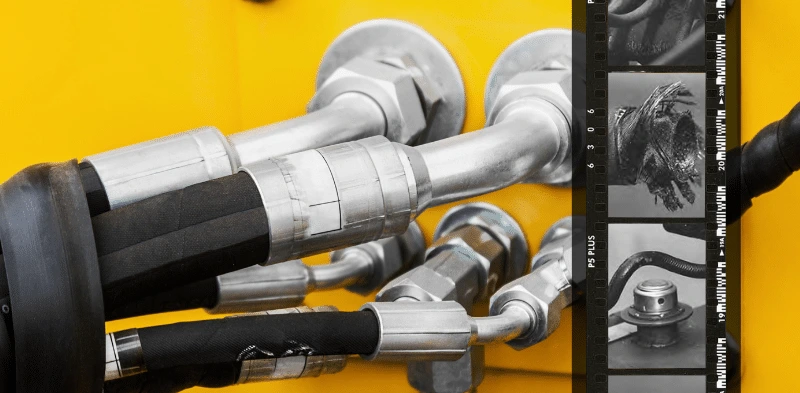
You encounter several types of hydraulic hose damage in industrial environments. Understanding these failure modes helps you prevent downtime and maintain safe operations. Alienfrac hoses are engineered to resist common failure types, offering robust protection and reliability.
Abrasion and Wear
Abrasion stands as one of the most frequent causes of hydraulic hose failures. You see this when hoses rub against machinery, surfaces, or other hoses. The outer cover gradually wears away, exposing the reinforcement layer. This weakens the hose and increases the risk of bursts.
You can minimize abrasion by planning hose routing and using protective sleeves.
- Abrasion from contact with moving parts is a critical issue.
- Good hose routing reduces stress and prevents wear.
- Protective sleeves help maintain hose integrity.
Burst and Cracks
Bursting occurs suddenly when hoses face pressure beyond their design limits. Cracks develop over time due to environmental exposure or improper installation. High-stress environments, such as construction sites, increase the likelihood of bursts and cracks.
You must monitor pressure cycles and inspect hoses regularly to avoid unexpected failures.
Hydraulic hoses typically last between 5-10 years. Pressure cycles, chemical exposure, and harsh environments affect lifespan.
Blistering and Swelling
Blistering and swelling signal fluid incompatibility or deterioration of the inner tube. You notice blisters or soft spots on the hose cover. These issues arise when the hydraulic fluid does not match the hose material.
| Sign of Issue | Cause of Issue |
|---|---|
| Deteriorated Inner Hose Tube | Incompatible fluid causing swelling and delamination |
| Multiple Hose Cover Blisters | Fluid incompatibility resulting in softening |
Coupling and Fitting Issues
Failures often occur at the fitting where the hose and crimp seal meet. Bending too closely to the fitting or improper crimping can cause separation or blown ends. You must ensure correct crimping and avoid excessive bending near fittings.
- Over-crimping leads to blown crimped ends.
- Under-crimping causes hose separation from fittings.
Fatigue and External Damage
Continuous rubbing against surfaces wears down the hose cover. Excessive pressure or pressure surges stress internal layers, leading to cracks or bursts. You prevent fatigue by monitoring installation and avoiding harsh environments.
One of the most common causes of hydraulic hose failure is abrasion. Constant rubbing exposes reinforcement, making the hose more likely to burst under pressure.
You improve hydraulic hose repair outcomes by recognizing these failure types early. Alienfrac hoses offer advanced protection against abrasion, pressure surges, and environmental damage, supporting your operational safety.
Emergency Repair Hydraulic Hose Methods
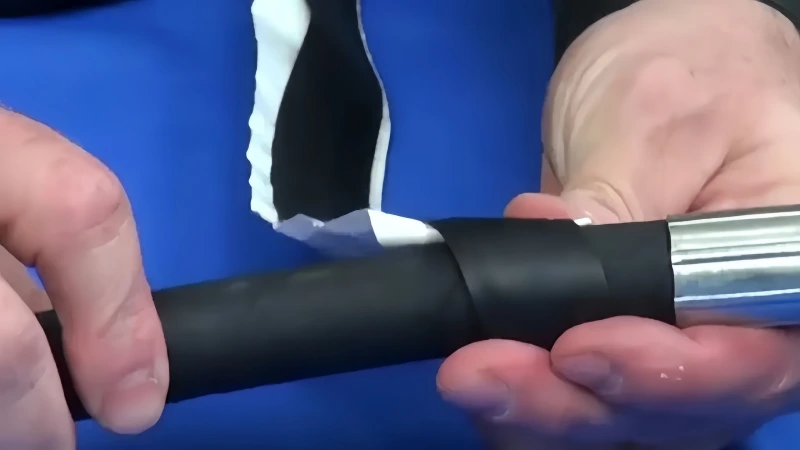
Temporary Tape and Sealant
You often need to repair hydraulic hoses urgently in field conditions. Temporary tape and sealant provide a quick fix when you face leaks or minor damage. Specialized hydraulic repair tapes, epoxy putties, and liquid sealants work best for high-pressure applications.
You should avoid common tapes like duct tape or electrical tape because they cannot withstand hydraulic system pressures. Hydraulic fluid and heat degrade adhesives, causing rapid failure. Risks include machine malfunction, fire hazards, environmental contamination, and fluid injection injuries.
Always treat these repairs as temporary and monitor the hose closely.
Note: Temporary tape and sealant serve as stopgap solutions. You must replace the hose with a certified product, such as Alienfrac’s Industrial Hydraulic Hose, for long-term reliability.
Field Splicing and Adapters
Field splicing and adapters help you restore system integrity when you repair hydraulic hoses urgently. You can use field repair kits with various sizes to match your system requirements. Splicing reconnects severed hoses, and adapters bridge mismatched fittings.
These methods offer flexibility in remote locations and do not require specialized tools. However, they lack the strength of crimped connections and should only be used until you can perform a proper replacement. Always check compatibility and follow correct installation procedures.
- Field-attachable splicing methods allow quick repairs.
- Adapters accommodate different hose sizes and fittings.
- These fixes are temporary and require follow-up replacement.
When to Replace vs Repair
You must decide whether to repair or replace based on the hose’s condition. Use the following criteria:
| Condition | Action |
|---|---|
| Crushed or distorted hose | Replace |
| Fluid leakage at fitting or length | Replace |
| Exposed wire reinforcement | Replace |
| Surface scuffs or small nicks | Repair |
| Kinks or twists | Replace |
| Hardened, blistered, or softened cover | Replace |
| Corroded fittings (red rust) | Replace |
Repair is possible when damage is minor, the leak is small and localized, and operating pressure is below 3,000 PSI. Replacement is necessary for severe damage, high-pressure systems, or safety-critical applications. You improve maintenance methods of hydraulic hoses by following these guidelines.
Emergency Safety Practices
You protect yourself and your equipment by following strict safety protocols during emergency repairs. Always wear gloves resistant to hydraulic fluid, safety goggles, and protective clothing. Fully depressurize the hydraulic system before starting any work.
Confirm the machine is powered down and check pressure gauges to ensure no residual pressure remains. Route hoses properly to avoid bending or rubbing against sharp surfaces. Use clean hydraulic fluid and replace filters regularly.
Conduct regular inspections and replace worn hoses and seals to prevent unexpected failures.
Tip: Alienfrac recommends professional repair or replacement for long-term reliability. You enhance safety and extend hose life by using certified products and proper maintenance methods for hydraulic hoses.
Essential Tools for Hydraulic Hose Maintenance
You need the right tools to keep your hydraulic systems running smoothly. Using tools compatible with Alienfrac Industrial Hydraulic Hose ensures you get the best results and maintain system integrity. Let’s look at the essential equipment for daily maintenance of hydraulic pipes.
Crimpers and Cutters
Crimpers and cutters are vital for making strong, reliable hose connections. You use crimpers to attach fittings securely, creating a tight seal that prevents leaks. Cutters help you achieve clean, straight cuts, which are important for proper fitting installation.
When you use crimpers and cutters designed for hydraulic hose maintenance, you gain several advantages:
| Advantage | Description |
|---|---|
| Strong Mechanical Bond | Crimped connections withstand high-pressure environments and prevent hose blowouts. |
| Reliable Seal | Proper crimping ensures a leak-proof seal between the hose and fitting. |
| Extended Service Life | Crimped joints improve durability and reduce the need for frequent replacements or repairs. |
| Versatility | Suitable for a wide range of hydraulic and pneumatic applications. |
| Enhanced Safety | Secure connections improve system integrity and reduce the risk of failure under pressure. |
- You improve safety and reliability in the field with properly crimped hoses.
- Portable crimpers allow you to make immediate repairs, minimizing equipment damage.
- Interchangeable dies let you adapt to different hose sizes and fittings quickly.
Wrenches and Cleaning Supplies
You need wrenches to tighten or loosen fittings without damaging the hose or connectors. Always select the correct size to avoid stripping threads. Cleaning supplies, such as lint-free cloths and solvent, help you remove dirt and debris before assembly.
Clean hoses and fittings prevent contamination, which can cause system failures. Regular cleaning forms a key part of hydraulic hose maintenance and extends the life of your equipment.
Protective Sleeves and Kits
Protective sleeves shield hoses from abrasion, heat, and chemical exposure. You install these sleeves to prevent wear and prolong hose service life. Maintenance kits often include spare fittings, seals, and emergency repair materials.
Keeping a kit on hand allows you to respond quickly to unexpected issues and supports daily maintenance of hydraulic pipes.
Tip: Always use tools and accessories that match the specifications of your Alienfrac Industrial Hydraulic Hose for the best performance and safety.
Best Practices for Hydraulic Hose Maintenance
Alienfrac sets the standard for quality and reliability in hydraulic hose solutions. You benefit from products that meet global standards and deliver consistent performance in demanding environments.
By following best practices, you extend hydraulic hose service life, reduce costly downtime, and ensure stable and efficient operation.
Regular Inspection Practices
You should make inspections a routine part of your preventive maintenance plan. Regular inspections help you spot potential issues before they become failures or accidents. When you check hoses, look for external damage, leaks, and loose-fitting connections.
Avoid sharp bends or kinks, as these can lead to hose fatigue and failure over time. Always inspect for wear caused by friction and confirm compatibility with hydraulic fluids. Monitor for leaks and assess the overall condition of each hose.
- Identify external damage, such as cracks or abrasions.
- Check for leaks at fittings and along the hose body.
- Ensure hoses are not bent sharply or kinked.
- Inspect for friction wear and fluid compatibility.
- Monitor for any signs of leaks or deterioration.
Consistent inspection practices help you maintain system reliability and extend hydraulic hose service life.
Proper Hose Selection
Choosing the right hose for your application is essential. You must consider several factors to ensure the hose matches your system’s requirements. Pressure and temperature ratings must align with your operating conditions. Select hoses with corrosion resistance and chemical compatibility to prevent material degradation.
Flexibility and ease of installation also play a role in maintenance efficiency. Wall thickness and diameter affect pressure drops and fluid flow. Account for thermal expansion and contraction, as temperature changes can impact hose performance.
The hose diameter should support the required flow rate without resistance. Always select hoses with a proper bending radius to avoid kinking.
- Confirm pressure and temperature ratings.
- Match hose material with hydraulic fluid for compatibility.
- Choose flexible hoses for easier installation and maintenance.
- Select appropriate wall thickness and diameter.
- Consider thermal expansion and contraction.
- Ensure the hose supports the required flow rate.
- Pick hoses with a suitable bending radius.
- Assess the operating environment for abrasion, UV, and chemical exposure.
Alienfrac’s Industrial Hydraulic Hose offers versatility and compliance with global standards, making it a reliable choice for diverse applications.
Correct Routing and Installation
Proper routing and installation practices reduce the risk of hose failure. Select hoses rated for your pressure levels and environmental conditions. Avoid tight bends, kinks, or twists during installation, as these can stress the hose and shorten its service life.
Use clamps and supports to prevent hose movement and abrasion. Install protective covers or sleeves in abrasive environments to shield hoses from damage. Replace hoses proactively based on service life and environmental exposure. Implement monitoring systems to track hose pressure and fluid quality.
- Route hoses away from sharp surfaces and hot components.
- Use clamps or guides to secure hoses and avoid tight bends.
- Respect the manufacturer’s minimum bend radius.
- Ensure hoses are not twisted, stretched, or forced into position.
- Prevent contact with sharp edges, moving parts, or hot surfaces.
Following these best practices during installation helps you achieve reliable performance and maximize hydraulic hose service life.
Cleanliness and Contamination Control
Cleanliness is critical for hydraulic hose performance. Contaminated hydraulic oil can cause blockages in pipes and valves, disrupting system operation and leading to equipment failure. Regular cleaning prevents impurities from compromising efficiency.
Clean hoses keep hydraulic fluid free from dirt and debris, reducing the risk of component failure and system downtime. Smooth fluid flow improves system efficiency and minimizes energy use. Regular maintenance extends the lifespan of your hoses, saving time and money by reducing replacements.
- Clean hoses and fittings before assembly.
- Use proper cleaning techniques to remove dirt and contaminants.
- Prevent contamination of hydraulic fluid.
- Maintain smooth fluid flow for optimal efficiency.
- Schedule regular maintenance to extend hose life.
- Monitor for contamination from external sources.
By prioritizing cleanliness and contamination control, you protect your hydraulic system and avoid costly downtime.
Training and Documentation
You need proper training and documentation to maintain high standards in hydraulic hose maintenance. Well-trained personnel can identify issues early and apply best practices consistently. Keep detailed records of inspections, repairs, and replacements.
Documentation helps you track hose performance, schedule preventive maintenance, and comply with industry regulations. Training ensures your team understands the importance of correct installation, inspection, and contamination control.
- Provide regular training on inspection and maintenance procedures.
- Maintain accurate records of all hose-related activities.
- Use documentation to schedule preventive maintenance.
- Ensure compliance with safety and industry standards.
Alienfrac’s commitment to quality and adherence to industry standards supports your efforts to maintain safe, efficient, and reliable hydraulic systems.
Trends in Hydraulic Hose Technology
Hydraulic hose technology continues to evolve, offering you new ways to improve safety, efficiency, and system reliability. Alienfrac leads this progress with ongoing innovation, advanced certifications, and a commitment to quality. You can see these advancements in several key areas.
Sensor-Integrated Hoses
You now have access to sensor-integrated hoses that transform how you manage hydraulic systems. These smart hoses use built-in sensors to monitor pressure, temperature, and flow in real time. You benefit from:
- Enhanced predictive maintenance through continuous monitoring of critical parameters.
- Real-time data acquisition that helps you detect potential failures early.
- Low-expansion hose designs that boost performance and reliability.
- Multi-layer structures that support intelligent performance and stability.
- Maintenance strategies that shift from reactive to condition-based approaches.
With these features, you reduce downtime and extend hose life. You also improve compatibility with modern monitoring systems, making your operations safer and more efficient.
Advanced Materials
You see a shift toward advanced materials in hydraulic hose manufacturing. High-end synthetic rubbers and reinforced steel wire offer greater durability and flexibility. These materials withstand extreme temperatures and high pressures.
You gain better compatibility with a wide range of fluids, including chemicals and specialty oils. Improved abrasion resistance and chemical stability mean your hoses last longer, even in harsh environments.
This focus on material science ensures that your hoses meet strict industry standards and maintain compatibility with demanding applications.
Automation in Assembly
Automation now plays a major role in hose assembly. Robotic crimping and automated quality checks deliver consistent results. You benefit from faster production times and fewer human errors. Automated systems also test for compatibility between hoses and fittings, ensuring a secure connection every time.
This technology supports large-scale projects and helps you maintain high standards across your operations.
Market Outlook
The hydraulic hose market continues to grow as industries demand higher performance and reliability. You see increased investment in research and development, especially in sensor technology and material science.
Compatibility remains a top priority, as you need hoses that work seamlessly with new fluids and advanced machinery. Alienfrac’s ongoing innovation and global certifications position you to meet these challenges with confidence.
Conclusion
You protect your equipment and team when you prioritize safe hydraulic hose repair and regular maintenance. Alienfrac’s Industrial Hydraulic Hose solutions help you achieve reliable performance in demanding environments.
- Inspect hoses often.
- Use certified products.
- Train your staff.
- Stay updated on new technology.
Proactive maintenance reduces downtime and improves safety. You build a stronger operation by following best practices and trusting proven solutions.
FAQ
What happens if a hydraulic hose breaks during operation?
You face immediate risks if a hydraulic hose breaks. High-pressure fluid can spray out, causing injuries or equipment damage. You may experience sudden machine failure, environmental hazards, and costly downtime. Always shut down equipment and follow safety protocols if this occurs.
How often should you inspect hydraulic hoses?
You should inspect hydraulic hoses at least once a month. High-use or critical systems may require weekly checks. Keep a hose inspection log to track findings and schedule timely maintenance. Regular inspection helps you catch problems early and prevent unexpected failures.
What happens if a hydraulic hose breaks and you do not act quickly?
If you ignore a broken hydraulic hose, you risk severe equipment damage and safety hazards. Fluid leaks can cause slips, fires, or environmental contamination. Delayed action increases repair costs and extends downtime. Always address hose failures immediately to protect your team and assets.
Can you repair a hydraulic hose yourself?
You can perform minor repairs if you have proper training and tools. For high-pressure or critical systems, you should contact a professional. Using certified products and following manufacturer guidelines ensures safe and reliable repairs.
How do you choose the right replacement hose?
You select a replacement hose by matching pressure rating, temperature range, and fluid compatibility. Measure the correct length and diameter. Review manufacturer specifications and consult your hose inspection log for past issues. Using certified hoses like Alienfrac’s Industrial Hydraulic Hose ensures long-term reliability.