
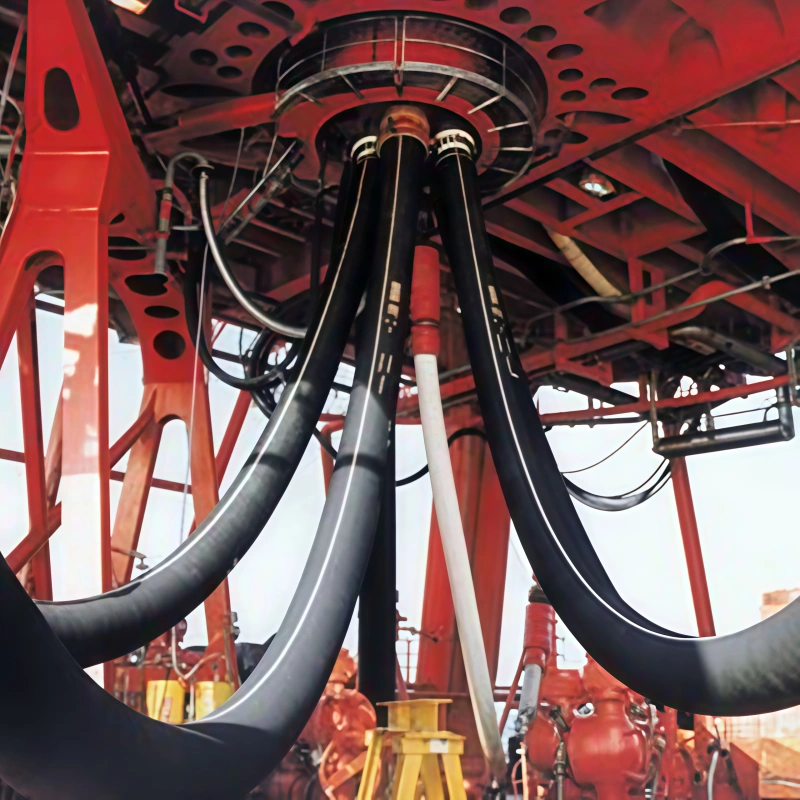
You face tough conditions in oilfield operations. Alienfrac’s oilfield hose solutions help you manage high-pressure fluid transfer with confidence. Oilfield hose temperature rating tells you how much heat or cold a hose can handle during fluid movement.
If you choose the wrong hose, you risk leaks, equipment failure, or safety hazards. Matching hose specifications to your operational requirements keeps your system secure and efficient.
Key Takeaways
- Choose hoses with the right temperature rating to prevent leaks and equipment failure.
- Match hose materials to your operation’s temperature range for safety and efficiency.
- Inspect hoses regularly to catch wear or damage early and extend their lifespan.
- Ensure fluid compatibility with hose materials to avoid leaks and degradation.
- Alienfrac offers custom hose solutions for specific oilfield needs and conditions.
Oilfield Hose Temperature Rating Basics
What Is Oilfield Hose Temperature Rating?
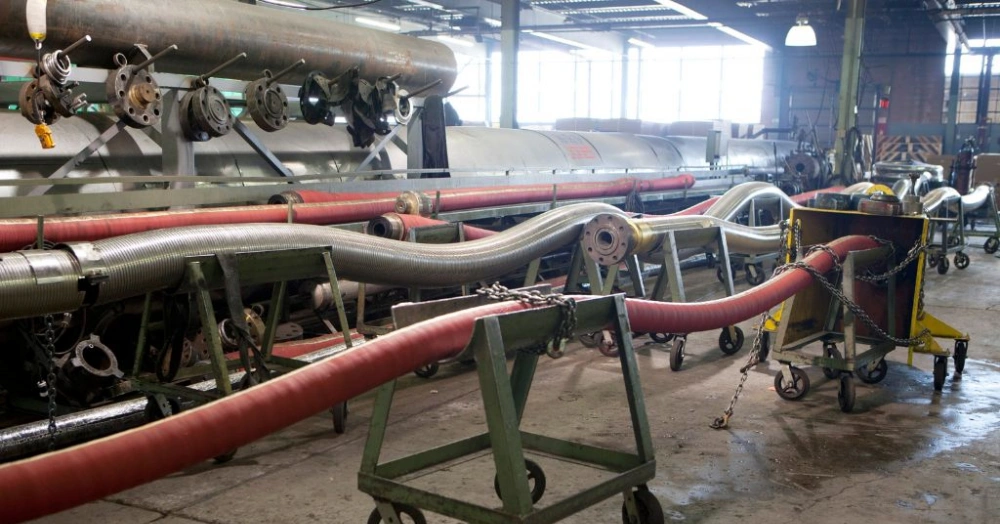
You need to understand the oilfield hose temperature rating before you select the right hose for your operation. This rating tells you the lowest and highest temperatures a hose can safely handle while transferring fluids. If you use a hose outside its rated range, you risk leaks, hose failure, or even dangerous accidents.
Temperature resistance is a critical property because oilfield environments often expose hoses to extreme heat or cold. When you choose a hose with the correct oilfield hose temperature rating, you protect your equipment and keep your team safe.
Alienfrac’s hoses deliver reliable temperature resistance for oilfield applications. The company’s products meet strict international standards, including API, DNV, CCS, and ABS certifications.
These certifications show that Alienfrac hoses perform well under tough conditions and meet the demands of modern oil and gas operations.
You will find that different hose materials offer different levels of temperature resistance. The table below shows the typical temperature rating ranges for common oilfield hose materials:
| Material | Minimum Temperature | Maximum Temperature | Short-term Maximum Temperature |
|---|---|---|---|
| HNBR | -40°C/-40°F | 140°C/284°F | +160°C/320°F |
| FKM | -45°C/-49°F | 200°C/392°F | +230°C/446°F |
| NBR | -50°C/-58°F | 100°C/212°F | +120°C/248°F |
You should match the hose material to your application’s temperature range. For example, FKM hoses provide the highest temperature resistance, making them ideal for high-heat environments. NBR hoses work well in colder conditions but have a lower maximum temperature rating.
HNBR hoses offer a balance between low and high temperature performance.
How Are Ratings Determined?
Manufacturers test hoses under controlled conditions to determine their oilfield hose temperature rating. You will see that they expose hoses to both high and low temperatures while monitoring for changes in flexibility, strength, and sealing ability.
If a hose maintains its shape and does not leak, it passes the test for that temperature range.
Alienfrac uses advanced technology and strict quality control during production. The company’s hoses undergo rigorous testing to ensure they meet or exceed industry standards for temperature resistance. This process gives you confidence that your hose will perform reliably in the field.
Industry trends push manufacturers to develop hoses with even better temperature resistance. The oil and gas sector demands hoses that can handle higher pressures and more extreme temperatures.
This need drives innovation in materials and construction, resulting in hoses that last longer and keep your operation running smoothly.
Industry Standards Overview
You must follow industry standards when you select an oilfield hose. These standards set the requirements for oilfield hose temperature rating, pressure capability, and safety features. The most recognized standards come from the American Petroleum Institute (API).
Alienfrac hoses meet or exceed these standards, which means you get products that deliver consistent performance and safety.
Here is a summary of key API standards for oilfield hoses:
| API Standard | Description | Key Features |
|---|---|---|
| API 7K | Specification for Drilling and Well Servicing Equipment | High-pressure capability, abrasion and corrosion resistance, wide temperature range |
| API 16C | Specification for Choke and Kill Systems | Extreme high pressure, fire resistance, H2S resistance |
| API 16D | Specification for Control Systems for Drilling Well Control Equipment | Hydraulic control and transmission, fire-resistant and insulated, robust construction |
Tip: Always check the application, working pressure, temperature, and fluid compatibility before you choose a hose. The inner tube must match the fluids you plan to transfer, and the hose must meet or exceed the maximum working temperature and pressure of your operation.
When you follow these guidelines and choose hoses with the right certifications, you reduce risks and improve the reliability of your oilfield systems. Alienfrac’s commitment to quality and compliance ensures you get hoses that stand up to the toughest jobs.
Impact of Temperature Rating on Oil Hose Performance
Performance Under Extreme Temperatures
You operate in environments where oilfield hoses face both intense heat and severe cold. When you expose hoses to extreme temperatures, their performance can change dramatically. High heat can cause the rubber core to harden and crack. Cold can make the hose rigid and brittle, increasing the risk of sudden failure.
If you use a hose outside its rated temperature range, you may see leaks, bursts, or rapid wear.
Here is how oilfield hoses are tested for performance under these conditions:
| Performance Test | Requirement |
|---|---|
| Burst Pressure | Must be four times the working pressure |
| Impulse Testing | 200,000 to 400,000 cycles at high pressure |
| Heat Resistance | Maintains integrity up to 100°C (212°F) |
| Fire Resistance | Must withstand fire exposure without rupturing |
| Pressure Pulsation | Endures repeated dynamic loads |
| Chemical Resistance | Resists oil and drilling fluids |
You should always match the hose material and construction to your operational temperature range. This approach ensures reliable performance and reduces downtime.
Safety Risks and Hose Longevity
If you push hoses beyond their temperature limits, you increase safety risks and shorten hose life. High temperatures can harden the rubber, leading to cracks and leaks. Cold temperatures can make hoses brittle, causing them to snap under stress.
Attempting to use a cold hose without pre-warming can result in immediate damage.
To protect your operation:
- Inspect hoses regularly for signs of wear or damage.
- Perform proactive maintenance to catch issues early.
- Avoid using hoses outside their rated temperature range.
These steps help you prevent failures and extend the service life of your hose assemblies.
Alienfrac Oil Hose Advantages
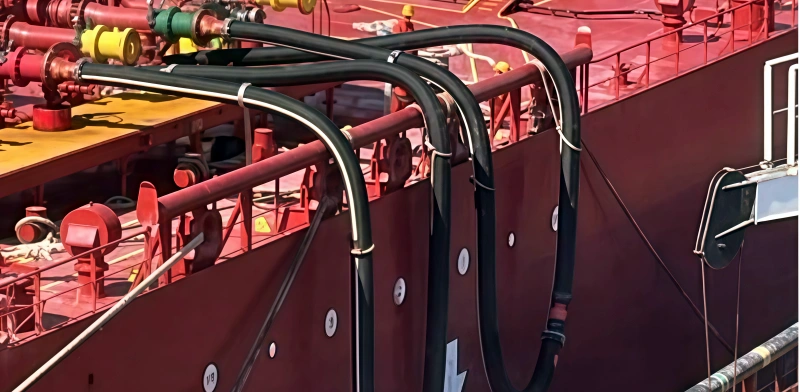
Alienfrac oilfield hoses deliver superior performance in challenging environments. You benefit from advanced multilayer construction and steel wire reinforcement, which provide high pressure-bearing capacity and flexibility.
The inner rubber sealing layer resists oil, heat, and aging. The outer steel wire layer boosts bending strength and pulse resistance.
Key features of Alienfrac hoses include:
| Feature | Description |
|---|---|
| Temperature Resistance | Operates from -70°C to +280°C |
| Corrosion Resistance | Withstands strong acids and bases |
| Pressure Ratings | Handles pressures up to 400MPa |
| Lightweight Design | 40%–60% lighter than standard rubber hoses |
| Abrasion Resistance | Exceptional durability in harsh environments |
| Impulse Resistance | Reliable under high-pressure fluid transmission |
You can trust Alienfrac hoses to maintain integrity and safety, even when conditions push the limits.
Fluid Compatibility and Oilfield Hose Selection
Fluid-Hose Interaction at Different Temperatures
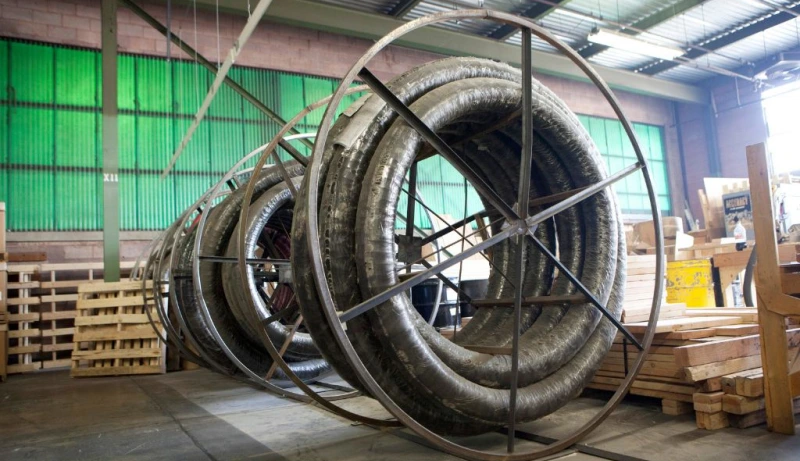
You must consider how fluids interact with hose materials at different temperatures. Each fluid—whether drilling mud, cement slurry, frac fluid, or crude oil—has unique chemical properties. When you transfer these fluids through hoses, temperature changes can affect both the fluid and the hose.
High temperatures may cause some hose materials to soften or swell. Low temperatures can make hoses stiff and brittle. These changes impact the hose’s ability to contain and transport fluids safely.
Alienfrac designs hoses to handle a wide range of temperatures and fluids. For example, hoses with FKM or HNBR inner tubes resist swelling and degradation when exposed to hot oil or aggressive chemicals.
You can rely on these hoses to maintain flexibility and sealing performance, even when temperatures fluctuate rapidly.
Tip: Always check the compatibility of your hose material with the fluid and temperature range of your operation. This step helps you avoid leaks and unexpected failures.
Compatibility Challenges in Oilfield Applications
You face several challenges when selecting hoses for oilfield operations. The environment is harsh, and the fluids are often abrasive or chemically aggressive. Here are some common compatibility challenges you may encounter:
- Hose materials like rubber, PVC, or metal braids react differently to various fluids. Some degrade faster when exposed to certain chemicals or temperatures.
- Leakage can result from improper installation, hose degradation, or using the wrong hose for the job.
- Wear and tear accelerate in harsh environments. Abrasion, extreme temperatures, and chemical exposure all contribute to faster hose breakdown.
- Contamination from dirt, debris, moisture, or incompatible fluids can damage hoses and cause system malfunctions.
You must select hoses that match both the chemical properties of the fluid and the temperature conditions. Regulatory standards, such as API Spec 7K, require hoses to withstand high temperatures and severe pressure fluctuations. These standards also mandate chemical resistance testing to prevent hose degradation.
| Standard | Description |
|---|---|
| API Spec 7K | Sets requirements for hoses in oilfield applications, including high-temperature conditions and chemical resistance testing. |
| Performance | Hoses must withstand temperatures up to 130°C (266°F) and severe pressure fluctuations. |
| Chemical Resistance | Hoses are tested for compatibility with oil, drilling fluids, and other chemicals to prevent degradation. |
Alienfrac Custom Solutions
Alienfrac offers tailored hose solutions for every fluid you encounter in oilfield operations. The company engineers hoses with advanced materials to ensure chemical compatibility and high-pressure performance. You can choose from a range of inner tube materials, each designed for specific fluids and environments:
| Material | Key Features | Applications |
|---|---|---|
| UHMW-PE | Excellent wear resistance, low friction coefficient | High sand content fracturing fluids, 15K-20K PSI systems |
| TPU | Elasticity of rubber, strength of plastic, excellent oil resistance | Custom diameters for high-pressure applications, enhanced deformation resistance |
| EPDM | Cost-effective for acidic or alkaline fluids | Return water treatment hoses |
| PU | Reduces water absorption, improves UV resistance | Outdoor environments |
Alienfrac hoses handle drilling mud, cement slurry, frac fluids, and crude oil with ease. The multilayer construction and steel wire reinforcement provide durability and flexibility under high pressure. You can request custom diameters, pressure ratings, and end fittings to match your exact operational needs.
Note: Alienfrac’s commitment to quality and innovation means you receive hoses that meet or exceed industry standards. You reduce downtime, improve safety, and ensure reliable fluid transfer in every oilfield application.
Oilfield Hose Applications and Selection Guide
Oilfield Hose Temperature Rating
You need to understand the temperature rating for oilfield hoses before you start any hydraulic fracturing operation. Oilfield hoses must withstand both the internal fluid temperature and the external ambient temperature. The standard operating range for oilfield hoses is from -20°F to +180°F.
If your operation falls outside this range, you should consider specialized constructions. The table below shows the recommended temperature ranges for oilfield hoses:
| Temperature Range | Description |
|---|---|
| -20°F to +180°F | Standard operating range for oilfield hoses |
| Below -20°F | Specialized constructions may be required |
| Above 180°F | Specialized constructions may be required |
Alienfrac offers oilfield hoses with robust oil hose construction and multilayer steel wire reinforcement. You can select hoses with custom pressure ratings and diameters to match your frac operation. These hoses deliver reliable performance in extreme environments and maintain flexibility across a wide temperature range.
Selecting the Right Oilfield Hose
Oilfield hose selection requires careful evaluation of both temperature rating and fluid compatibility. You must match hose materials to the chemicals you will encounter. Synthetic rubber, thermoplastic, and PTFE each offer different levels of chemical resistance.
You should assess both the internal fluid temperature and the external ambient temperature. Choose hoses with pressure ratings that align with your application’s conditions. For extreme heat, PTFE and silicone-coated fiberglass provide high-temperature resistance.
Alienfrac gives you the option to customize oil hose features for frac operations. You can request specific pressure ratings, diameters, and end fittings. Follow these practical steps for proper oilfield hose selection:
- Evaluate the internal fluid temperature to ensure the hose can handle the highest expected temperature.
- Assess the external ambient temperature to select a hose that can withstand the surrounding conditions.
- Choose hoses with temperature ratings that match both internal and external temperatures.
Tip: Always check the compatibility of your oil hose material with the fluid and temperature range. This step prevents leaks and extends hose life.
Common Mistakes to Avoid
You may encounter several mistakes during oilfield hose selection. External abrasion often wears away the outer cover, leading to premature failure. Bending hoses beyond their minimum bend radius creates weak points. Heat exposure can make hoses brittle and cause cracks.
Improper crimping and incorrect fittings result in immediate failures. Chemical incompatibility between the inner tube and hydraulic fluid leads to degradation.
Over 90% of oil hose failures occur due to issues with the outer cover. Tight bends under pressure increase the risk. As temperature rises, the recommended working pressure decreases, making hoses more susceptible to failure at connection points.
Alienfrac’s oilfield hoses feature abrasion-resistant covers and reinforced construction. You can avoid common mistakes by selecting hoses with the right pressure ratings, temperature rating, and fluid compatibility. Proper frac hose selection ensures safe and efficient oil hose performance in every frac operation.
Conclusion
You improve safety and efficiency when you focus on oilfield hose temperature rating and fluid compatibility. Always include temperature considerations and match hose materials to your fluids and operating conditions. Alienfrac supports you with proven results:
- 78% fewer unplanned hose replacements
- Zero catastrophic failures in a year
- Over $120,000 saved from reduced downtime
You also benefit from custom fabrication, emergency service, and asset management. For expert advice and the right hose selection, reach out to Alienfrac’s team.
FAQ
What does oilfield hose temperature rating mean?
You see the temperature rating on a hose label. This rating tells you the lowest and highest temperatures the hose can safely handle during operation. Always check this before using a hose in your oilfield application.
How do you select the right hose material for different fluids?
You match the hose material to the fluid’s chemical properties and temperature. For example, FKM resists high heat and aggressive chemicals. NBR works well with oil-based fluids at moderate temperatures. Alienfrac offers custom solutions for every fluid type.
Why does fluid compatibility matter in oilfield hoses?
You prevent leaks, hose degradation, and system failures when you choose a hose compatible with your fluid. Incompatible hoses can swell, crack, or lose flexibility. Always confirm compatibility before installation.
How often should you inspect oilfield hoses?
You should inspect hoses before each use and during routine maintenance. Look for cracks, leaks, or signs of wear. Early detection helps you avoid costly downtime and safety risks.
Can Alienfrac customize hoses for unique oilfield needs?
Yes. You can request custom diameters, pressure ratings, and end fittings. Alienfrac engineers hoses for specific fluids, temperatures, and pressures. Contact the team for tailored solutions.