

You need reliable connections in oil and gas systems. The function of flange centers on joining pipes, valves, and equipment securely. Flanges support safe and efficient operations by preventing leaks and allowing quick access for maintenance.
Advanced solutions like Alienfrac API Flanges set higher benchmarks for performance and safety. This essential guide to flange use gives you practical insight for real-world applications.
You can trust these products to meet the essential guide to flange use and follow the 2026 standards tips for quality and reliability.
Key Takeaways
- Flanges create secure, leak-proof connections in oil and gas systems, ensuring safety and efficiency.
- Choosing high-quality flanges, like Alienfrac API Flanges, enhances performance and meets industry standards.
- Regular inspection and maintenance of flanges prevents leaks and extends the lifespan of your systems.
- Understanding flange types and materials is crucial for selecting the right solution for your specific needs.
- Proper installation and proactive management of flanges reduce operational downtime and improve reliability.
Function of Flange in Oil and Gas
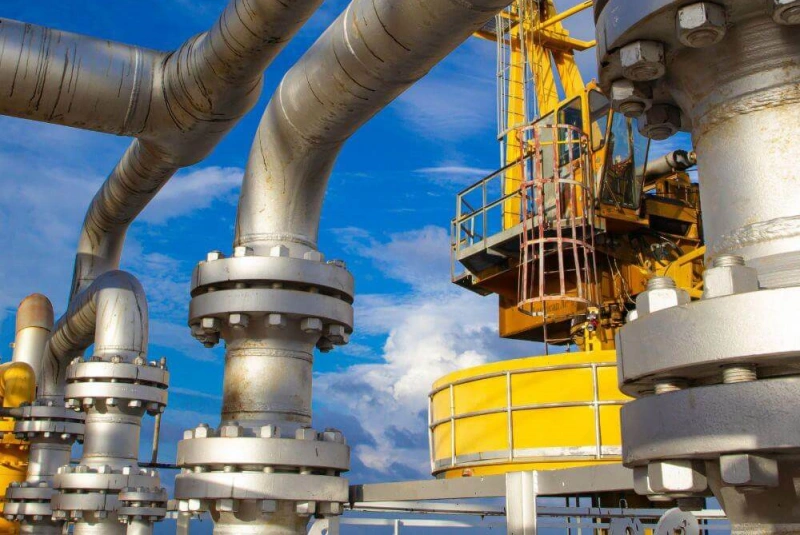
The function of flanges in oil and gas operations goes far beyond simple pipe connections. You rely on flanges to create secure, leak-proof joints that withstand extreme pressures, temperature swings, and corrosive environments. Flange use is essential in process piping, pressure vessels, heat exchangers, and storage tanks.
When you choose high-quality solutions like Alienfrac API Flanges, you ensure your system meets the highest standards for safety and reliability.
Connecting Pipes and Equipment
You need robust connections to keep your oil and gas systems running smoothly. The function of flanges centers on joining pipes, valves, pumps, and other equipment with precision.
Flange use allows you to assemble and disassemble sections of your system quickly, which is vital for both installation and future upgrades.
- Weld neck flanges give you strength and leak resistance, making them ideal for high-stress applications such as wellhead equipment and high-pressure lines.
- RTJ flanges use precision grooves and metal ring gaskets to deliver reliable seals under high pressure.
- Blind flanges help you isolate sections for maintenance or hydrotesting, maintaining system integrity.
- Raised face flanges improve sealing ability and are common in many pipeline applications.
Alienfrac API Flanges excel in these roles. You can use them in wellhead equipment, pipeline connections, subsea installations, and manifold systems. Their design ensures tight, secure joints even in the harshest conditions.
API 6A flanges provide a reliable, leak-proof seal, which is vital in the oil and gas industry to prevent hazardous leaks that can lead to environmental damage and catastrophic explosions.
Sealing and Leak Prevention
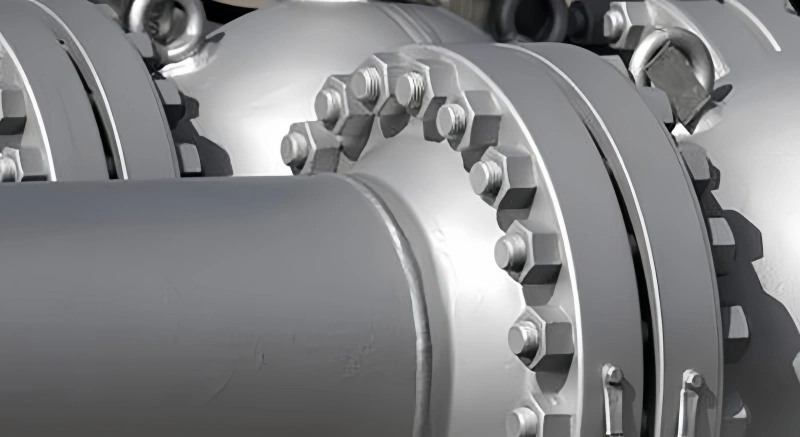
Leak prevention is a top priority in oil and gas. The function of a flange includes creating a barrier that keeps hydrocarbons and process fluids contained, even under high pressure.
Flange use with advanced designs and materials, such as those found in Alienfrac API Flanges, helps you minimize fugitive emissions and protect the environment.
Metal flanges, especially those made from steel or alloy, offer robust seals that stand up to harsh conditions. Their precise engineering optimizes pressure management and reduces the risk of leaks.
You can further enhance sealing by using advanced bolting techniques, such as tension control bolting and hydraulic bolt tensioners, which maintain consistent preload in bolted joints. This approach ensures the clamping force stays within safe limits, even when your system faces thermal cycling or dynamic loads.
- Fugitive emissions often come from leaking valves, flanges, and equipment components.
- Effective control of these emissions improves operational efficiency and reduces environmental impact.
- Combining precise bolting with the right flange design minimizes gasket failure and fluid leakage.
When you use Alienfrac API Flanges, you benefit from their ability to handle pressures up to 20,000 psi. Their construction and quality control ensure that your flange use results in secure, leak-free connections every time.
Maintenance and System Flexibility
The function of the flange also supports maintenance and flexibility in your operations. Flange use allows you to access specific sections of your system without shutting down the entire operation. You can remove or replace equipment, inspect internal components, or perform repairs with minimal disruption.
- On-site flange facing services let your maintenance teams correct issues directly at the installation site, reducing production delays.
- In-situ flange facing is crucial for complex maintenance tasks, especially when disassembly is impractical or costly.
- Protective coatings and encapsulation systems defend your flanges against atmospheric and chemical damage, ensuring long-term reliability.
Proactive flange management helps you identify high-risk flanges early, reducing emergency repairs and extending asset lifespan. By aligning maintenance with scheduled outages, you lower operational downtime and avoid unexpected shutdowns.
Alienfrac API Flanges make maintenance easier. Their precise machining and consistent quality mean you can trust every flange connection to perform reliably, even after repeated assembly and disassembly. This flexibility is key to keeping your oil and gas systems efficient and safe.
Comprehensive Guide to Flange Basics
Flange Types and Features
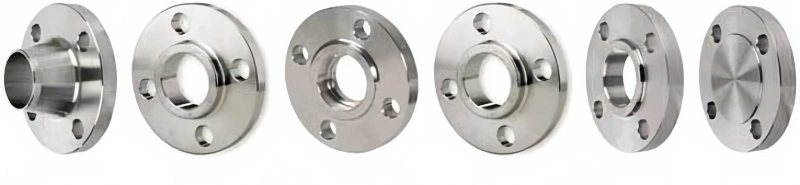
You encounter many flange types in oil and gas operations. Weld neck flanges provide strong connections for high-pressure systems. Blind flanges seal off pipelines, preventing flow and allowing safe maintenance. Threaded flanges let you assemble and disassemble piping without welding.
Slip-on flanges offer easy installation for low-pressure applications. When you select ANSI flanges, you ensure compatibility with industry standards and reliable performance. The comprehensive guide to flange basics helps you understand how flange design impacts system integrity and maintenance.
- Weld neck: Designed for high-pressure, high-temperature service.
- Blind: Used to isolate sections or terminate pipelines.
- Threaded: Ideal for quick assembly and disassembly.
- Slip-on flanges: Suitable for low-pressure, easy-to-install systems.
You also choose ANSI flanges based on pressure classes, such as Class 150 for low-pressure, Class 300 for medium-pressure, and Class 600 for high-pressure applications. Flange design must match your operational needs and safety requirements.
Flange Face Types and Finishes
Flange face types and finishes play a critical role in sealing performance. Raised face flanges concentrate bolt load on a smaller gasket area, enhancing seal reliability. Flat face flanges work best in low-pressure systems but may not provide the same sealing integrity as raised face or ring-type joint flanges.
Ring-type joint flanges feature precision-machined grooves for metal-to-metal seals, essential in high-pressure and high-temperature environments.
| Flange Type | Key Features | Applications |
|---|---|---|
| Raised Face (RF) | Suitable for high-pressure, compatible with various gaskets | Oil & gas, petrochemical |
| Flat Face (FF) | Used with full-face soft gaskets, low-pressure | Waterworks, HVAC |
| Ring Type Joint (RTJ) | Metal-to-metal seal, high-pressure/high-temp | Oil drilling, refineries |
Flange design also includes surface finishes. Smooth finishes reduce leakage risks. Spiral serrated finishes increase contact area, ideal for demanding conditions. Concentric serrated finishes distribute compressive force evenly, improving gasket seating.
Material Selection for Harsh Environments
Choosing the right flange materials protects your system from corrosion and failure. Carbon steel offers strength and cost efficiency for moderate environments. Stainless steel resists corrosion, making it ideal for sour service and seawater exposure.
Duplex stainless steel prevents hydrogen-induced cracking and pitting corrosion. Inconel alloys withstand extreme temperatures and harsh chemicals. You rely on ANSI flanges made from these materials to ensure durability and safety.
Stainless steel industrial flanges provide superior corrosion resistance for oil and gas applications involving sour service conditions, seawater exposure, or chemical processing environments where carbon steel materials would experience premature failure due to corrosive attack.
The comprehensive guide to flange basics emphasizes that proper flange design and material selection are essential for long-term reliability in oil and gas systems.
Industry Applications and Real-World Uses
Oil and Gas Pipeline Systems
You see flange use at the heart of oil and gas pipeline systems. Flanges connect pipes, valves, and fittings, making them essential for safe and efficient transport of fluids and gases. In these industrial applications, you rely on flanges to:
- Ensure leak-free operation, which protects both people and the environment.
- Maintain proper pressure and flow, supporting the operational integrity of your pipeline industry.
- Provide secure connections that hold pipe sections firmly in place, reducing stress on joints.
Flange applications in pipeline systems also support easy inspections. You can unbolt sections for maintenance without cutting pipes, which lowers failure risks and keeps your system running smoothly.
High-Pressure and High-Temperature Operations
You face demanding conditions in many real-world applications, especially where high pressure and temperature are present. Flange use in these scenarios requires careful material selection.
Carbon steel, stainless steel, and alloys like Inconel or duplex stainless steel each offer unique advantages. Stainless steel flanges work well in high-corrosion environments, giving you longer service life.
You must also follow strict testing and inspection protocols. Non-destructive testing confirms that your flanges meet operational standards for high-pressure and high-temperature use. Weld neck flanges, with their tapered structure, perform especially well in these environments.
API 6A flanges, such as those from Alienfrac, deliver leak-proof sealing and maintain structural integrity under extreme conditions.
Alienfrac API Flanges in Action
You find Alienfrac API Flanges in many industrial applications across the global infrastructure of oil and gas. These flanges connect wellhead equipment, valves, and blowout preventers, ensuring structural integrity under high pressure.
They provide reliable connections for pipeline industry transport and maintain secure joints in subsea installations.
Alienfrac API Flanges meet key standards like ANSI B16.5, ASME B16.5, and API 605. These certifications guarantee safety, compatibility, and performance. You benefit from leak-proof seals and advanced sealing mechanisms, such as gaskets and O-rings, which enhance operational safety.
Standardized flange use also makes it easier to connect components, reducing installation issues and supporting efficient system upgrades.
Tip: Always choose flanges that meet recognized industry standards. This ensures your system can withstand operational pressures and reduces the risk of failure in critical industrial applications.
Complete Guide to Flanges Selection
Pressure and Temperature Ratings
You must understand pressure-temperature ratings before you make any flange selection. These ratings determine how much pressure a flange can handle at a given temperature. Flanges are classified by pressure ratings or “classes” under ASME B16.5.
You will see classes such as 150, 300, 600, 900, 1500, and 2500. Each class indicates the maximum pressure the flange can withstand at specific temperatures. As the temperature rises, the pressure capacity drops.
For example, a Class 150 carbon steel flange handles about 285 psi at 100°F but only 65 psi at 850°F. Always check the ASME pressure-temperature tables to ensure your flange use exceeds your system’s maximum operating pressure at the highest design temperature. This step is critical for safety and long-term reliability.
Standards and Certifications (API, ASME)
You need to verify compliance with industry standards when you select flanges. Alienfrac API Flanges meet strict requirements from organizations like API and ASME. These standards guarantee that your flange use will perform safely under demanding oil and gas conditions.
API 6A, API 605, and ASME B16.5 certifications confirm that the flanges can handle high pressures and temperatures. You should always choose products with proper compliance to avoid failures and ensure smooth operations. Reliable flange selection depends on these certifications.
Choosing the Right Flange for Your System
You can follow these selection steps to match the right flange to your system:
- Assess pressure-temperature ratings for your application.
- Evaluate material compatibility with your process fluids.
- Select the end connection type that fits your installation needs.
- Choose the correct flange face and gasket for effective sealing.
- Consider pipeline and environmental conditions for final selection.
The complete guide to flanges shows that material and rating choices impact long-term performance. For example, stainless steel flanges improve service life in high-corrosion areas by over 35% compared to carbon steel. The table below helps you compare materials for your flange use:
| Material | Tensile Strength (MPa) | Corrosion Resistance | Applications |
|---|---|---|---|
| Carbon Steel | 450–600 | Moderate | General-purpose pipelines |
| Stainless Steel | 500–850 | High | Sour service, high-temperature systems |
| Duplex Stainless Steel | 700–1000 | Very high | Offshore platforms, corrosive areas |
| Inconel | 800–1100 | Extreme | High-temp, aggressive chemicals |
You should always prioritize compliance, pressure-temperature ratings, and proper flange use to ensure safe and efficient operations. Alienfrac API Flanges provide you with the reliability and compliance you need for every selection.
Flange Maintenance and Safety
Inspection and Preventive Care
You must inspect your flanges regularly to keep your oil and gas systems safe and efficient. Start with visual checks of flange faces and bores. Look for discoloration, pitting, or loose scale. Use magnification tools for hard-to-reach spots and record your findings.
Clean flange faces with methods that remove contaminants but do not damage the surface. After cleaning, apply rust inhibitors or temporary coatings to protect the metal. Always check bolts, nuts, and gaskets for signs of corrosion.
Replace any worn or degraded parts with materials that match your system. Use the correct torque when tightening bolts to keep the seal strong.
- Inspect flange faces and bores for damage or corrosion.
- Use magnification for detailed checks.
- Clean surfaces and apply protective coatings.
- Check and replace bolts, nuts, and gaskets as needed.
- Follow proper torque specifications.
Alienfrac API Flanges make these tasks easier because of their precise machining and high-quality materials.
Common Issues and Solutions
You may face several common problems with flanges. Corrosion can weaken the metal and cause leaks. Misalignment during installation can lead to uneven gasket compression and seal failure. Gasket issues, such as incorrect material or improper seating, often result in leaks or blowouts.
Tip: Prevent corrosion by using compatible materials and applying protective coatings. Align flanges carefully during installation. Choose gaskets that match your process fluids and pressure ratings.
If you spot leaks or damage, act quickly. Replace faulty gaskets and tighten bolts to the recommended torque. For severe corrosion, swap out the affected flange with a new, certified product like an Alienfrac API Flange.
Ensuring Long-Term Reliability
You can extend the life of your flange connections by following a few key steps. Schedule regular inspections and maintenance. Use only certified flanges and gaskets that meet industry standards. Train your team to recognize early signs of wear or failure. Keep detailed records of all maintenance activities.
| Maintenance Step | Benefit |
|---|---|
| Regular inspection | Early problem detection |
| Proper cleaning | Prevents surface damage |
| Correct torque | Maintains seal integrity |
| Quality replacements | Reduces downtime |
When you use Alienfrac API Flanges, you invest in long-term reliability. Their robust design and strict quality control help you maintain safe, leak-free operations year after year.
Conclusion
You play a key role in keeping oil and gas systems safe and efficient. Flanges support your operations by providing secure connections and leak prevention. You should always focus on proper flange installation and routine maintenance.
Alienfrac API Flanges give you trusted performance for demanding environments. Stay informed about new standards and technologies to keep your systems reliable in 2026 and beyond.
Remember: Your attention to detail ensures long-term safety and operational success.
FAQ
What is an API flange?
You use an API flange to connect pipes and equipment in high-pressure oil and gas systems. API flanges meet strict industry standards for safety and performance.
How do you choose the right flange material?
You select flange material based on your system’s pressure, temperature, and fluid type. Stainless steel resists corrosion. Carbon steel offers strength. Inconel suits extreme environments.
Why do flanges need regular inspection?
You inspect flanges to detect early signs of corrosion, misalignment, or gasket failure. Regular checks help you prevent leaks and maintain safe operations.
What standards should you look for in oil and gas flanges?
You look for API, ASME, and ANSI certifications. These standards guarantee your flange meets industry requirements for pressure, temperature, and compatibility.
How do Alienfrac API Flanges improve reliability?
Alienfrac API Flanges provide precise machining and robust materials. You benefit from secure, leak-free connections that withstand harsh conditions and reduce maintenance needs.