
When you ask what is api q1, you focus on a leading standard for quality management in oil and gas manufacturing. This standard shapes how you manage processes, improve safety, and ensure reliability.
As a manufacturer, Alienfrac aligns with api q1 to meet industry needs and deliver trusted products. Recent updates to api q1 bring several improvements to product reliability and safety:
- Enhanced quality management systems for oil and gas.
- Increased oversight of supplier quality.
- Extended record-keeping for better accountability.
- Stronger alignment with ISO 9001 for greater credibility.
Alienfrac’s commitment to quality means you receive products that meet the highest standards for performance and safety.
Key Takeaways
- API Q1 is a key standard for quality management in the oil and gas industry, focusing on safety and reliability.
- Certification in API Q1 helps companies improve product quality, meet regulatory requirements, and gain a competitive edge.
- Following API Q1 standards ensures that all processes, from engineering to distribution, meet high-quality and safety standards.
- Maintaining API Q1 compliance requires regular audits, documentation, and continuous improvement to avoid risks and failures.
- Choosing suppliers with API Q1 certification gives you confidence in their commitment to quality and safety.
What is API Q1?
API Q1 Overview
When you ask what is api q1, you look at a quality management system standard created by the American Petroleum Institute. API Q1 sets requirements for companies that design, manufacture, or service products in the oil and gas industry.
The 10th edition of this standard expands its reach to include organizations involved in engineering, manufacturing, and related activities. API has published standards since 1924, and Q1 stands out as one of the most important for safety and efficiency.
The API Q1 Quality Manual gives you a clear structure for building a quality management system that meets industry needs. This framework helps you focus on quality, reliability, and continuous improvement.
Alienfrac, as a leading manufacturer of high-pressure oilfield hoses and API flanges, follows api q1 standards to ensure every product meets strict quality requirements. You benefit from this commitment through reliable performance and safer operations.
Note: Many manufacturers confuse documents and records. Documents guide your actions with clear instructions, while records prove you completed those actions. Understanding this difference is key to staying compliant with Q1.
- API Q1 is part of over 800 standards that shape the oil and gas sector.
- The development of Q1 involves input from many stakeholders, making it a trusted industry benchmark.
Scope in Oil and Gas Manufacturing
The scope of what is api q1 covers a wide range of processes in oil and gas manufacturing. You see its influence in engineering, design, and physical product realization. This includes welding, heat treating, coating, inspection, and testing.
API Q1 also applies to distribution, logistics, and even software development related to oilfield equipment. By following Q1, you make sure every step in your operation meets high standards for quality and safety.
Alienfrac uses api q1 to guide the production of its hoses and flanges. This means you get products that perform well under pressure and in harsh environments. The broad scope of Q1 ensures that every part of your supply chain supports reliability and compliance.
- Engineering and design activities
- Manufacturing steps like welding and coating
- Inspection and testing procedures
- Distribution and logistics operations
- Software development for oilfield tools
What is API Q1 Certification?
You may wonder what is api q1 certification and how it differs from other quality management systems. API Q1 certification is designed for the oil and gas industry and includes more than 85 mandatory requirements.
These focus on risk management and defect prevention, which are critical in hazardous environments. Unlike ISO 9001, which applies to many industries, api q1 is more rigorous in documentation and supplier management.
Regulatory bodies see api q1 as essential for managing industry-specific risks and operational controls. Certification helps you improve safety, reduce failures, and increase customer satisfaction. It also opens doors to new markets and gives you a competitive edge.
For companies like Alienfrac, api q1 certification shows a strong commitment to quality and positions you as a reliable supplier in the global marketplace.
Tip: Securing api q1 certification is often necessary for winning contracts in the oil and gas sector. It proves your dedication to quality and safety.
API Q1 Purpose and Benefits
Why API Q1 Matters?
You operate in an industry where safety, reliability, and efficiency are not optional. They are essential. The oil and gas sector faces high risks. Incidents can cause environmental damage, human loss, and financial setbacks. You need a quality management system that addresses these challenges. That is where api q1 comes in.
The main objectives of api q1 focus on three areas:
| Objective | Description |
|---|---|
| Ensure Product Quality | Focus on meeting quality standards for products and services in the oil and gas industry. |
| Compliance with Regulatory Requirements | Integrate all applicable statutory and customer requirements into the QMS. |
| Continuous Improvement | Set measurable quality objectives and conduct regular audits to enhance processes and product quality. |
You see that api q1 compliance helps you meet strict industry standards. It also supports your efforts to improve every process. Customers in the oil and gas industry demand high quality, safety, and operational efficiency. They expect suppliers to follow api q1. This standard boosts your reputation and reliability in a competitive market.
Enhancing Quality and Safety
You want to reduce risks and avoid costly mistakes. Api q1 compliance gives you a structured approach to risk management and quality assurance. You plan and document every process. This reduces defects and ensures you deliver high-quality products.
- Quality assurance: You control execution with clear planning and documentation. This minimizes defects and supports consistent quality.
- Regulatory compliance: You follow planned processes. This helps you meet legal and industry standards, reducing the risk of fines or legal issues.
- Risk management: You identify risks early. You develop strategies to address them, which keep production running smoothly and maintain product quality.
Api q1 also enhances safety outcomes. You use documentation and control to track every product and process. This reduces operational failures. Continuous monitoring helps you spot problems before they grow.
Good transport and communication systems keep your operations safe and efficient. Information systems help you manage data, support compliance, and drive improvement.
| Component | Role in QMS | Quality Impact |
|---|---|---|
| Documentation and Control | Ensures traceability and control of configurations and maintenance schedules | Reduces operational failures and enhances product quality through rigorous documentation practices. |
| Continuous Monitoring | Detects potential disruptions in quality standards | Supports proactive measures to maintain compliance and improve safety outcomes. |
| Transport Services | Critical for the safe delivery of materials and products | Impacts inventory management and customer satisfaction, ensuring timely and safe operations. |
| Communication Systems | Vital for coordinating operations across departments | Facilitates timely data exchange, enhancing decision-making and emergency responses. |
| Information Systems | Manages data across the organization | Supports compliance and traceability, enabling performance analysis and continuous improvement. |
Benefits for Alienfrac and API Flanges
You want to choose suppliers who deliver consistent quality and reliability. Api q1 compliance plays a key role in supplier selection for oil and gas projects. You look for suppliers who:
- Impact product quality directly.
- Can deliver without causing delays or disruptions.
- Meet all industry standards and regulations.
- Have a strong track record and performance history.
- Offer technological expertise and innovation.
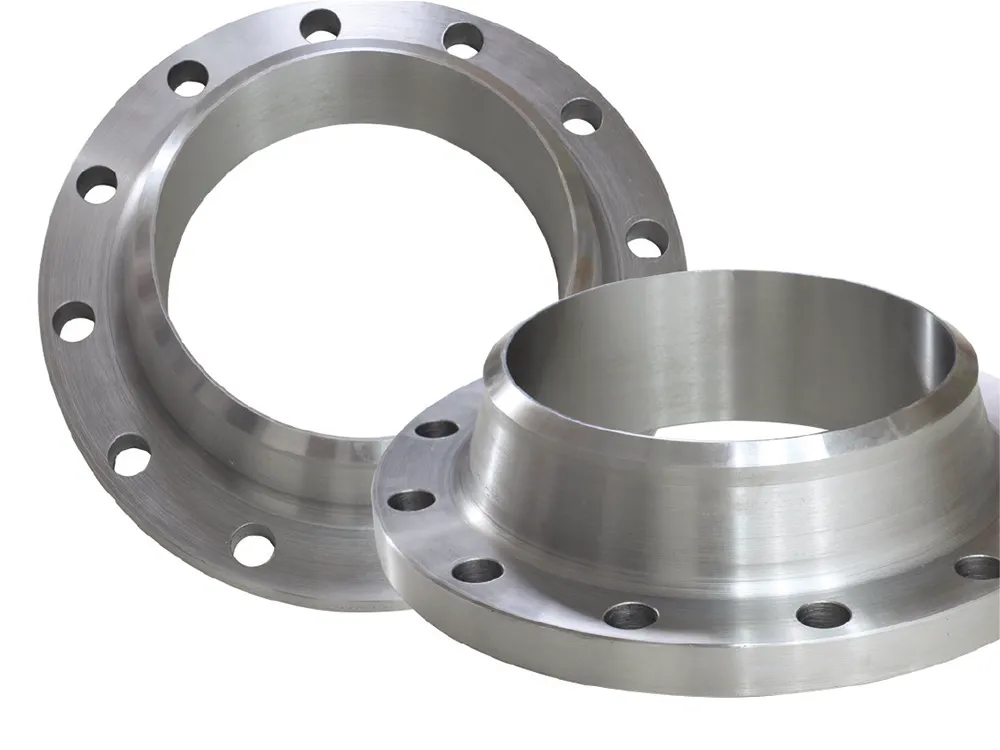
Alienfrac stands out because of its commitment to api q1 compliance. You benefit from api q1 when you use Alienfrac’s API flanges. These flanges meet strict quality and safety standards. They perform well under high pressure and in harsh environments. You get reliable connections that reduce the risk of leaks or failures.
Api q1 compliance means Alienfrac follows a quality management system that supports continuous improvement. You receive products that meet your needs and help you maintain safe, efficient operations. You also gain confidence knowing your supplier values quality, safety, and compliance as much as you do.
Tip: Choosing a supplier with api q1 compliance gives you peace of mind. You know you are working with a partner who puts quality and safety first.
API Q1 Requirements
Key Elements and Standards
You need to understand the core philosophy behind api q1 requirements. This standard focuses on risk management and defect prevention because the petroleum and natural gas industry faces hazardous conditions and high costs from failures.
Api q1 helps you take a proactive approach to identifying and reducing risks in your operations. The table below outlines the main elements and standards you must follow:
| Key Element/Standard | Description |
|---|---|
| Quality Management Systems | Tailored for the petroleum and natural gas industry, ensuring high quality. |
| Risk Management | Identifies potential risks and sets up mitigation strategies. |
| Product Quality Plan (PQP) | Details inspections and acceptance criteria for high-risk products. |
| Supplier Quality Responsibility | Requires audits to ensure supplier quality. |
| Non-Manufacturing Operations | Extends standards to non-manufacturing suppliers. |
| Alignment with ISO 9001:2015 | Incorporates ISO elements for enhanced quality. |
Api q1 includes over 85 additional requirements beyond ISO 9001. You must document risk assessments at every stage and create plans for supply chain interruptions. Manufacturers carry responsibility for supplier quality.
Documentation and Process Control
You must identify and document all processes that affect product quality. API Q1 requirements state that you define critical processes, such as welding or testing, and document complex or new processes that affect conformity.
You need to keep detailed records, including validation criteria, methodologies, data, and responsibilities. These documents must connect to your overall quality management system, supporting non-conformance reporting and continuous improvement.
| Requirement Type | Description |
|---|---|
| Identification of Processes | Document all processes needing validation, especially those affecting quality. |
| Critical Processes | Define and document methods like welding and testing. |
| Complex Processes | Document software and precision processes. |
| New or Changed Processes | Record any new or changed processes that affect conformity. |
| Documentation of Validation | Include criteria, methods, data, responsibilities, and revalidation conditions. |
| Integration with QMS | Link documentation to the quality management system for improvement and compliance. |
Risk Management Focus
Api q1 places risk management at the center of your operations. You gather data from audits, feedback, and industry trends to spot risks. You hold workshops to brainstorm and identify threats. You evaluate and prioritize risks based on severity.
For each major risk, you develop a response plan, then implement controls to manage or reduce the risk. You monitor risks continuously and review strategies regularly. You communicate findings to your team and document every step.
You align risk management with your quality management system to ensure ongoing improvement in the petroleum and gas sector.
Tip: Effective risk management under api q1 helps you prevent costly failures and maintain high standards in the petroleum and natural gas industry.
API Q1 Implementation and Certification
Steps to Certification
You start your journey toward api q1 compliance by understanding the steps involved in certification. First, conduct a gap analysis. This review helps you compare your current quality management strategies with api q1 guidelines. Next, develop a detailed implementation plan.
Assign resources, set schedules, and clarify responsibilities to address any gaps. Then, establish processes and procedures that ensure consistent quality in your operations. Finally, document your quality manual. This manual outlines your policies, methodologies, and how you meet api q1 standards.
- Conduct a gap analysis to identify improvement areas.
- Develop a detailed implementation plan with clear roles.
- Establish processes and procedures for consistent results.
- Document the quality manual to demonstrate api q1 compliance.
Following these steps helps you build a strong foundation for your api q1-compliant system.
Maintaining Compliance
After you achieve api q1 certification, you must maintain compliance through ongoing activities. You need to keep accurate records and monitor every aspect of your operations. The table below shows the types of records you should manage:
| Record Type | Description |
|---|---|
| Education and Training | Track staff skills and training. |
| Process Control | Ensure effective planning and operation. |
| Customer Requirements | Document customer needs and expectations. |
| Contract Review | Record contract reviews and actions. |
| Product Realization | Show that products meet requirements. |
| Risk Assessment | Keep records of risk management actions. |
| Design | Document design changes and reviews. |
| Supplier Evaluation | Track supplier performance and outsourced work. |
| Inspection and Testing | Record all inspections and tests. |
| Maintenance | Maintain equipment and calibration records. |
| Non-conformance | Document issues and corrective actions. |
| Internal Audit | Keep audit and corrective action records. |
| Management Review | Record management reviews and customer satisfaction. |
You also need to handle non-conformances, perform internal audits, and train your staff regularly. These actions support ongoing compliance and help you avoid common challenges like resistance to change or incomplete documentation.
Alienfrac’s Approach
You see Alienfrac’s commitment to api q1 compliance in every step of its operations. The company takes proactive measures to address risks before they affect quality. When nonconformities occur, Alienfrac investigates and prevents future issues. The team uses data from audits and reviews to drive improvement actions.
Customer feedback guides enhancements to the quality management system. Regular assessments ensure customer satisfaction and identify areas for further improvement. Alienfrac also launches improvement projects to boost the effectiveness and efficiency of its quality management.
Tip: You can trust Alienfrac to maintain high standards through continuous monitoring, feedback, and a strong focus on api q1 compliance.
API Q1 Comparisons
API Q1 vs Q2
You often see api q1 and api q2 mentioned together, but they serve different needs in the oil and gas industry. Api q1 targets manufacturing organizations, while api q2 focuses on service supply organizations.
If you manufacture products like hoses or flanges, api q1 fits your operations. If you provide services such as equipment maintenance or field support, api q2 applies to you.
The table below highlights the main differences between Q1 and Q2:
| Aspect | API Q1 | API Q2 |
|---|---|---|
| Target Audience | Manufacturing organizations | Service supply organizations |
| Certification and Monogram | Allows API Monogram on products | Does not allow API Monogram |
| Requirements | Emphasizes product quality | Focuses on service quality |
| Alignment with Standards | Aligns with ISO 9001:2015 | Has its own requirements, harmonizes with Q1 |
Api q1 lets you use the api monogram on your products, which shows your commitment to high standards. Q2 does not allow this. You should choose the right standard based on your business activities.
Note: Selecting the correct api standard helps you meet customer expectations and industry regulations.
API Q1 vs ISO 9001
You may wonder how api q1 compares to ISO 9001. Both standards aim to improve quality, but api q1 is designed for oil and gas manufacturing. Api q1 requires strict risk management and product reliability. ISO 9001 covers all industries and focuses on customer satisfaction.
Here is a table that shows the key differences:
| Feature | ISO 9001 | API Spec Q1 |
|---|---|---|
| Target Industry | General (All Industries) | Oil & Gas Manufacturing |
| Focus | Customer Satisfaction | Risk Management & Product Reliability |
| Contingency Planning | Not Required | Mandatory |
| Design Validation | General Guidelines | Strict, Documented Proof Required |
| Management of Change | Implicit | Explicit & Rigorous |
| Record Retention | Organization Defined | Minimum 5 Years (or longer if specified) |
Api q1 gives you a stronger framework for risk management and change control. You must keep records for at least five years, which supports traceability and accountability. ISO 9001 leaves more decisions up to you.
You gain several advantages with api q1. A well-documented system reduces risk and ensures consistent product quality. You improve operational efficiency and reduce waste. Without api q1 certification, you may face a competitive disadvantage in the oil and gas market.
Tip: If you want to show your customers that you meet the highest standards, api q1 certification is a smart choice.
Conclusion
You see that api q1 sets the foundation for quality management in oil and gas manufacturing. Alienfrac’s dedication to api standards ensures reliable API flanges and safer operations. The table below shows how API Q1 certification improves product reliability:
| Feature | Benefit |
|---|---|
| Risk Management | Prevents defects in manufacturing |
| Contingency Planning | Addresses failures proactively |
| Design Validation | Meets safety and reliability standards |
| Management of Change | Analyzes risks from process changes |
| Traceability | Ensures accountability and quality assurance |
You gain a competitive edge in the global market by adopting API Q1 certification. Regulatory bodies recognize API standards, helping you access new markets and maintain operational consistency.
FAQ
What is the main difference between API Q1 and ISO 9001?
You will find that API Q1 focuses on risk management and product reliability for oil and gas manufacturing. ISO 9001 applies to all industries and emphasizes customer satisfaction. API Q1 includes more specific requirements for documentation and process control.
Why should you choose API Q1-certified suppliers for oil and gas projects?
You gain confidence in product quality and safety. API Q1-certified suppliers follow strict standards, which helps you reduce risks and avoid costly failures. This certification also improves your chances of meeting regulatory requirements and winning contracts.
How does API Q1 certification benefit Alienfrac’s API flanges?
You receive API flanges that meet high standards for pressure, durability, and safety. Alienfrac’s API Q1 certification ensures each flange passes rigorous quality checks, giving you reliable connections for demanding oil and gas applications.
How often do you need to renew the API Q1 certification?
You must renew the API Q1 certification every three years. During this period, you need to maintain compliance through regular audits, documentation, and continuous improvement activities.