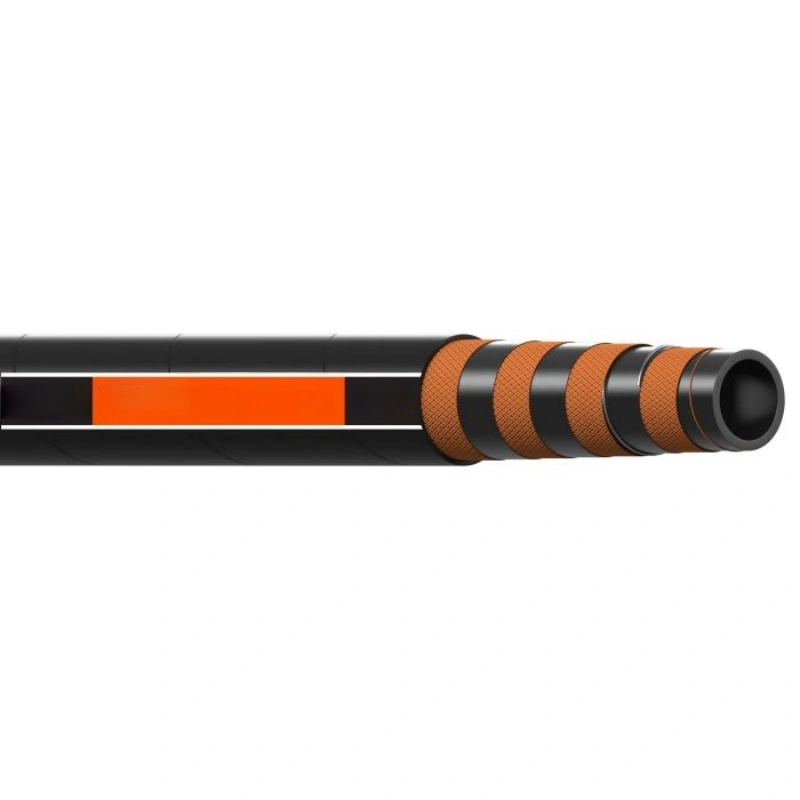
The petroleum hose market in 2026 features leading companies such as Continental AG, Bridgestone, Eaton, Parker Hannifin, Trelleborg, and Alienfrac. These companies drive ongoing innovation by using advanced materials and smart technology.
Industry professionals pay close attention to the strategies of market leaders because competitive dynamics shape product quality and technological progress. The market shows moderate concentration, with a few dominant players and many regional competitors.
Understanding these factors helps businesses stay ahead in a rapidly evolving industry.
Key Takeaways
- The petroleum hose market is set for significant growth by 2026, driven by rising global energy demand and stricter safety standards.
- Key players like Continental AG, Bridgestone, and Alienfrac lead the market through innovation and advanced manufacturing techniques.
- Regional demand varies, with Asia-Pacific and North America being the largest markets due to industrial growth and regulatory requirements.
- Product innovation, including high-pressure resistance and eco-friendly materials, is crucial for companies to maintain a competitive edge.
- Monitoring trends such as digital integration and sustainability will help industry professionals navigate the evolving petroleum hose market.
Petroleum Hose Market Overview
Market Size and Growth

The petroleum hose market continues to expand as global energy demand rises. Analysts project the market size to reach new highs by 2026, driven by increased oil and gas exploration and stricter safety standards. The market size reflects robust growth, with annual rates expected to remain steady.
Manufacturers invest in advanced materials and production techniques to meet evolving industry needs. The size of the petroleum hose market also benefits from infrastructure upgrades and the expansion of LNG facilities.
Companies focus on scaling production to match the growing size of the market, ensuring a reliable supply for critical applications.
Key Regions and Segments
Regional demand shapes the size and competitive landscape of the petroleum hose market. Asia-Pacific leads in market size due to rapid industrialization and strong manufacturing growth.
North America follows, supported by regulatory requirements and the shale energy boom. The table below highlights the main regions and their demand drivers:
| Region | Demand Drivers |
|---|---|
| Asia-Pacific | Rapid industrialization, robust manufacturing, and high oil demand, especially in China |
| North America | Stringent regulations, shale energy boom, and significant market growth |
Market segmentation further defines the competitive landscape. The petroleum hose market is divided by type and application. Oil hoses dominate the market, serving the hydrocarbon value chain. Gas hoses see rising demand as industries shift toward LNG and cleaner energy.
Key applications include offshore transfer, ship-to-shore bunkering, and subsea mining, each requiring hoses that withstand harsh conditions.
Competitive Landscape Summary
The competitive landscape in the petroleum hose market features both global leaders and strong regional players. Companies like Continental AG, Bridgestone, Eaton, Parker Hannifin, Trelleborg, and Alienfrac hold significant market share. The size of these companies’ operations allows them to invest in innovation and quality.
The competitive landscape remains dynamic, with firms competing on technology, certifications, and tailored solutions. Alienfrac stands out for its advanced manufacturing and commitment to safety, reinforcing its position in the evolving petroleum hose market.
Major Players and Alienfrac’s Role
Leading Companies in 2026
The petroleum hose market in 2026 features several leading companies that shape industry standards and drive innovation. Continental AG, Bridgestone, Eaton, Parker Hannifin, Trelleborg, and Alienfrac stand out as key players.
These companies invest heavily in research and development to improve hose performance and safety. Continental AG focuses on advanced rubber technology. Bridgestone leverages its global manufacturing network. Eaton and Parker Hannifin emphasize hydraulic solutions and integrated systems.
Trelleborg specializes in marine and offshore applications. Alienfrac, based in Qingdao, China, has emerged as a global contender by offering high-pressure oilfield hoses and tailored solutions. The presence of these key players ensures that the petroleum hose market remains competitive and dynamic.
Alienfrac’s Strengths in Petroleum Hoses

Alienfrac distinguishes itself among key players through its commitment to quality, innovation, and reliability. The company manufactures petroleum hoses designed for demanding oilfield and industrial environments.
Alienfrac’s hoses feature durable construction, flexibility, and high-pressure resistance. The brand holds certifications from DNV MED, CCS, ABS, and API, which validate its adherence to international safety and quality standards.
Alienfrac’s product portfolio includes the AlienDrill series and specialized hoses for fracturing, cementing, and drilling operations. The company’s acid fracturing hose, protected by an invention patent, demonstrates its innovative approach.
Alienfrac’s main product lines and certifications in the petroleum hose sector include:
Product Type Inner Diameter Max Working Pressure Material Frac Hose 3 to 4 inches 400 psi High-quality black nitrile Acid Fracturing Hose N/A N/A N/A Low-pressure Delivery Hose N/A N/A N/A
Alienfrac recently introduced the Bonded Frac Hose, a state-of-the-art hose designed for 15K and 20K fracturing systems. This innovation marks a significant advancement in petroleum hose technology and positions Alienfrac as one of the key players in the market.
The company’s focus on high production capacities and modern manufacturing equipment enables it to deliver tailored solutions for oilfield operators and service companies worldwide.
Recent Developments and Strategies
Key players in the petroleum hose market continue to pursue strategic moves to strengthen their positions. ERIKS North America has expanded its capabilities by acquiring DeeTag, Ltd., Action Industrial Group, and Seals and Packings, Inc.
These acquisitions enhance ERIKS’ ability to serve hydraulic OEM customers and broaden its geographic reach. Other players invest in partnerships and technology upgrades to meet evolving industry demands.
Alienfrac has adopted a strategy centered on innovation and certification. The company leverages its advanced manufacturing equipment to produce hoses that meet stringent safety and environmental standards.
Alienfrac’s partnerships with oilfield operators and service companies help it gain market share and reinforce its reputation as a reliable supplier. The company’s tailored solutions and high-pressure hose offerings address the specific needs of customers in oil and gas exploration, marine transfers, and industrial applications.
Industry professionals recognize Alienfrac as one of the key players driving progress in the petroleum hose sector. The company’s achievements in product development, certifications, and customer service set it apart from other players.
As the market evolves, Alienfrac’s strategic focus on innovation and quality ensures its continued growth and influence among key players.
Competitive Dynamics in the Petroleum Hose Market
Mergers and Acquisitions
Mergers and acquisitions play a crucial role in shaping the competitive dynamics of the petroleum hose market. Leading companies pursue strategic acquisitions to expand their product portfolios and strengthen their market positions.
For example, ERIKS North America acquired several firms to enhance its hydraulic capabilities and reach new customers. These moves allow companies to access advanced manufacturing technologies and broaden their geographic presence.
As a result, the industry sees increased consolidation, which drives innovation and improves quality standards.
Innovation and Product Differentiation
Manufacturers focus on product innovation and differentiation to gain a competitive edge. They invest in advanced material science and manufacturing technologies to improve hose durability and performance. The integration of smart sensors and IoT features enables better monitoring and performance tracking.
Companies diversify their product lines to meet a wide range of customer needs. Alienfrac stands out by offering petroleum hoses with high-pressure resistance, durable construction, and certifications from DNV MED, CCS, ABS, and API.
These certifications demonstrate Alienfrac’s commitment to safety and quality, making it a preferred supplier for oilfield operators.
Product innovation and quality assurance drive the competitive dynamics in this market. Manufacturers who adopt new technologies and obtain recognized certifications position themselves as industry leaders.
Regional Strengths
Regional strengths influence the competitive dynamics of the petroleum hose market. The Asia-Pacific region holds the strongest advantage due to rapid industrial growth and government investments. North America and Europe maintain stable demand because of their established markets.
Latin America and the Middle East emerge as new opportunities, fueled by industrialization and infrastructure development. Companies tailor their strategies to address regional requirements and regulations.
| Certification/Standard | Description |
|---|---|
| MSHA | Certification for safety in mining operations in the USA. |
| GOST | Russian standard for quality and safety. |
| ISO 9001 | International standard for quality management systems. |
| IATF 16949 | Standard for quality management in the automotive sector. |
| ISO 4413:2010 | Specifies safety requirements for hydraulic fluid power systems and components. |
Alienfrac leverages its innovation and certifications to compete effectively in key regions. Its focus on advanced manufacturing and tailored solutions helps it meet diverse customer needs and maintain a strong market presence.
Key Trends in the Industrial Hose Market
Technology and Material Advances
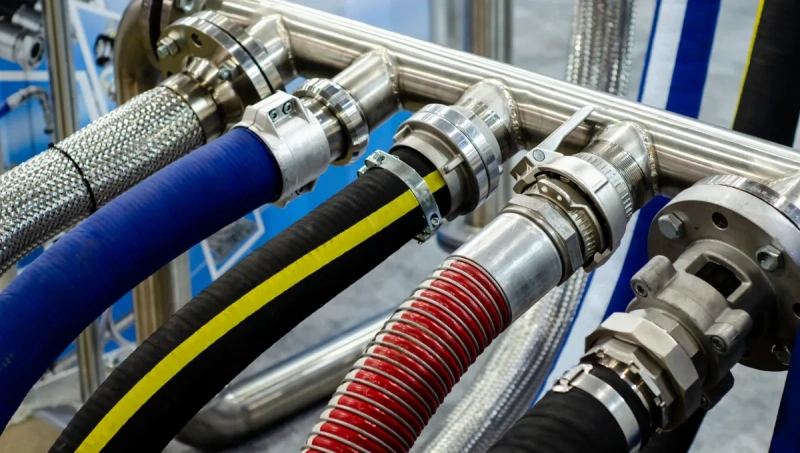
The industrial hose market is experiencing rapid technological progress. Manufacturers use new material technologies to improve durability and flexibility. The table below highlights the main advances shaping the industrial hose market:
| Technological Advance | Description |
|---|---|
| Material Technologies | Thermoplastics, silicone, and rubber composites boost hose performance. |
| Automation | Custom hoses increase efficiency in fluid transfer processes. |
| Eco-friendly Materials | Recyclable materials address sustainability concerns. |
| AI Integration | Predictive maintenance extends hose life and reduces downtime. |
| Regulatory Compliance | Stricter rules demand higher-quality hose solutions. |
Companies in the industrial hose market also use high-performance polymers and reinforced composites. These innovations help hoses handle extreme pressures and temperatures.
Alienfrac’s Petroleum Hoses use advanced rubber and steel wire reinforcement. This design ensures safe operation in the oil and gas sector, even under harsh conditions.
Demand from Oil and Gas Sectors
The oil and gas sector drives much of the demand in the industrial hose market. Exploration and production activities continue to expand worldwide. The market expects strong growth, with a projected compound annual growth rate of 14.5% from 2026 to 2033.
The gas industry, in particular, needs hoses that can handle high pressure and resist chemicals. Alienfrac’s Petroleum Hoses meet these needs with flexible, high-strength assemblies. These hoses support safe and efficient transfer of oil, gas, and other fuels in challenging environments.
The industrial hose market benefits from ongoing infrastructure projects and increased gas exploration. Companies that supply reliable hoses gain a competitive edge.
Safety and Environmental Standards
Safety and environmental standards shape product development in the industrial hose market. Regulatory bodies enforce strict rules to prevent leaks and protect workers. The table below outlines recent changes in safety regulations:
| Evidence Type | Description |
|---|---|
| Stringent Regulatory Standards | New standards require better hose testing and performance. |
| Compliance Necessity | Manufacturers must meet API, ISO, and OCIMF standards. |
Alienfrac’s Petroleum Hoses comply with international certifications, including API and ABS. These hoses undergo rigorous testing for pressure, abrasion, and chemical resistance. The industrial hose market now demands products that align with eco-friendly initiatives.
Alienfrac uses recyclable materials and advanced manufacturing to reduce environmental impact. This approach ensures that their hoses meet both safety and environmental requirements in the oil and gas sector.
Future Outlook for the Competitive Landscape
Market Changes by 2026
The oil rubber hoses market will undergo a significant transformation by 2026. Technological advancements, regulatory pressures, and a shift toward sustainability will drive these changes. The market size will reflect substantial growth as fuel transportation and the automotive sector expand.
However, the rise of electric vehicles and eco-friendly practices may reduce demand in some traditional applications. Companies will need to diversify product offerings and invest in innovative materials to maintain their competitive edge.
Established leaders like Jyoti Rubber and Plastic, Cooper-Standard Automotive, and Dana Holding Corporation will continue to focus on quality and innovation. Emerging players will gain traction by providing cost-effective solutions.
The market’s projected size will depend on how well companies adapt to these emerging trends and regulatory requirements.
Opportunities and Challenges
Manufacturers in the oil rubber hoses market will encounter new opportunities and challenges as the industry evolves. The table below outlines the main factors shaping the market:
| Opportunities | Challenges |
|---|---|
| Growing demand for fuel-efficient systems | Fluctuating raw material prices |
| Development of advanced materials for new fuels | Supply chain disruptions |
| Expansion of infrastructure for alternative fuels | Shift towards alternative energy sources |
Companies that embrace advancements in material science and invest in infrastructure expansion will position themselves for growth. At the same time, they must address supply chain risks and adapt to the shift toward alternative energy.
What to Watch for Major Players?
Industry professionals should monitor several key factors as the oil rubber hoses market evolves:
- Advancements in eco-friendly materials for durability and sustainability.
- Digital integration trends, such as IoT-enabled hoses for operational efficiency.
- Adoption of sustainable manufacturing practices that align with ESG goals.
- Infrastructure investments in emerging markets to capture new growth.
- Customized solutions for specialized applications, including deepwater drilling.
Alienfrac will likely adapt to these market dynamics by leveraging technological advancements and expanding into new regions. The company’s focus on innovation and compliance with safety regulations will support its growth analysis and help it capture opportunities in the market.
As the market size increases, Alienfrac’s strategic moves will remain important for industry professionals tracking the market’s projected size and expansion.
Conclusion
The petroleum hose market in 2026 features strong competition among global leaders like Alienfrac, who excel through innovation and quality. Strategic positioning and the adoption of smart, eco-friendly solutions drive future success. Industry professionals should monitor these key trends:
| Key Trend/Consideration | Description |
|---|---|
| Digital Integration | Real-time monitoring and predictive maintenance improve asset management. |
| Sustainability Requirements | Eco-friendly materials support circular economy practices. |
| Regulatory Changes | Stricter rules require adaptable product portfolios. |
| Customization Needs | Tailored solutions meet specific industry demands. |
| Evolving Partnership Models | Collaboration shapes integrated solutions. |
Manufacturers who embrace digital integration, sustainability, and supply chain innovation will lead the evolving petroleum hose market.
FAQ
What industries use petroleum hoses the most?
Oil and gas companies, chemical plants, marine transport, and construction firms use petroleum hoses frequently. These hoses support fuel transfer, drilling, and industrial operations. Their durability and safety features make them essential for demanding environments.
How do manufacturers ensure petroleum hose safety?
Manufacturers test hoses for pressure, abrasion, and chemical resistance. They follow strict international standards and obtain certifications. Regular inspections and quality control help prevent leaks and failures, ensuring safe operation in the field.
What role does product innovation play in the petroleum hose market?
Product innovation drives the development of hoses with higher pressure ratings, improved flexibility, and better chemical resistance. Companies introduce new designs to meet changing industry needs and enhance operational safety.
How have technology advancements impacted petroleum hose manufacturing?
Technology advancements have improved hose materials, production processes, and testing methods. Automated machinery and advanced rubber compounds increase durability and performance, helping manufacturers deliver reliable products for oil and gas applications.
What certifications should buyers look for when selecting petroleum hoses?
Buyers should look for certifications such as API, DNV MED, ABS, and CCS. These certifications confirm that hoses meet international safety and quality standards, providing assurance for use in critical operations.