
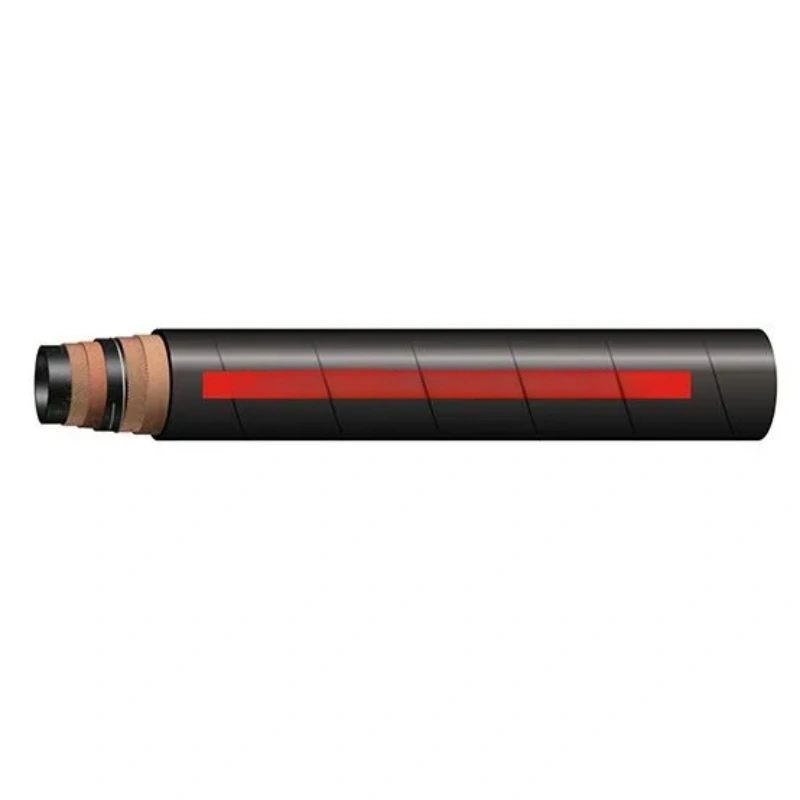
You need to know what an oilfield hose is before you can understand its value in oil and gas operations. An oilfield hose is a flexible, high-pressure conduit that transfers fluids such as drilling mud, cement slurry, and fracturing mixtures between equipment on rigs and wellheads.
The safety and efficiency of your operations depend on these hoses.
- Thousands of flexible hose assemblies keep drilling and production systems running.
- A single hose failure can cause costly downtime or environmental harm.
- High-quality hoses ensure safe fluid transfer, even under extreme pressure and temperature.
Alienfrac, a trusted manufacturer, delivers robust oilfield hoses that help you prevent leaks and maintain operational integrity.
Key Takeaways
- Oilfield hoses are essential for transferring fluids safely in oil and gas operations, ensuring efficiency and safety.
- Choose high-quality hoses that can withstand extreme pressure and temperature to prevent costly downtime and environmental harm.
- Regular maintenance, including inspections and proper storage, extends the lifespan of oilfield hoses and reduces operational risks.
- Select hoses based on material compatibility, pressure ratings, and temperature ranges to match your specific operational needs.
- Trust certified manufacturers like Alienfrac for reliable hoses that meet industry standards and enhance operational integrity.
What is Oilfield Hose?

Definition and Purpose
When you ask what an oilfield hose is, you are looking for a specialized piece of equipment that plays a vital role in oil and gas operations.
An oilfield hose is a flexible, high-pressure conduit designed to transfer fluids such as drilling mud, cement slurry, crude oil, and fracturing mixtures between different pieces of equipment on drilling sites and production facilities.
You rely on these hoses to maintain safe and efficient fluid movement during drilling, hydraulic fracturing, well servicing, and production processes.
Oilfield hoses serve multiple functions across the oil and gas industry. The following table highlights the main application areas and their specific functions:
| Application Area | Function Description |
|---|---|
| Drilling Operations | Transport drilling mud, pump cement slurry, and facilitate controlled flow during well control operations. |
| Hydraulic Fracturing (Fracking) | Convey high-pressure fracturing fluids and transport chemical additives for fracking fluid mixtures. |
| Well Servicing and Workover | Deliver fluids for well interventions and provide conduits for wireline tools during downhole operations. |
| Production and Processing | Transport crude oil and natural gas from wellheads to processing facilities and connect wells to gathering systems. |
| Transportation and Distribution | Facilitate the transfer of oil and gas during loading/unloading operations and maintain pipelines. |
| Specialty Applications | Transport cryogenic fluids, handle abrasive materials, and provide fire resistance in high-heat situations. |
You can see that what an oilfield hose does goes far beyond a simple tube. It is a critical link that ensures the safe and reliable transfer of fluids in some of the most demanding environments on earth.
Key Characteristics
Understanding what an oilfield hose also means, knowing the features that set it apart from other industrial hoses. You need hoses that can withstand extreme pressure, temperature, and chemical exposure. Oilfield hoses are engineered with advanced materials and construction techniques to meet these challenges.
- Construction Materials
- The inner tube uses rubber, thermoplastic, or specialty polymers for compatibility with various fluids and abrasion resistance.
- Reinforcement layers include wire braid, textile, or spiral-wound steel to provide high-pressure resistance and flexibility.
- The outer cover consists of rubber or thermoplastic, offering protection against abrasion, chemicals, and UV exposure.
- Couplings and fittings are typically made from steel or brass to ensure durability and secure connections.
- Pressure and Temperature Ratings
- Many oilfield hoses handle working pressures from 5,000 PSI up to 10,000 PSI or more, especially in offshore or high-pressure, high-temperature (HPHT) wells.
- These hoses maintain performance in extreme temperatures, making them suitable for both arctic and desert environments.
- Durability and Adaptability
- Oilfield hoses are tough on the outside to resist damage from rough handling and harsh drilling conditions.
- The inner lining resists corrosion and chemical attack from the fluids they transport.
- Specialized designs allow for flexibility, kink resistance, and the ability to handle abrasive or corrosive materials.
- Industry Standards
- High-quality oilfield hoses meet strict industry standards such as API 7K, API 16C, ISO 18752, and EN 13765/13766. These certifications ensure the hose will perform safely and reliably in critical applications.
The following table summarizes the key characteristics you should look for:
| Characteristic | Description |
|---|---|
| Pressure Resistance | Withstands high operating pressures for safety. |
| Abrasion Resistance | Resists wear and tear from external factors. |
| Corrosion Resistance | Handles chemical and environmental corrosion. |
| Adaptability | Performs in harsh environments, including extreme temperatures. |
| Material Quality | Uses rubber and metal reinforcements for long service life. |
When you select an oilfield hose, you choose a product designed for the unique challenges of oil and gas extraction. The right hose keeps your operation running smoothly, protects your equipment, and ensures the safety of your crew.
If you want to know what an oilfield hose is, remember that it is more than a simple connector—it is a lifeline for your entire operation.
Oilfield Hose Features
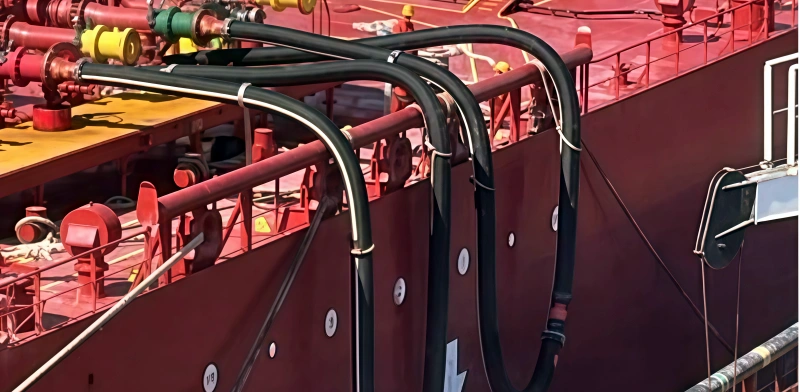
Multilayer Construction
You need oilfield hoses that can handle the toughest conditions. Multilayer construction gives these hoses the strength and flexibility required for demanding oilfield work. Each Alienfrac hose uses several layers, including an inner rubber tube, multiple steel wire reinforcements, and a durable outer cover.
This design provides high tensile strength and excellent abrasion resistance. You benefit from hoses that endure extreme pressures and harsh environments, such as offshore drilling sites.
The multilayer structure also reduces flow turbulence and pressure drops, which helps your system run more efficiently and protects sensitive equipment from wear.
Reinforcement and Durability
Alienfrac hoses stand out because of their advanced reinforcement techniques. You can see the difference in the way these hoses use steel wire braids, spiral windings, or a mix of both. The table below shows the main types of reinforcement structures and their advantages:
| Type of Structure | Description | Advantages |
|---|---|---|
| Braided Structure | Two strands of steel wires are interwoven in a mat pattern. Single or double. | Flexible, meets varying pressure requirements. |
| Winding Structure | Layers of steel wires wound in reverse spirals, not interwoven. | High pulse pressure resistance, less friction. |
| Mixed Structure | Combines braided and winding structures. | Enhanced performance, uses both structural benefits. |
Alienfrac hoses use these reinforcement methods to give you maximum durability. You get hoses that resist abrasion, corrosion, and high pressure. Features like lightweight construction, ultra-high molecular weight polyethylene lining, and integrated couplings make handling and installation easier for your team.
Certifications and Standards
You want hoses that meet strict international standards. Alienfrac oilfield hoses carry certifications that prove their quality and safety. The table below lists some of the most recognized certifications in the industry:
| Certification | Description |
|---|---|
| ISO 9001-2015 | Certifies supplier quality management and customer focus. |
| API 7-1 | The main standard for drilling hose production and performance testing. |
| ISO 14001 | Shows commitment to sustainable manufacturing and environmental compliance. |
| SASO | Ensures compliance with Saudi Arabian regulations. |
Alienfrac hoses undergo 100% hydrostatic pressure testing and meet API 7K standards. When you ask what oilfield hose is, you can trust that Alienfrac delivers products that meet or exceed the highest industry requirements for safety, reliability, and performance.
Applications in Oilfield Operations
Oilfield hoses play a vital role in every stage of oil and gas production. You rely on these hoses to keep your operation running smoothly, whether you are drilling a new well or managing complex fluid transfers. Alienfrac oilfield hoses deliver the strength and flexibility you need in the most demanding environments.
Drilling and Mud Transfer
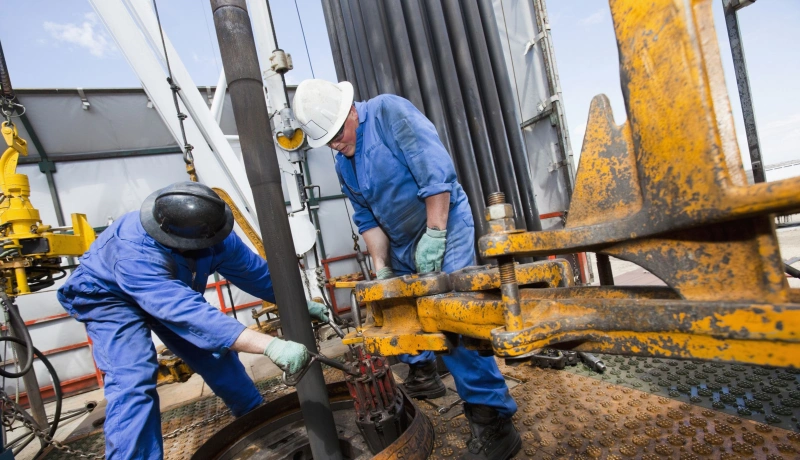
During drilling, you need hoses that can handle high-pressure mud and abrasive materials. Alienfrac mud hoses transport drilling mud, which lubricates and cools the drill bit and removes cuttings from the wellbore.
You also use cement hoses to pump cement slurry during casing and cementing. Choke and kill hoses enable controlled fluid flow, helping you maintain well control and safety.
- Mud hoses: Move drilling mud for lubrication and cooling.
- Cement hoses: Pump cement slurry for well casing.
- Choke and kill hoses: Control fluid flow during well control.
Hydraulic Fracturing
Hydraulic fracturing demands hoses that can withstand extreme pressure and chemical exposure. Alienfrac frac hoses support your operations by ensuring safe and efficient fluid transfer. The table below shows how oilfield hoses contribute to the efficiency of hydraulic fracturing:
| Contribution Type | Description |
|---|---|
| High Pressure Resistance | Withstand the high pressures of fracturing operations. |
| Efficient Fluid Transfer | Move fracturing fluids from tanks to wellheads without interruption. |
| Chemical Compatibility | Handle various chemicals safely and precisely. |
| Fluid Management | Manage fluids throughout the fracturing process, including flowback. |
| Rapid Deployment | Allow quick installation to minimize downtime. |
Cementing and Well Control
You need flexible rotary hoses for safe and efficient fluid transfer during drilling and cementing. These hoses help you maintain good control and prevent blowouts, which is essential for safety. Alienfrac hoses are built to withstand high-pressure environments, giving you confidence in critical operations.
- Flexible rotary hoses: Ensure safe fluid transfer.
- Maintain well control and prevent blowouts.
- Withstand high-pressure conditions for reliability.
Fluid and Chemical Transfer
Alienfrac oilfield hoses handle a wide range of fluids and chemicals. You use these hoses to convey water for blending drilling mud and fracking fluid, pump drilling mud and concrete downhole, and deliver water to the site.
Their robust construction ensures safe, high-pressure pumping of fracking fluids and other materials.
- Convey water for blending and delivery.
- Pump drilling mud, concrete, and fracking fluids downhole.
- Support high-pressure and chemical transfer needs.
When you ask what oilfield hose is, remember that these hoses are essential for every major oilfield operation. Alienfrac hoses give you the versatility and reliability you need to meet the challenges of modern oil and gas production.
Selecting and Maintaining Oilfield Hoses
Choosing the Right Hose
You need to select the right oilfield hose for your operation to ensure safety and efficiency. Consider several key factors before making your choice:
- Material composition: Choose hoses made from heavy-duty composite and rubber for durability and flexibility.
- Pressure ratings: Confirm the hose can handle suction and discharge rates up to 150 PSI or higher, depending on your application.
- Temperature range: Verify the hose withstands extreme temperatures, ideally from -22°F to 180°F.
- Versatile use: Select hoses suitable for drilling mud, unrefined oils, and refined fuels.
- Tested and certified: Look for hoses tested and certified by trusted manufacturers for heavy-duty applications.
Tip: Always match the hose specifications to your operational requirements. Improper selection can lead to unexpected downtime, equipment damage, and increased costs.
Maintenance Best Practices
Proper maintenance extends the lifespan of your oilfield hoses and reduces operational risks. Follow these best practices:
- Inspect and lubricate moving parts regularly. Apply lubricant to prevent rust and ensure smooth operation.
- Use weather-resistant coatings to protect metal parts from corrosion.
- Provide shelters or covers to shield hoses and equipment from direct weather exposure.
- Clean every component after use to prevent contamination.
- Inspect hoses for fraying and connectors for wear to identify potential failure points.
Monthly visual inspections help you catch issues early. Annual pressure and flex testing ensure hoses remain reliable. Replace hoses every 2 to 5 years, depending on usage and type. Hydraulic hoses typically last 1 to 2 years, while rubber hoses can last up to 10 years.
Common Issues and Solutions
You may encounter several common issues with oilfield hoses. Address these problems promptly to maintain safety and performance:
- External cover abrasion: Protect hoses with sleeves and proper routing.
- Improper bend radius: Follow bend radius specifications and use correct hose lengths.
- Excessive heat exposure: Select hoses with suitable temperature ratings and use heat shields.
- Improper assembly or installation: Ensure qualified technicians handle crimping and installation.
- Fluid incompatibility: Verify hose material compatibility with hydraulic fluids.
- Age-related deterioration: Implement a proactive replacement schedule and conduct regular inspections.
If you maintain your hoses properly and address issues quickly, you reduce the risk of severe injuries, equipment damage, and costly downtime. You also avoid environmental cleanup costs and regulatory penalties.
Conclusion
You now understand that oilfield hoses are essential for safe and efficient fluid transfer in oilfield operations. Alienfrac hoses deliver unmatched reliability, durability, and performance. The table below highlights why you benefit from choosing Alienfrac:
| Advantage | Description |
|---|---|
| Wear Resistance | UHMW-PE lining offers over 30% higher wear resistance. |
| Chemical Corrosion Resistance | EPDM and PU materials withstand acidic and alkaline fluids. |
| High Temperature Adaptability | Operates from -29°C to +121°C without losing stability. |
| Lightweight Design | High-strength steel wire winding reduces weight and maintains pressure. |
| API 7K Certification | Rigorous testing ensures reliability under extreme conditions. |
Industry trends drive innovation, including eco-friendly materials, smart hose systems, and automation. If you need tailored solutions, reach out to Alienfrac:
| Method | Details |
|---|---|
| alienfrac@qingflexgroup.com | |
| aliendrill@qingflexgroup.com | |
| Telephone | +86 13006527359 |
| +86 15628863157 | |
| Address | NO.16, Daying Road, HuangDao, Qingdao, Shandong, China |
FAQ
What is the main purpose of an oilfield hose?
You use oilfield hoses to transfer fluids like drilling mud, cement, and fracturing mixtures between equipment. These hoses help you maintain safe, efficient operations in drilling, production, and well servicing.
How do you select the right oilfield hose for your operation?
You should check the hose’s pressure rating, material compatibility, temperature range, and certification. Always match the hose to your specific fluid type and operational needs for best performance.
How often should you inspect oilfield hoses?
You should inspect hoses visually every month. Look for signs of wear, leaks, or damage. Annual pressure and flex tests help you ensure reliability and safety.
What certifications should a quality oilfield hose have?
Look for hoses certified by API, DNV, CCS, or ABS. These certifications show that the hose meets strict industry standards for safety and performance.
Can you customize Alienfrac oilfield hoses for special applications?
Yes! You can order Alienfrac hoses in custom diameters, lengths, and pressure ratings. The team can also provide specialized linings and fittings to meet your unique project requirements.