
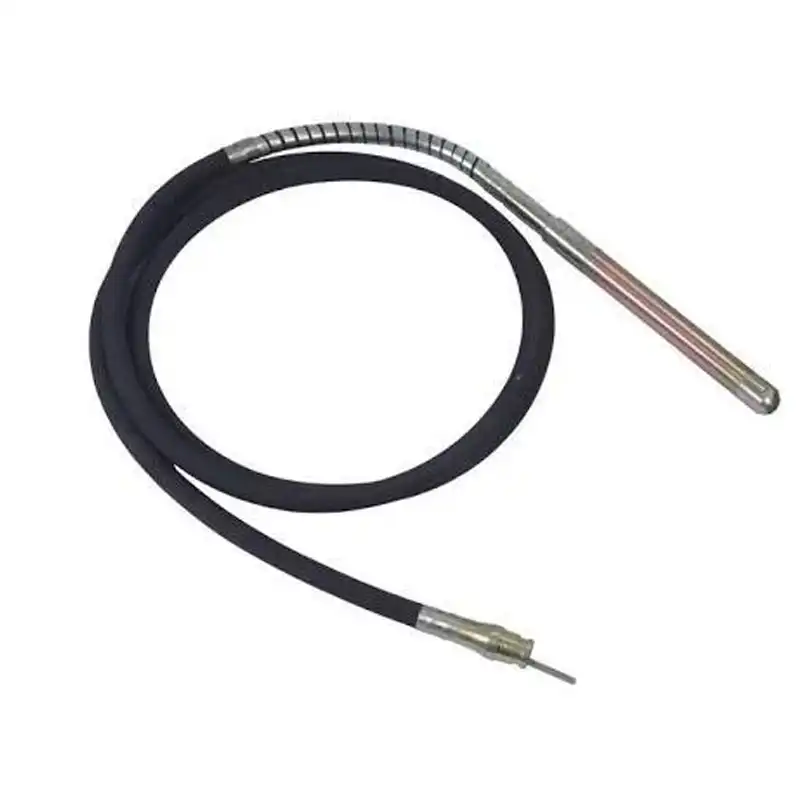
You may wonder what a vibrator hose is and why it matters in tough work environments. A vibrator hose is a flexible, high-pressure hose that helps transfer fluids and absorb vibrations during drilling or concrete work. You use it to make sure equipment runs smoothly and safely.
Vibrator hoses play a key role in oilfields and construction sites by protecting tools and improving efficiency.
Key Takeaways
- A vibrator hose is essential for transferring fluids and absorbing vibrations in oilfield and construction work, ensuring equipment runs smoothly.
- High-quality vibrator hoses, like Alienfrac’s, feature strong materials and designs that enhance safety and efficiency in demanding environments.
- Regular inspection and maintenance of vibrator hoses prevent failures and improve safety, helping to avoid costly downtime.
- Choosing the right vibrator hose involves considering pressure ratings, hose length, and fitting types to match specific job requirements.
- Using a reliable vibrator hose leads to better concrete quality and safer drilling operations, ultimately supporting project success.
What is Vibrator Hose?
Basic Definition
You often hear the question, what is a vibrator hose, especially if you work in oilfields or construction. A vibrator hose is a flexible, high-pressure tube that transfers fluids and absorbs vibrations.
You use it to connect equipment like pumps and concrete vibrators. In oilfield operations, you rely on it to move drilling mud safely from the mud pump to the drill string. On construction sites, you use it to power concrete vibrators, helping you compact concrete and remove air pockets.
When you ask what a vibrator hose is, you discover that it serves as a critical link between machines and tools. It keeps your equipment running smoothly and protects you from dangerous vibrations.
You find that Alienfrac’s Rotary Drilling and Vibrator Hose stands out in the industry. This product combines strength, flexibility, and durability, making it ideal for demanding environments.
Structure and Features
You want to know what the vibrator hose is made of and how its design helps you work safely and efficiently. Over the past decade, manufacturers have improved vibrator hoses by using advanced materials.
High-strength lightweight rubber tubes now withstand tensile forces up to 1800 N. You benefit from innovations that isolate vibration energy at the vibrator head, keeping the hose still and protecting you from harm.
- You see multiple layers of high-tensile steel wire reinforcement inside the hose.
- You notice abrasion-resistant synthetic rubber covers that protect against cuts and weathering.
- You choose lining options like UHMW polyethylene for excellent chemical resistance and durability.
- You select crimped or built-in fittings for secure connections.
Alienfrac’s Rotary Drilling and Vibrator Hose uses these features to deliver reliable performance. You trust its robust construction and flexibility in high-pressure environments.
You must also follow strict safety standards when you use a vibrator hose. The table below shows some of the main regulations that guide hose manufacturing and use:
| Regulation | Description |
|---|---|
| OSHA 1910.169(b)(3)(ii) | Prohibits placing valves between air receivers and safety valves. |
| MSHA 30 CFR 56/57.13021 | Requires safety chains or locking devices for high-pressure hose connections of ¾-inch diameter or larger. |
| US Army Corps of Engineers | Mandates that connections must prevent accidental disengagement and be secured with safety lashings. |
| Canadian Centre for Occupational Health & Safety | Advises that hose connections should fit properly and have mechanical securing means. |
| US Bureau of Reclamation 17.2.2 | Requires whip-check devices for air hoses over half an inch in diameter. |
| CDC NIOSH | Recommends secondary restraints for hoses longer than 3 feet in high-pressure applications. |
Tip: Always check your hose connections and follow safety guidelines to prevent accidents.
When you ask what a vibrator hose is, you learn that it is more than just a tube. It is a carefully engineered tool that helps you work safely and efficiently in tough environments.
How Vibrator Hose Works?
Step-by-Step Operation
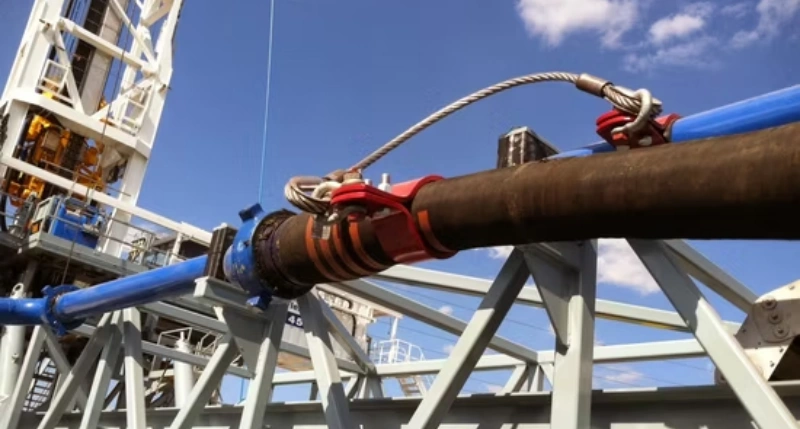
You need to understand the flow path first. A vibrator hose connects a power source to a working tool. In oilfield service, the hose carries drilling mud or other fluids from the mud pump to the drill string.
In construction, it links the drive unit to the vibrator head. In both cases, you depend on a sealed, flexible path that can manage pressure, movement, and constant vibration.
Here is the basic process:
- You connect the hose to the pump or motor.
- You secure the fittings to prevent leaks or sudden movement.
- You start the system and build the required pressure.
- The hose carries fluid or mechanical energy to the target tool.
- The tool performs its job while the hose helps control vibration and movement.
Alienfrac’s Rotary Drilling and Vibrator Hose supports this process with robust construction. Its multiple layers of high-tensile steel wire give you strength under demanding conditions.
Its abrasion-resistant outer cover protects the hose surface during daily use. Its pressure capacity, often in the 5,000 to 10,000 psi range depending on the model, helps you operate with confidence in heavy-duty drilling work.
A simple comparison helps you see the working principle:
| Application | What the Hose Transfers | Main Job |
|---|---|---|
| Oilfield drilling | High-pressure drilling fluid | Moves fluid to support drilling operations |
| Concrete work | Power and motion to the vibrator head | Helps compact wet concrete |
Note: A vibrator hose does more than move material. It also helps manage motion, reduce stress on connected equipment, and improve operating stability.
You also improve service life when you follow good maintenance habits:
- Frequent vibration can cause hose fatigue over time in harsh work sites.
- Mechanical restraint can reduce excess movement and support safer operation.
- Vibration-absorbing hose assemblies can extend service life.
- Regular inspection of fittings and connections helps you catch wear early.
- Early maintenance improves uptime and reduces sudden failures.
Vibration Transmission
You can think of the hose as both a transfer line and a protective buffer. It sends energy where you need it, yet it also limits harmful vibration from spreading through the full system. This balance matters in drilling rigs, portable drive units, and concrete equipment.
When the system runs, motion travels from the power source through the hose to the working end. The hose must stay flexible, but it must also resist collapse, abrasion, and pressure spikes.
That is why construction quality matters so much. Alienfrac builds its Rotary Drilling and Vibrator Hose with strong reinforcement and durable cover materials, so you get steady performance in rough environments.
This transmission process works in three ways:
- The hose carries force or fluid without losing control.
- The hose reduces direct vibration stress on nearby components.
- The hose supports safer handling during demanding cycles.
If you use a poorly designed hose, excess vibration can shorten equipment life. Connections may loosen. Fatigue may increase. Performance may drop. A high-quality hose helps you avoid those issues.
Alienfrac also offers UHMW lining options for added chemical resistance and long-term durability, plus crimped and built-in end connections for secure installation.
Tip: Check restraints, fittings, and bend radius during routine service. Good support reduces vibration damage and keeps the hose working at its best.
How Concrete Vibrators Work?
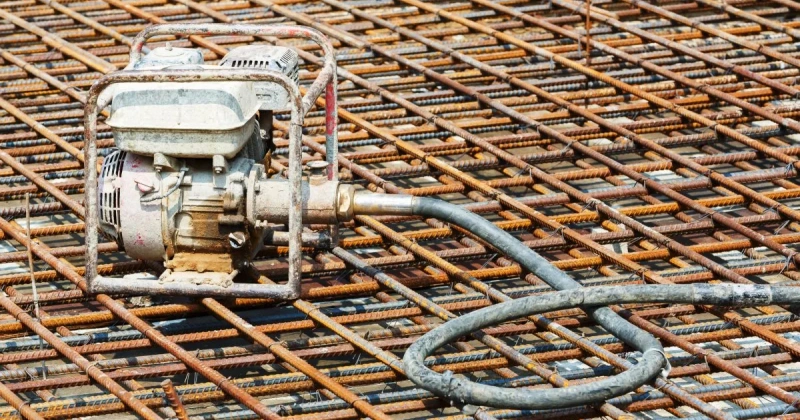
If you want to understand how concrete vibrators work, start with the motor. The motor generates rapid motion. The hose transmits that motion to the vibrator head. You place the head into freshly poured concrete, where it shakes the mix and releases trapped air.
This action helps the concrete settle into place, fill gaps, and form a denser structure.
This is the basic method behind how concrete vibrators work in the field. You insert the vibrator head into the wet concrete, then lift it slowly as the material compacts around it.
You should avoid hitting the formwork during this process. Direct contact can spread unwanted vibration into the forms and may increase the risk of surface defects or cracks.
The table below simply shows the concrete process:
| Step | What You Do | Result |
|---|---|---|
| 1 | Start the motor or drive unit | Creates vibration energy |
| 2 | Send the motion through the hose | Delivers controlled vibration to the head |
| 3 | Insert the head into fresh concrete | Removes air pockets |
| 4 | Lift the head slowly | Improves compaction and finish quality |
In this application, the hose must stay flexible and dependable. You often move around forms, rebar, and tight spaces. A well-built hose helps you maintain control while it handles repeated vibration during the pour. That reliability supports better concrete quality, safer handling, and more consistent results on the job site.
Vibrator Hose Components
When you select a vibrator hose for your operation, you need to understand its main parts. Each component plays a vital role in performance, safety, and longevity. Alienfrac’s Rotary Drilling and Vibrator Hose sets a high standard with its advanced materials and design.
Hose Material
You rely on the hose material to withstand harsh environments. Alienfrac uses abrasion-resistant synthetic rubber for the outer cover. This material protects against cuts, weathering, and chemical exposure. Inside, you find lining options like Ultra High Molecular Weight (UHMW) polyethylene.
UHMW lining gives you excellent chemical resistance and durability, especially when you handle aggressive fluids. You benefit from a hose that lasts longer and performs reliably under pressure.
Tip: UHMW lining helps prevent chemical damage and extends hose life in demanding applications.
Steel Wire Reinforcement
Steel wire reinforcement gives the hose its strength and flexibility. You depend on this feature to handle high-pressure fluids and absorb vibration. Alienfrac uses multiple layers of high-tensile steel wire, which provide structural integrity and enhance durability.
- Steel wire reinforcement strengthens the hose, allowing it to withstand both positive and negative pressures.
- Braided or winding structures affect pressure resistance. Winding structures offer higher pulse pressure resistance because they reduce local friction between wires.
- Reduced friction and smart design contribute to better pressure resistance and longer hose life.
You get a hose that stands up to fluctuating pressures and impact forces, making it ideal for oilfield and construction work.
Connectors and Fittings
You need secure connections to ensure safe and efficient operation. Alienfrac offers crimped and built-in options for installation flexibility. The hose comes with a variety of fittings to match your requirements.
| Fitting Type | Description |
|---|---|
| API Male Nipples | Standard connection for vibrator hoses. |
| Threaded Hammer Unions | Used for secure, leak-free connections. |
| Buttweld Hammer Unions | Provides a strong, permanent connection. |
| API Flanges | Suitable for flanged setups in various systems. |
| Special Connections | Custom fittings for unique applications. |
You choose the fitting that best suits your equipment and work environment. Secure connectors help prevent leaks and accidental disengagement, supporting safer operations.
Note: Always check that your connectors and fittings meet industry standards for safety and compatibility.
Vibrator Hose Uses
Oilfield Applications
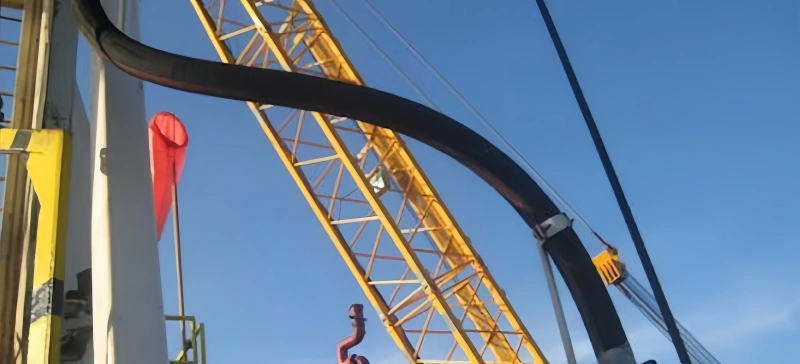
You use a vibrator hose in drilling systems that demand strength, flexibility, and steady flow. In oilfield work, the vibrator hose carries drilling fluid from the mud pump to the drill string. This transfer supports pressure control and protects equipment from repeated motion.
A reliable vibrator hose also shields nearby parts from excess vibration.
Alienfrac supports these operations with tailored hose solutions for drilling contractors and service teams. Its Rotary Drilling and Vibrator Hose gives you strong reinforcement, durable cover materials, and dependable performance in high-pressure service.
Here are common oilfield uses:
- rotary drilling fluid transfer
- mud pump discharge lines
- high-movement rig connections
- vibration control near drilling equipment
Tip: You improve safety and uptime when you match the hose design to your pressure level, fluid type, and connection needs.
Concrete Vibrator in Construction
You rely on a concrete vibrator when you place fresh concrete in slabs, walls, columns, and foundations. The concrete vibrator helps the concrete vibration process by moving trapped air out of the mix.
The concrete vibrator also supports preventing voids in concrete, removing air bubbles, and ensuring adequate concrete compaction. When you use a concrete vibrator correctly, the concrete fills and penetrates cavities around rebar and tight forms.
A concrete vibrator reduces voids, improves structural integrity, and creates high-quality surfaces. You can use a concrete vibrator in footings, beams, precast parts, and bridge decks.
Different jobs require different types of concrete vibrators. Common types of concrete vibrators include internal units and external units. You should choose the right concrete vibrator for the concrete section, pour depth, and job pace.
The concrete vibration process matters because poor compaction leaves voids in concrete. Those voids weaken structural integrity, reduce quality, and create repair costs. A concrete vibrator helps you avoid voids and improve the finished concrete.
| Task | The benefits of a concrete vibrator |
|---|---|
| slab placement | reduces voids in concrete |
| column pouring | improves structural integrity |
| dense rebar zones | helps concrete fill tight spaces |
| surface finishing | supports high-quality surfaces |
Alienfrac can provide tailored hose solutions for each concrete vibrator setup, giving your vibrator the flexibility and durability needed for repeated concrete work. You can also compare types of concrete vibrators before you select a concrete vibrator for your concrete application.
Other Industrial Uses
You can use a vibrator hose beyond drilling and concrete placement. Many industrial systems use a vibrator or flexible transfer line where movement, pulse, or constant motion occurs. A vibrator hose can support a vibrator in equipment that handles slurry, fluid transfer, or heavy material flow.
In these systems, a vibrator hose protects connections, reduces wear, and helps the concrete vibrator or industrial vibrator operate with better control.
You may see a concrete vibrator used in precast yards, tunnel work, marine construction, and repair projects. Each concrete vibrator must handle repeated bending and jobsite stress.
Alienfrac delivers tailored products for these demanding environments, helping you keep each vibrator system stable, efficient, and ready for long service.
Benefits of Vibrator Hose
Efficiency
You gain efficiency when you use a high-quality vibrator hose. The hose transfers fluids or vibration energy quickly and reliably. You reduce delays because the hose withstands high pressure and constant movement.
Alienfrac’s Rotary Drilling and Vibrator Hose features robust steel wire reinforcement and abrasion-resistant covers. You experience fewer interruptions during drilling or concrete work. The hose’s flexibility allows you to maneuver equipment easily, even in tight spaces.
You save time and resources by minimizing maintenance and replacement needs.
Tip: Choose a hose with UHMW lining for better chemical resistance and longer service life.
Safety
You protect your team and equipment when you select the right vibrator hose. Vibration causes fatigue in the wire reinforcement and external abrasion as the hose rubs against machine parts. If the wire fractures, the hose may burst under much lower pressure, creating safety risks.
Industry standards like SAE J1273 recommend secure routing and support to counteract vibration. In a mining excavator case study, switching to high-flexibility 4-wire spiral hoses reduced hose bursts to zero over nine months. You eliminate unscheduled repairs and decrease downtime by about 75%.
Proper hose selection and support enhance workplace safety in vibration-intensive environments.
- Secure routing prevents hose movement and reduces fatigue.
- Strong reinforcement lowers the risk of sudden bursts.
- Abrasion-resistant covers protect against external damage.
Alienfrac’s hoses meet strict certifications, including DNV MED, CCS, ABS, and API. You trust these standards to ensure safe operation in demanding conditions.
Reliability
You depend on reliability to keep your operations running smoothly. Alienfrac’s Rotary Drilling and Vibrator Hose uses advanced materials and construction methods. The hose maintains performance under high pressure and repeated vibration. You avoid unexpected failures and costly downtime.
The crimped and built-in fittings provide secure connections, reducing leaks and accidental disengagement. You benefit from consistent quality, backed by industry certifications and Alienfrac’s commitment to innovation.
| Feature | How It Supports Reliability |
|---|---|
| Steel wire reinforcement | Withstands high pressure and vibration |
| UHMW lining | Resists chemicals and extends lifespan |
| Certified fittings | Ensure secure, leak-free connections |
Note: Reliable hoses help you achieve better results and safer workplaces.
Conclusion
You have learned that a vibrator hose is a vital tool for fluid transfer and vibration control in oilfield and construction work. Choosing a reliable product like Alienfrac’s Rotary Drilling and Vibrator Hose gives you:
- High-pressure resistance for safety
- Flexibility for easy installation
- Abrasion and chemical resistance for long life
- Secure end fittings to prevent leaks
- Custom sizes for your project
Vibrator hoses help you achieve stronger, longer-lasting concrete and safer drilling operations. You improve results, reduce downtime, and support the success of your industry.
FAQ
What is the main purpose of a vibrator hose?
You use a vibrator hose to transfer fluids and absorb vibrations in oilfield and construction work. This hose protects your equipment, improves safety, and ensures efficient operation during drilling or concrete compaction.
How do you choose the right vibrator hose for your job?
You should consider pressure rating, hose length, lining material, and fitting type. Always match the hose to your equipment and application. Alienfrac offers custom solutions to fit your specific needs.
How often should you inspect a vibrator hose?
You need to inspect your hose before each use. Look for signs of wear, leaks, or damage. Regular checks help you prevent failures and maintain safe operation.
Can you use the same hose for oilfield and concrete applications?
You can use a vibrator hose in both oilfield and concrete work if it meets the required specifications. Always verify compatibility with your fluids and pressure levels.
What certifications should you look for in a vibrator hose?
You should look for hoses certified by organizations like DNV MED, CCS, ABS, and API. These certifications ensure your hose meets industry safety and quality standards.