Oil and Gas Hoses
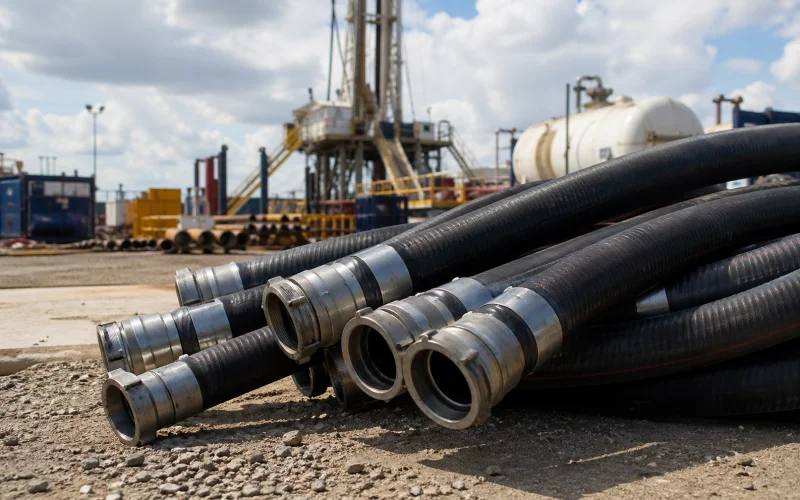
Alienfrac specializes in manufacturing premium oil and gas hoses tailored to the demanding needs of the industry. Our hoses are designed for applications across drilling, hydraulic fracturing, refining, and transportation. Built to endure high pressure, abrasion, and harsh environments, Alienfrac hoses ensure safety, reliability, and operational efficiency. With over 20 years of experience and a global footprint, we provide custom hose solutions for every aspect of oil and gas operations. Request a quote from Alienfrac for your oil and gas hose requirements today.
Oil & Gas Hoses Manufacturer
Production Hoses
Offshore Drilling Hoses
Water and Wastewater Hoses
Refining Hoses
Vapor Recovery Hoses
Tank Truck Hoses
Advanced Oil and Gas Hose Solutions
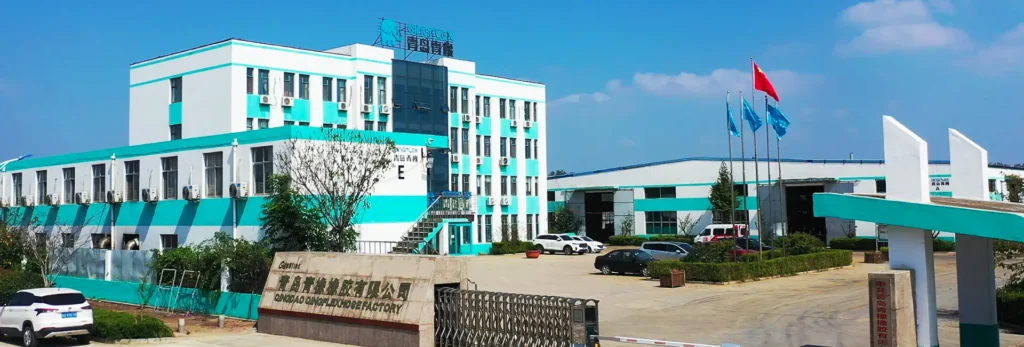
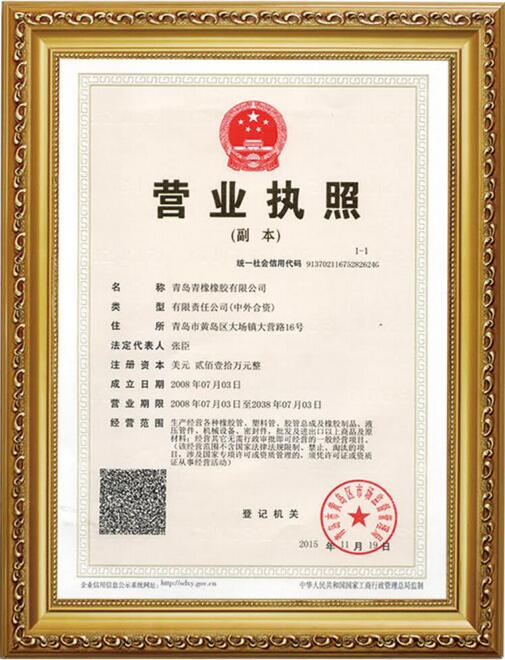
Qingdao Qingflex Hose Factory, founded in 2008, boasts a formidable production capacity and focuses on R&D and production of built-in and crimped high-pressure oilfield hoses.
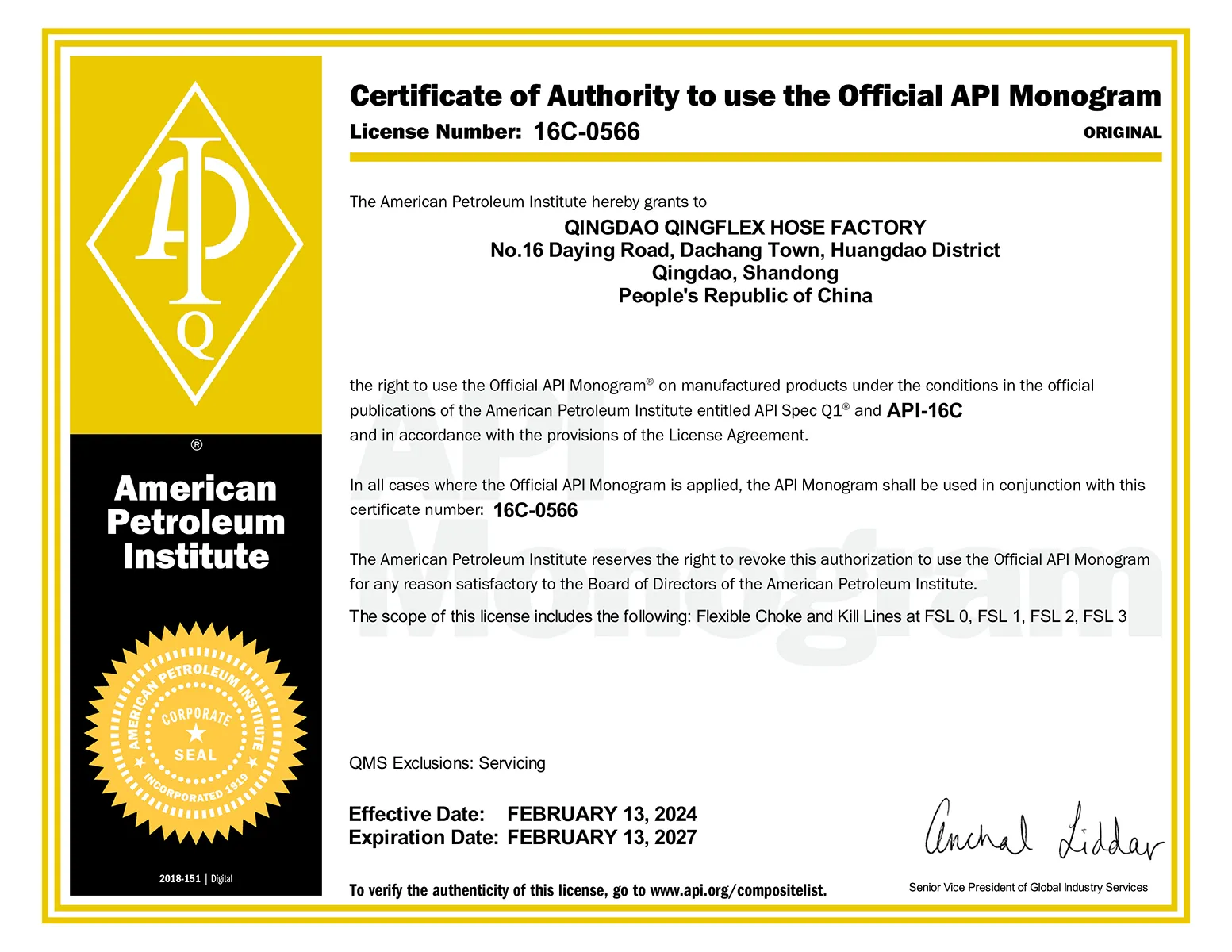
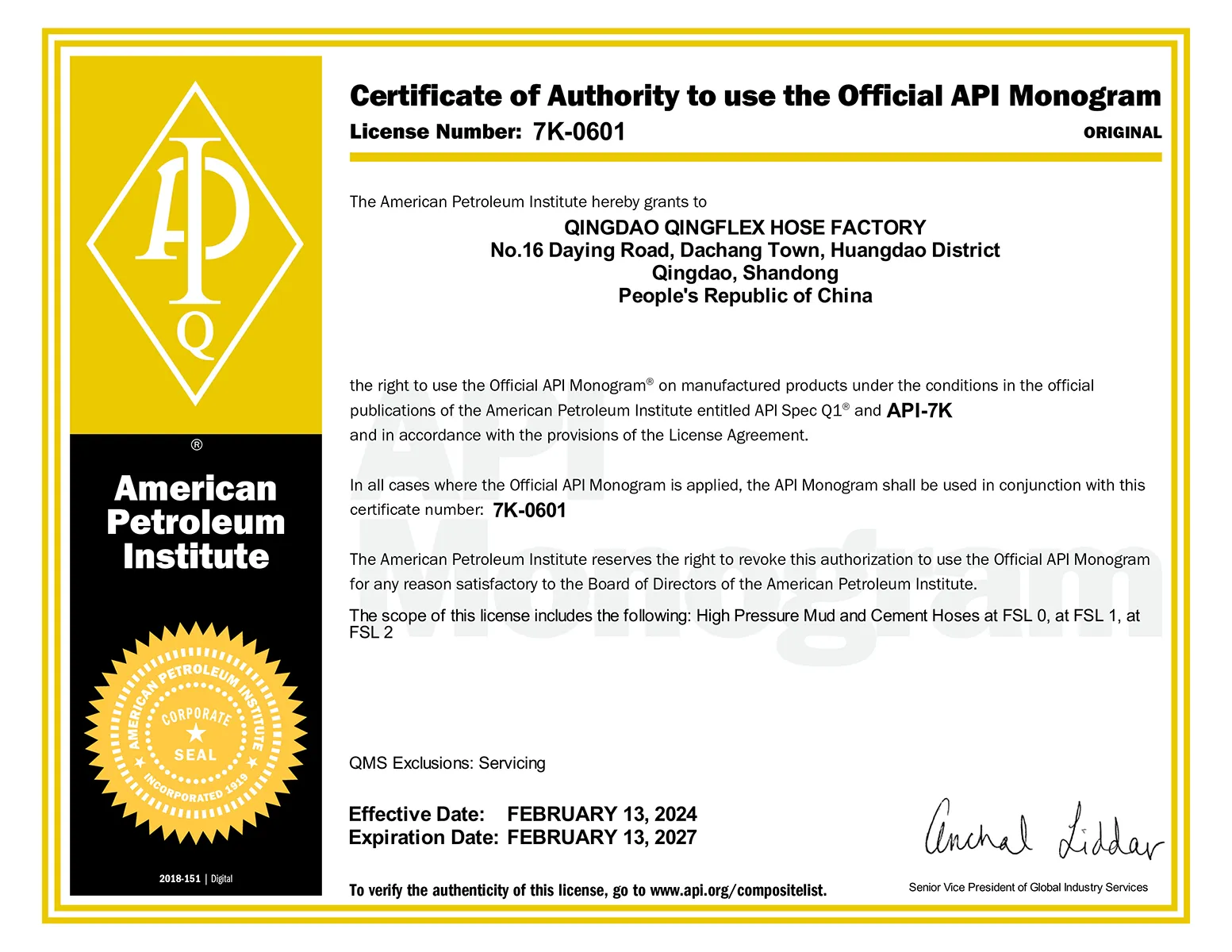
With cutting-edge technology and modern machinery, we manufacture AllienFrac hoses, including API 7K Cement Hose, Rotary Drilling and Vibrator Hose, API 16C Choke and Kill Hose, and API 16D BOP Control Hose, powering oilfields worldwide.
Why Choose QingFlex as Your Oil and Gas Hoses Manufacturer
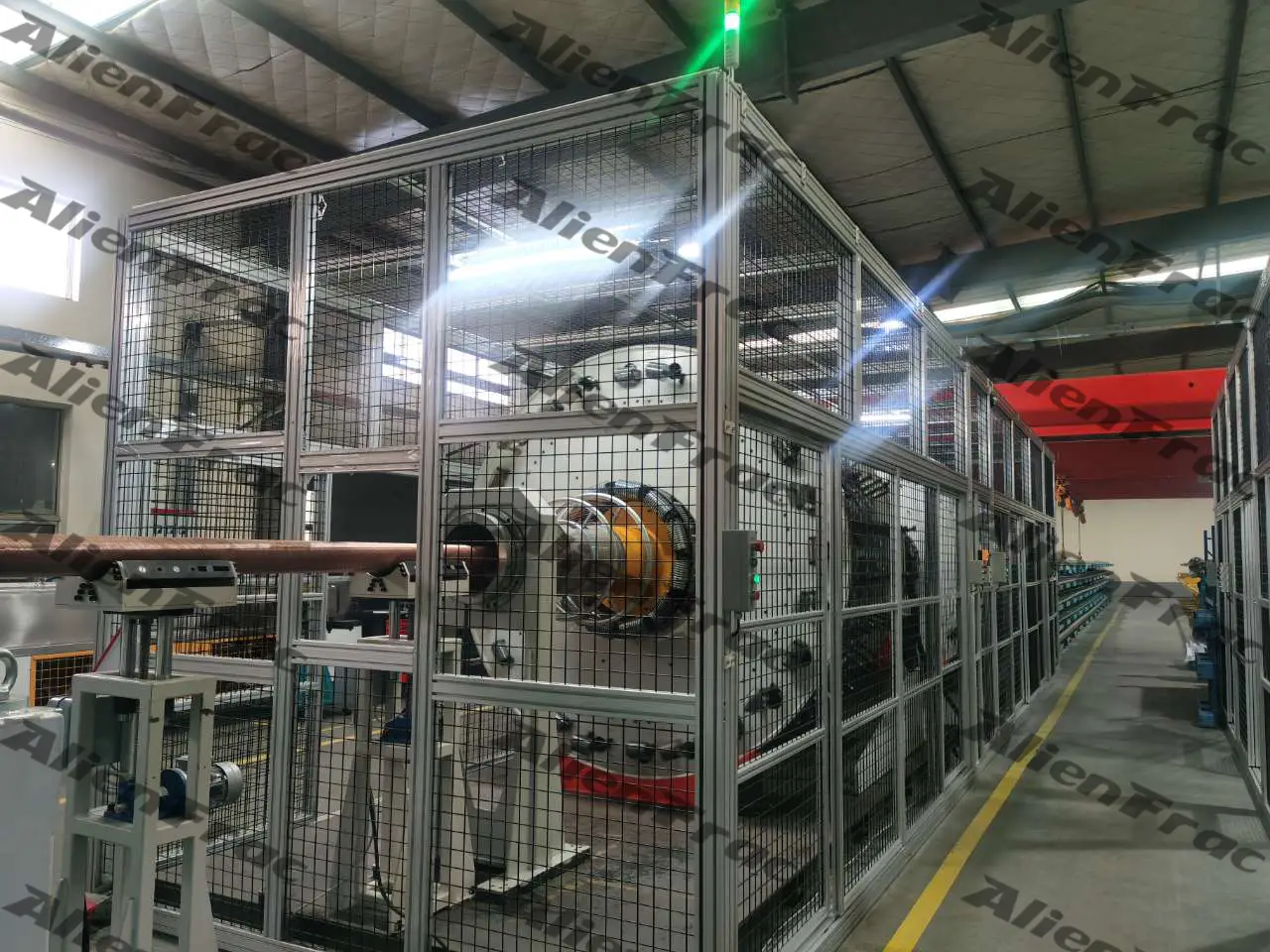
Advanced Manufacturing Equipment
Efficient German and American weaving, winding and spiral machines, UNIFLEX crimping, cooling system, innovative large-scale hose machines, industry-leading.
High Production Capacities
Our factory boasts extremely high production capacities, manufacturing a range of hoses, including large-caliber wire-wrapped oil drilling hoses at 1000 meters per day and hydraulic hoses at 120,000 meters per day.
Reliable Quality
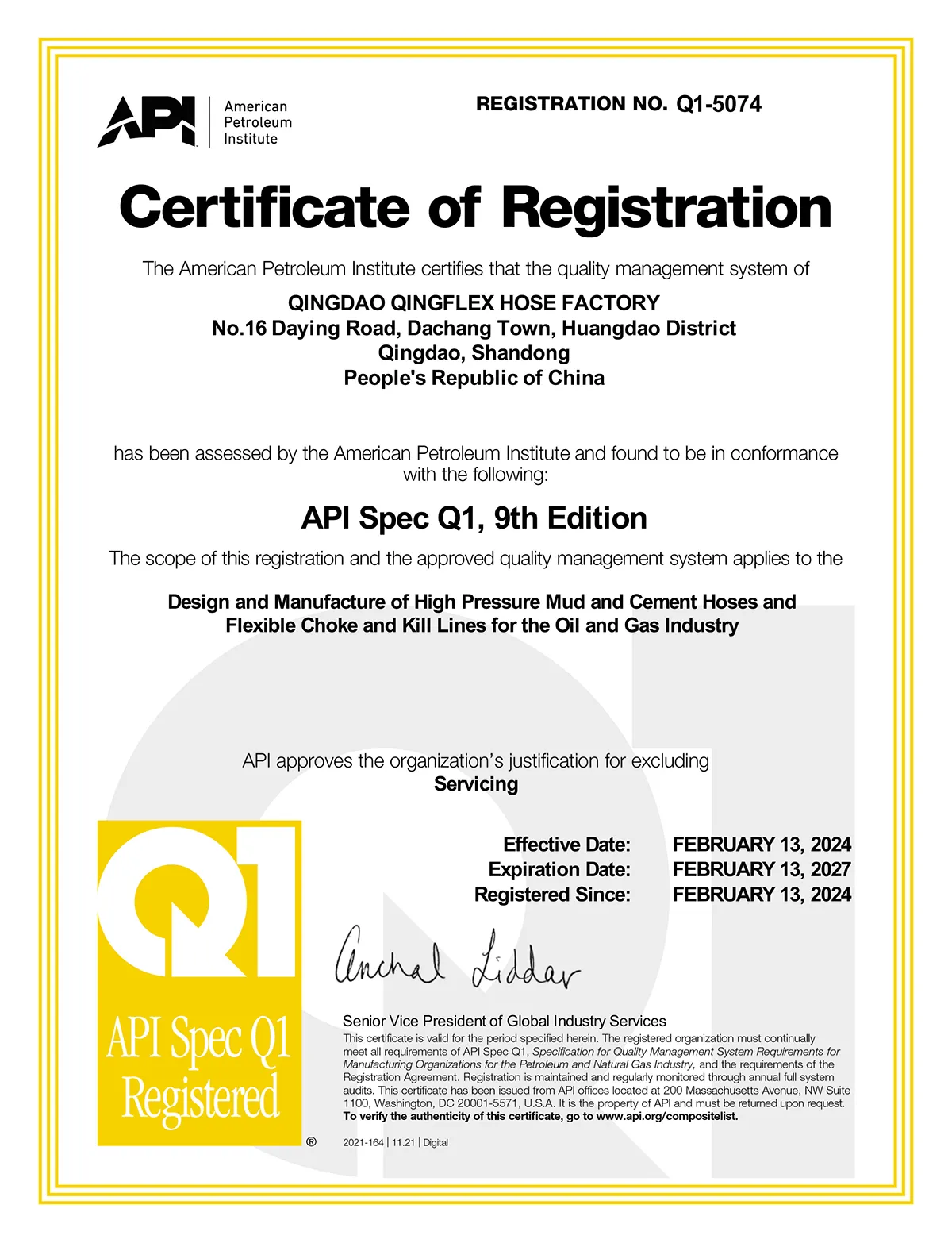
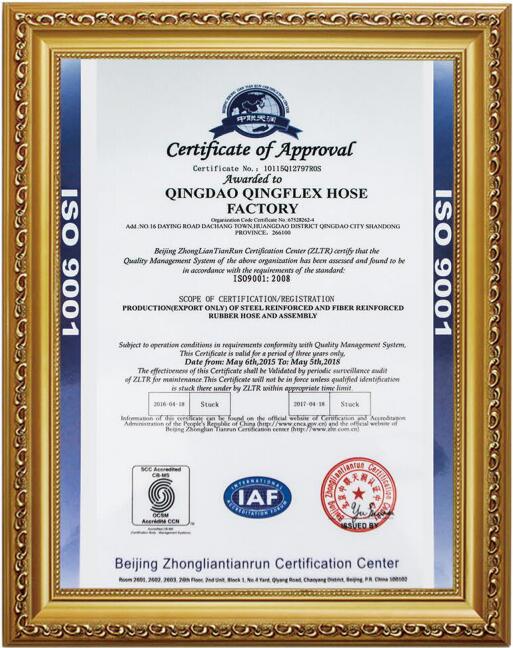
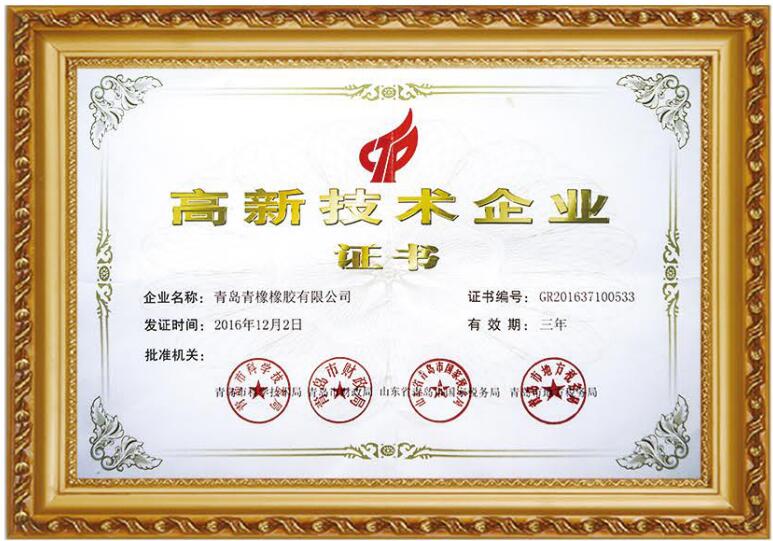
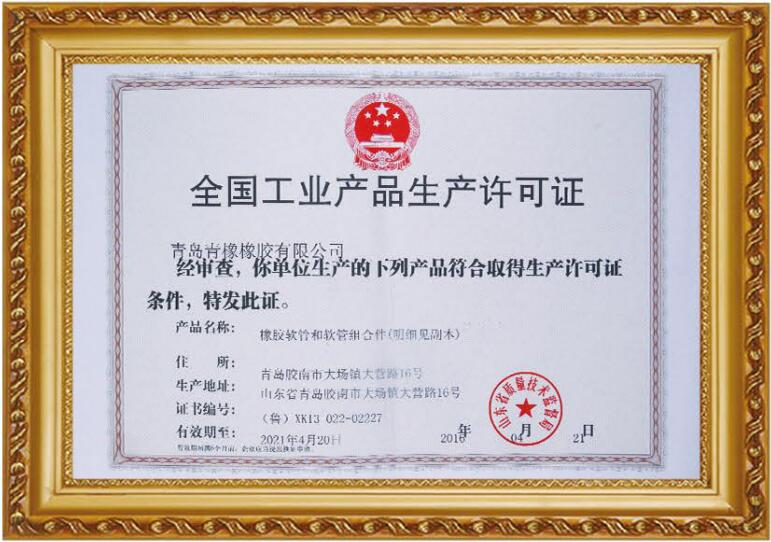
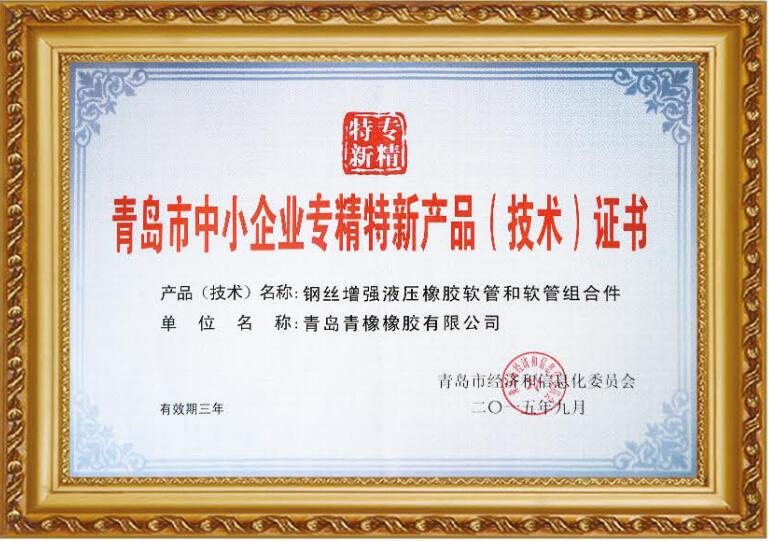
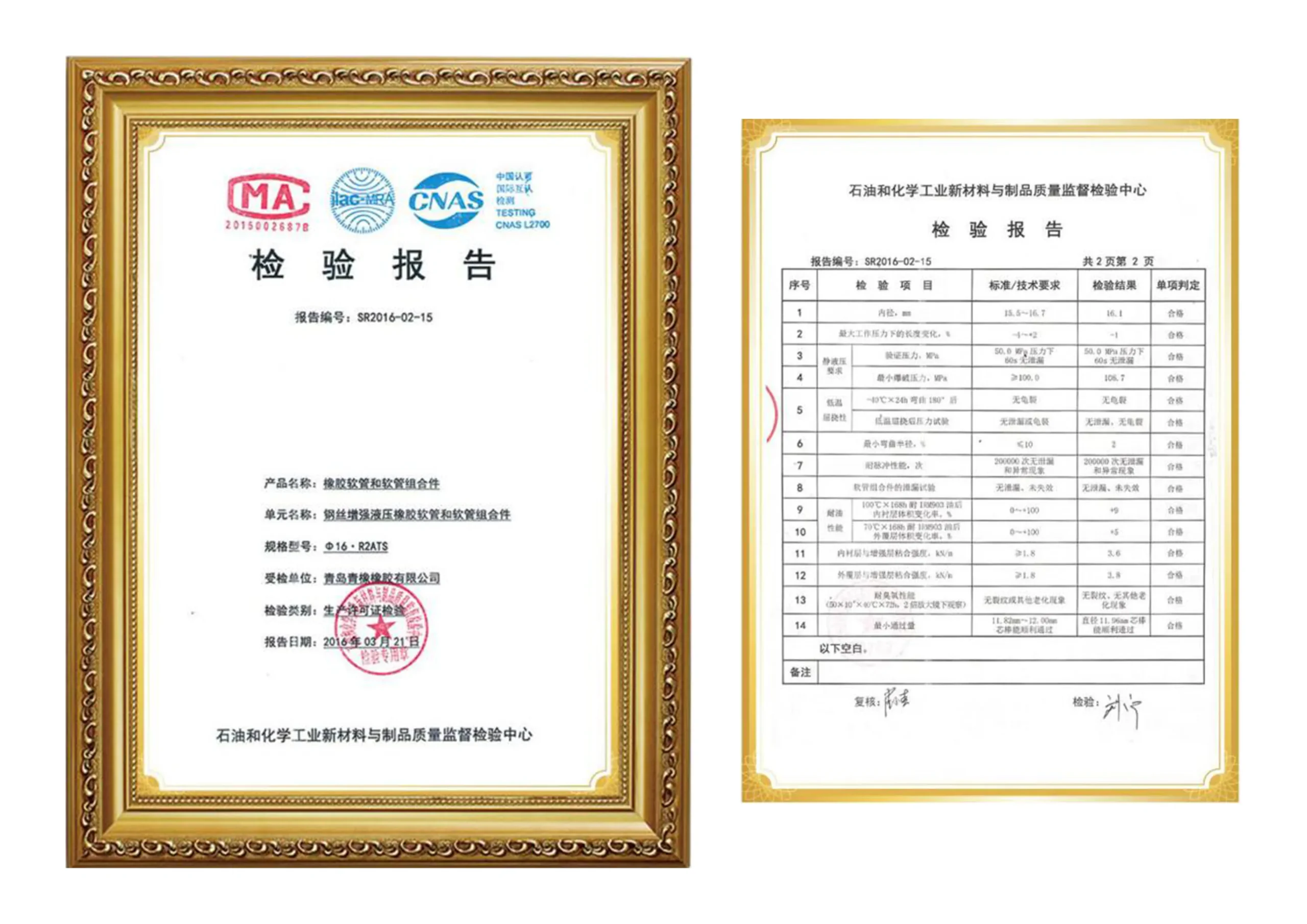
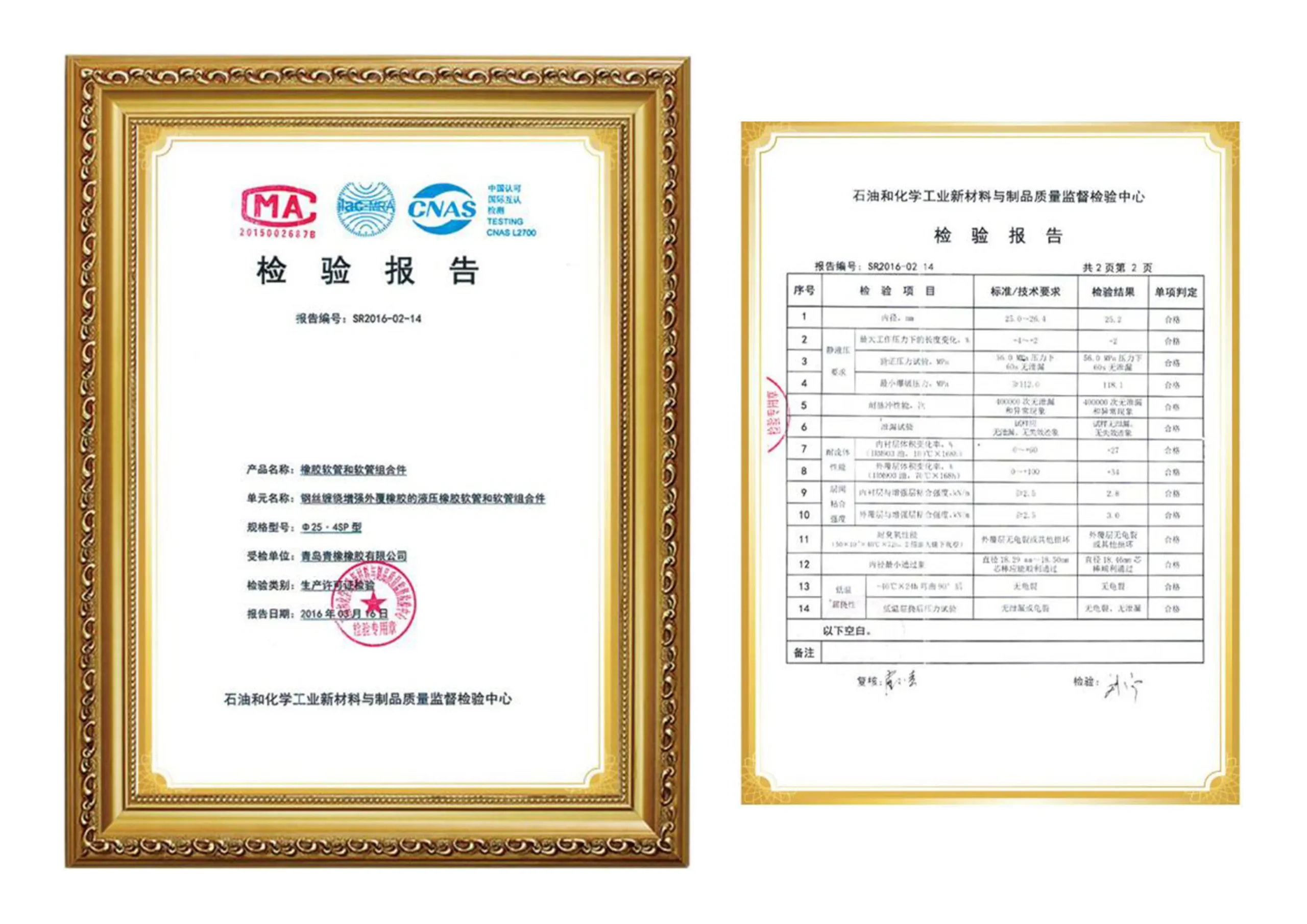
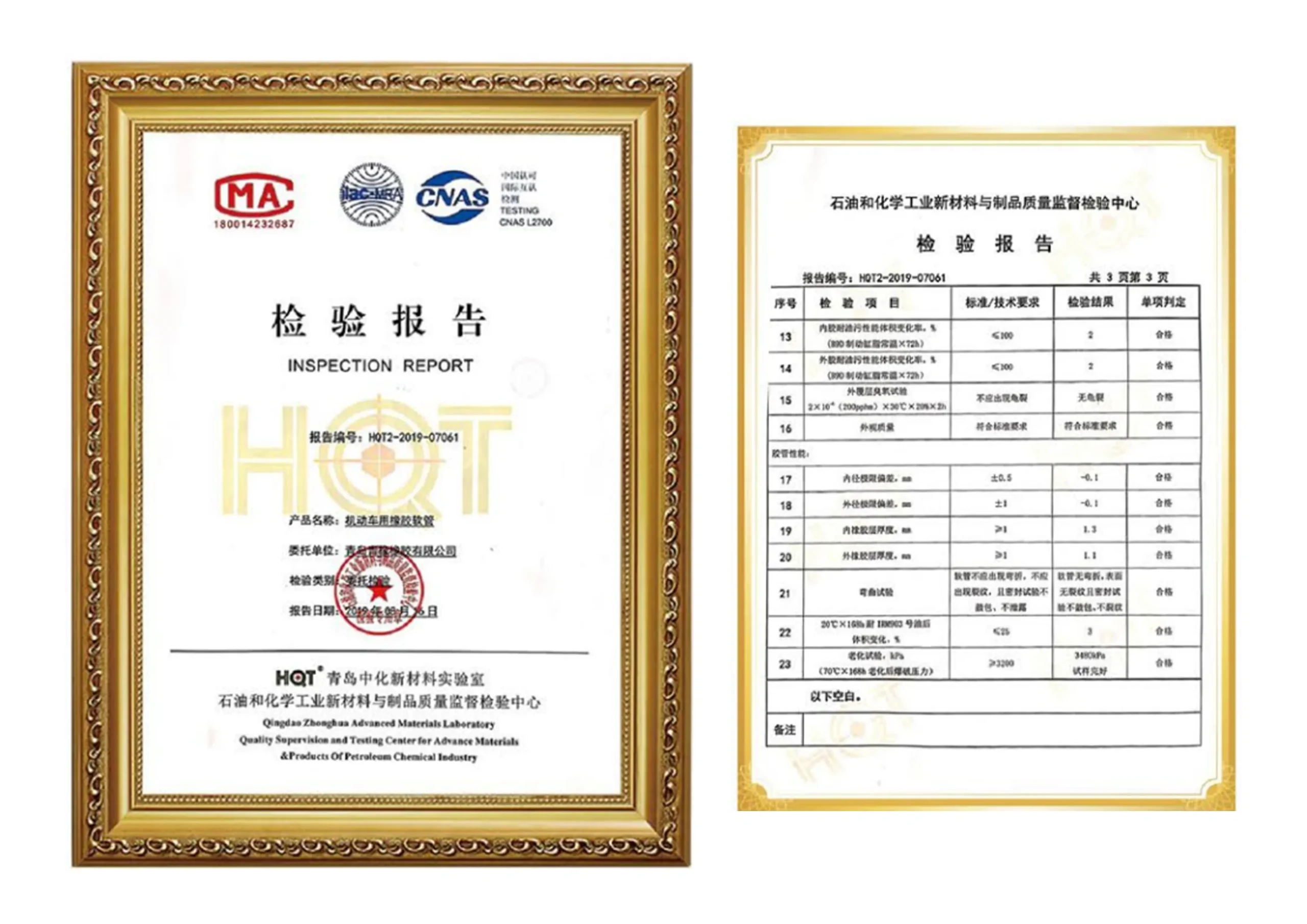
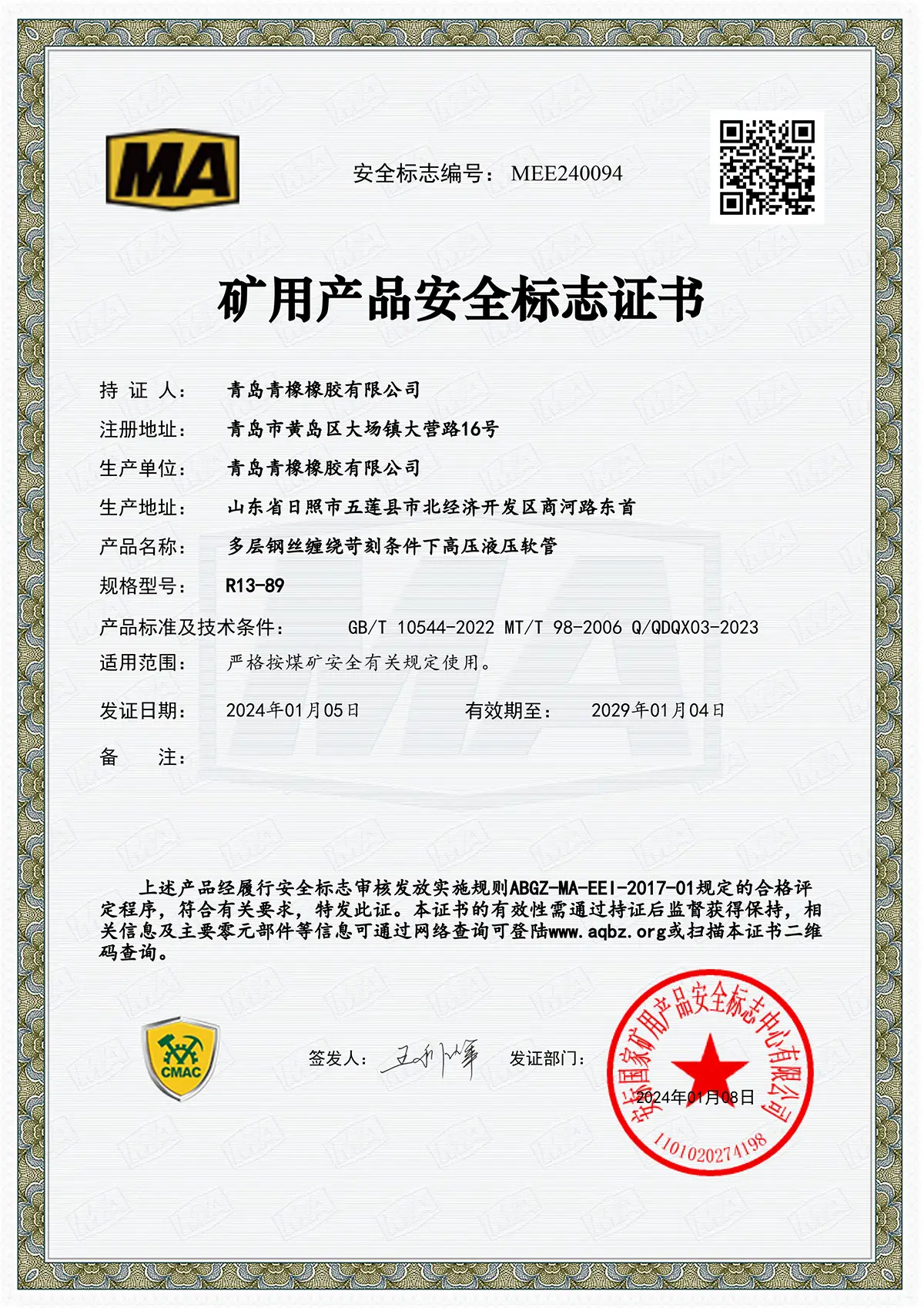
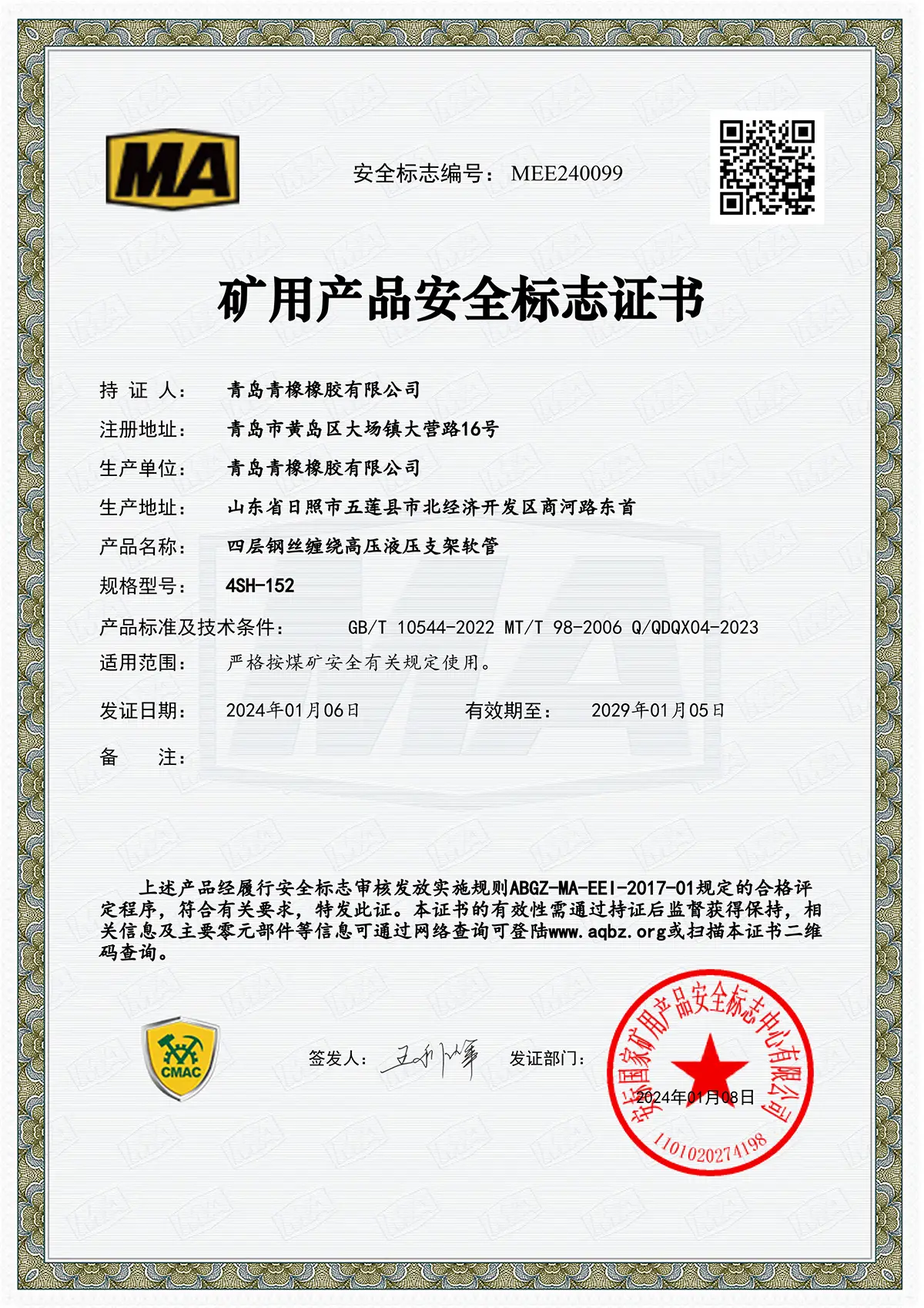
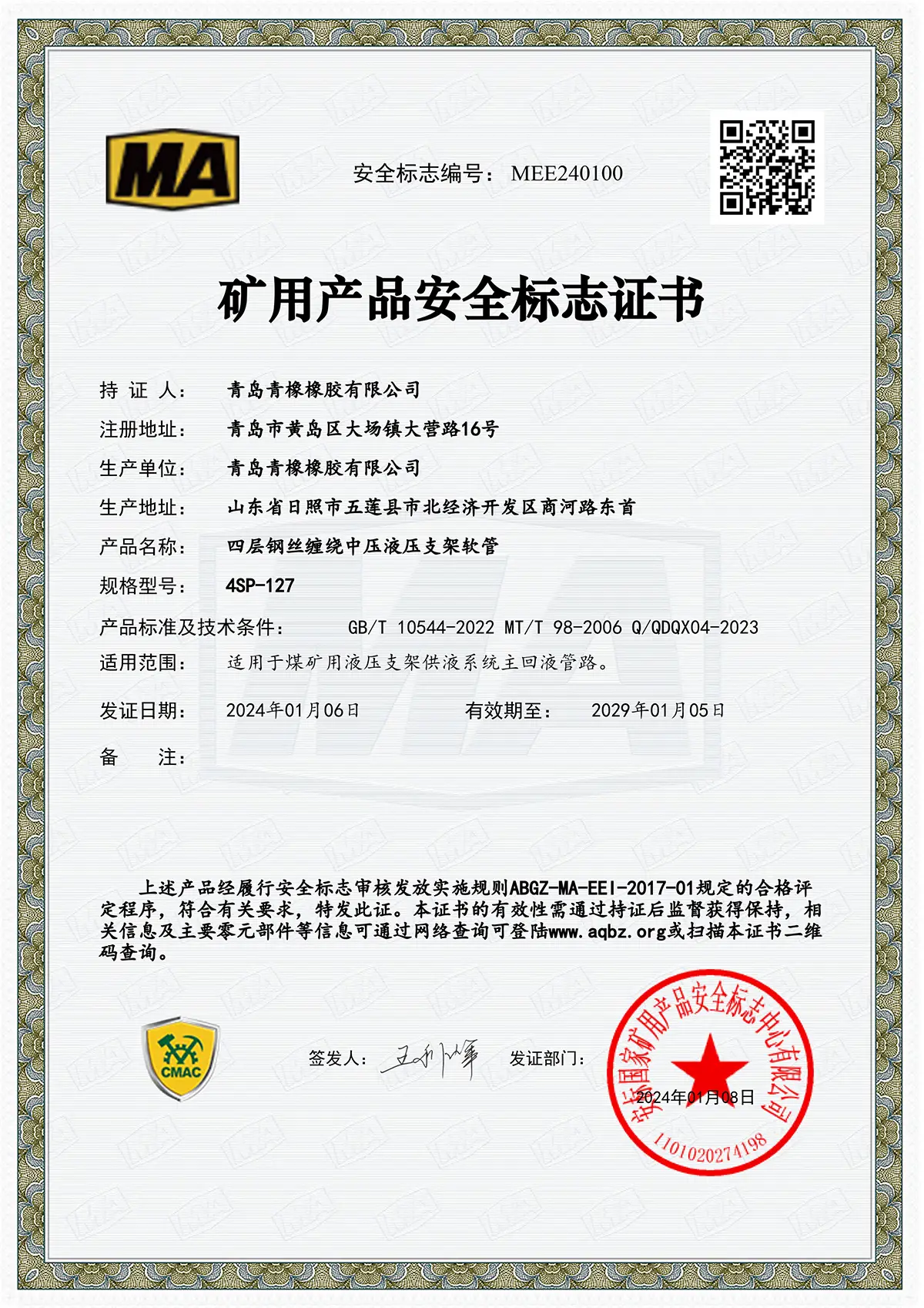
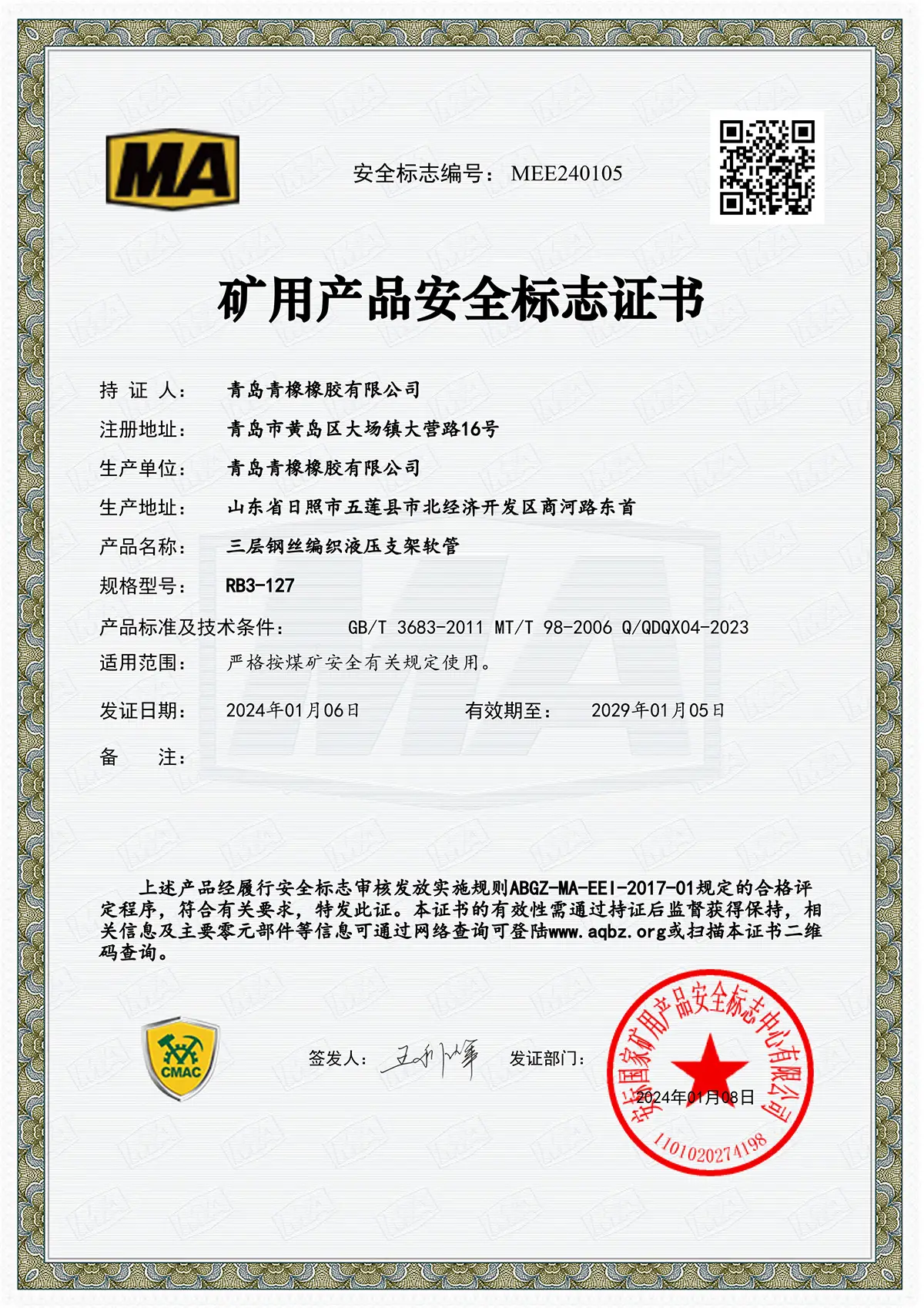
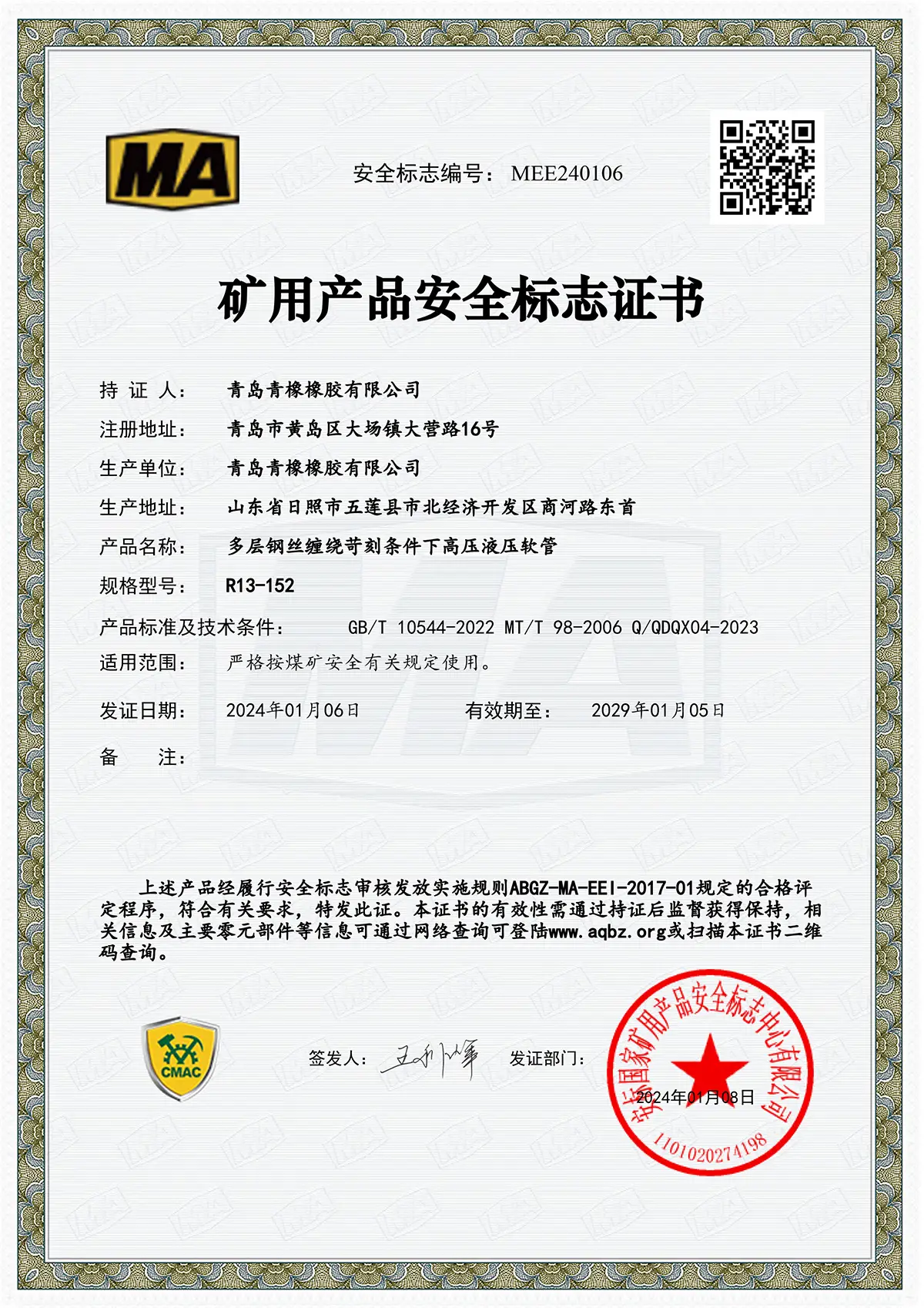
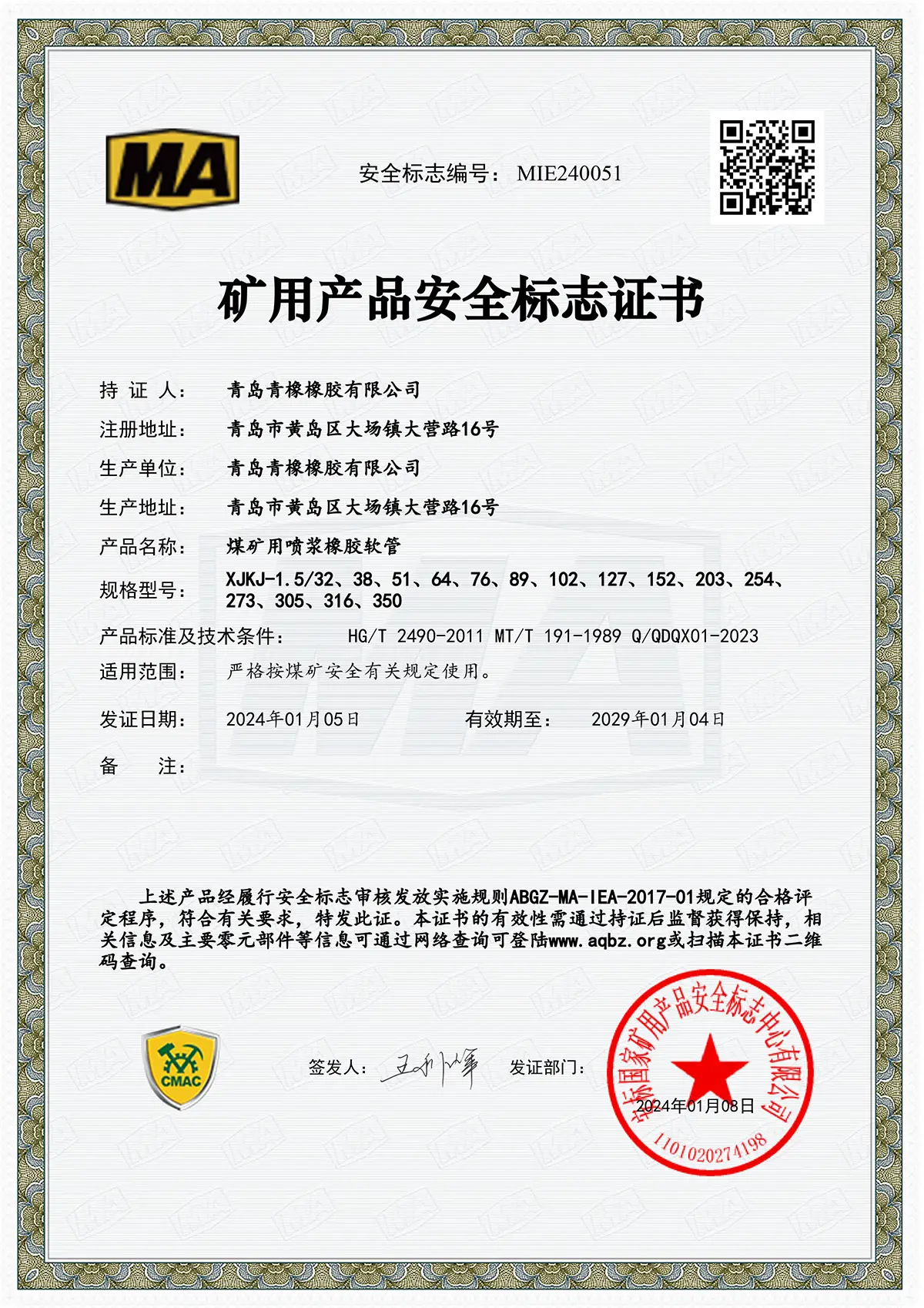
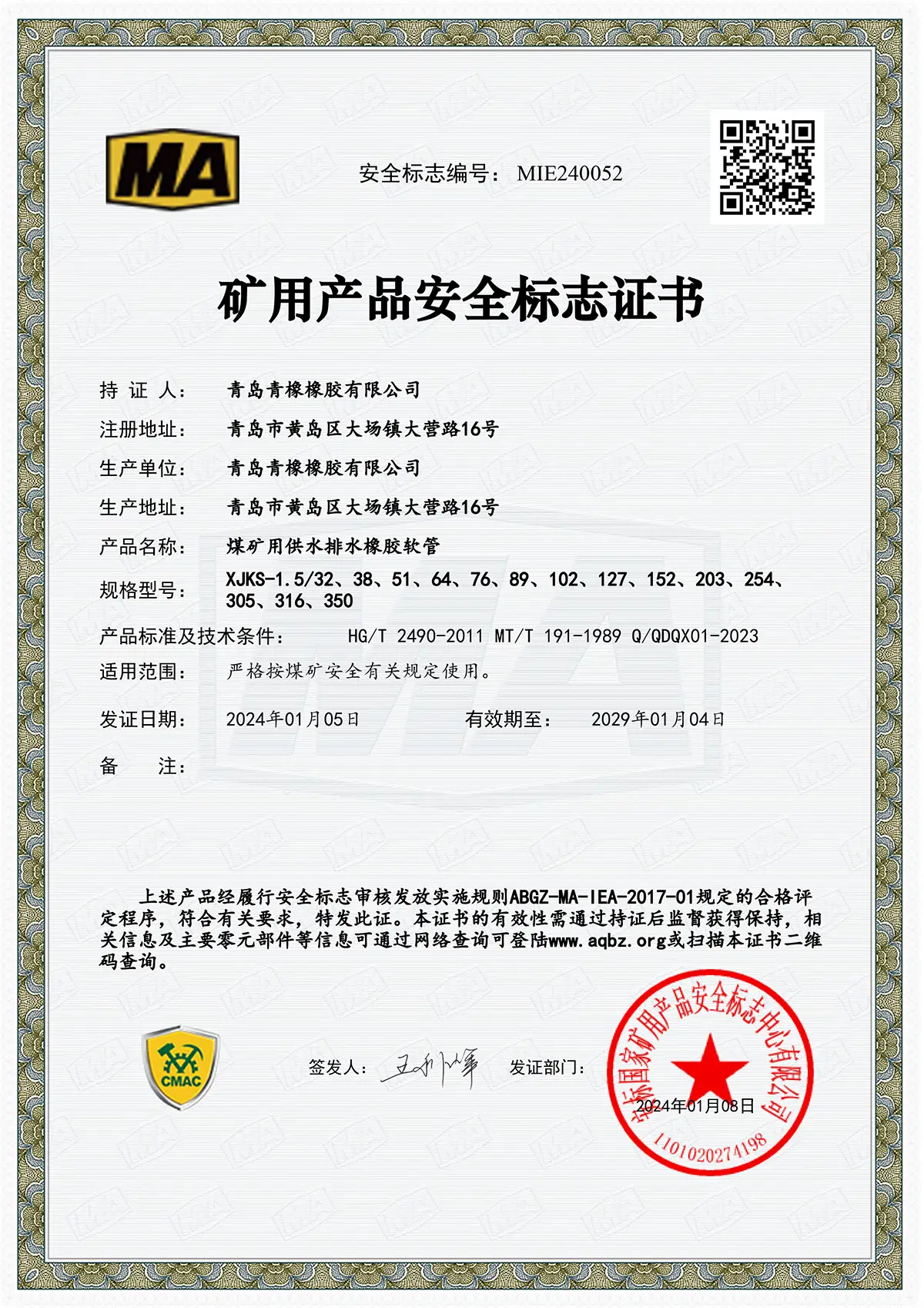
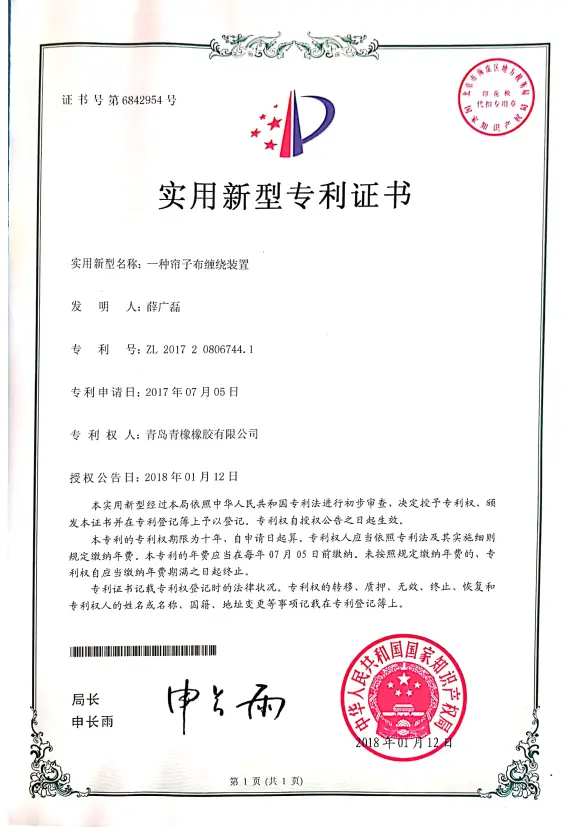
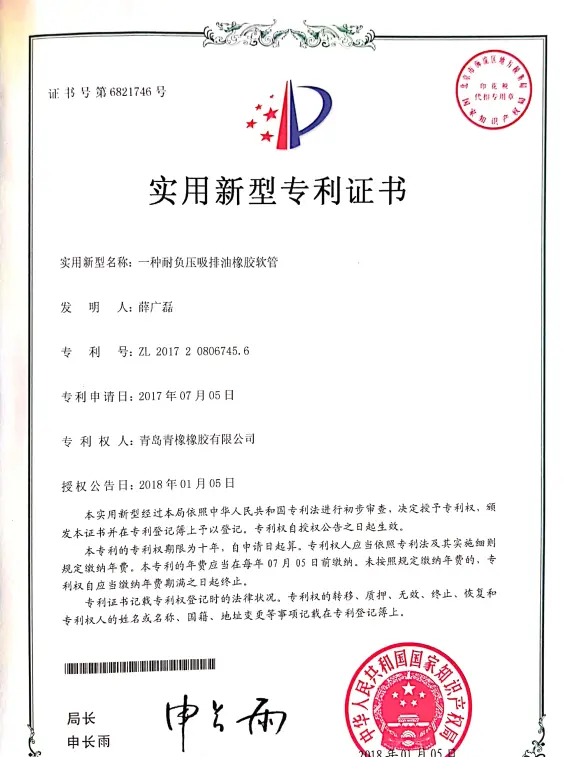
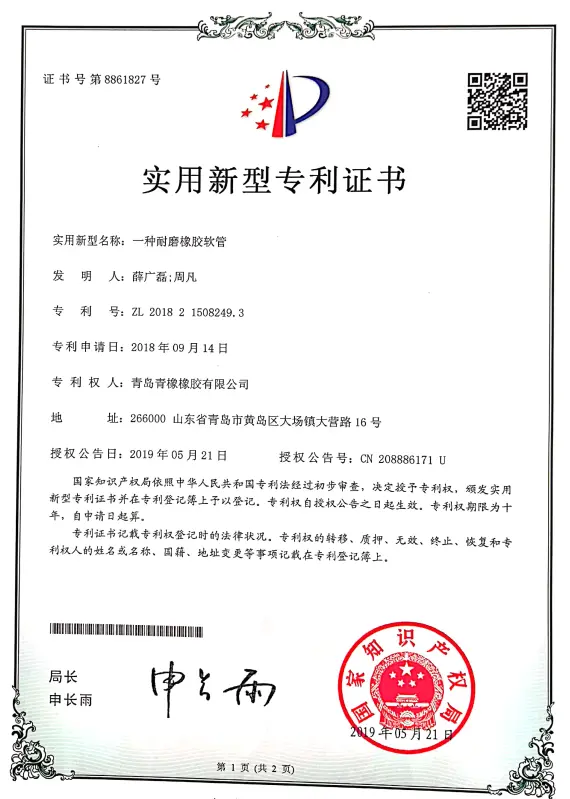
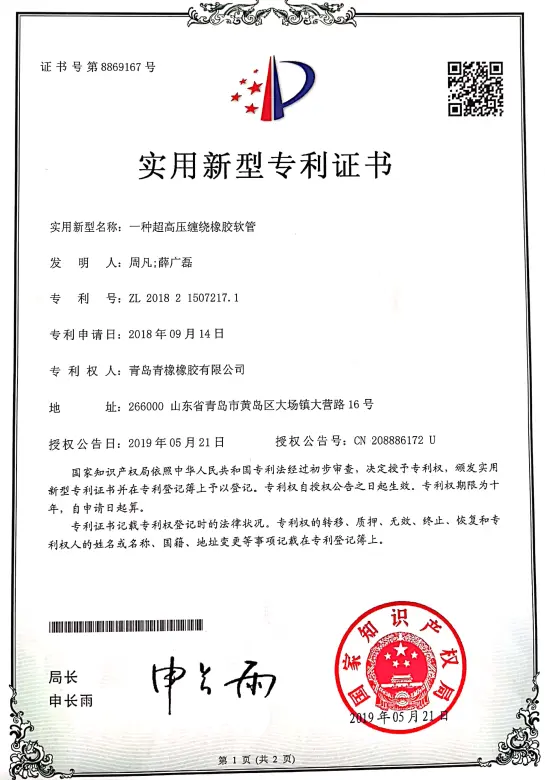
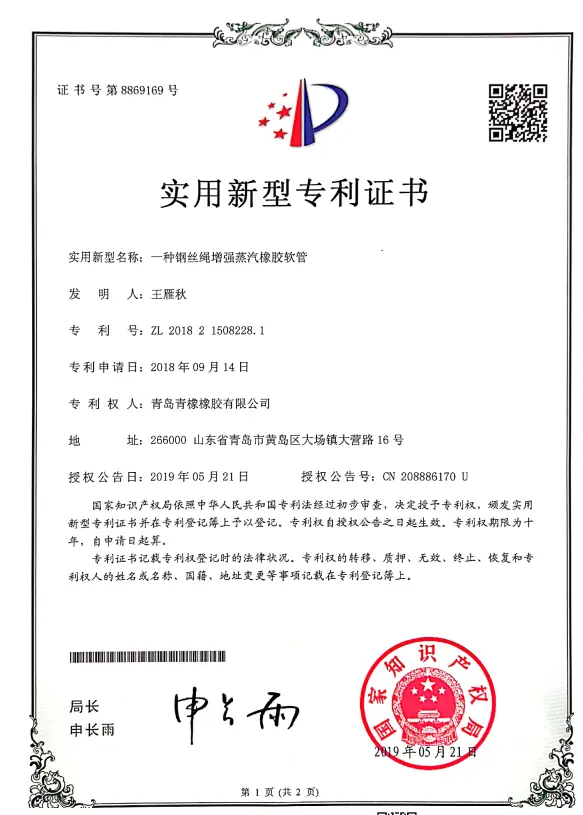
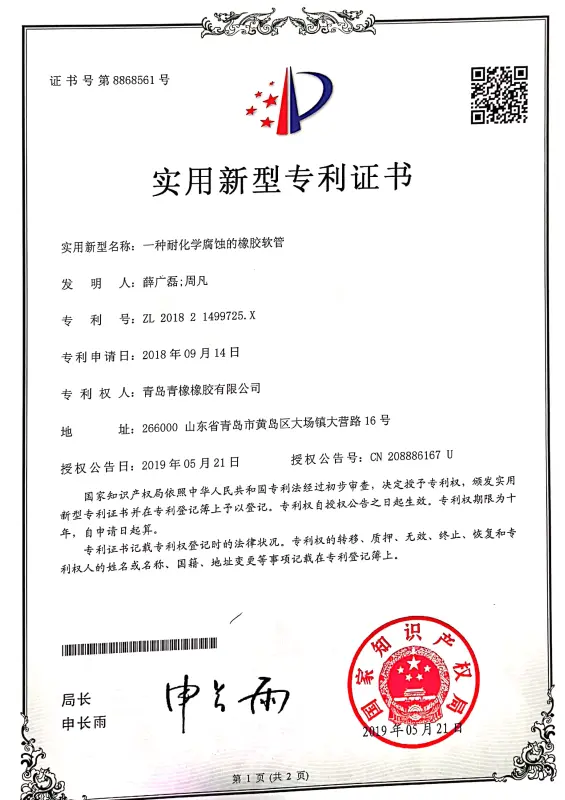
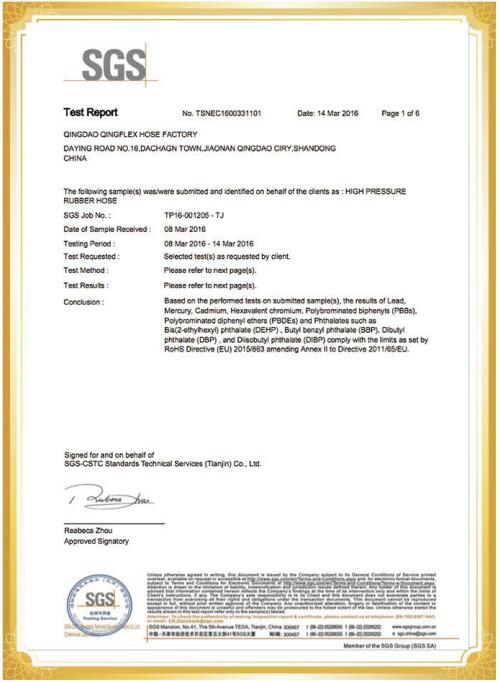
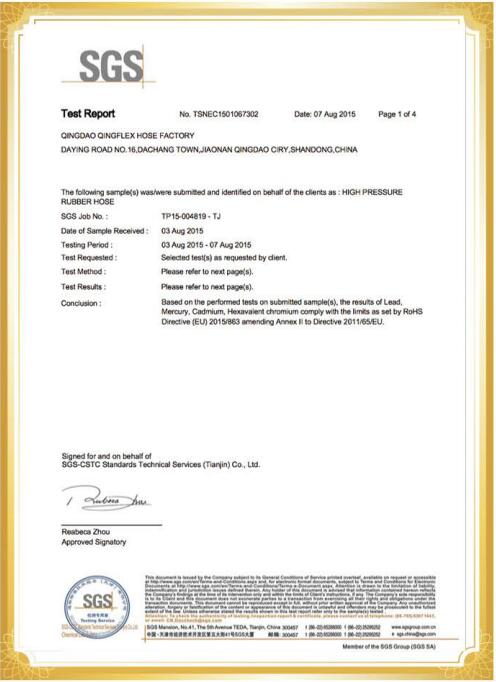
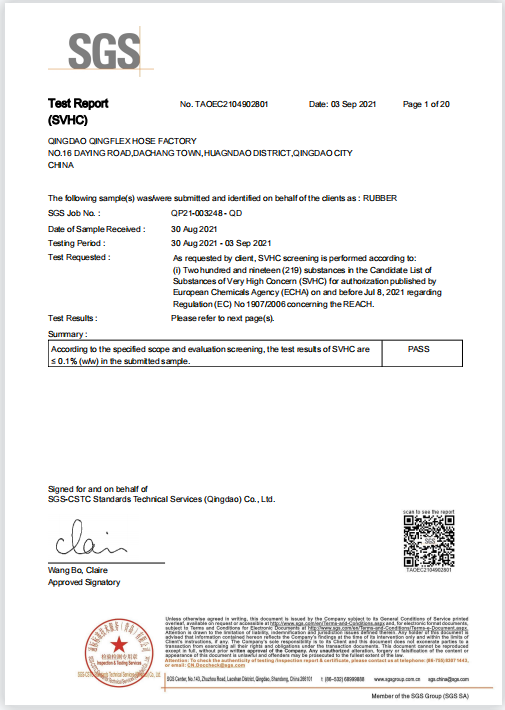
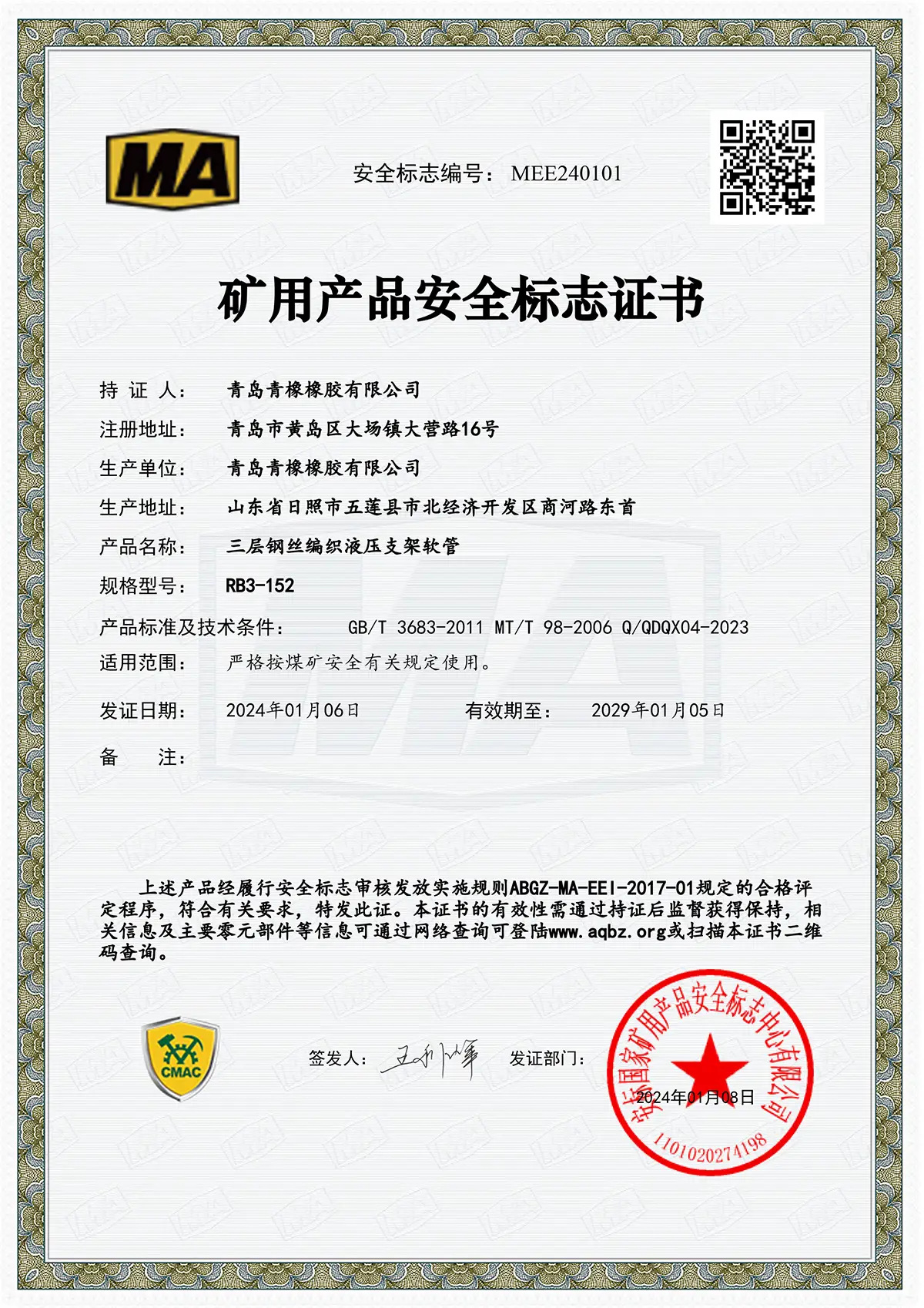
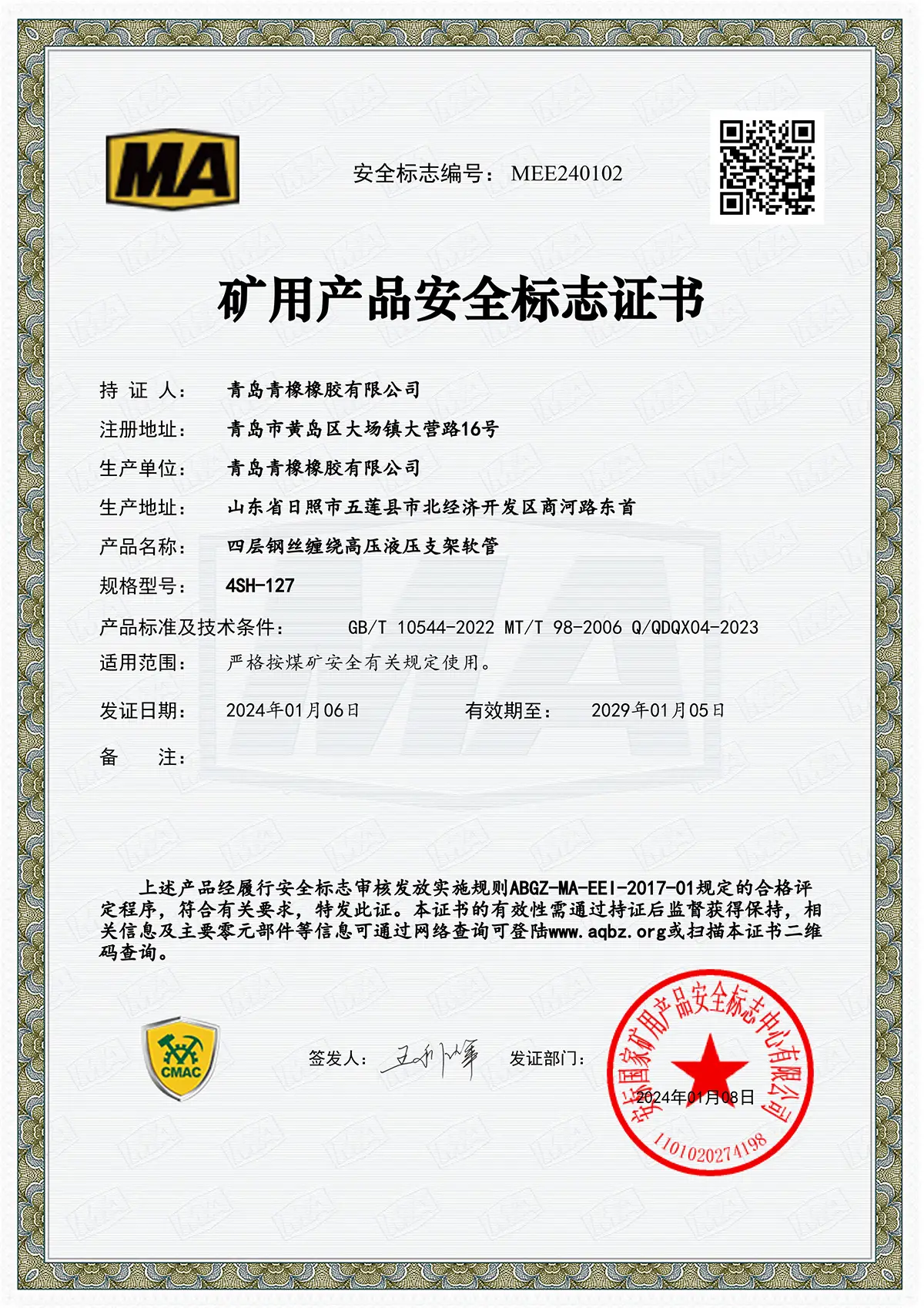
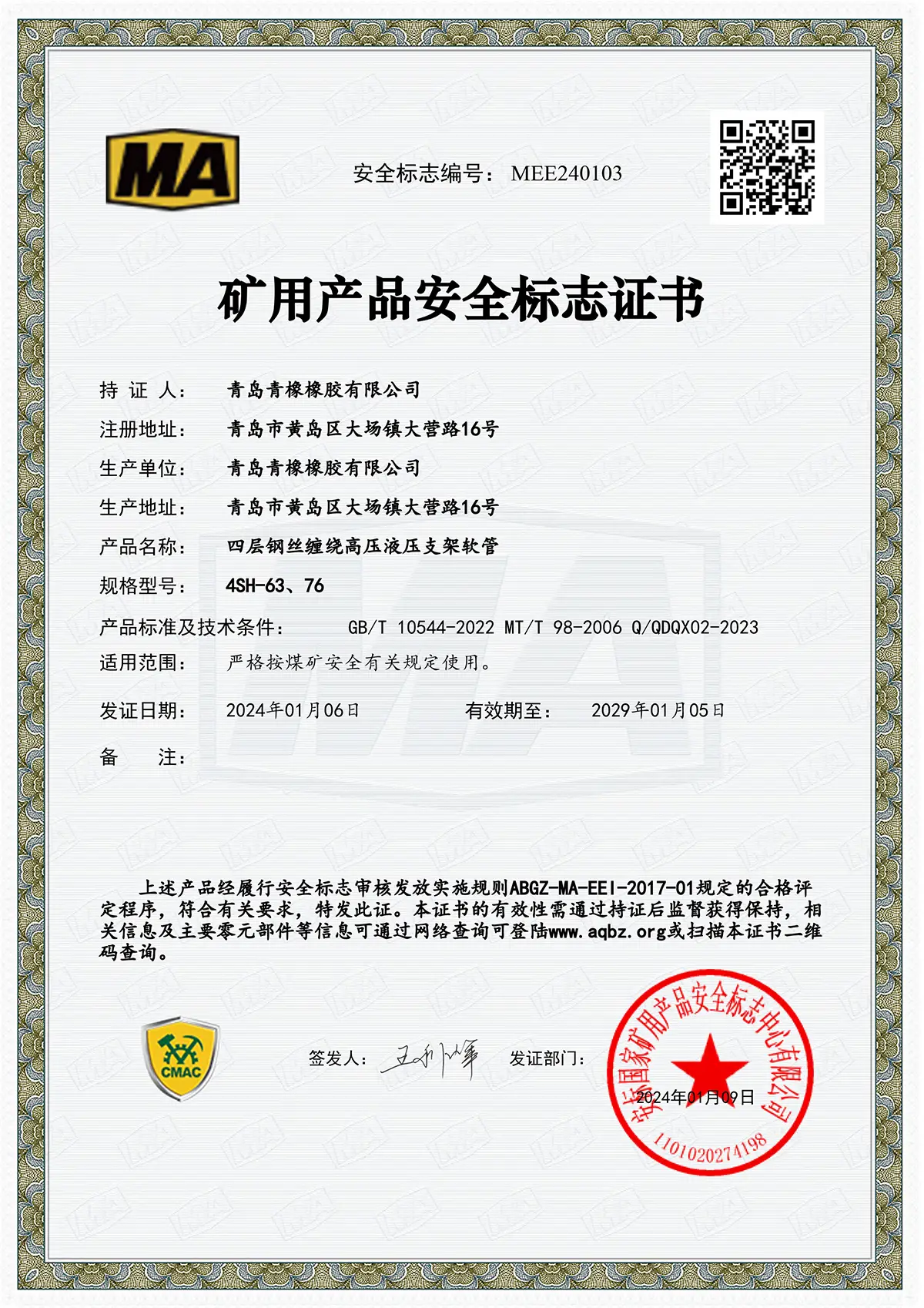
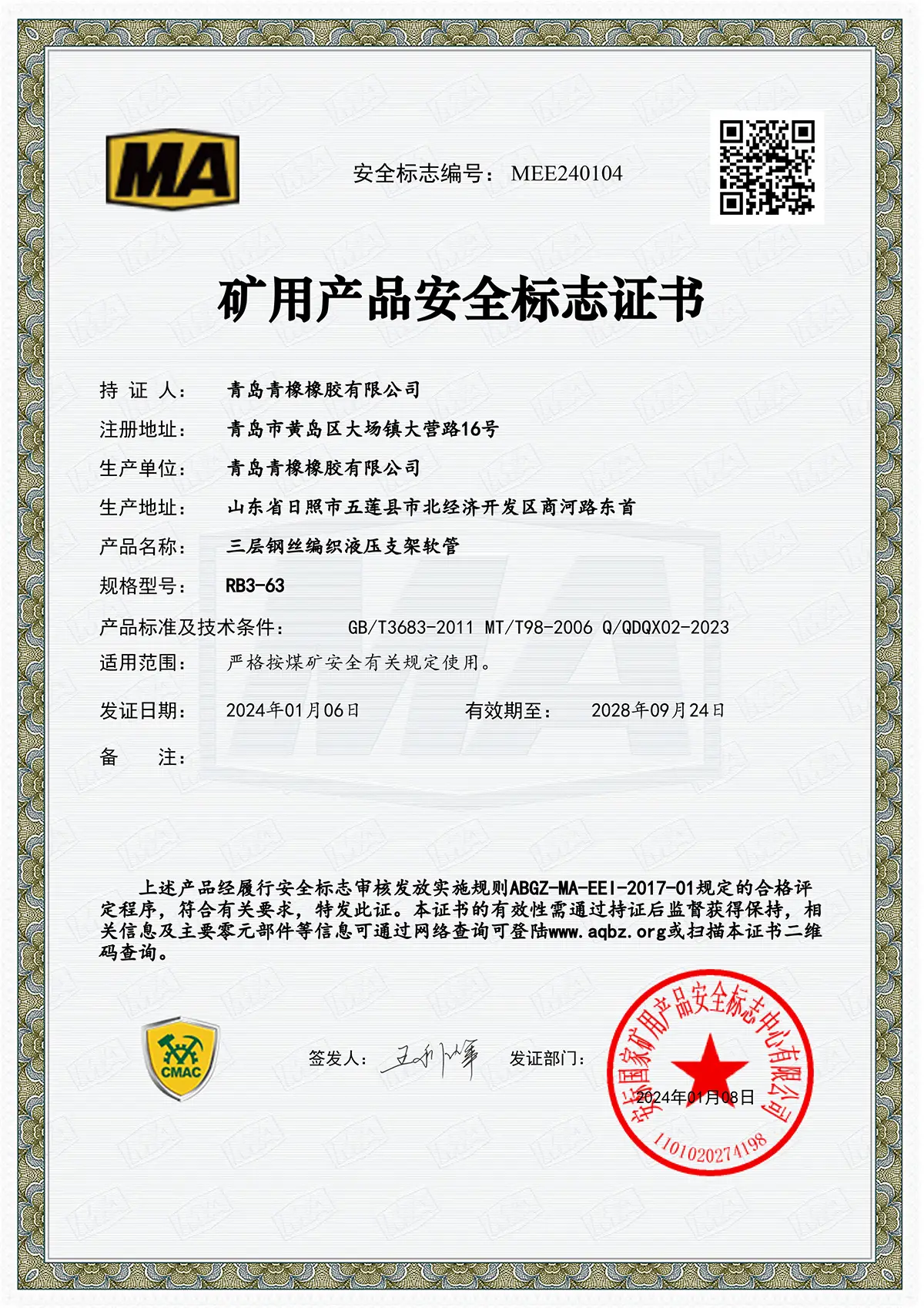
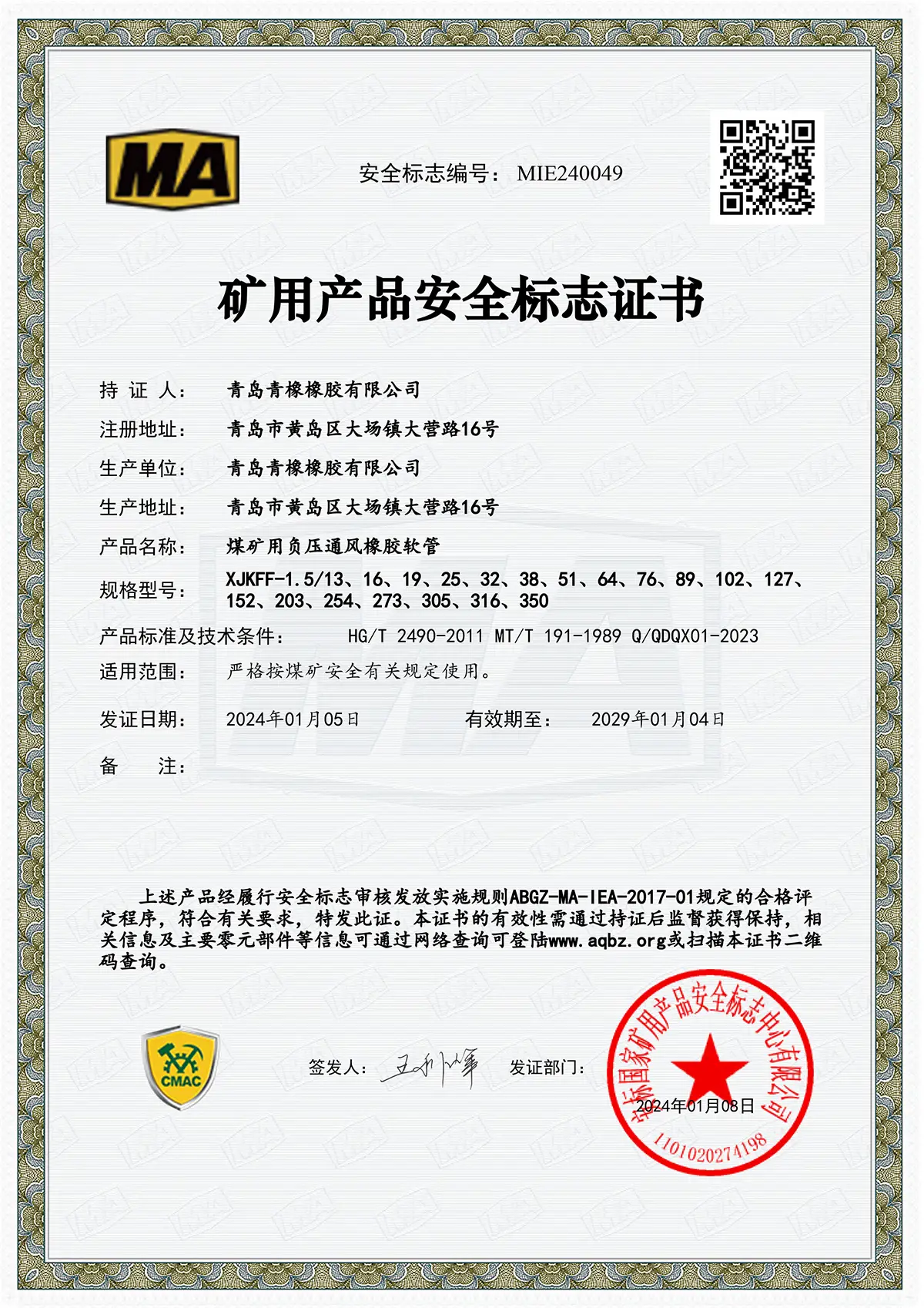
Our company proudly possesses certifications from DNV MED, CCS, ABS, and API, underscoring our unwavering commitment to delivering products of exceptional quality and reliability.
Hoses for Oil and Gas Industry
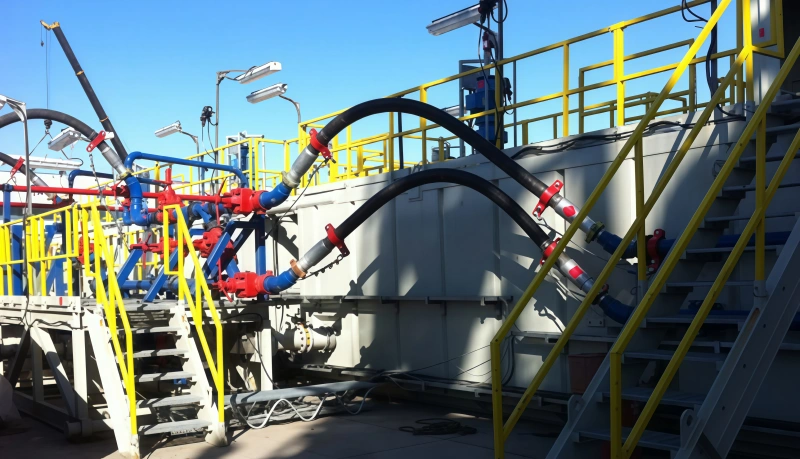
Alienfrac delivers reliable oil and gas hoses tailored to a wide range of applications, including offshore hose bundles, methanol service, and chemical injections.
Key features of our hoses include:
- Exceptional pressure resistance for high-demand operations
- Minimal volumetric expansion for stable performance
- Lightweight design with high external pressure strength
- Temperature resistance up to +150 °C
- Superior chemical resistance to a broad spectrum of aggressive media
Leveraging cutting-edge manufacturing technology, we produce ultra-high-pressure hoses with high chemical resistance, available in lengths up to 4,500 meters, ensuring durability and reliability for your toughest challenges.
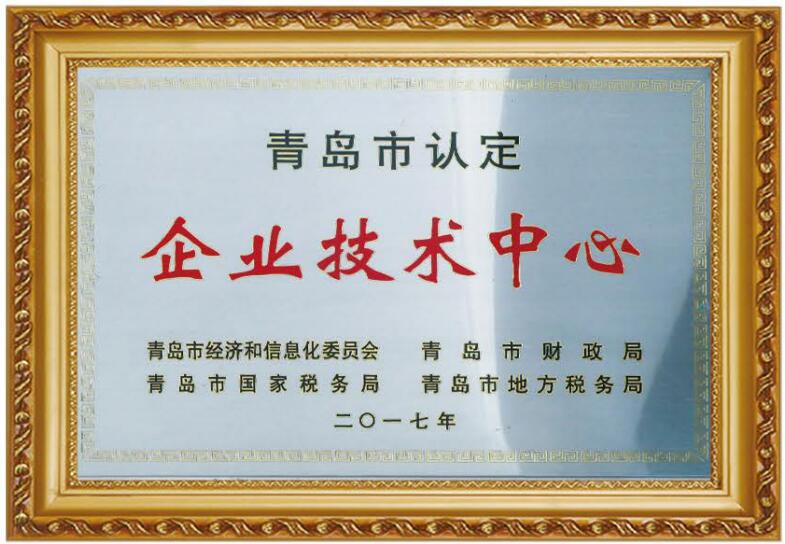
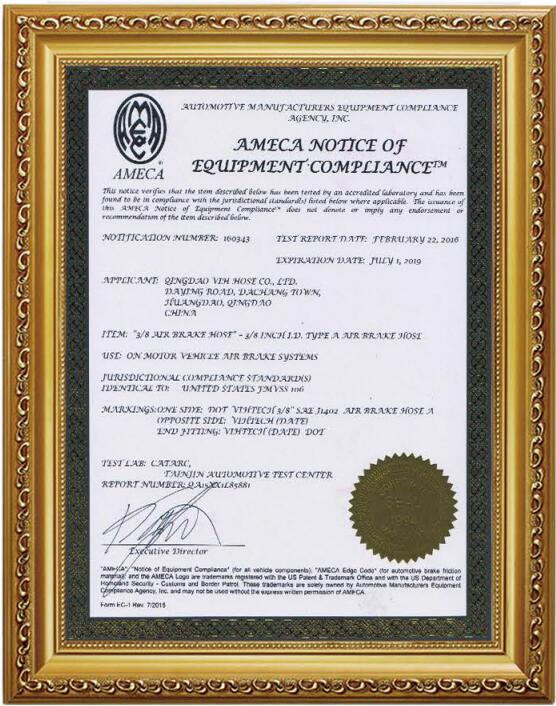
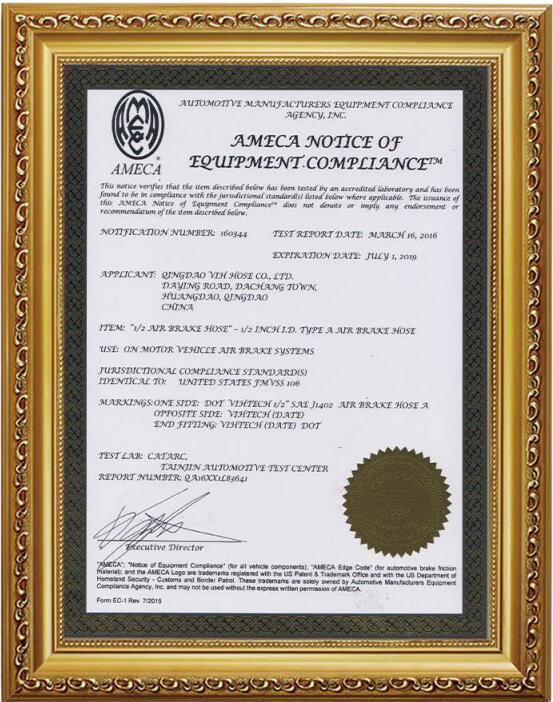
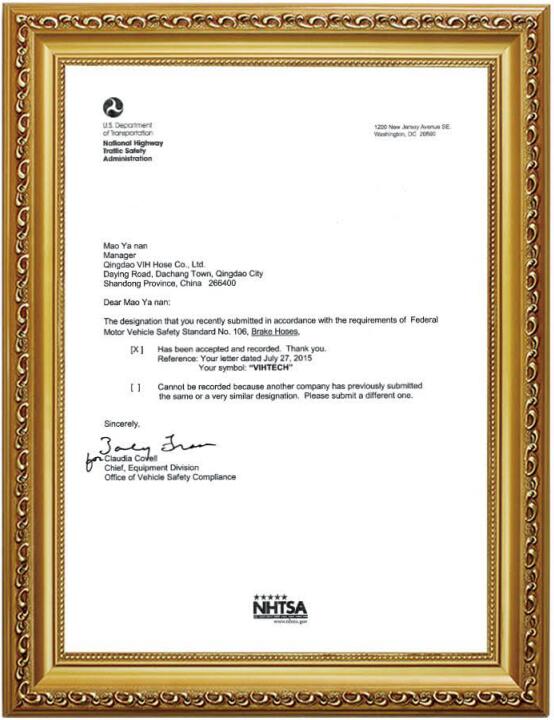
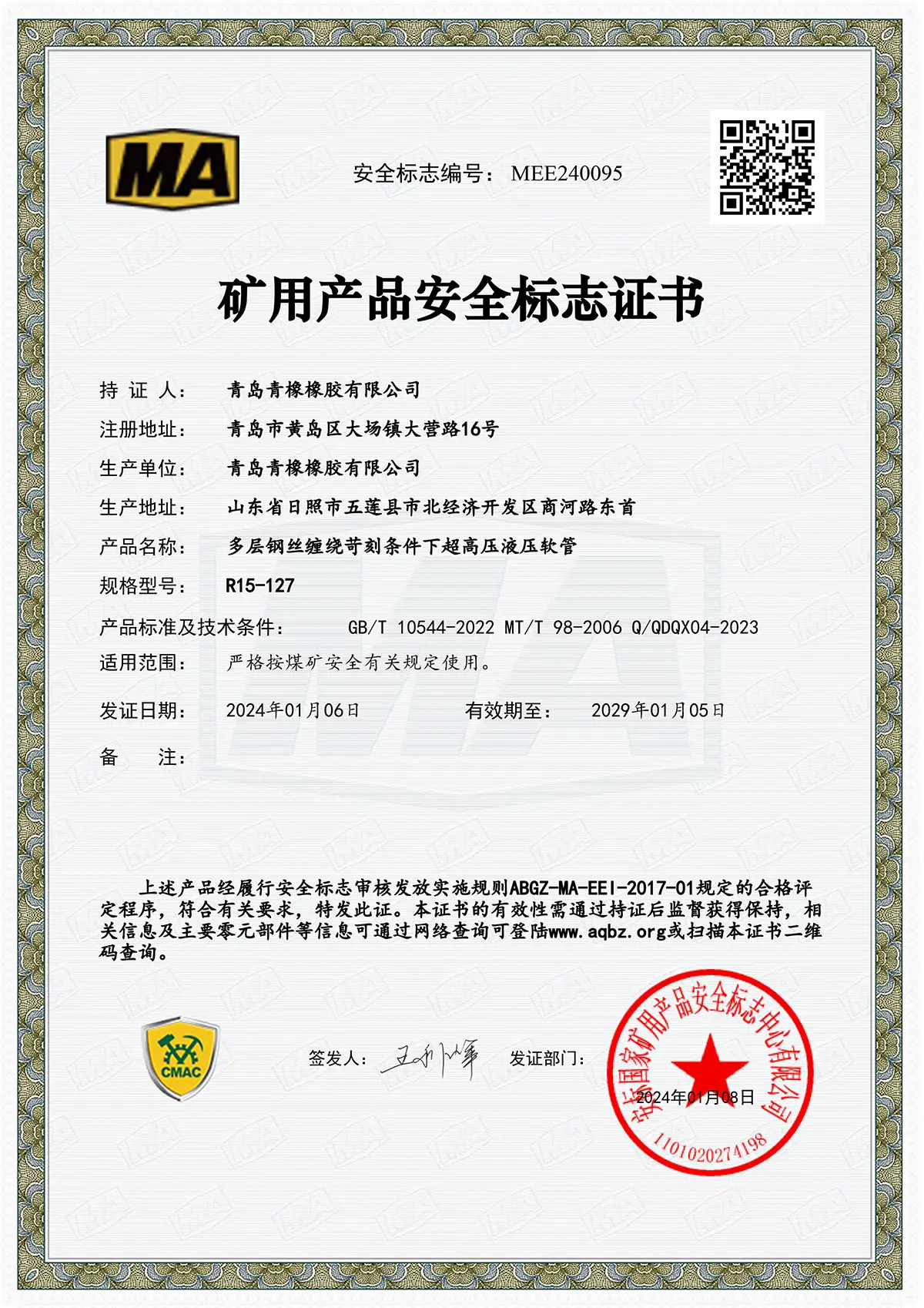
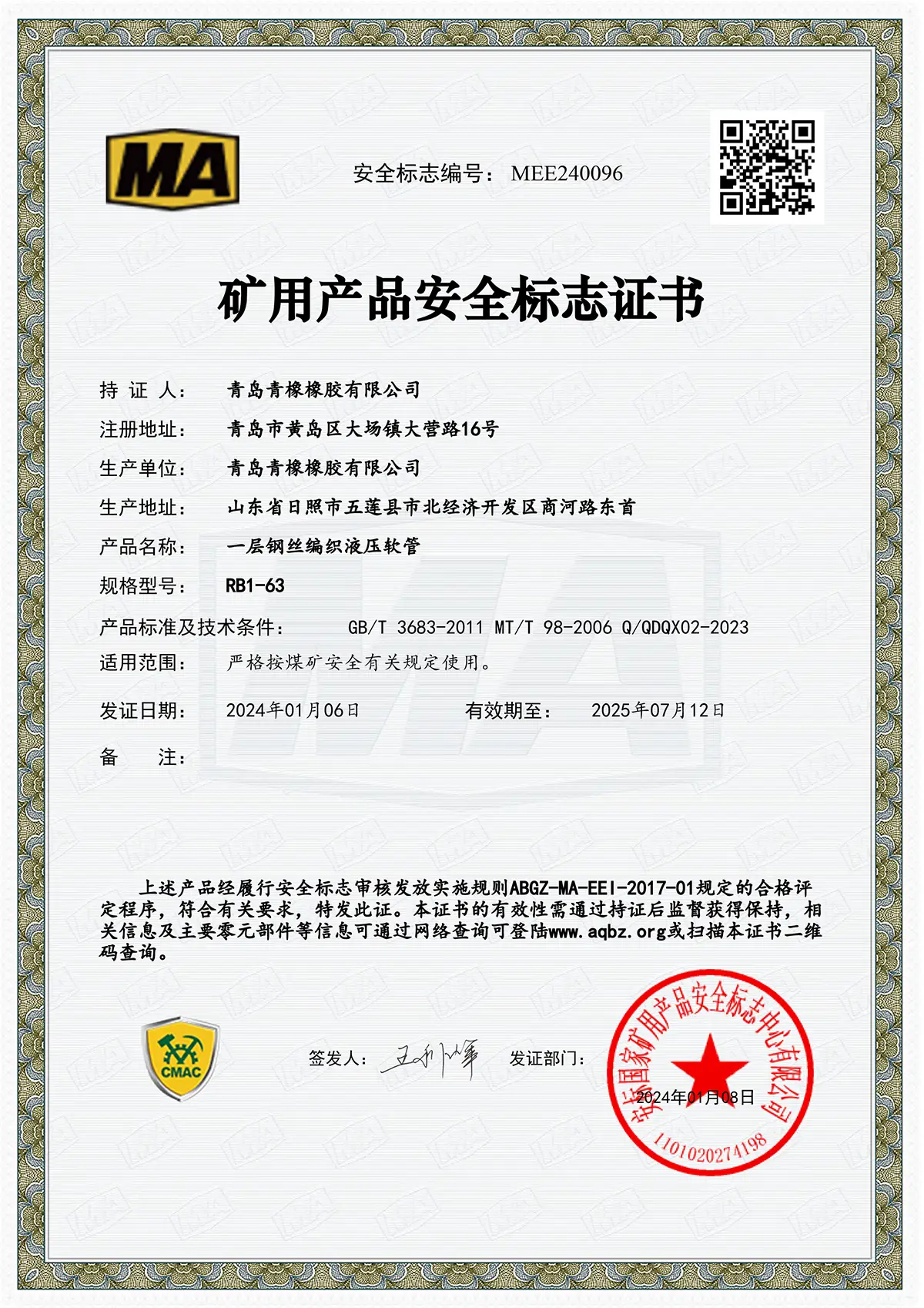
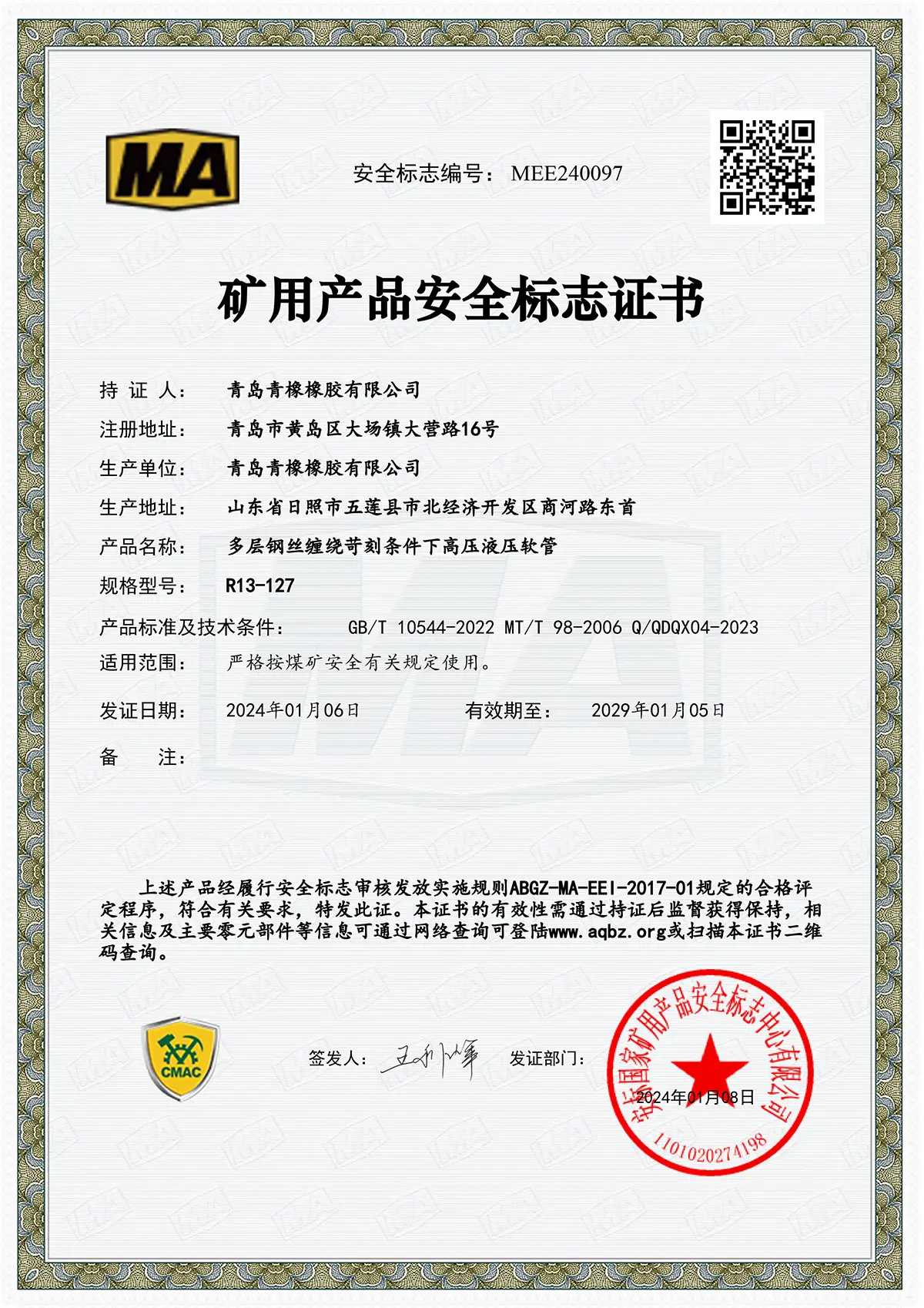
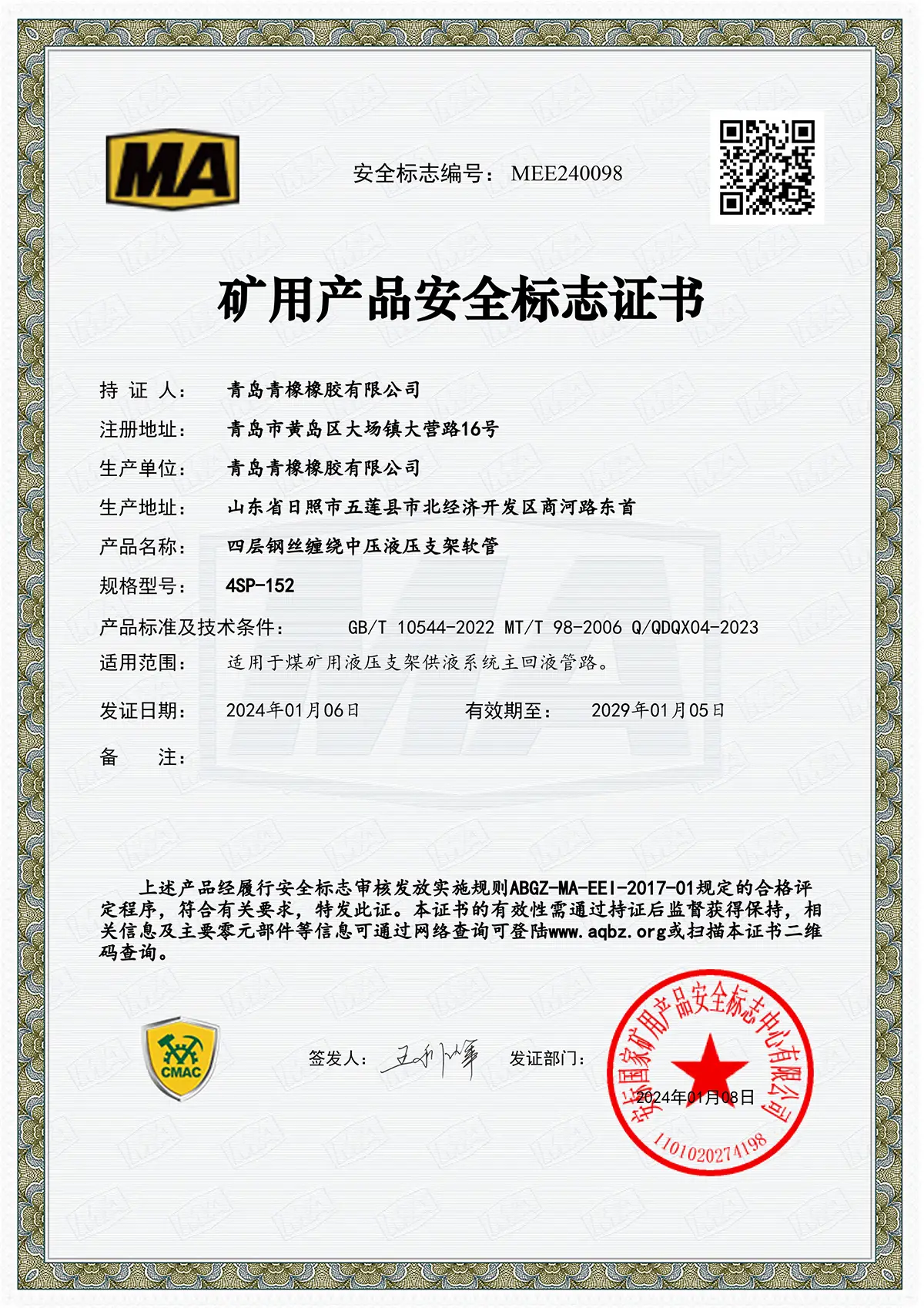
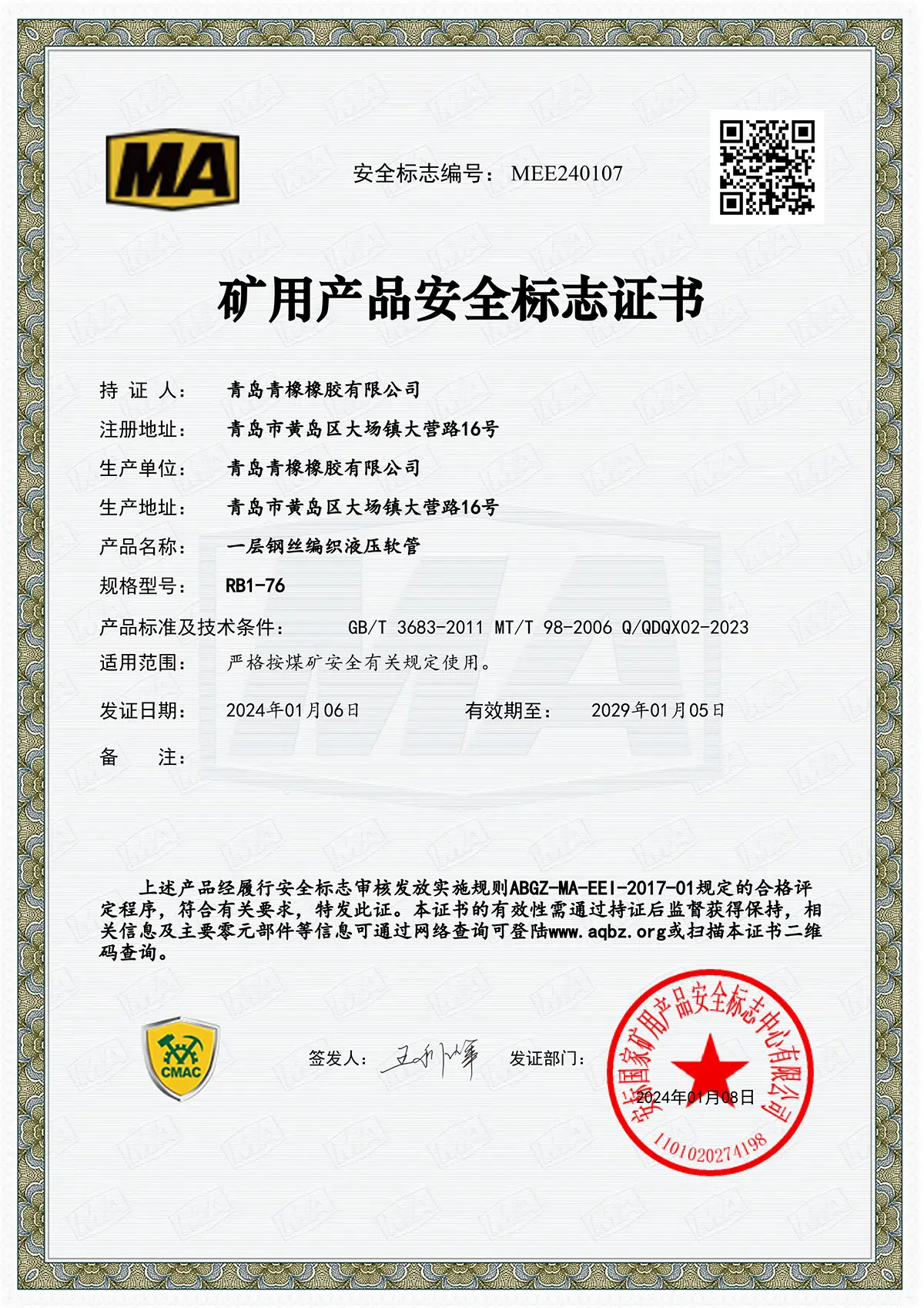
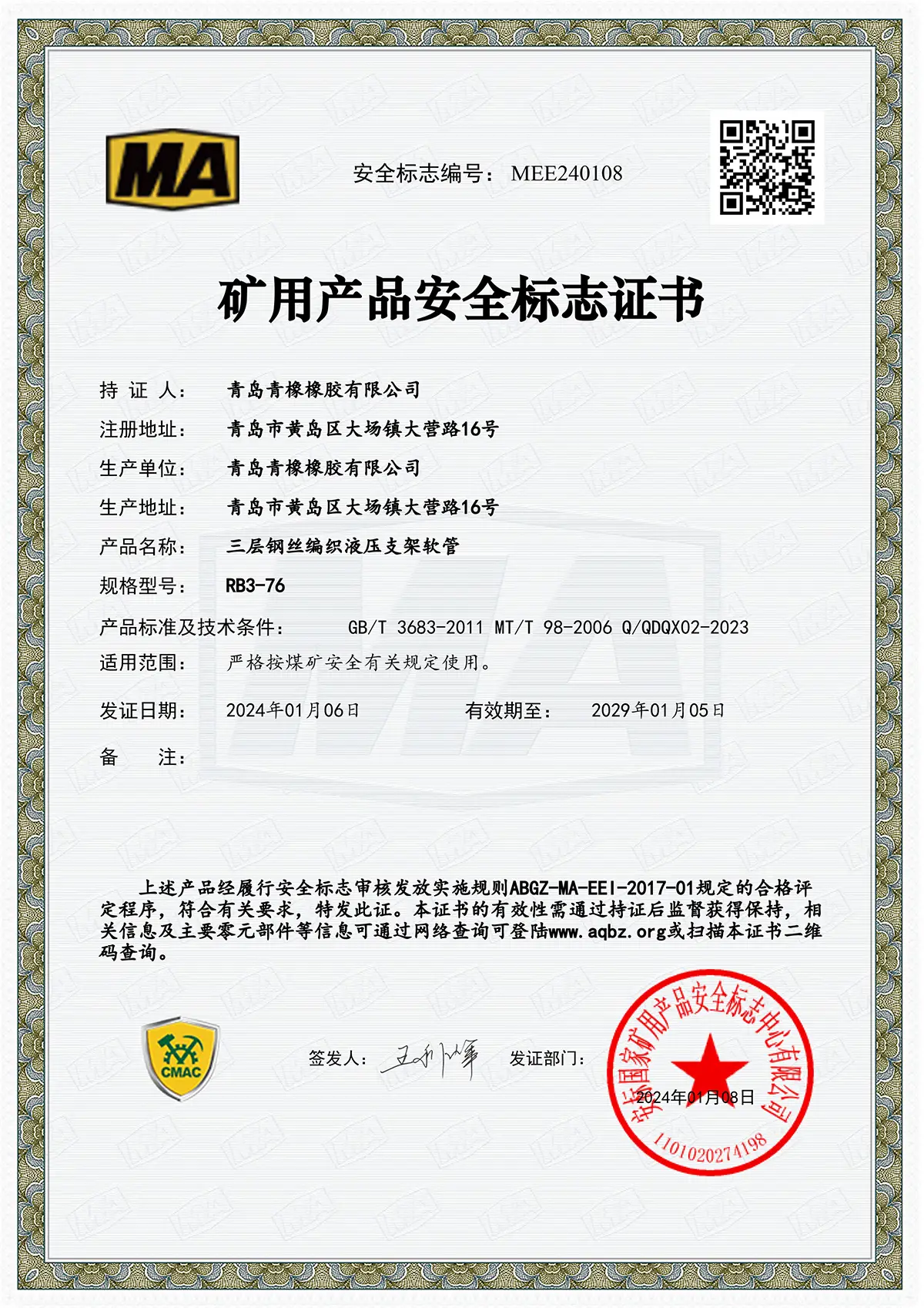
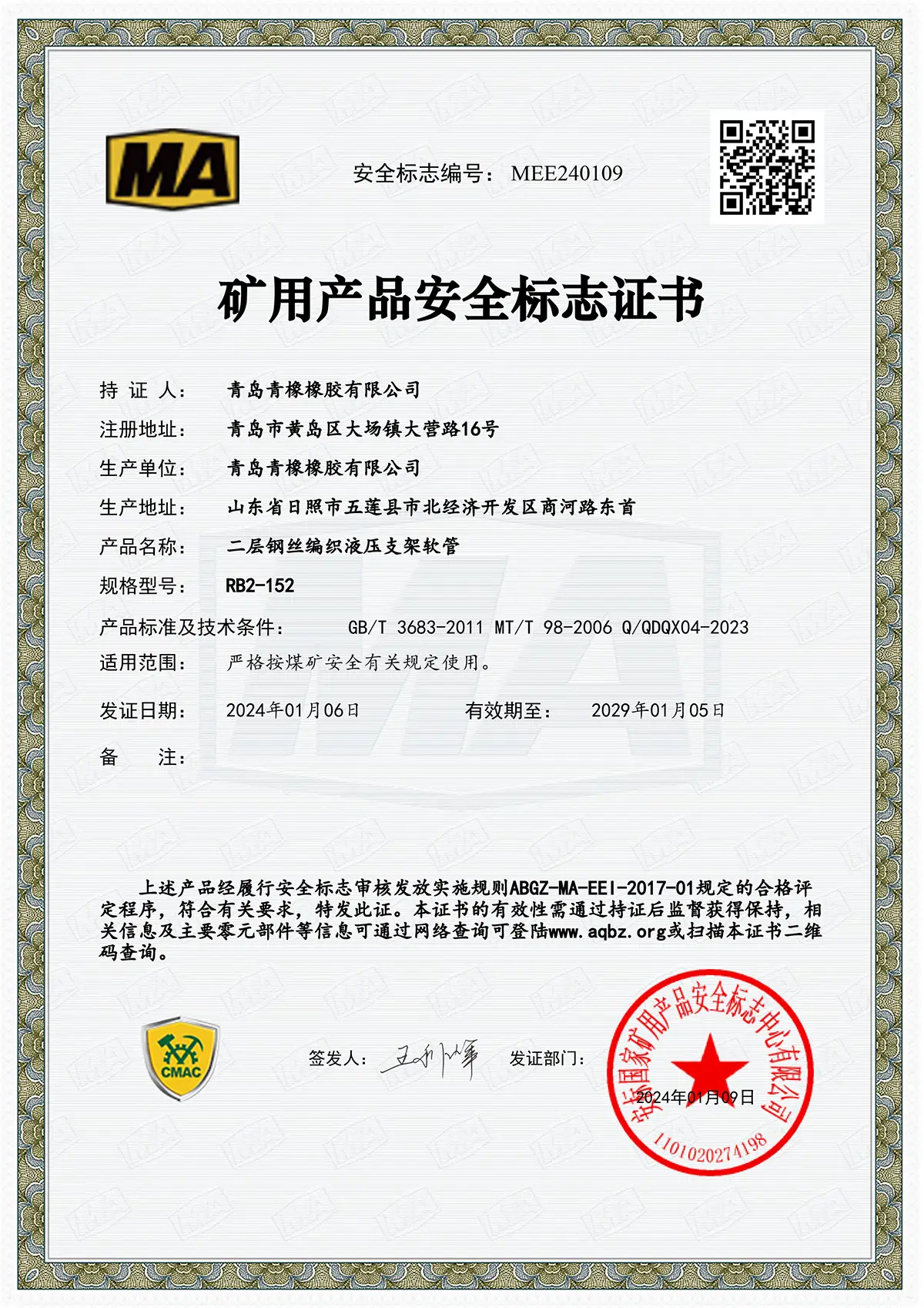
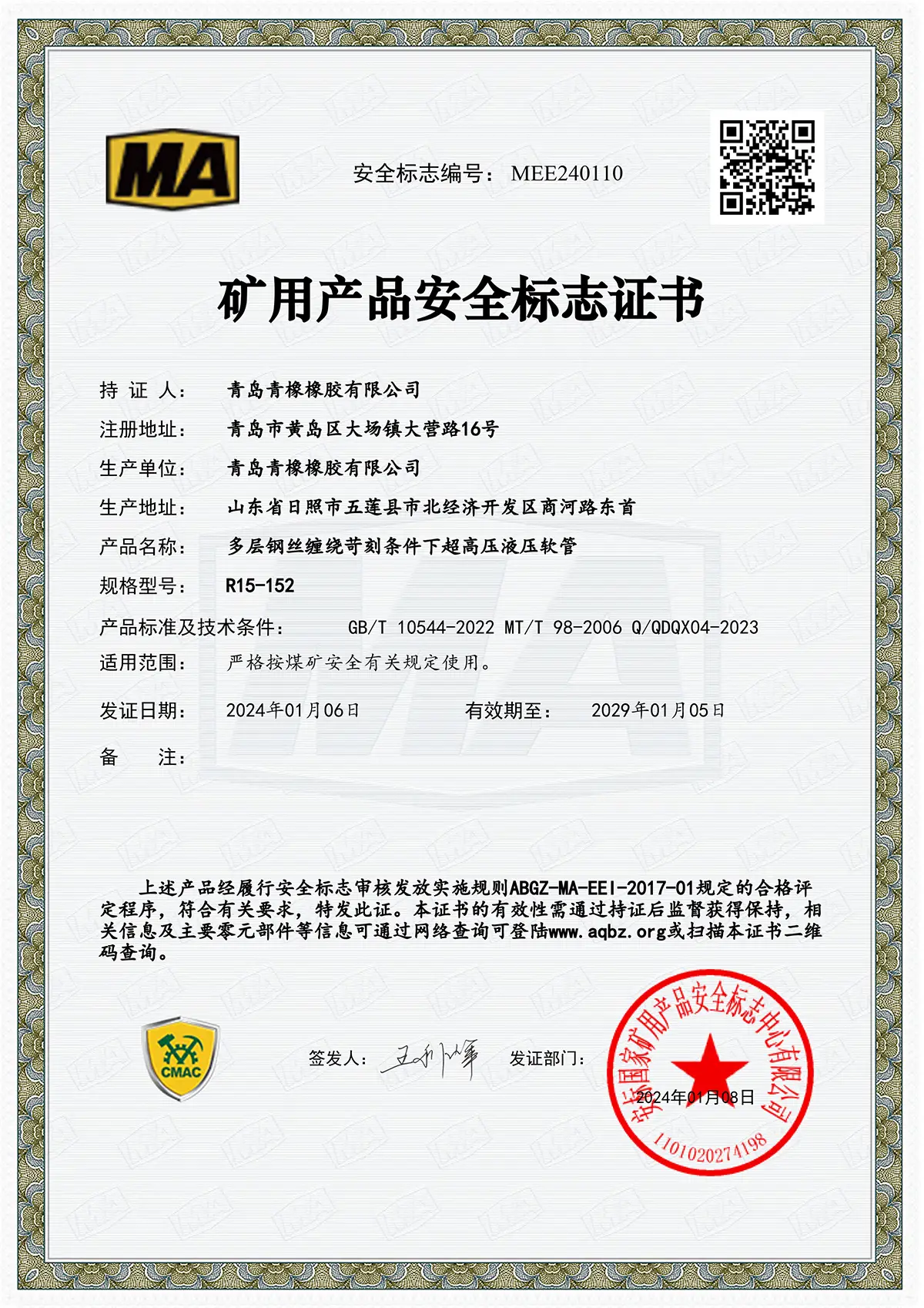
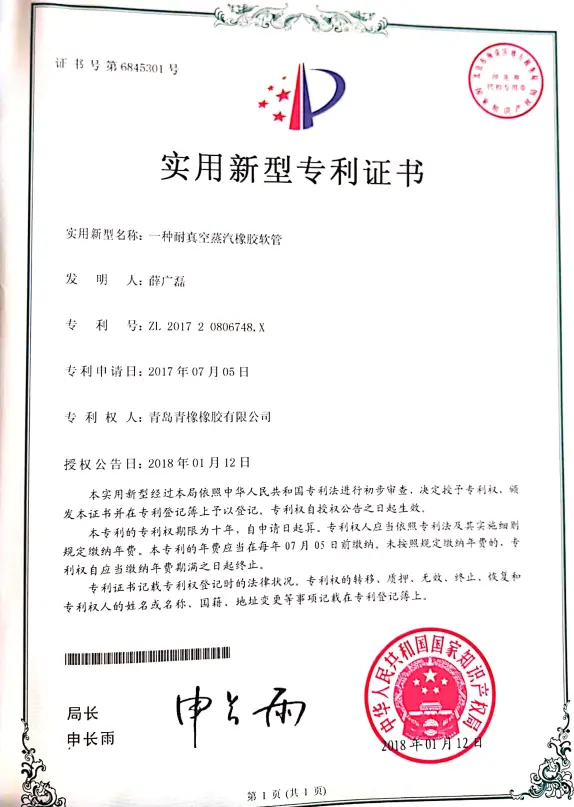
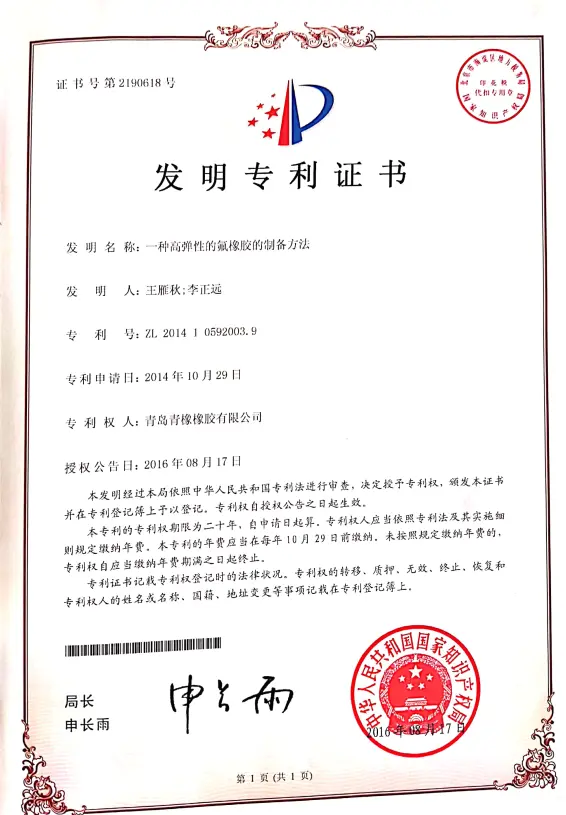
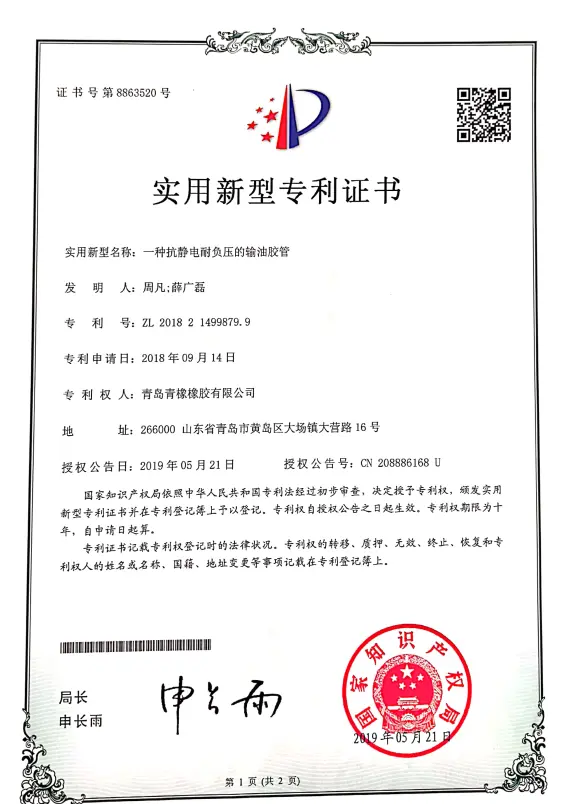
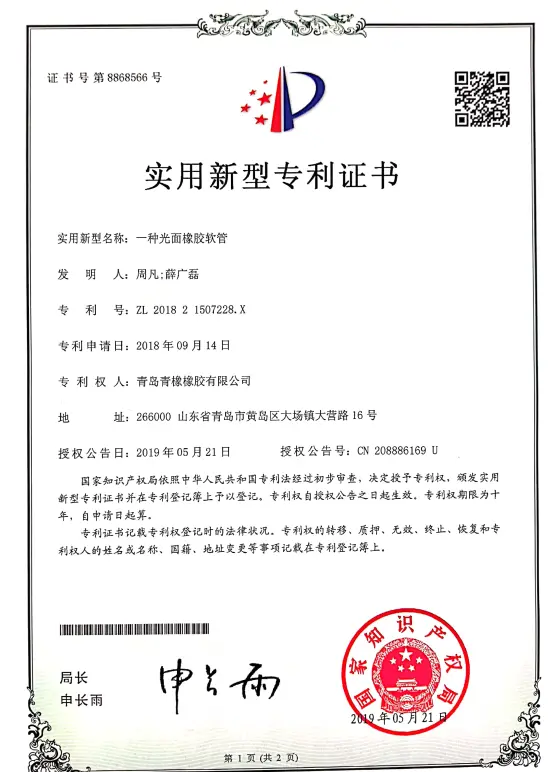
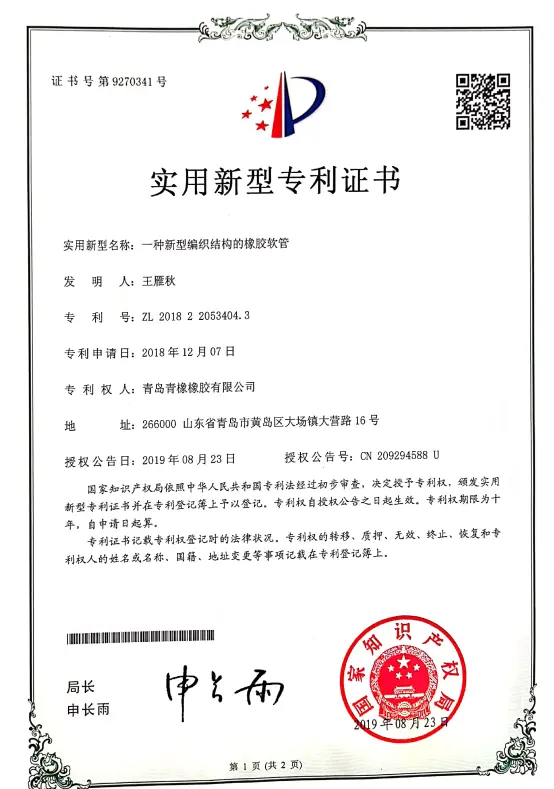
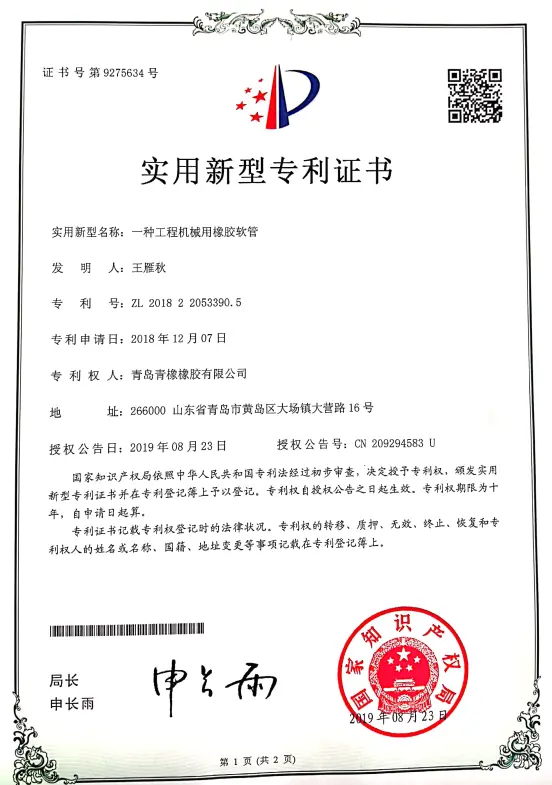
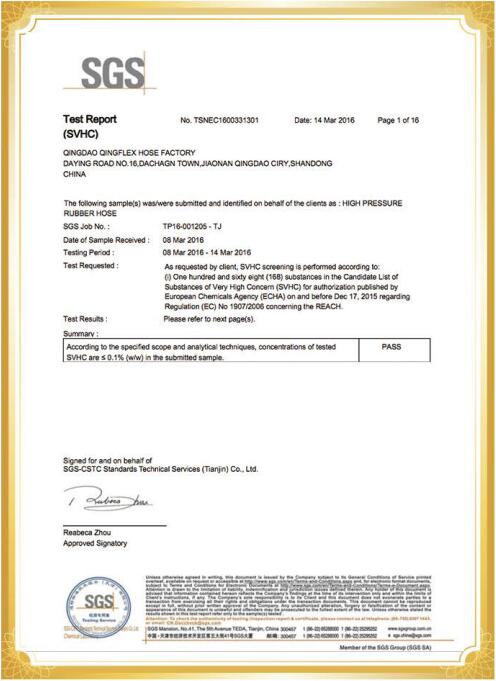
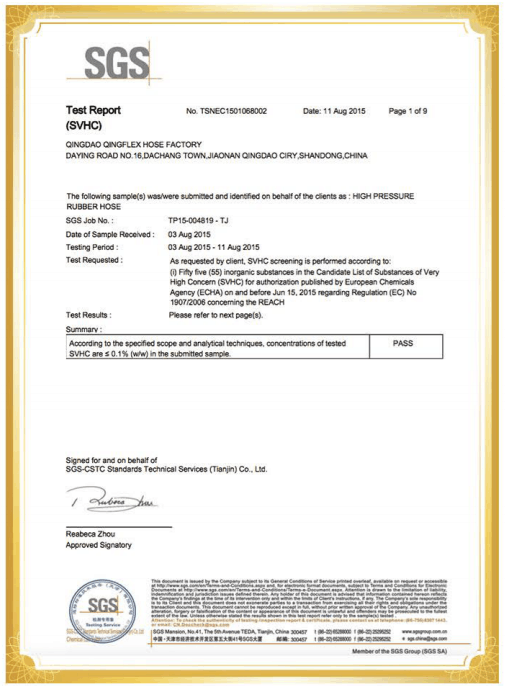
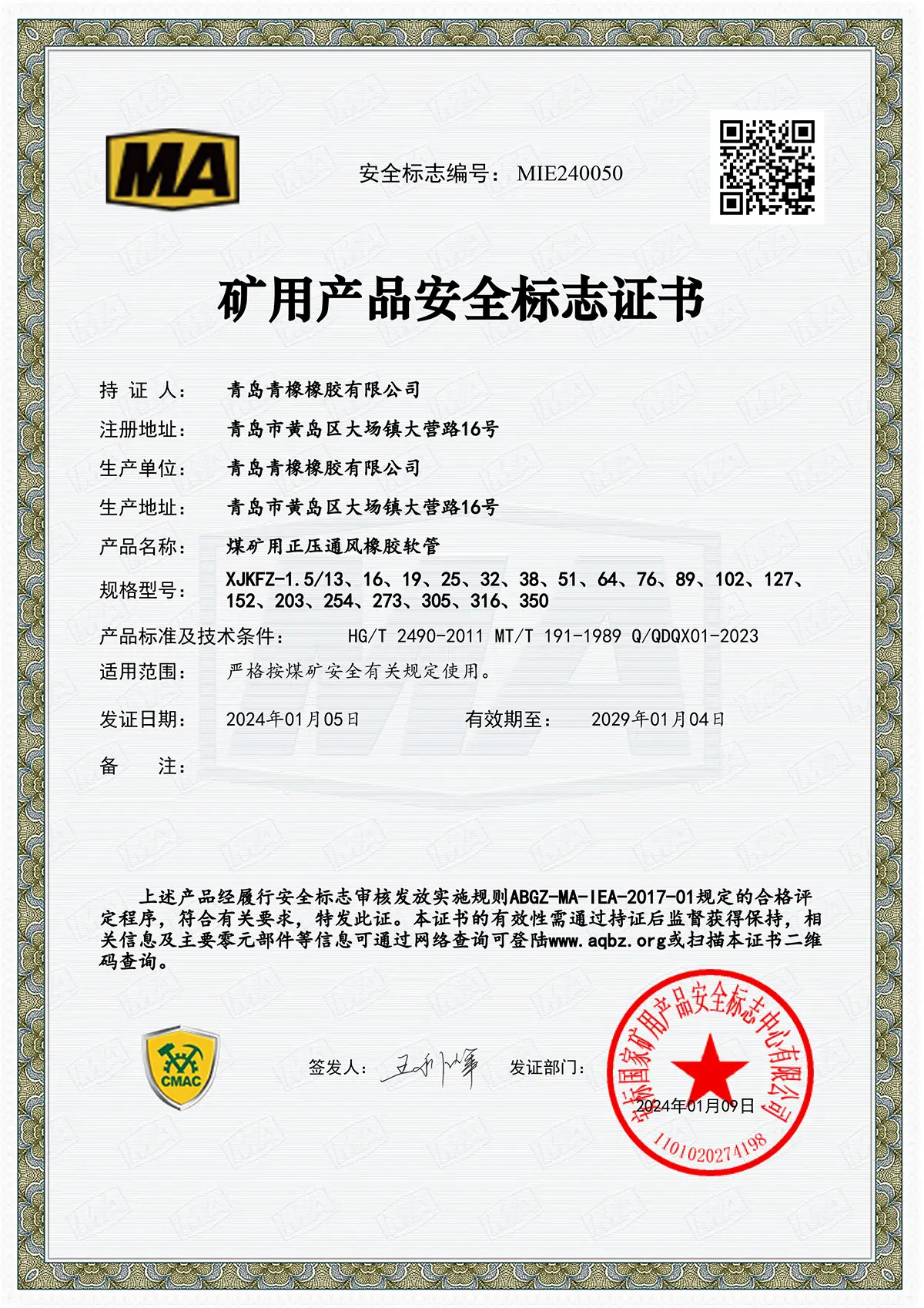
Certifications
FAQ of Oil and Gas Hoses
What are oil and gas hoses used for?
Oil and gas hoses are essential in transporting fluids like crude oil, natural gas, drilling mud, hydraulic fracturing fluids, and cement during various oilfield operations. They are specifically designed to handle extreme pressures, temperatures, and chemical exposure. These hoses ensure the safe and efficient transfer of fluids across drilling, fracking, and refining stages. Proper selection is critical to minimize downtime and ensure system reliability.
- Heavy-duty applications: Designed for high-pressure, high-abrasion conditions.
- Fluid transport versatility: Used in everything from drilling to refining.
- Safety and efficiency: Critical for safe operations in harsh environments.
How do I select the right oil and gas hose?
Choosing the right oil and gas hose is crucial for the efficiency and safety of your operation. It’s important to assess your specific requirements, considering factors such as fluid type, pressure, temperature, and environmental conditions. Here’s a quick guide to help you select the best hose for your needs:
- Material Compatibility: Ensure the hose material is compatible with the fluids you’re transporting. This prevents degradation and ensures proper functionality.
- Pressure and Temperature Specs: Verify that the hose can handle the maximum operational pressure and temperature. The hose should be rated for the extremes your operation encounters.
- System Integration: Make sure the hose is compatible with your existing system’s fittings and equipment. Proper integration ensures secure connections and minimizes risk of leaks or disconnections.
What advantages do reinforced oil and gas hoses offer?
Reinforced oil and gas hoses are designed for high-pressure environments, providing enhanced durability and safety. They are built to withstand mechanical stress, pressure, and harsh conditions, offering a longer service life and minimizing the risk of failure. Here are the key benefits:
- Enhanced Durability: Reinforced with additional layers of steel wire, nylon, or polyester to withstand high-pressure environments and prevent wear.
- Minimized Downtime: Less frequent replacements and reduced risk of failures, leading to more efficient operations.
- Improved Safety: The reinforcement helps prevent leaks and ruptures, enhancing safety during critical tasks like fracking and cementing.
Choosing reinforced hoses ensures reliability, extended hose life, and a safer operation in the challenging oil and gas industry.
How long do oil and gas hoses last?
The lifespan of oil and gas hoses depends on the specific application, operating conditions, and regular maintenance. Hoses used in high-pressure or high-abrasion applications may wear out faster. However, with proper maintenance and regular inspections for damage or wear, oil and gas hoses can last between 1 to 5 years, depending on usage intensity and the operating environment. Timely replacement of damaged hoses prevents downtime and safety hazards.
Are Oil and Gas Hoses Suitable for Offshore Operations?
Yes, oil and gas hoses are critical for offshore operations, where hoses must endure constant movement, seawater corrosion, and harsh environmental conditions. These hoses are designed to handle the unique challenges of offshore rigs, such as fluctuating water pressures and exposure to salty water and chemicals. Offshore hoses need to be flexible, corrosion-resistant, and capable of maintaining integrity even under high pressures.
Can Oil and Gas Hoses Be Repaired?
While oil and gas hoses can be repaired in some instances, it depends on the extent of the damage. Minor leaks or damage near fittings can sometimes be fixed with repair kits. However, more significant wear, cracks, or abrasions often require hose replacement. Regular inspections and proactive maintenance help identify wear before it leads to critical failures. It’s important to prioritize safety by replacing hoses that show signs of significant damage.
- Temporary solutions: Minor damage can be addressed with hose repair kits.
- Safety priority: Always replace hoses that show significant signs of wear or internal damage.
- Proactive maintenance: Regular checks help prevent costly and dangerous failures.
What materials are used to manufacture oil and gas hoses?
Oil and gas hoses are typically made from high-performance rubber, PVC, and synthetic polymers. The outer layer is often reinforced with steel wire or braided polyester to enhance strength and prevent crushing. The inner lining is made from materials like rubber or thermoplastic elastomers, which ensure compatibility with oil, gas, and chemical fluids. These materials offer resistance to heat, abrasion, and chemical degradation, making them perfect for the demanding oil and gas environment.
- Rubber and PVC: Used for flexibility and chemical resistance.
- Reinforcement: Steel wire or polyester braids improve tensile strength.
- Thermoplastic elastomers: Provide smooth flow and chemical resistance for transporting fluids.
What are the key safety features of oil and gas hoses?
Oil and gas hoses are built with several essential safety features to ensure reliable performance in hazardous environments. These features are designed to prevent accidents, minimize operational risks, and ensure safe transport of fluids. Here’s a breakdown of the key safety features:
- Pressure Ratings: Ensures the hose can safely handle the maximum operational pressures without risk of failure or rupture.
- Flame-Retardant Coatings: Reduces fire risks in flammable environments, providing added protection against potential ignition sources.
- Anti-Static Features: Minimizes the risk of electrical sparks, enhancing safety in volatile environments and preventing fire hazards.
These safety features make oil and gas hoses a crucial part of any operation, ensuring secure, efficient, and safe transport of fluids under challenging conditions.
How do I maintain my oil and gas hoses for optimal performance?
Proper maintenance of oil and gas hoses is critical to extending their lifespan, ensuring reliable performance, and reducing downtime. Regular care can prevent damage and enhance safety in operations. Here’s how you can maintain your hoses effectively:
- Regular Inspections: Check for cracks, abrasions, or any signs of wear. Replace hoses that show significant damage to prevent failures.
- Proper Cleaning: Clean hoses after each use to remove dirt, chemicals, or fluid residues. This prevents material degradation and ensures smooth, efficient operation.
- Correct Storage: Coil hoses properly to avoid kinks and store them in a cool, dry place. Keep them away from sunlight or extreme temperatures to preserve their integrity.
By following these maintenance steps, you can enhance hose longevity, reduce the frequency of replacements, and maintain operational efficiency.
Want to Speak to a Professional?