
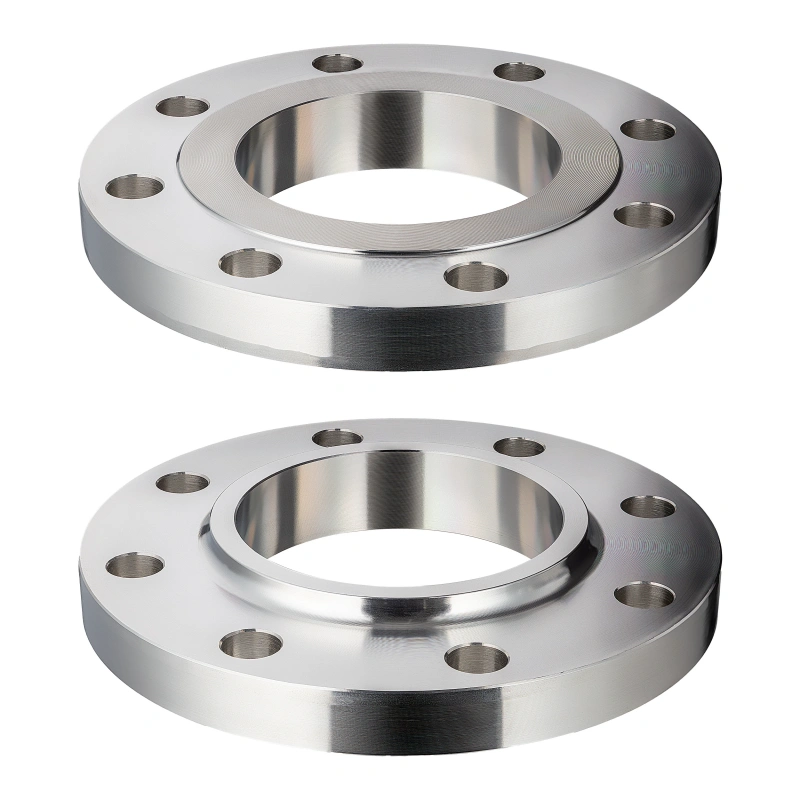
The global flanges market stands at USD 6.0 billion in 2025 and will likely reach USD 10.6 billion by 2035, driven by a 5.8% CAGR. Oil and gas, general manufacturing, and pipeline networks rely on flanges to build robust industrial infrastructure.
Key trends include advanced nickel alloy flanges and solutions for sustainable industries. Flanges market insights show that technological innovation and segmentation fuel competition. Companies like Alienfrac deliver high-quality API flanges that support general manufacturing and set new standards for reliability.
Key Takeaways
- The global flanges market is projected to grow from USD 6.0 billion in 2025 to USD 10.6 billion by 2035, driven by industrial expansion.
- Key industries like oil and gas, power generation, and manufacturing rely on flanges for safe and efficient operations.
- Technological advancements, such as smart flanges and automation, enhance production efficiency and safety in the flanges market.
- Sustainability is becoming crucial, with companies adopting green manufacturing practices to reduce environmental impact.
- Customization and high-performance flanges are in demand as industries seek tailored solutions for specific operational needs.
Global Flange Market Size and Outlook
Current Market Size and Forecasts
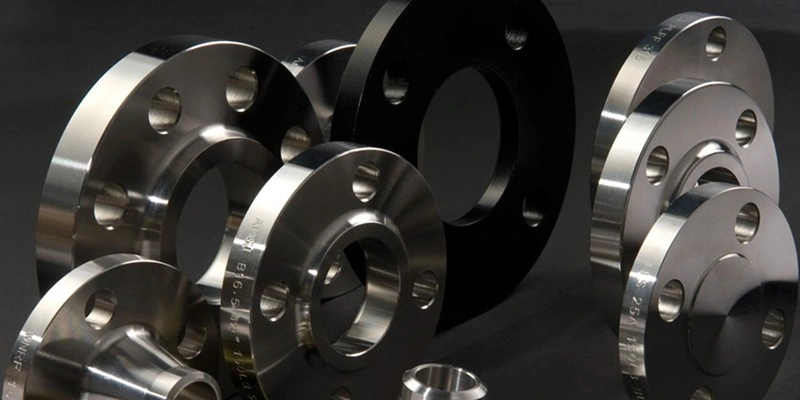
The global flanges market continues to expand as industries invest in new infrastructure and upgrade existing systems. In 2025, the flanges market size is projected to reach 6.4 billion US dollars. By 2035, forecasts show the market will grow to 11.2 billion US dollars.
This growth reflects rising industrial activity in oil and gas, power generation, chemical manufacturing, and infrastructure development. The table below summarizes the latest market size and key drivers:
| Year | Market Size (USD Billion) | Key Drivers |
|---|---|---|
| 2025 | 6.4 | Rising industrial activity in oil & gas, power generation, chemical manufacturing, and infrastructure |
| 2035 | 11.2 | Expansion of LNG terminals, hydrogen infrastructure, and demand for high-performance flanges |
Growth forecasts from major industry reports also highlight a steady increase in demand for flanges. Market projections show a rise from 5.6 billion US dollars in 2023 to 7.7 billion US dollars by 2030. This trend demonstrates the importance of flanges in supporting global industrial expansion.
CAGR and Growth Factors
The global flanges market is expected to achieve a compound annual growth rate (CAGR) between 4.69% and 5.27% from 2025 to 2031. Several factors contribute to this steady growth:
- Global urbanization and industrialization drive infrastructure development, increasing the need for flanges in new projects.
- The oil and gas sector continues to expand, requiring more flanges for pipelines and refineries.
- Investments in power generation, including renewable energy, boost demand for reliable flange solutions.
- Industries seek high-performance and corrosion-resistant materials to ensure safety and durability.
- Strict safety standards and compliance regulations push manufacturers to innovate and improve flange quality.
Note: The flanges market faces challenges such as fluctuating raw material prices and intense competition. Manufacturers must focus on quality, customization, and technical support to stand out.
Industrial Significance
Flanges play a critical role in connecting pipes and equipment across major industrial sectors. The table below shows how different industries rely on flanges:
| Sector | Importance of Flanges | Demand Drivers |
|---|---|---|
| Oil & Gas | Vital for safe fittings in pipelines and refineries | Investment in exploration and infrastructure |
| Power Generation | Essential for safe operations in power plants | Refurbishment of aging assets |
| Manufacturing | Needed for durable and corrosion-resistant systems | Growth in industrial production |
Flanges ensure the safe transport of fluids and gases, making them essential for the operation of oil and gas pipelines, power plants, and manufacturing facilities. Accurate market sizing helps stakeholders understand demand dynamics, identify growth opportunities, and make informed decisions.
It also allows companies to assess the competitive landscape and align strategies with market trends.
Tip: Industry stakeholders use market size data to plan investments, allocate resources, and respond to changing market conditions.
The global flanges market will remain a cornerstone of industrial development through 2035. As industries evolve, the demand for advanced, high-quality flanges will continue to rise.
Flanges Market Overview
Definition and Applications
Flanges serve as critical components in connecting pipes, valves, pumps, and other equipment. They create secure joints that allow for easy assembly, disassembly, and maintenance. The flanges market includes a wide range of products designed for different pressures, temperatures, and environments.
Manufacturers produce flanges in various shapes and sizes to meet the needs of each application.
The flanges market supports industries that require reliable and leak-proof connections. In oil and gas, flanges connect pipelines and equipment that handle high-pressure and high-temperature flows. Chemical plants use corrosion-resistant flanges to manage aggressive substances.
Water treatment facilities rely on rust-resistant flanges for transporting water and waste. Power generation plants need flanges that meet strict safety standards for extreme conditions.
| Industry Sector | Main Applications of Flanges |
|---|---|
| Oil and Gas | Connect pipelines and equipment handling high-pressure, high-temperature oil and gas flows; prevent leaks and ensure safety using weld neck and blind flanges. |
| Chemical Processing | Use corrosion-resistant flanges (stainless steel or specialty alloys) to handle corrosive substances in chemical plants. |
| Water Treatment | Connect pipes carrying water and waste; use rust-resistant materials like stainless steel and galvanized flanges. |
| Power Generation | Connect heavy-duty pipes and valves in nuclear and thermal plants; flanges must meet stringent safety standards for extreme pressure and temperature. |
Note: The flanges market continues to evolve as industries demand higher performance and greater reliability.
Key End-Use Industries
The global flanges market serves a diverse set of industries. Oil and gas remain the largest end-user, with a significant need for secure connections in pipelines and vessels. Manufacturing industries use flanges for a variety of industrial processes.
The automotive sector, while not the largest, still relies on flanges for specific applications. HVAC systems use flanges to connect heating, ventilation, and air conditioning components. Other sectors, such as water treatment and power generation, also contribute to the flanges market.
| Industry | Role in Flanges Market |
|---|---|
| Oil and Gas | Largest end-user, significant demand for secure connections in pipelines and vessels. |
| Automotive | Noted as a secondary user, but with less demand compared to oil and gas. |
| Manufacturing | Utilizes flanges for various industrial applications. |
| HVAC | Uses flanges for heating, ventilation, and air conditioning systems. |
| Others | Includes miscellaneous industries with lower demand. |
The flanges market continues to grow as these industries expand and modernize. Companies in the flanges market must adapt to changing requirements and deliver products that meet industry standards. The global flanges market will remain essential for safe and efficient operations across these sectors.
Key Market Drivers
Infrastructure and Industrialization
Infrastructure projects continue to drive the flanges market. Emerging economies in the Asia-Pacific and Africa are investing in mega infrastructure projects, including water management, transportation, and energy projects. These investments require reliable flanges for pipelines and petrochemicals.
The refurbishment of aging infrastructure also increases demand for high-quality flange solutions. Post-pandemic recovery has stabilized demand for flanges in critical applications. Industrialization in Asia and Africa is growing at rates between 6% and 8%, creating new opportunities for flange suppliers.
The international Distributor Flange market is expanding rapidly, especially in Asia-Pacific, due to urbanization and infrastructure growth.
- New infrastructure projects in the Asia-Pacific and Africa boost demand for flanges.
- Ongoing pipeline and refinery expansions require advanced flange solutions.
- Refurbishment of old infrastructure supports steady market growth.
- Urbanization and industrialization in emerging markets create expanding opportunities.
Energy Transition and Sustainability
The global energy transition is reshaping the flanges market. Companies must now prioritize sustainability practices and meet Environmental, Social, and Governance (ESG) criteria. The shift toward smart, corrosion-resistant flanges is essential for compliance in oil, gas, and petrochemicals.
Flanges play a key role in connecting renewable energy infrastructure, such as wind turbines and solar farms. As energy transition projects expand, the need for advanced flange solutions increases. Alienfrac’s API Flanges set a benchmark for quality and reliability, supporting both traditional and renewable energy projects.
The global energy transition creates new requirements for flanges that can withstand harsh environments and support sustainable operations.
Technological Advancements
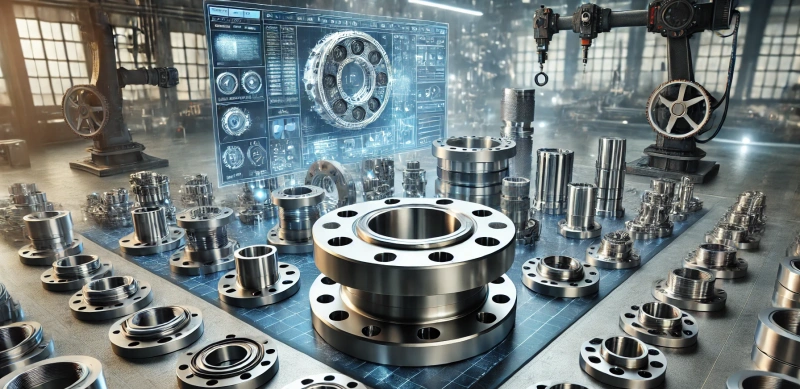
Technological advancements are transforming the flanges market. Improvements in forging, machining, and material science have increased durability, corrosion resistance, and high-pressure handling. Robotic welding and automated machining enhance accuracy and production speed.
Additive manufacturing enables the creation of specialized flanges for unique applications. Smart flanges with sensors allow real-time monitoring of pipelines, improving safety and reducing downtime.
Engineering optimization has led to lighter and smaller flange designs. Alienfrac leverages advanced manufacturing to deliver API Flanges that meet the highest industry standards.
- Advanced materials improve flange performance in pipelines and petrochemicals.
- Automation and robotics increase production efficiency.
- Smart flanges support proactive maintenance in energy projects.
Emerging Markets and Hydrogen
Emerging markets and the rise of hydrogen energy create new opportunities for the flanges market. Specialized flanges are needed for hydrogen transport and storage systems. Rapid industrial growth in the Asia-Pacific and the Middle East drives demand for flanges in construction, pipelines, and petrochemicals.
The expansion of renewable energy projects, including wind and solar, generates additional growth. Flanges remain essential components in wind turbine towers and other energy transition projects.
- Hydrogen infrastructure projects require advanced flange solutions.
- Growth in emerging markets boosts demand for flanges in energy and infrastructure projects.
- Renewable energy expansion increases the need for high-performance flanges.
Alienfrac and its API Flanges exemplify innovation and quality, meeting the evolving needs of the global flanges market.
Market Challenges
Raw Material Volatility
Raw material price fluctuations create significant market challenges for the flanges market. Steel prices have shown volatility, with changes exceeding 25% in 2024. Manufacturers face difficulties maintaining profit margins.
Supply chain disruptions increase inventory costs and working capital needs. Production schedules often shift due to unpredictable material availability. These factors force companies to adjust pricing strategies and manage costs carefully.
- Steel price volatility impacts manufacturing costs.
- Inventory costs rise during supply chain disruptions.
- Working capital requirements increase for manufacturers.
Regulatory and Compliance Issues
The flanges market must comply with strict safety standards and environmental regulations. Standards such as ASME, ANSI, DIN, and JIS are mandatory for product safety and reliability. Regulatory requirements drive innovation in material quality, manufacturing precision, and testing procedures.
Compliance helps prevent leaks and hazardous failures. Meeting these standards affects product design and manufacturing processes. Regulatory challenges also increase operational expenses and influence market dynamics.
- Safety and environmental regulations shape the global flanges market.
- Compliance costs rise due to evolving standards.
- Manufacturers innovate to meet regulatory demands.
Competitive Pressures
Intense competition defines the flanges market. Local and international manufacturers compete for market share. Price pressure is strong, especially for commodity flanges. Established players must differentiate their products through quality, customization, and technical support.
Innovation and process optimization help maintain profit margins. Delivery speed and reliability become key factors for success.
- Severe competition affects pricing strategies.
- Differentiation based on quality and customization is crucial.
- Technical support and fast delivery improve competitiveness.
Technological Disruption
Technological disruption brings both opportunities and challenges to the flanges market. Automation and digital manufacturing techniques, such as CNC machining and robotic assembly, increase precision and reduce lead times. Industry 4.0 technologies enable real-time data collection and predictive maintenance.
Innovations in materials, including high-strength alloys, enhance durability. Advances in sealing technologies improve system integrity. Additive manufacturing allows rapid prototyping and customization. Smart flange designs with embedded sensors support operational safety.
Sustainable manufacturing practices, such as recyclable alloys and energy-efficient processes, are gaining importance.
- Automation and digital manufacturing improve efficiency.
- Material innovations enhance flange durability.
- Smart designs and sustainability drive future growth.
Flanges Market Trends
Digitalization and IoT
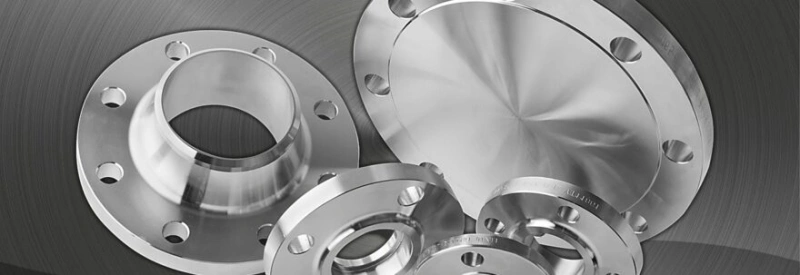
The flanges market is experiencing rapid transformation as digitalization and IoT adoption become standard. Industry 4.0 technologies now play a major role in flange production. Companies use IoT sensors, data analytics, and AI-powered systems to monitor manufacturing processes and supply chains.
These tools help streamline operations and improve decision-making. As a result, the flanges market benefits from greater efficiency, reduced downtime, and higher product quality.
Advanced Materials
Manufacturers in the flanges market continue to invest in advanced materials to meet the demands of modern industries. The table below highlights key materials and their properties:
| Material | Properties |
|---|---|
| Carbon Steel | Excellent strength and affordability for heavy-duty projects. |
| Stainless Steel | Highly resistant to corrosion and suitable for high-temperature applications. |
| Alloy Steel | Enhanced wear resistance and toughness for extreme conditions. |
| Non-Metallic Materials | Resistance to chemicals and non-conductivity for specialized applications. |
These materials allow flanges to perform reliably in harsh environments, supporting the global flanges market as it expands into new sectors.
Green Manufacturing
Sustainability is now a priority in the flanges market. Companies adopt green manufacturing practices to reduce environmental impact.
- Energy-efficient production processes use modern machinery and renewable energy sources.
- Material recycling and reuse help minimize waste.
- Eco-friendly coatings, such as low-VOC and biodegradable options, are becoming more common.
- Waste reduction technologies, including CNC machining, cut down on scrap.
- Supply chain optimization and green packaging solutions further support sustainability goals.
Customization and High-Spec Flanges
Demand for customized and high-spec flanges is rising in the flanges market. Industries require flanges made from high-performance and corrosion-resistant materials. Strict safety standards and compliance regulations drive the need for reliable products.
Growth in sectors like oil and gas, power generation, and food processing increases the need for specialized solutions. The global flanges market continues to evolve as customers seek tailored products that meet unique operational requirements.
Market Segmentation and Distribution Channel
By Product Type (Weld Neck, Threaded, Blind, etc.)
The flanges market is divided by product type, with weld neck flanges holding the largest share. Weld neck flanges generate USD 2 billion in revenue in 2025. Their robust design makes them ideal for high-pressure and high-temperature applications.
Threaded flanges are gaining popularity for smaller diameter piping systems because they offer easy assembly and lower costs. Blind flanges close pipe ends and appear in many industrial projects. Alienfrac’s API Flanges include weld neck, threaded, and blind types, meeting diverse industry needs.
- Weld neck flanges dominate due to structural integrity.
- Threaded flanges grow as a versatile option for smaller systems.
- Blind flanges provide secure closure for pipelines.
By Material (Carbon Steel, Stainless Steel, Alloy, etc.)
Material selection shapes the flanges market. Manufacturers use grades like 304, 316, 321, 347, and 904L. Each grade offers unique properties for specific environments.
| Material Grade | Key Characteristics | Applications |
|---|---|---|
| 304 | Excellent corrosion resistance, affordable | Wide range of applications |
| 316 | Superior corrosion resistance, high-temp | Harsh environments |
| 321 | Resistance to intergranular corrosion | High temperature applications |
| 347 | Withstands high temperatures and corrosion | Chemical and petrochemical industries |
| 904L | Exceptional corrosion resistance | Aggressive chemical exposure |
Alienfrac’s API Flanges use high-quality materials to ensure durability and performance.
By Pressure and Temperature
The flanges market segments by pressure and temperature ratings. High-pressure flanges withstand up to 20,000 psi. These flanges operate in oil and gas, power, and chemical industries.
Temperature ratings ensure safe use in extreme conditions. Alienfrac’s API Flanges excel in high-pressure and high-temperature environments.
By Manufacturing Process
Manufacturers produce flanges using forging, casting, and machining. Forged flanges offer superior strength. Machined flanges provide precise dimensions. Alienfrac uses advanced manufacturing to deliver reliable API Flanges.
By End-Use Industry
The flanges market serves oil and gas, power generation, chemical processing, water treatment, and manufacturing. Each industry requires flanges with specific features. Alienfrac’s API Flanges support critical operations in these sectors.
By Distribution Channel
Distribution channel selection impacts market reach. Companies use direct sales and indirect sales to deliver flanges. Direct sales include selling through e-commerce platforms and company websites. Indirect sales involve distributors and agents with industry experience. The table below shows the impact of each channel.
| Channel Type | Description | Impact on Market Reach |
|---|---|---|
| Traditional Channels | Distributors and agents with established networks | Quick entry into new markets, conflict management is needed |
| Modern Channels | E-commerce platforms and direct sales methods | Wide coverage, low costs, logistics, and service focus |
Direct sales allow manufacturers to reach customers quickly and control pricing. Indirect sales expand market access through established networks. The global flanges market relies on both channels to meet demand and ensure timely delivery.
Companies optimize distribution channel strategies to maximize market reach and customer satisfaction.
Regional Insights for the Global Flanges Market
Asia Pacific Leadership
Asia Pacific leads the flanges market with rapid industrialization and strong manufacturing capabilities. China stands as the largest producer and consumer of flanges. The region benefits from high demand in construction, energy, and oil and gas projects.
India is also emerging as a key player due to ongoing infrastructure development and industrial growth. Local and international companies compete aggressively, focusing on partnerships, technology advancement, and product customization.
Asia Pacific’s cost-effectiveness and scalability give it a competitive advantage in the global flanges market.
- China drives growth with large-scale manufacturing and export of flanges.
- India’s infrastructure boom increases demand for flanges in the oil and gas and power sectors.
- Local players invest in advanced production to meet rising quality standards.
North America and Europe
North America holds a significant share of the flanges market. Advanced manufacturing in automotive, aerospace, and oil and gas industries supports steady demand.
Companies in this region focus on innovation, technology, and strategic mergers. Strict quality standards and sustainability initiatives give North America a competitive edge.
Europe’s flanges market is mature, with high demand from industrial and manufacturing sectors. Germany leads with skilled labor and advanced infrastructure.
European firms prioritize high-performance materials and regulatory compliance. The region dominates high-value segments and invests in sustainable production.
| Region | Market Focus | Key Strengths |
|---|---|---|
| North America | Innovation, mergers, and sustainability | Strong R&D, strict quality standards |
| Europe | High-performance, compliance | Skilled workforce, solid infrastructure |
Middle East, Africa, and Latin America
The Middle East and Africa show strong growth in the flanges market, driven by oil and gas projects and infrastructure expansion. Saudi Arabia and the UAE invest heavily in energy and construction, increasing demand for high-quality flanges. Local firms benefit from government support and international partnerships.
Latin America’s flanges market grows steadily, influenced by industrial and infrastructure development. Regional players often rely on imports of advanced technology and form joint ventures to boost local production.
Country Highlights (China, India, USA, Germany, etc.)
- China leads the flanges market with high demand in construction, energy, and oil and gas sectors.
- India’s industrialization and infrastructure projects drive flanges market growth.
- The USA maintains a strong position with advanced manufacturing and oil and gas investments.
- Germany excels in high-value flanges, supported by a skilled workforce and robust industry standards.
- Saudi Arabia and the UAE continue to expand their oil and gas and construction sectors, fueling demand for flanges.
The flanges market remains dynamic across regions, shaped by industrial growth, energy needs, and evolving technology.
Competitive Landscape in the Flanges Market
Market Structure and Leading Players
The flanges market features a mix of global giants and specialized regional manufacturers. Large companies focus on high-volume production and international distribution. Smaller firms often target niche applications or offer custom solutions.
The market remains highly fragmented, with no single player dominating all regions. Leading companies invest in advanced manufacturing and quality control to maintain their positions. They also build strong relationships with distributors and end-users.
This structure creates a dynamic environment where innovation and reliability drive success.
Alienfrac and API Flanges Positioning
Alienfrac stands out in the flanges market for its commitment to innovation, quality, and reliability. The company leverages advanced technology and modern machinery to produce API Flanges that meet strict industry standards. These flanges offer high-pressure tolerance, durability, and precise machining.
Alienfrac’s API Flanges support critical operations in oil and gas, chemical, and power sectors. The company’s certifications from DNV MED, CCS, ABS, and API highlight its dedication to safety and performance. Customers value Alienfrac for tailored solutions and consistent product quality.
The brand’s focus on advanced materials and robust designs positions it as a trusted partner in the global flanges market.
Alienfrac’s API Flanges deliver secure, leak-free connections that reduce maintenance costs and downtime.
Mergers, Acquisitions, and Innovation
Recent trends in the flanges market show a strong focus on innovation and strategic partnerships. Companies invest in smart flange solutions that use sensors and IoT technology for real-time monitoring. These innovations shift maintenance from reactive to proactive, improving safety and efficiency.
Manufacturers also develop lightweight and compact designs to lower energy use and costs. The flanges market expands into renewable energy, requiring specialized materials for durability and corrosion resistance.
Mergers and acquisitions help firms access new technologies and markets, strengthening their competitive edge.
- Smart flange solutions enhance pipeline monitoring and safety.
- Lightweight designs promote sustainability and cost savings.
- Growth in renewable energy applications broadens the flanges market’s reach.
The global flanges market continues to evolve as companies prioritize innovation, quality, and strategic growth.
Conclusion
The global flanges market shows strong growth as industries invest in new projects. The flanges market faces challenges from raw material volatility and regulatory demands. Companies focus on innovation and sustainability to stay competitive.
The flanges market relies on advanced manufacturing and high-quality flanges for safe operations. Strategic positioning helps firms succeed in the flanges market. Alienfrac and API Flanges set standards for reliability and performance. The flanges market benefits from tailored solutions and robust designs.
Flanges support critical infrastructure in oil and gas, power, and manufacturing. The flanges market continues to evolve with new technology and materials. Industry leaders drive progress in the flanges market.
The flanges market rewards companies that deliver quality and adapt to changing needs.
FAQ
What are API Flanges and why do industries prefer them?
API Flanges connect high-pressure pipelines in oil, gas, and power systems. Industries prefer them for their durability, precise machining, and compliance with strict standards. These flanges ensure safe, leak-free connections in demanding environments.
How do Alienfrac’s API Flanges support high-pressure applications?
Alienfrac’s API Flanges withstand pressures up to 20,000 psi. The company uses advanced materials and manufacturing processes. These flanges deliver reliable performance in oilfield, chemical, and power operations.
Which materials are most common in flange manufacturing?
Manufacturers use carbon steel, stainless steel, alloy steel, and specialty alloys. Each material offers unique properties. Stainless steel resists corrosion. Carbon steel provides strength. Alloy steel handles extreme conditions.
How do companies choose the right flange for their project?
Companies consider pressure, temperature, material, and application requirements. They select flanges based on industry standards and operational needs. Expert advice helps ensure safe and efficient system performance.