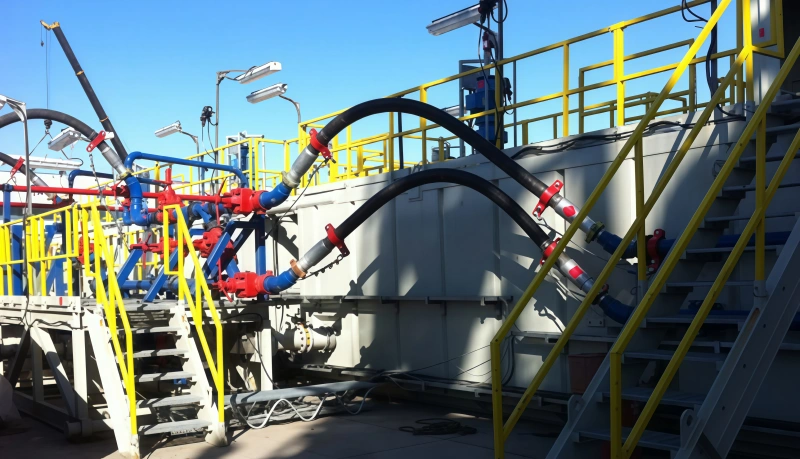
Offshore Drilling Hose for Harsh Marine Service
An offshore drilling hose works where high-pressure fluid duty, continuous movement and salt-laden exposure meet. The right assembly is defined by its service envelope: media, pressure, temperature, dynamic motion, bend radius, end connections, fire requirement, approval scope and documentation. Alienfrac can review drilling mud, cement, well-control and rig-motion applications and route each duty to the appropriate hose family. Final selection remains assembly-specific; published certificates and ratings must match the proposed construction, size, ends and operating limits.
Start with the Offshore Duty, Not the Hose Name
“Drilling hose” is often used as a broad buying term. On a rig, however, a rotary or vibrator hose, cement hose, mud booster hose, flexible choke and kill line, and BOP control hose perform different jobs and may fall under different standards or project rules. One approval cannot be assumed to cover all of them.
Begin the inquiry with the actual connection points and operating case. State where the hose sits, what it carries, normal and maximum pressure, surge or pulsation duty, fluid and ambient temperatures, required movement, exposure conditions and shutdown consequences. This prevents a familiar product name from hiding a mismatched design.
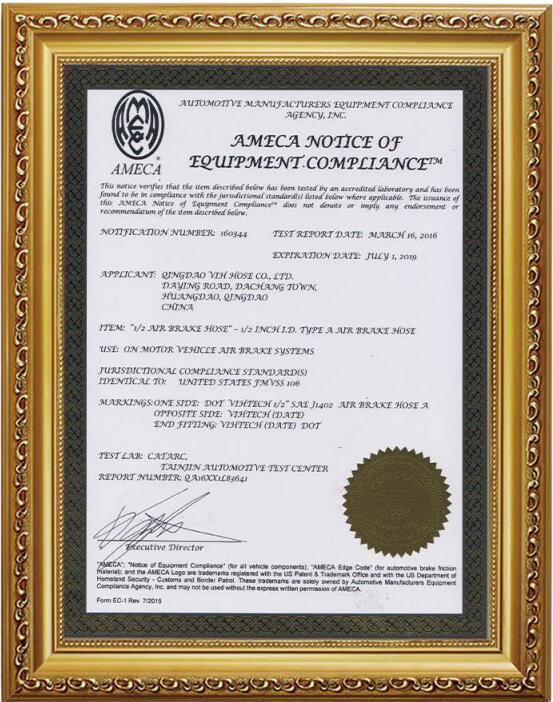
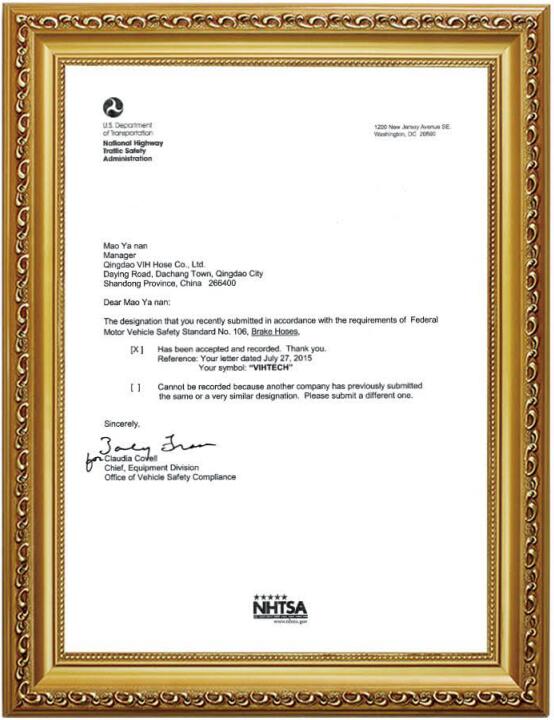
Marine Approvals: Check the Exact Certificate Scope
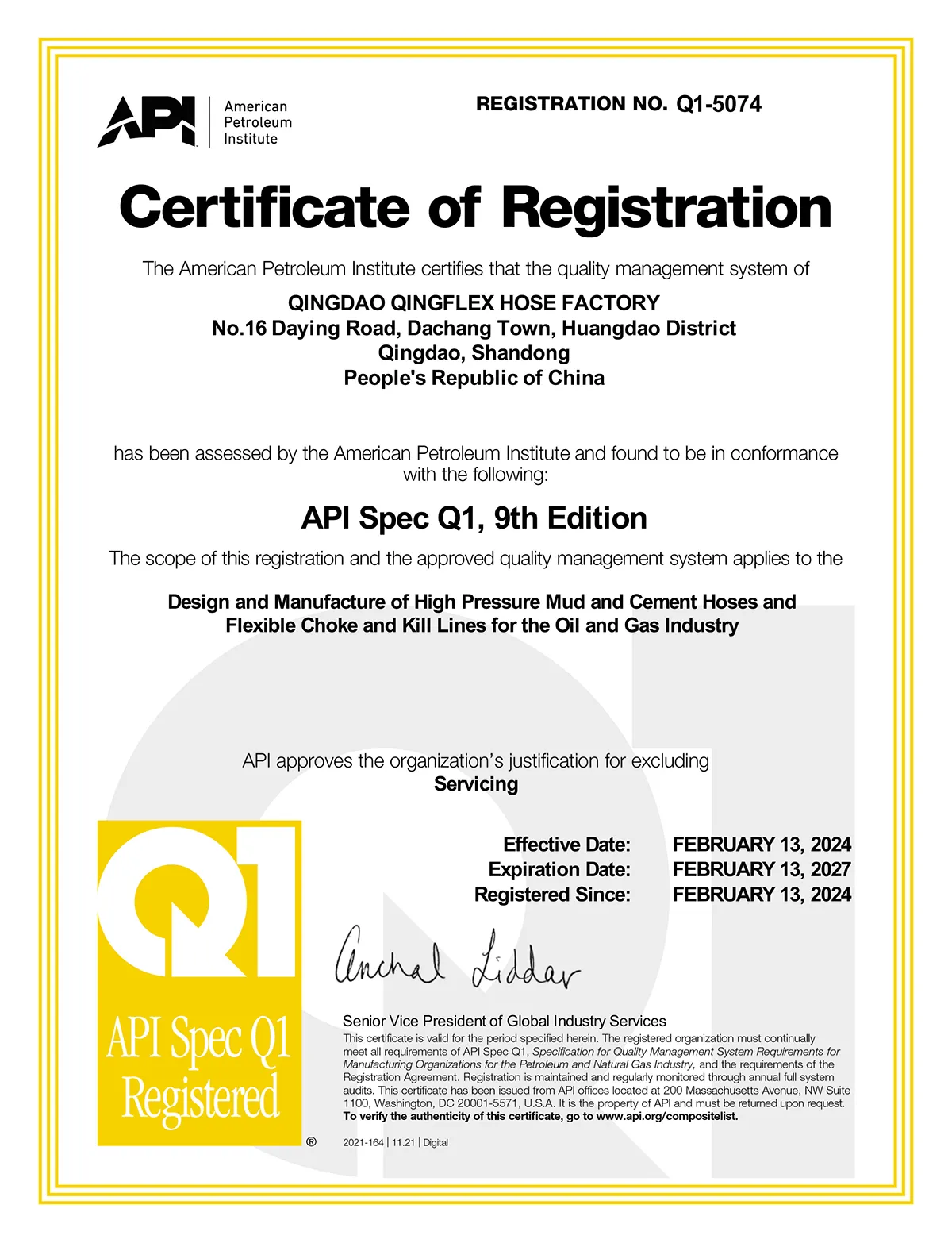
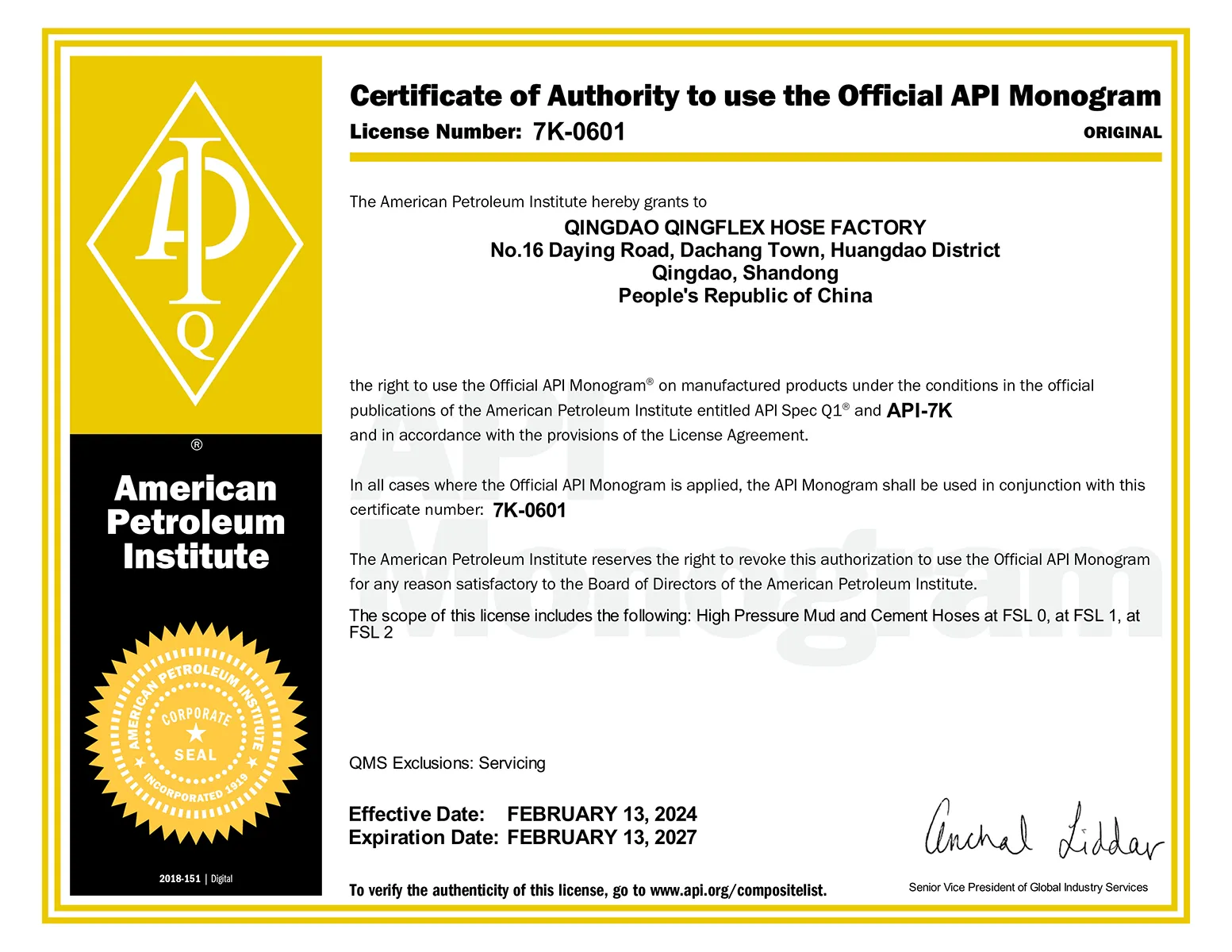
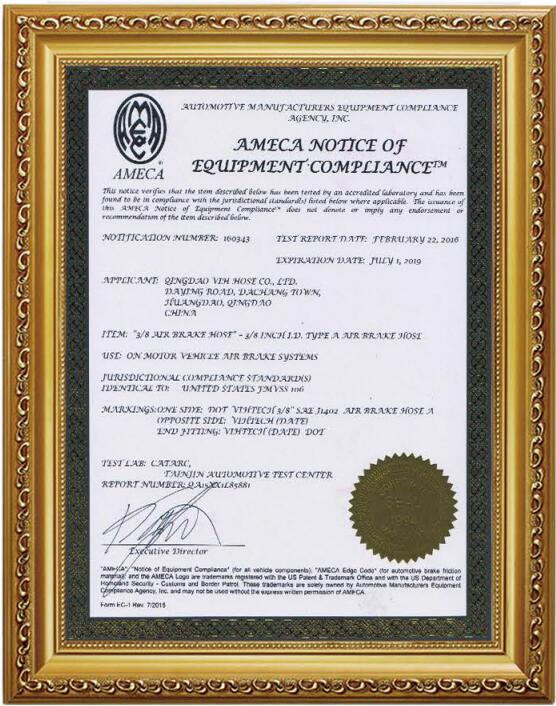
API product requirements and marine class approvals answer different questions. API Spec 7K is relevant to named drilling and well-servicing equipment, including applicable high-pressure mud and cement hose categories. A DNV, ABS or other class approval may be requested for installation on a classed vessel or mobile offshore unit. Project specifications can add further requirements.
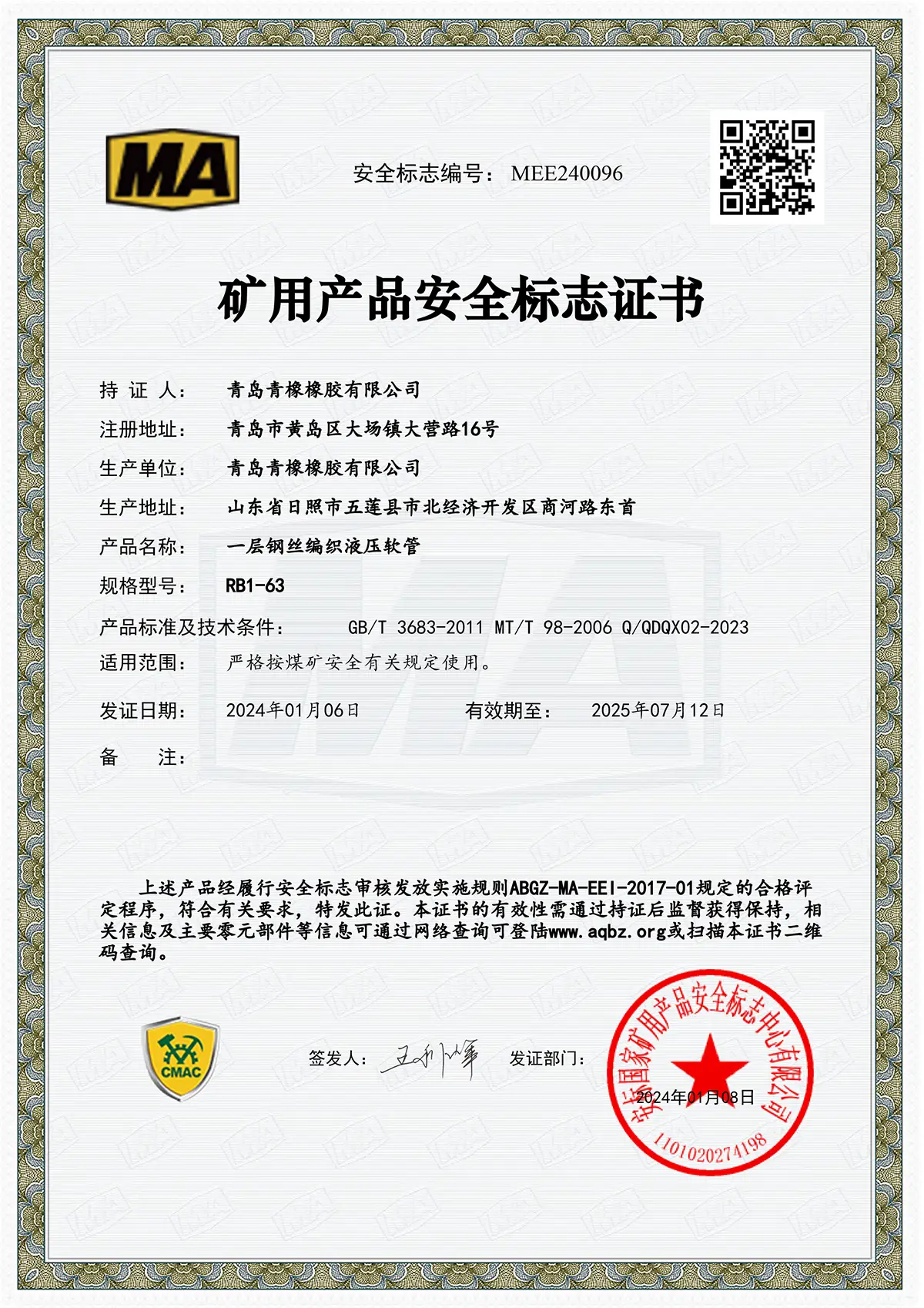
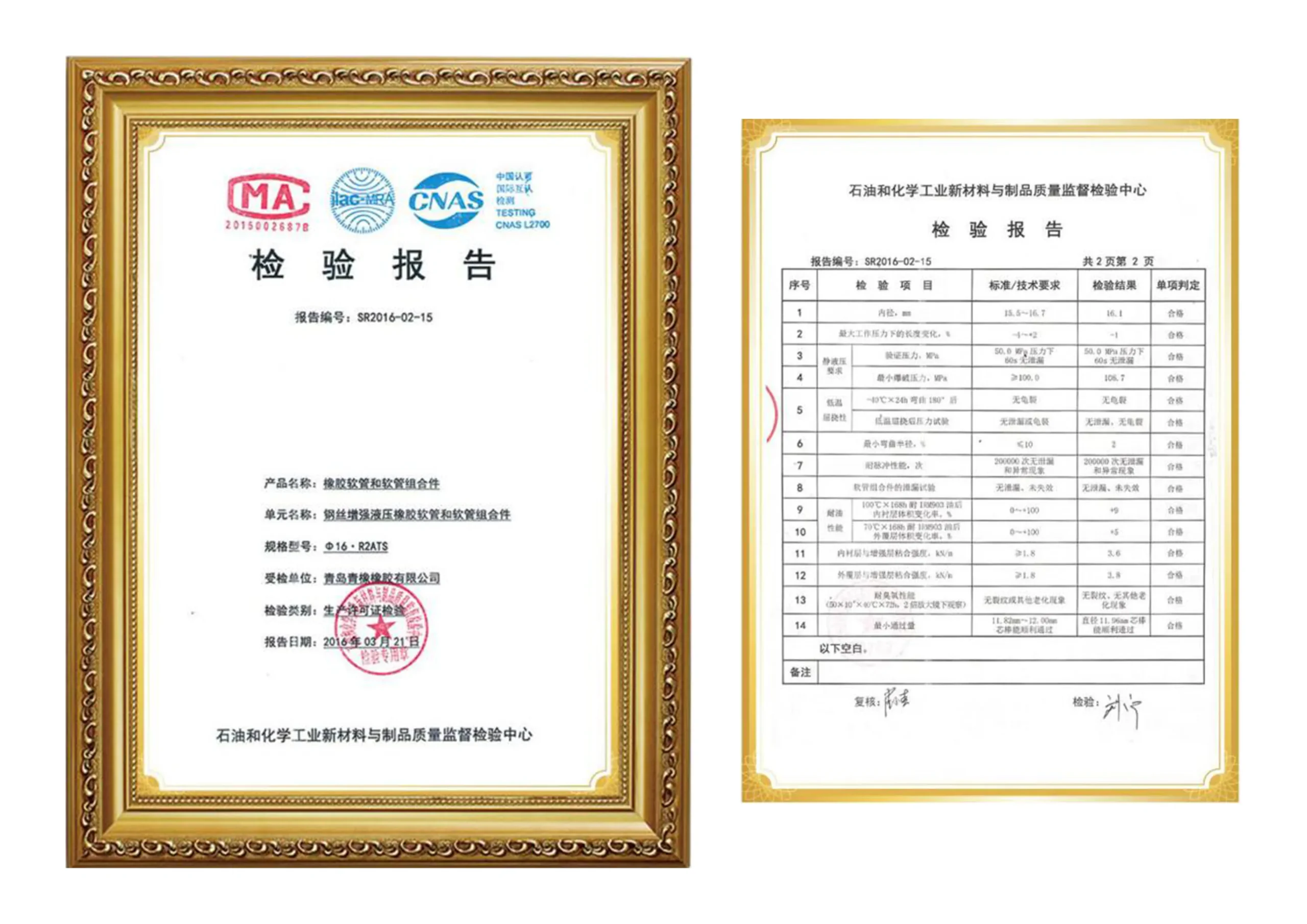
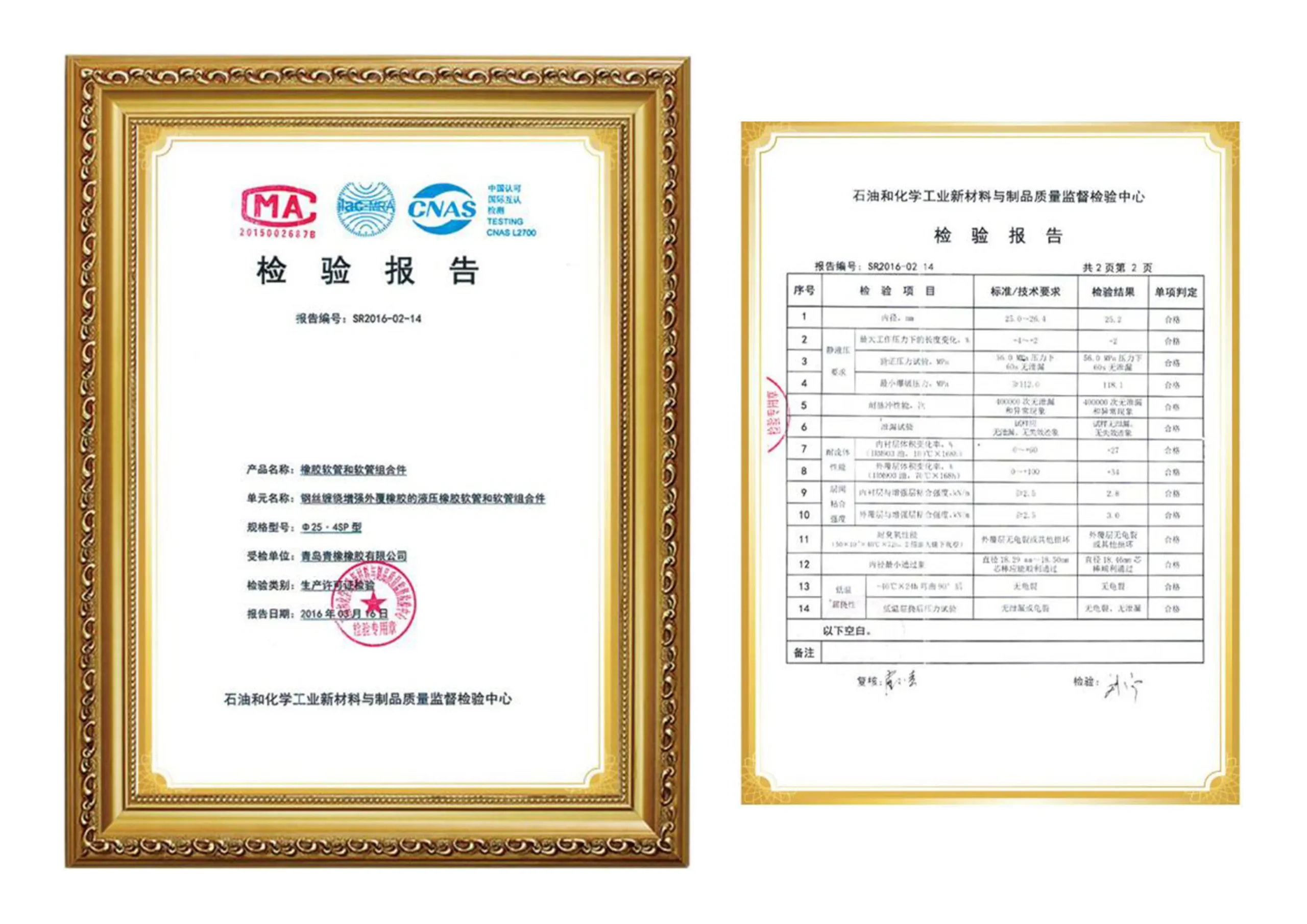
Treat every approval as bounded evidence. Confirm the certificate holder, manufacturing site, hose and coupling combination, size range, maximum working pressure, media, temperature, end-connection limitations, production-test requirements and expiry date. If the proposed assembly falls outside that scope, describe it as project-qualified or customer-specified only when supporting evidence exists—never as type approved.
Ask for: current certificate; referenced drawings or product codes; stated limitations; assembly pressure-test report; and traceability linking the delivered hose to those records.
Design for Salt, Spray, Weather and Dissimilar Metals
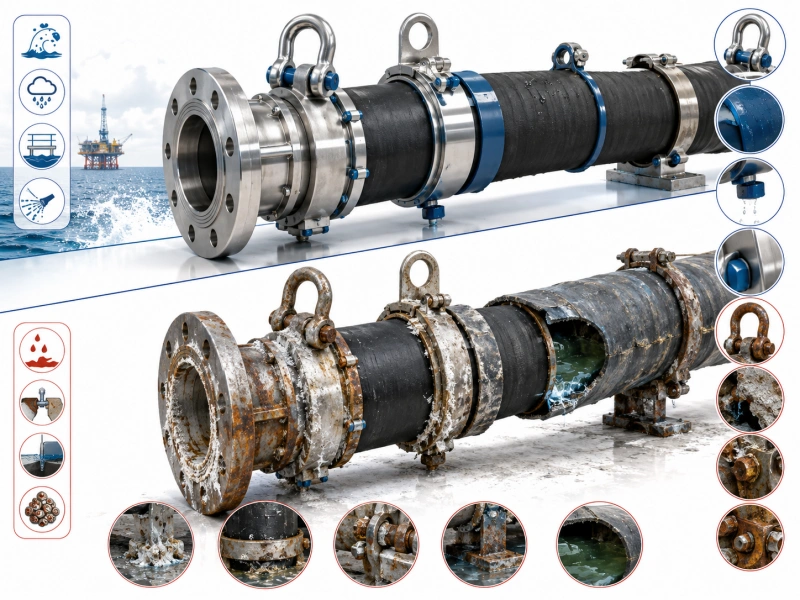
Offshore corrosion control is an assembly decision, not a cover-color claim. Salt deposits, trapped seawater, damaged coatings, galvanic couples and inaccessible crevices can attack couplings, flanges, armor, clamps and lifting hardware even when the hose body remains intact.
Define the environmental zone—indoor, weather deck, splash zone or routinely washed area—and the expected cleaning chemicals. Then specify compatible fitting materials, coating system, fasteners and protective accessories. Drainage and inspection access matter: a protective sleeve that traps seawater can create the problem it was meant to prevent.
Confirm: base and end-fitting materials; coating specification and repair method; stainless/carbon-steel isolation where needed; cover resistance to oil, ozone, UV and seawater; armor drainage; and preservation for shipment and storage.
State the Fire Requirement Before Selecting Protection
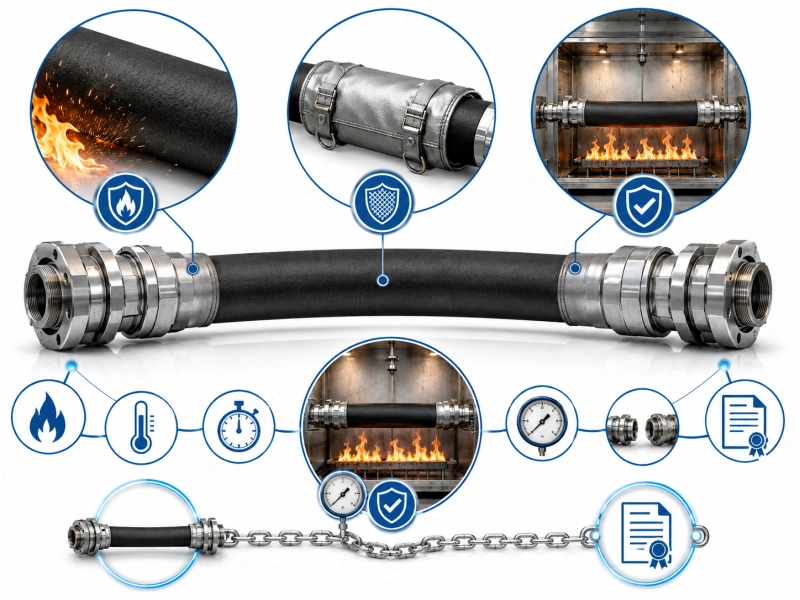
“Fire resistant” can refer to different test methods, exposure temperatures, durations, pressures and acceptance criteria. A flame-retardant cover, an external fire sleeve and a hose assembly qualified by a defined fire test are not interchangeable. Ask which requirement applies to the installed hose and whether the evidence covers the complete assembly, including end fittings.
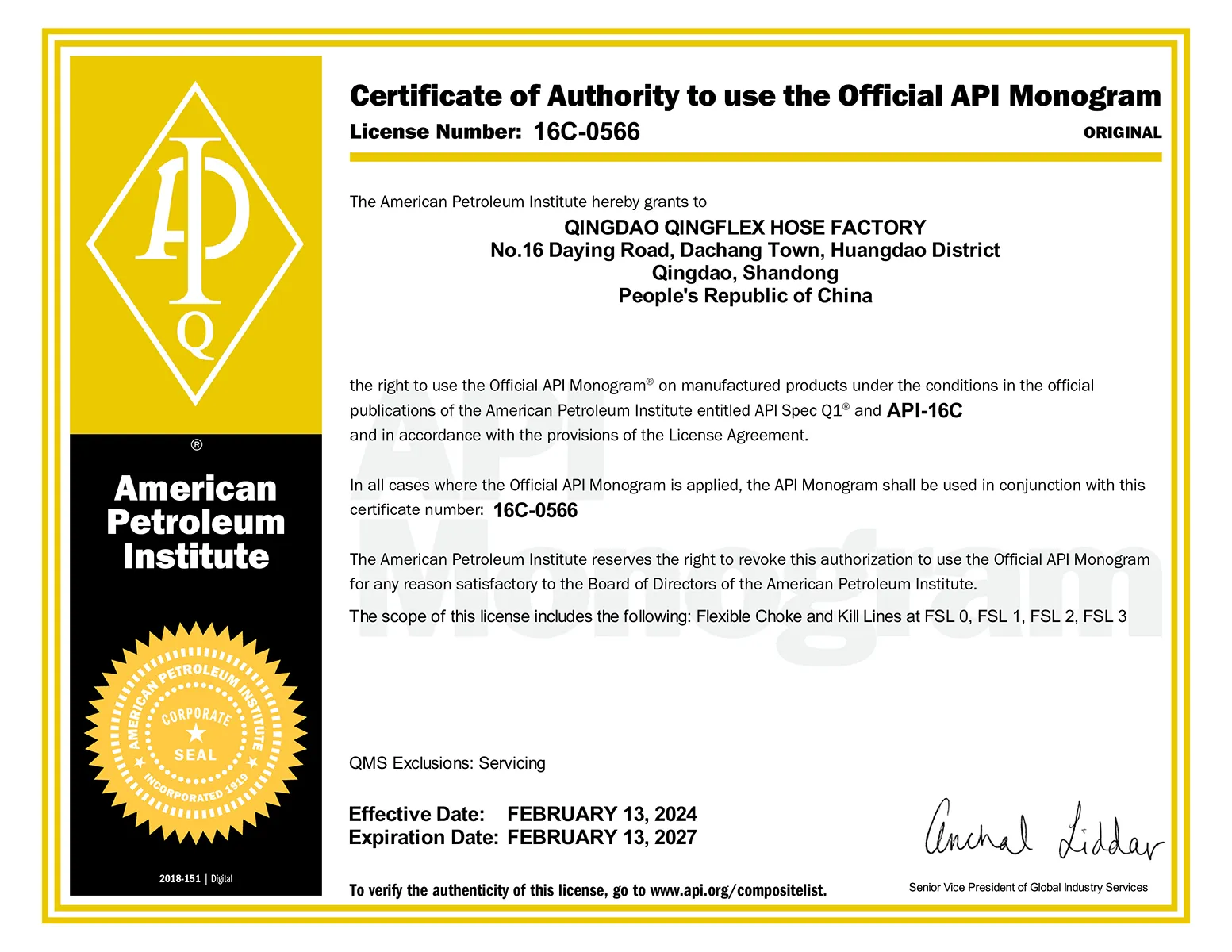
Do not transfer a fire rating from one product family to another. Continental, for example, describes optional drilling-hose fire-resistant plies for a defined exposure, while API 16C FSL requirements apply to flexible choke and kill lines. These examples show why the product, standard, test and certificate must stay connected.
Specify: hazard and location; governing standard or owner specification; exposure temperature and duration; internal pressure during test; leakage/continuity criterion; end-fitting coverage; sleeve installation details; and inspection or replacement rules after heat exposure.
Handling and Routing Control Hose Life
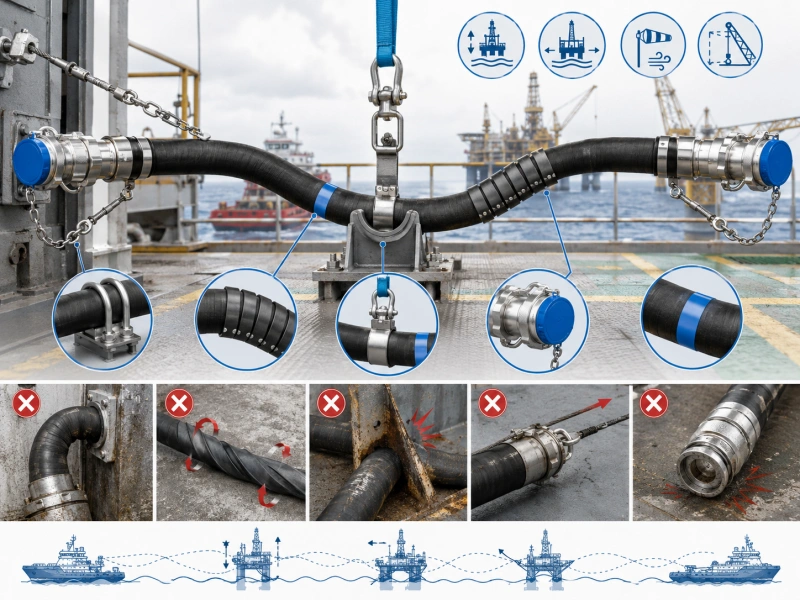
A hose can meet its pressure rating and still fail early if it is bent too tightly, twisted, pulled by its fittings or allowed to rub against steelwork. Offshore movement adds heave, vibration, changing geometry and wind. Layout review should consider both the static route and the full operating envelope.
Respect the manufacturer’s minimum bend radius and the straight length required near each coupling. Use engineered lifting points, clamps, saddles, bend restrictors or safety restraints only where specified. Never lift the assembly by the hose body or drag sealing faces across the deck. Cap the ends during transport and keep identification visible.
Review: installed length and tolerance; end-to-end datum; minimum bend radius; motion envelope; torsion control; support spacing; abrasion points; coupling loads; lifting plan; storage reel or cradle; and pre-use inspection.
Offshore Drilling Hose Families
Choose the family by duty and governing requirement. The cards below are routing options, not a statement that every size or construction carries every approval. Send the service data for an assembly-level review.
Mud Booster / Jumper Application Review: For auxiliary high-pressure mud circulation around marine-riser and subsea systems. Provide connection points, motion, external pressure, collapse, pulsation and installation data for a dedicated review.
What to Send for an Engineering Review?
1. Rig type and hose location.
2. Application and governing standard/project specification.
3. Fluid composition, solids and additives.
4. Normal, maximum and surge pressure.
5. Fluid and ambient temperature.
6. ID, overall length, datum and tolerance.
7. Dynamic movement, minimum bend radius and routing drawing.
8. End A and End B details.
9. Fire, corrosion, armor and lifting requirements.
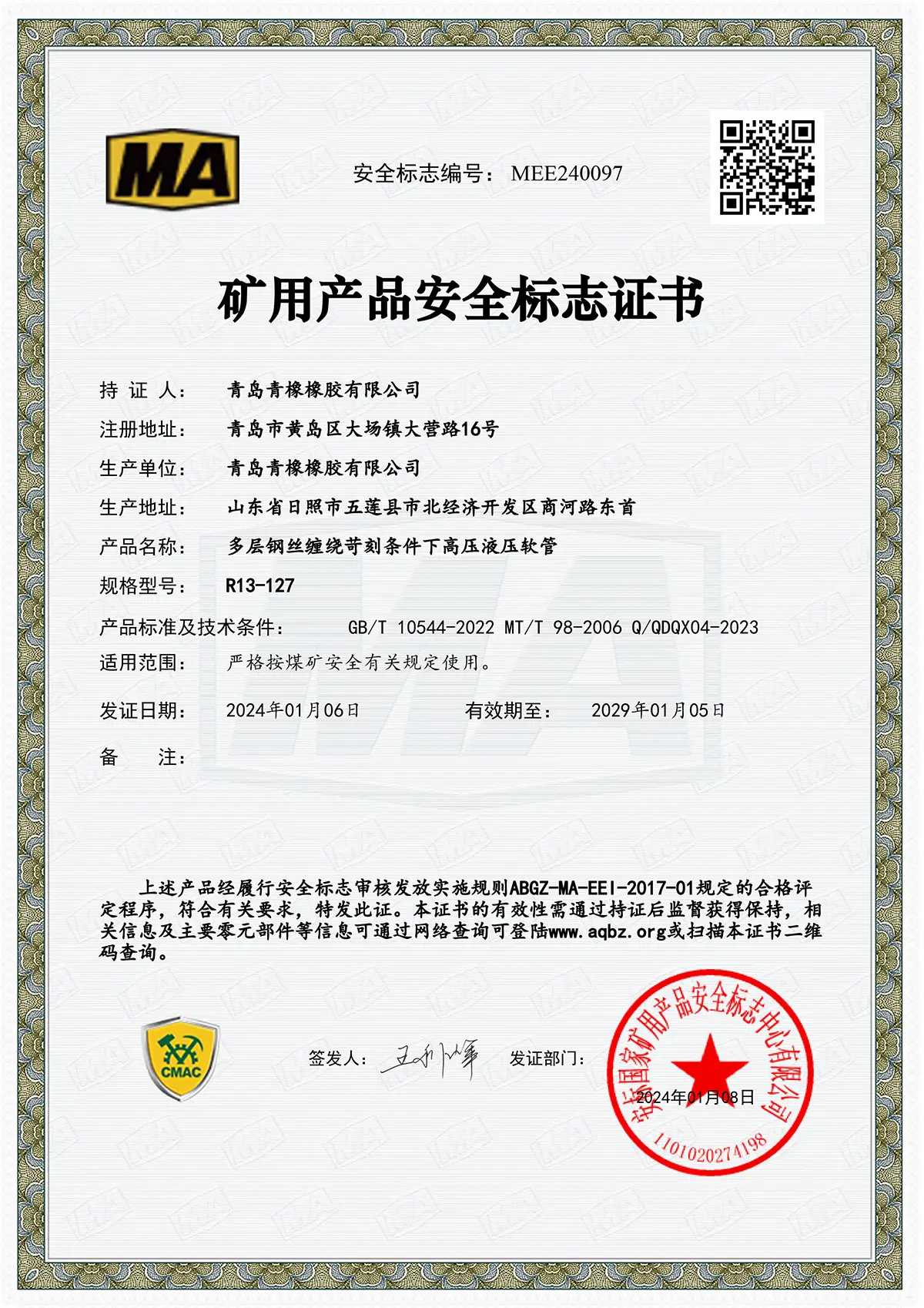
10. Approval, inspection, testing and document package.
Review the Assembly Before It Reaches the Rig
Send Alienfrac your duty, routing drawing, connection details, approval scope and document list. We will map the request to the relevant hose family, identify missing inputs and prepare a technical response for your review.
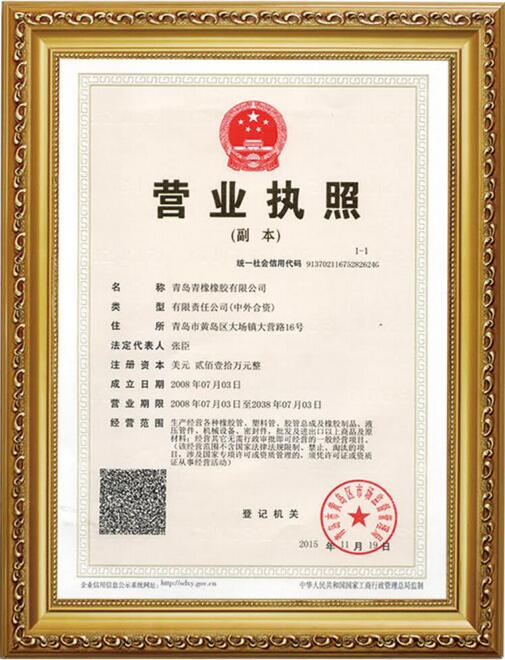
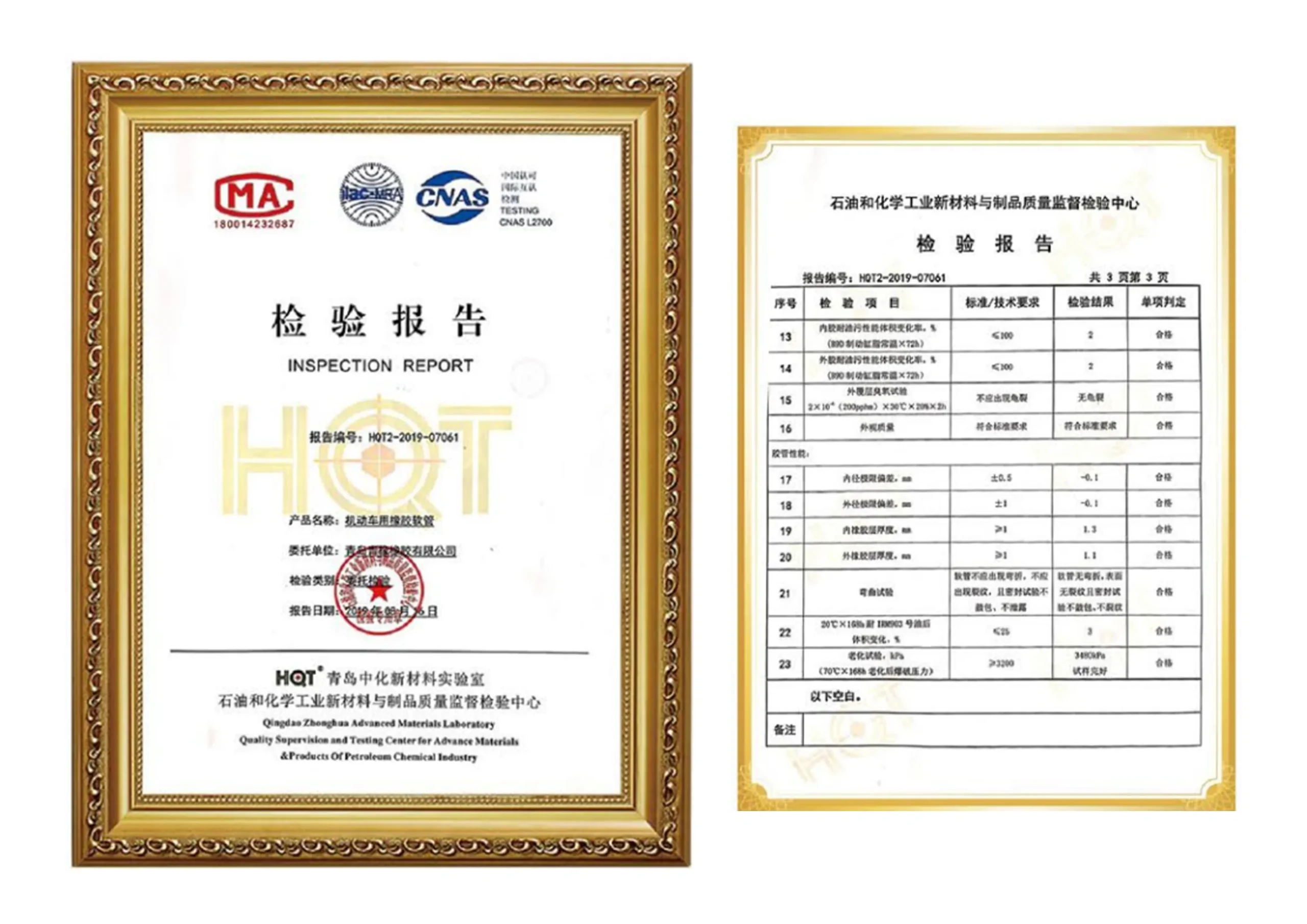
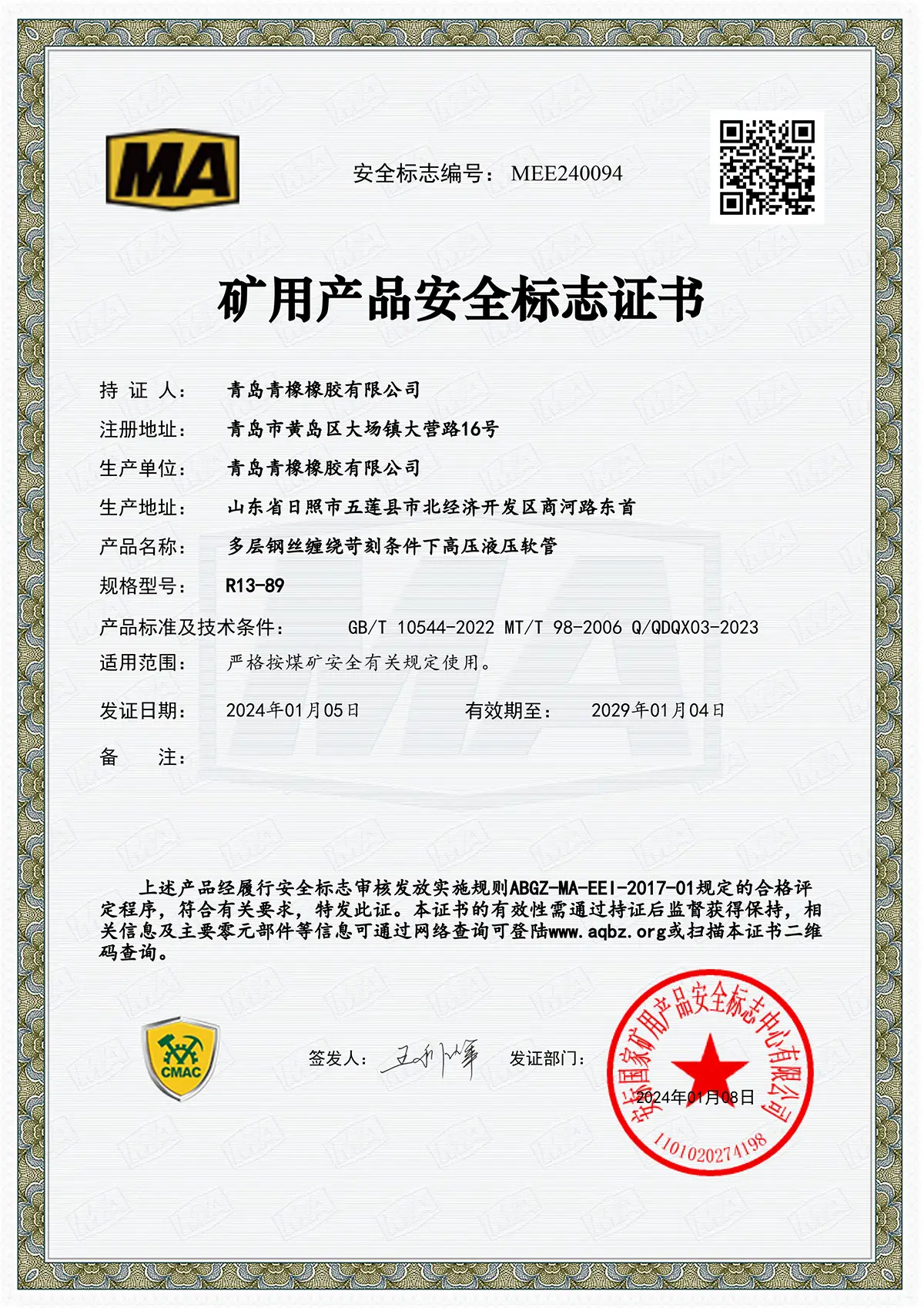
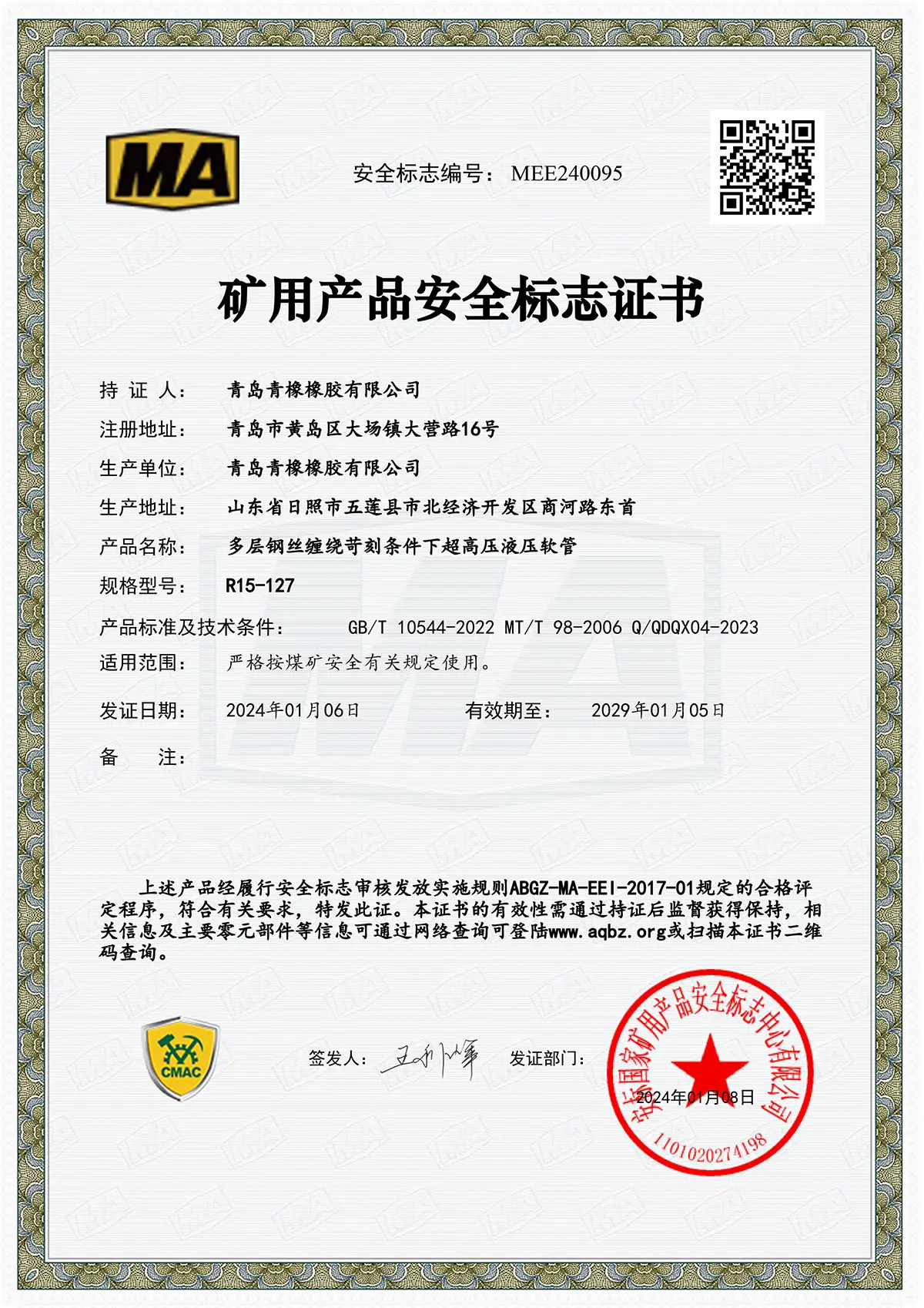
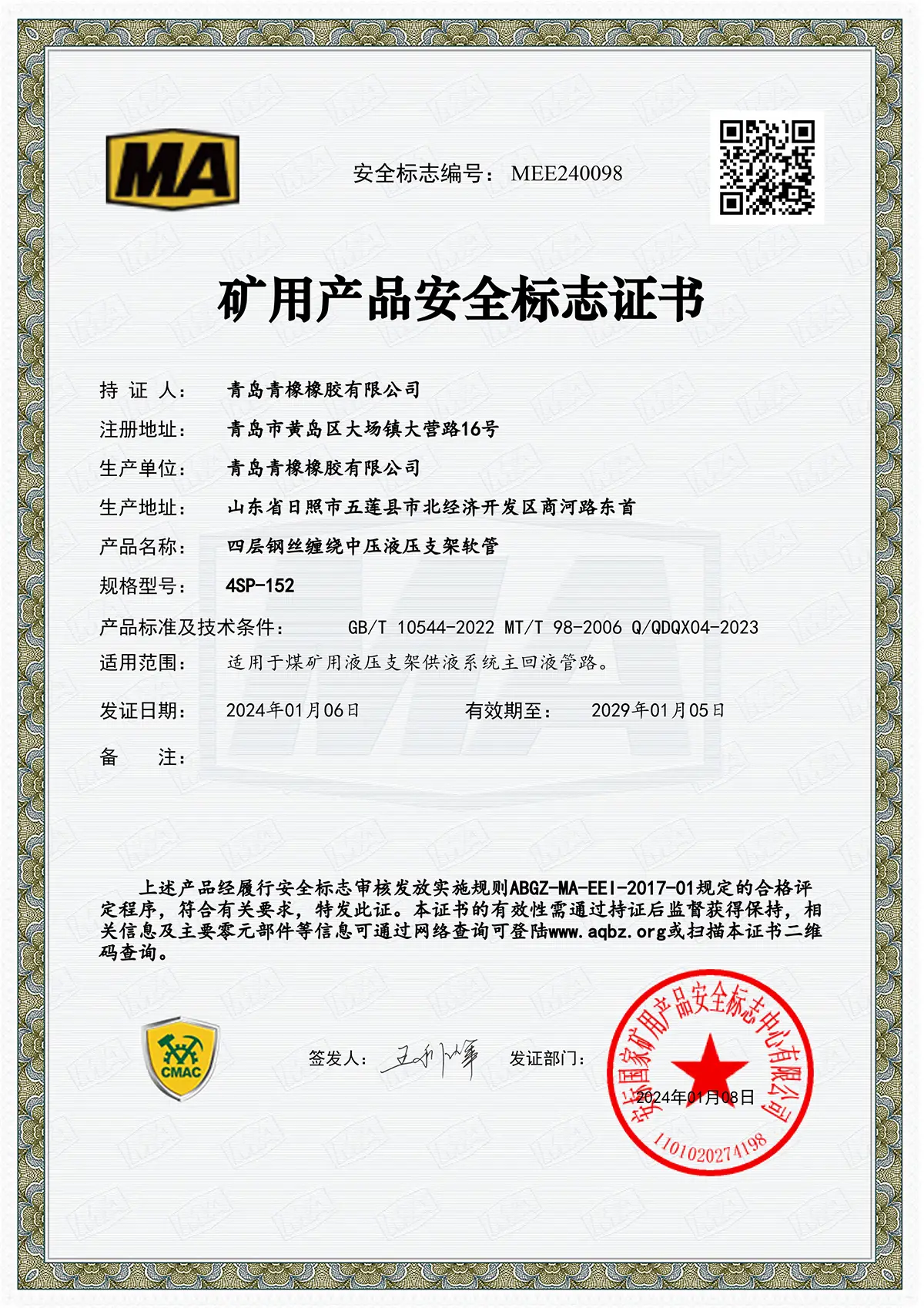
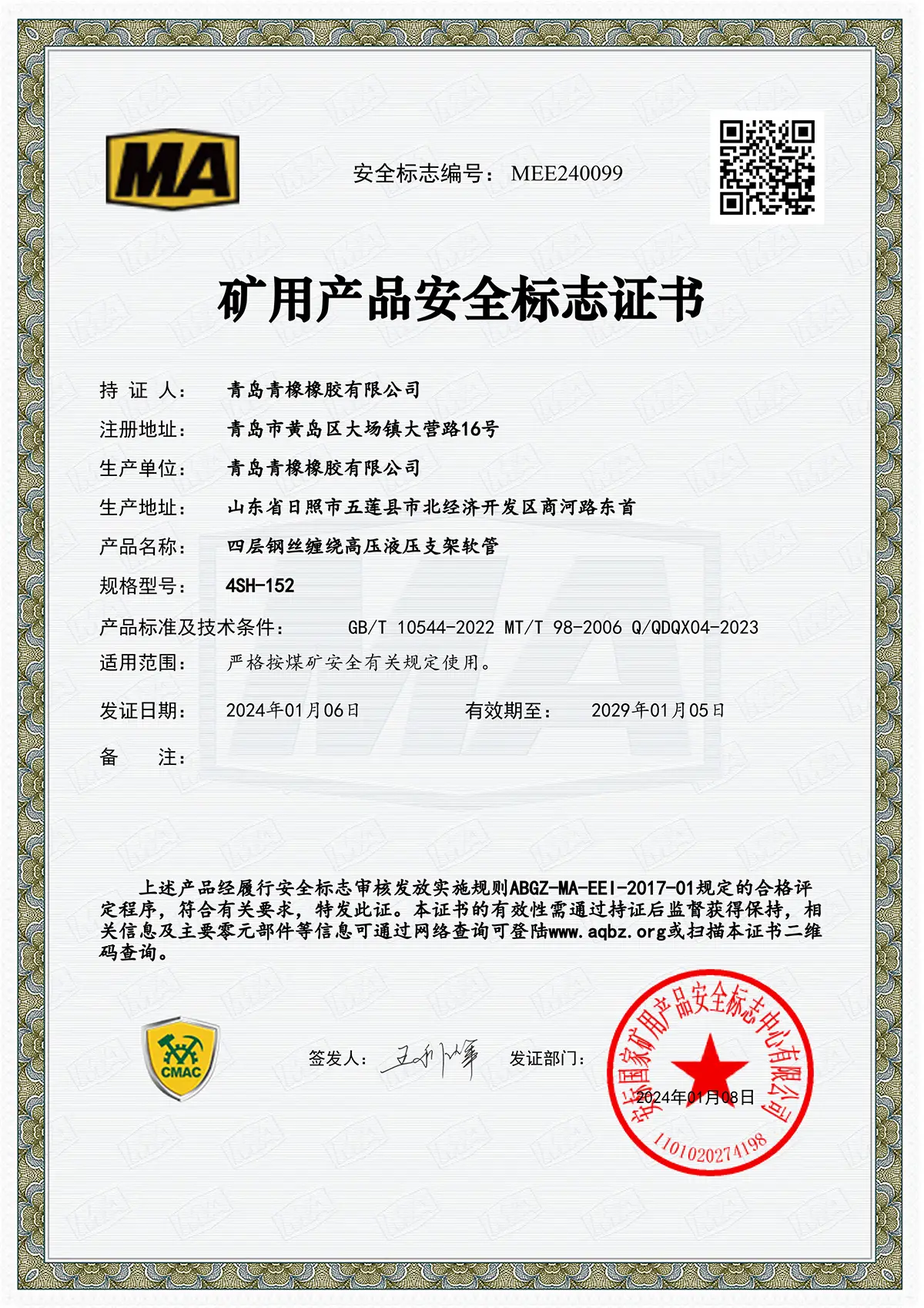
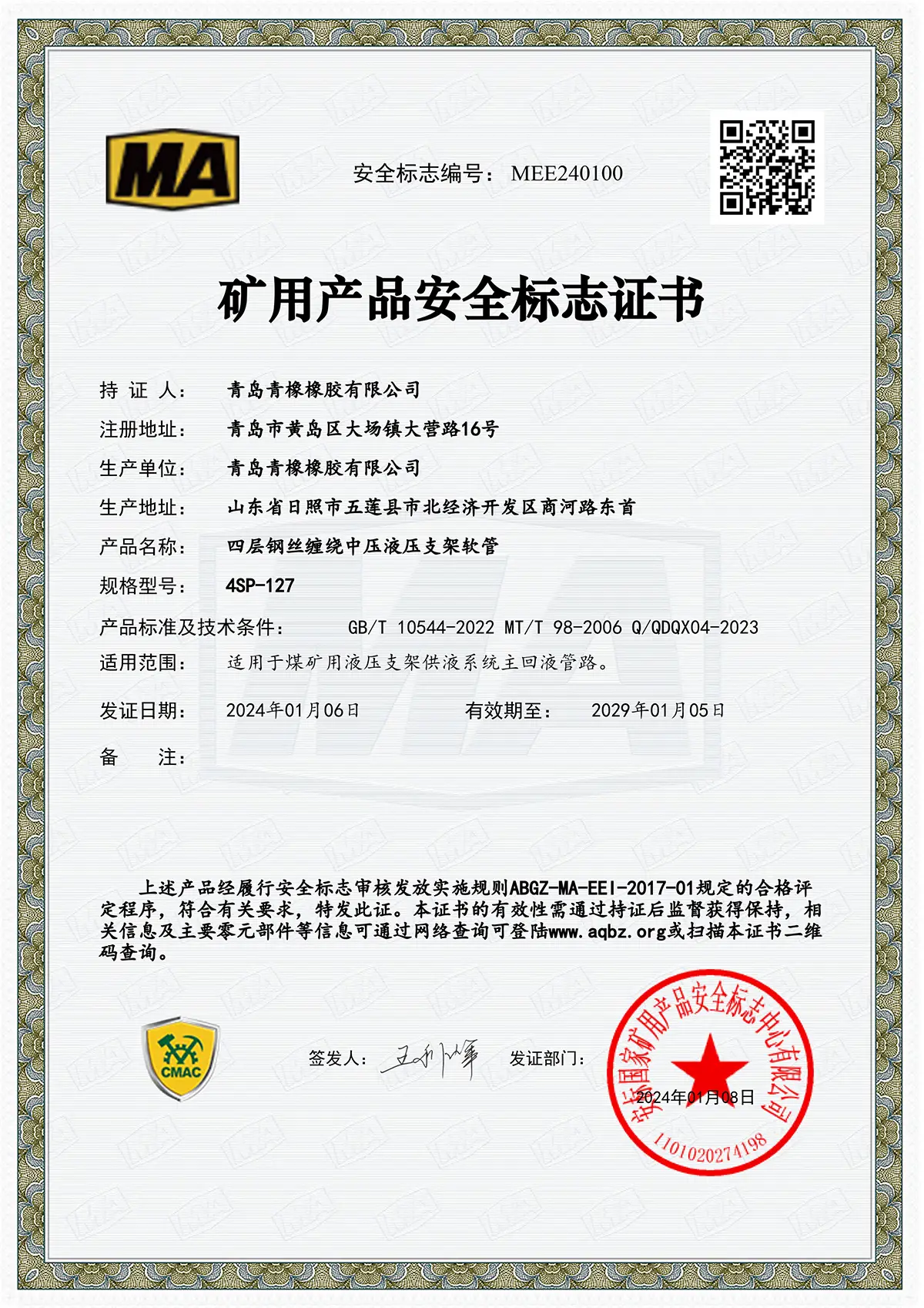
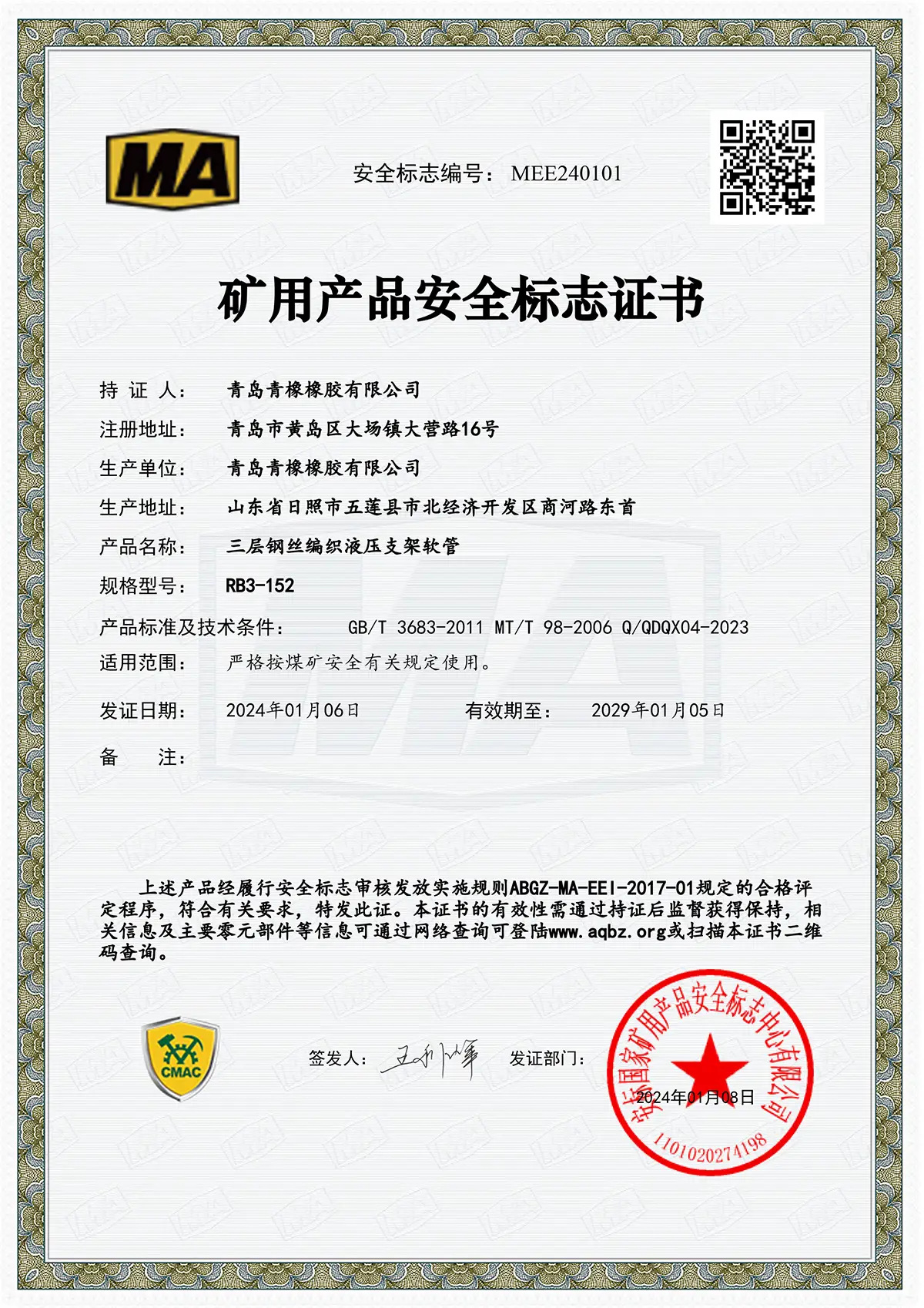
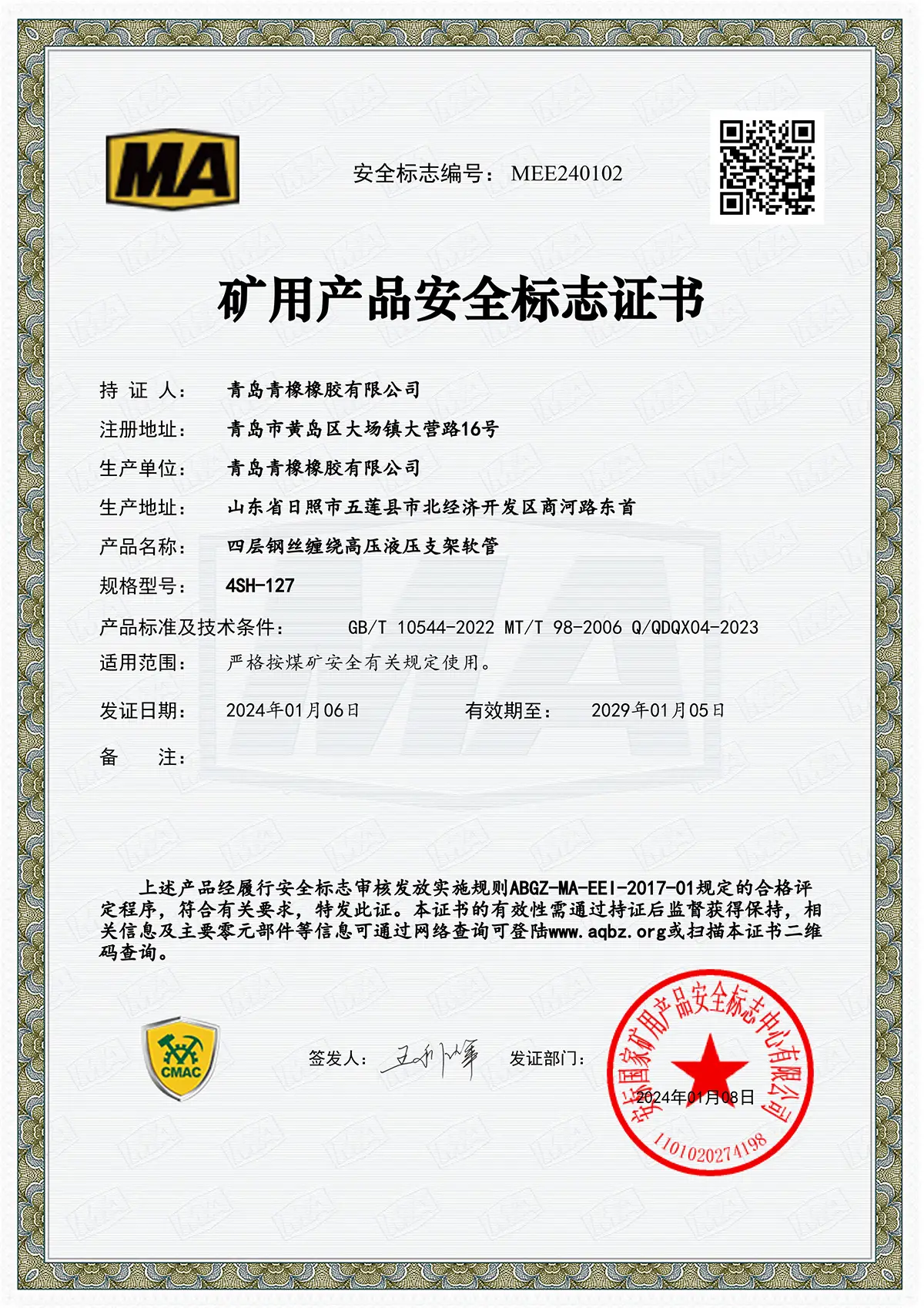
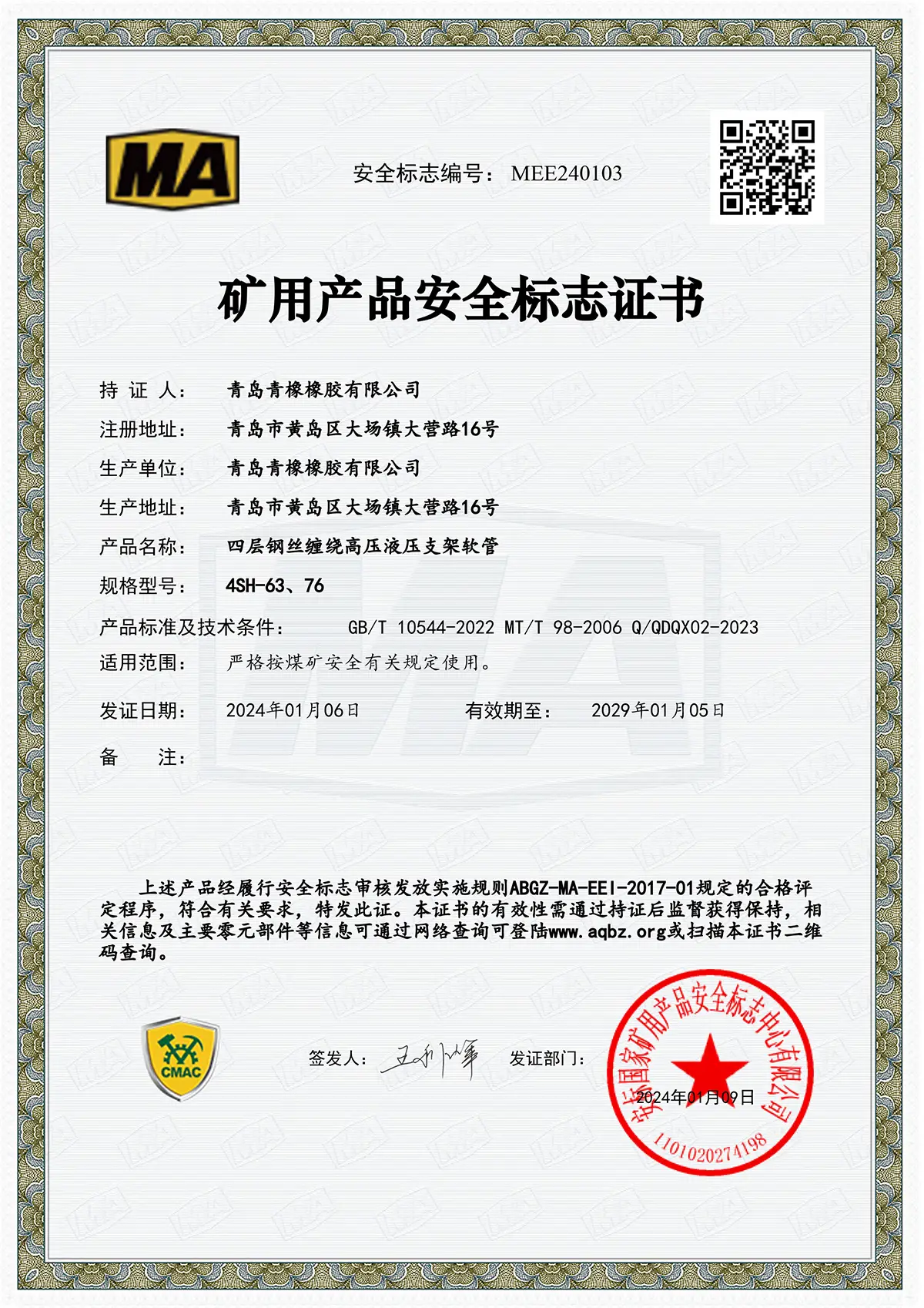
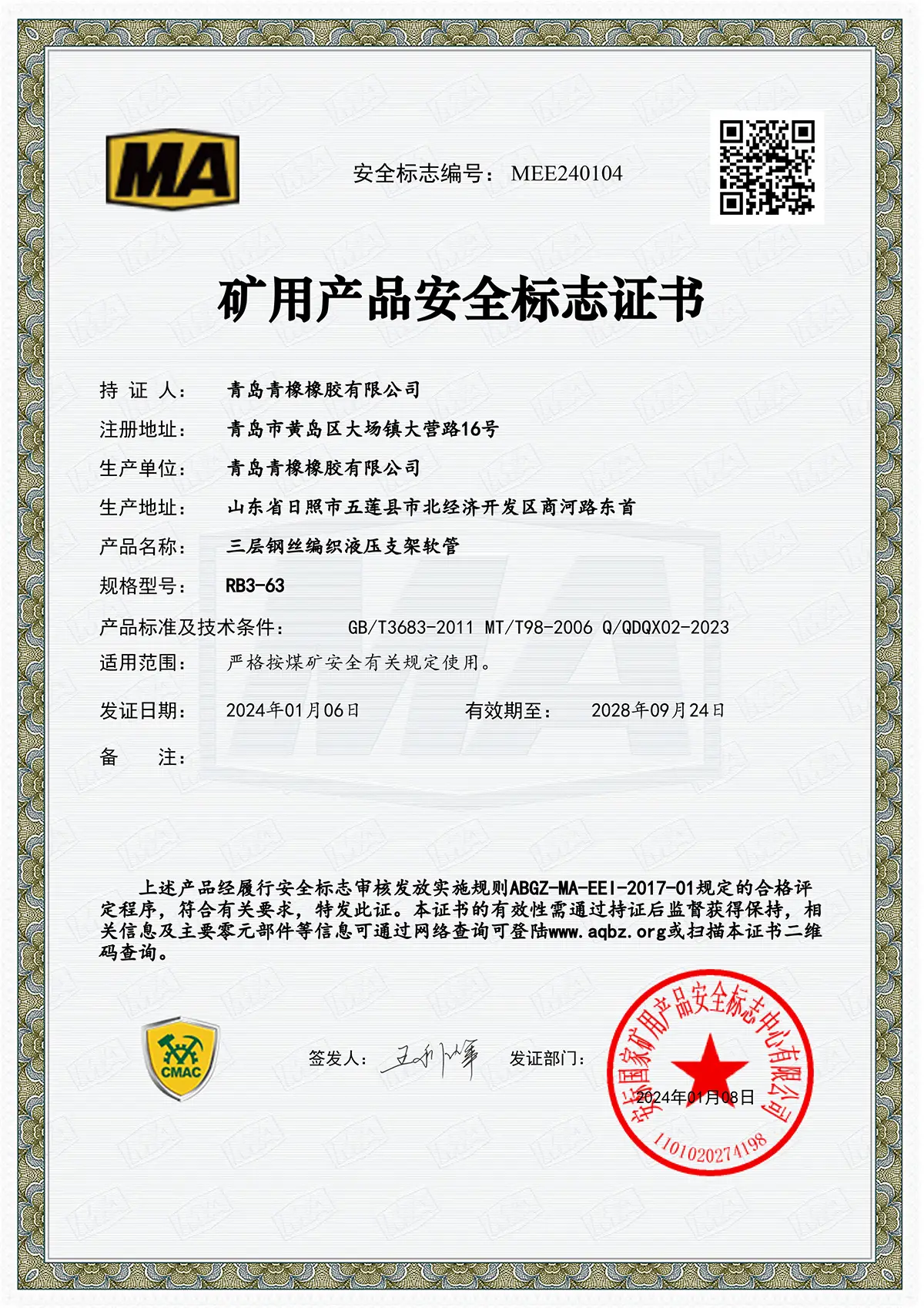
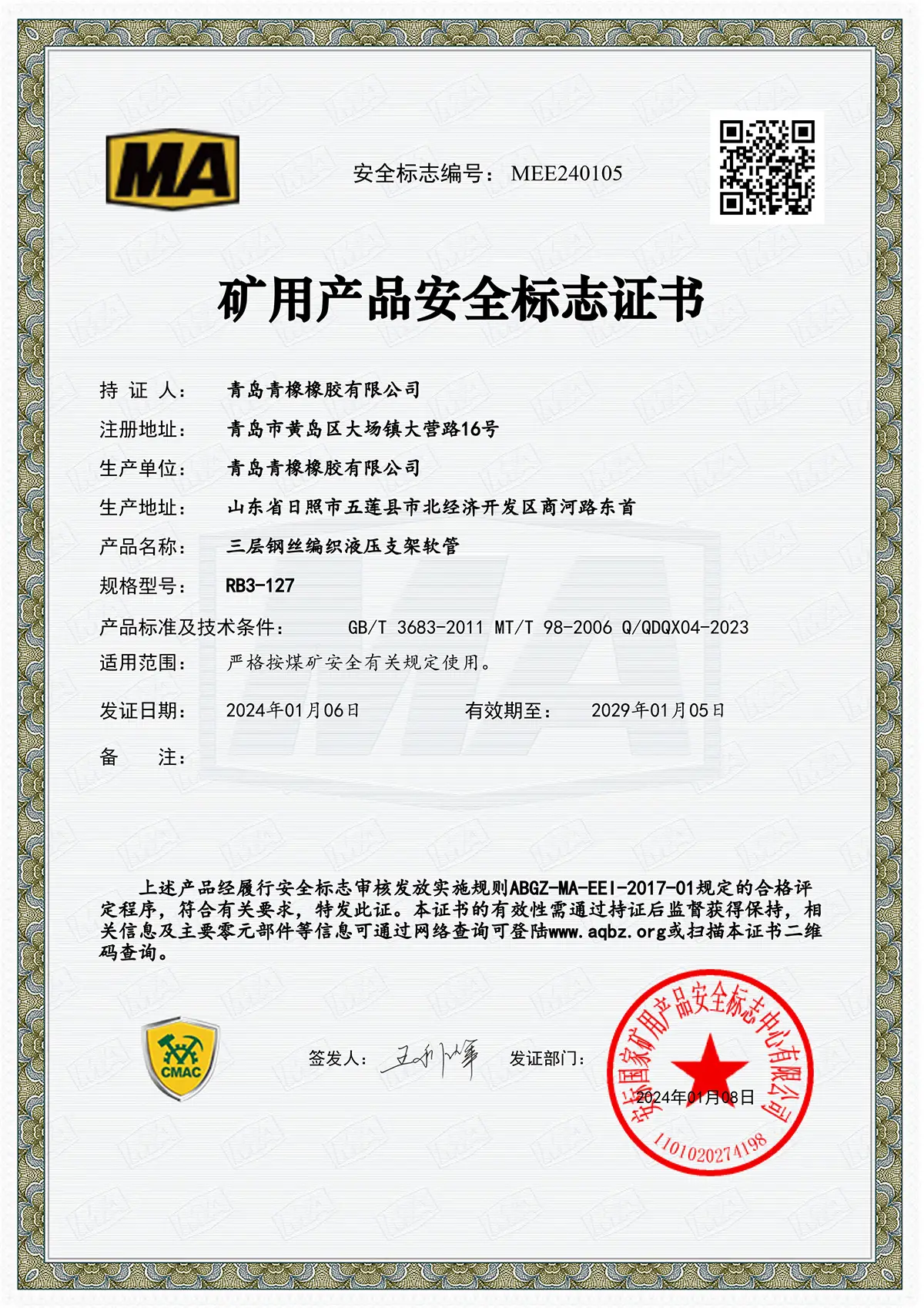
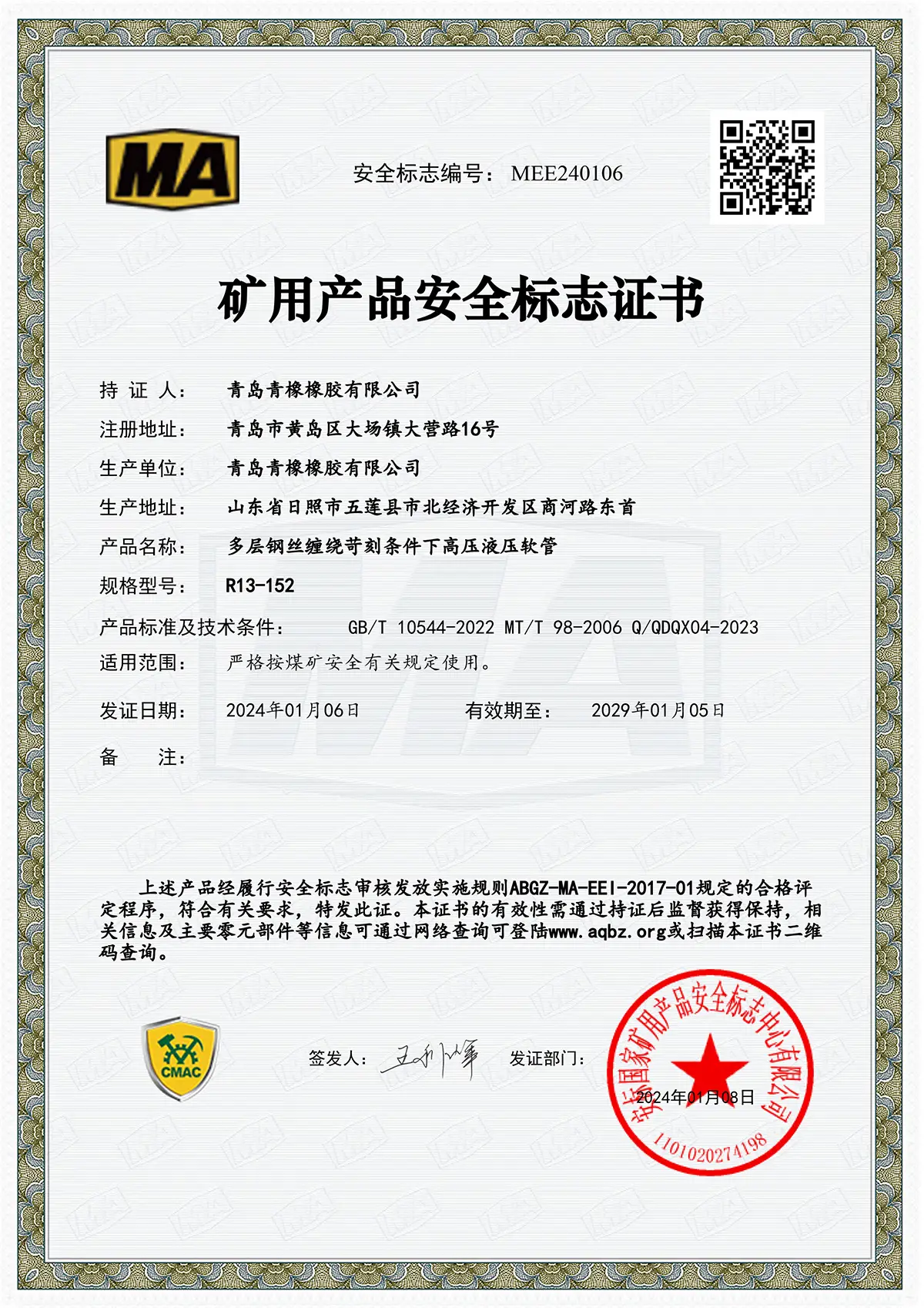
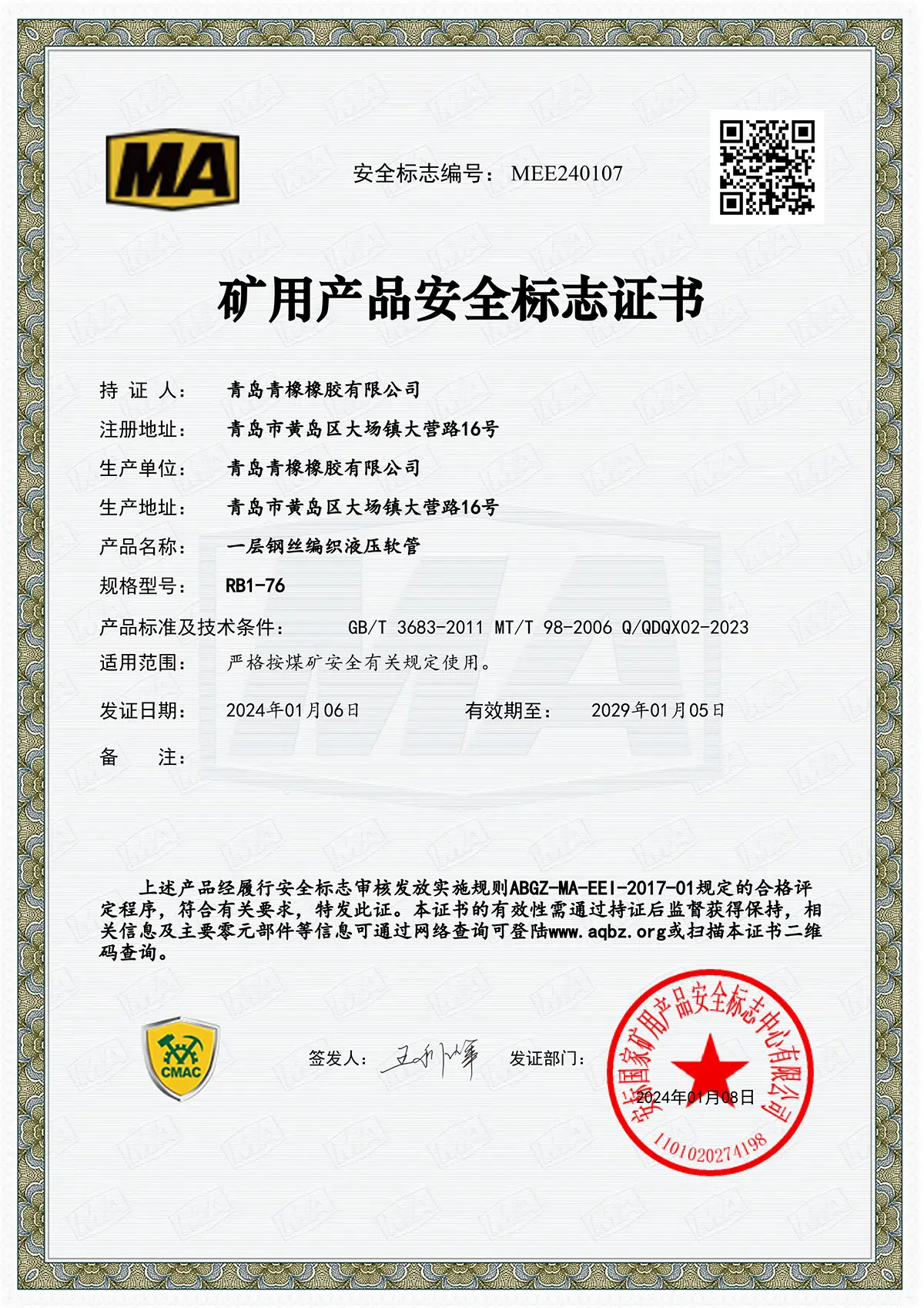
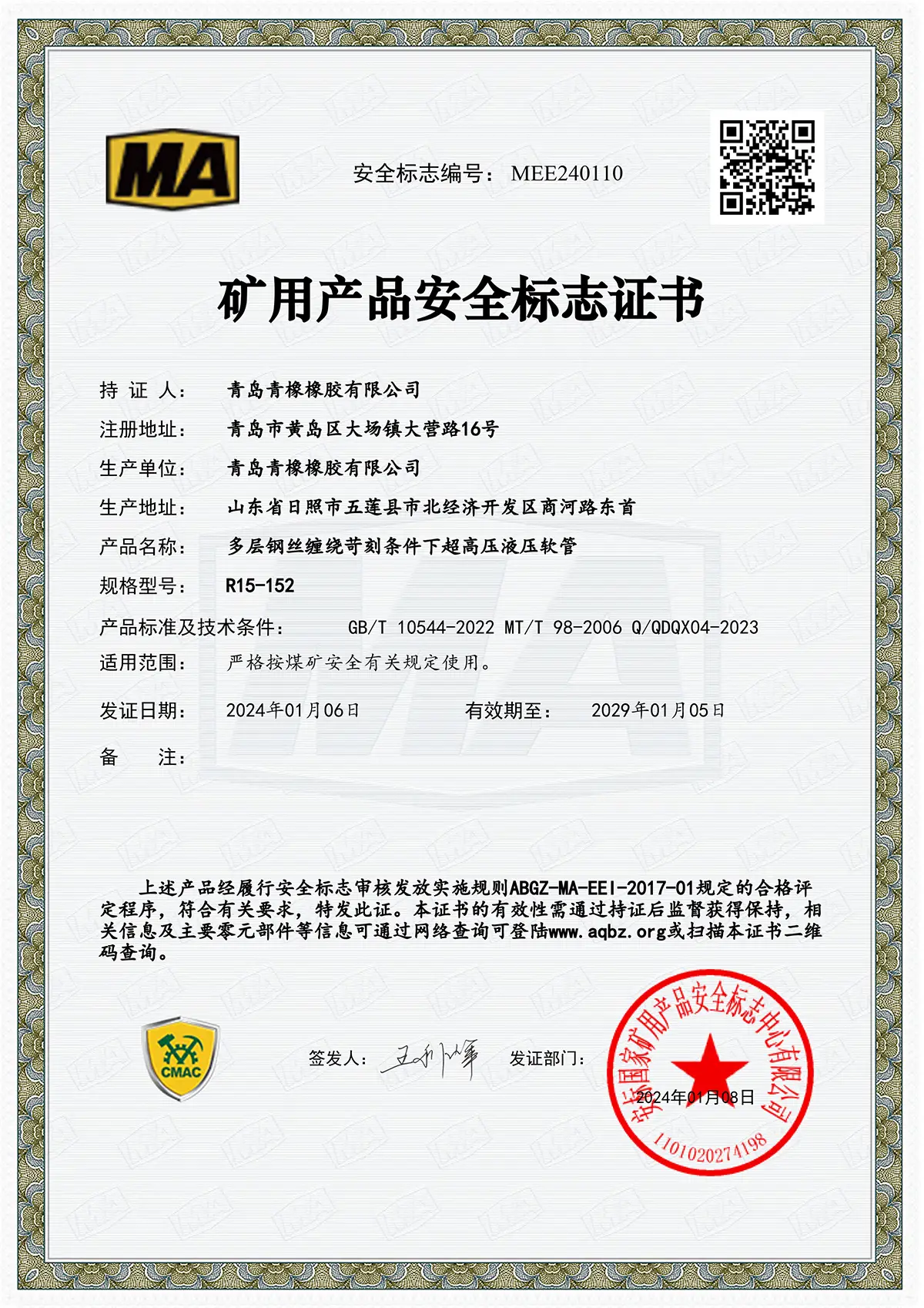
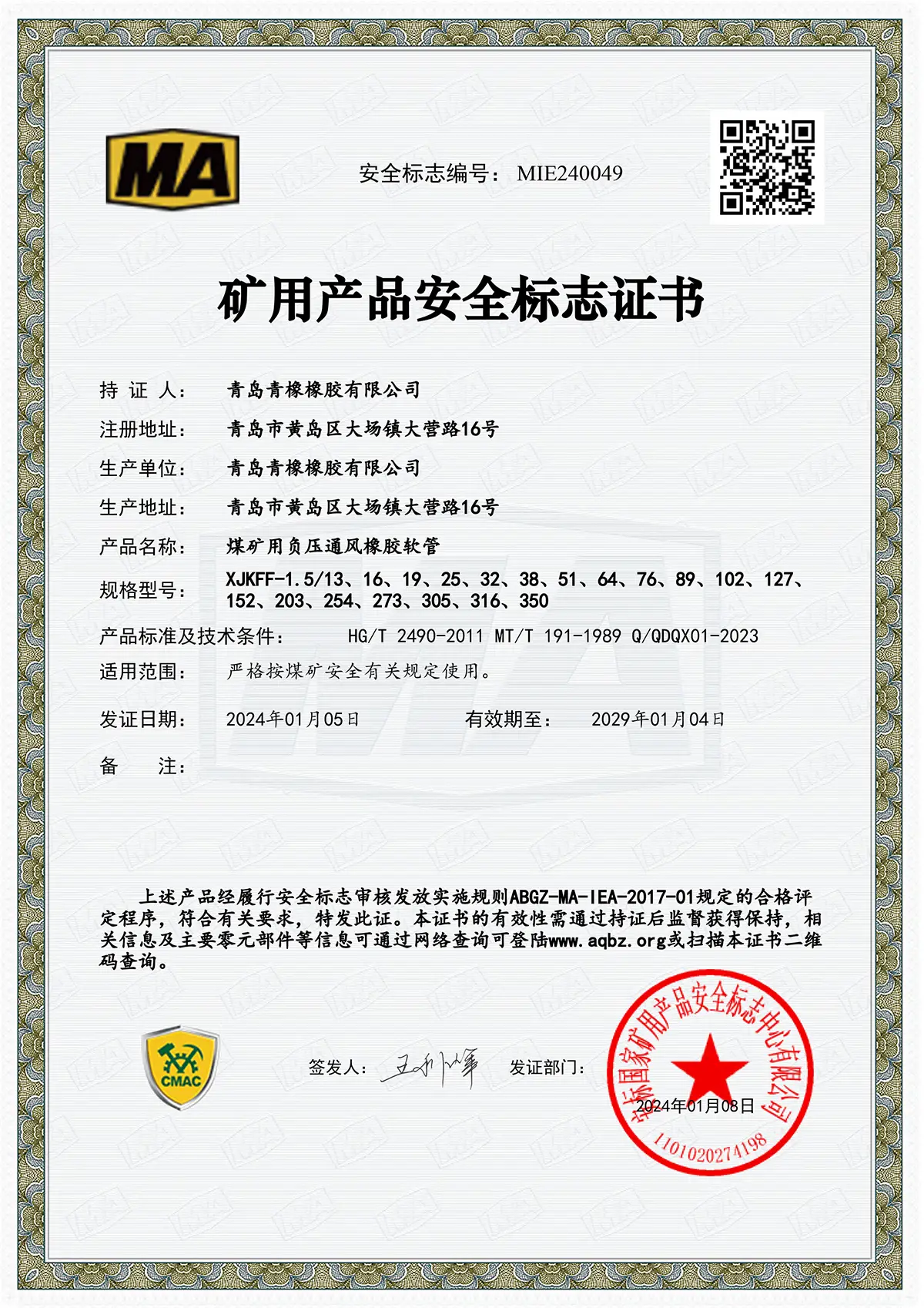
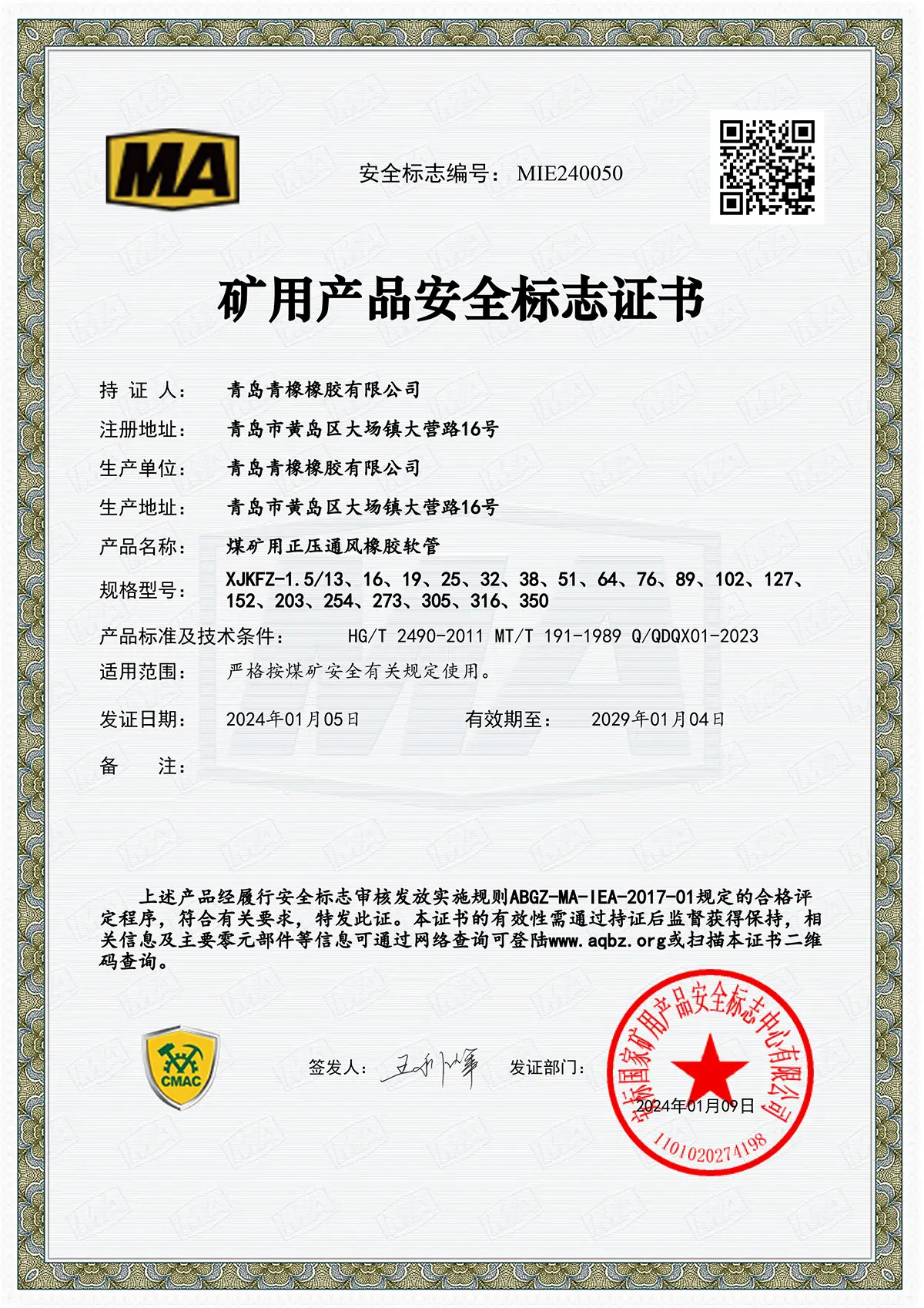
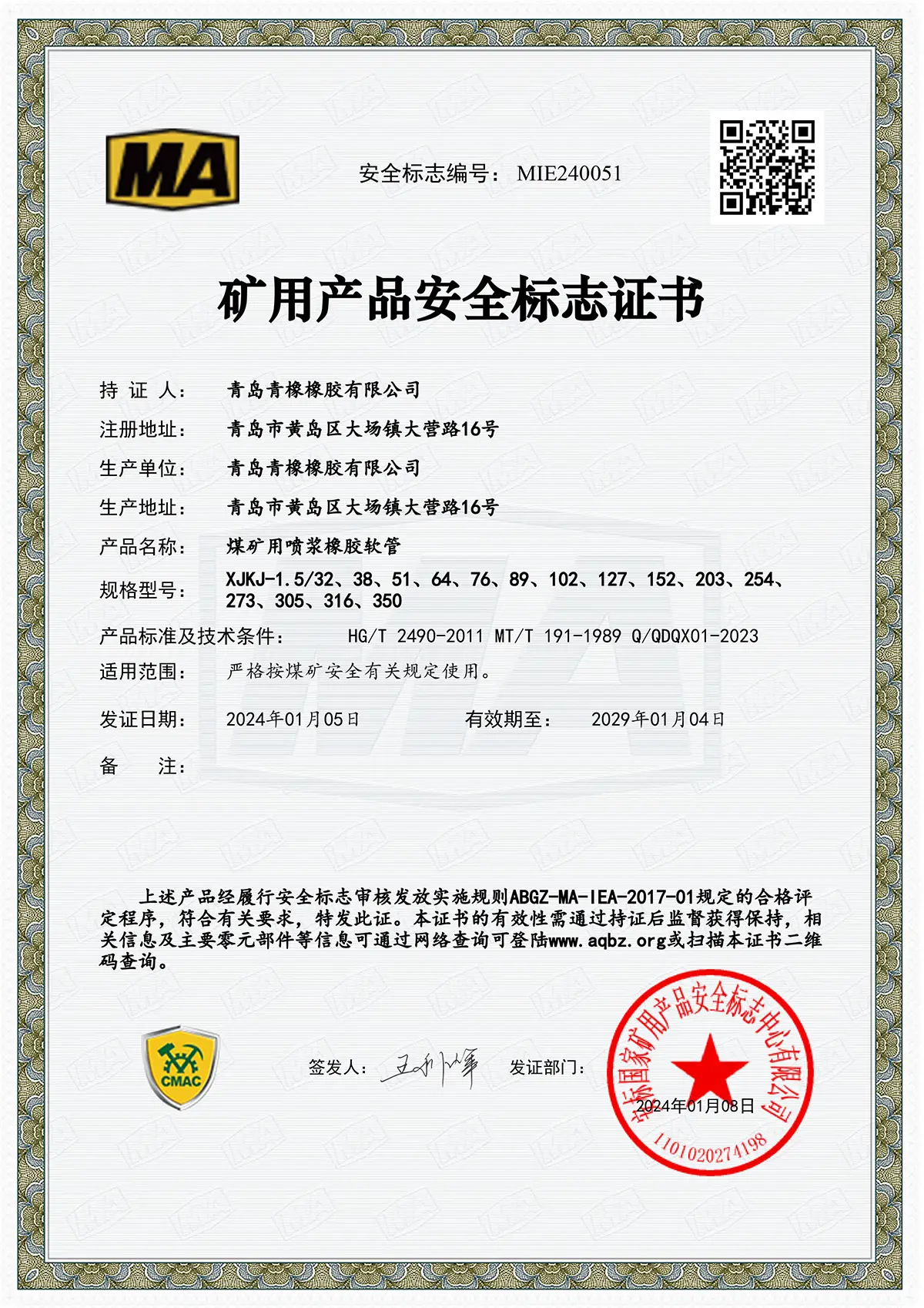
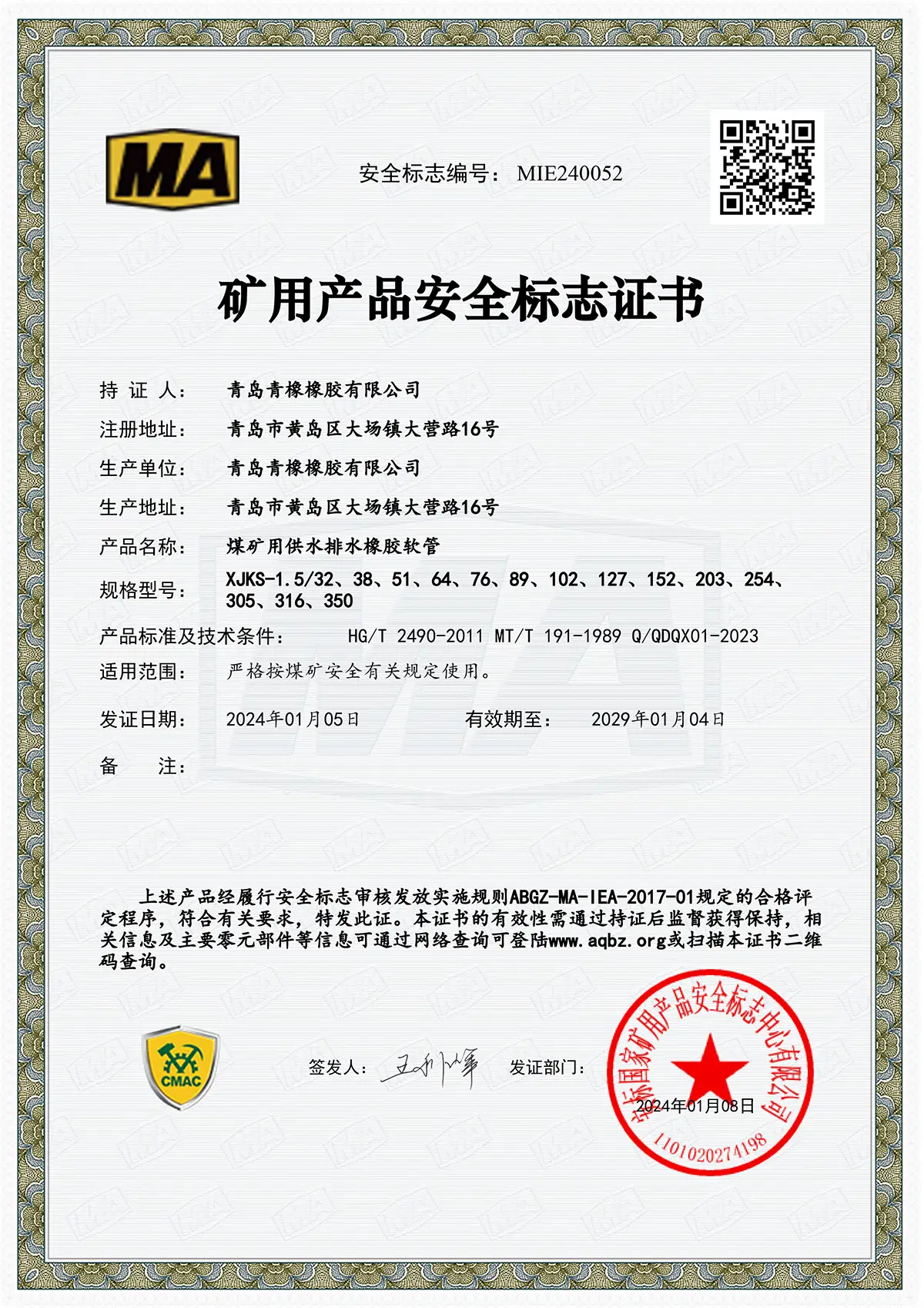
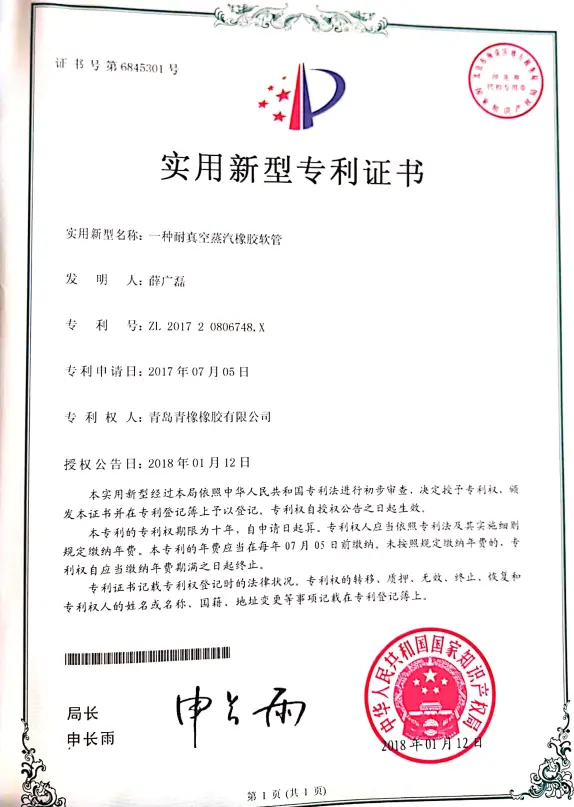
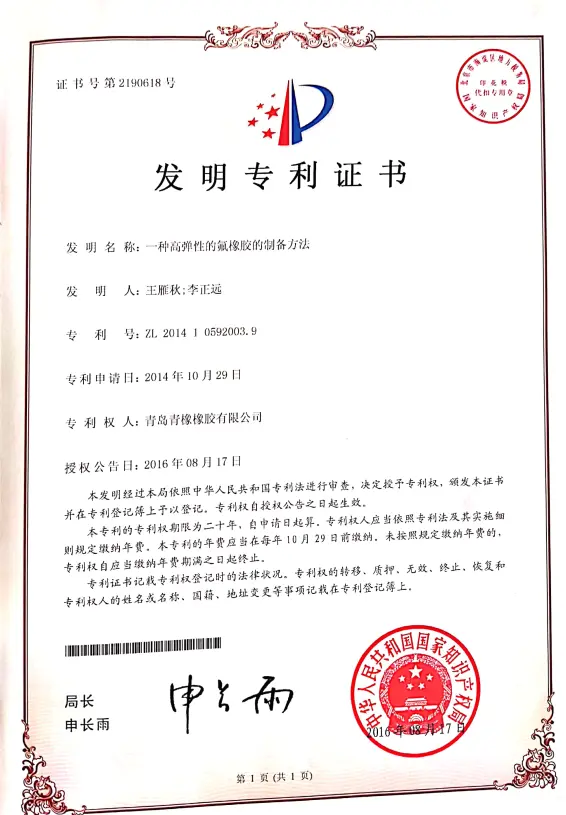
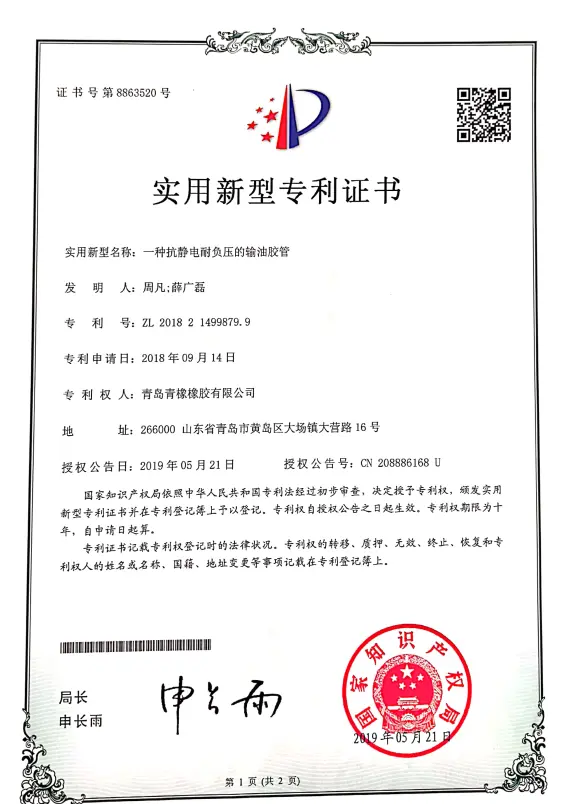
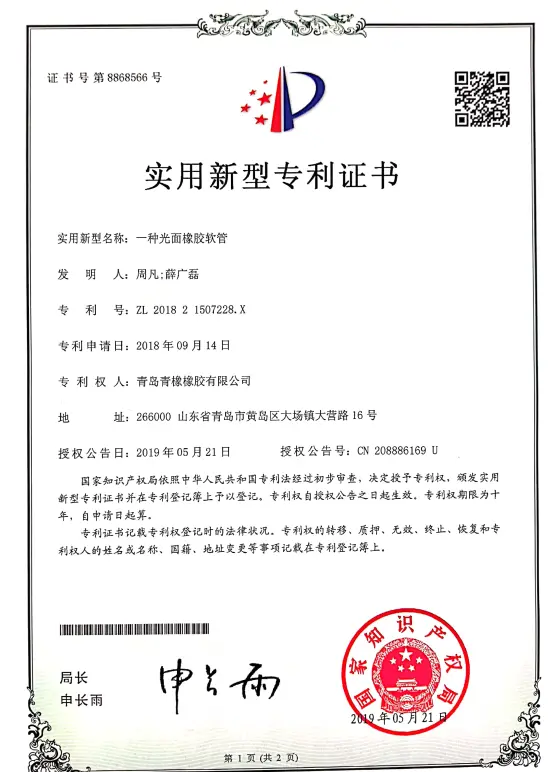
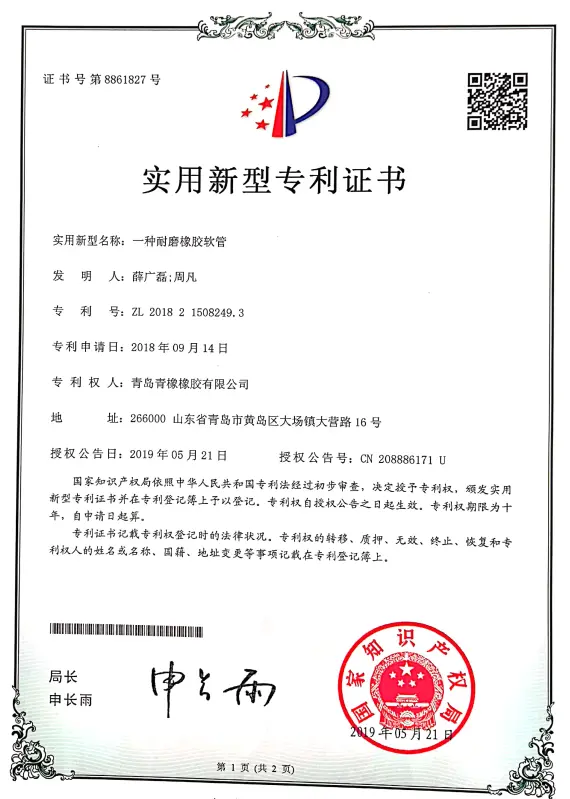
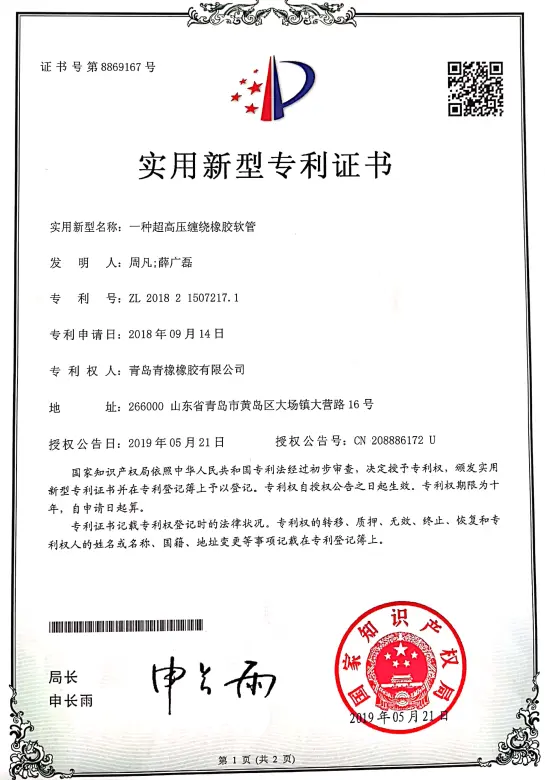
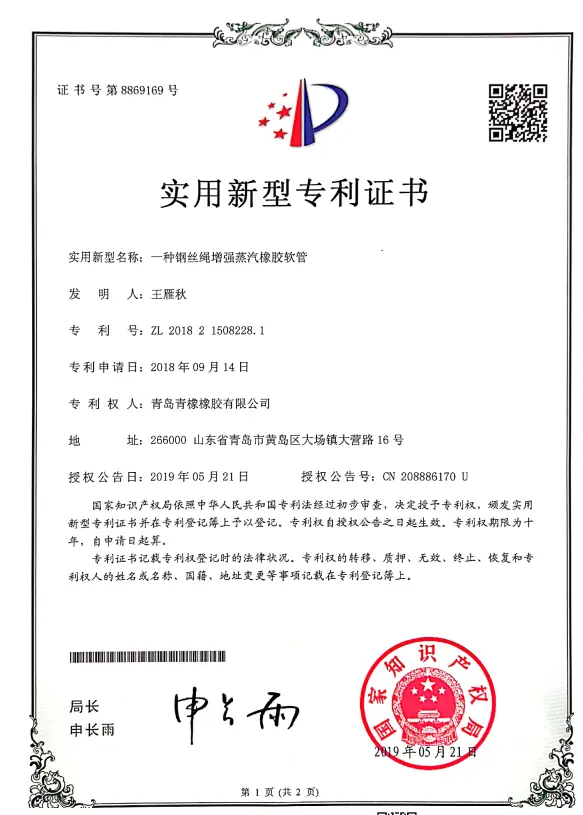
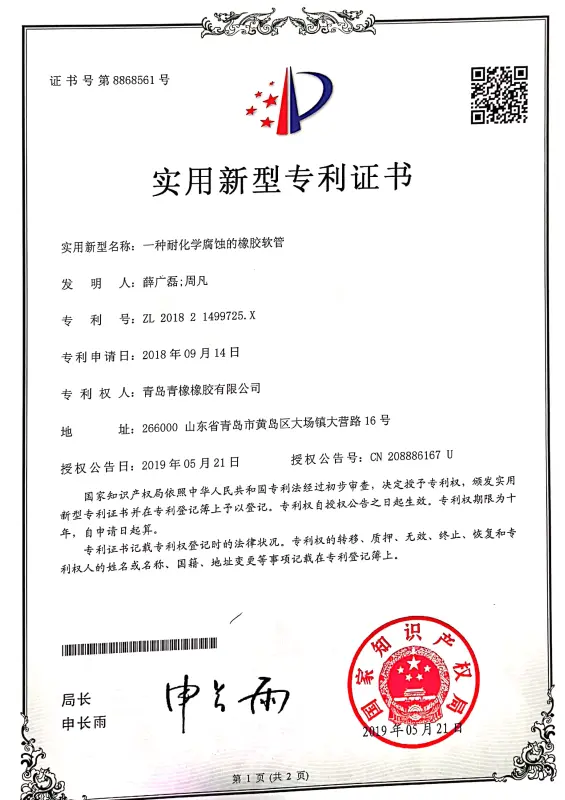
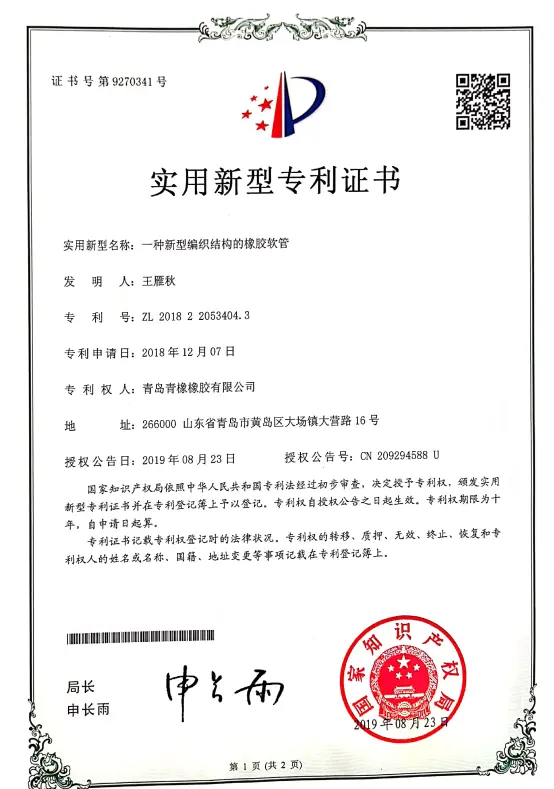
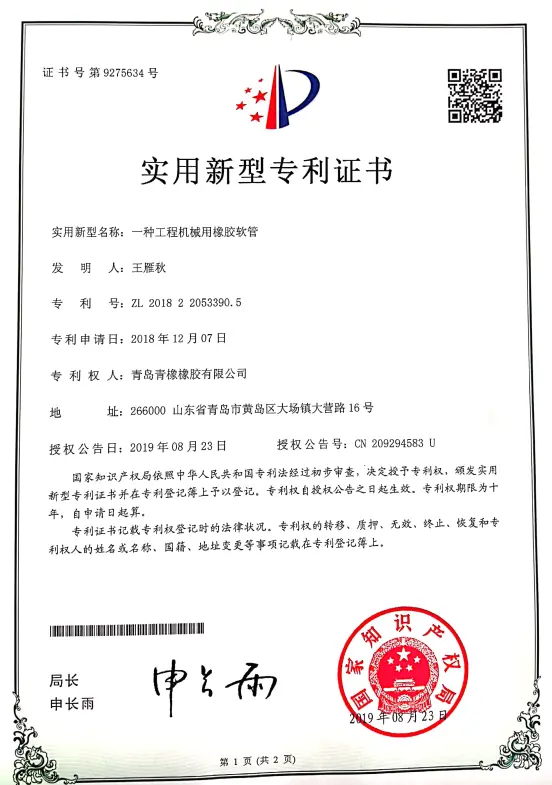
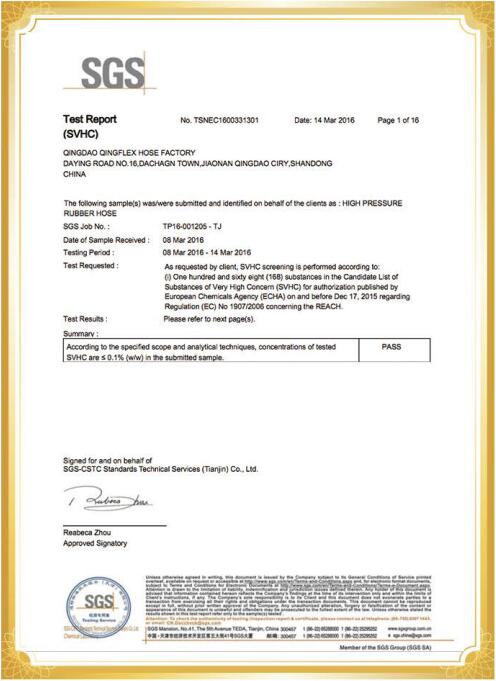
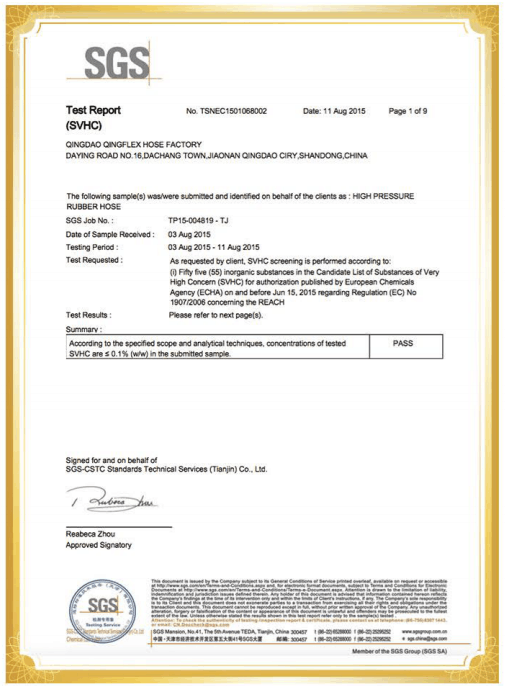
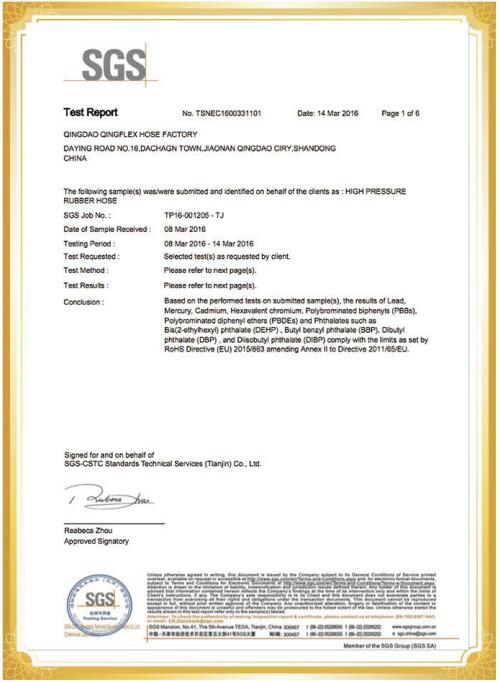
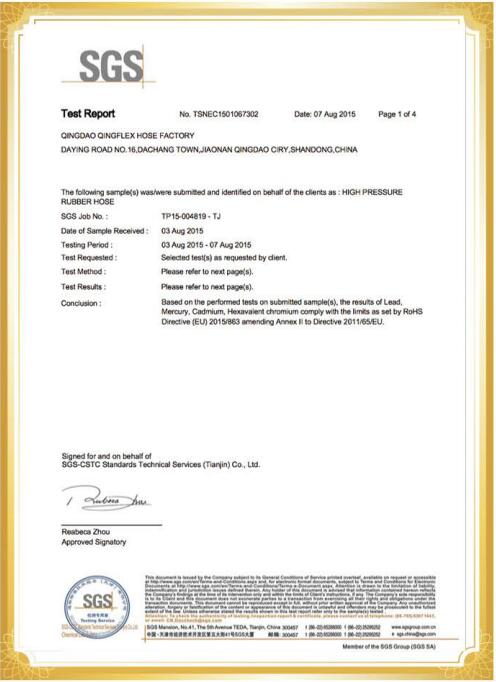
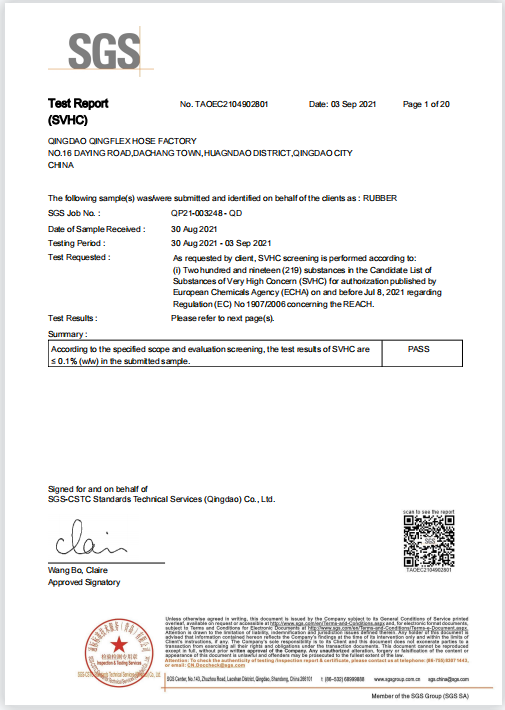
Certificates
Offshore Drilling Hose FAQ
Is an API 7K hose automatically approved for offshore use?
No. API product conformity and marine class approval have different scopes. Check the vessel or project requirement and verify the exact hose assembly against the applicable certificate, limitations and validity date.
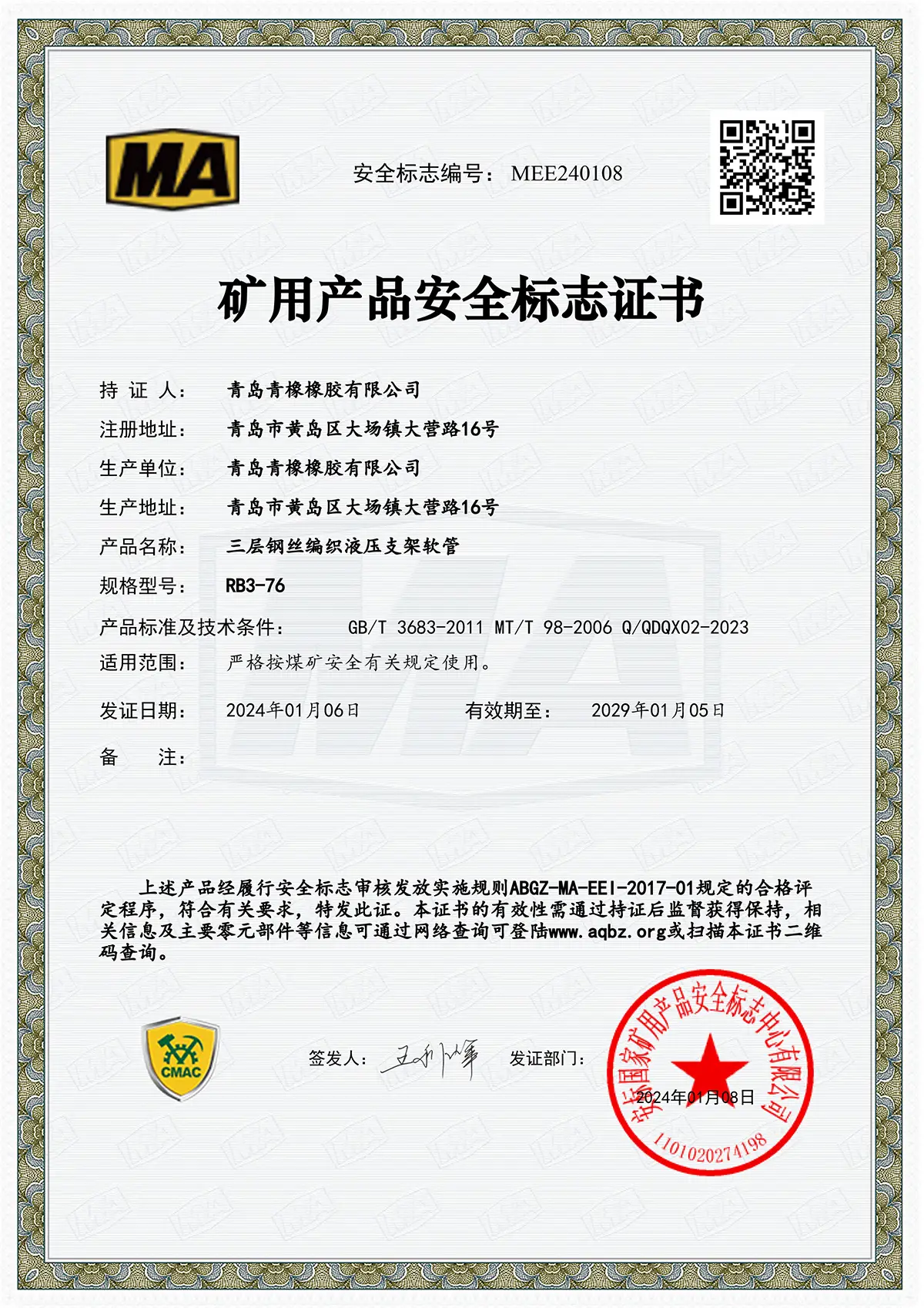
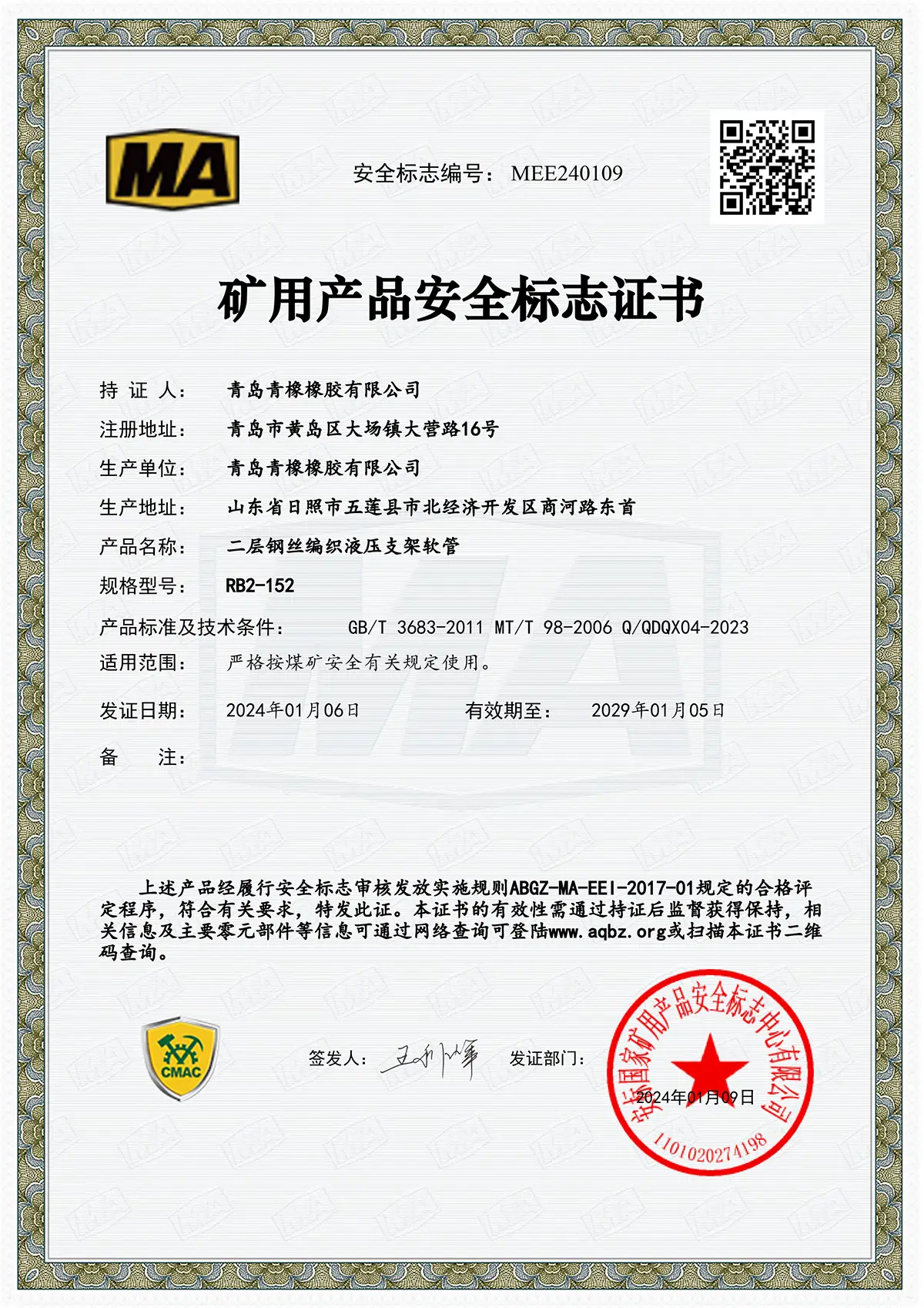
What makes a drilling hose suitable for a marine environment?
Suitability depends on the complete assembly and service envelope: cover resistance, coupling and hardware materials, coatings, drainage, seawater and chemical exposure, temperature, movement, fire requirement, inspection access and the evidence required by the project.
Which documents should arrive with an offshore drilling hose?
The package is project-specific. Common items include the approved datasheet and drawing, relevant certificate, traceability records, specified material and NDE records, dimensional report, hydrostatic test report, conformity certificate, marking record and installation, handling, inspection and storage instructions.
Can a fire sleeve be added after the hose is selected?
Only after engineering review. A sleeve can change diameter, bend behavior, drainage, inspection access and end termination. It also does not automatically give the complete assembly a fire-test rating. Define the fire requirement before selection.
How should offshore drilling hose be lifted and stored?
Follow the assembly-specific manual. Use designated lifting points or suitable cradles, protect sealing faces, avoid twisting and sharp bends, keep within the stated bend radius, cap the ends, support the hose without crushing it and store it away from heat, ozone, sunlight, chemicals and standing water.
Want to Speak to a Professional?