
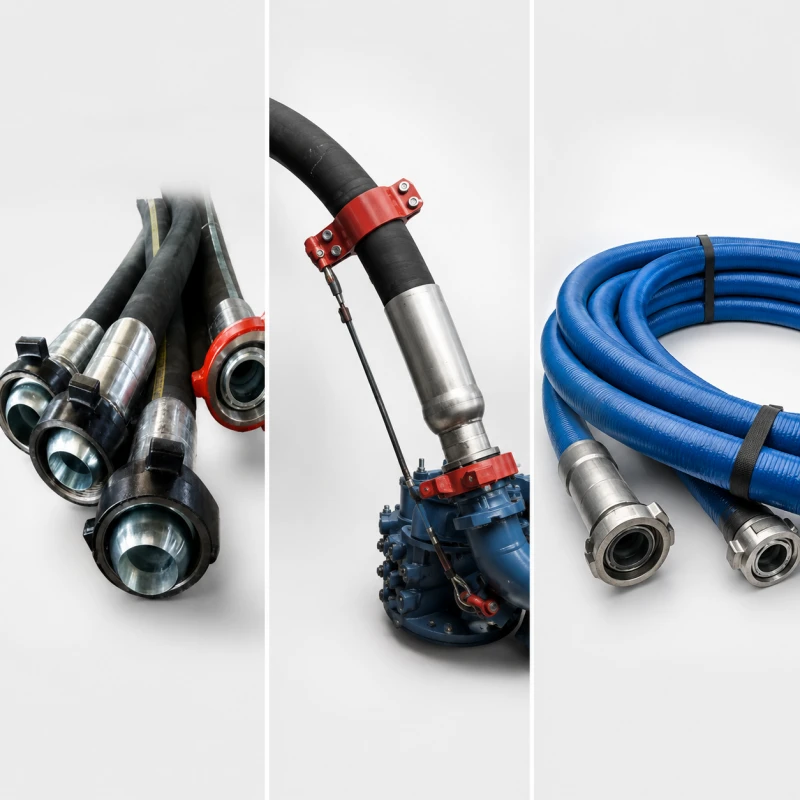
You often hear Kelly hose, rotary hose, and mud hose used interchangeably across oil and gas drilling operations. Each hose connects your rig’s mud pump to the drill string, ensuring fluid flows efficiently during operations. Subtle differences exist, especially in placement and function.
Understanding these hoses is critical for safety and performance. Common incidents from improper hose selection include:
- Hose bursts from overpressure can cause injuries and halt operations.
- Leaks from poor fittings create hazardous fluid spills.
- Chemical exposure occurs when incompatible materials deteriorate.
- Hose whipping injures workers and damages equipment.
- Downtime from failures leads to economic losses.
Alienfrac specializes in high-quality kelly hose, rotary hose, and mud hose solutions for oil and gas rigs. This guide helps you distinguish between Kelly hose vs rotary hose, and mud hose, ensuring optimal performance and safety in your drilling operations.
Key Takeaways
- Understand the unique roles of Kelly hose, rotary hose, and mud hose in drilling operations to ensure safety and efficiency.
- Choose hoses based on pressure ratings and material composition to prevent failures and enhance performance during drilling.
- Regularly inspect and maintain hoses to extend their lifespan and avoid costly downtime due to hose failures.
- Select the right hose for each application to maximize drilling performance and ensure reliable fluid transfer.
- Trust Alienfrac for high-quality, customizable hoses that meet industry standards and enhance your drilling operations.
Kelly Hose, Rotary Hose, and Mud Hose Overview
When you work on a drilling rig, you often hear the terms kelly hose, rotary hose, and mud hose. Many in the industry use these names for the same hose, but each can have a specific role in drilling operations. Understanding the differences helps you choose the right hose for your rig and ensures top performance.
What is a Kelly Hose?

A Kelly hose connects the standpipe to the top drive or swivel on your rig. This hose delivers high-pressure drilling fluid directly to the kelly and drill string. You rely on the Kelly hose to handle extreme internal pressure, dynamic movement, and abrasive drilling fluid.
The Kelly hose must remain flexible and strong, even as the drill string moves up and down. On most rigs, the kelly hose is a critical link for safe and efficient drilling.
- Connects the standpipe to the top drive or swivel
- Delivers high-pressure fluid to the kelly and drill string
- Handles extreme pressure and movement
What is a Rotary Hose?
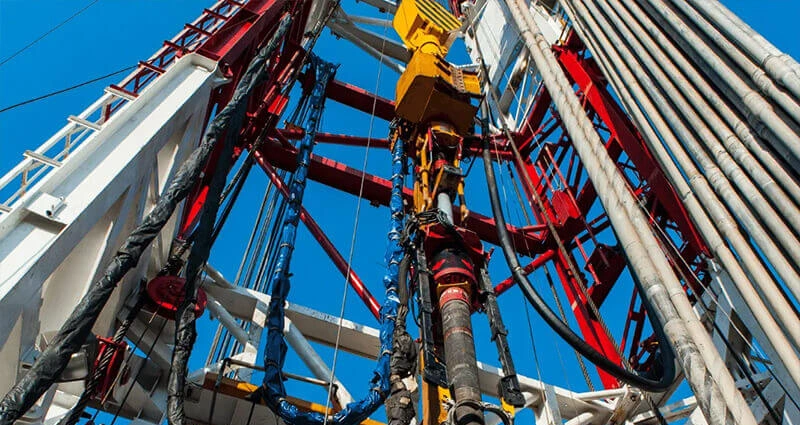
A rotary hose also plays a vital role in drilling. You use the rotary hose to transfer drilling fluid to the rotating drill string. The rotary hose must be flexible enough to move with the drill string and strong enough to withstand high pressure.
While many call the Kelly hose and rotary hose the same, some rigs use the rotary hose for specific rotary drilling operations. The rotary hose supports well control and helps maintain steady fluid flow during drilling.
| Feature | Kelly Hose | Rotary Hose |
|---|---|---|
| Primary Function | Transfers fluid from the mud pumps to the Kelly | Transfers fluid to the rotating drill string |
| Pressure Handling | Up to 15,000 psi | Up to 7,500 psi |
| Length | 40 to 75 feet | 25 to 40 feet |
What is a Mud Hose?
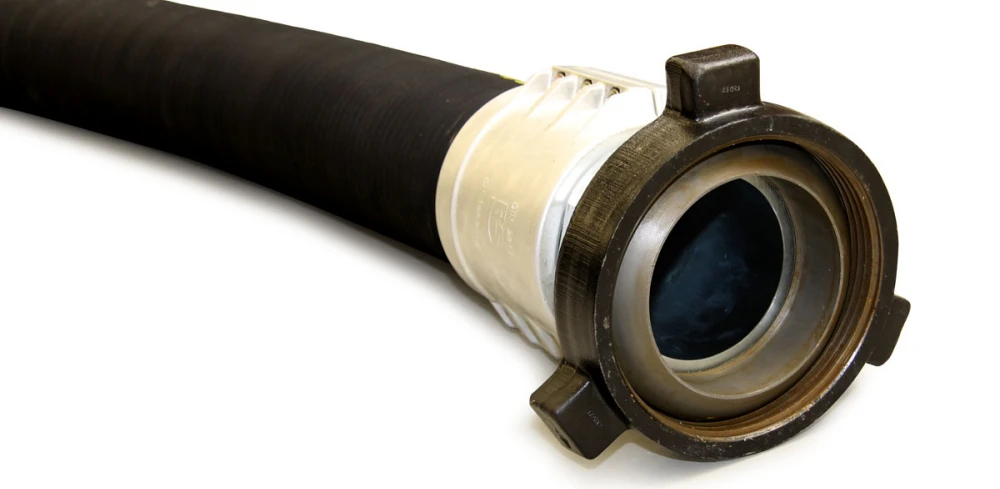
You may also hear the term mud hose. In most cases, the mud hose is another name for the kelly hose. The mud hose conducts drilling fluid from the mud pump and standpipe to the swivel and kelly. It must handle abrasive mud and high pressure, just like the kelly hose.
On your rig, you can use mud hose, kelly hose, or rotary hose to describe this essential piece of equipment.
Note: Alienfrac specializes in manufacturing high-performance kelly hose, rotary hose, and mud hose. You benefit from advanced equipment, high production capacity, and strict quality certifications. Alienfrac hoses deliver reliable performance, durability, and innovation for every drilling operation.
| Feature | Alienfrac | Competitors |
|---|---|---|
| Manufacturing Equipment | Advanced, state-of-the-art | Varies, often less advanced |
| Production Capacity | High | Generally lower |
| Quality Certifications | Reliable, strong commitment | Varies, may lack consistency |
| Product Range | Comprehensive, API compliant | Limited, may not meet all standards |
| Working Pressure Ratings | Up to 20,000 PSI | Typically lower |
| Durability and Flexibility | Enhanced for harsh conditions | Often less durable |
| Innovation | Cutting-edge materials and design | Varies, often traditional methods |
Functions in Drilling Operations
Kelly Hose Function
You depend on the Kelly hose for safe and efficient drilling operations. The Kelly hose connects the standpipe to the Kelly and the rotating drill pipe. This hose allows you to lower or raise the drillstring while pumping drilling fluid.
The large-diameter, high-pressure flexible line of the Kelly hose ensures continuous drilling fluid circulation. You maintain drilling performance and safety because the kelly hose handles extreme pressure and movement. The Kelly hose uses a special NBR tube and spiral steel cables for excellent resistance to wear and tear.
You can trust the Kelly hose to deliver drilling mud from mud pumps to the drillstring, even in harsh conditions. Alienfrac Kelly hoses offer multi-spiraled, high-tensile steel wire reinforcement, which gives you durability and flexibility. You keep drilling fluid circulation steady, which cools the bit and removes cuttings.
Rotary Hose Function
You use the rotary hose to transfer drilling mud from the standpipe to the swivel and the rotating drill string. The rotary hose must handle high-pressure drilling fluid and constant movement. You rely on the rotary hose to maintain drilling fluid circulation during drilling operations.
The rotary hose supports the rotary motion of the drillstring and ensures that drilling mud flows smoothly. Alienfrac rotary hoses resist abrasion and corrosion, which protects your drilling fluid circulation system. You benefit from the rotary hose’s flexibility, which allows you to work in tight rig spaces.
The rotary hose’s construction ensures that you can handle high-pressure mud pumps and keep drilling operations safe.
Mud Hose Function
You may hear mud hose used as another name for the Kelly hose. The mud hose delivers drilling mud from mud pumps to the mud standpipe manifold. You need the mud hose to handle various pressure ratings and keep drilling fluid circulation reliable.
The mud hose ensures that drilling mud reaches the drillstring, supporting drilling operations and safety. Alienfrac mud hoses offer customizable lengths, bores, and connectors, so you can match your rig’s requirements. You maintain drilling fluid circulation and protect your drilling equipment with a high-quality mud hose.
| Feature | Description |
|---|---|
| Reinforcement | Multi-spiraled, high-tensile, ultra-flexible steel wire for extreme pressure |
| Pressure | Handles high-pressure mud up to 7,500 psi |
| Flexibility | Flexible design for tight rig spaces |
| Resistance | Resistant to harsh weather, oil-based and water-based drilling fluids, and abrasion |
| Flow Assurance | Ensures uninterrupted drilling fluid circulation |
| Customization | Customizable lengths, bores, and connectors |
Tip: You improve drilling operations and safety by choosing Alienfrac hoses designed for high-pressure, high-flexibility, and reliable drilling fluid circulation.
Construction & Design Comparison
Materials & Reinforcement
You rely on the construction of Kelly hose, rotary hose, and mud hose for safe drilling. Each hose uses high-tensile steel wire for strength and flexibility. The rubber matrix houses the steel wire, giving you durability and resistance to drilling fluid. Fabric plies enhance bonding and prevent kinking.
Abrasion-resistant covers protect against wear and weathering. Nitrile butadiene rubber resists oil and chemicals, making the hose suitable for drilling fluid. The smooth interior surface promotes laminar flow of mud, reducing turbulence and wear. Tube thickness prevents fluid permeation and supports reliable performance.
| Material/Component | Function/Impact on Performance |
|---|---|
| High-tensile steel wire | Provides tensile strength, burst resistance, and flexibility under high-pressure conditions. |
| Rubber matrix | Houses the steel wire, contributing to overall flexibility and durability. |
| Fabric/textile plies | Enhances bonding between layers and allows for flexibility without kinking. |
| Abrasion-resistant cover | Protects against wear, ozone, and weathering, ensuring longevity in harsh conditions. |
| Nitrile butadiene rubber | Resists oil, abrasion, and chemicals, ensuring durability against erosive effects of drilling fluids. |
| Smooth interior surface | Promotes laminar flow of drilling mud, reducing turbulence and wear on hose components. |
| Tube thickness | Provides impermeability to prevent fluid permeation, minimizing degradation and supporting reliable performance. |
Pressure Ratings & Flexibility
You need Kelly hose and rotary hose to handle extreme pressure during drilling. Kelly hose operates up to 15,000 psi. Rotary hose typically handles up to 4,000 psi. Both hoses are designed for flexibility, allowing movement and vibration during drilling.
You benefit from hoses that adapt to rig motion and maintain drilling fluid flow.
| Hose Type | Operating Pressure | Flexibility Requirements |
|---|---|---|
| Kelly Hose | Up to 15,000 psi | Designed for flexibility to accommodate rig movement and vibration. |
| Rotary Hose | Up to 4,000 psi | Designed for flexibility to accommodate rig movement and vibration. |
Durability in Harsh Environments
You face harsh conditions in drilling. Kelly hose, rotary hose, and mud hose use modified nitrile and multiple high-strength steel cables. These hoses resist wear, corrosion, cutting, oil, and weather. You depend on abrasion resistance, pressure capacity, and corrosion resistance for long life expectancy.
| Hose Type | Durability Metrics |
|---|---|
| Kelly Hose | Abrasion resistance, pressure capacity |
| Rotary Hose | High-pressure performance, wear resistance |
| Mud Hose | Corrosion resistance, life expectancy |
Alienfrac hoses meet API 7K, ISO 9001, and ISO 13628-5 standards. You gain reliability and safety from these certifications. Alienfrac also holds DNV MED, CCS, and ABS certifications, ensuring international quality for high-pressure hoses.
Kelly Hose vs Rotary Hose vs Mud Hose: Key Differences
Placement in Drilling Systems
You need to understand where each hose fits within your drilling systems. The placement of Kelly hose, rotary hose, and mud hose affects how you manage fluid transfer and maintain safety on your drilling rig. Here is how each hose is positioned:
- Kelly hose connects the standpipe to the swivel or top drive. You use this hose to move high-pressure drilling fluid from the mud pump directly into the kelly and drill string. This placement allows you to raise or lower the drill string without interrupting fluid flow.
- The rotary hose links the standpipe to the rotary swivel. You rely on the rotary hose to deliver drilling fluid during the rotation of the drill string. This hose must handle constant movement and vibration as the drill string turns.
- Mud hose often serves as another name for Kelly hose. You use the mud hose to transfer drilling fluid from the mud pump and standpipe to the swivel and kelly. This hose must withstand abrasive mud and high pressure.
You improve drilling efficiency and safety when you select the right hose for each position. Understanding these placements helps you avoid equipment mismatches and operational delays. Alienfrac offers hoses designed for every position in your drilling systems, giving you flexibility and reliability.
Application Scenarios
You encounter different applications for Kelly hose, rotary hose, and mud hose on your drilling rig. Each hose type supports specific drilling operations and must meet unique demands. The table below shows where you use each hose and what features you need:
| Hose Type | Application Scenario | Key Features |
|---|---|---|
| Kelly hose | High-pressure fluid transfer in drilling operations | Designed for extreme pressures and temperatures |
| Rotary hose | Used in rotary drilling operations | Built to withstand harsh vibrations and mechanical stress |
| Mud hose | Essential for mud pumping in oilfield drilling | Ensures stable performance during fluid transfer |
You use Kelly hose for high-pressure fluid transfer, especially when you need to move the drill string up and down. Rotary hose works best in rotary drilling operations where vibration and movement are constant. Mud hose supports mud pumping and keeps your drilling fluid moving smoothly.
You can choose hoses with custom lengths, pressure ratings, and end fittings from Alienfrac to match your applications and drilling rig layout.
Tip: You maximize drilling performance and safety by matching the right hose to each application. Alienfrac provides tailored solutions for every drilling scenario.
Summary Table
You often need a quick reference when comparing Kelly hose vs rotary hose vs mud hose. The table below summarizes the main differences so you can make informed decisions for your drilling rig:
| Feature | Kelly Hose | Rotary Hose | Mud Hose |
|---|---|---|---|
| Placement | Standpipe to swivel/top drive | Standpipe to rotary swivel | Standpipe to swivel/kelly |
| Main Function | High-pressure fluid transfer | Fluid transfer during rotation | Mud pumping and fluid transfer |
| Pressure Rating | Up to 15,000 psi | Up to 7,500 psi | Up to 7,500 psi |
| Flexibility | High | High | High |
| Key Applications | Raising/lowering drill string | Rotary drilling operations | Mud circulation in drilling |
| Customization Options | Length, pressure, fittings | Length, pressure, fittings | Length, pressure, fittings |
| Alienfrac Advantage | API 7K, ABS, DNV, CCS certified | Abrasion and vibration resistant | Customizable for all drilling rigs |
You gain versatility and reliability when you choose Alienfrac hoses. You can customize each hose for your drilling systems, ensuring you meet every operational need. Alienfrac’s commitment to quality and innovation means you get hoses that perform in the toughest drilling environments.
Choosing the Right Hose for Drilling
Factors to Consider
You need to make the right hose selection to ensure safe and efficient drilling. When you choose a Kelly hose, rotary hose, or mud hose, consider these important factors:
- Pressure rating: Always select a hose with a pressure rating that matches or exceeds your system’s maximum pressure.
- Material composition: The material affects how well the hose resists temperature changes and chemicals in drilling mud.
- Reinforcement layers: Multiple layers give the kelly hose the strength to handle high pressure and constant movement.
- Hose size: Proper sizing ensures optimal fluid transfer and prevents flow restrictions.
- Temperature tolerance: Make sure the hose can withstand the temperature range of your drilling environment.
- Abrasion and environmental resistance: The outer cover protects against wear, weather, and harsh site conditions.
- Fittings and connections: Use fittings that match the hose’s rating for secure and leak-free fluid transfer.
Tip: Careful hose selection reduces downtime and improves safety during drilling.
Alienfrac Solutions
Alienfrac gives you tailored solutions for every drilling project. You can choose a Kelly hose or a rotary hose with features that match your site’s needs. The table below highlights how Alienfrac hoses support reliable fluid transfer and long service life:
| Feature | Description |
|---|---|
| Construction | Multiple layers for strength and flexibility |
| Pressure Handling | Handles up to 7,500 psi for demanding drilling operations |
| Chemical Resistance | Resists harsh chemicals in drilling mud |
| Customization | Custom lengths and pressure ratings for your specific requirements |
| Compliance | API-standard hoses for safety and efficiency |
| Performance | High flexibility and reliability to reduce downtime |
You benefit from Alienfrac’s expertise in Kelly hose design, ensuring your drilling operations run smoothly and safely.
Maintenance Tips
You extend the lifespan of your Kelly hose and rotary hose by following best maintenance practices:
- Inspect hoses regularly for abrasions, cuts, bulges, cracks, leaks, corrosion, or changes in flexibility.
- Clean hoses by flushing them to remove buildup and keep fluid transfer efficient.
- Monitor pressure and temperature ratings to avoid exceeding the hose’s limits.
- Replace any hose that shows visible damage or excessive wear.
Common causes of hose failure include external abrasion, chemical swelling, pressure fatigue, and mechanical impact. Regular inspections and proper handling help you prevent these issues and keep your drilling equipment running at peak performance.
Note: Consistent maintenance of your Kelly hose and rotary hose protects your team and equipment, ensuring reliable fluid transfer throughout every drilling project.
Conclusion
You see that Kelly hose, rotary hose, and mud hose share similar roles in drilling, but each has unique features. The table below highlights the main differences:
| Feature | Kelly Hose | Rotary Hose |
|---|---|---|
| Function | Transfers fluid to the drill string | Transfers fluid to the rotating drill string |
| Pressure Rating | Up to 15,000 psi | Up to 7,500 psi |
| Length | 40 to 75 feet | 25 to 40 feet |
Choosing the right Kelly hose improves drilling efficiency, safety, and cost-effectiveness. You rely on Kelly hose for high flexibility, resistance to harsh fluids, and reliable performance. Alienfrac’s Kelly hose meets strict industry standards and uses advanced materials for durability.
You can customize Kelly hose length and fittings for your rig. Trust Alienfrac for expert advice and high-performance kelly hose solutions.
FAQ
What is the main difference between Kelly hose and rotary hose?
You use a Kelly hose to transfer drilling fluid while raising or lowering the drill string. You rely on a rotary hose for fluid transfer during rotary drilling. Both hoses handle high pressure and movement.
Can you customize hose length and fittings for my rig?
You can request custom hose lengths and fittings from Alienfrac. You match your rig layout and operational needs with tailored solutions. Alienfrac offers API-standard connections and multiple fitting types.
How often should you inspect drilling hoses?
You should inspect hoses before every operation and after each shift. Look for abrasions, leaks, bulges, or corrosion. Regular checks help you prevent failures and maintain safety.
Are Alienfrac hoses certified for international oilfield standards?
Alienfrac hoses meet API 7K, DNV MED, CCS, and ABS certifications. You trust these hoses for global oilfield operations. Certifications ensure safety, reliability, and performance.