
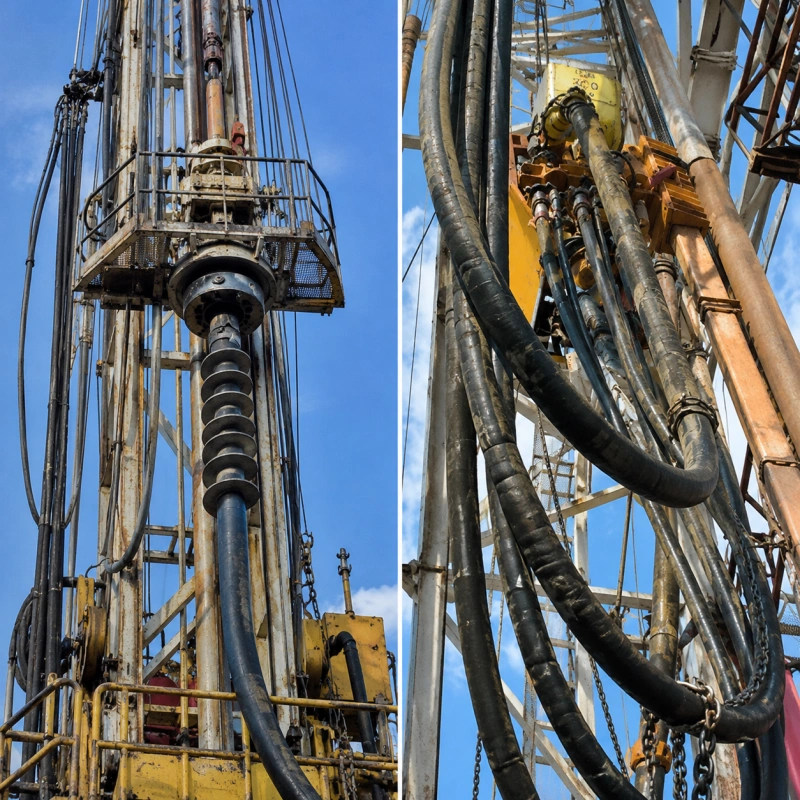
You face critical choices every day in drilling operations. The difference between a Kelly hose and a rotary hose can impact both safety and efficiency. In drilling operations, each hose serves a unique role. Using the correct hose in drilling operations helps you reduce risks and maintain smooth workflows.
You improve performance when you understand Kelly hose vs rotary hose in drilling operations. Selecting the right hose in drilling operations protects your team and your equipment.
Key Takeaways
- Understand the unique roles of Kelly hoses and rotary hoses in drilling operations to enhance safety and efficiency.
- Regularly inspect both hoses for wear and damage to prevent failures and maintain safe drilling conditions.
- Choose hoses that meet industry standards like API and ISO to ensure quality and performance in your drilling operations.
- Select the right hose based on pressure ratings and specific applications to optimize drilling fluid circulation.
- Consult reliable suppliers like Alienfrac for certified hoses that meet your operational needs and enhance safety.
Definitions and Functions
What is a Kelly Hose?

You encounter the Kelly hose every time you work on a rotary drilling rig. This hose plays a vital role in the circulation of drilling fluid. The Kelly hose connects the mud pump and standpipe to the swivel and Kelly. You may also hear it called the mud hose.
Its main job is to transfer drilling fluid from the standpipe to the swivel, ensuring a continuous flow during drilling. This steady movement of drilling fluid cools the drill bit, removes cuttings, and maintains pressure in the wellbore.
Note: The Kelly hose must remain flexible and strong. It handles high-pressure drilling fluid and endures constant movement as the rig operates.
Here is a quick reference for the official definitions:
| Term | Definition |
|---|---|
| Kelly Hose | The hose on a rotary drilling rig that conducts the drilling fluid from the mud pump and standpipe to the swivel and kelly; also called the mud hose. |
| Rotary Hose | The hose on a rotary drilling rig that conducts the drilling fluid from the mud pump and standpipe to the swivel and kelly; also called the kelly hose. |
What is a Rotary Hose?
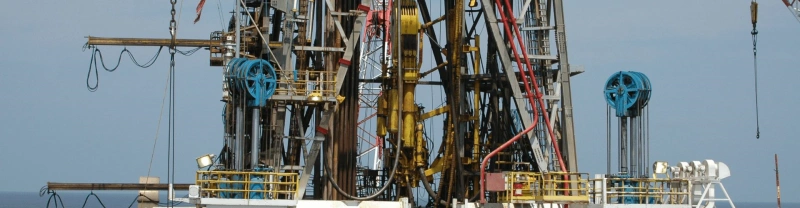
You use the rotary hose in similar locations on the rig. Many in the industry use the terms Kelly hose and rotary hose interchangeably. The rotary hose also carries drilling fluid from the mud pump and standpipe to the swivel and kelly.
In modern rigs, especially those with top drive systems, the rotary hose supports faster tripping and reduces connection times. You rely on the rotary hose to keep drilling fluid moving efficiently, which helps maintain well control and drilling speed.
The table below summarizes the primary functions:
| Hose Type | Primary Function |
|---|---|
| Kelly Hose | Connects the standpipe to the swivel, enabling continuous circulation of drilling fluid during drilling. |
| Rotary Hose | Facilitates mud circulation in top drive systems, supporting faster tripping and reduced connection times. |
You depend on both hoses to keep drilling fluid circulating. This circulation protects your equipment and ensures safe, efficient drilling operations.
Kelly Hose in Oil and Gas
Applications in Drilling
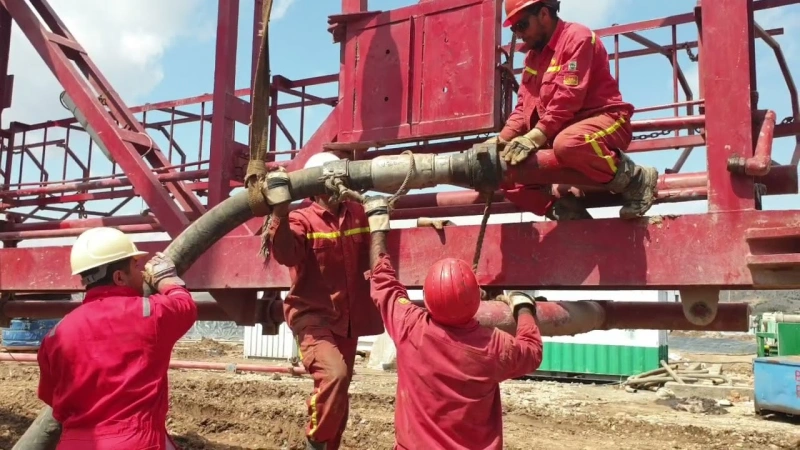
You rely on the Kelly hose every day in drilling operations. This hose supports the movement of drilling fluid throughout the system. You use it to deliver drilling mud from the standpipe to the swivel and kelly.
The Kelly hose must handle high-pressure drilling fluid and constant motion. You see it in action during every stage of drilling operations.
You find the Kelly hose in several key applications:
- Mud delivery hose for transferring drilling mud to the drill string
- Motion compensator hose that absorbs movement on floating rigs
- Decoking the hose for removing deposits in pipelines
- Essential equipment in oilfield, construction, mining, and high-performance industrial systems
You depend on the Kelly hose to keep drilling fluid moving. This movement cools the drill bit, removes cuttings, and maintains wellbore pressure. You know that without a reliable Kelly hose, drilling operations can stop. You must check the hose regularly to ensure safe and efficient drilling fluid circulation.
Industry Standards
You must follow strict standards when you select a Kelly hose for drilling operations. These standards protect your team and equipment. You look for hoses that meet requirements for quality, safety, and performance. The main organizations that set these standards include API and ISO.
Here is a quick reference for the main industry standards:
| Standard Body | Description |
|---|---|
| API | Sets standards for quality and safety in oil and gas operations. |
| ISO | Provides international standards to ensure quality and performance. |
You should always confirm that your Kelly hose meets these standards before using it in drilling operations. This step ensures that your drilling fluid system works safely and efficiently. You reduce risks and improve the reliability of your drilling mud circulation by following these guidelines.
Drilling Fluid Circulation System
The drilling fluid circulation system forms the backbone of your drilling operations. You rely on this system to move drilling fluid from the mud pumps, through the standpipe, and down the drill string.
This process keeps your drilling mud flowing, cools the drill bit, and removes cuttings from the wellbore. You need each component to work together for safe and efficient drilling operations.
Role of Kelly Hose
You use the Kelly hose as a flexible link in the drilling fluid circulation system. This hose connects the standpipe to the gooseneck on the swivel above the Kelly. The Kelly hose allows free vertical movement of the Kelly while drilling fluid flows through the system and down the drill string.
You depend on the Kelly hose to handle high-pressure drilling fluid and constant motion during drilling operations.
The Kelly hose must stay strong and flexible. You need it to transfer drilling mud without leaks or failures.
Here is a quick look at how the Kelly hose fits into the drilling fluid circulation system:
| Component | Description |
|---|---|
| Kelly hose | A flexible, steel-reinforced, high-pressure hose that connects the standpipe to the gooseneck on the swivel above the Kelly, allowing free vertical movement and smooth flow of drilling fluid. |
| Standpipe | A solid metal pipe that conducts drilling fluid from the mud pumps to the Kelly hose. |
You see the Kelly hose as a vital part of every drilling operation. It keeps drilling fluid moving and supports the entire drilling fluid circulation system.
Role of Rotary Hose
You also use the rotary hose in the drilling fluid circulation system. The rotary hose facilitates the transfer of drilling fluid to the rotating drill string. You rely on this hose to keep drilling mud moving efficiently, especially in rigs with top drive systems.
The rotary hose handles high-pressure drilling fluid and supports the rotation and movement of the drill string.
You can compare the main roles of the Kelly hose and rotary hose in the drilling fluid circulation system:
| Feature | Kelly Hose | Rotary Hose |
|---|---|---|
| Primary Function | Transfers fluid from mud pumps to the drill string | Facilitates fluid transfer to the rotating drill string |
| Pressure Handling | Up to 15,000 psi | Up to 7,500 psi |
| Length | Typically 40 to 75 feet | Typically 25 to 40 feet |
You must check both hoses regularly. You want to ensure that the drilling fluid circulation system works without interruption. Reliable hoses keep your drilling operations safe and efficient. You protect your equipment and your team when you maintain steady drilling fluid flow.
Kelly Hose vs Rotary Hose: Key Differences
Function and Application
You encounter the Kelly hose vs rotary hose debate every time you set up a drilling rig. Both hoses play a vital role in the movement of drilling fluid, but their functions differ in subtle ways. The Kelly hose delivers drilling fluid from the standpipe to the Kelly, ensuring a steady flow of drilling mud into the drill string.
You rely on this hose to maintain pressure and keep the drilling process efficient. The rotary hose, on the other hand, supports the transfer of drilling fluid in rigs with top drive systems and helps isolate the fluid in the drill string from the swivel.
You use the rotary hose to prevent leaks and maintain well control, especially when you need to handle high-torque environments. Understanding the unique function of each hose helps you optimize drilling fluid circulation and improve safety on the rig.
Construction and Design
When you compare Kelly hose vs rotary hose, you notice differences in construction that impact performance and durability. The Kelly hose uses synthetic rubber as its primary material. This choice gives the hose excellent resistance to oil, heat, and abrasion.
You benefit from this design because it allows the hose to withstand the high pressures found in drilling operations. The inner tube of the Kelly hose contains multiple layers of steel wire or textile braid.
These layers provide flexibility and strength, which are essential for handling the demanding conditions of drilling mud transfer.
The rotary hose also features a robust design. You find that a strong top cover made from materials like chloroprene rubber increases the hose’s wear resistance. This feature extends the durability and lifespan of the hose, even in harsh oilfield environments.
Both hoses must handle constant movement and vibration, so manufacturers reinforce them with steel wire and abrasion-resistant covers. You should always select hoses with these features to ensure reliable drilling fluid transfer and long service life.
Placement in Drilling System
You must understand where to place each hose in the drilling system to maximize efficiency. The following table summarizes the typical placement and function of each hose:
| Hose Type | Placement Description | Function Description |
|---|---|---|
| Kelly Hose | Connects the upper part of the winch to the kelly | Conveys drilling fluid under pressure, crucial in high-torque environments to maintain drilling activities |
| Rotary Hose | Installed between the kelly and the swivel, typically above the kelly | Isolates fluid in the drill string from the swivel and prevents leaks or ruptures under well conditions |
You see that the Kelly hose forms the main link for drilling fluid delivery, while the rotary hose acts as a safeguard, isolating the fluid and protecting the system from leaks. Proper placement ensures that drilling mud flows smoothly and that your equipment remains protected.
Pressure Ratings and Flexibility
Pressure handling sets the Kelly hose vs rotary hose comparison apart. You need to choose hoses that match your drilling requirements. The Kelly hose can handle operating pressures up to 15,000 psi.
This high rating makes it suitable for demanding drilling fluid applications where you need to maintain well control and prevent blowouts. The rotary hose, in contrast, typically handles pressures up to 4,000 psi.
You use the rotary hose in situations where flexibility and moderate pressure handling are more important than extreme pressure resistance.
The flexibility of both hoses allows you to accommodate rig movement and vibration. Multiple steel wire layers and abrasion-resistant covers give you the confidence to operate safely, even under tough conditions.
You should always check the pressure ratings before installation to ensure that your drilling mud system operates within safe limits.
| Hose Type | Operating Pressure |
|---|---|
| Kelly Hose | Up to 15,000 psi |
| Rotary Hose | Up to 4,000 psi |
Terminology and Misconceptions
You often hear the terms Kelly hose and rotary hose used interchangeably. This practice can lead to confusion on the rig. In reality, each hose serves a distinct purpose in the drilling fluid system.
The Kelly hose focuses on delivering drilling fluid under high pressure to the Kelly, while the rotary hose isolates the fluid and prevents leaks above the Kelly. You must use the correct terminology to avoid mistakes during installation and maintenance.
Many believe that both hoses have the same pressure handling and durability. In fact, the Kelly hose is built for higher pressures and more demanding conditions. The rotary hose offers flexibility and protection, but does not match the Kelly hose in terms of pressure rating.
You improve safety and efficiency when you understand these differences and communicate them clearly to your team.
You should always review the specifications and intended use before selecting a hose. This practice ensures that your drilling fluid system remains reliable and that you get the best durability and lifespan from your equipment.
How to Select Kelly Hose Suppliers?
Choosing a Supplier
You need a reliable Kelly hose supplier when your operation depends on the safe transfer of drilling mud and drilling fluid. The right supplier helps you avoid downtime and keeps your team safe. Start by checking supplier certifications.
Certifications show that the supplier meets strict industry standards for quality and safety. Review the table below to see how certifications impact hose reliability:
| Certification/Standard | Purpose/Impact on Reliability |
|---|---|
| API 7K | Ensures hoses meet pressure and durability standards for oilfield applications. |
| ISO 9001 | Guarantees consistent manufacturing quality. |
| ISO 13628-5 | Validates safety features in high-pressure applications. |
You should also look at the supplier’s experience, production capacity, and global reach. A supplier with advanced manufacturing and a strong track record can deliver hoses that handle drilling mud under tough conditions. Always ask about compliance with NAHAD, OSHA, and EPA guidelines.
These standards help you keep your site safe and protect the environment.
Alienfrac Product Overview
Alienfrac stands out as a leading supplier of rotary drilling and vibrator hoses, oilfield hoses, and drilling hoses. You benefit from their advanced technology and global experience. The table below highlights what makes Alienfrac unique:
| Aspect | Details |
|---|---|
| Company Name | Alienfrac (Qingdao Qingflex Hose Factory) |
| Established | 2008 |
| Focus | High-pressure hoses for oil and gas |
| R&D Collaboration | Qingdao University of Science and Technology |
| Global Network | Clients worldwide |
| Manufacturing | Advanced German and American machinery |
| Daily Production | Up to 1,000 meters of large-caliber oil drilling hoses and 120,000 meters of hydraulic hoses |
| Certifications | API 7K, API 16C, API Q1, DNV MED, CCS, ABS |
You get hoses with multiple layers for strength and flexibility. Alienfrac hoses handle up to 7,500 psi, resist abrasion, and withstand harsh chemicals found in drilling mud.
Their built-in fracturing hoses use European technology, making them lightweight and flexible for demanding oilfield work. Regular checks and compliance with industry standards keep your drilling fluid system safe and efficient.
Tip: Choose Alienfrac for certified, high-performance hoses that keep your drilling mud circulating and your operation running smoothly.
Comparison Table: Kelly Hose vs Rotary Hose
Summary Table
You often need a quick reference when choosing between a Kelly hose and a rotary hose. The table below gives you a side-by-side comparison of the most important attributes. This helps you make informed decisions for your drilling operations.
| Attribute | Kelly Hose | Rotary Hose |
|---|---|---|
| Function | Transfers fluid from mud pumps to the drill string | Facilitates fluid transfer to the rotating drill string |
| Construction | Multiple steel wire layers, synthetic rubber | High-tensile steel wire, abrasion-resistant cover |
| Placement | Connects the standpipe to the Kelly or top drive | Connects the standpipe to the swivel or top drive |
| Pressure Rating | Up to 15,000 psi | Up to 7,500 psi |
| Length | 40 to 75 feet | 25 to 40 feet |
| Supplier Information | Alienfrac offers certified, high-quality hoses | Alienfrac provides reliable rotary hose products |
Tip: You should always check the pressure rating and construction details before installing a rotary hose or Kelly hose. This ensures your drilling mud system operates safely and efficiently.
You see that the Kelly hose handles higher pressures and longer lengths. The rotary hose offers flexibility and supports the movement of the drill string. Both hoses play a key role in keeping drilling mud circulating and protecting your equipment.
Alienfrac supplies both types, meeting strict industry standards for safety and performance.
Conclusion
You now understand the key differences between Kelly hose and rotary hose. You use each hose for specific tasks in drilling operations. Choosing the right hose improves safety by controlling pressure and reducing leaks. When you consult Alienfrac, you receive:
- Hoses designed for drilling rigs, mud pumps, and water transfer
- Custom lengths and pressure ratings for your project
- API-standard hoses that protect your team and equipment
You ensure safe, efficient drilling when you select the right hose and a trusted supplier.
FAQ
What is the main difference between a Kelly hose and a rotary hose?
You use a Kelly hose to connect the standpipe to the Kelly or top drive. You use a rotary hose to transfer drilling fluid to the rotating drill string. Each hose serves a unique role in drilling operations.
How do you choose the right hose for your drilling rig?
You should check the pressure rating, length, and compatibility with your rig. Always confirm that the hose meets API or ISO standards. Consult your supplier for recommendations based on your drilling environment.
How often should you inspect Kelly and rotary hoses?
You should inspect both hoses before every drilling operation. Look for signs of wear, leaks, or damage. Regular checks help you prevent failures and maintain safe drilling conditions.
Can you use a rotary hose and a Kelly hose interchangeably?
You should not use these hoses interchangeably. Each hose has a specific function and pressure rating. Using the wrong hose can lead to equipment failure or safety risks.