
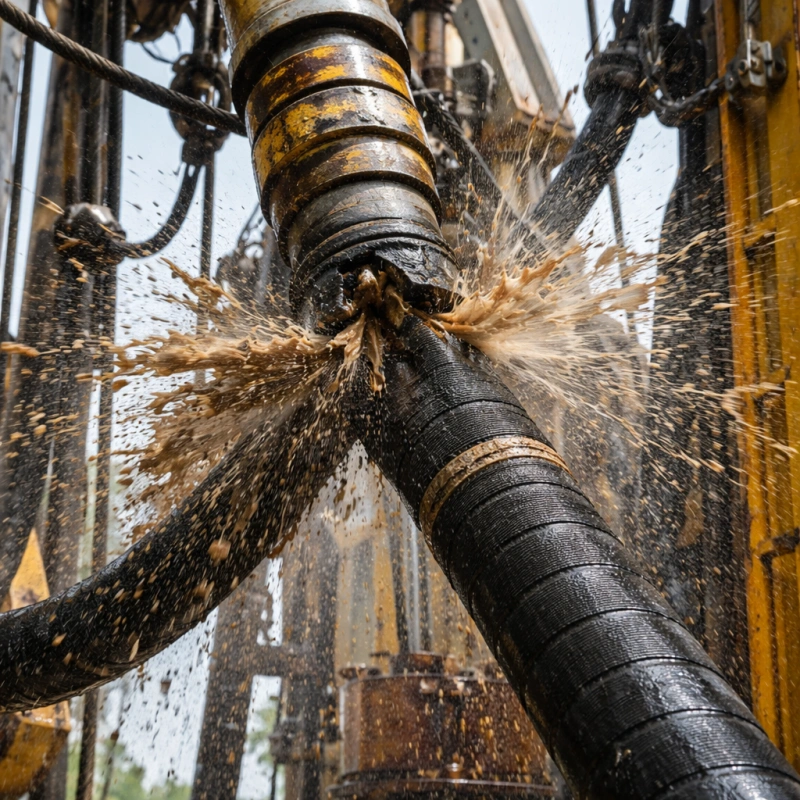
When you face a Kelly hose failure, act fast to keep your team safe and your operation running. Spot the issue early, shut down the equipment, and replace damaged hoses right away.
Use trusted products from Alienfrac to ensure you get reliable performance in high-pressure environments. Quick action reduces downtime and protects your crew. Keep this guide handy for step-by-step solutions.
Key Takeaways
- Act quickly when you notice Kelly’s hose failure signs. Shut down equipment and replace damaged hoses to protect your team and minimize downtime.
- Perform regular inspections of hoses to catch issues early. Look for cracks, leaks, and wear to ensure safe operation.
- Use high-quality kelly hoses from trusted kelly hose suppliers like Alienfrac. Reliable products enhance performance and reduce the risk of failures.
- Follow proper handling and maintenance practices. Store hoses correctly and conduct routine checks to extend their lifespan.
- Know when to seek professional help. If you encounter severe leaks or repeated failures, contact a qualified technician for assistance.
Identify Kelly Hose Failure
Warning Signs
You need to recognize warning signs early to prevent Kelly hose failure from causing downtime or safety hazards. Look for these indicators:
- Sudden loss of pressure in the drilling system
- Visible ruptures or leaks along the hose
- Broken safety chains or clamps near the hose connection
- Twisted or kinked hose during operation
- Unusual bulges or reinforcement damage on the hose surface
Tip: If you notice fluid spraying or pooling near the hose, shut down the equipment immediately. Quick action protects your crew and prevents further damage.
Alienfrac designs hoses to withstand high-pressure environments. Their products help you minimize risks by offering reliable performance in demanding oilfield operations.
Inspection Methods
You must perform regular inspections to catch problems before they escalate. Use these methods to check for Kelly hose failure:
- Visual inspection: Examine the hose for cracks, abrasions, or exposed reinforcement.
- Pressure testing: Monitor the hose under working conditions to detect leaks or weak spots.
- Connection check: Inspect couplings and safety chains for signs of wear or improper installation.
Note: Schedule inspection before every shift and after any incident. Consistent checks help you spot issues early and keep your operation safe.
Alienfrac’s manufacturing standards ensure that their hoses meet strict quality requirements. You can rely on their products for consistent performance during inspection.
Common Causes
Understanding the common causes of Kelly hose failure helps you prevent future incidents. Here are the main reasons:
- Excessive pressure or sudden pressure spikes
- Improper installation or loose connections
- Physical damage from dropped tools or equipment
- Twisting or bending beyond recommended limits
- Aging or wear from prolonged use
| Cause | Prevention Tip |
|---|---|
| Pressure spikes | Use pressure regulators and monitors |
| Loose connections | Tighten and secure all fittings |
| Physical damage | Keep the work area clear and handle with care |
| Twisting/bending | Follow manufacturer guidelines |
| Aging/wear | Replace the hose at recommended intervals |
Alienfrac’s expertise in manufacturing reliable hoses for oilfield operations means you get products built to resist these common causes. Their advanced technology and strict quality control help you avoid unexpected failures.
Fix Common Mistakes Fast
When you encounter Kelly hose issues, you need to act quickly to keep your operation safe and efficient. This section gives you practical steps to fix the most common mistakes on the spot.
Leak Solutions
Leaks in a hose can lead to dangerous situations and costly downtime. You should address leaks immediately to prevent further damage.
Step-by-step actions for leaks:
- Shut down the equipment and relieve system pressure before approaching the hose.
- Identify the exact location of the leak by inspecting the hose surface and connections.
- Clean the area around the leak to prevent contamination.
- Remove the damaged hose using the correct tools. Avoid twisting or bending the hose during removal.
- Inspect the fittings and connectors for signs of wear or damage.
- Install a new, high-quality hose from Alienfrac to ensure reliable performance.
- Tighten all connections securely and check for proper alignment.
- Restart the system and monitor for any signs of further leakage.
Tip: Always keep spare hoses on hand for quick replacement. Alienfrac hoses are engineered for fast installation and dependable sealing, reducing your downtime.
Connection Issues

Improper connections can cause pressure loss, leaks, or even hose blowouts. You must check all connections regularly and fix any issues right away.
How to fix connection problems:
- Inspect each coupling and clamp for tightness and correct positioning.
- If you find a loose or misaligned connection, shut down the system before making adjustments.
- Use the manufacturer’s recommended torque settings when tightening fittings.
- Replace any worn or damaged connectors with compatible parts from Alienfrac.
- After reassembly, perform a pressure test to confirm a secure and leak-free connection.
| Problem | Quick Fix |
|---|---|
| Loose coupling | Retighten to the specified torque |
| Damaged connector | Replace with Alienfrac-approved part |
| Misaligned fitting | Realign and secure |
Note: Regularly checking connections helps you avoid sudden failures and keeps your hose system running smoothly.
Wear and Tear
Over time, every hose will show signs of wear. You need to recognize these signs early and act before a minor issue becomes a major failure.
- Perform daily visual inspections for cracks, abrasions, or exposed reinforcement.
- Schedule periodic hydrostatic pressure testing every 6-12 months, depending on how often you use the hose.
- Monitor the service life of each hose. Most Kelly hoses last between 2 and 5 years, but harsh conditions can shorten this period.
- Replace any hose that shows significant wear, bulging, or loss of flexibility. Do not wait for a catastrophic failure.
Alert: Never ignore small signs of damage. Early replacement with a quality Alienfrac hose prevents accidents and keeps your operation on track.
Alienfrac offers a full range of hoses designed for quick replacement and long-term durability. Their products meet strict industry standards, giving you peace of mind in demanding oilfield environments.
Prevent Hydraulic Hose Failures
Routine Checks
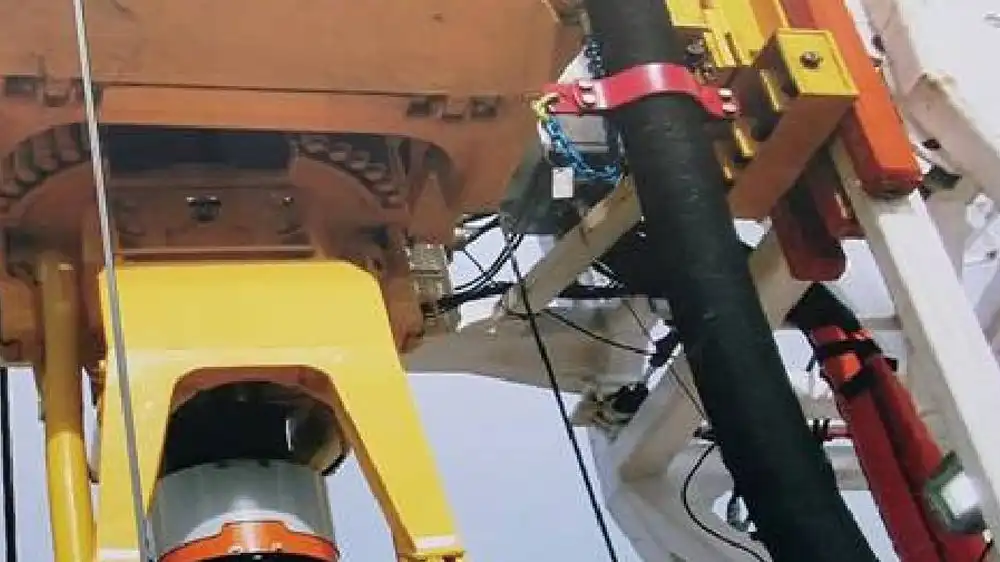
You can prevent hydraulic hose failures by following a consistent routine. Start with a regular inspection schedule. Use a visual inspection to spot cracks, bulges, or abrasions. Check hoses for signs of aging, vibration damage, and chemical exposure.
Monthly inspections help you detect issues early. Annual pressure testing and flex testing confirm hose integrity. Review the table below for recommended oilfield safety checks:
| Inspection Criteria | Description |
|---|---|
| Hose Age | Older hoses require frequent checks. |
| Monthly Inspections | Detect issues before they escalate. |
| Annual Inspections | Pressure and flex testing for reliability. |
| Vibration Damage | Inspect hoses exposed to vibration. |
| Chemical Exposure Signs | Identify hoses affected by fluids. |
| Abrasion from Adjacent Components | Look for rubbing against equipment. |
| Twist Direction Consistency | Verify installation matches manufacturer guidelines. |
| Connector Wear | Examine fittings for damage. |
| Crimped Area Integrity | Inspect crimped ends for secure attachment. |
| Fluid Contamination | Check for internal contamination. |
| Hose Length Consistency | Ensure correct length without stretching. |
| Protective Coverings | Inspect sleeves or wraps for damage. |
| Compliance with Standards | Verify hoses meet industry requirements. |
Proper Handling
Handle hoses with care to reduce the risk of hydraulic hose failures. Improper handling causes deterioration and pressure oscillations during drilling. Always lift hoses using proper equipment. Avoid dragging hoses across rough surfaces.
Store hoses coiled loosely in shaded areas to prevent kinking and UV damage. Follow manufacturer guidelines for installation and removal. You protect hydraulic hose assemblies and extend their service life by using correct handling techniques.
Maintenance Tips
Maintain hoses regularly to maximize operational lifespan. Conduct daily visual inspection for cracks, bulges, and abrasions. Schedule hydrostatic pressure testing every 6-12 months at 1.25 times working pressure. Flush hoses with clean water after use and dry thoroughly.
Replace hoses proactively based on service conditions. Keep documentation for compliance and risk management. Alienfrac recommends these practices to ensure durability and safety. Their commitment to innovation, quality, and reliability means you get hoses that withstand harsh oilfield environments.
| Maintenance Tip | Description |
|---|---|
| Regular Inspections | Daily checks for wear and damage. |
| Hydrostatic Pressure Testing | Test every 6-12 months for integrity. |
| Proper Storage | Store hoses loosely coiled and shaded. |
| Cleaning Protocols | Flush and dry hoses after use. |
| Compliance with Standards | Use hoses tested to API Spec 7K and API RP 7L. |
Tip: Use Alienfrac hoses for enhanced durability and safety. Their advanced manufacturing ensures reliable performance in demanding conditions.
Rotary Drilling Rig Failures: When to Seek Help

Signs for Professional Assistance
You must recognize when rotary drilling rig failures require expert intervention. Some problems go beyond routine maintenance or quick fixes. If you see a failed hose assembly with severe leaks, bulging, or visible reinforcement, do not attempt repairs yourself.
Call for professional help if you notice repeated hose bursts or unexplained pressure drops. Powerhead motor failure often signals deeper mechanical issues that need specialized tools and knowledge. If you find contamination inside the hose or suspect internal damage, you should escalate the issue.
Replacement of hydraulic hoses becomes necessary when you see persistent leaks, damaged fittings, or hoses that do not meet safety standards.
If you feel unsure about the root cause or see multiple failures at once, stop the operation and contact a qualified technician. Alienfrac provides tailored solutions and technical support for oilfield operators facing complex hose challenges.
Safety Protocols
You must follow strict safety protocols during any rotary drilling rig failures. Protect your team and equipment by securing the hose with chains at all times. A loose hose can whip dangerously and cause severe injuries. Always depressurize the system before inspecting or removing any hose.
Wear proper personal protective equipment, including gloves, safety glasses, and flame-resistant clothing. Keep the work area clear of unnecessary personnel during hose replacement or repair.
Here is a quick reference table for essential safety protocols:
| Safety Protocol | Description |
|---|---|
| Kelly’s hose was not secured with chains | A loose Kelly hose can whip dangerously, posing a severe threat to anyone in its path. |
| Depressurize before inspection | Prevents accidental fluid release and injury. |
| Use proper PPE | Protects against burns, cuts, and chemical exposure. |
| Limit personnel in the work area | Reduces the risk of injury during hose handling. |
| Follow the manufacturer’s guidelines | Ensures safe and correct hose installation. |
You can rely on Alienfrac for support and guidance during critical incidents. Their team helps you select the right hose and provides advice on safe installation and replacement. Fast action and expert help keep your operation safe and efficient.
Conclusion
You can fix Kelly hose failures fast by acting on warning signs, shutting down equipment, and replacing damaged hoses right away. To minimize downtime, follow these steps:
- Inspect hoses regularly for wear.
- Monitor for cracks, bulges, or leaks.
- Respond quickly to oil leaks or exposed steel wire.
Regular maintenance keeps your operation safe and efficient. The table below shows how routine checks prevent recurring failures:
| Action | Benefit |
|---|---|
| Inspect and maintain components | Reduces wear and damage |
| Confirm quality and compatibility | Prevents sudden operational failure |
| Check for micro-cracks and corrosion daily | Catches issues before they escalate |
Stay vigilant and trust Alienfrac for reliable oilfield hose solutions.
FAQ
How do you know when to replace a Kelly hose?
You should replace a Kelly hose if you see cracks, bulges, leaks, or exposed reinforcement. If the hose fails a pressure test or shows signs of aging, install a new one immediately.
What is the safest way to remove a damaged hose?
First, shut down the equipment and relieve all pressure. Wear proper PPE. Use the correct tools to disconnect the hose. Avoid twisting or bending the hose during removal.
Can you repair a small leak in a kelly hose?
No, you should not repair a Kelly hose. Always replace the hose with a new, certified product from Alienfrac. Repairs can compromise safety and performance.
How often should you inspect Kelly hoses?
Inspect Kelly hoses before every shift and after any incident. Schedule monthly detailed checks and annual pressure tests. Regular inspections help you catch problems early.
Why choose Alienfrac hoses for oilfield operations?
Alienfrac hoses meet strict industry standards. You get reliable performance, advanced technology, and tailored solutions. Their products help you reduce downtime and improve safety in demanding environments.