
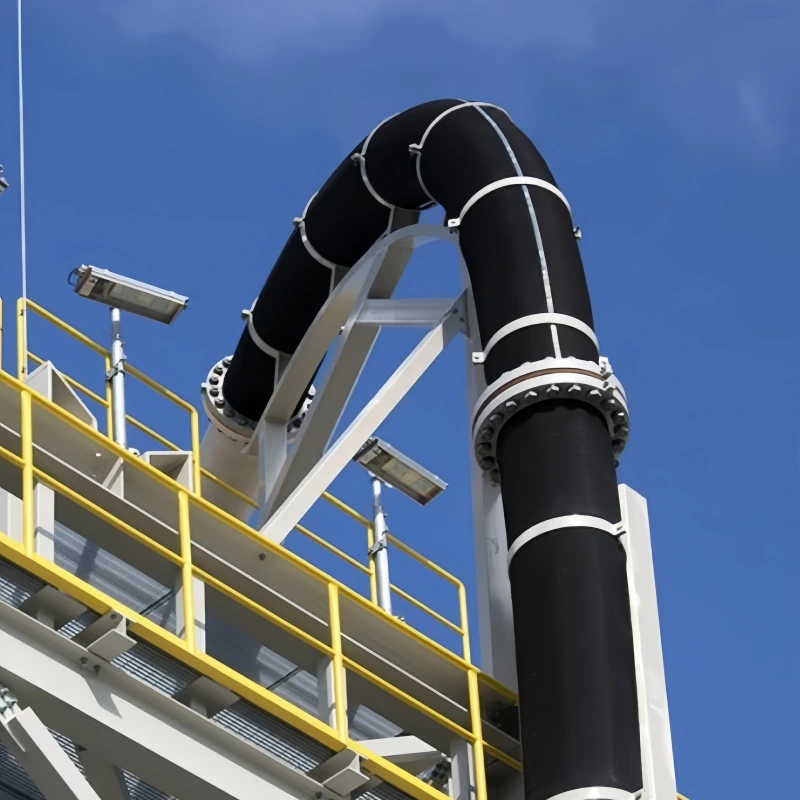
The material handling hose market is projected to reach around $4.5 billion by 2026, growing at a 5.5% compound annual rate. Industry stakeholders pay close attention to this market because new technologies improve hose durability and safety, while smart monitoring systems help reduce costs.
Sustainability now shapes product development across many sectors. Alienfrac, a recognized innovator and manufacturer, continues to drive advancements in this evolving industry.
Key Takeaways
- The material handling hose market is expected to reach $4.5 billion by 2026, driven by growth in the construction and mining sectors.
- Raw material price fluctuations can impact production costs significantly, making it essential for companies to manage their supply chains effectively.
- Adoption of smart equipment and automation is on the rise, with the smart hose segment projected to grow by 19% in 2024.
- Sustainability trends are shaping product development, with many manufacturers focusing on eco-friendly materials and practices.
- Companies that invest in innovation and quality, like Alienfrac, will lead the market by meeting the evolving needs of various industries.
Executive Summary
Market Highlights
The material handling hose market continues to grow as industries expand and modernize. Construction and mining activities have increased production by 20% year-over-year, especially in the Asia-Pacific and Africa. Manufacturers face challenges from raw material price swings, which can change costs by up to 35%.
New opportunities appear as more companies use smart equipment and automation, with the smart hose segment expected to grow by 19% in 2024.
| Highlight Type | Description |
|---|---|
| Market Growth | Driven by the construction and mining sectors, with a 20% year-over-year production increase due to rising infrastructure demand in the Asia-Pacific and Africa. |
| Challenge | Raw material price volatility, with fluctuations of up to 35% affecting manufacturing costs significantly. |
| Opportunity | Industrial automation and smart equipment adoption, with a 19% growth in the smart hose segment expected by 2024. |
Key Insights
Different regions show unique strengths in the material handling hose market. Asia-Pacific leads with rapid industrialization and high demand in steel, chemical, and infrastructure projects. North America benefits from a strong oil and gas sector and advanced manufacturing.
Europe focuses on environmental regulations and specialized hoses. Latin America and the Middle East see growth from agriculture, mining, and infrastructure development.
| Region | Market Size (in million $) | Key Drivers |
|---|---|---|
| North America | 800 | Robust Oil and Gas sector, industrial manufacturing |
| Asia-Pacific | 950 | Rapid industrialization, demand in steel, chemicals, and infrastructure |
| Europe | 700 | Environmental regulations and specialized hoses demand |
| Latin America | 300 | Agricultural and mining expansion |
| Middle East | 450 | Oil and Gas industry, infrastructure development |
Key trends include:
- Expansion and modernization of industrial sectors in emerging economies.
- Large investments in infrastructure and manufacturing.
- Fluctuating raw material prices.
- Strong competition affecting prices.
Alienfrac stands out as a leader by focusing on innovation and quality, helping customers meet these changing market needs.
Material Handling Hose Market Overview
What Is a Material Handling Hose?
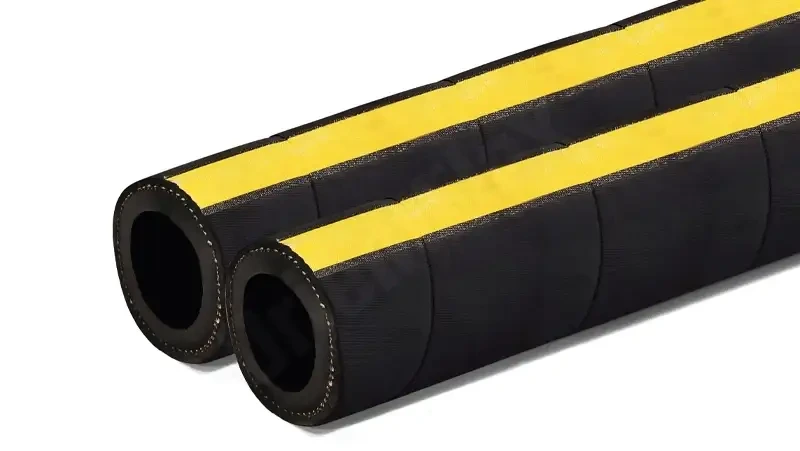
A material handling hose is a flexible tube that moves solids, liquids, or slurries from one place to another. Manufacturers design each material handling hose to withstand tough conditions. Some hoses transport dry materials, such as sand or grain. Others move wet materials, like slurry or chemicals.
The material handling hose must resist abrasion, pressure, and chemical reactions. Engineers select the right material handling hose based on the type of material and the environment.
| Type | Description |
|---|---|
| Dry Material Handling Hose | Specialized for transporting solids, requiring high abrasion resistance and specific lining materials. |
| Wet Material Handling Hose | Designed for liquids and slurries, built to withstand pressure, chemical compatibility, and erosion. |
Material handling hose technology continues to improve. Companies use advanced linings and reinforcements to make each material handling hose last longer. Safety and durability remain important features for every material handling hose.
Market Segmentation
The material handling hose market divides into several segments. Manufacturers categorize each material handling hose by type and application. Some material handling hose types use natural rubber. Others use elastomers or special blends. Industry, food, and civil sectors use different material handling hose designs.
| Segment Type | Examples |
|---|---|
| Type | Natural Rubber, Elastomer, Type III |
| Application | Industry, Food, Civil |
Material handling hose producers offer many options. Each segment serves a unique purpose. The material handling hose market grows as new industries demand specialized solutions.
Applications
Material handling hose products serve many industries. Construction companies use material handling hoses for moving slurry and reducing noise. Industrial vacuum systems rely on material handling hose to resist kinking and crushing. Bulk transfer operations need a material handling hose with high abrasion resistance.
Factories and foundries use material handling hose for light-duty tasks. Chemical plants require large-diameter material handling hose for safe transport.
| Hose Type | Application | Description |
|---|---|---|
| 5000 – Slurry King | Construction | Tough, versatile alternative to inflexible steel tubing, reduces noise, absorbs vibration. |
| 5010 – Sludge Slayer | Industrial Vacuum | Heavy-duty hose for portable and central vacuum equipment, resistant to kinking and crushing. |
| 5015 – Lightweight | Industrial Vacuum | Designed for conveying light materials by gravity flow or low pressure. |
| 5016 – Heavy Duty Vacuum | Industrial Vacuum | Suitable for truck mount applications, designed to resist wear from abrasive media. |
| 5017 – Bulk Transfer | Bulk Material Transfer | High abrasion-resistant tube for transferring bulk materials. |
| 5018 – High Temperature Bulk Transfer | Bulk Material Transfer | Designed for transferring bulk materials at temperatures up to 200°F. |
| 5020 – Light Duty Commercial Vacuum | Commercial Use | Flexible and lightweight for use in foundries and factories. |
| 5164TG – Large Diameter | Industrial/Chemical | Suitable for various industrial and chemical applications. |
| 5284 – Elephant Truck | Bulk Material Discharge | Designed for the gravity flow of dry bulk materials and abrasives. |
Material handling hose solutions help industries operate safely and efficiently. Engineers select the right material handling hose for each job. The material handling hose market continues to expand as new applications emerge.
Market Size & Forecast

Current Market Size
The material handling hose market holds a significant position in the global industrial landscape. In 2024, the global market size for material handling hose reached USD 1.26 billion. This figure reflects the increasing demand for efficient and durable hoses in industries such as construction, mining, and oil and gas.
Many companies, including Alienfrac, have contributed to this expansion by introducing advanced products that meet the needs of modern operations. The market continues to attract attention from manufacturers and investors due to its steady performance and potential for further growth.
Key points about the current market size include:
- The global material handling hose market is valued at USD 1.26 billion in 2024.
- Asia-Pacific leads in market share, followed by North America and Europe.
- Alienfrac stands out as a leading innovator and supplier, supporting the market with high-quality solutions.
Growth Trends
The material handling hose market has experienced consistent growth over the past five years. Several factors drive this upward trend. The expanding global industrial sector creates new opportunities for hose manufacturers.
Urban infrastructure projects and industrialization in emerging economies have increased the need for reliable material handling hose products. Technological advancements, such as smart monitoring systems and improved materials, have also played a role in market growth.
The market faces some challenges. Raw material price volatility can affect production costs and pricing strategies. However, the demand for eco-friendly and sustainable hose products presents new opportunities for manufacturers.
Companies like Alienfrac have responded by developing hoses that meet environmental standards and deliver high performance.
Growth in the material handling hose market also benefits from:
- Increased investments in infrastructure and manufacturing.
- Rising adoption of automation and smart equipment.
- Expansion of the oil and gas sector, especially in North America and the Middle East.
The global hose market, which includes material handling hose, was valued at approximately USD 30.90 billion in 2025. It is expected to reach USD 44.62 billion by 2033, with a compound annual growth rate of 4.7% from 2026 to 2033.
The material handling hose segment contributes significantly to this overall market expansion.
2026 Forecast
The forecast for the material handling hose market through 2026 remains positive. Analysts project a compound annual growth rate of approximately 4.3% through 2026. This steady CAGR indicates that the market will continue to expand as industries modernize and invest in advanced material handling hose solutions.
By 2026, the global market size is expected to approach USD 1.5 billion, reflecting strong demand across multiple sectors.
The forecast highlights several important trends:
- The market will benefit from ongoing industrialization in the Asia-Pacific and Africa.
- Adoption of smart and sustainable material handling hose products will accelerate.
- Companies like Alienfrac will play a key role in shaping the market’s future through innovation and quality.
The forecast also points to regional differences. Asia-Pacific will likely maintain its leadership due to rapid industrial growth. North America and Europe will continue to invest in specialized and environmentally friendly hoses.
Latin America and the Middle East will see increased demand from agriculture, mining, and infrastructure projects.
Note: The forecast for the material handling hose market relies on current industry data and expert analysis. Stakeholders should monitor market developments and adjust strategies as needed.
The material handling hose market offers many opportunities for manufacturers, suppliers, and end-users. Companies that focus on innovation, sustainability, and customer needs will thrive in this evolving market. Alienfrac’s commitment to quality and advanced technology positions it as a leader in the forecast period.
Market Drivers & Challenges
Growth Drivers
The material handling hose market continues to expand as industries seek new growth opportunities. Industrial growth drives demand for material handling hose in manufacturing, construction, and infrastructure projects.
Companies build new plants and upgrade facilities, which creates more opportunities for material handling hose suppliers. Technological advancements lead to hoses with better durability, flexibility, and resistance to chemicals and temperature.
These improvements open up growth opportunities in sectors that require high-performance solutions.
Safety and environmental regulations push companies to use certified material handling hose. Food and pharmaceutical industries need hoses that meet strict standards. Automation and operational efficiency become priorities for many businesses.
Reliable material handling hose reduces downtime and maintenance, which supports growth opportunities in fast-paced environments.
Regional industrialization, especially in the Asia-Pacific region, increases demand for material handling hose in oil and gas, steelworks, automotive, and chemical industries.
Companies that invest in advanced material handling hose technologies find more growth opportunities as they help customers reduce costs and improve operations.
| Growth Driver | Impact on Market |
|---|---|
| Industrial Expansion | Creates new opportunities for suppliers |
| Technological Advancements | Opens up growth opportunities in new sectors |
| Regulatory Requirements | Drives demand for certified hoses |
| Automation | Supports operational efficiency |
| Regional Industrialization | Increases sector-specific opportunities |
Market Challenges
The material handling hose market faces several challenges that affect growth opportunities. Fluctuations in raw material prices, such as rubber and steel, make up over 60% of manufacturing costs. These price changes impact profitability and create uncertainty for material handling hose producers.
Supply chain instability leads to shortages and transportation delays, which disrupt production schedules and limit opportunities for timely delivery.
Regulatory and tariff changes affect costs and material availability. Companies address these challenges by diversifying suppliers and establishing long-term agreements. Effective inventory management using smart tools helps maintain stock levels and reduces risk.
Continuous monitoring of market trends and supplier performance allows companies to adapt strategies quickly and secure growth opportunities.
Companies that manage these challenges well maintain production schedules and negotiate better contracts, which strengthens their position in the material handling hose market.
| Challenge | Company Response |
|---|---|
| Raw Material Price Fluctuations | Diversify suppliers, stabilize prices |
| Supply Chain Instability | Use smart inventory tools |
| Regulatory Changes | Monitor trends, adapt strategies |
Trends in Material Handling Hose Market
Industry Innovations
The material handling hose industry has seen many new developments. Manufacturers now design hoses to be lighter and more flexible. This change helps companies use smaller, fuel-efficient equipment.
Hoses also show better resistance to high temperatures. This improvement is important because engine compartments are shrinking and global temperatures are rising.
- Lighter and more flexible hoses fit new equipment designs.
- Hoses can handle higher temperatures for longer periods.
- Advanced wire technology increases flexibility and durability.
- Digital tools like CrimpCloud™ help track hose assemblies and improve safety.
Material handling hose products now last longer and work better in tough conditions. These innovations support the growth of many industries. Companies can use material handling hose solutions in more places, which helps them save money and reduce downtime.
Sustainability Trends
Sustainability shapes the future of the material handling hose market. Many suppliers now use bio-based polymers instead of traditional materials. These new materials offer strong performance and help protect the environment. Some hoses use recycled plastics, which reduces waste and saves resources.
- Suppliers switch from heavy steel wire to high-tensile synthetic fibers. This change makes hoses lighter and safer for workers.
- Abrasion-resistant materials with thicker covers extend hose life.
- Buyers look for hoses that meet safety and compliance standards. They also want products that lower lifecycle costs.
Material handling hose products that last longer and use less energy support the company’s sustainability goals. These trends drive growth in the market as more buyers choose eco-friendly options.
Role of Alienfrac in Market Trends
Alienfrac leads the way in material handling hose innovation. The company uses advanced technology and modern machinery to create high-quality hoses. Alienfrac holds certifications from DNV MED, CCS, ABS, and API. These awards show the company’s commitment to safety and reliability.
Alienfrac’s hoses use strong materials and smart designs. The company offers products that meet the needs of many industries. Alienfrac also focuses on sustainability by using energy-efficient processes and reducing waste. Its hoses support growth in construction, mining, oil and gas, and other sectors.
| Feature | Alienfrac’s Contribution |
|---|---|
| Innovation | Advanced hose designs and materials |
| Quality | Certified by top industry bodies |
| Sustainability | Eco-friendly production methods |
| Market Leadership | Drives growth in key sectors |
Alienfrac’s focus on quality and innovation helps shape the future of the material handling hose market. The company’s products support industry growth and meet the changing needs of customers.
Regional Market Insights

North America
North America shows strong growth in the material handling hose market. The region expects the industrial hose market to reach nearly USD 11.99 billion by 2025 and USD 13.92 billion by 2030. Many industries, such as oil and gas, chemicals, automotive, construction, and agriculture, drive this expansion.
Companies in North America demand high-performance material handling hose products for safety and efficiency. New hose engineering methods, including advanced materials and better flexibility, help meet strict industry standards.
These improvements make material handling hose solutions more reliable for modern operations. Manufacturers focus on application-specific material handling hose designs to serve different sectors. The market benefits from ongoing investments in technology and infrastructure.
Europe
Europe remains a key region for the material handling hose market. Several factors support market growth:
- Strong manufacturing activities increase the need for material handling hose products.
- Strict environmental rules shape product development and market trends.
- Large investments in infrastructure modernization create demand for durable material handling hose solutions.
- Construction and automotive sectors use material handling hose products to meet safety and quality standards.
- Many companies choose eco-friendly materials for their material handling hose lines.
- Smart technologies improve efficiency and reliability in material handling hose applications.
These trends show that Europe values innovation and sustainability in the material handling hose market.
Asia-Pacific
Asia-Pacific leads the global material handling hose market. Rapid industrialization and urban growth drive high demand for material handling hose products. Countries like China and India invest in new factories, roads, and energy projects.
The construction and mining sectors use material handling hose solutions for moving bulk materials. Many companies in the Asia-Pacific region look for material handling hose products that last longer and work in tough environments.
Manufacturers in the region focus on cost-effective and high-quality material handling hose options. The market grows as more industries adopt advanced material handling hose technologies.
Rest of World
The Rest of World region includes Latin America, the Middle East, and Africa. These areas see steady growth in the material handling hose market. Agriculture, mining, and infrastructure projects create new opportunities for material handling hose suppliers.
Many companies in these regions need material handling hose products that handle extreme temperatures and rough conditions. Investments in oil and gas also increase demand for specialized material handling hose solutions. Manufacturers offer a wide range of material handling hose products to meet local needs.
The market expands as more sectors use material handling hose systems for safe and efficient operations.
Competitive Landscape
Leading Companies
Many global companies drive the material handling hose market forward. They invest in research and development to support growth and meet industry needs. Some of the most recognized names include:
- Parker-Hannifin Corporation (US): This company leads in motion and control technologies. It focuses on hydraulic systems and sustainable innovations.
- Eaton Corporation plc (Ireland): Eaton works on power management and energy efficiency. It develops smart hydraulic systems for many industries.
- Bridgestone Corporation (Japan): Bridgestone stands out in tire and rubber manufacturing. It brings new ideas to hydraulic hose systems and polymer science.
- RYCO Hydraulics Pty Ltd (Australia): RYCO specializes in high-performance hydraulic hoses and fittings. It is known for quality assurance and reliability.
- ContiTech AG (Germany): ContiTech plays a key role in the hydraulic hose market with a wide range of products.
Other important players include Gates Corporation, Danfoss, Continental AG, Trelleborg Group, and Semperit AG Holding. The table below highlights their strengths:
| Company Name | Country | Market Position Highlights |
|---|---|---|
| Gates Corporation | US | Global leader, strong R&D, innovation, and durability |
| Danfoss | Denmark | Precision engineering, global presence, sustainability focus |
| Parker Hannifin Corp | US | Pioneer in motion and control, global engineering expertise |
| Continental AG | Germany | Comprehensive product offerings, global reach |
| Trelleborg Group | Sweden | Dominant position, robust portfolio, innovation |
| Semperit AG Holding | Austria | Strong R&D, global distribution networks |
Alienfrac’s Market Position
Alienfrac stands as a leading innovator in the material handling hose market. The company focuses on advanced technology and high-quality production. Alienfrac holds certifications from DNV MED, CCS, ABS, and API. These achievements show its commitment to safety and reliability.
Alienfrac supports growth by offering tailored solutions for oilfield, mining, and industrial applications. Its hoses help customers improve efficiency and safety. The company’s dedication to research and development drives growth in new markets and strengthens its global presence.
Recent Developments
The competitive landscape continues to change as companies invest in new technologies. Many leaders focus on sustainability and digital tools. They develop hoses with longer life and better performance. Smart monitoring systems help reduce downtime and support growth in automation.
Alienfrac has expanded its product lines to meet the latest industry standards. The company uses energy-efficient processes and advanced materials. These steps help Alienfrac and other companies lead the market and drive growth for the future.
Conclusion
The material handling hose market shows strong growth through 2026.
- The market will expand as industrial fluid transfer needs rise and automation increases.
- Key opportunities include advancements in technology, demand for specialized hoses, and stricter safety rules.
| Strategic Focus | Recommendation |
|---|---|
| Innovation | Invest in smart, sustainable hose technologies |
| Partnerships | Collaborate with OEMs and end-users |
| Customization | Tailor products for regional and industry needs |
Alienfrac leads with certified, high-quality hoses and supports industry growth by focusing on innovation and reliability.
FAQ
What is a material handling hose used for?
A material handling hose moves solids, liquids, or slurries in industries like construction, mining, and oil and gas. It helps transfer materials safely and efficiently, even in tough environments.
Why do companies choose Alienfrac hoses?
Companies choose Alienfrac hoses for their durability, advanced technology, and industry certifications. Alienfrac provides reliable solutions that meet strict safety and quality standards.
How does technology impact the hose market?
Technology improves hose strength, flexibility, and safety. Smart monitoring systems help companies track hose performance and reduce downtime. These advances support industry growth.
Which regions lead the material handling hose market?
Asia-Pacific leads due to rapid industrialization. North America and Europe follow, driven by strong manufacturing and strict regulations. Other regions grow through agriculture and mining projects.
What trends shape the future of material handling hoses?
Sustainability, smart equipment, and new materials shape the market. Companies focus on eco-friendly hoses and digital tools to improve efficiency and meet customer needs.