

You must prioritize proper installation when working with flange installation in piping systems. This process prevents leaks and strengthens system safety. Industry studies show that correct methods deliver several benefits:
- Leaks decrease, and operational safety improves.
- Gasket seating remains secure, reducing long-term damage.
- Standardized steps protect against structural stress and costly errors.
By following these practices, you ensure reliable performance and extend equipment life.
Key Takeaways
- Choose the right flange type and material to match your system’s pressure, temperature, and environment for reliable, leak-free connections.
- Clean and inspect pipe ends carefully before installation to prevent leaks and ensure a strong seal.
- Align flange faces precisely and install gaskets correctly to avoid stress concentration and maintain system safety.
- Select appropriate bolts and tighten them in a cross-pattern sequence using a calibrated torque wrench to secure the connection.
- Use high-quality flanges, such as Alienfrac API Flanges, to improve durability, reduce maintenance, and ensure compliance with industry standards.
Flange Installation in Piping Systems: Key Steps
Flange Types and Applications
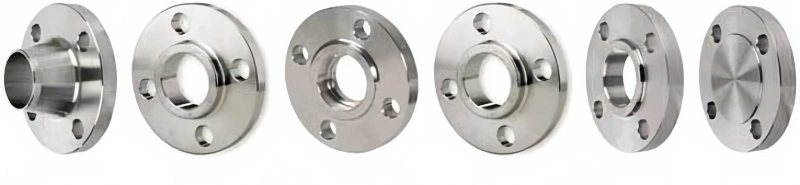
You must understand the different flange types before starting flange installation in piping systems. Each type serves a distinct purpose and is suited to specific applications. Alienfrac API Flanges offer a range of options designed for high-pressure and critical environments.
Here are the main flange types you will encounter:
- Weld Neck Flanges: These are used in high-pressure applications. Their long tapered hub provides strength and reduces stress at the joint. The oil and gas industry relies on them for secure connections.
- Slip-On Flanges: These flanges are easy to install and work well in low-pressure systems. Shipbuilding and construction projects often use them for quick setups.
- Socket Weld Flanges: You find these in moderate to high-pressure systems. They provide a leak-resistant connection, making them suitable for power generation and chemical processing.
- Threaded Flanges: These allow for easy disassembly. You use them in low-pressure applications where welding is not practical.
- Lap Joint Flanges: These flanges simplify installation and allow flexibility in pipe length. They are common in systems that require frequent maintenance.
- Blind Flanges: You use these to terminate piping systems. They are essential for maintenance and testing, particularly in the petrochemical industry.
Tip: Choosing the correct flange type ensures leak prevention and system reliability. Alienfrac API Flanges provide options for every scenario, from high-pressure oilfield lines to general industrial piping systems.
You should also consider the sealing method and pressure handling capabilities. The table below compares two common flange face designs:
| Feature | ASME Raised Face (RF) | API Type R Ring Groove (RTJ) |
|---|---|---|
| Surface Design | Raised portion for the gasket | Precision-machined groove for a metallic ring |
| Sealing Method | Compresses a soft/semi-metallic gasket | Metal-to-metal seal with deformed ring |
| Pressure Suitability | Moderate to fairly high pressures | Excellent for high-pressure, high-temp |
| Cost & Complexity | Lower cost, simple installation | Higher cost, more complex installation |
Material Selection for Flanges
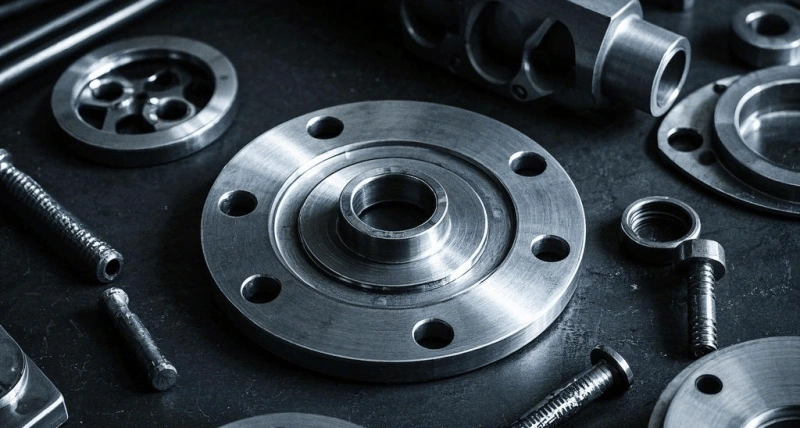
Material selection plays a critical role in the performance and longevity of flanges during flange installation in piping systems. You must match the material to the operating environment, pressure, and temperature. Alienfrac API Flanges are available in a variety of materials to suit your needs.
| Material | Properties and Applications |
|---|---|
| Steel | High strength, most common for general use. |
| Stainless Steel | Superior durability and corrosion resistance. Ideal for sour service and high-temperature systems. |
| Aluminum | Lightweight, corrosion-resistant. Used in irrigation and non-critical applications. |
| Ductile Iron | High yield strength at a lower cost. Preferred for non-contact applications. |
| ASTM A36 | Low-carbon steel is good for welding and machining. |
| ASTM A105 | Standard for carbon steel in high-temperature piping. |
| ASTM A182 | Alloys and stainless steel are preferred for corrosion resistance and high-temperature performance. |
| ASTM A240 | A stainless steel plate is strong at high temperatures and has high corrosion resistance. |
| ASTM A536 | Ductile iron for backing flanges. |
You should always consider the environment. For example, stainless steel flanges improve service life by over 35% in high-corrosion areas compared to carbon steel. Duplex stainless steel and Inconel flanges offer even higher resistance and strength for offshore or aggressive chemical environments.
- Inconel flanges provide exceptional strength and oxidation resistance. You use them in high-temperature and corrosive environments, such as chemical processing or seawater applications.
Note: Selecting the right material for step-by-step flange installation protects your piping systems from premature failure and reduces maintenance costs.
Pressure Ratings and Standards
You must verify the pressure rating and standard before installing flanges in piping systems. Alienfrac API Flanges meet strict API and ASME standards, ensuring safety and compatibility in high-pressure environments.
- API 6A flanges have fixed pressure ratings, such as 5,000, 10,000, or 15,000 psi. These ratings guarantee containment in oil and gas applications.
- Type 6B flanges cover pressure classes of 2,000, 3,000, and 5,000 psi.
- Type 6BX flanges handle even higher pressures: 5,000, 10,000, 15,000, and 20,000 psi.
- ASME B16.5 flanges use a flexible rating system. Classes include 150, 300, 400, 600, 900, 1500, and 2500. These ratings depend on both material and temperature.
| Standard | Key Requirements | Application Context |
|---|---|---|
| ASME | Pressure ratings, material specs | Industrial and process piping |
| API | Enhanced testing, material traceability | High-pressure oil & gas systems |
| EN | European regulations compliance | European projects and regulations |
API 6A governs pressure ratings beyond typical ASME classes. It requires material traceability, enhanced testing, and product-level certification.
You should always select the appropriate standard for your application. API standards are critical for high-pressure oil and gas systems. ASME standards fit most industrial piping systems. EN standards apply to European projects.
Alert: Using the correct pressure rating and standard during step-by-step flange installation ensures safety, compatibility, and long-term performance.
By understanding flange types, material selection, and pressure ratings, you lay the foundation for successful flange installation in piping systems. Alienfrac API Flanges provide the reliability and compliance you need for every critical connection.
Pipe End Preparation
Cleaning and Inspection
You must start flange installation by preparing the pipe ends. Cleaning and inspection protect against leaks and ensure a strong seal. Follow these steps for the best results:
- Select the correct flange for your application.
- Clean the pipe end and flange face thoroughly. Remove oil, dust, rust, and debris using a lint-free cloth and an approved solvent.
- Inspect the flange sealing surfaces. Look for scratches, dents, or corrosion. Avoid abrasive tools that could damage the finish.
- Confirm that protective coatings are intact.
| Evidence Description | Explanation |
|---|---|
| Surface damage creates leak paths | Scratches or dents on pipe ends can cause leaks, as gaskets cannot seal effectively. |
| Dirty or corroded surfaces | Flange faces with debris or rust contribute to leak paths and failures. |
| Flange faces must be clean | Even with high-quality bolts and gaskets, dirty or damaged flange faces can cause seal failures. |
Proper cleaning and inspection prevent uneven stress and maintain system integrity. Alienfrac’s manufacturing quality ensures that flanges arrive with smooth, defect-free surfaces, supporting reliable sealing.
Flange Face Alignment
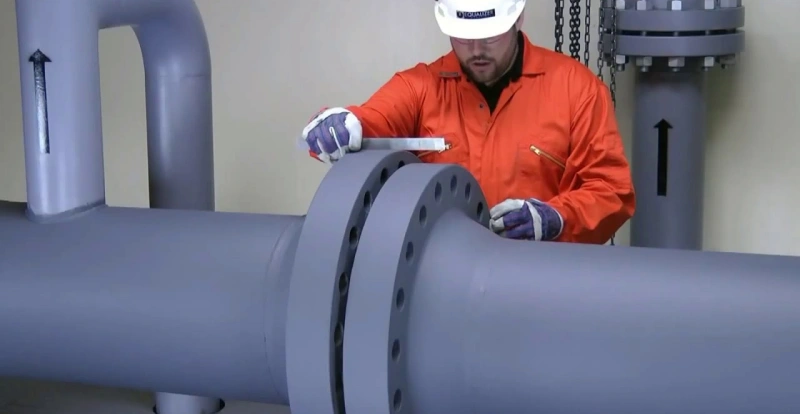
Precise alignment of flange faces is essential for leak prevention. You must check bolt-hole alignment and use the appropriate tools. Here are the best practices:
- Perform a visual inspection. Place the flanges together and check the bolt holes with a flashlight.
- Use alignment tools, such as guides or dial indicators, to ensure accuracy.
- Insert bolts and tighten them evenly, following recommended torque values.
- Measure the gap between flange faces with a feeler gauge. Confirm uniformity around the circumference.
Misalignment can cause improper gasket seating and concentrate stress on one side. Over time, this increases leak risk and may damage the system. Alienfrac flanges feature precise machining, making alignment easier and more reliable.
Gasket Placement
You must select a gasket that matches the flange dimensions and operating conditions. Place the gasket carefully between the flanges. Consider these factors:
| Factor | Description |
|---|---|
| Operating Conditions | Gaskets must withstand the maximum pressure and temperature. |
| Material Compatibility | Choose materials compatible with system fluids. |
| Gasket and Flange Compatibility | Soft gaskets are compatible with flat-face flanges; metallic types are compatible with raised-face flanges. |
| Thickness and Stress | Select the right thickness for seal integrity. |
| Regulatory Compliance | Ensure the gasket meets industry regulations. |
| Maintenance | Use reusable gaskets for systems needing frequent maintenance. |
Proper gasket placement maintains sealing integrity. Misalignment or improper tightening can cause leaks. Always ensure surfaces are parallel and clean before tightening bolts.
Alienfrac flanges support secure gasket seating due to their consistent surface finish and dimensional accuracy. This reduces the risk of leaks and extends the life of your piping system.
Bolt Fastening and Torque Application
Bolt Selection
You must select the right bolts to ensure the integrity of your flange connection. The bolts you choose must match the pressure rating, material, and size of your flanges. Use this table to guide your selection:
| Parameter | Consideration in Bolt Selection |
|---|---|
| Flange Rating | Determines allowable pressure and bolt strength requirement |
| Bolt Diameter | Must support clamping force without exceeding yield stress |
| Bolt Material | Selected for service temperature and corrosion resistance |
| Gasket Type | Influences required torque and compression characteristics |
| Number of Bolts | Affects load distribution across the flange |
Inspect bolt threads for wear, corrosion, and elongation before you assemble the joint. Apply anti-seize or lubricant as specified by the manufacturer. This step helps you achieve accurate torque and prevents galling.
Material selection is critical. ASTM A193 B7 alloy steel works well for high-pressure and high-temperature applications. Stainless steel bolts resist corrosion in chemical and marine environments. Carbon steel bolts suit moderate conditions. The strength of your bolts directly impacts the safety of your flanges.
Tightening Sequence
You must use the correct tightening sequence to prevent leaks and gasket damage. Always tighten bolts in multiple passes. Start with a snug fit, then apply 50% of the final torque, and finish with full torque. Use a star or cross-pattern sequence, not a circular order. This method ensures even gasket compression and a reliable seal.
- Snug all bolts by hand.
- Tighten to about 50% of the final torque in a crisscross pattern.
- Finish with 100% of the final torque, again in a crisscross pattern.
- For critical flanges, perform a final pass to verify uniform tension.
Uneven tightening can cause stress concentration, flange warping, and bolt fatigue. Always follow the recommended sequence to protect your system.
Torque Values and Tools
You must use a calibrated torque wrench for accurate bolt tightening. Refer to the manufacturer’s torque charts, which are based on standards like ASME B16.5. Lubricate bolts as specified, since dry threads can lead to under-tensioning. Apply torque in at least three passes, using a cross-pattern sequence.
Essential tools include:
- Calibrated torque wrenches
- Bolt tensioners
- Alignment pins
- Feeler gauges
API flanges are designed to handle high pressure, but only if you apply the correct torque. Proper torque ensures even gasket compression and prevents leaks.
Avoiding Common Mistakes
Many installation errors can compromise your flange connection. Avoid these common mistakes:
- Incorrect torque on bolts: Always use a calibrated torque wrench and tighten in a crisscross pattern.
- Misplaced or incorrect gasket selection: Use a new gasket and ensure it is seated correctly.
- Ignoring alignment and support: Check alignment before bolting and provide proper support.
- Using incompatible materials: Match bolt and flange materials to the application.
- Neglecting surface preparation: Clean and inspect flange faces before assembly.
Routine inspection and documentation of bolted joints are vital for compliance with API and ASME standards. These steps protect your system’s uptime and safety.
By following these best practices, you ensure that your flanges deliver reliable, leak-free performance in high-pressure environments.
Alignment and Leak Prevention
Final Alignment Check
You must perform a final alignment check before you pressurize your piping system. This step protects your system from leaks and mechanical failures. Misalignment creates uneven stress on gaskets and bolts. This stress can lead to gaps and weak points where leaks may form.
You should always ensure that flange faces are parallel and clean. If you skip this step, you risk crushing or misplacing the gasket, which compromises the seal. Incorrect assembly can also introduce structural stress, causing flange warping or bolt fatigue.
You can reduce these risks by following standardized procedures and using proper training.
- Misalignment causes uneven stress on gaskets and bolts.
- Proper gasket seating requires parallel and clean flange surfaces.
- Incorrect assembly introduces structural stress that can cause flange warping or bolt fatigue.
- Standardized procedures ensure reliable seals and reduce errors.
Alienfrac API Flanges feature precise machining. This design helps you achieve accurate alignment and secure, leak-free connections.
Seal Verification
After you complete the final tightening, you must verify the integrity of the flange seal. Start by inspecting the flange joint for even bolt protrusion and uniform gasket compression.
Uneven compression may indicate alignment or tightening issues. In critical systems, retorque bolts after initial pressurization to compensate for gasket relaxation and thermal expansion.
- Inspect the flange joint for visible gaps.
- Ensure the gasket sits properly within the flange.
- Confirm all bolts are tightened to the specified torque.
- Conduct a leak test by pressurizing the flange connection or introducing fluid into it.
You should also perform routine visual inspections to detect corrosion, gasket extrusion, or bolt loosening. Advanced methods, such as ultrasonic or infrared testing, can help you detect leaks that are not visible. Maintain documentation of flange performance and maintenance to ensure long-term reliability.
Common Installation Errors
Many leaks result from common installation errors. You can prevent these issues by following best practices. The table below outlines frequent mistakes and how to avoid them:
| Cause of Flange Leak | Description | Preventive Measure |
|---|---|---|
| Improper Bolting Practices | Incorrect tightening can compromise the joint. | Use calibrated torque wrenches and a cross-pattern tightening sequence. |
| Misalignment and Poor Assembly | Flanges that are not properly aligned can cause gaps and stress. | Inspect pipe alignment and use proper support for even gasket seating. |
| Incorrect Gasket Usage | Using the wrong gasket type or size can cause leaks. | Select the correct gasket for the application and flange specifications. |
| Surface Damage | Damaged flange surfaces can prevent proper sealing. | Regularly inspect and maintain flange surfaces to ensure they are smooth. |
You can trust Alienfrac API Flanges for secure, leak-free connections. Their quality and precision help you avoid these common errors and maintain system integrity.
Product Value and Brand Advantages
Why Choose Alienfrac API Flanges?
You gain several advantages when you select Alienfrac API Flanges for your piping systems. These flanges deliver reliable performance in demanding environments. You benefit from precise machining, robust materials, and strict quality control.
Alienfrac API Flanges support high-pressure and high-temperature applications. You can trust their durability and leak-proof connections.
Alienfrac API Flanges help you maintain system integrity and reduce downtime. You achieve safer operations and lower maintenance costs.
Durability and Compliance
Alienfrac API Flanges meet industry-leading certifications and compliance standards. You ensure safety and reliability by selecting flanges that comply with strict standards. Here are key certifications:
- API 6A: Guarantees performance in high-pressure oil and gas applications.
- NACE MR0175: Protects against sulfide stress cracking in corrosive environments.
- Product Specification Levels (PSL): Quality tiers, with PSL-2 and PSL-3 specifying enhanced material and testing requirements.
You rely on these certifications to prevent leaks and failures. Alienfrac API Flanges withstand harsh conditions and maintain their strength over time. You avoid costly repairs and replacements.
Application Scenarios
You use Alienfrac API Flanges in a wide range of industries. These flanges are compatible with oil and gas, chemical, and power systems. You benefit from their versatility and ease of maintenance.
Certified, high-quality flanges provide a tight, leak-proof seal. You prevent fluid or gas loss and keep your system safe and efficient.
- You can easily access flanges for cleaning, inspection, or replacement.
- You support system flexibility for expansion or modification.
- You minimize downtime during upgrades or rerouting.
Choosing Alienfrac API Flanges gives you long-term value. You protect your investment and ensure reliable performance in every application.
Conclusion
You ensure safe, reliable piping systems by following the steps of flange installation.
- Clean and inspect pipe ends.
- Align flanges and place gaskets correctly.
- Select the appropriate bolts and apply the correct torque.
- Check alignment and verify seals.
Always choose high-quality products, such as Alienfrac API Flanges. You protect your system from leaks and costly repairs. For best results, follow industry best practices and consult manufacturer guidelines.
FAQ
What tools do you need for proper flange installation?
You need a calibrated torque wrench, alignment pins, feeler gauges, and approved cleaning materials. These tools help you achieve accurate alignment, correct torque, and a clean sealing surface for a leak-free connection.
How do you choose the right gasket for your flange?
You select a gasket based on pressure, temperature, and chemical compatibility. Always match the gasket material to your system’s fluid and operating conditions. Consult manufacturer guidelines for the best fit.
Can you reuse gaskets or bolts during flange installation?
You should always use new gaskets for each installation. Reusing old gaskets or bolts increases the risk of leaks and joint failure. New components ensure a reliable, long-lasting seal.
Why do you need to follow a specific bolt tightening sequence?
A cross-pattern tightening sequence distributes pressure evenly across the gasket. This method prevents leaks, flange warping, and uneven gasket compression. You protect your system’s integrity by following the correct sequence.