
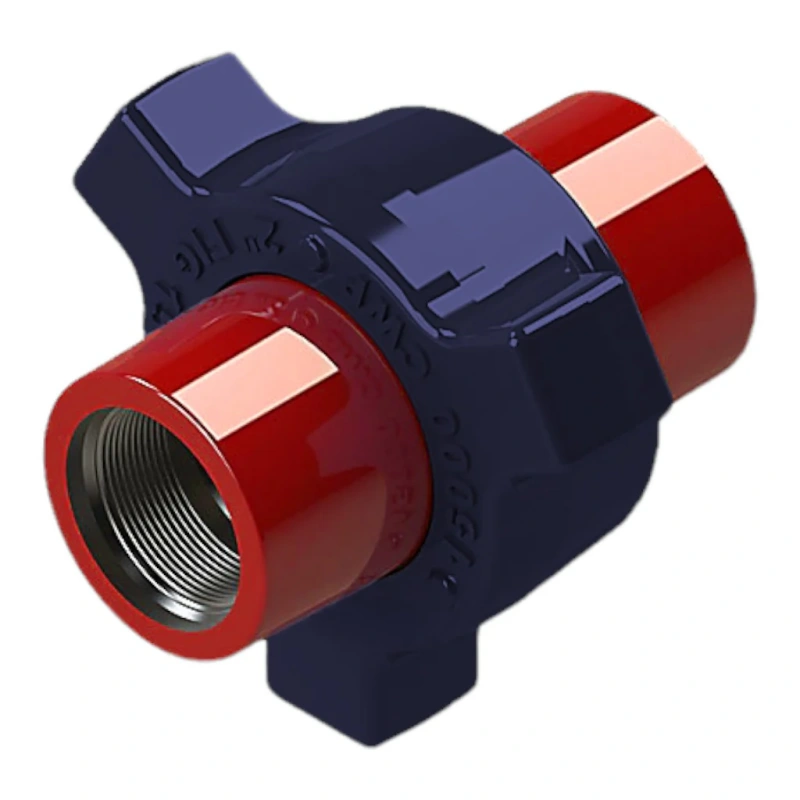
You rely on hammer unions for fast, secure connections in high-pressure piping.
These rugged connectors play a vital role in oil and gas operations. You see hammer unions in action during drilling, wellhead equipment setups, manifold systems, flowback operations, well testing, pressure control, pipeline pigging, hydraulic systems, temporary piping, and general maintenance.
Alienfrac delivers hammer union solutions trusted by industry professionals for their durability and performance in demanding environments.
Key Takeaways
- Hammer unions provide fast, secure connections in high-pressure piping, essential for oil and gas operations.
- Regular inspection and maintenance of hammer unions extends their service life and ensures leak-proof performance.
- Choose the right hammer union by matching pressure ratings, sizes, and materials to your system requirements.
- Alienfrac hammer unions meet strict industry standards, ensuring reliability and safety in demanding environments.
- Use color-coding to identify pressure ratings, enabling quick field selection.
Hammer Union Basics
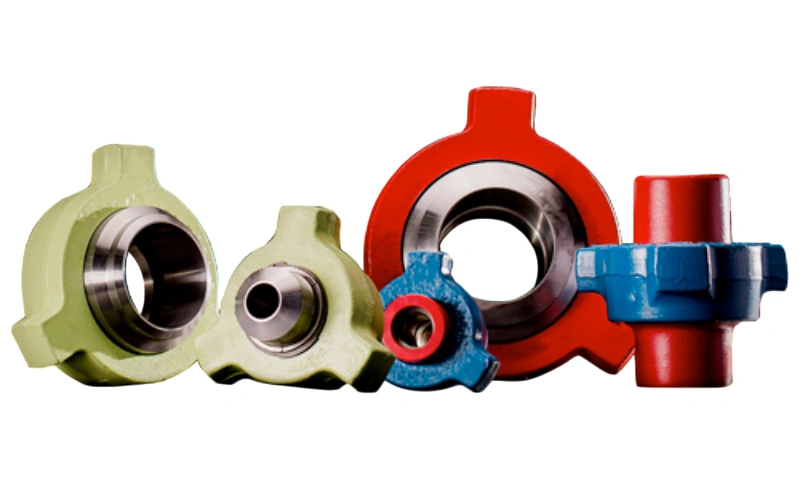
What is a Hammer Union?
You use hammer unions when you need a fast, reliable way to connect or disconnect pipes in high-pressure environments. These connectors enable high-pressure connections without special tools or lengthy assembly.
Hammer unions play a critical role in oil and gas operations, especially in high-pressure applications and frequent equipment changes. You can count on Alienfrac as a trusted supplier of premium hammer union fittings, designed for the toughest oilfield conditions.
Hammer Union Parts and Structure
You will find that hammer unions consist of three main parts: the hammer nut, the male threaded part, and the female threaded part. Each part is made of high-strength materials to ensure durability and safety. The table below shows the typical materials used for each component:
| Component | Material Used |
|---|---|
| Hammer Nut | Carbon Steel or Chromium-Molybdenum |
| Male Threaded Part | Carbon Steel or Chromium-Molybdenum |
| Female Threaded Part | Carbon Steel or Chromium-Molybdenum |
| Seal Ring | Rubber |
The hammer nut enables quick assembly and disassembly. The male and female threaded parts fit together securely, while the seal ring prevents leaks. This robust structure makes hammer unions ideal for high-pressure connections in demanding environments.
How Hammer Unions Work?
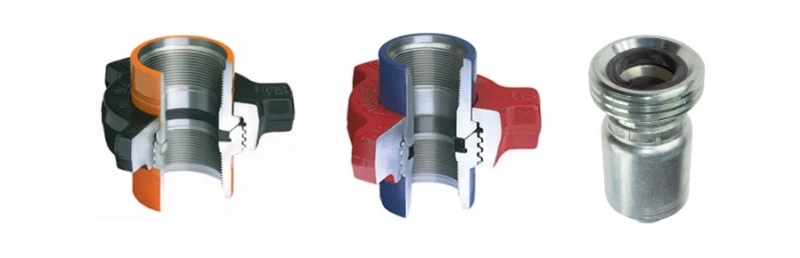
You benefit from hammer unions because their unique design enables quick assembly and disassembly. The male and female components lock together with a simple tap from a hammer. You do not need special tools, which saves you time during installation and maintenance.
The table below compares hammer unions with traditional threaded or flange unions:
| Feature | Hammer Unions | Threaded/Flange Unions |
|---|---|---|
| Connection Speed | Fast connection and disconnection | Slower due to threading/flanging |
| Tool Requirement | No special tools needed | Requires tools for assembly |
| Pressure Resistance | High-pressure capable | Varies, generally lower |
| Maintenance Efficiency | High, quick maintenance | Lower, more time-consuming |
With hammer unions, you get a tight seal without using bolts or flanges. This design supports high-pressure applications and reduces downtime. You can rely on Alienfrac’s premium hammer union fittings for efficient, safe, and repeatable connections in your piping systems.
Key Features and Sealing
You need a secure sealing mechanism to prevent leaks in high-pressure environments. Hammer unions use several types of seals, each designed for specific challenges:
- Lip seals use a flexible lip to create a tight seal.
- Metal-to-metal seals provide durability and strength in harsh conditions.
- Compression seals squeeze between two surfaces for a leak-proof fit.
- Interference fits ensure the seal sits snugly in a groove.
Different types of hammer unions use elastomeric or metal-to-metal seals, depending on your operational needs. These sealing mechanisms help you maintain leak-proof performance, even under extreme pressure.
When you choose Alienfrac’s premium hammer union fittings, you ensure your operations stay safe and efficient, no matter how tough the environment.
Tip: Regular inspection and cleaning of your hammer unions help maintain their sealing performance and extend their service life.
You can trust hammer unions for their robust construction, quick assembly, and reliable sealing. These features make them essential for high-pressure connections in oil and gas piping systems.
Hammer Union Types
Types and Figures
You encounter several types of hammer unions in oilfield operations. Each type serves a unique purpose and fits specific applications. Threaded hammer unions connect pipes quickly and securely, making them ideal for frequent assembly and disassembly.
Welded hammer unions offer a permanent connection, which you use when you need maximum strength and reliability. Blind hammer unions seal off pipe ends, helping you isolate sections during maintenance or testing.
Alienfrac offers a wide range of hammer unions, each manufactured from high-quality materials and precision-machined. You can identify the figure number, size, and coating by checking the product specifications. The table below shows a typical example:
| Feature | Details |
|---|---|
| Figure Number | 400 |
| Size | 2 |
| Product Type | Union |
| Coating/Finish | Painted |
| Regulatory | ASTM A29, A105 |
You select the right figure based on your operational needs. Figure numbers indicate the design and pressure rating, so you must match them to your system requirements.
Pressure Ratings and Sizes
You need to choose hammer unions that match your pressure and size requirements. Manufacturers like Alienfrac use a color-coding system to help you quickly identify the correct union. This system streamlines selection and reduces errors in the field.
- Red indicates 3,000 psi-rated unions.
- Yellow marks 5,000 psi units.
- Green shows 10,000 psi high-pressure assemblies.
- Blue may signify a different material or application.
Always double-check color codes against stamped ratings before installation. Color-coding provides a visual identification system, but you must verify the actual pressure rating.
Hammer unions come in sizes from 1 inch to 12 inches. You select the size based on your piping diameter and flow requirements. Each color corresponds to a specific nominal working pressure rating, making your selection process efficient and safe.
You rely on hammer unions for their versatility, durability, and easy identification. Alienfrac’s product range covers all major types and pressure ratings, ensuring you find the right solution for every oilfield application.
Hammer Union Installation and Maintenance
Hammer Union Installation Steps
You must follow proper installation procedures to ensure safety and performance in high-pressure operations. Use this step-by-step guide for installing hammer unions, especially when working with pressure control equipment:
- Gather all necessary tools, such as wrenches and lubricants, before starting.
- Wear protective gear, including gloves and goggles, to protect yourself from hazards.
- Inspect each hammer union component for defects or debris. Clean all surfaces to guarantee a leak-proof joint.
- Align the union components carefully, matching the figure number with your system requirements.
- Use your tools to tighten the union. Avoid over-tightening to prevent thread damage.
- Check for proper fit and effective sealing before pressurizing the system.
Alienfrac’s user-friendly design makes these steps straightforward, helping you establish a quick, secure connection every time.
Best Practices and Common Mistakes
You can maximize the advantages of hammer unions by following best practices and avoiding common errors. The table below highlights frequent mistakes and their impact on pressure control equipment:
| Installation Mistake | Description |
|---|---|
| Lubrication Issues | Low-quality lubricants increase friction and wear, reducing performance. |
| Misalignment | Improper alignment stresses threads, causing premature wear. |
| Seal Degradation | Incompatible seals break down, leading to leaks and pressure loss. |
| Material Fatigue | Repetitive loads cause cracks, increasing the risk of sudden failure. |
| Corrosion and Wear | Environmental factors weaken hammer unions over time. |
| Over-Tightening | Exceeding torque can damage threads and increase the risk of leaks. |
Tip: Always use compatible, high-quality lubricants and check alignment before tightening. This helps maintain non-leak seals and extends service life.
Hammer Union Maintenance Tips
You can ensure long-term reliability of your pressure control equipment by following these maintenance tips:
- Implement a preventive maintenance program with regular inspection and cleaning.
- Lubricate threads properly and replace seals during disassembly.
- Inspect sealing surfaces and threads before each use to prevent contamination.
- Check for thread damage, pitting, or cracking after every use, especially in high-cycle environments.
- Follow manufacturer-recommended torque values for assembly.
- Clean hammer unions thoroughly after use and apply corrosion-inhibiting oil before storage.
- Use protective caps when not in use to prevent contamination and damage.
- Confirm the color-coded rating matches your system’s maximum operating pressure.
By following these guidelines, you maintain the advantages of hammer unions, such as durability, effective sealing, and quick maintenance. This approach ensures your equipment delivers reliable, non-leak seals and supports safe, efficient high-pressure operations.
Advantages of Hammer Union
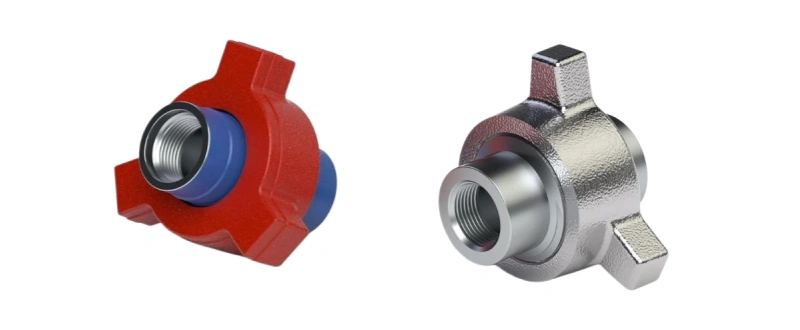
You demand reliability and performance from every connection in your operation. Hammer unions deliver these advantages through robust engineering and proven field results.
When you use hammer unions in drilling rigs, cementing lines, or industrial piping systems, you benefit from their exceptional durability and leak-proof performance.
- The average operational lifespan of conventional hammer unions reaches about 340 hours under typical oilfield conditions.
- Optimized designs now extend service life to over 460 hours, a 35.3% improvement in fatigue lifespan compared to older models.
You can trust these unions to maintain a secure seal, even under extreme pressure and in harsh environments. This reliability reduces downtime and maintenance costs, keeping your projects on schedule.
Alienfrac stands out by meeting strict industry certifications and quality standards. You gain peace of mind knowing that each hammer union complies with API 7K and API 16C standards. Every product undergoes a 100% hydrostatic pressure test before leaving the factory.
Alienfrac also produces hoses and connectors that meet DIN, SAE, Japanese, and GB standards, ensuring compatibility and safety across your systems.
Recent innovations have further improved safety and efficiency. The integration of smart technology enables real-time monitoring of hammer unions, allowing you to track performance and detect issues before they escalate.
The introduction of hands-free mechanical wrenches, such as the HUWE, eliminates manual hammering. This advancement reduces the risk of hand injuries and ergonomic strain, making your work environment safer.
The American Petroleum Institute has also released new specifications to address component incompatibility. This step enhances safety and interoperability, helping you avoid mismatched parts in the field.
When you choose Alienfrac hammer unions, you invest in products designed for demanding applications. You benefit from advanced engineering, rigorous testing, and a commitment to innovation that keeps your operations efficient and secure.
Application of Hammer Union
Oil & Gas and Industrial Uses
You see hammer unions as essential in the oil and gas industry. You use them to connect wellhead equipment, manifold assemblies, and fluid transfer systems. These unions handle high-pressure pipelines and keep your operations safe under pressure. You rely on them for drilling, well testing, and pressure control.
Hammer unions also support manifold assemblies and wellhead equipment during maintenance and production.
You find hammer unions in many other industries. They provide reliable connections for fluid transfer systems and equipment that must operate under harsh conditions. The table below shows where you might use hammer unions outside the oil and gas industry:
| Industrial Sector | Application Description |
|---|---|
| Mining and Water Transfer | Durable, high-flow connections in dewatering, slurry transport, and dust suppression systems. |
| High-Pressure Testing | Test rigs for performance and safety checks under extreme pressure. |
| Pipeline Construction | Temporary and permanent connections during hydrostatic pressure testing. |
| Hydraulic Fracturing | Connects high-pressure fracturing manifolds and hoses for fluid delivery into shale formations. |
| Geothermal Energy Extraction | Drilling and production systems to extract hot water or steam from underground reservoirs. |
| Chemical Processing | Connects reactors, heat exchangers, and storage tanks for aggressive chemicals and high-pressure fluids. |
You depend on hammer unions for their strength and leak-proof performance in every sector.
Why Choose Alienfrac Hammer Union?
You want hammer unions that last. Alienfrac designs each union for durability and efficiency. You get leak-proof performance, even in harsh environments. You can trust these unions in wellhead equipment, manifold assemblies, and fluid transfer systems across the oil and gas industry.
Alienfrac stands out with international certifications, including API, DNV MED, CCS, and ABS. You benefit from advanced manufacturing and strict quality control. Each union passes a hydrostatic pressure test before it reaches you.
Alienfrac’s focus on innovation means you get products that meet the latest industry standards. You keep your operations safe and efficient, no matter how tough the job.
Tip: Choose Alienfrac hammer unions for reliable performance and proven safety in the oil and gas industry and beyond.
Selection, Suppliers, and Standards
How to Select the Right Hammer Union?
You need to match the correct hammer union to your system for safe, efficient operation. Start by considering the key factors affecting performance and compatibility. The table below helps you compare these factors:
| Factor | Description |
|---|---|
| Material Specifications | Choose materials that resist corrosion and meet industry standards for long service life. |
| Pressure Ratings | Confirm the union can handle your system’s maximum pressure to prevent leaks and failures. |
| Size and Compatibility | Select the correct size and thread type for seamless integration with your piping. |
| Connection Types | Decide between threaded or butt-weld connections for your assembly and maintenance needs. |
| Durability and Longevity | Look for unions built to withstand harsh environments and reduce replacement frequency. |
| Temperature Tolerance | Check the temperature range to avoid failures in high-heat applications. |
| Certification and Compliance | Ensure the union meets industry standards for safety and reliability. |
You should also pay attention to material properties, especially for corrosive environments. Materials like brass, stainless steel, and alloy steel offer strong resistance to rust and wear. These choices help you maintain high-pressure connections in challenging conditions.
Supplier Considerations
You want a supplier who delivers quality and stands behind their products. Use the following criteria to evaluate potential suppliers:
| Criteria | Explanation |
|---|---|
| Brand Reputation | Select suppliers with a strong track record and proven quality control. |
| Customer Feedback | Read reviews to learn about product durability and after-sales support. |
| Warranty Coverage | Look for warranties of at least one year to ensure manufacturer confidence. |
| Compliance with Standards | Choose suppliers with third-party certifications and industry partnerships. |
| Total Cost of Ownership | Consider installation, maintenance, and lifespan, not just the initial price. |
Alienfrac meets these criteria with international certifications, advanced manufacturing, and a commitment to customer satisfaction. You can trust Alienfrac to supply hammer unions that perform reliably in demanding oilfield and industrial environments.
Tip: Always request documentation for certifications and warranty coverage before making a purchase.
Compliance with Industry Standards
You must ensure your hammer unions comply with recognized industry standards. These standards guarantee safety, performance, and compatibility in your operations. Key standards and certifications include:
- API 6A: Sets quality and performance criteria for wellhead equipment and high-pressure connections.
- ISO 9001: Ensures consistent manufacturing processes and quality management.
- ISO 10423: International equivalent of API 6A, covering design and testing requirements.
- API Specification 7HU2: Addresses component compatibility and safety for oilfield hammer unions, especially in offshore drilling.
You should always verify that your supplier provides products that are tested and certified to these standards. This step protects your investment and supports safe, efficient operations in your piping systems.
Note: Alienfrac’s hammer unions meet or exceed these international standards, giving you confidence in every connection.
Conclusion
You play a critical role in keeping oilfield operations safe and efficient by choosing the right hammer union. Using substandard unions can lead to:
- Catastrophic failures and leaks
- Serious injuries and costly legal issues
- Environmental damage from spills or explosions
You can avoid these risks by following expert maintenance recommendations:
| Maintenance Task | Recommended Frequency | Potential Failure Mode if Neglected |
|---|---|---|
| Visual Inspection | Before each use | Cracks, leaks, catastrophic failure |
| Thread Lubrication | Before every connection | Galling, cross-threading, leakage |
| Seal Replacement | Every 3–5 cycles or upon wear | Fluid leakage, pressure loss |
| Hydrostatic Testing | Annually or after repair | Undetected internal flaws |
Select a trusted supplier, such as Alienfrac, to ensure your hammer unions meet industry standards. Consult with certified experts for tailored solutions that keep your operations safe and compliant.
FAQ
What is a hammer union used for?
You use a hammer union to connect pipes and hoses in high-pressure systems. This connector helps you create secure, leak-proof joints during drilling, cementing, and fracturing operations.
How do you select the right hammer union?
Tip: Match the figure number, pressure rating, and material to your system requirements. Check color codes and certifications before installation.
Can you use hammer unions in sour gas environments?
You can use certain hammer unions in sour gas applications. Choose unions made from corrosion-resistant alloys and verify compatibility with your system.
How often should you inspect hammer unions?
| Task | Frequency |
|---|---|
| Visual Inspection | Before each use |
| Seal Replacement | Every 3–5 cycles |
| Hydrostatic Test | Annually |
You should follow this schedule to maintain safety and performance.