
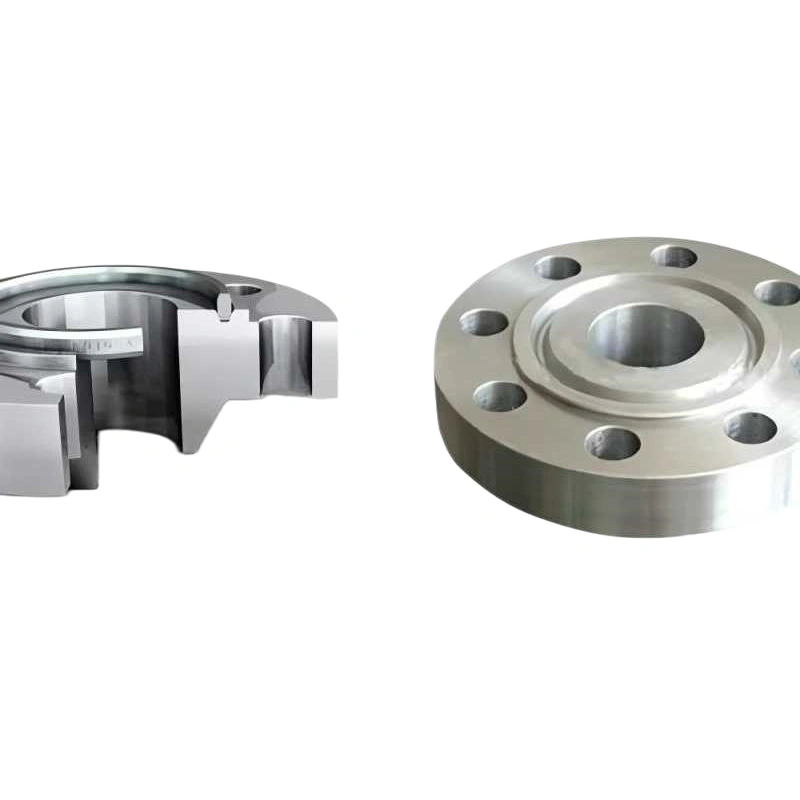
You need to choose the right flange standard for safety. API flanges, such as those from Alienfrac, handle extreme pressure and temperature in oil and gas operations. ANSI flanges work well in general industry settings.
Safety depends on your application, industry, and regulations. The table below shows where each flange type is used and its safety requirements:
| Industry | Flange Type | Applications |
|---|---|---|
| Petroleum and Natural Gas | API | Wellheads, drilling systems, production equipment, subsea systems, pipelines |
| Chemical Processing | ANSI | General-purpose systems |
| Power Generation | ANSI | Power generation systems |
| Water Treatment | ANSI | Water treatment facilities |
You must consider your operating conditions and requirements when comparing api flanges vs. ANSI.
Key Takeaways
- Choose API flanges for high-pressure and high-temperature environments, especially in oil and gas operations, to ensure safety and reliability.
- Select ANSI flanges for general industry applications like water treatment and power generation, but be mindful of their pressure limits.
- Always verify flange certifications to guarantee compliance with safety standards and reduce the risk of failures.
- Consider the operating conditions, including pressure, temperature, and fluid type, when selecting the right flange for your system.
- Consult with experts to ensure you choose the best flange type and material for your specific application.
API Flanges vs ANSI: Key Differences
Design and Standards
You need to understand how design and standards impact safety and performance. API flanges follow strict guidelines set by the American Petroleum Institute. ANSI flanges use standards from the American National Standards Institute. The table below shows the main differences:
| Feature | API Flanges | ANSI Flanges |
|---|---|---|
| Design | API standards for oil and gas | ANSI standards for general industry |
| Flange Face | Raised face (RF), ring-type joint (RTJ) | RF, flat face (FF), RTJ |
| Sizes | Larger, starting from 2″ or 3.” | 1/2″ to 24.” |
| Pressure Ratings | 2,000 to 20,000 PSI | 150 to 2,500 PSI |
| Usage | Petroleum and natural gas | Chemical, water treatment, and power generation |
Pressure Ratings and Materials
When you compare api flanges vs. ANSI, you see major differences in pressure ratings and materials. API flanges use stronger materials and thicker walls. They handle higher pressures and temperatures.
ANSI flanges work well in less demanding environments. API flanges are often forged or cast in one piece, which increases reliability. ANSI flanges may be fabricated from multiple parts. This impacts safety and durability.
- API flanges have higher pressure ratings.
- API flanges are engineered for high-pressure and high-temperature conditions.
- ANSI flanges are not designed for extreme pressure.
Testing and Certification
You must check the testing procedures before using any flange. API flanges require rigorous testing, including shell, backseat, and seat tests. These tests verify the integrity and sealing ability at high pressures.
ANSI flanges also undergo testing, but the requirements are less strict. Certification standards include ASME B16.5, AWWA C207, MSS SP-44, NACE, and Fire-Safe Certification. These certifications ensure flanges meet industry safety requirements.
Tip: Always look for flanges with proper certification to guarantee safety and compliance.
Safety Implications
Safety is the most important factor when choosing between api flanges vs. ANSI. API flanges provide reliable, leak-free connections in high-risk environments. Their design prevents accidents and costly downtime. You can trust API flanges in oil and gas operations where safety is critical.
ANSI flanges are suitable for general industry but may not offer the same level of protection in extreme conditions.
API vs ANSI Flanges: Safety Performance
Failure Rates and Reliability
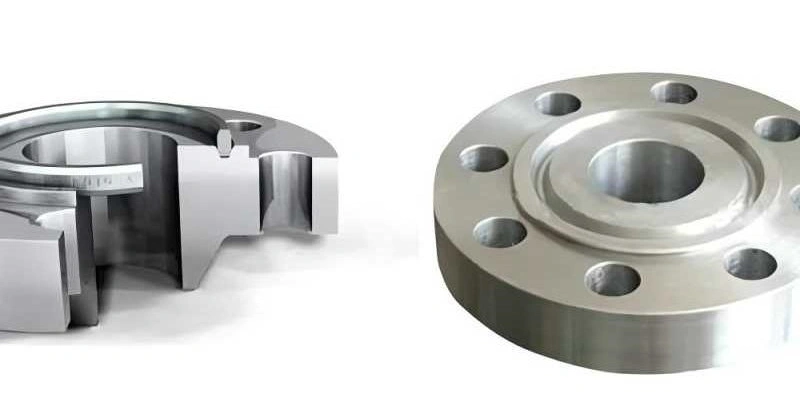
You need to understand how reliability impacts safety in flange systems. API flanges show high reliability in extreme environments. You can trust them in oil and gas operations where pressure and temperature reach critical levels. Their robust design and strict manufacturing standards reduce the risk of leaks or failures.
You see fewer incidents in systems that use API flanges because they withstand harsh conditions.
ANSI flanges perform well in the general industry. You may encounter failures if you use them outside their rated limits. Common causes of ANSI flange failures include:
- Vibration-induced loosening weakens the connection over time.
- Pressure rating mismatch leads to catastrophic failure.
- Temperature-related issues cause expansion or brittleness.
- Thread compatibility problems result in operational failures.
- Installation difficulties compromise effectiveness.
- Corrosion weakens the flange in harsh environments.
You must select the right flange for your application. Comparing api flanges vs. ANSI, you notice that API flanges offer greater reliability in high-risk settings.
Industry Certifications
Certifications play a key role in flange safety. You need to check the certifications before installing any flange. API flanges require specialized certifications for offshore drilling and other demanding applications. These certifications ensure that the flanges meet strict safety and performance standards.
| Certification Name | Description | Recertification Details |
|---|---|---|
| API BFJI | Bolted Flange Joint Inspector | Requires recertification every 3 years, with a 90-day grace period after expiration. |
| API 1169 | Pipeline Construction Inspector | Requires recertification every 3 years, with a 90-day grace period after expiration. |
ANSI flanges also require certifications, but the focus is on general industrial standards. You need to verify that the flange passes hydrostatic pressure testing, leakage testing, and material verification. Third-party certifications, such as mill test reports or CE marking, confirm compliance.
| Certification Type | Description |
|---|---|
| Hydrostatic Pressure Testing | Validates the flange’s ability to withstand operating pressures without deformation or leakage. |
| Leakage Testing | Detects micro-leaks using air or gas, crucial for systems handling toxic or flammable media. |
| Material Verification | Ensures the flange is made from the specified alloy, preventing material mix-ups. |
| Third-Party Certifications | Includes mill test reports (MTRs), CE marking, or API 6A/ISO 9001 certification for compliance. |
You improve safety by choosing flanges with proper certifications.
Real-World Safety Records
You see the impact of flange choice in real-world safety records. API flanges demonstrate strong performance in oil and gas fields. Operators report fewer leaks and failures when using API flanges in high-pressure systems. These flanges maintain integrity during drilling, production, and subsea operations.
ANSI flanges show reliable performance in water treatment, chemical processing, and power generation. You must follow installation guidelines and use them within their rated limits. Safety records indicate that most ANSI flange failures occur when users ignore pressure or temperature ratings.
Note: You can reduce risk by matching flange type to your operating environment and verifying certifications.
You make safer decisions when you compare api flanges vs. ANSI based on reliability, certification, and real-world performance.
Application Scenarios: Choosing the Right Flange
Oil & Gas: Alienfrac API Flanges
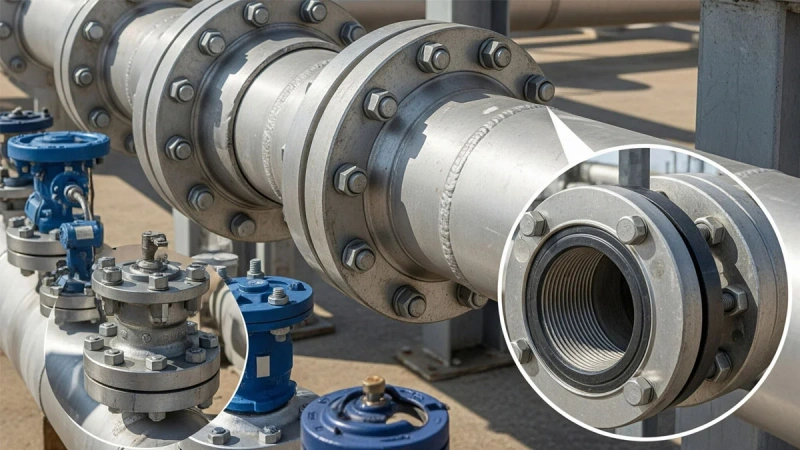
You operate in oil and gas environments where safety and reliability matter most. Alienfrac API flanges deliver unmatched performance in these high-pressure, high-risk settings. You benefit from flanges built with ultra-high molecular weight polyethylene, which resists abrasion and corrosion.
These flanges withstand pressures up to 20,000 PSI and temperatures from -29°C to +121°C. Every Alienfrac API flange undergoes rigorous hydrostatic pressure testing to ensure compliance with API 7K standards.
Integrated safety features, such as couplings and flanges, enhance operational safety and reduce the risk of leaks. You can trust Alienfrac API flanges to maintain system integrity during drilling, production, and fracturing operations.
Note: Alienfrac API flanges provide secure connections and help prevent equipment failure in hazardous environments.
| Flange Type | Common Applications | Location |
|---|---|---|
| API Flanges | Oil & gas, petrochemical | North America, worldwide |
General Industry: ANSI Flanges
You work in general industry settings where ANSI flanges offer reliable performance. These flanges suit applications like water treatment, power generation, and chemical processing. You must select the right pressure rating to prevent leaks or failures.
Material selection is crucial for avoiding corrosion and ensuring long-term reliability. Surface finish requirements help maintain hygiene and sealing integrity, especially in sensitive industries. Testing and certification standards verify quality and safety.
You find ANSI flanges easy to install and align, which reduces labor time and costs. Material compatibility ensures the flange works with the transported fluids. Maintenance and accessibility allow for regular inspection and upkeep.
Industry and regulatory compliance, such as adherence to ANSI/ASME standards, is essential.
- Pressure rating selection prevents leaks.
- Material choice avoids corrosion.
- Surface finish maintains sealing integrity.
- Testing standards verify quality.
- Installation ease reduces labor costs.
- Compatibility prevents degradation.
- Maintenance allows easy inspection.
- Compliance ensures safety.
Regulatory and Environmental Factors
You must consider regulatory and environmental requirements when choosing between api flanges vs. ANSI. Equipment in hazardous environments must meet strict safety standards to prevent ignition of flammable substances. Piping systems should resist leaks and withstand harsh conditions.
Compliance with ASME B16.5 and ASME B16.47 is crucial for avoiding equipment failure and legal issues. IEC 60079 addresses equipment used in explosive atmospheres, which is relevant for flanges in hazardous settings. You protect your operation by selecting flanges that meet these regulations and standards.
Tip: Always verify that your flange choice aligns with environmental and regulatory requirements to ensure safe and legal operation.
How to Select the Safest Flange?
Assessing Operating Conditions
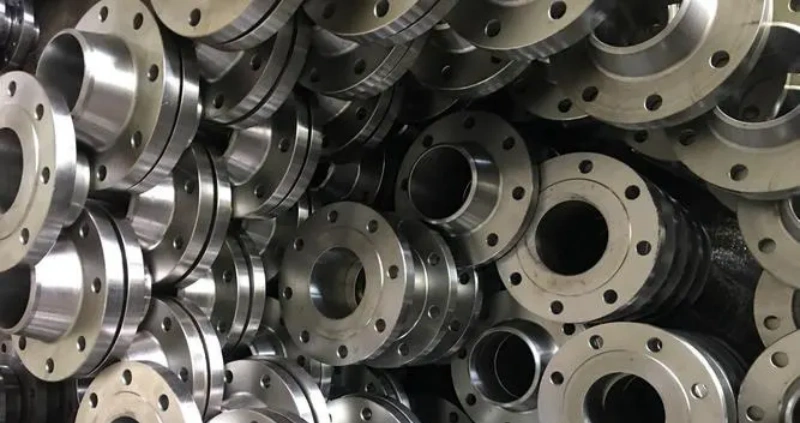
You must start by understanding your system’s operating conditions. Check the maximum pressure and temperature your pipeline will face. Review the type of fluid or gas that will flow through the system. Some fluids cause corrosion or erosion, so you need flanges made from materials that resist these effects.
Look at the environment around your equipment. Outdoor installations may need extra protection against weather or chemicals. If you work in oil and gas, you often deal with high-pressure and high-temperature situations. In these cases, Alienfrac API flanges provide the durability and safety you require.
Tip: Always match the flange material and design to your operating environment for the best safety results.
Regulatory Compliance
You must follow all industry regulations and standards. Review the rules set by organizations like API, ANSI, and ASME. These standards help you avoid accidents and legal problems. For oil and gas, you often need flanges that meet API 6A or similar certifications.
In the general industry, ANSI or ASME standards usually apply. Always check for third-party certifications, such as DNV or ABS, to confirm the flange’s quality. Alienfrac API flanges meet strict international standards, so you can trust their performance in regulated environments.
Decision Guide: API vs ANSI
You can use a simple step-by-step process to choose the safest flange for your needs:
- Identify the required pressure class for your system. Higher pressures call for API flanges.
- Select a suitable flange design based on your installation and performance needs.
- Check the material compatibility with your fluid or gas.
- Review the temperature range for your application.
- Confirm that the flange meets all regulatory and certification requirements.
- For high-pressure, high-risk environments, choose Alienfrac API flanges for maximum safety.
- For general industrial use, select ANSI flanges that match your system’s ratings.
You make the safest choice when you compare api flanges vs. ANSI using these steps. Always consult with a flange expert if you have questions about your application.
Conclusion
You improve safety by matching your flange selection to your industry and operating conditions. For high-pressure, high-risk environments, you gain extra protection with API flanges, especially in oil and gas. Experts recommend that you:
- Consult technical specialists for precise analysis.
- Ensure compliance with all safety standards.
- Choose the best flange type and material.
- Request technical support and certification.
Before you decide, review these key factors:
| Selection Factor | Description | Recommended Action |
|---|---|---|
| Material Grade | Determines corrosion resistance and strength | Select 316L for marine or chemical environments |
| Flange Class | Indicates pressure-temperature rating | Match class to system operating conditions |
| Flange Type | Affects the installation method and strength | Use a weld neck for high-stress systems |
| Surface Finish | Impact of sealing and hygiene | Specify smooth finishes for sanitary uses |
| Quantity & Budget | Affects unit cost and inventory management | Negotiate bulk pricing with trusted suppliers |
When you compare api flanges vs. ANSI, always align your choice with your operational needs and consult with experts for the safest outcome.
FAQ
What makes API flanges safer for oil and gas operations?
You benefit from API flanges because they withstand extreme pressure and temperature. Rigorous testing and certification ensure reliable performance. You reduce risk by using API flanges in high-risk environments.
Can you use ANSI flanges in high-pressure applications?
You should not use ANSI flanges in high-pressure oil and gas systems. ANSI flanges suit the general industry. API flanges provide better safety and durability for demanding conditions.
How do you verify flange certification?
You check for API, ASME, or ANSI markings. You request mill test reports and third-party certifications. You confirm compliance with industry standards before installation.
Which material should you choose for corrosive environments?
You select stainless steel or Inconel alloys for corrosive fluids. These materials resist rust and chemical damage. You improve safety and extend flange life with proper material selection.