
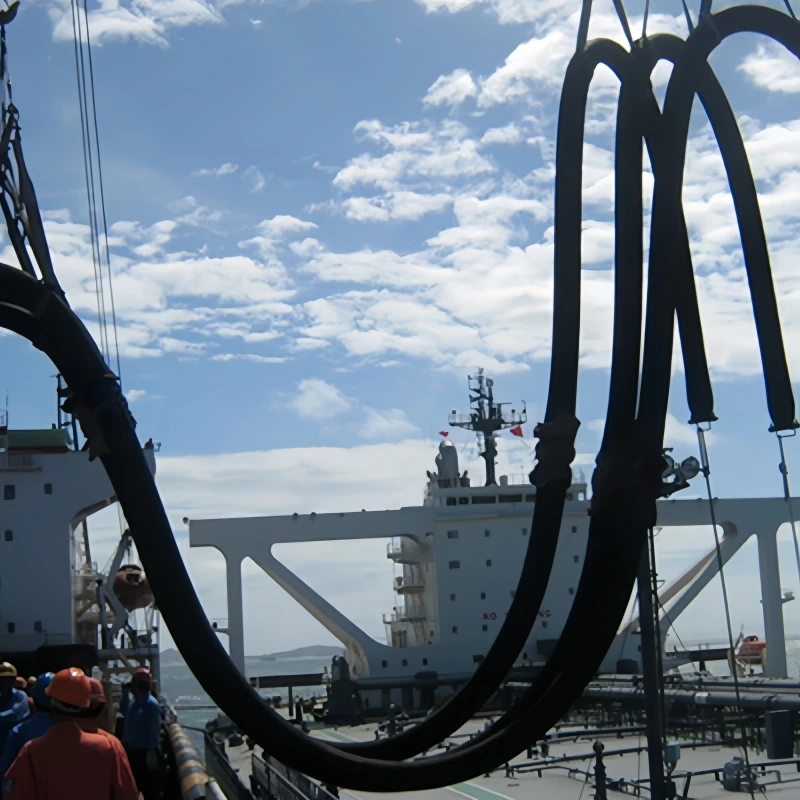
You rely on petroleum hoses for essential tasks in oilfield operations. Alienfrac hoses deliver specialized solutions for safe transportation of drilling mud, efficient transfer of cement slurry, and reliable handling of production fluids.
You benefit from increased durability, enhanced efficiency, and tailored designs that fit real-world conditions.
- Specialized hoses handle specific fluid types.
- Enhanced performance supports high viscosity fluids.
- Reduced spill incidents improve safety and customer satisfaction.
- Faster fueling times boost operational efficiency.
You see the application of petroleum hoses as vital for maintaining safety, reliability, and productivity in oilfield environments.
Key Takeaways
- Petroleum hoses are essential for safe and efficient fluid transport in oilfield operations.
- Choose hoses with proven certifications to enhance safety and reduce downtime during drilling.
- Regular inspections and maintenance of hoses extend their service life and ensure compliance with safety standards.
- Select hose materials that match the fluids you handle to prevent degradation and ensure reliability.
- Invest in high-quality hoses to improve operational efficiency and minimize environmental risks.
Application of Petroleum Hoses in Oil and Gas Industries
The application of petroleum hoses shapes the backbone of your daily work in oil and gas industries. You depend on these hoses for safe, efficient, and reliable movement of fluids across every stage of operation.
Alienfrac petroleum hoses stand out with their robust construction, advanced reinforcement, and industry-leading certifications such as API, DNV MED, CCS, and ABS. These features ensure you meet the highest standards for safety and performance.
Drilling Operations
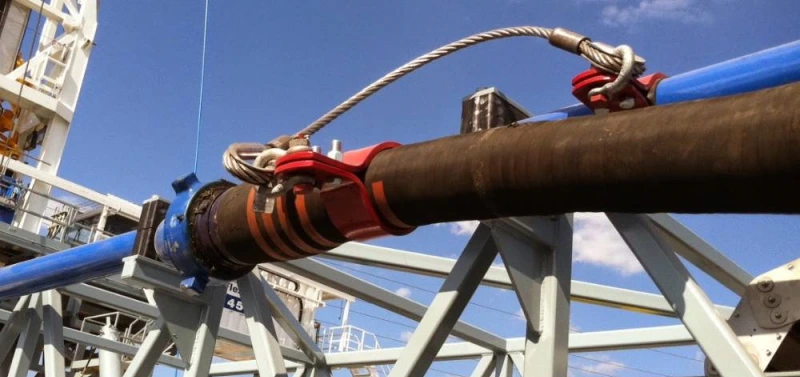
You encounter demanding conditions during drilling operations. The application of petroleum hoses becomes critical for transporting fluids that keep your drilling process running smoothly. Alienfrac hoses, with their reinforced synthetic fibers or steel wire, handle high pressures and abrasive materials with ease.
| Application Type | Description |
|---|---|
| Mud hoses | Transport drilling mud, which lubricates and cools the drill bit and removes cuttings from the wellbore. |
| Cement hoses | Used to pump cement slurry during the well casing and cementing process. |
| Choke and kill hoses | Facilitate controlled fluid flow during well control operations. |
You use mud hoses to move drilling mud, which cools and lubricates drill bits while carrying cuttings to the surface. Cement hoses deliver cement slurry for casing and securing wells. Choke and kill hoses manage fluid flow during well control, protecting your team and equipment.
Alienfrac’s petroleum hoses offer abrasion resistance and leak prevention, which are essential for the application of petroleum hoses in these high-stress environments.
Tip: Choose hoses with proven certifications and pressure ratings to reduce downtime and enhance safety during drilling operations.
Fuel Transfer Tasks
Fuel transfer tasks demand hoses that can withstand a variety of fuels and operating conditions. The application of petroleum hoses in this area covers everything from storage tank connections to marine and offshore operations.
Alienfrac hoses provide the flexibility and chemical resistance you need for these jobs.
| Fuel Transfer Task | Description |
|---|---|
| Fuel delivery systems | Utilize dedicated petroleum hose assemblies connecting storage tanks to engines and generators. |
| Petroleum suction hose configurations | Serve critical roles in tank cleaning and bilge management, requiring structural integrity under vacuum. |
| Dock hose assemblies | Bridge connections between shore infrastructure and vessel manifolds during loading and unloading. |
| Offshore bunkering operations | Use floating marine hose strings for fuel transfer in open water, incorporating specialized buoyancy. |
| Marine fuel hose applications for fleets | Designed to resist saltwater corrosion and UV damage, ensuring durability in harsh marine conditions. |
You rely on hoses that maintain integrity under vacuum for suction tasks and resist abrasion for dockside operations. Offshore bunkering and marine fleet fueling require hoses that withstand saltwater and UV exposure.
Alienfrac petroleum hoses deliver on these needs, supporting the application of petroleum hoses in every fuel transfer scenario.
- Fuel delivery systems require hoses that handle different fuel grades and sustained pressure.
- Suction hoses must stay strong under vacuum, often using spiral wire reinforcement.
- Dock hoses need to flex with vessel movement and resist abrasion.
- Offshore and marine hoses must survive harsh environmental factors.
Oilfield Service Trucks
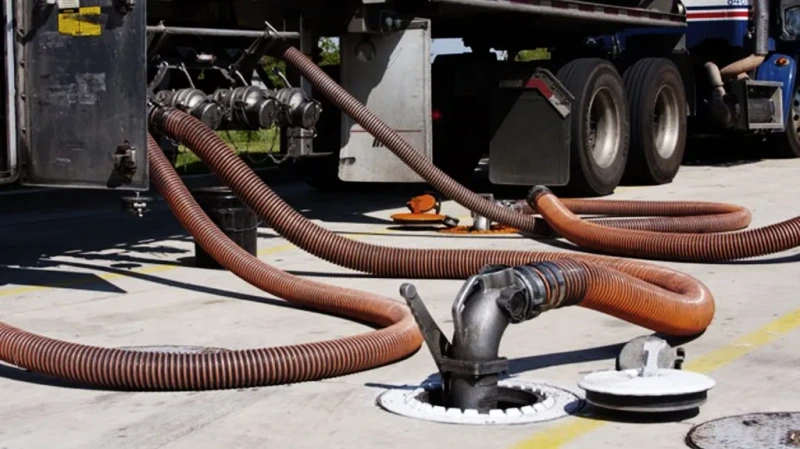
Oilfield service trucks depend on the application of petroleum hoses for transporting fluids and gases across your site. You need hoses that handle high pressures and rough handling without fail. Alienfrac petroleum hoses meet these demands with durable construction and advanced safety features.
- You use petroleum hoses to move fluids and gases efficiently.
- High-pressure resistance ensures safe transport, even in tough conditions.
- Durability minimizes downtime and keeps your operations running.
- Safety features prevent leaks and ruptures, protecting your crew and the environment.
- Reliable hoses help you maintain smooth material flow and boost productivity.
Alienfrac petroleum hoses, with their abrasion-resistant outer layers and chemical-resistant linings, support the application of petroleum hoses in every aspect of oilfield service truck operations. You gain peace of mind knowing your hoses meet strict industry standards and deliver consistent performance.
Note: Regular inspection and maintenance of your hoses will extend their service life and ensure compliance with safety regulations.
The application of petroleum hoses in the oil and gas industries covers a wide range of critical tasks. By choosing Alienfrac hoses, you invest in quality, safety, and operational efficiency for every stage of your operation.
Petroleum Transfer Hoses for Transportation and Storage
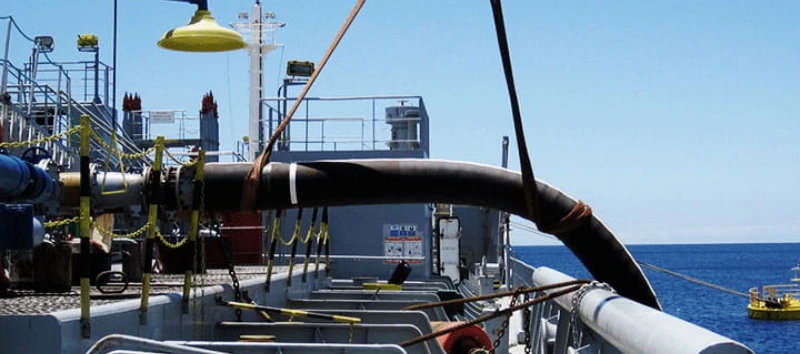
You depend on petroleum transfer hoses for safe and efficient movement of fuels and petrochemical products. These hoses play a vital role in oilfield, marine, and industrial settings. Their robust construction and high-pressure resistance help you prevent leaks, spills, and contamination during transportation and storage.
You maintain the integrity of diesel, gasoline, and oily water by using specialized transfer hoses designed for the unique properties of these materials.
Tank Truck Connections
You handle bulk fuel transfer every day in oilfield logistics. Petroleum transfer hoses ensure secure connections between tank trucks and storage tanks. You must verify product compatibility, inspect hoses for damage, and confirm pressure ratings before starting any operation.
Proper grounding and bonding protect you from static discharge. During transfer, you monitor connections for leaks and maintain communication with facility personnel. After the transfer, you drain hoses, seal ends, and store them correctly to prevent damage.
- Petroleum transfer hoses perform under pressure and resist corrosion.
- You use them for both suction and discharge of petroleum products.
- These hoses remain flexible in cold weather and comply with strict safety standards.
Storage Facility Operations
You face several challenges in storage facilities. Safe fluid management requires regular maintenance on hoses and valves. You prevent contamination by using oil/water separators and conducting visual and nondestructive testing.
Heavy-duty petroleum transfer hoses withstand extreme temperatures and chemical exposure, making them essential for both fixed and mobile setups. You rely on multi-layer designs that distribute mechanical loads and maintain chemical resistance.
Conductive carbon black in the hose helps dissipate static electricity, reducing ignition risks.
| Challenge | Solution |
|---|---|
| Ensuring safe fluid management | Regular preventative maintenance on hoses and valves to prevent failures and leaks. |
| Preventing contamination | Use of oil/water separators to treat contaminated stormwater and prevent environmental releases. |
| Maintaining hose integrity | Conducting visual and nondestructive testing to assess the condition of hoses and replace as needed. |
Marine Transfers
You manage bulk fuel transfer in marine environments with high-pressure petroleum transfer hoses. These hoses must be joint-free near the ship and barge. You always plan for spill containment and emergency shutdowns. Start fuel transfer at a slow speed and check for leaks before increasing flow.
You avoid over-pressurizing hoses and inspect them before each use. Certified hoses, like those from Alienfrac, meet international standards and withstand UV, corrosion, and wear.
The marine floating hose features a PE foam layer to prevent water absorption and a safety factor of 5:1, ensuring reliable performance in offshore operations.
Tip: Always follow local regulations and conduct regular tests to ensure operational continuity during marine transfers.
You improve safety, reliability, and efficiency by choosing petroleum transfer hoses that meet the demands of transportation and storage. Alienfrac hoses provide the durability and performance you need for every application.
Oil Field and Petroleum Hose Solutions for Emergency Response
Spill Control Applications
You face urgent situations in oilfield operations, such as blowouts, pipeline leaks, and environmental recovery. Alienfrac offers tailored oil field and petroleum hose solutions that help you respond quickly and effectively.
You rely on hoses with robust construction to securely transport fluids, proppants, and chemicals during hydraulic fracturing and spill control. These hoses minimize contamination of soil and groundwater, supporting responsible water management practices.
- Blowouts require immediate containment to protect personnel and equipment.
- Pipeline leaks demand hoses that prevent further environmental damage.
- Environmental recovery depends on hoses that withstand harsh conditions and maintain integrity.
Alienfrac hoses deliver durability and reliability. You perform routine inspections to identify issues early. Visual and pressure tests ensure hoses withstand high pressures. Compliance with safety standards, such as API Specification 16C, minimizes risks during operations.
Note: Using hoses designed for spill control reduces environmental risks and supports safe oilfield practices.
Rapid Deployment
You must act fast during emergencies. Rapid deployment of petroleum hoses is possible with large-diameter hose systems built for high flow rates and continuous-duty performance. Alienfrac’s scalable production capabilities allow you to receive hose assemblies quickly, even during severe weather or operational challenges.
You gain access to hoses that enable immediate response, helping you contain incidents and protect both workers and the environment.
| Emergency Scenario | Hose Solution Provided |
|---|---|
| Blowout | Choke and kill hoses for well control |
| Pipeline leak | Frac hoses for secure fluid transport |
| Environmental recovery | Durable hoses for water management |
Alienfrac hoses comply with stringent industry standards. You trust these hoses to provide reliable fluid control, rapid shutdown, and effective containment during emergencies.
Tip: Always keep emergency hose assemblies ready for deployment to ensure quick response and minimize downtime.
Choosing the Right Petroleum Hoses
Selecting the right petroleum hose for your oilfield operation ensures safe fuel handling, efficient transfer of oil, and reliable performance during refueling operations.
You must evaluate several factors before making your choice. Alienfrac provides industrial hoses with certifications and product specifications that help you meet industry requirements and maintain operational safety.
Material Compatibility
You need to match the hose material to the fluids you handle. Material compatibility prevents degradation and extends hose life. For fuel handling, the inner tube must resist the chemicals in gasoline, diesel, or crude oil. Alienfrac offers industrial hoses with rubber, PVC, and metal braids. Each material has unique properties:
| Material Type | Compatibility | Impact on Hose Performance |
|---|---|---|
| Rubber | Varies with oil type | May degrade quickly if incompatible |
| PVC | Limited compatibility | Risk of failure under certain conditions |
| Metal Braids | Generally more durable | Less likely to degrade; needs compatibility check |
You protect your fuel distribution stations and refueling operations by choosing hoses with the right material for the transfer of oil and fuel handling tasks.
Pressure Ratings
You must check the working pressure and temperature requirements for your application. Undersized hoses can cause failures and safety hazards. Alienfrac industrial hoses withstand high pressures and extreme temperatures, supporting safe fuel handling and transfer of oil.
Review product specifications and certifications to confirm suitability.
Tip: Always select hoses with pressure ratings that exceed your operational needs. This reduces risk and ensures reliability during refueling operations.
Industry standards guide your selection:
- International Maritime Organization standards govern marine hose assemblies.
- SOLAS convention sets fire safety requirements for hoses on vessels.
- Classification societies like Lloyd’s Register and Det Norske Veritas provide technical specifications.
- OCIMF guidelines apply to dock hose systems.
Alienfrac hoses meet these standards, giving you confidence in every fuel handling scenario.
Safety Standards
You must prioritize safety when choosing industrial hoses. Alienfrac hoses are designed to endure high pressures, abrasive materials, and extreme temperatures. Regular inspections and proper handling maintain safety and reliability.
Modern hoses use conductive materials to dissipate static electricity, reducing ignition risks. Hydrostatic pressure testing validates hose performance above rated pressures. Routine high-pressure testing identifies weak hoses before failure.
| Certification/Specification | Description |
|---|---|
| API Certification | Meets industry standards for safety and performance |
| Product Specifications | Details capabilities for specific applications |
Consult Alienfrac for custom hose selection and industry compliance. Their tailored solutions help you meet safety standards and optimize fuel handling in oilfield operations.
Conclusion
You rely on petroleum hoses for every stage of oil and gas industry operations, from drilling to high-pressure fuel delivery and offshore drilling. These hoses ensure safe transfer of petroleum products, support emergency response, and maintain efficiency in harsh environments.
Follow best practices to maximize hose life:
- Inspect couplings and connections regularly.
- Store hoses properly and avoid exceeding pressure ratings.
- Replace hoses as recommended.
| Characteristic | Description |
|---|---|
| Wear Resistance | Handles abrasion from sand and chemicals in oil and gas industry. |
| Chemical Corrosion Resistance | Withstands harsh fluids in offshore drilling and fracturing. |
| Intelligent Monitoring | Enables real-time evaluation for ongoing safety and compliance. |
Continue to evaluate hose performance and compliance. Explore Alienfrac’s tailored petroleum hoses for reliable solutions in the oil and gas industry.
FAQ
What types of petroleum hoses do you need for oilfield operations?
You need mud hoses, cement hoses, choke and kill hoses, and transfer hoses. Each hose serves a specific purpose, such as moving drilling fluids, cementing wells, or handling emergency response.
How often should you inspect petroleum hoses?
You should inspect hoses before each use. Look for signs of wear, leaks, or damage. Schedule routine maintenance checks monthly to ensure safety and performance.
Which certifications should you look for in petroleum hoses?
You should check for API, DNV MED, CCS, and ABS certifications. These certifications confirm that hoses meet industry standards for safety, durability, and performance.
How do you choose the right hose material?
You must match the hose material to the fluid type. Rubber works for most fuels. PVC suits lighter oils. Metal braids handle harsh chemicals. Always consult product specifications.
What is the typical lifespan of a petroleum hose?
You can expect a petroleum hose to last five to ten years with proper care. Regular inspections and maintenance extend hose life and prevent unexpected failures.