
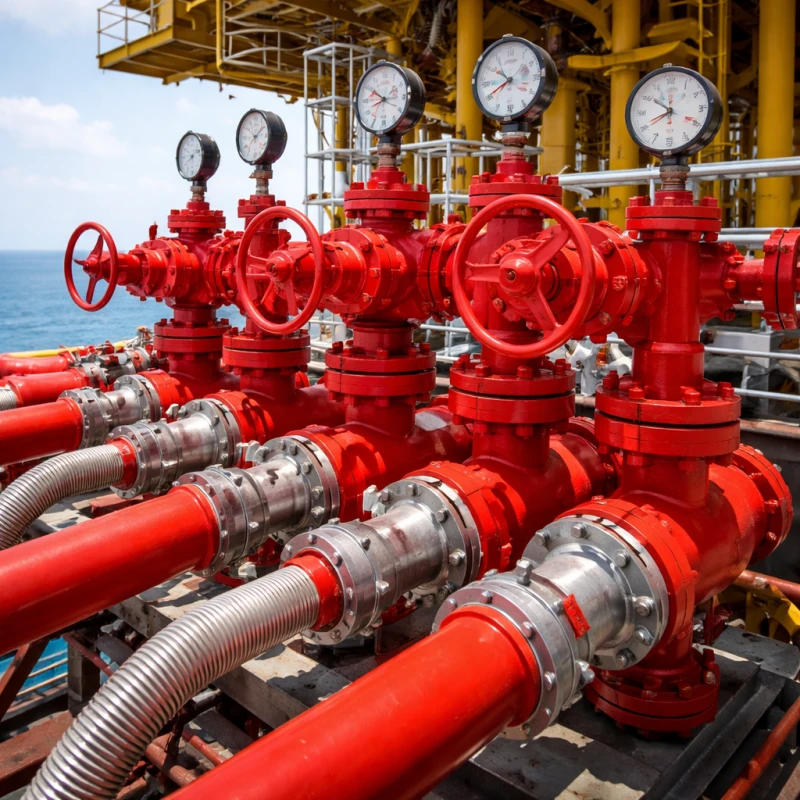
A choke and kill line in oil drilling refers to a specialized high-pressure line that manages well pressure during critical drilling operations. These lines ensure safe fluid control and prevent hazardous blowouts.
So, what is a choke and kill line? It is essential for maintaining control over well pressure during drilling activities. Alienfrac delivers advanced solutions for these demanding applications. Their Choke and Kill Hose supports operators who need reliability and durability when facing extreme well conditions.
Key Takeaways
- Choke and kill lines are essential for managing well pressure during oil drilling, preventing blowouts, and ensuring safety.
- The choke line regulates fluid flow and pressure, while the kill line injects heavy fluids to stabilize the well during emergencies.
- Regular inspections and maintenance of choke and kill lines are crucial for operational safety and preventing equipment failures.
- Using high-quality hoses, like Alienfrac’s Choke and Kill Hose, enhances reliability and performance under extreme conditions.
- Understanding the differences between choke and kill lines helps operators effectively manage well control and respond to emergencies.
What is a Choke and Kill Line?
Choke Line Definition
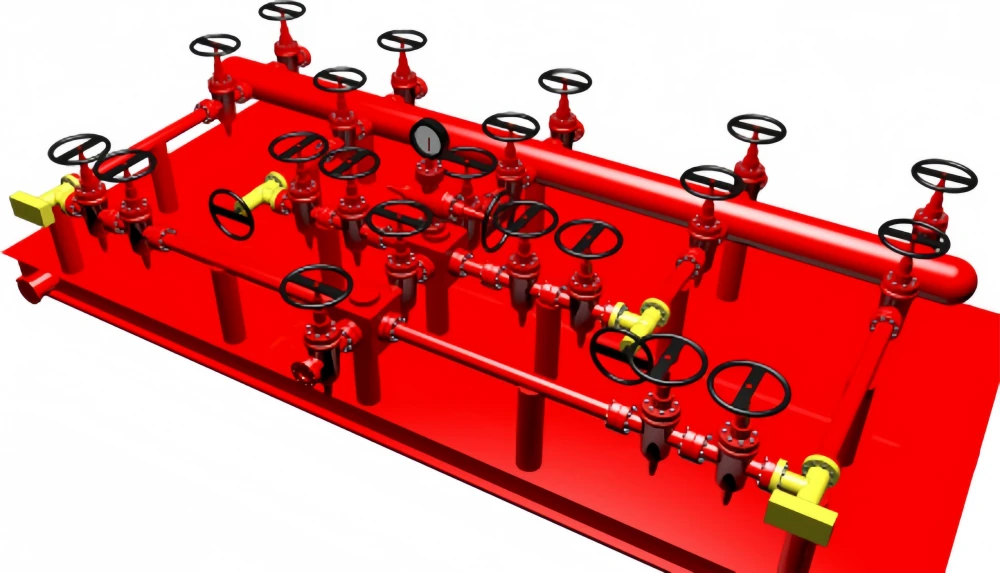
Understanding what a choke and kill line is starts with the choke line. The choke line forms a critical part of the well control system in oil drilling. Operators use the choke line to direct fluids from the wellbore to the choke manifold. This process allows them to regulate well pressure and maintain safe operations.
The choke line helps monitor the pressure inside the wellbore and prevents uncontrolled flow during drilling.
Industry standards define the choke line as a high-pressure conduit that enables fluid circulation with the blowout preventers closed. The choke line runs externally along the riser pipe and connects to the choke manifold.
This setup allows operators to control flow rates and pressure during normal drilling and well control situations.
| Definition | Source |
|---|---|
| High-pressure line that allows fluids to be pumped into or removed from the well with the BOPs closed. | API Specification 16Q |
| External conduits, arranged laterally along the riser pipe, are used to circulate fluids into and out of the wellbore to control well pressure. | API RP 17G |
| External conduit arranged laterally along the riser pipe and used for the circulation of fluids into and out of the wellbore to control well pressure. | ISO 13624-1:2009 |
The choke line typically features robust construction. It includes high-pressure hoses or pipes designed to withstand pressures ranging from 2000 PSI to 20000 PSI.
Operators inspect the choke line regularly for integrity and connections. Inspections occur before operations and follow regulatory schedules. Pressure testing forms a routine part of these inspections.
Kill Line Definition
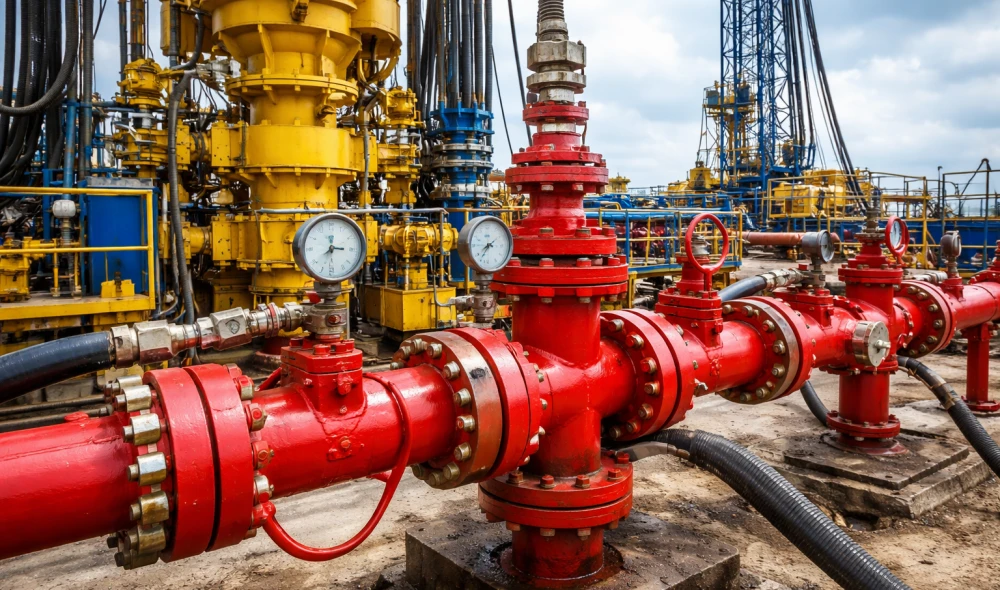
Explaining what a choke and kill line is also involves the kill line. The kill line serves as a high-pressure pathway for injecting heavy fluids into the wellbore. Operators activate the kill line during emergencies to regain control of the well.
The kill line allows pumping of drilling mud or other fluids to suppress kicks and prevent blowouts.
The kill line runs externally along the riser pipe, similar to the choke line. It connects to high-pressure pumps and control systems. The kill line maintains constant pressure at the surface, preventing pressure loss during critical operations. Operators rely on the kill line to halt uncontrolled flow and restore well stability.
| Feature | Choke Line | Kill Line |
|---|---|---|
| Function | Regulates flow rates and pressure during normal operations and well control | Injects heavy fluids to control pressure and suppress kicks in emergencies |
| Application | Used in routine operations to maintain pressure equilibrium | Activated during emergencies to halt uncontrolled flow and regain control |
| Design | Equipped with a choke manifold for pressure regulation | Designed for heavy fluid injection with high-pressure pumps and control systems |
Operators inspect the kill line for integrity and connections. Inspections follow regulatory and operator schedules. Pressure testing ensures the kill line performs reliably during emergencies.
Tip: Both choke and kill lines play a vital role in preventing blowouts. The choke line directs flow to the choke manifold for pressure control. The kill line allows pumping of heavy fluids to regain control of the well.
Understanding what a choke and kill line is helps operators maintain safe and efficient drilling operations. The choke line regulates pressure and flow during routine and well control activities.
The kill line provides a pathway for emergency fluid injection to suppress kicks and prevent hazardous blowouts. Operators depend on these lines to protect personnel, equipment, and the environment.
What is a choke and kill line? It is a system of high-pressure conduits that ensures well control, prevents blowouts, and supports safe drilling operations.
The choke line and kill line work together to manage well pressure, circulate fluids, and respond to emergencies. What is a choke and kill line in oil drilling? It is the foundation of well control and safety.
What is a choke and kill line in modern oilfield operations? It is a combination of advanced hoses and manifolds that withstand extreme pressures and harsh conditions. What is a choke and kill line for drilling contractors? It is a critical tool for maintaining well integrity and operational safety.
What is a choke and kill line for equipment suppliers? It is a high-performance solution that meets industry standards and supports reliable drilling performance.
Functions in Well Control

Pressure Regulation
Choke and kill lines play a vital role in pressure management during drilling. The well control system relies on these lines to keep the wellbore stable and prevent dangerous situations.
The choke line regulates fluid flow and pressure, while the kill line injects heavy fluids to suppress kicks. Both lines connect to the blowout preventer and choke manifold, forming the backbone of the pressure management process.
| Function | Choke Line | Kill Line |
|---|---|---|
| Primary Role | Regulates fluid flow and pressure during drilling | Injects heavy fluids to suppress kicks during emergencies |
| Safety Function | Prevents blowouts and ensures safety | Regains control of the well quickly |
| Connection | Connects the blowout preventer to the choke manifold | N/A |
Alienfrac’s Choke and Kill Hose supports these critical functions. Its robust construction ensures reliable performance under high pressure, making it an essential part of any well control system.
Emergency Response
During an emergency, the well control system depends on the choke and kill lines to restore safety. The choke line releases pressure slowly and safely after the blowout preventer activates.
The kill line allows operators to inject heavy drilling fluid, which helps counteract formation pressure and stabilize the well. These actions prevent blowouts and protect both personnel and equipment.
- Choke and kill lines manage well pressure during emergencies.
- The choke line releases pressure after the blowout preventer is activated.
- The kill line injects heavy fluid to stabilize the well.
- Both systems ensure operational safety and efficiency.
Alienfrac hoses provide the durability and reliability needed for fast, effective emergency response.
Fluid Circulation
Fluid circulation through choke and kill lines maintains well stability. The choke manifold allows operators to adjust fluid flow, which keeps pressure steady and prevents kicks. Smooth, consistent control of the choke is essential for stable wellbore pressure. If pressure management fails, the risk of a blowout increases.
Alienfrac’s Choke and Kill Hose ensures stable fluid movement, supporting the well control system in all drilling conditions. Reliable hoses help operators maintain control, reduce downtime, and enhance safety.
Note: Proper pressure management and emergency response depend on high-quality hoses like those from Alienfrac. These hoses play a key role in every well control system.
Differences Between Choke and Kill Lines
Comparison Table
Operators often compare choke and kill lines to understand their unique roles in well control. The table below highlights the main differences:
| Feature | Choke Line | Kill Line |
|---|---|---|
| Primary Function | Regulates well pressure and fluid flow | Injects heavy fluids to suppress kicks |
| Connection | Links the BOP to the choke manifold | Connects high-pressure pumps to the wellbore |
| Operation | Used during routine and emergency pressure control | Activated mainly during emergencies |
| Equipment | Manual or hydraulic chokes in the manifold | Heavy-duty pumps and valves |
| Fluid Direction | Outflow from the wellbore | Inflow into the wellbore |
Usage Scenarios
Drilling teams rely on choke and kill lines in different situations. Each line serves a specific purpose:
- The choke manifold manages pressure after the blowout preventer seals the well. Operators control fluid flow through manual or hydraulic chokes.
- Kill lines allow pumping heavier mud into the wellbore. This action suppresses formation pressure during a kick.
- During a kick, the blowout preventer prevents pressure from reaching the surface. The choke manifold regulates the release of that pressure, while the kill line delivers fluids to regain control.
Note: Operators must understand the operational differences between choke and kill lines to ensure safe and efficient well control.
Key Features of Kill Line
The kill line stands out for its robust design and critical function in emergencies. Key features include:
- High-pressure capability for injecting heavy drilling mud.
- Durable construction with multiple layers of steel reinforcement.
- Reliable connections to pumps and well control equipment.
- Essential role in suppressing kicks and preventing blowouts.
- Compatibility with advanced hoses like Alienfrac’s Choke and Kill Hose, which ensures stable fluid delivery and operational safety.
The choke and kill line system forms the backbone of well control. Operators depend on these lines to manage pressure, circulate fluids, and respond quickly during emergencies.
Design & Quality of Choke and Kill Lines
Materials & Construction
Engineers select materials for choke and kill hose based on durability and performance. Manufacturers use abrasion-resistant synthetic rubber for the inner tube. This material resists harsh drilling fluids and chemicals. High-tensile steel wire or steel cable forms the reinforcement layers.
These layers provide strength and maintain hose integrity under extreme pressure. The outer cover uses weather-resistant rubber. This cover protects the choke and kill hose from oil, sunlight, and abrasion.
Quality construction ensures the choke and kill hose withstands demanding oilfield conditions. Precision crimping creates strong mechanical connections at the hose ends. Heavy-duty fittings prevent leaks and maintain stable sealing.
Advanced weaving and winding equipment produce a consistent hose structure. Engineers test each choke and kill hose for pressure resistance and flexibility.
Note: Reliable materials and construction help operators reduce downtime and improve safety during drilling operations.
Alienfrac Choke and Kill Hose Features
Alienfrac designs the choke and kill hose for high-pressure drilling environments. The hose meets API 16C standards and holds certifications from DNV MED, CCS, and ABS. Alienfrac uses advanced German and American manufacturing equipment. This technology ensures consistent quality and performance.
Key features of Alienfrac choke and kill hose include:
- Wear-resistant inner tube for long service life.
- Multiple layers of high-tensile steel reinforcement.
- Durable outer cover for outdoor and oilfield conditions.
- Pressure ratings of 5,000 psi, 10,000 psi, and 15,000 psi.
- Available in armored and unarmored versions.
- Built-in and crimped options for flexible installation.
Alienfrac choke and kill hose connects mud pumps, choke manifolds, and BOP systems. The hose supports stable fluid circulation and protects critical equipment. Operators rely on Alienfrac choke and kill hose for safe and efficient well control.
| Specification | Alienfrac Choke and Kill Hose |
|---|---|
| Pressure Ratings | 5,000 / 10,000 / 15,000 psi |
| Reinforcement | High-tensile steel wire/cable |
| Certifications | API 16C, DNV MED, CCS, ABS |
| Construction | Armored / Unarmored |
| End Fittings | Heavy-duty, precision crimped |
Alienfrac demonstrates commitment to quality and reliability. The choke and kill hose reduces maintenance costs and enhances operational safety.
Maintenance & Safety in Well Control
Inspection & Testing
Routine inspection and testing form the foundation of operational safety in oil drilling. Operators check hoses for wear, leaks, and pressure integrity. Alienfrac hoses feature wear-resistant inner tubes and high-tensile steel reinforcement. These qualities support reliable performance during high-pressure operations.
Compliance with API 16C and API 6A standards ensures that Alienfrac hoses meet strict safety requirements. Regular inspections help prevent equipment failure and maintain operational safety.
Preventive Measures
Proactive maintenance reduces risks and improves operational safety. Operators follow a schedule for hose replacement and pressure testing. Alienfrac hoses support preventive maintenance by offering durability and consistent performance.
The company recommends regular inspections and adherence to industry standards. These measures help reduce repair costs and minimize downtime.
- Regular inspections prevent unexpected failures.
- Compliance with industry standards mitigates risks.
- Proactive maintenance lowers repair costs and downtime.
The table below compares reactive and preventive maintenance approaches:
| Metric | Reactive Maintenance (Break-Fix) | Preventative Maintenance (Proactive) |
|---|---|---|
| Repair Costs | High, unpredictable, includes emergency fees | Reduced by 31-50%; predictable budget |
| Overall Cost | Higher long-term cost due to major failures | 8-12% lower overall cost than reactive |
Alienfrac hoses support a proactive maintenance strategy, which leads to improved operational safety and cost savings.
Impact on Drilling Safety
Maintenance and safety practices directly affect drilling safety. Alienfrac’s commitment to quality and routine maintenance helps operators avoid major failures. Reliable hoses reduce downtime and protect personnel and equipment.
Operators achieve higher operational safety by using hoses that comply with industry standards and withstand harsh conditions. Alienfrac hoses enhance operational safety and support efficient well control.
Operators who prioritize maintenance and safety benefit from reduced risks and improved operational safety in oil drilling.
Conclusion
Choke and kill lines remain essential for well control in oil drilling. Operators depend on these lines to manage pressure and prevent blowouts. Alienfrac’s Choke and Kill Hose delivers unmatched durability and safety, even in extreme conditions.
- Certified hoses provide resistance to high temperatures and pressure, reducing maintenance and downtime.
- Proper maintenance, including adherence to API and NACE standards, extends hose lifespan and reliability.
- Alienfrac hoses ensure seamless fluid transfer and support improved safety records.
Selecting high-quality, certified hoses and following strict maintenance schedules helps operators achieve safe, efficient drilling operations.
FAQ
What are choke and kill lines in oil drilling?
Choke and kill lines form a vital part of well control on an oil rig. These high-pressure lines allow operators to manage pressure, circulate fluids, and suppress kicks during drilling operations. They connect to the blowout preventer and ensure safety assurance in oil and gas drilling.
How does a kill line function during drilling operations?
A kill line delivers heavy drilling fluids into the wellbore. This action helps control pressure and suppress kicks. Operators use the kill line to regain control during emergency scenarios. The system works with the blowout preventer and supports safety assurance on the oil rig.
Why is pressure control important for oil and gas drilling?
Pressure control prevents blowouts and maintains well stability. Choke and kill lines regulate pressure during drilling operations. The system protects equipment, personnel, and the environment. Proper control ensures safety assurance and efficient oil production on every oil rig.
What role does the choke line play in suppressing kicks?
The choke line regulates fluid flow from the wellbore to the choke manifold. This process helps control pressure and suppress kicks. Operators rely on the choke line to maintain stability during drilling operations and prevent blowouts on the oil rig.
How do choke and kill lines contribute to safety assurance?
Choke and kill lines provide safety assurance by managing pressure and controlling fluid movement. The system works with the blowout preventer and BOP to suppress kicks and prevent blowouts. Reliable choke and kill lines support safe oil and gas drilling operations on every oil rig.