
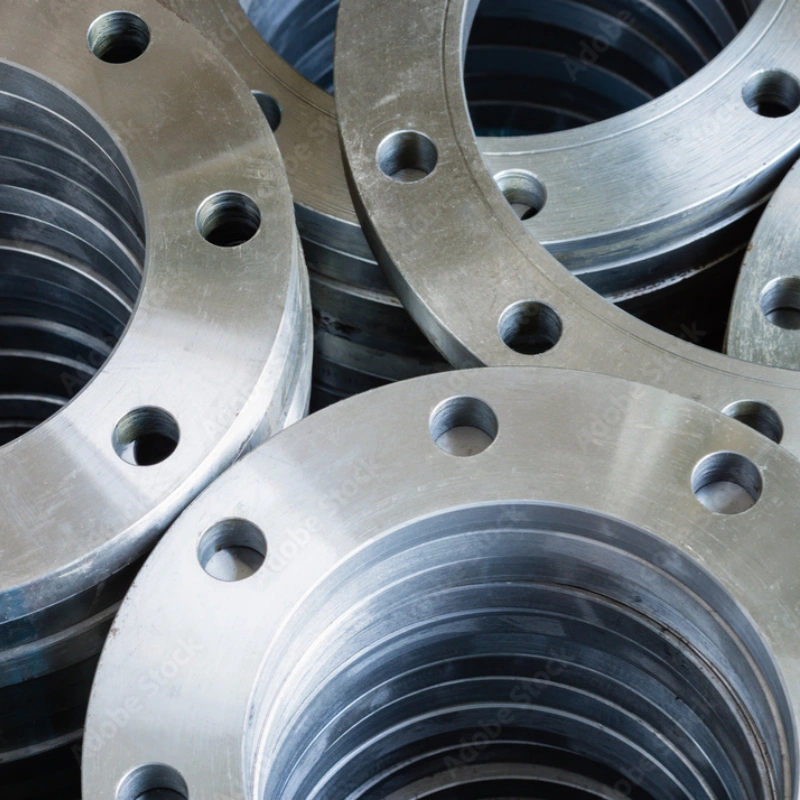
Engineers often ask what the purpose of a flange is in a piping system. A flange creates a strong connection between pipes, valves, or equipment. This component allows technicians to assemble, seal, and maintain pipelines safely, especially in high-pressure industries.
Reliable, leak-proof joints protect operations and the environment. Alienfrac and its API Flanges provide industry-standard solutions trusted by oil, gas, and power professionals for secure performance.
Key Takeaways
- Flanges create secure, leak-proof connections in piping systems, ensuring safe transport of fluids and gases.
- Proper flange selection is crucial; consider factors like pressure, temperature, and material compatibility to prevent failures.
- Regular maintenance and inspection of flanges helps extend their lifespan and ensure compliance with industry standards.
- Different flange types, such as weld neck and threaded, serve specific applications and environments, enhancing system flexibility.
- Alienfrac API flanges meet strict industry standards, providing reliable performance in high-pressure and demanding conditions.
What is the Purpose of a Flange in Piping Systems?
Flange Function and Operation
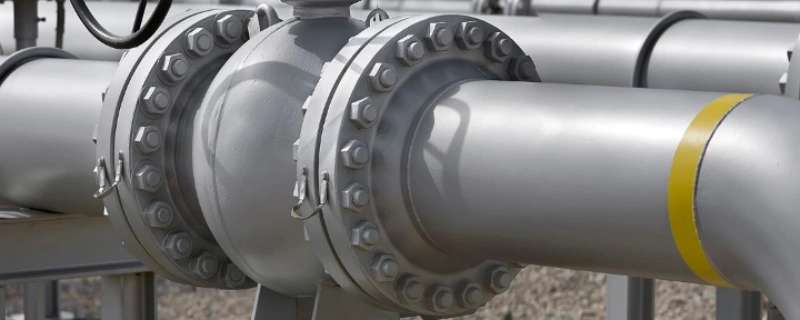
Understanding what is the purpose of a flange begins with its role in creating secure connections within oil, gas, and industrial piping systems. Pipe flanges serve as the protruding rim that allows pipes, valves, and equipment to connect. They enhance the strength of the joint and provide a tight seal to prevent leaks.
Pipe flanges enable easy disassembly for inspection and maintenance, supporting system flexibility for expansion and modification.
Engineers rely on pipe flanges to maintain the integrity of pipeline systems, especially in high-pressure environments. Metal flanges, constructed from durable materials like steel, ensure secure joints between pipeline segments and other equipment.
The design and material of pipe flanges, such as weld neck flanges, allow them to withstand extreme conditions. This reliability is vital in oil and gas systems, where even minor leaks can lead to safety hazards.
Alienfrac manufactures API Flanges that meet industry standards for high-pressure applications. These flanges provide mechanical connections that prevent leaks and support safe operations. The use of bolts to fasten components, along with a gasket in between, is crucial for preventing leaks.
Different flange types, including threaded, welding neck, and blind, employ distinct connection methods to maintain structural integrity under varying pressure and temperature conditions.
Pipe flanges hold pipe sections firmly in place, distributing load evenly across joints to reduce stress. Workers can unbolt sections for checks without cutting pipes, which supports regular maintenance and lowers failure risks. Quality pipe flanges are essential for preventing leaks, especially when transporting harmful fluids.
Note: Specialized industrial flanges are crucial in the oil and gas industry. They ensure joints are safe and leak-proof in harsh conditions, maintaining the integrity of pipeline systems and processing plants.
Pipe Flange Sealing and Maintenance
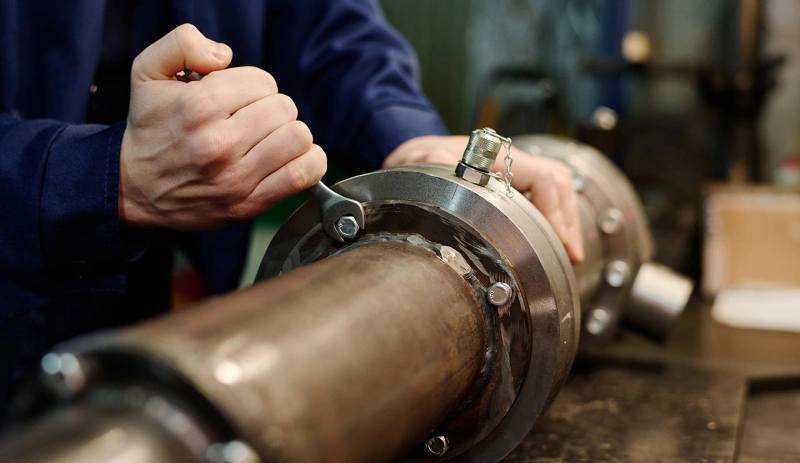
Pipe flange sealing mechanisms play a critical role in preventing leaks at flange joints in industrial pipelines. The most effective methods include O-rings and gaskets, which create a seal by compressing between flange faces.
Smooth, finely finished surfaces ensure even seating of seals, while correct torque application is crucial. Under-tightening leads to leaks, and over-tightening can damage seals. Even distribution of clamping forces avoids weak spots that can lead to leaks.
| Sealing Mechanism | Description |
|---|---|
| O-Rings and Gaskets | Create a seal by compressing between flange faces, preventing fluid escape. |
| Surface Finishes | Smooth, finely finished surfaces ensure even seating of seals, preventing leaks. |
| Bolt Tension | Correct torque application is crucial; under-tightening leads to leaks, while over-tightening can damage seals. |
| Clamping Force | Even distribution of clamping forces is essential to avoid weak spots that can lead to leaks. |
Proper maintenance practices ensure the longevity and performance of pipe flanges in high-pressure environments. These practices include proper alignment of flange faces, correct bolt tightening sequences and torque values, and the use of appropriate gaskets and materials.
Routine inspection and integrity monitoring help organizations meet regulatory standards and extend the life of equipment. Timely replacement of worn gaskets and selection of suitable flange materials based on environmental conditions are also essential.
Pipe flange management is essential for preventing leaks and ensuring safety compliance. Detailed documentation and integrity monitoring support regulatory standards and extend equipment life. Industry regulations, such as API and ASME standards, define requirements for flange performance and safety.
These standards specify design criteria, manufacturing processes, testing protocols, and quality assurance measures to ensure compatibility, reliability, and safe operation.
Flange Types and Applications
Weld Neck Flange
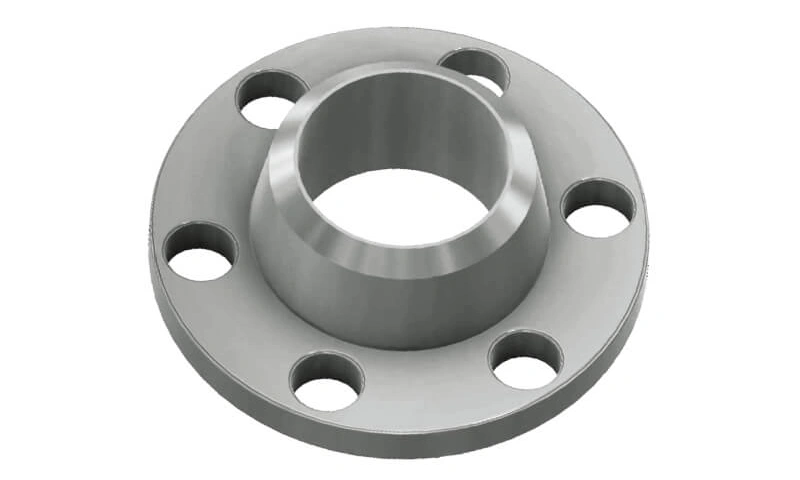
Weld neck flanges rank among the most common types of flanges in industrial piping. Their tapered hub design distributes stress evenly, minimizing concentration at the weld. This feature makes them ideal for high-pressure and high-temperature environments.
Engineers prefer weld neck flange types for oilfield and chemical applications because the butt-welding process creates a seamless joint. The gradual transition from the flange ring to the pipe enhances connection strength and reduces fatigue risk.
Weld neck flanges dominate the market, generating significant revenue and offering extended maintenance intervals due to their durability.
Weld neck flanges withstand extreme conditions and maintain reliability in fluctuating temperatures and corrosive environments.
Threaded Flange
Threaded flange types connect directly to pipes without welding. This method suits moderate to high-pressure systems, especially in small-diameter piping. Threaded flanges excel in hazardous environments, avoiding welding risks when handling flammable or toxic media.
They also support temporary or removable connections, making them valuable for setups requiring frequent maintenance.
| Scenario | Description |
|---|---|
| High-Pressure Systems | Suitable for moderate to high-pressure applications in small-diameter piping |
| Hazardous Environments | Ideal for flammable or hazardous media, avoiding welding risks |
| Temporary Connections | Used in setups needing frequent disassembly or maintenance |
| Industries | Oil and gas, chemical processing, water treatment, HVAC, residential plumbing |
Blind Flange
Blind flange types seal off the ends of pipelines, preventing fluid or gas escape. These flanges facilitate pressure testing and allow safe stopping of flow for adding new pipes or lines.
Maintenance teams can unbolt blind flanges for quick inspections and repairs, avoiding the need to cut into the pipeline. Their reliable sealing ensures safety in high-pressure environments and reduces leak risks.
- Blind flanges enable safe maintenance operations.
- They allow for easy removal and reinstallation.
- Pressure tests become more cost-efficient with blind flanges.
- They help prevent wasted fluid during shutdowns.
API Flanges by Alienfrac
API flanges from Alienfrac represent advanced solutions for high-pressure oilfield and industrial applications. These flange types meet strict industry standards, including API 6A and ASME B16.5, ensuring safety and compliance.
Alienfrac manufactures API flanges using carbon steel, stainless steel, and alloy materials, which account for a large share of the global market. Their precise machining and robust design deliver secure, leak-proof connections that withstand pressures up to 20,000 psi.
Alienfrac’s API flanges support efficient maintenance, reduce downtime, and enhance operational safety in demanding environments.
Application requirements such as pressure, temperature, and fluid compatibility guide the selection of flange types. Choosing the right flange prevents failures and ensures long-term reliability.
Flange Benefits and Industry Value
Secure Connections and Leak Prevention
A flange delivers several essential benefits in industrial piping systems. The most important advantage is its ability to create a secure connection between pipes, valves, and equipment. This feature prevents leaks and ensures the safe transport of fluids or gases, even under high pressure.
The following table highlights the main benefits of using a pipe flange in these environments:
| Benefit | Description |
|---|---|
| Secure Connection | Provides a reliable connection between pipes, valves, and other equipment. |
| Quick Disassembly | Allows for easy access for installation or modification. |
| Increased Strength | Enhances the strength at the joint, crucial for preventing leaks. |
Pipe flanges also comply with strict industry standards, such as API and ASME, which guarantee durability and safety. These standards help companies maintain operational integrity and meet regulatory requirements.
Easy Assembly and Disassembly
Pipe flanges simplify the assembly and disassembly of pipeline sections. Maintenance teams can remove bolts and gaskets to access the system quickly. This process reduces downtime and eliminates the need for cutting or welding.
Welded joints, by contrast, require more time and specialized equipment for repairs. Pipe flanges offer flexibility and make routine inspections more efficient.
- Flanges enable quick disassembly by simply removing bolts and gaskets.
- Welded joints require cutting and re-welding, which complicates maintenance and access.
- Flanges provide flexibility and ease of access, while welded joints are less accessible.
This ease of use supports regular maintenance and helps prevent unexpected failures.
Alienfrac API Flanges Advantages
Alienfrac API flanges stand out in the oilfield and industrial markets. These products meet rigorous API standards and deliver consistent quality. The advanced manufacturing process ensures each flange provides a leak-proof, secure connection.
Alienfrac uses high-grade materials, such as carbon steel and stainless steel, to withstand extreme pressures and temperatures. Customers benefit from reduced maintenance costs, improved safety, and reliable performance in demanding environments.
Alienfrac API flanges help companies achieve long-term value and operational excellence.
Flanges in Oilfield and Industrial Applications
Oil and Gas Systems
Oil and gas systems rely on flanges to connect pipes, valves, and equipment safely. These connections must handle high pressures and harsh chemicals. Flange leaks often occur in these environments, creating safety hazards and causing downtime.
Operators face challenges such as damage from wear and tear, thermal shock, and bolt issues. Regular inspection and proper installation help prevent failures.
- Flanges provide safety and flexibility for joining different parts of a piping system.
- They allow for easy removal of pipeline sections, which reduces downtime during maintenance.
- Flanges link pipes and equipment but can suffer damage, leading to operational delays and increased costs.
The global market for flanges in oilfield and industrial applications continues to grow. The following table shows the estimated market size:
| Year | Market Size (USD) | Growth Forecast (CAGR) |
|---|---|---|
| 2025 | 5.83 billion | |
| 2026 | 6.11 billion | |
| 2035 | 9.86 billion | 5.4% |
Power and Chemical Industries
Power plants and chemical facilities use flanges to ensure safe and efficient pipeline operations. These industries transport hazardous materials, so worker and environmental safety remain top priorities. Proper flange management prevents leaks, spills, and even explosions. The table below highlights key benefits:
| Benefit | Description |
|---|---|
| Sealing and Leakage Prevention | Flanges ensure a tight seal between connected components, minimizing the risk of leaks. |
| Strength and Stability | They provide structural integrity, enhancing stability in high-pressure or high-temperature applications. |
| Easy Installation and Maintenance | Flanges facilitate quick access to components, reducing downtime during repairs or replacements. |
Flanges also enhance operational efficiency by allowing for quick installation and maintenance. This access minimizes downtime and keeps pipeline systems running smoothly.
Alienfrac Solutions for High-Pressure Pipelines
Alienfrac offers advanced solutions for high-pressure pipeline applications. Their frac hoses feature ultra-high molecular weight polyethylene lining, which provides over 30% better wear resistance than traditional materials.
These hoses use lining materials that resist chemicals and high temperatures, ensuring durability in extreme conditions. Alienfrac designs its products to withstand pressures up to 20,000 PSI, making them suitable for intense fracturing operations.
Alienfrac hoses use lightweight construction with high-strength steel wire winding. This design improves operational efficiency without sacrificing pressure resistance. The company meets industry standards, including API 7K certification and 100% water pressure testing.
Additional features include anti-fatigue connectors and intelligent wear indicators, which help prevent failures and monitor hose life in real time.
Alienfrac’s commitment to innovation and quality ensures reliable performance in the world’s most demanding oilfield and industrial environments.
Conclusion
A flange creates secure, leak-proof connections in industrial piping systems. Selecting the right pipe flange ensures safety and efficiency. Key factors include:
- Understanding flange types for specific applications.
- Choosing materials that resist corrosion.
- Matching flange dimensions to pipe size.
- Ensuring compliance with industry standards.
- Prioritizing proper installation and maintenance.
Alienfrac and its API Flanges deliver reliable performance in demanding environments. Their products help operators maintain system integrity and meet industry requirements with confidence.
FAQ
What is the main function of a pipe flange?
A pipe flange connects pipes, valves, or equipment. It creates a secure, leak-proof joint. This connection allows for easy assembly, disassembly, and maintenance in industrial piping systems.
How do engineers select the right flange type?
Engineers consider pressure, temperature, and fluid type. They also check material compatibility and industry standards. Proper selection ensures safety and long-term performance.
Why do oil and gas companies use API flanges?
API flanges meet strict standards for high-pressure and high-temperature environments. They provide reliable, leak-free connections. Companies trust API flanges for safety and compliance.
What makes Alienfrac API flanges stand out?
Alienfrac API flanges use high-quality materials and precise machining. They withstand extreme conditions and offer consistent performance. These flanges help reduce maintenance costs and improve operational safety.