API Flanges Manufacturer for High-Pressure Oilfield Connections
AlienFrac manufactures API flanges for wellhead, Christmas tree, BOP, choke manifold, frac equipment and other high-pressure oilfield systems. We supply API 6A Type 6B and Type 6BX flanges, including weld neck, blind, threaded, adapter and custom machined designs for 2,000 to 20,000 psi service. Send your bore size, pressure rating, material class and drawing to receive a fast technical quotation.
What Are API Flanges?
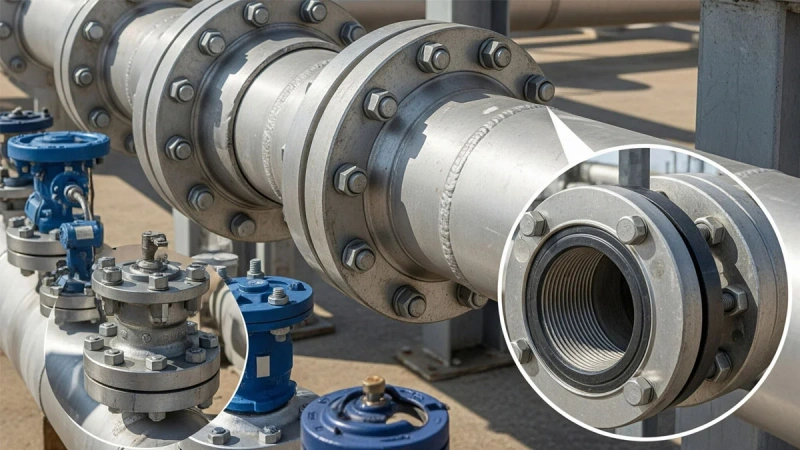
API flanges are pressure-containing connectors used where ordinary industrial flanges are not enough. In upstream oil and gas systems, the flange must maintain a reliable seal under high pressure, temperature variation, vibration, sour gas exposure and frequent equipment make-up. API 6A flanges are commonly used on wellhead and tree equipment, pressure control systems, high-pressure manifolds and drilling or production equipment where dimensional interchangeability and strict inspection are required.
Types of API Flanges
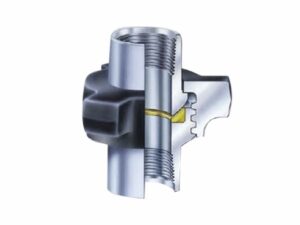
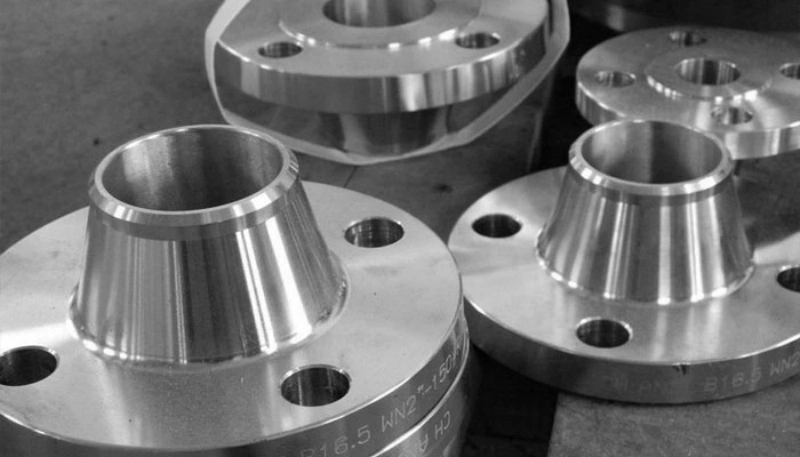
Weld Neck Flanges
Threaded Flanges
Blind Flanges
API Flange Types We Manufacture
Our API flange range covers API 6A Type 6B flanges for 2K, 3K and 5K pressure service, and API 6A Type 6BX flanges for high-pressure 10K, 15K and 20K applications. Available configurations include weld neck flanges for permanent pipeline connections, blind flanges for pressure isolation, threaded flanges for compact connections, test flanges, adapter flanges and custom flanges manufactured according to customer drawings.
API 605 Flanges
API 6B Flange
API 6BX Flange
API 150 Flange
API 16A Flange
API 17D Flange
API 650 Flange
API Flange Dimensions
| Specification Item | |
|---|---|
| Standard | API Spec 6A / ISO 10423 for wellhead and tree equipment; other standards can be quoted when required. |
| Flange Family | API 6A Type 6B, API 6A Type 6BX, weld neck, blind, threaded, test, adapter and custom machined flanges. |
| Pressure Ratings | Common working pressure ratings include 2,000, 3,000, 5,000, 10,000, 15,000 and 20,000 psi, subject to design and material. |
| Common Bore Sizes | Common API 6A nominal bores include 1-13/16”, 2-1/16”, 2-9/16”, 3-1/16”, 4-1/16”, 5-1/8”, 7-1/16”, 9”, 11”, 13-5/8” and larger project sizes. |
| Materials | AISI 4130/4140 alloy steel, carbon steel, stainless steel, duplex/super duplex, Inconel or project-specified materials. |
| Face / Seal | RTJ sealing with R, RX or BX ring gaskets according to flange type and pressure class. |
| Inspection | Dimensional inspection, material test report, hardness check, UT, MPI and hydrostatic test when required by order. |
| Documents | MTR, inspection report, packing list, certificate package and optional drawing confirmation before production. |
Material Options and Manufacturing Quality
AlienFrac can position the product around forged alloy steel and project-specific material selection. Common material options include AISI 4130 or 4140 alloy steel, carbon steel, stainless steel, duplex or nickel alloy options, heat treatment, hardness control, sour service compatibility, dimensional inspection and traceable material test reports. The page should avoid generic claims and state that final material selection depends on pressure, temperature, medium and project specification.
Applications of API Flanges
Wellhead Assemblies
Christmas Tree Equipment
BOP Systems
Choke and Kill Manifolds
Frac Manifolds
High-Pressure Pipelines
AlienFrac : API Flange Manufacturer
AlienFrac, founded in 2008, boasts a formidable production capacity and focuses on R&D and production of api flanges.
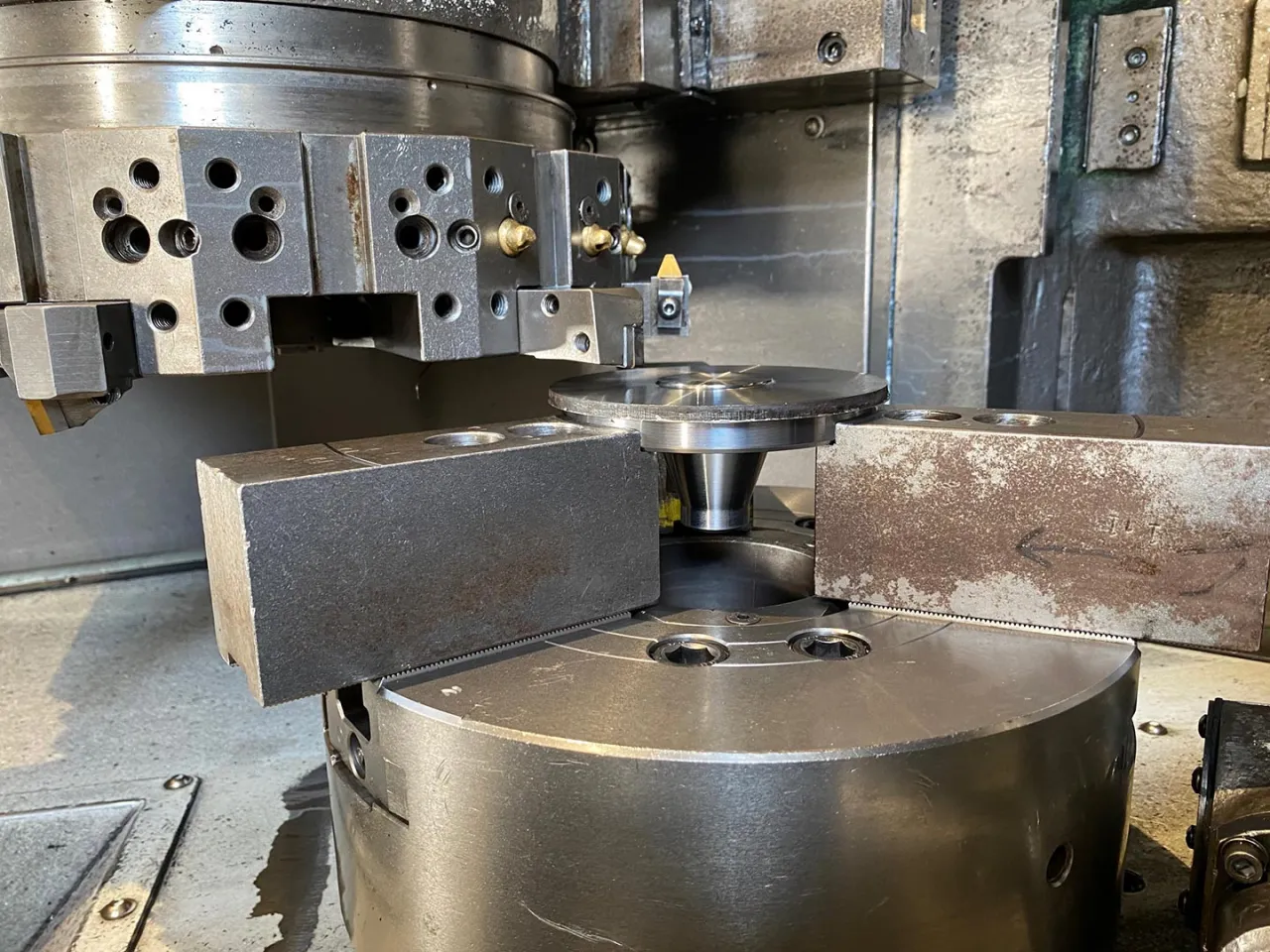
With years of hands-on manufacturing experience, we produce reliable API flanges for demanding oil and gas systems. Our team manages material selection, forging, machining, and inspection in-house. Modern equipment and strict quality control ensure precise dimensions, strong sealing performance, and dependable flange connections.
Why Choose AlienFrac for API Flanges?
Choose AlienFrac when you need a flange supplier who understands high-pressure oilfield connections, not just general pipe fittings. Our team can support product selection, drawing confirmation, machining, inspection and export packing for API flange orders.
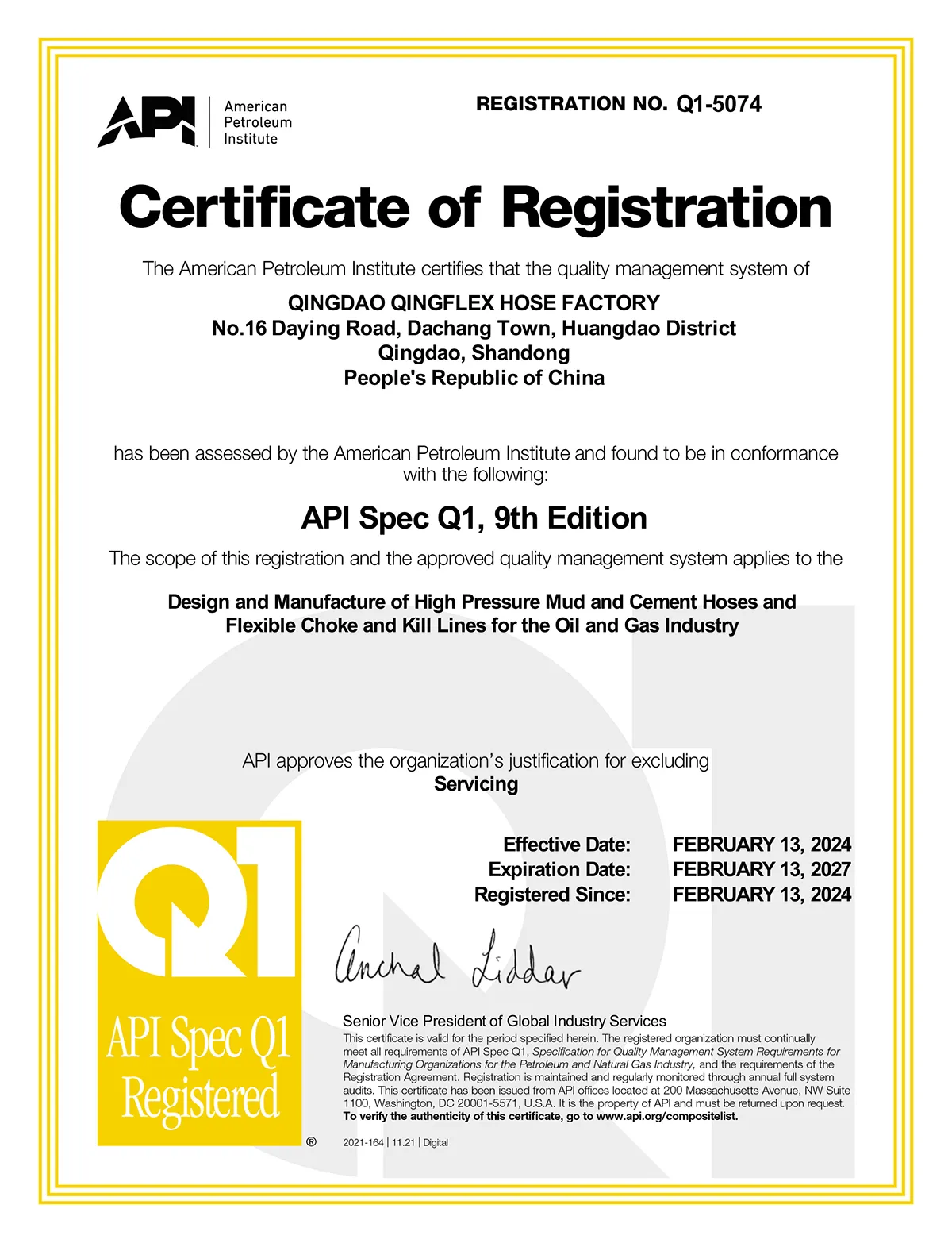
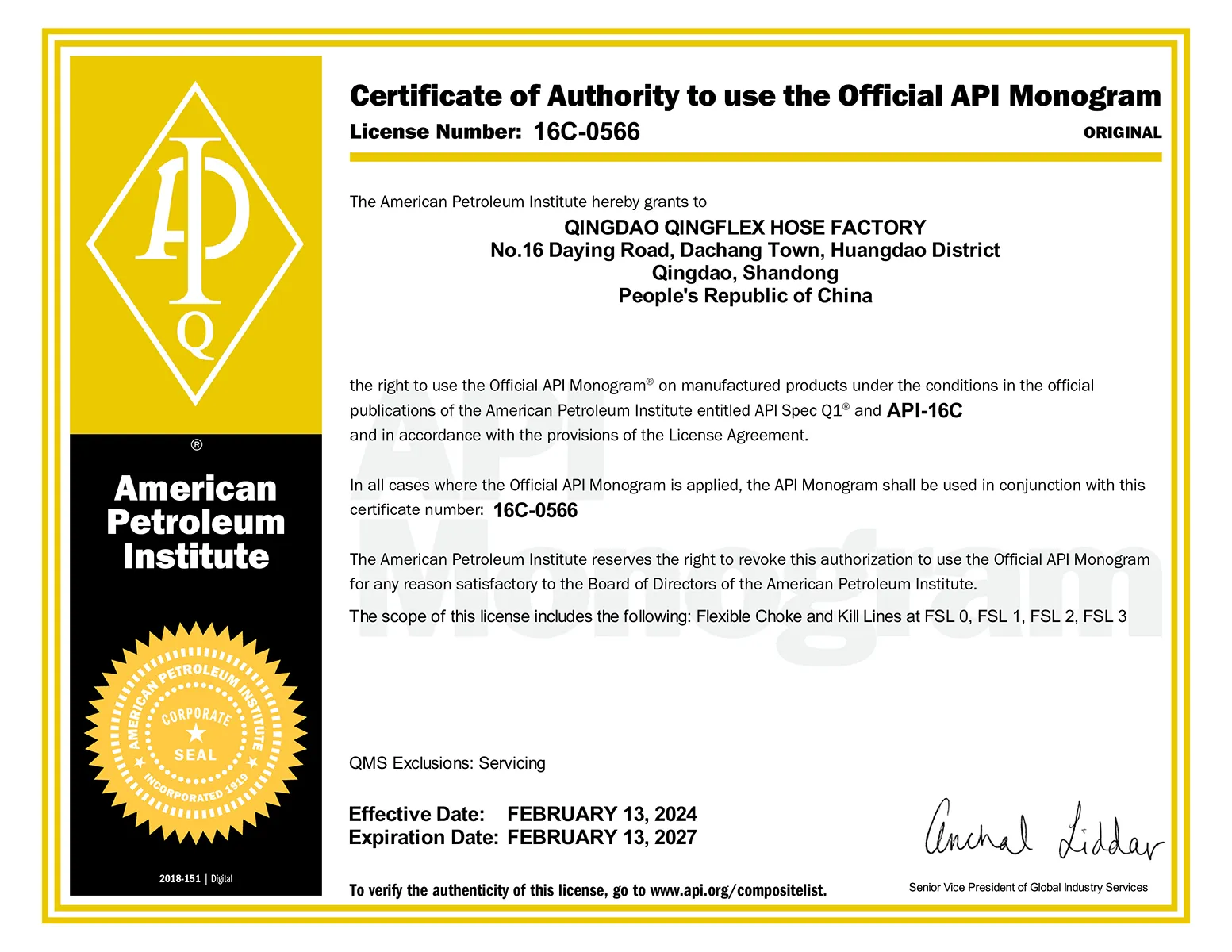
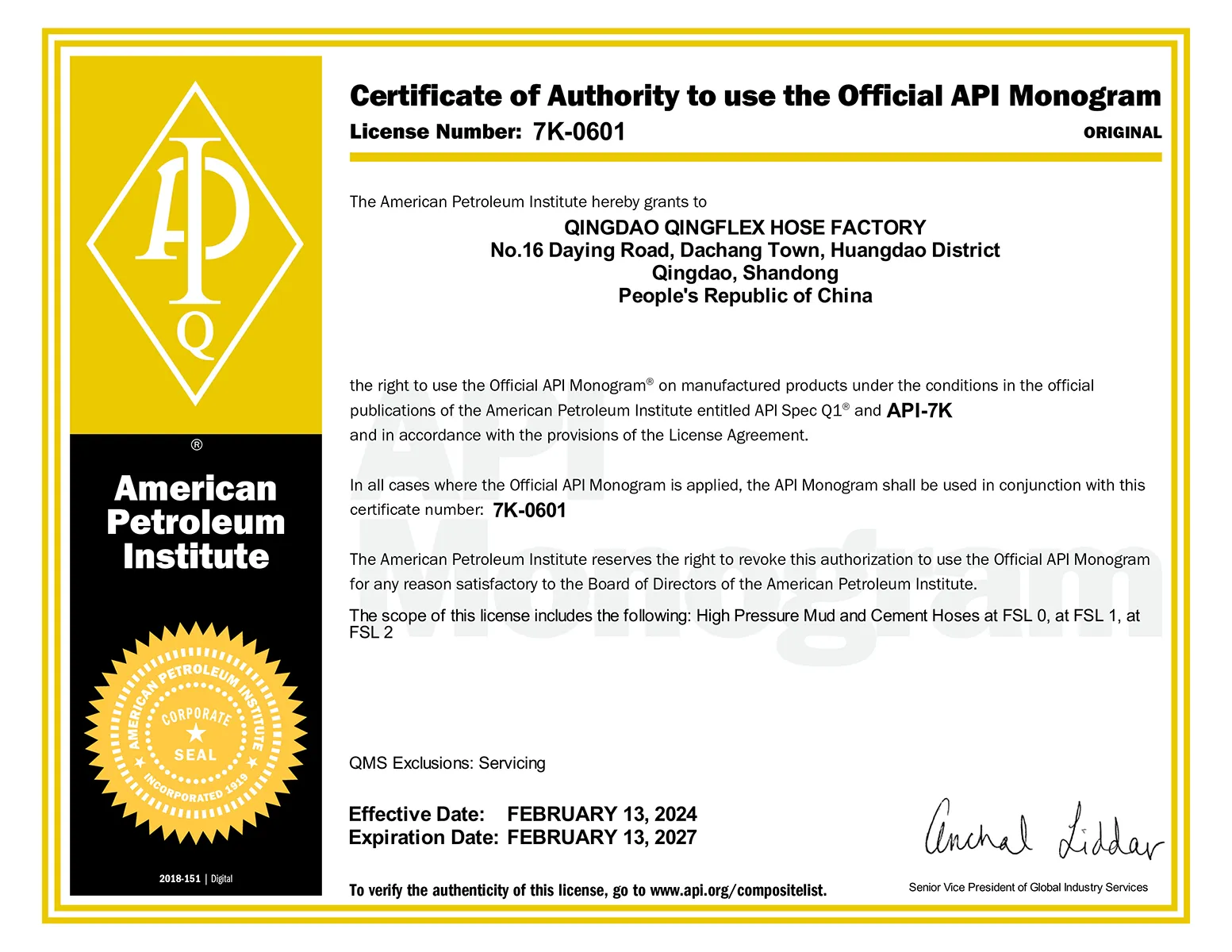
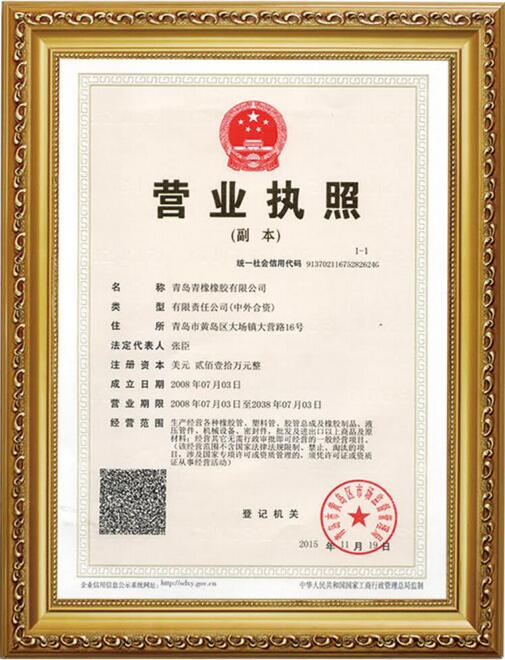
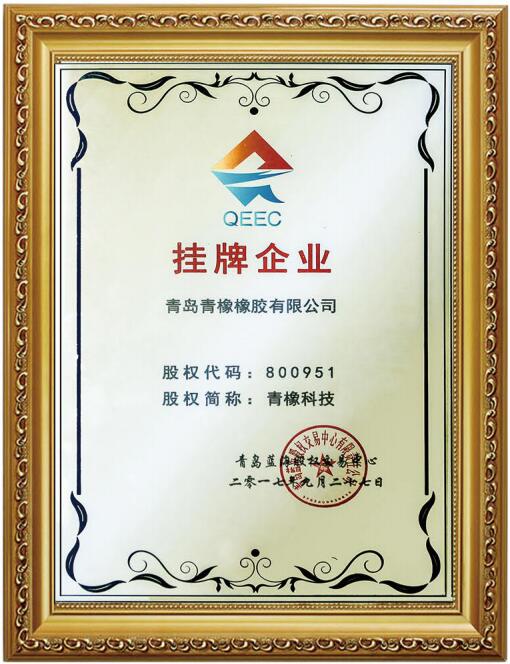
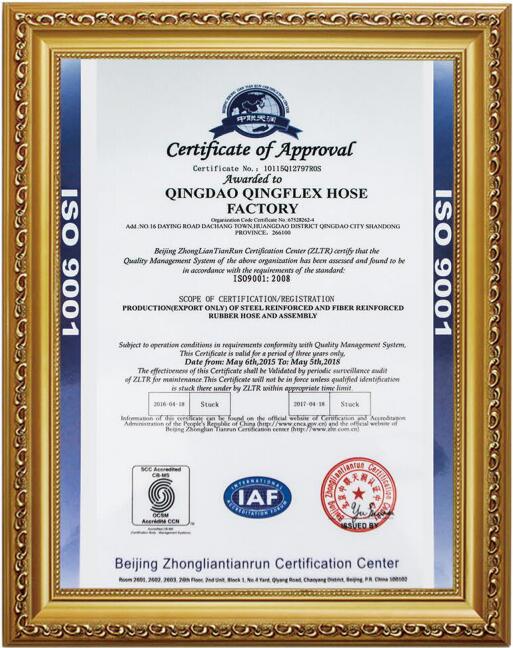
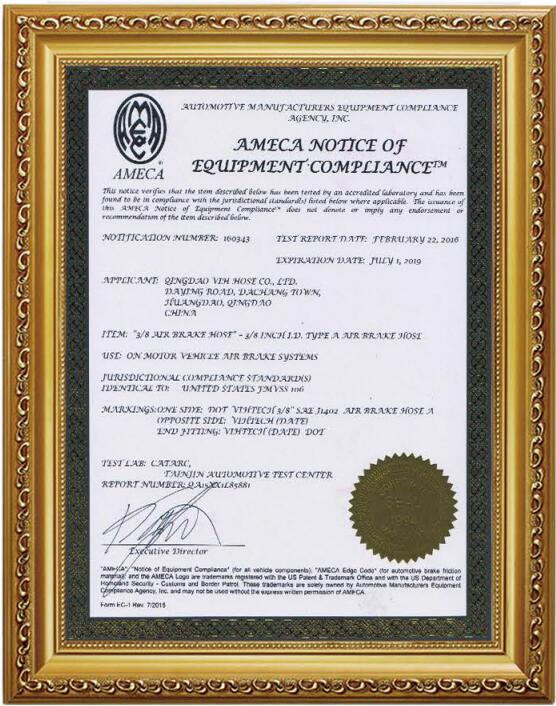
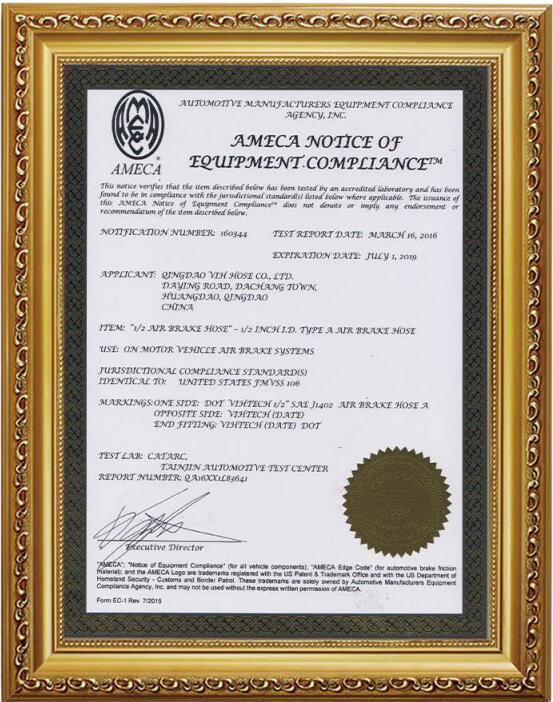
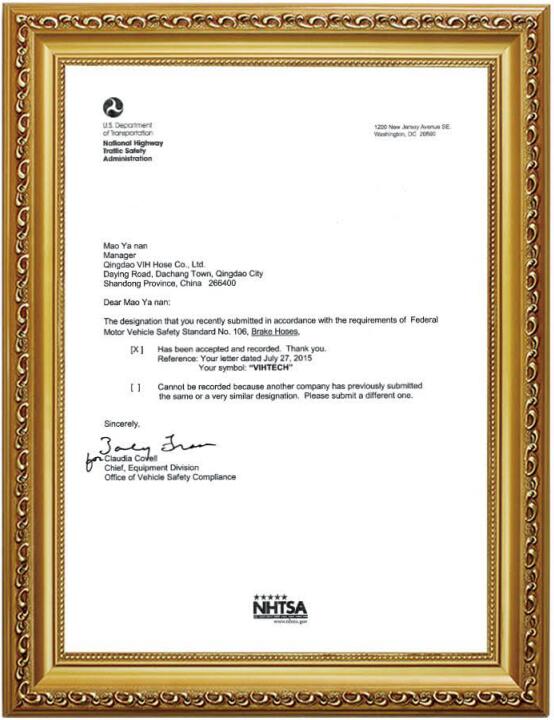
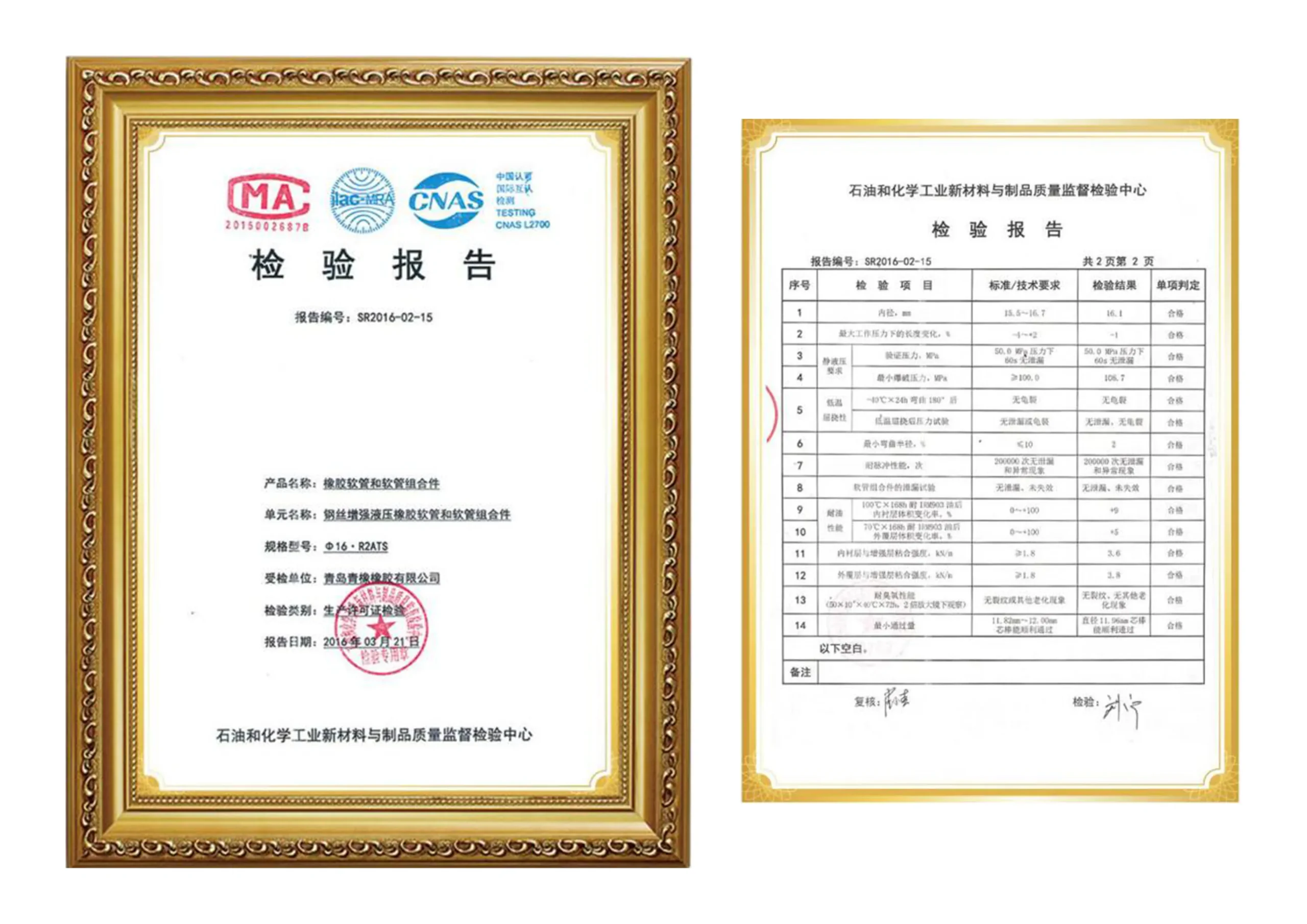
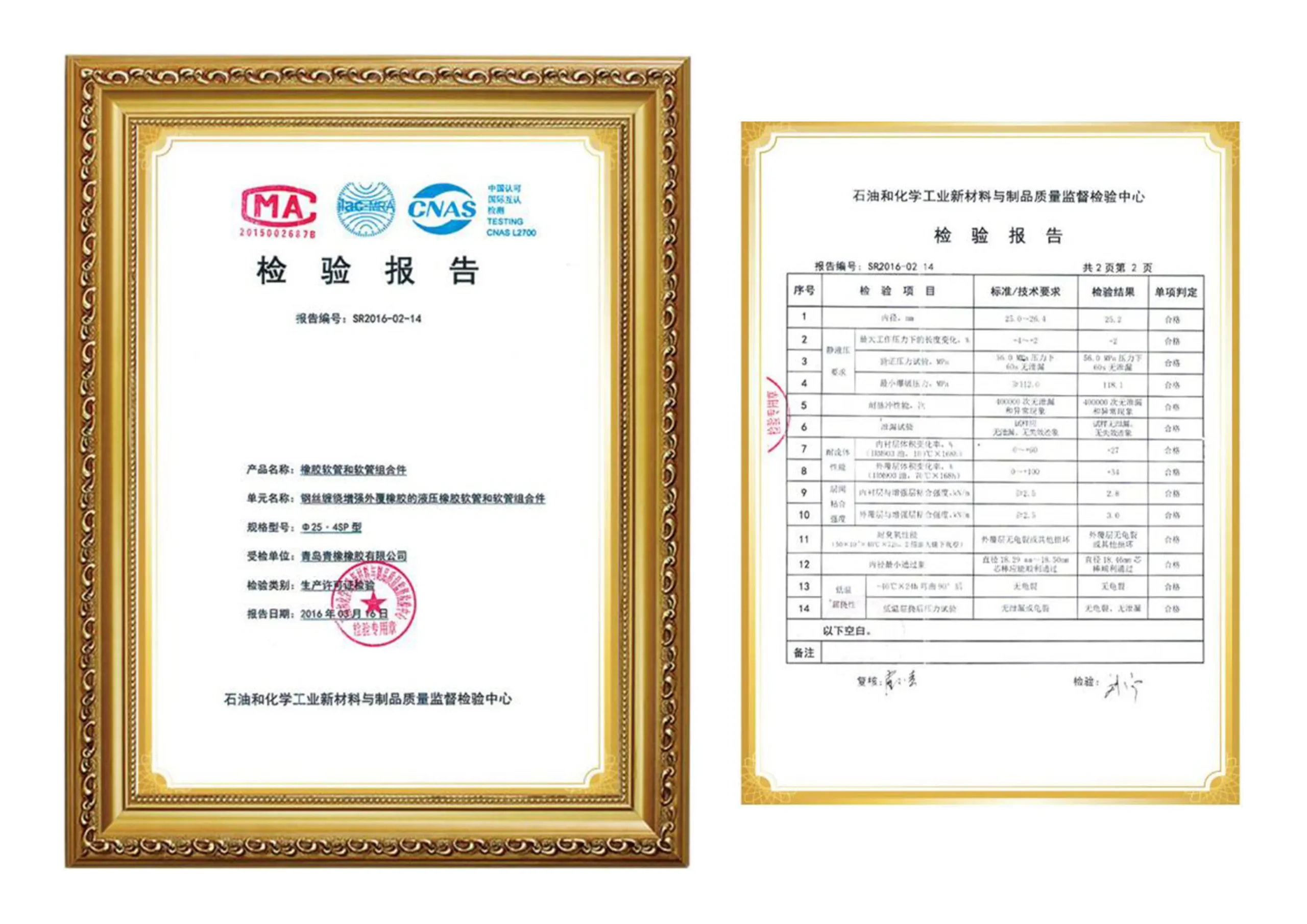
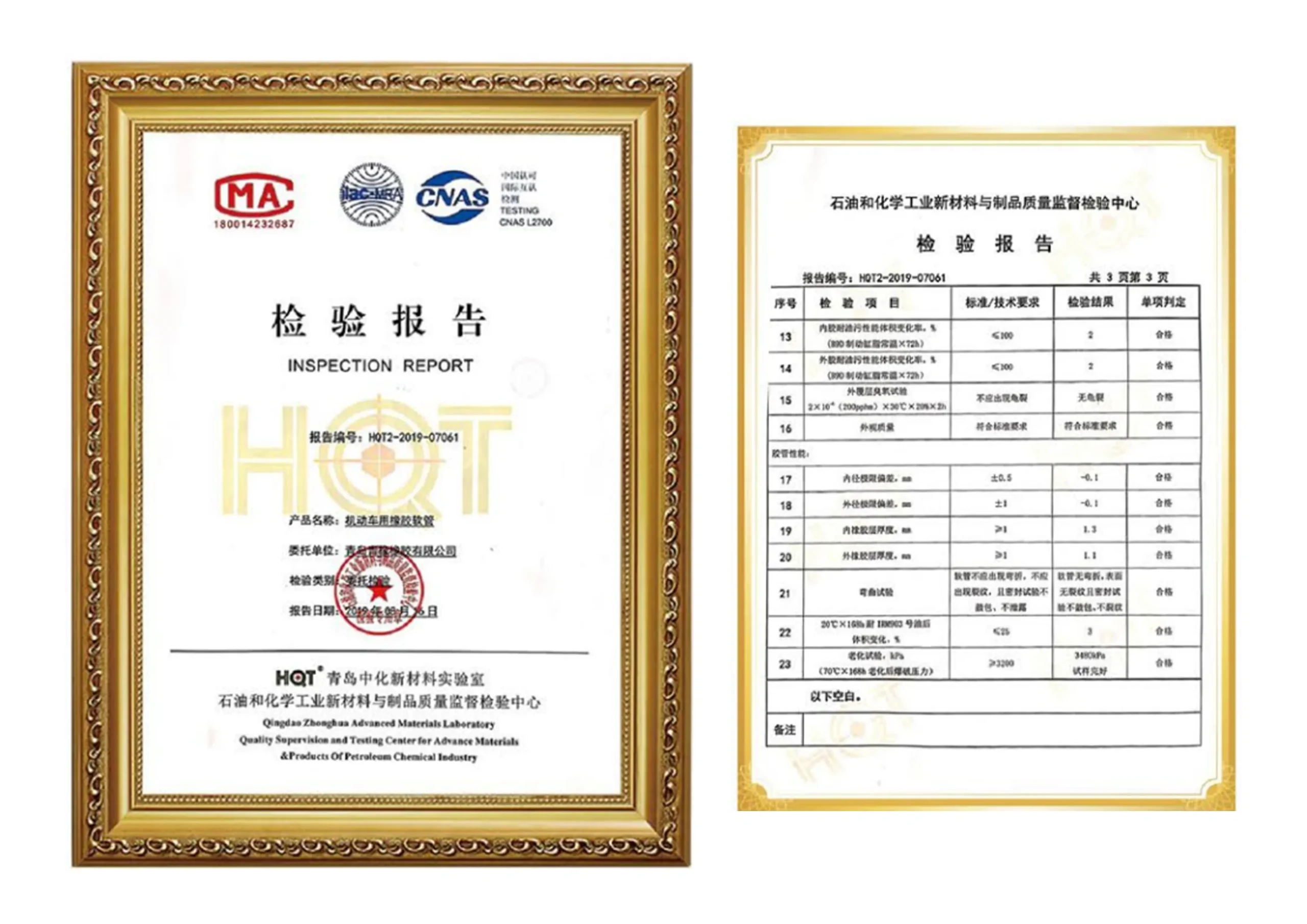
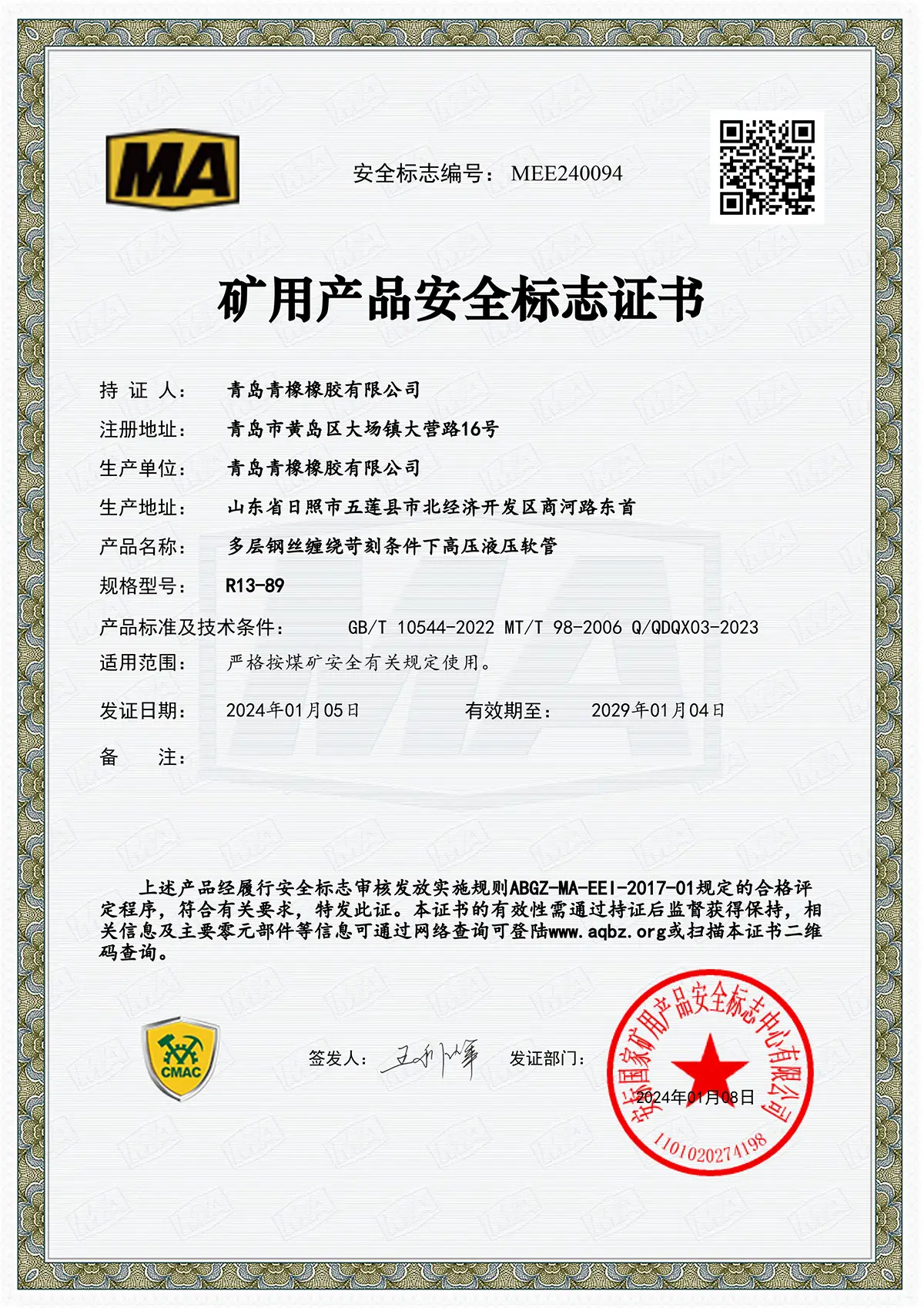
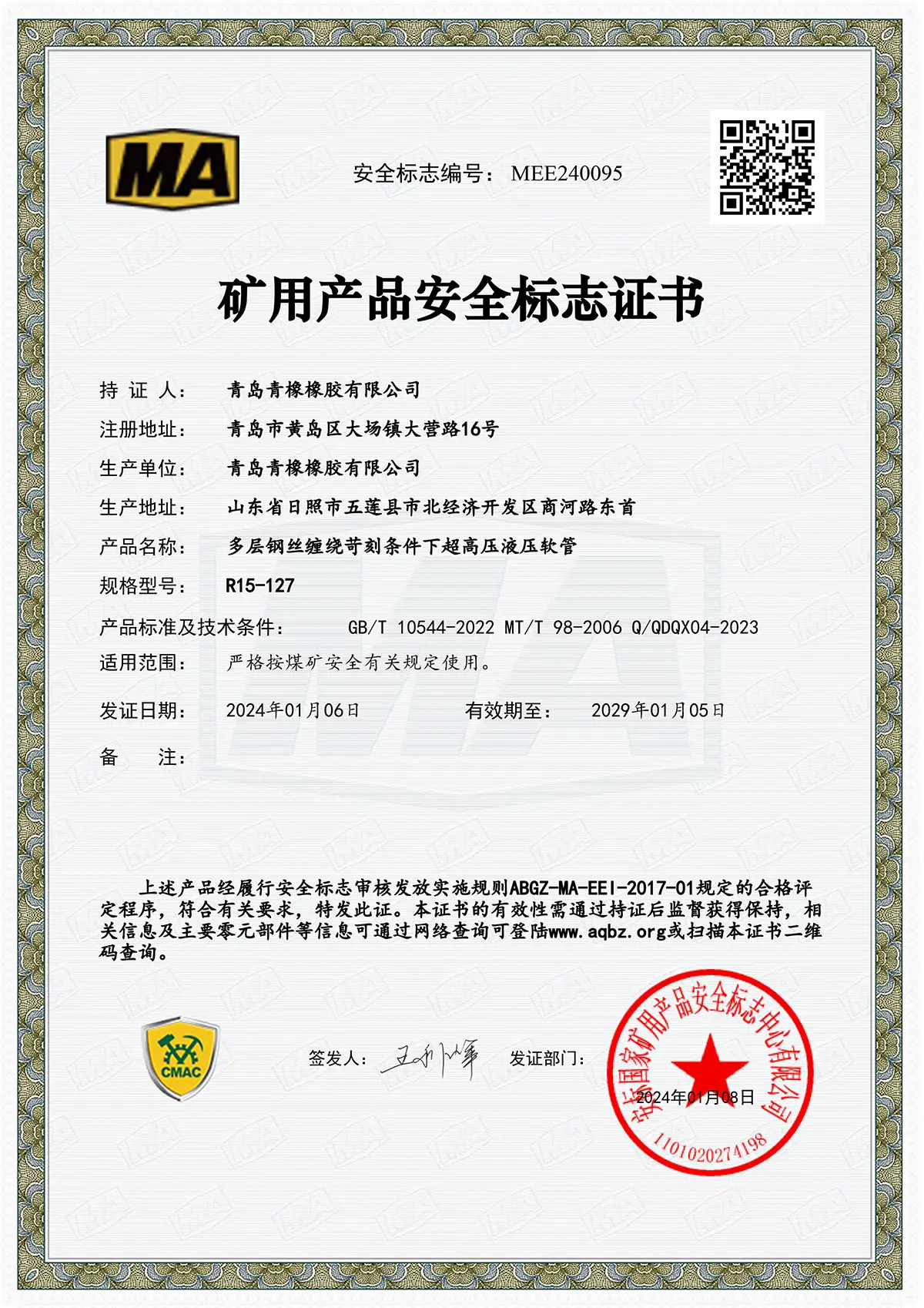
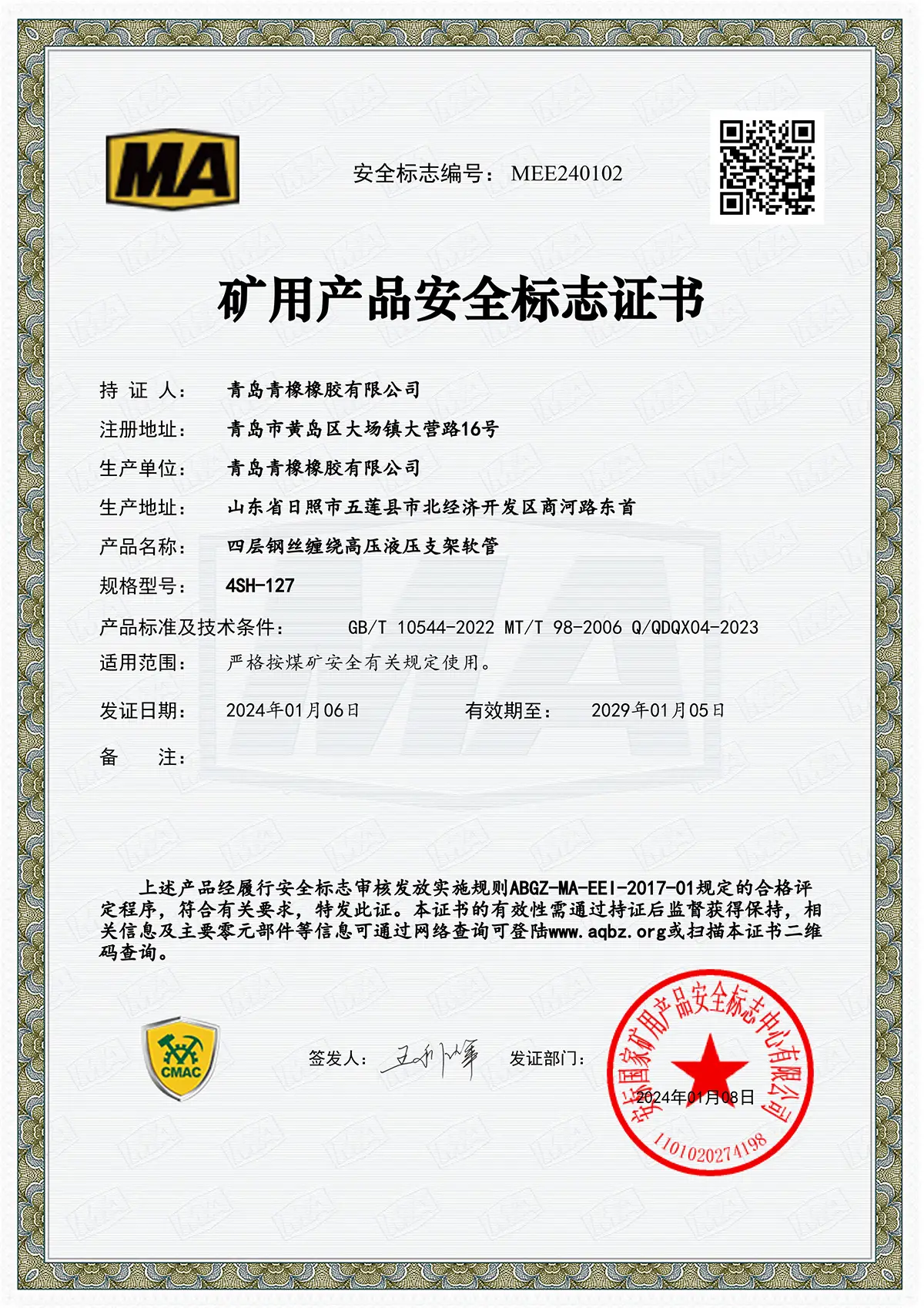
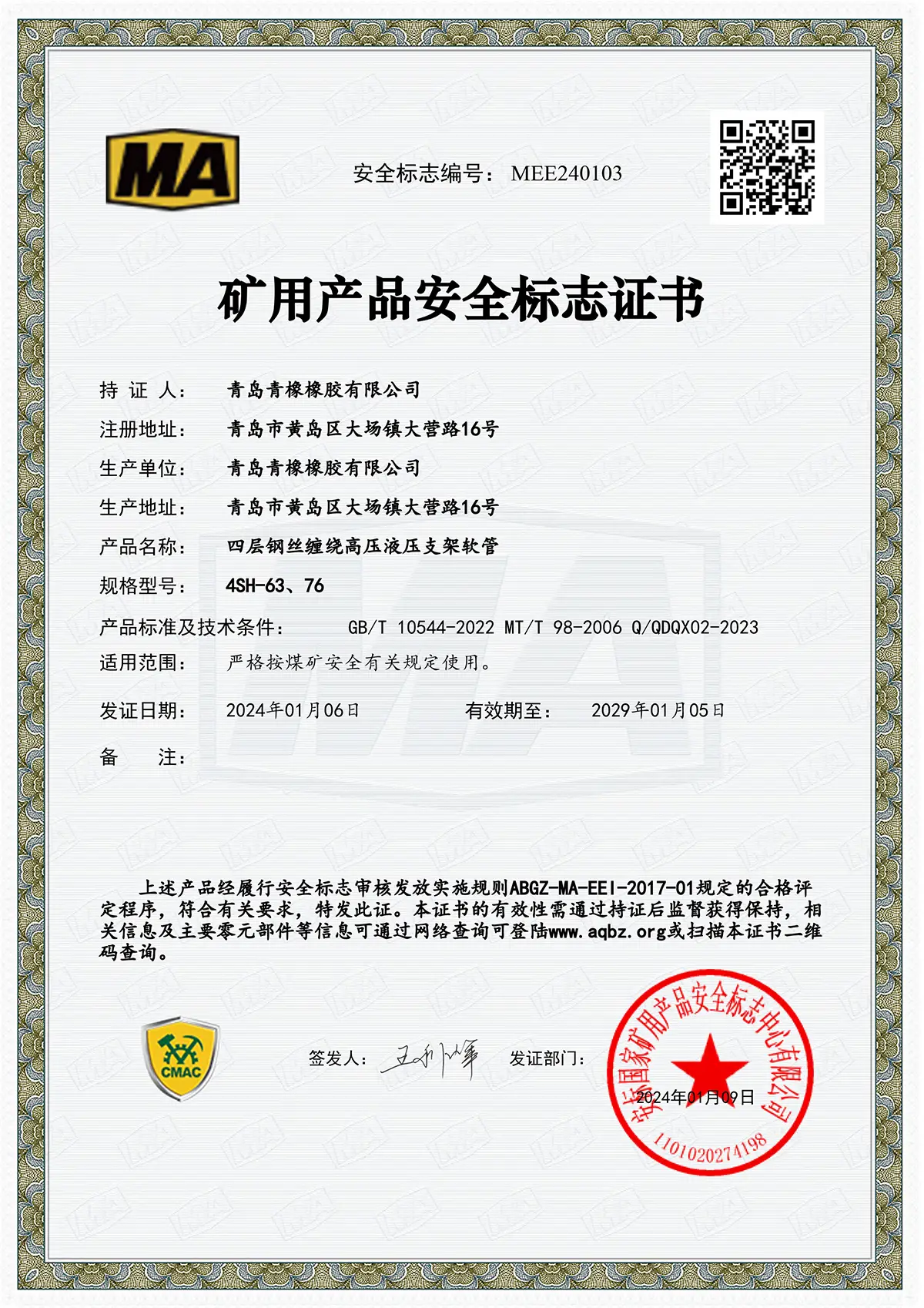
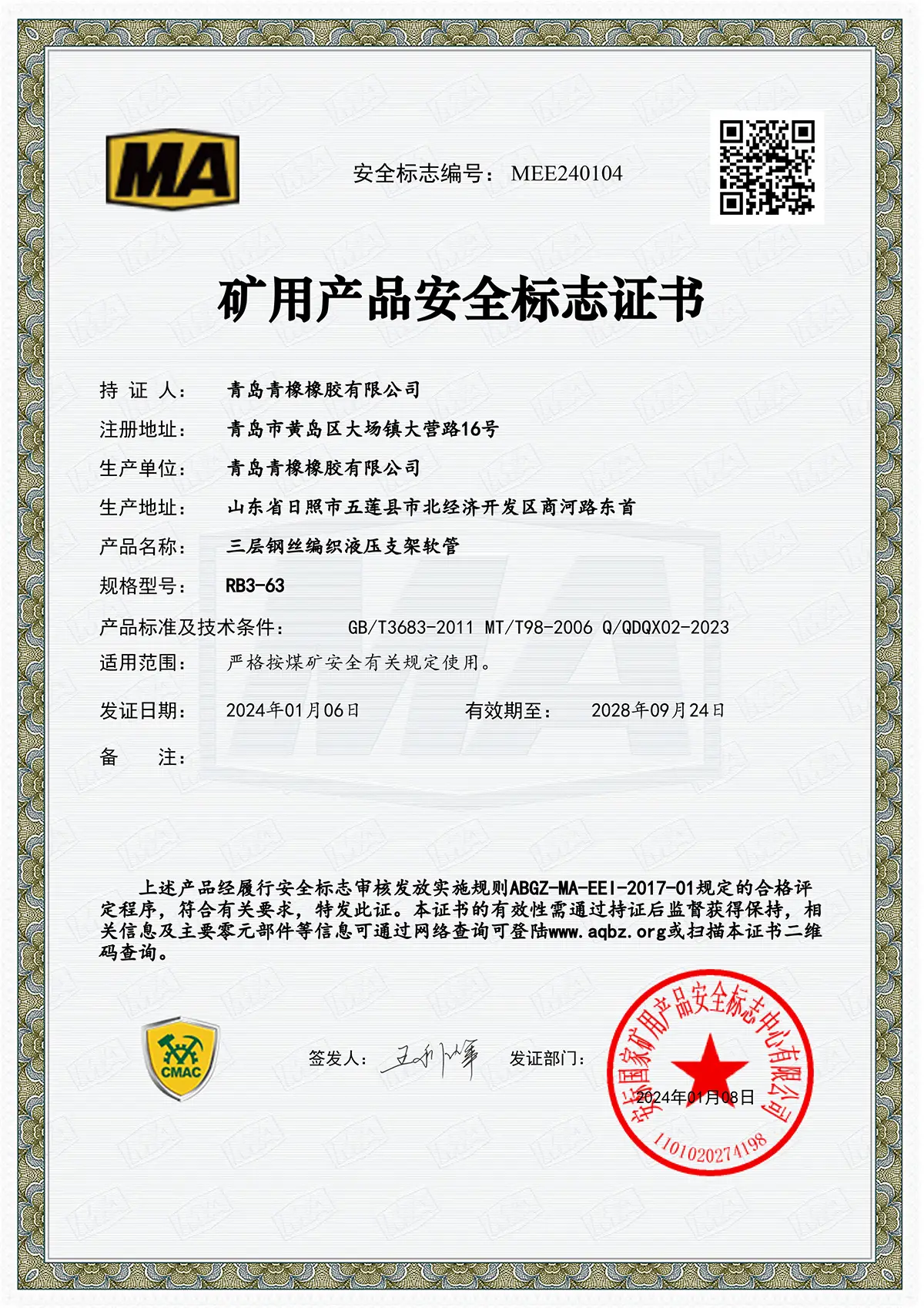
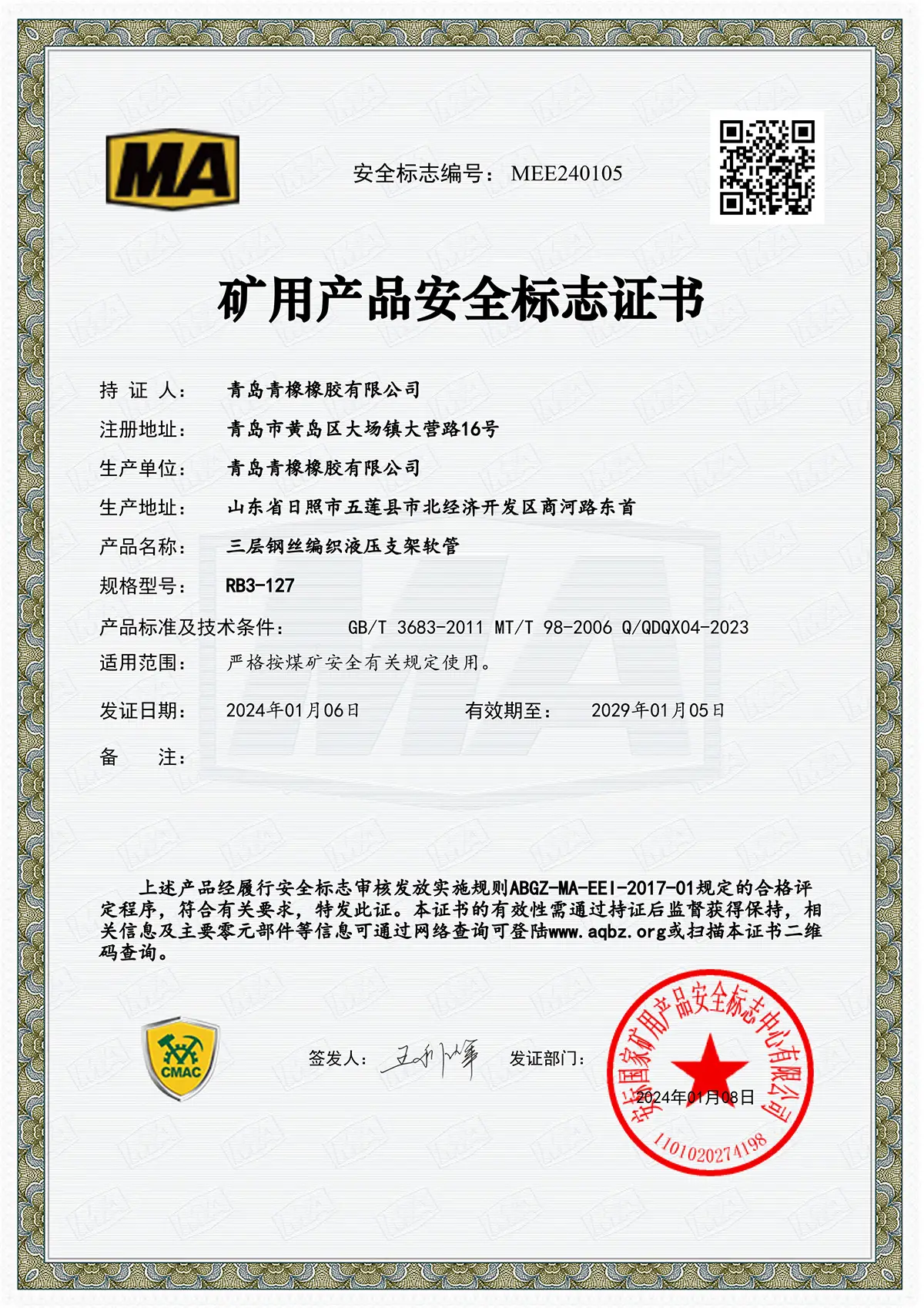
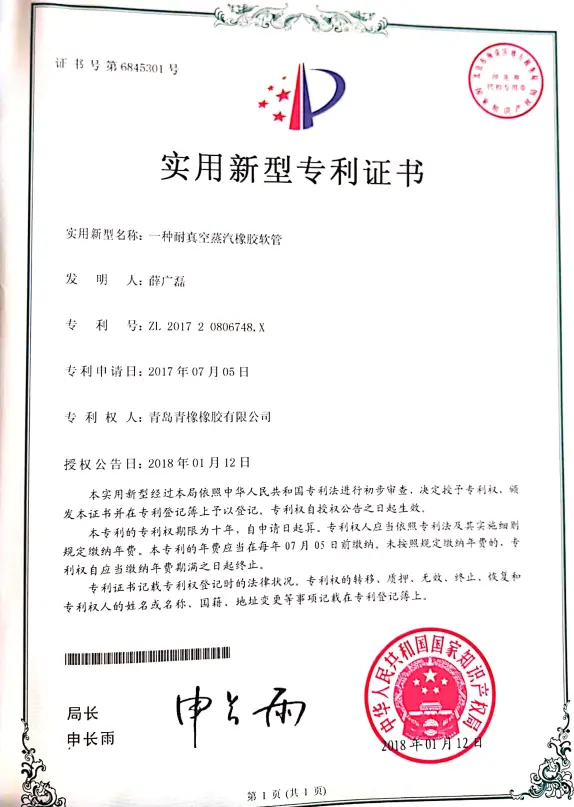
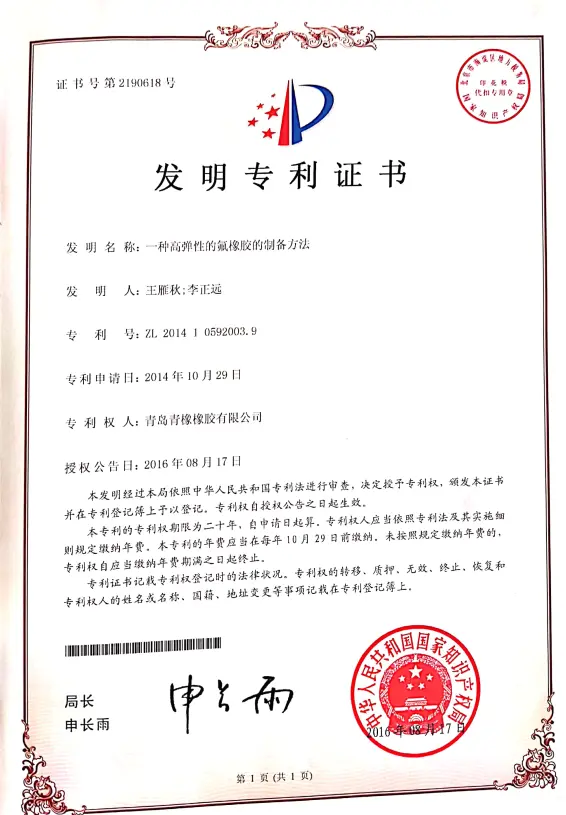
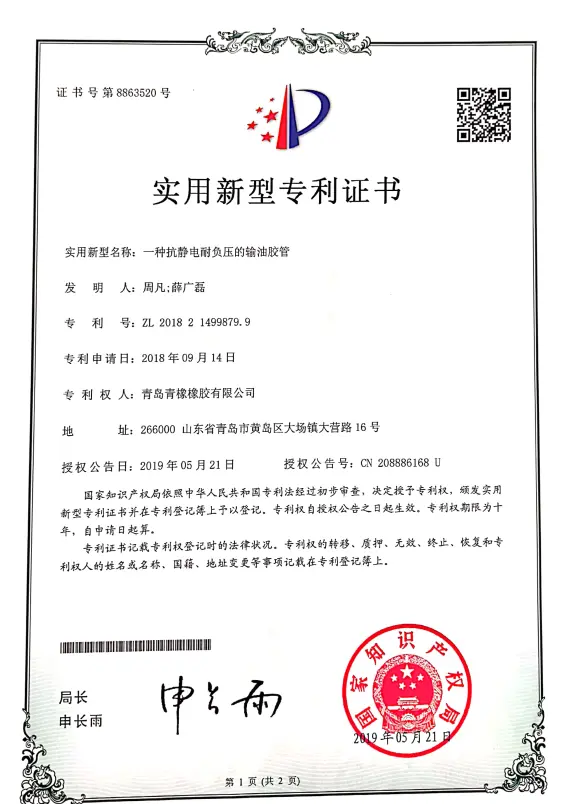
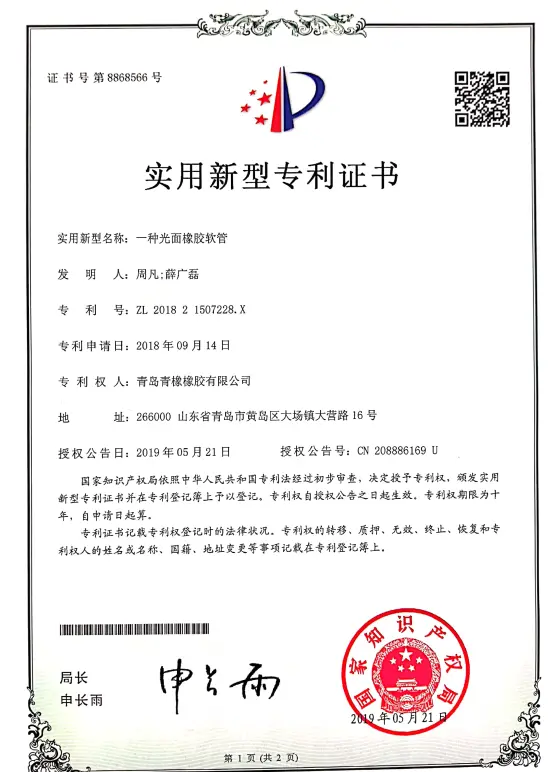
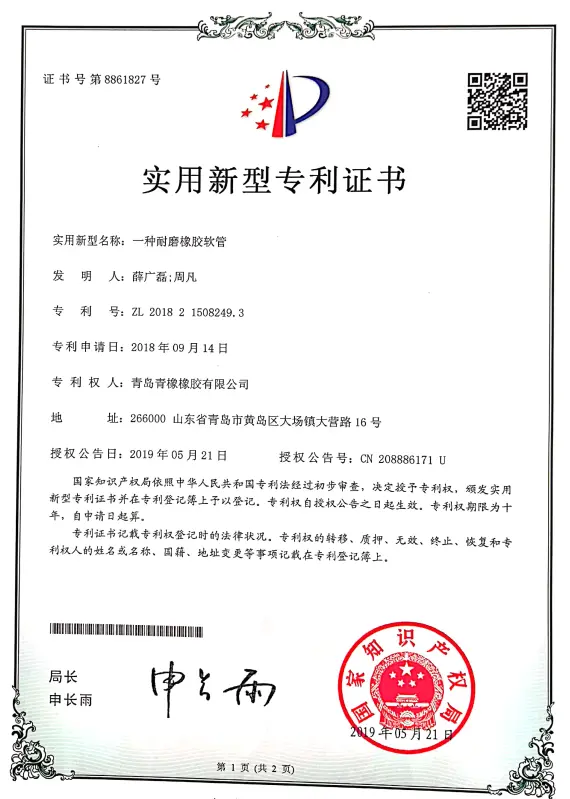
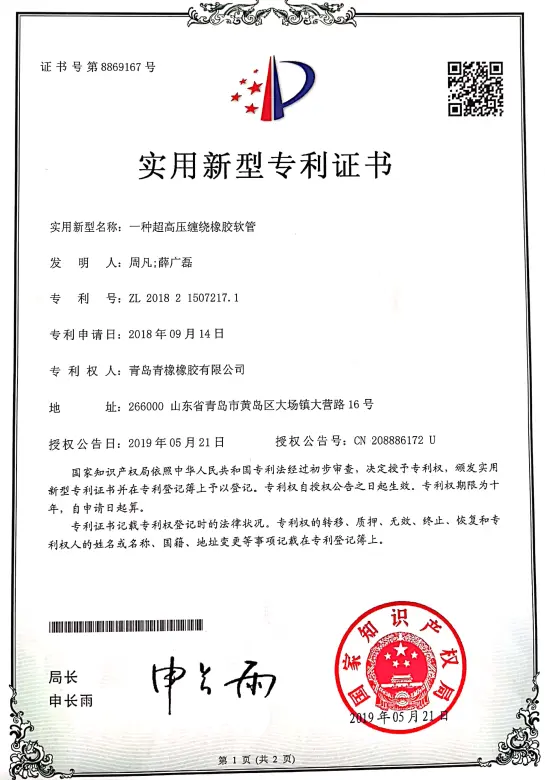
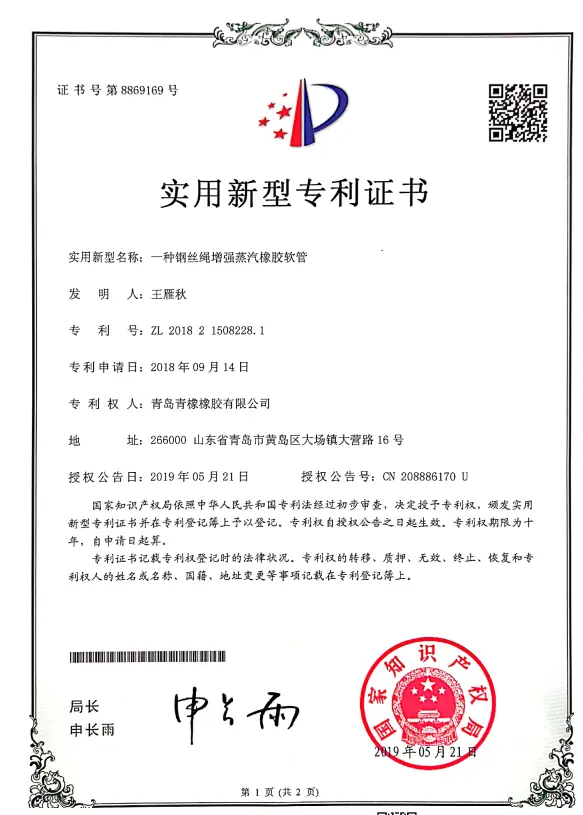
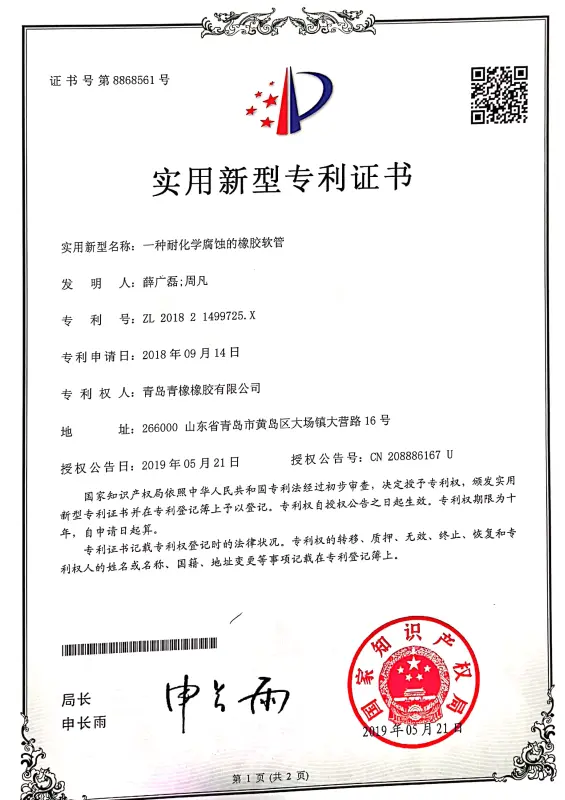
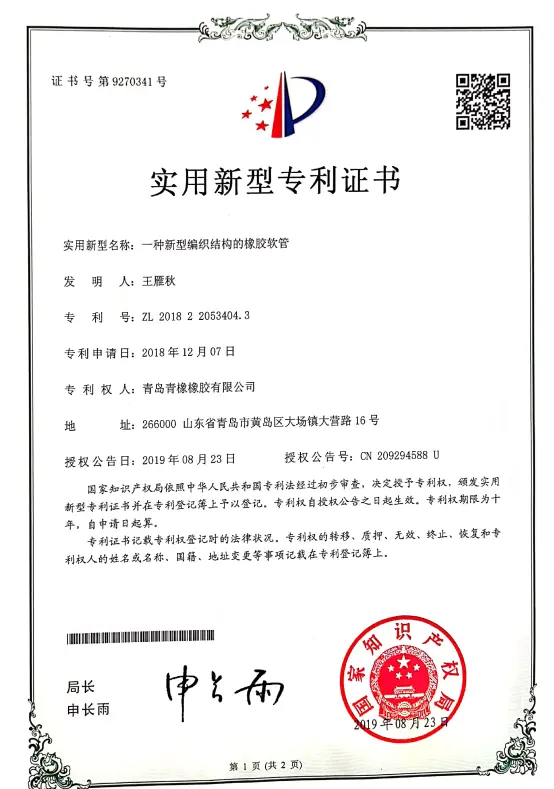
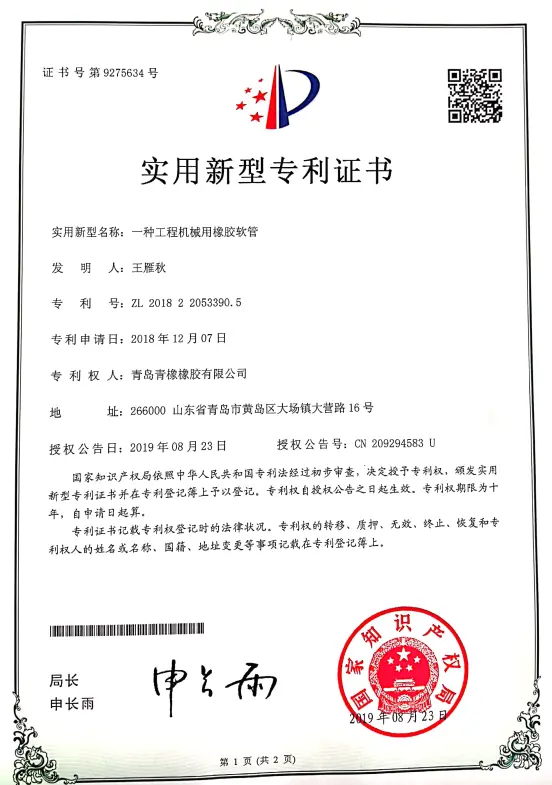
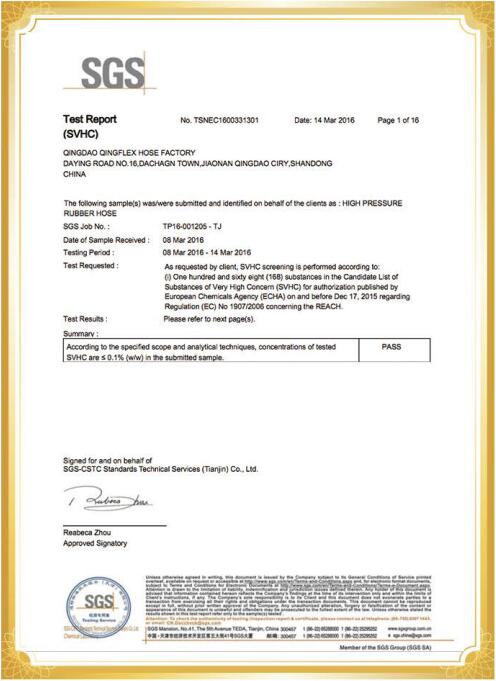
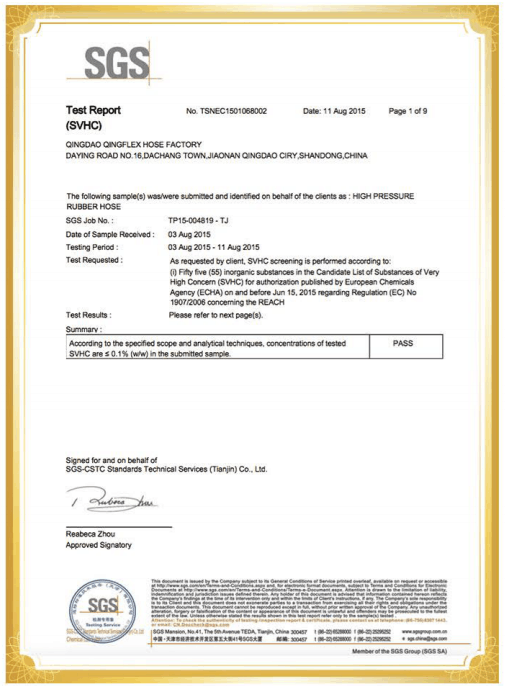
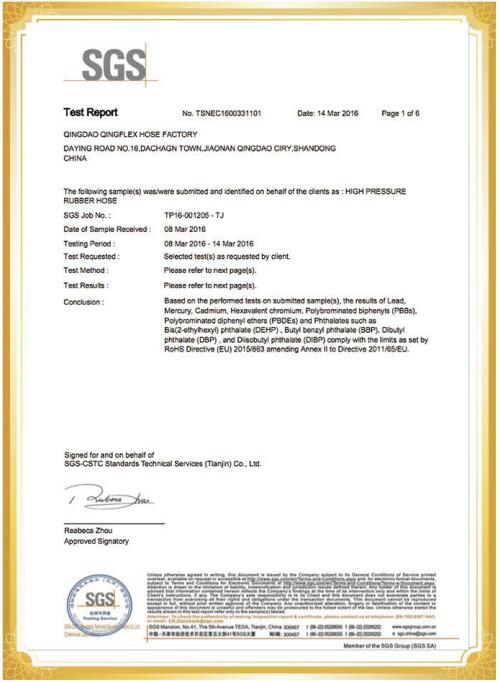
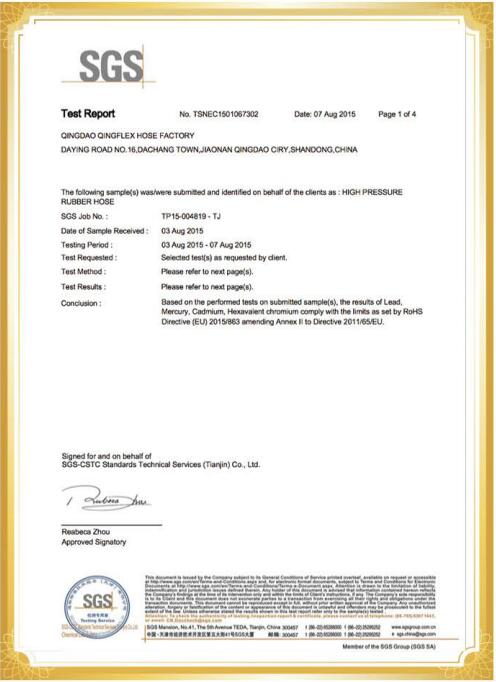
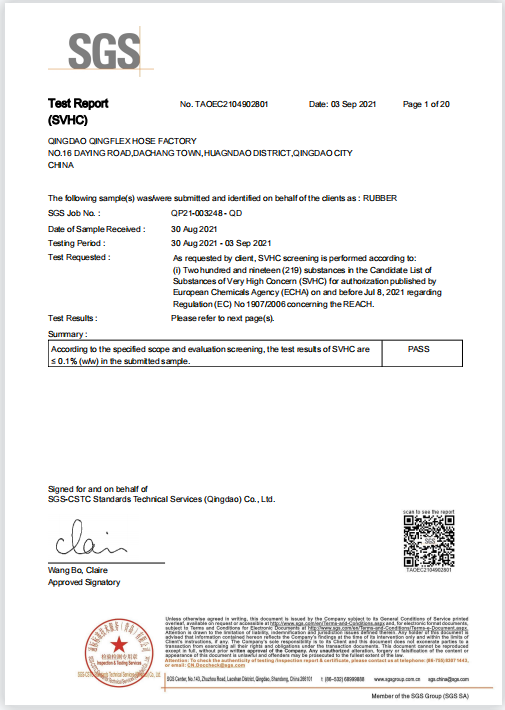
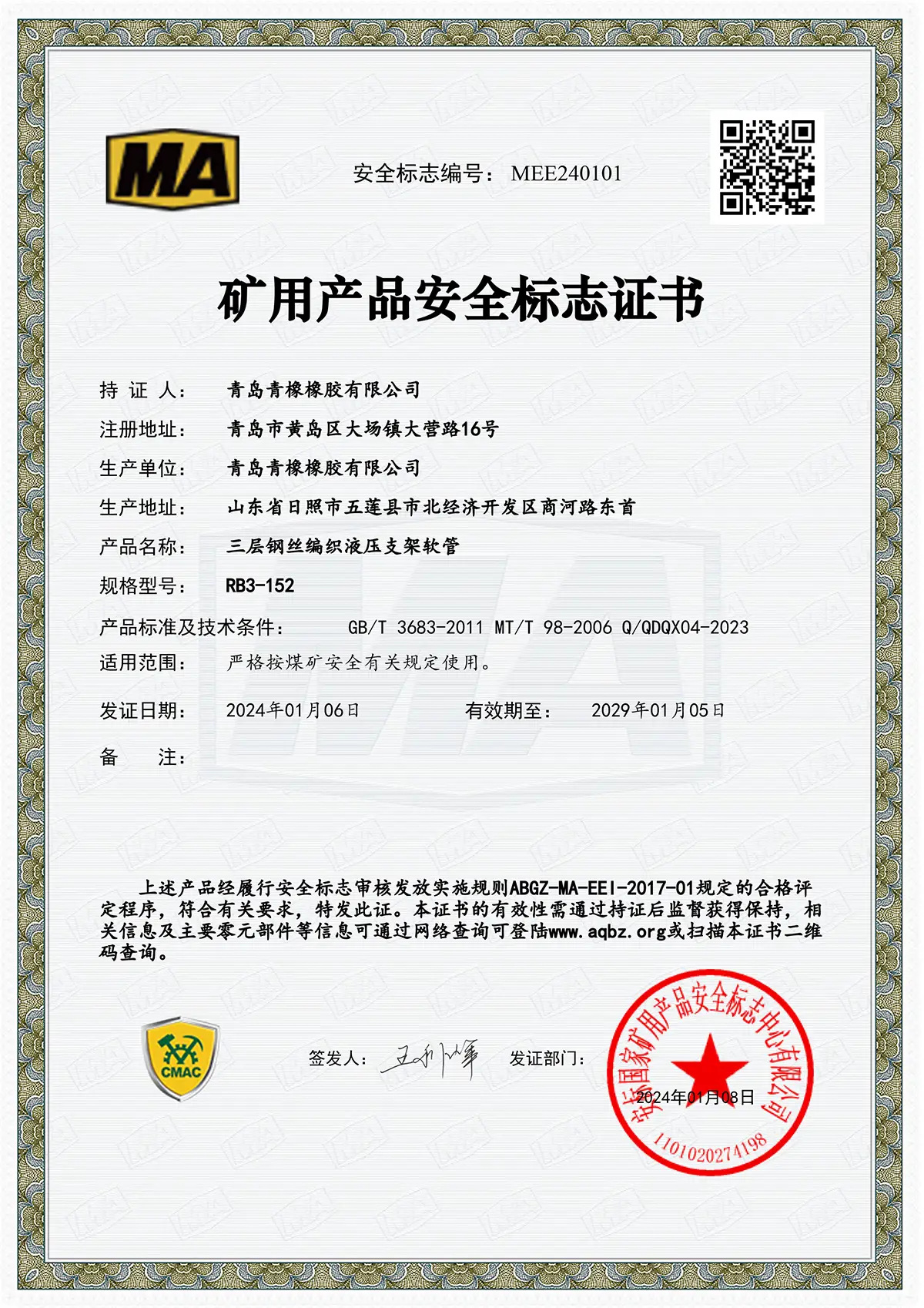
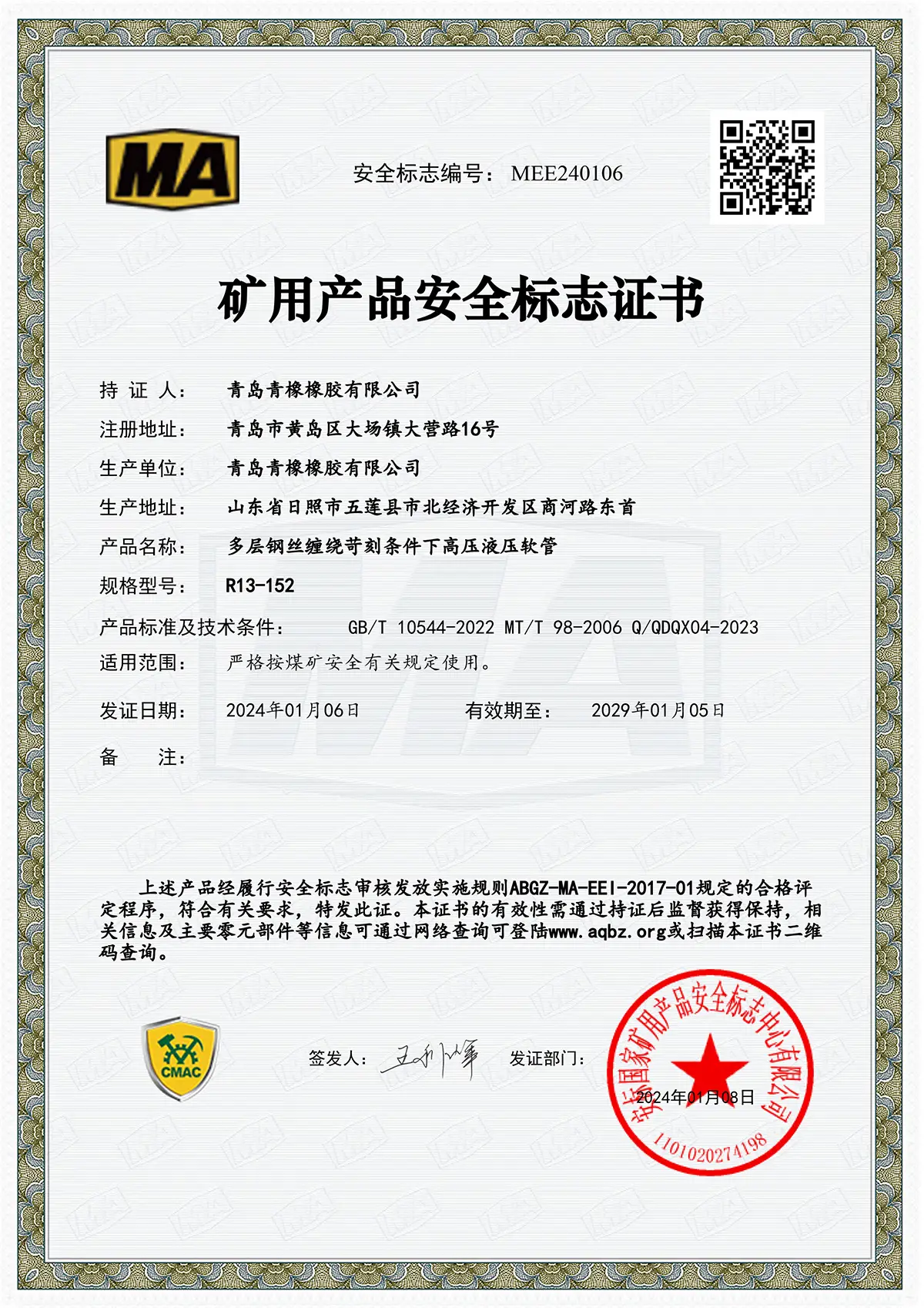
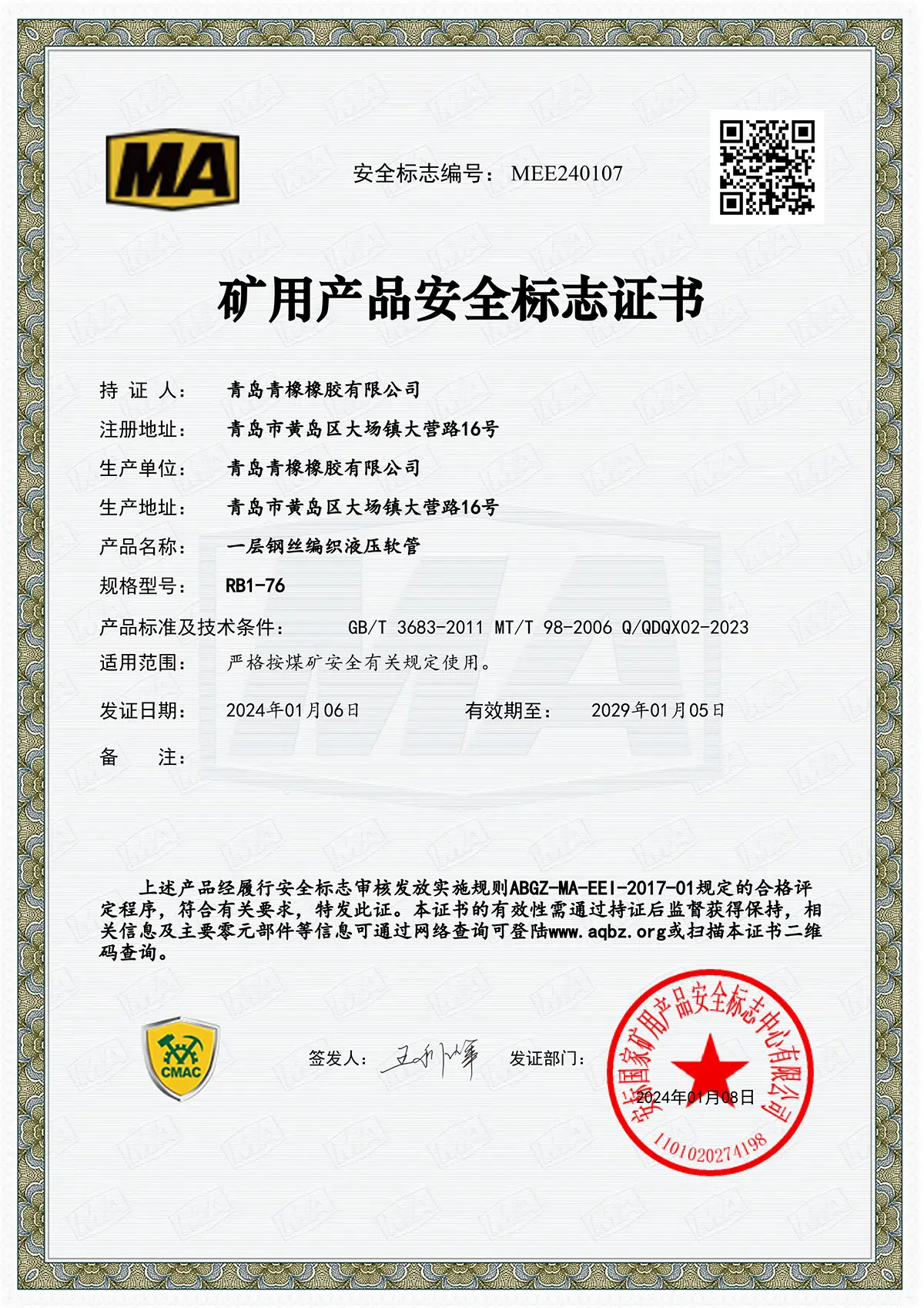
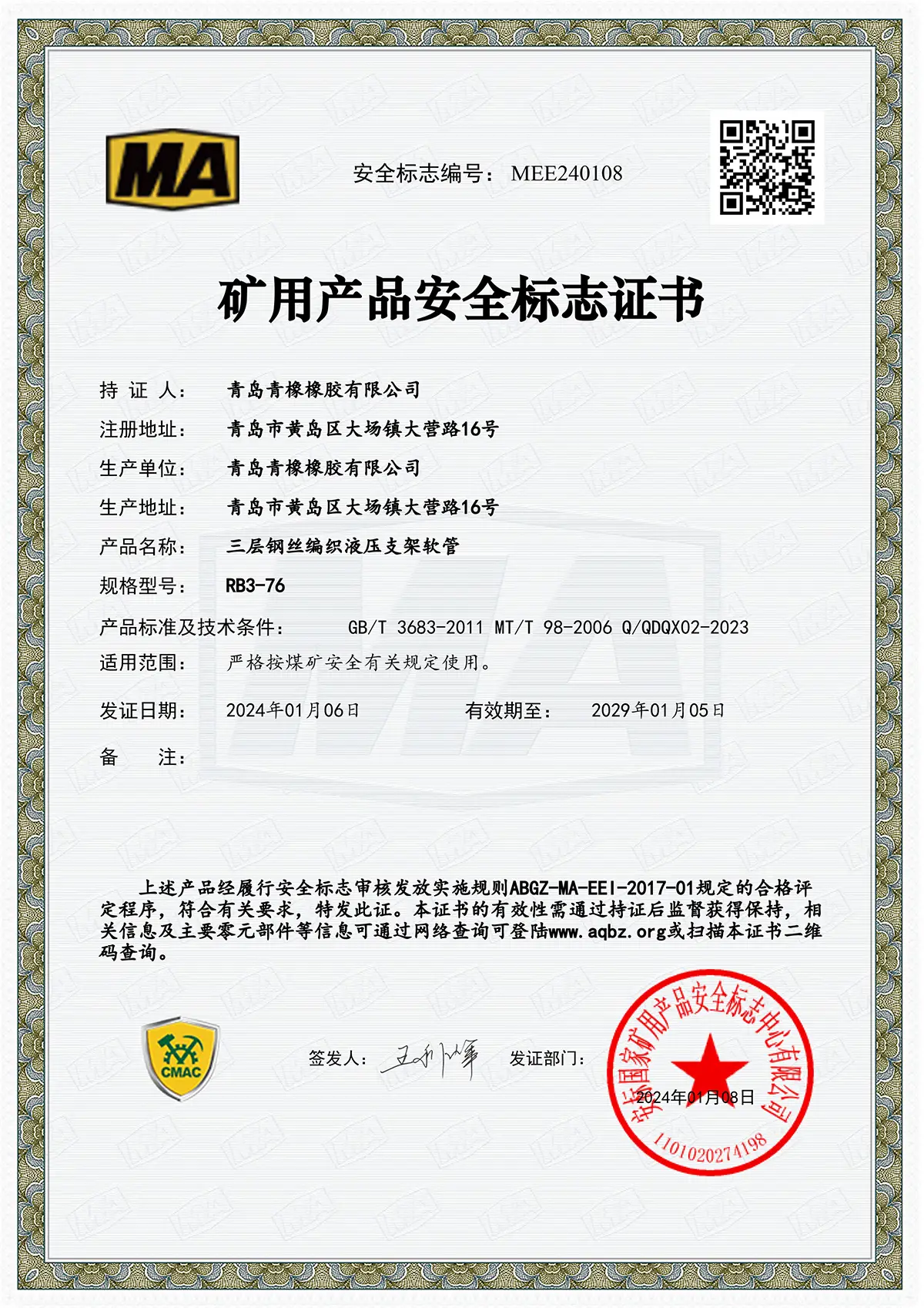
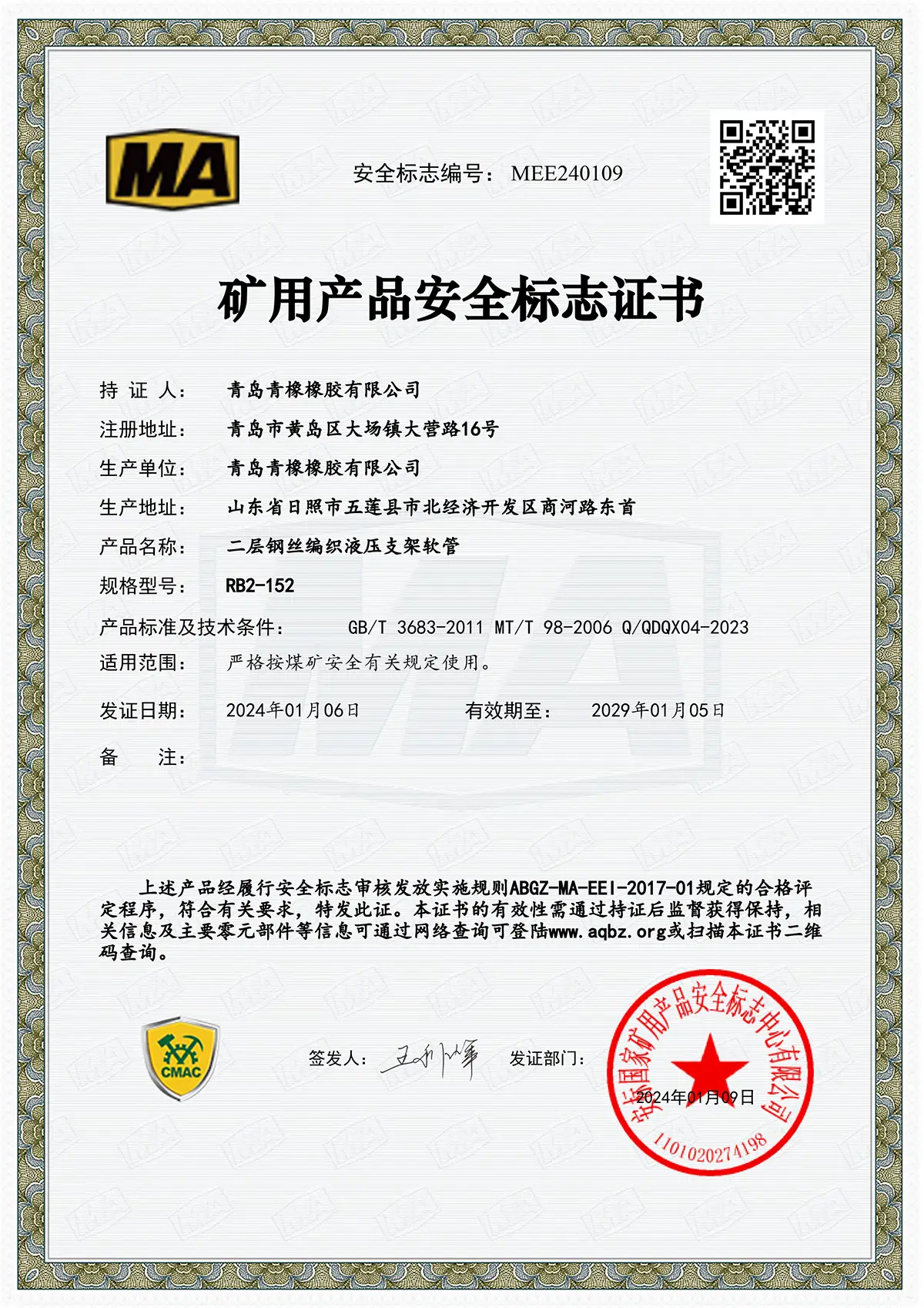
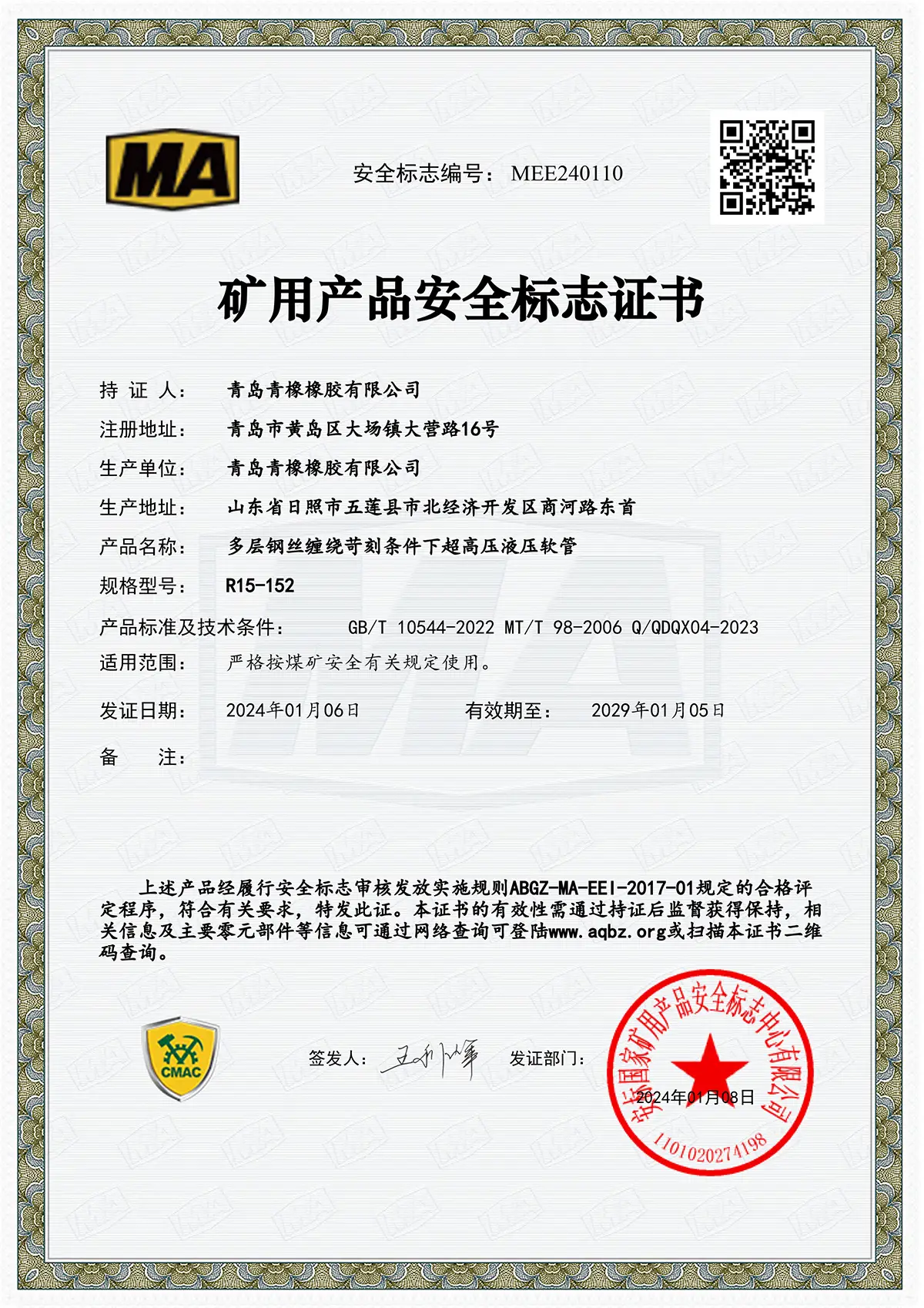
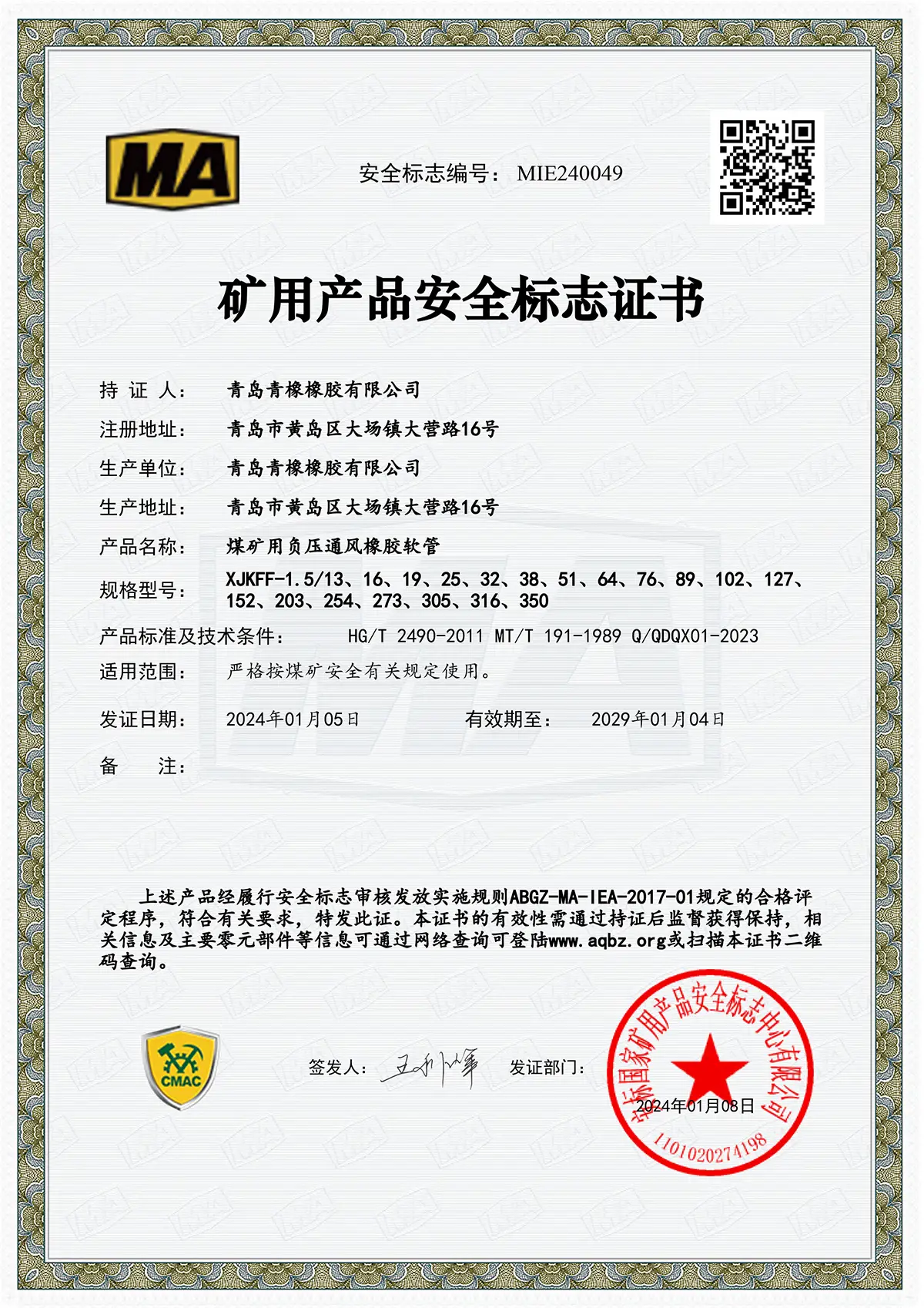
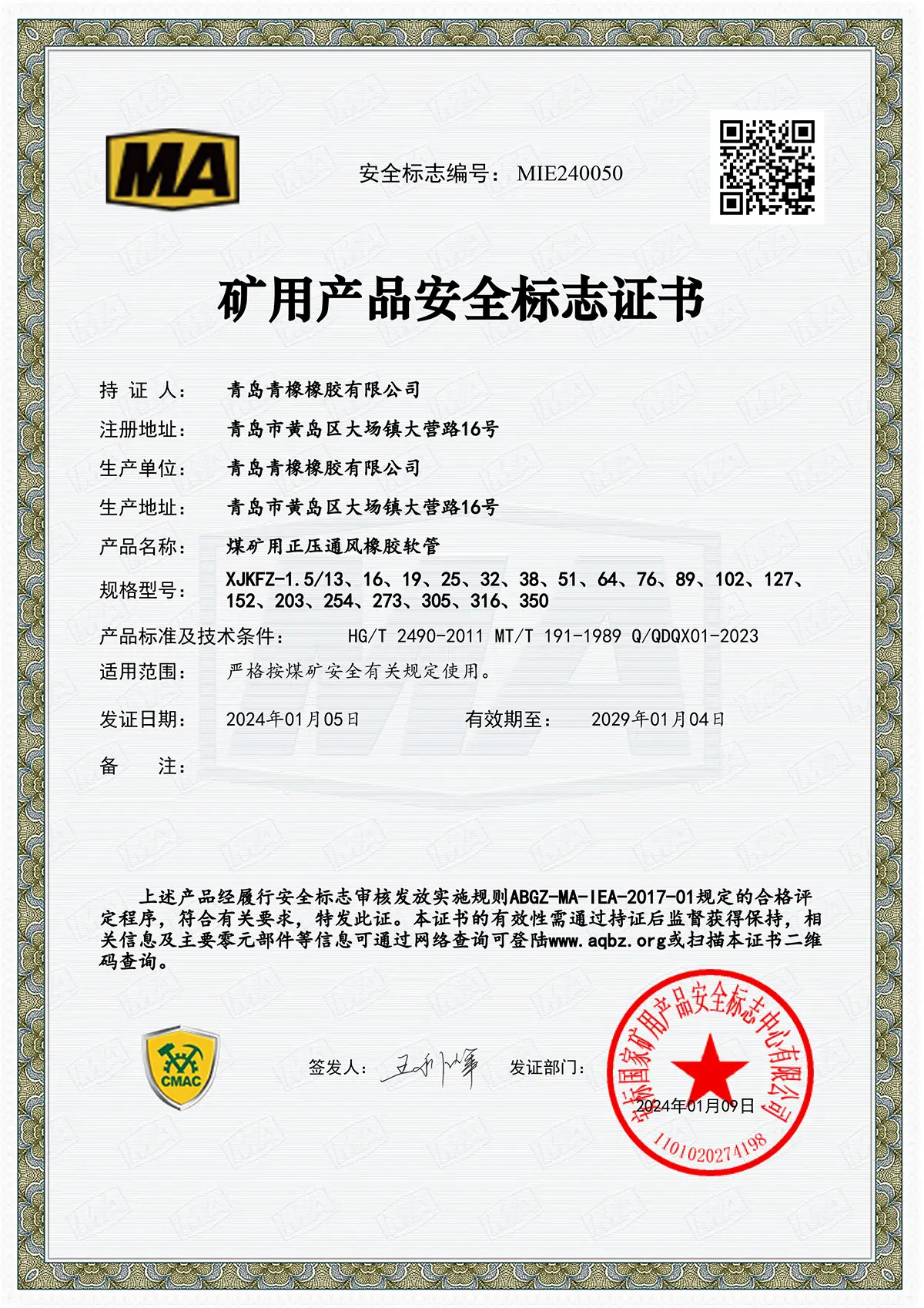
Certificates
FAQ of API Flanges
What Are the Common Sizes of API Flanges?
API flanges come in a variety of sizes to suit different industrial applications. Common sizes range from NPS 2 (2 inches) to NPS 60 (60 inches). The size of the flange depends on the pipe diameter and the system’s requirements. For example, NPS 2 flanges are often used in smaller oil and gas pipelines, while larger NPS 60 flanges are required in heavy-duty applications such as subsea wellheads. Choosing the right size ensures a secure, leak-free connection.
API Flange Standard
API flanges must adhere to specific industry standards to ensure performance, safety, and durability. Below are the key standards and their applications:
API Spec 6A: The primary standard for high-pressure oil and gas applications. It specifies:
Material selection
Flange dimensions
Pressure ratings
API 17D: For subsea systems in offshore oil and gas applications.
API 16A: For wellhead equipment, ensuring secure, leak-proof connections in high-pressure environments.
Adhering to these standards guarantees that API flanges meet industry requirements for safety, durability, and performance in demanding environments.
API Flanges vs ANSI: What’s the Difference?
API flanges are specifically designed for demanding, high-pressure, and high-temperature environments in the oil and gas industry. Below is a comparison between API flanges and ANSI flanges:
API Flanges:
Designed for high-pressure and high-temperature applications.
Built according to API standards, such as API 6A and API 16A.
Tailored for oil and gas applications, including wellheads and subsea systems.
Suitable for harsh environments with extreme pressure and temperature conditions.
ANSI Flanges:
Used for general industrial applications like water, HVAC, and chemical systems.
Built according to ASME B16.5 standards.
Have lower pressure ratings compared to API flanges.
Not designed to withstand the same extreme conditions as API flanges.
Key takeaway: API flanges are made to withstand the high pressures and extreme temperatures found in oil and gas environments, while ANSI flanges are intended for less demanding applications.
API Flange Material
API flanges are made from durable, high-strength materials to withstand the harsh conditions of the oil and gas industry. Here’s a breakdown of the most common materials used in their manufacturing:
Carbon Steel: Commonly used for general applications where corrosion is not a major concern. Suitable for moderate pressure and temperature conditions.
Stainless Steel: Offers better corrosion resistance and strength. Ideal for oil and gas systems where resistance to corrosive environments is needed.
Alloy Steel: Provides enhanced strength, making it suitable for high-pressure and high-temperature environments.
Super Duplex Stainless Steel: Used in highly corrosive environments, such as offshore oil platforms, providing excellent resistance to seawater and chemical corrosion.
Inconel Alloys: Ideal for extreme temperature and pressure conditions, especially in high-temperature applications like refineries and gas processing plants.
Key takeaway: The material choice for API flanges depends on the specific operating temperature, pressure, and environment, ensuring the flange can perform reliably and last long in challenging conditions.
API vs ASME Flanges:What’s the Difference?
API flanges are specially designed for high-pressure systems in the oil and gas industry, where extreme conditions are common. Here’s a comparison between API flanges and ASME flanges:
API Flanges:
Designed for high-pressure systems in oil and gas applications, such as wellheads and blowout preventers (BOPs).
Built according to API standards like API 6A, with pressure ratings up to 20,000 psi.
Made for extreme conditions encountered in oilfields and offshore drilling operations.
Provide high-strength, secure connections in demanding environments.
ASME Flanges:
Commonly used in general industries such as HVAC, chemical processing, and water systems.
Built to ASME standards, like ASME B16.5, with lower pressure ratings compared to API flanges.
Not designed for high-pressure or harsh environments like those found in oil and gas operations.
Key takeaway: API flanges are engineered to handle the extreme pressures and conditions found in the oil and gas industry, while ASME flanges are more suitable for general industrial applications.
Difference Between API 6b and 6bx Flanges
API 6B and API 6BX flanges are both commonly used in oil and gas applications, but they differ in terms of pressure ratings, design, and application suitability. Here’s a detailed comparison:
API 6B Flanges:
Typically used in lower-pressure applications.
Pressure ratings up to 5,000 psi.
Commonly used for general wellhead systems and drilling equipment.
API 6BX Flanges:
Designed for high-pressure environments, rated between 2,000 and 20,000 psi.
Feature a ring-joint design, providing a more robust seal under high-pressure and corrosive conditions.
Ideal for critical wellhead applications where leak-proof performance is essential.
Key takeaway: API 6B flanges are suitable for moderate pressure applications, while API 6BX flanges are specifically designed to handle higher pressures and provide superior sealing for high-stress environments.
What Are the Benefits of Using API Flanges?
API flanges are specifically designed for high-pressure and high-temperature applications in demanding industrial environments. Here are the key benefits of using API flanges:
High-Pressure Tolerance:
Designed to withstand extreme pressures, making them essential for oil and gas applications.
Durability:
Made with corrosion-resistant materials and built to endure high temperatures, ensuring long-lasting performance.
Standard Compliance:
Manufactured according to API standards, which guarantees reliable performance and safety in critical systems.
Reliable Connections:
The precise design of API flanges ensures secure, leak-free connections, reducing maintenance costs and downtime.
What Are API Flanges Primarily Used For?
API flanges are crucial components in high-pressure systems in the oil and gas industry. Here’s a breakdown of their primary uses:
Oil and Gas Industry:
Commonly used in wellheads, Christmas tree equipment, and blowout preventers (BOPs) for secure connections in high-pressure environments.
Subsea Systems:
Essential in subsea production systems, where they withstand extreme pressures and harsh underwater conditions.
Pipeline Connections:
Used for pipeline connections, ensuring high-integrity seals in systems exposed to extreme pressures and corrosive environments.
Safety and Efficiency:
Provide secure, leak-proof connections, playing a vital role in maintaining safety and efficiency in drilling operations and production systems.
Can I use API flanges for applications outside the oil and gas industry?
While API flanges are predominantly used in the oil and gas industry, their high-pressure ratings and corrosion resistance make them suitable for other industries that require secure, high-integrity connections. For example, they can be used in chemical processing, petrochemical plants, and power generation systems, especially where high-pressure, corrosive, or extreme conditions are present. However, it’s essential to ensure the application matches the flange’s specifications and material properties.
What API flange pressure ratings are available?
Common API flange pressure ratings include 2,000, 3,000, 5,000, 10,000, 15,000 and 20,000 psi. The available rating depends on flange type, size, material and order requirements.
Can you supply API flange dimensions and drawings?
Yes. Add a visible API flange chart and tell customers they can request dimensional drawings by sending bore size, pressure rating and flange type. For custom flanges, request the customer drawing before quotation.
Are API flanges the same as ANSI/ASME flanges?
No. API flanges are typically selected for high-pressure upstream oilfield equipment, while ANSI/ASME flanges are widely used in general industrial piping. Always confirm the required standard before ordering.
How do I request a quote?
Send the standard, flange type, bore size, pressure rating, material, quantity, required certificates, drawing if available and destination port. Include required delivery date for urgent projects.
Can AlienFrac make custom API flanges?
Yes, custom machined flanges can be quoted according to customer drawings, material requirements and inspection requirements. Engineering confirmation is recommended before production.
Want to Speak to a Professional?