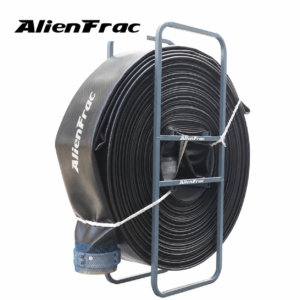
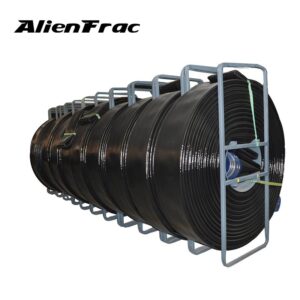
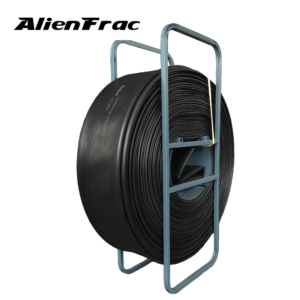
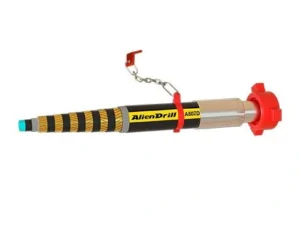
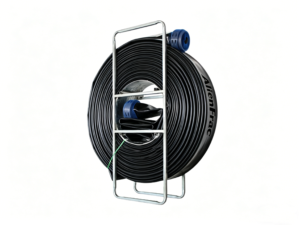
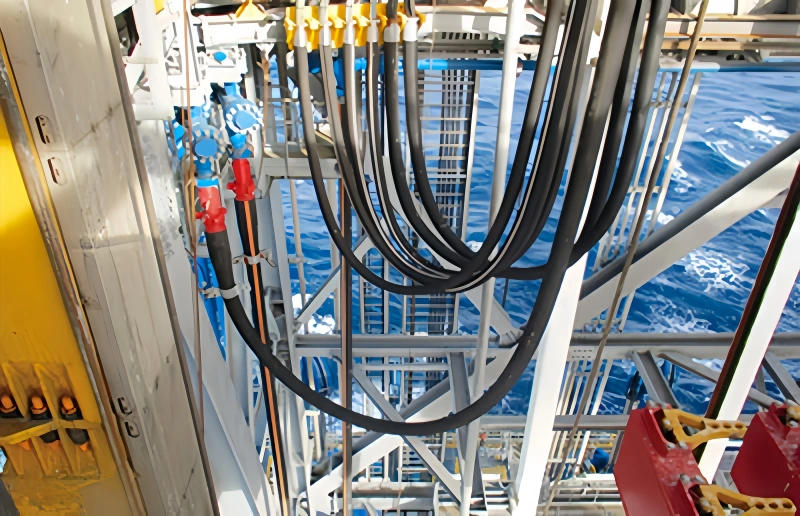
Cement hose moves cement slurry, humid sand, and other abrasive materials under high pressure. We build every cement hose with multi-spiral steel wire and tough rubber that resists abrasion in heavy transfer work. You can add heating tracing or armored covers if needed. Need a supply? Send a request and quote your cement hose from Alienfrac.
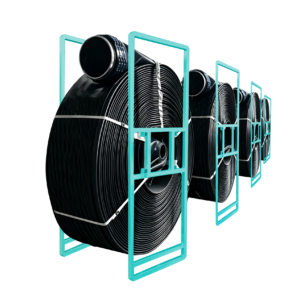
Our cement discharge hose moves dry cement, sand, and other abrasive materials from tankers or silos with stable flow. We build it with an abrasion-resistant tube and strong reinforcement for reliable service in bulk transfer.
Dry Bulk Cement Hose
Our cement discharge hose efficiently transfers cement, sand, lime, and other bulk materials from pneumatic tankers to silos. Built with abrasion-resistant rubber for reliable 75 PSI operation.
Cement Suction Hose
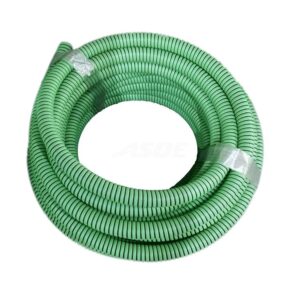
Our cement suction hose safely and efficiently draws cement, sand, and other bulk materials. It features abrasion-resistant rubber and reinforced steel wire for reliable heavy-duty use.
Cement Transfer Hose
Our cement transfer hose safely moves cement, sand, and other bulk materials. It features abrasion-resistant rubber and reinforced layers for reliable heavy-duty industrial use.
Cement Pump Hose
Our cement pump hose delivers durable, flexible performance for smooth concrete flow. Built to handle high pressure, it ensures safe, efficient pumping on any construction site.
Cement Grouting Hose
Our cement grouting hose ensures smooth, reliable slurry flow. Reinforced and flexible, this high-pressure construction hose delivers safe, efficient performance on site.
Cement Blower Hose
Our cement blower hose ensures smooth, high-pressure cement flow. Reinforced and flexible, this construction hose delivers safe, efficient performance on site.
Advanced Cement Hose & Solutions
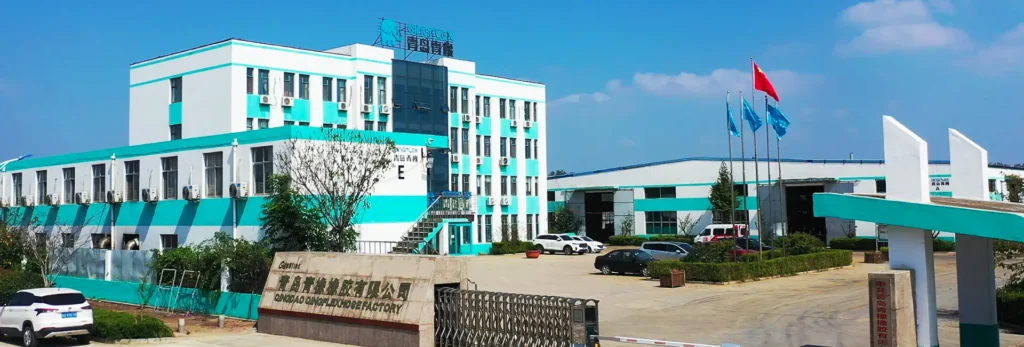
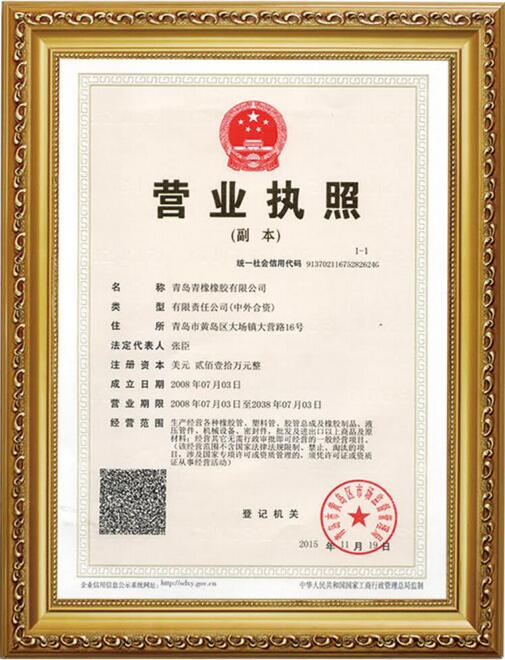
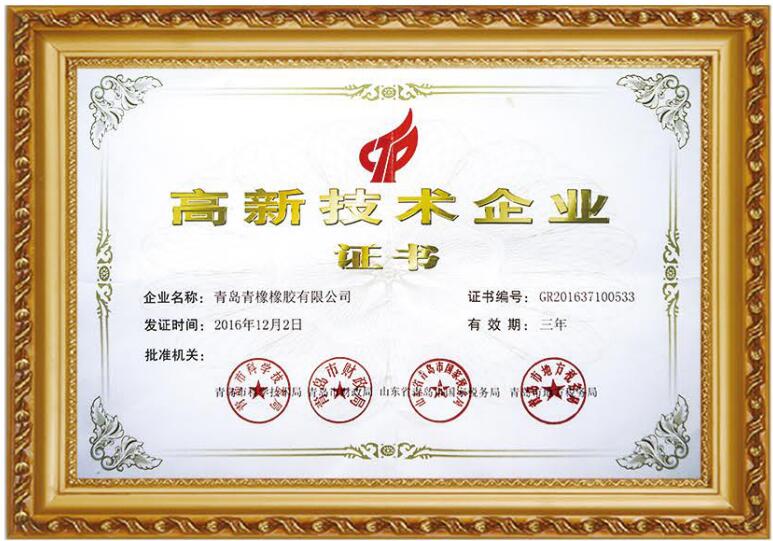
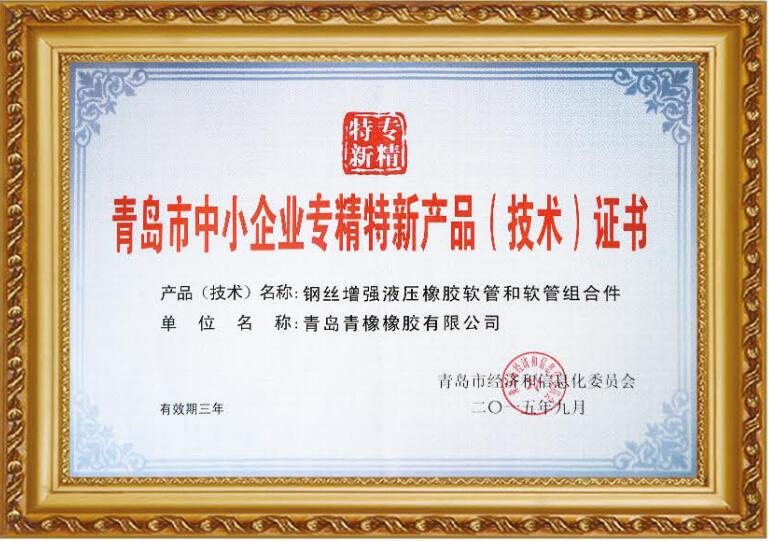
Qingdao Qingflex Hose Factory, founded in 2008, boasts a formidable production capacity and focuses on R&D and production of built-in and crimped high-pressure oilfield hoses.
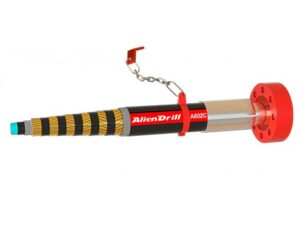
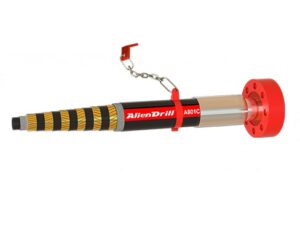
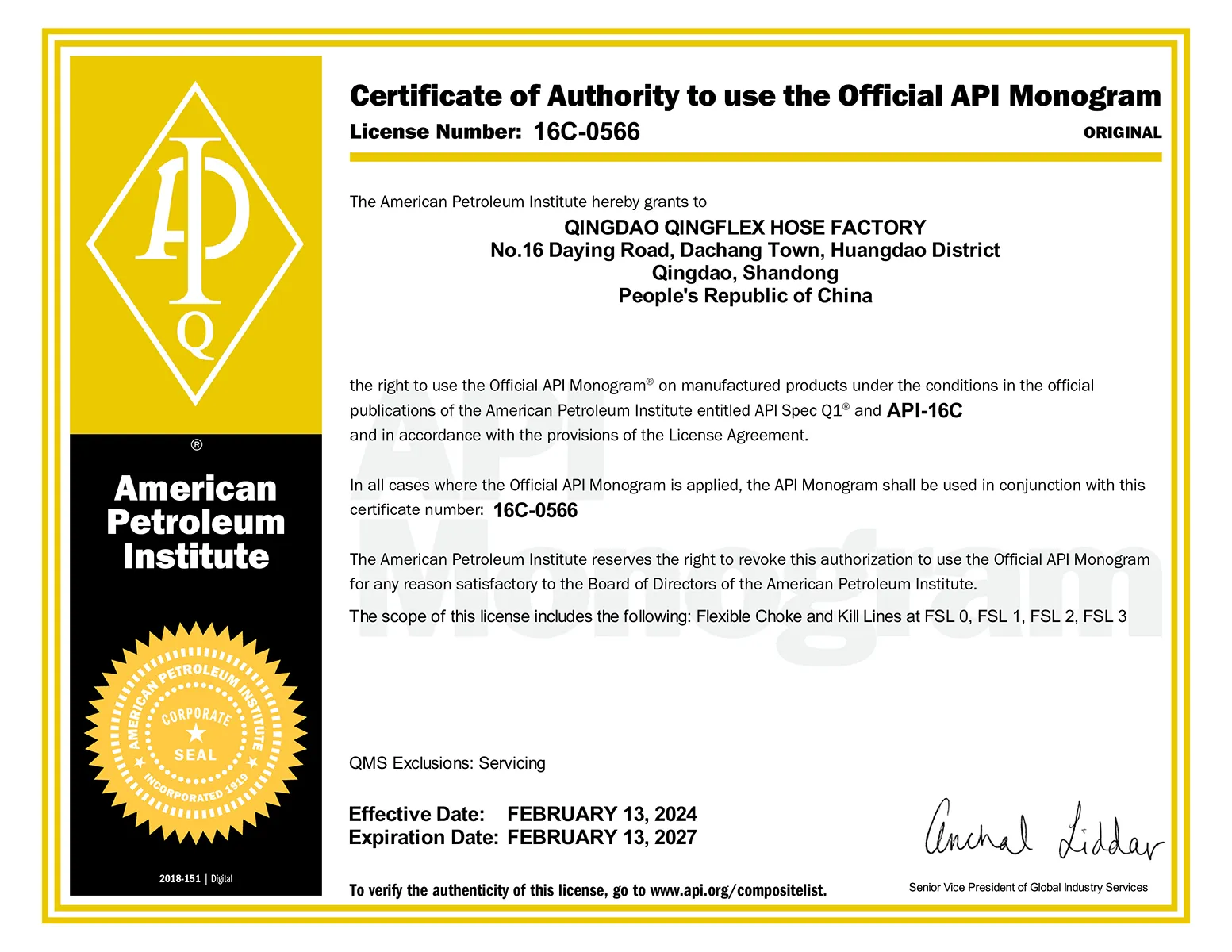
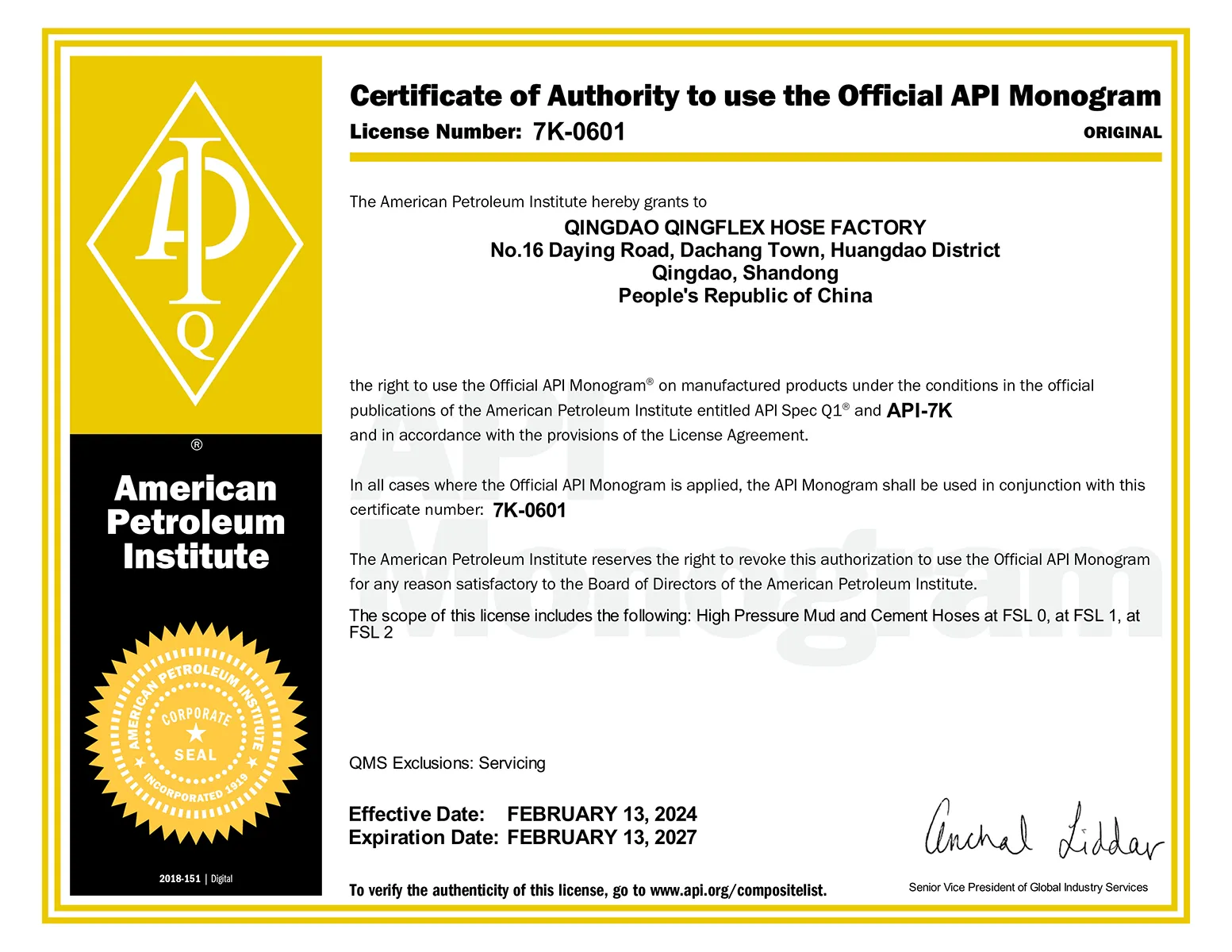
With cutting-edge technology and modern machinery, we manufacture AllienDrill hoses, including API 7K Cement Hose, Rotary Drilling and Vibrator Hose, API 16C Choke and Kill Hose, and API 16D BOP Control Hose, powering oilfields worldwide.
Why Choose QingFlex as Your Cement Hose Manufacturer
Advanced Manufacturing Equipment
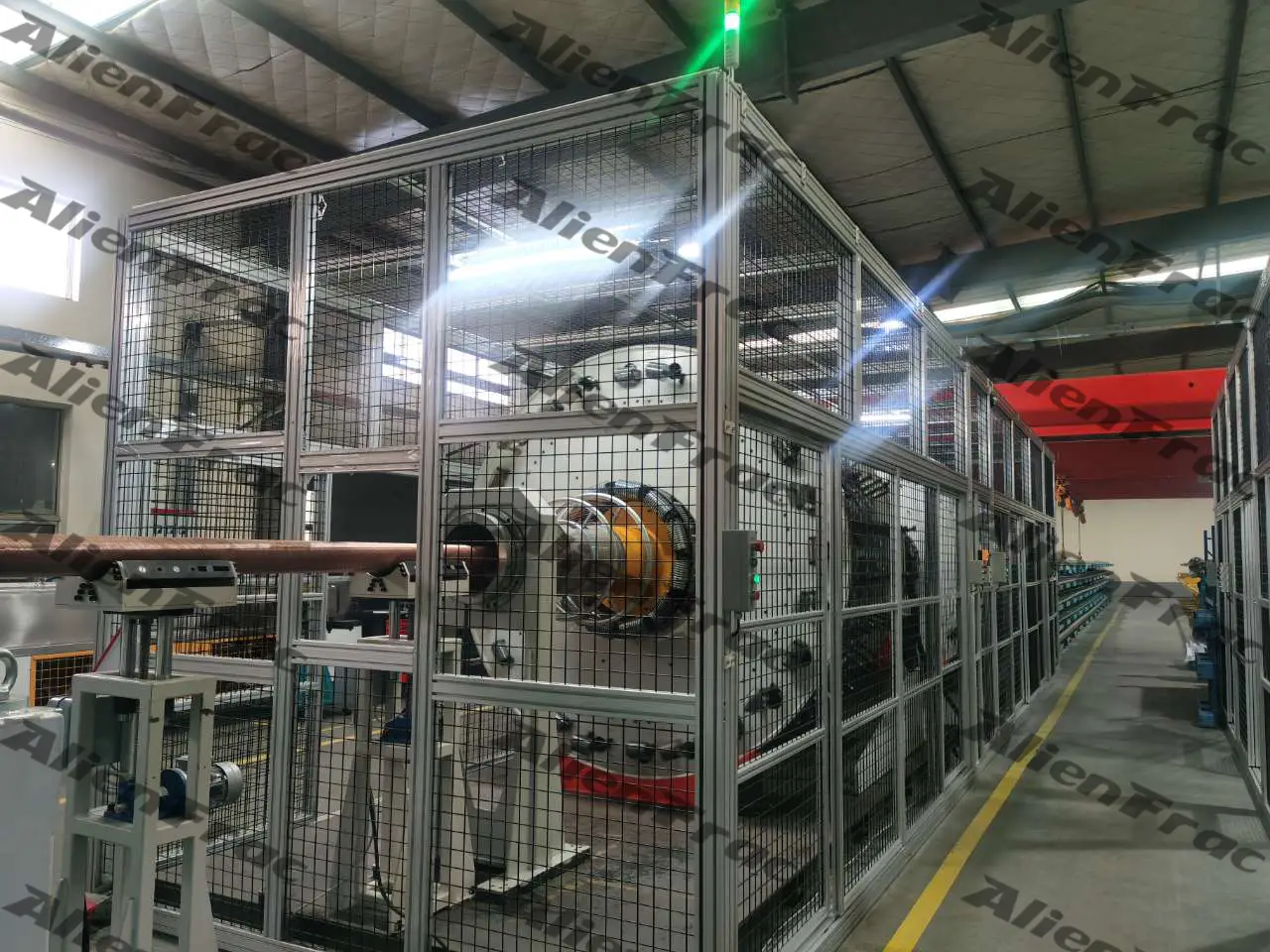
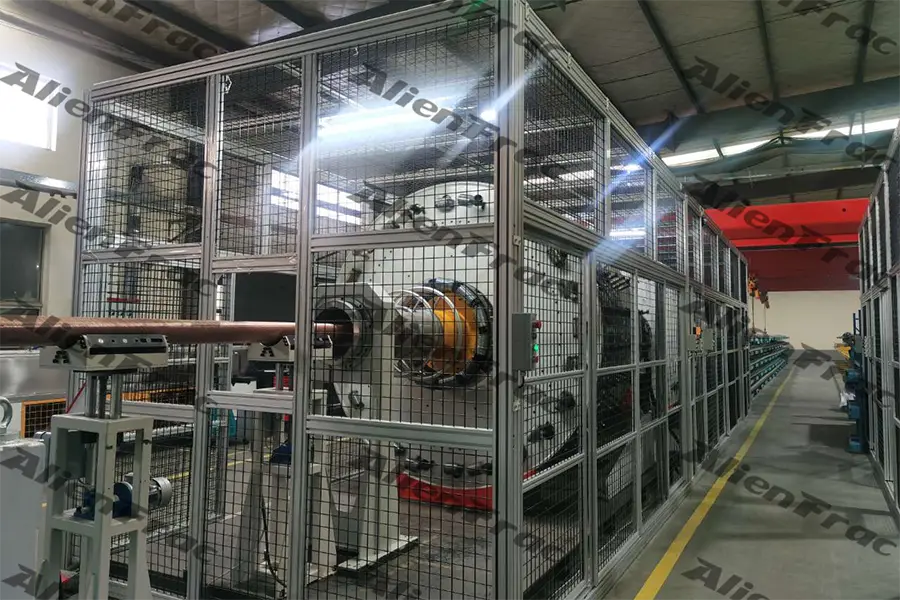
Efficient German and American weaving, winding and spiral machines, UNIFLEX crimping, cooling system, innovative large-scale hose machines, industry-leading.
High Production Capacities
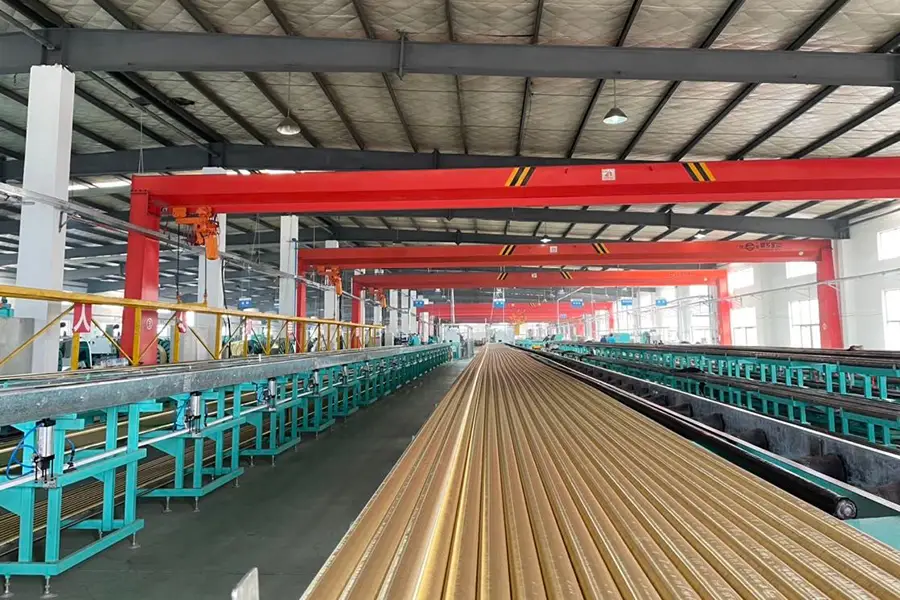
Our factory boasts extremely high production capacities, manufacturing a range of hoses, including large-caliber wire-wrapped oil drilling hoses at 1000 meters per day and hydraulic hoses at 120,000 meters per day.
Reliable Quality
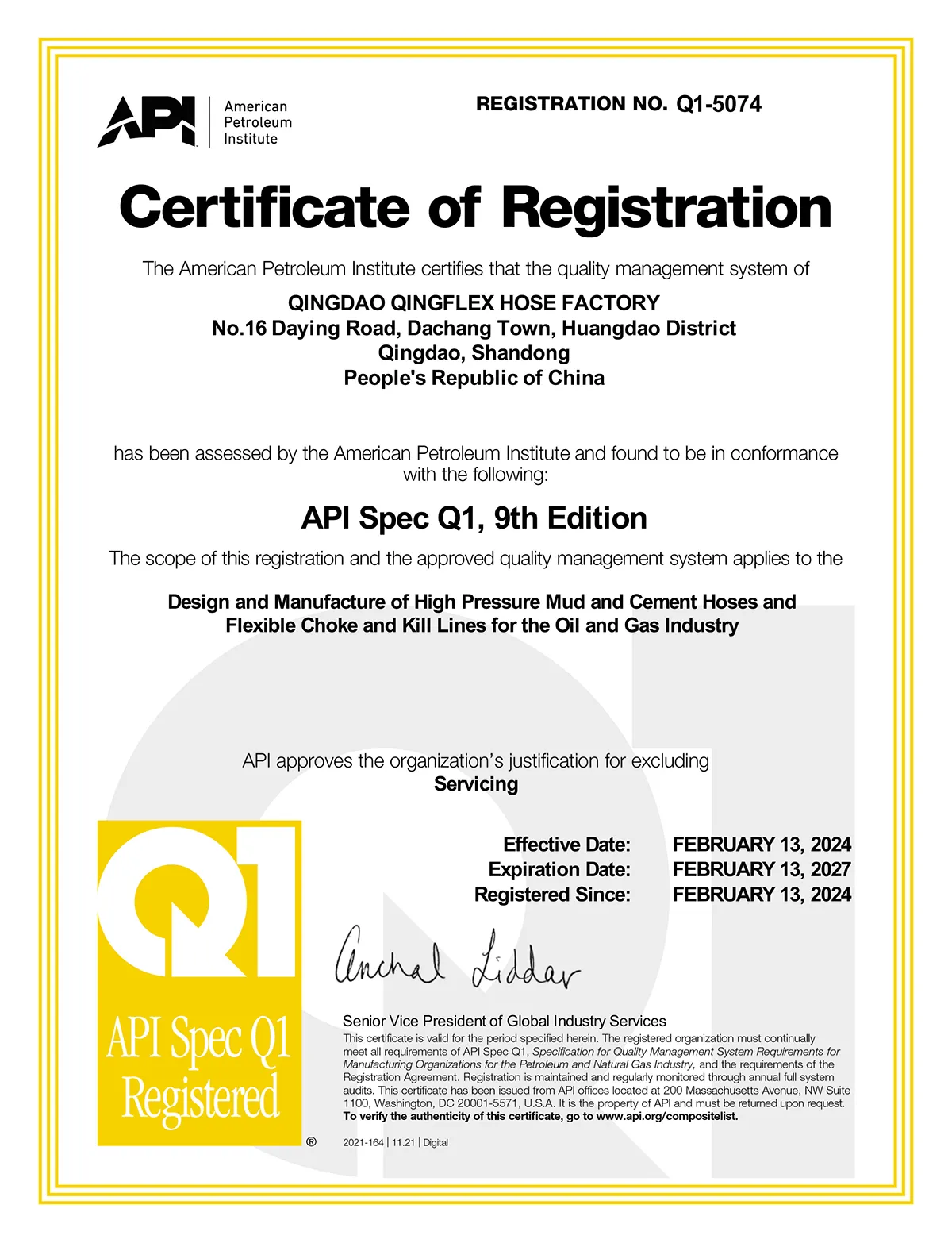
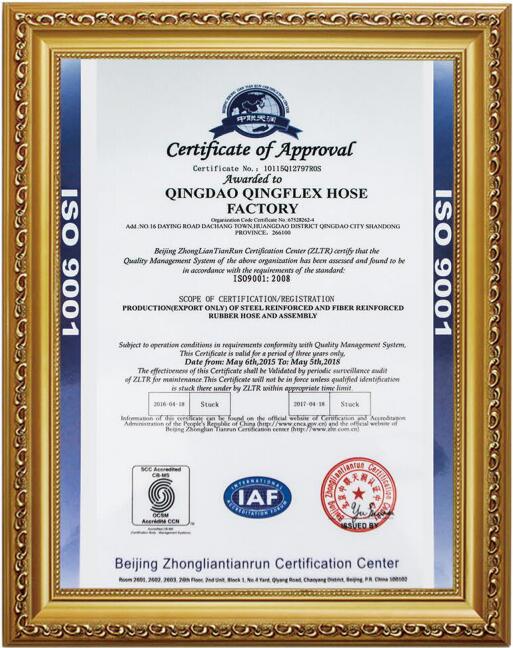
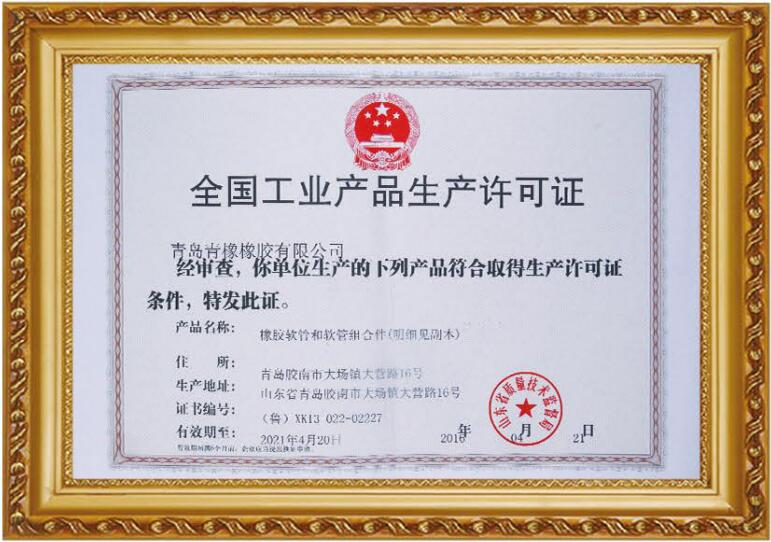
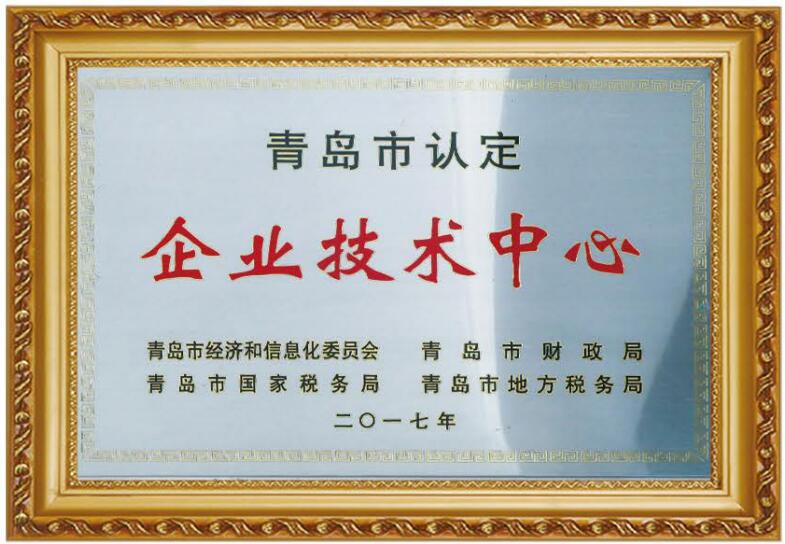
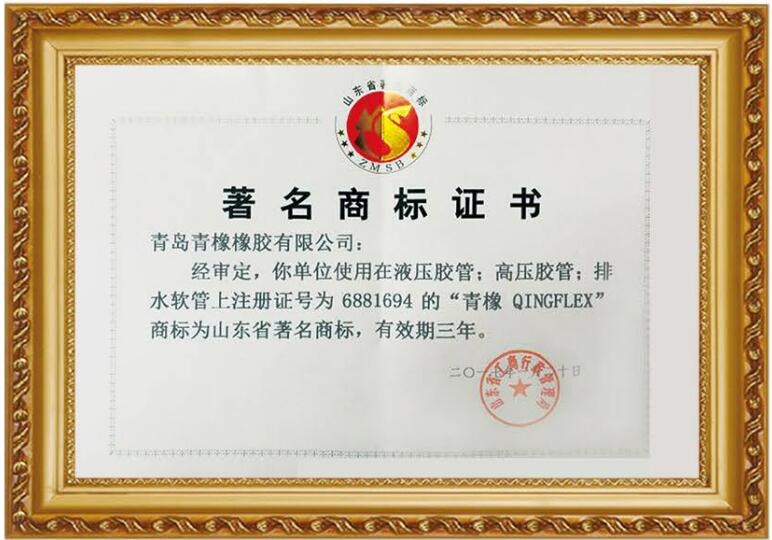
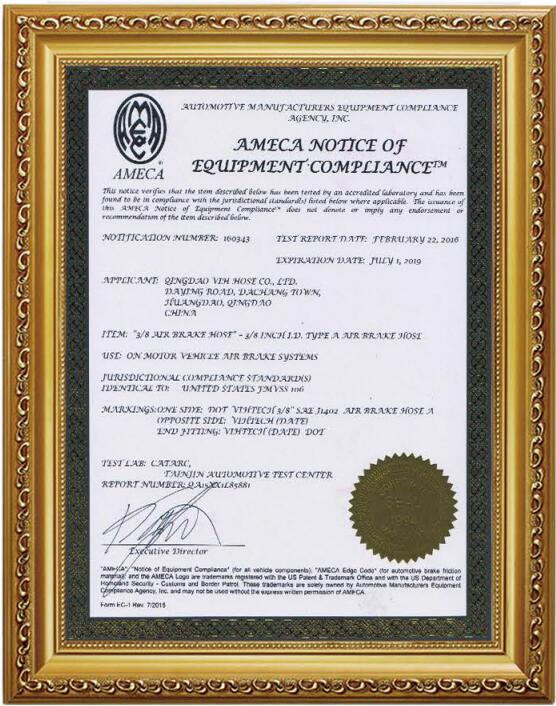
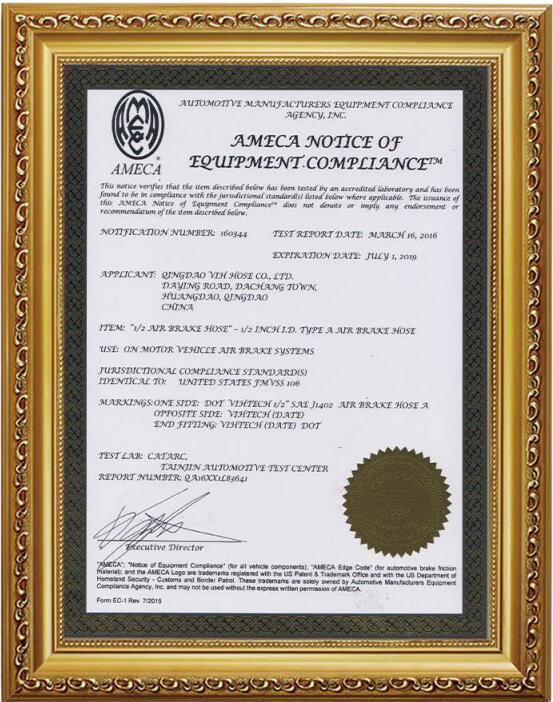
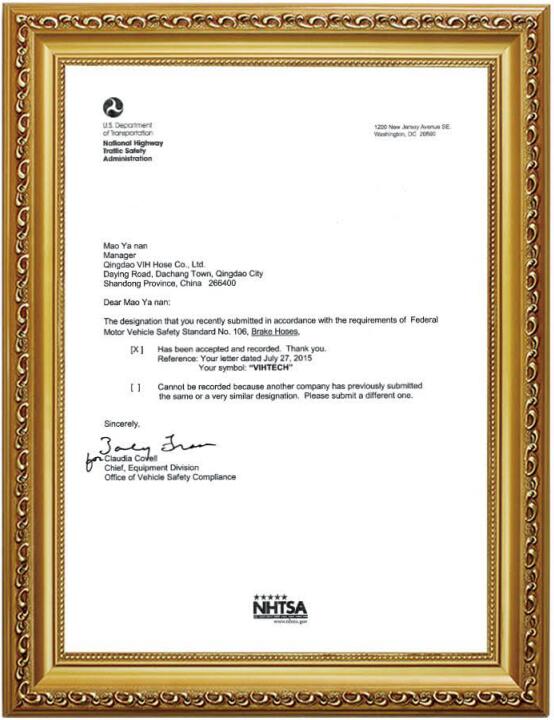
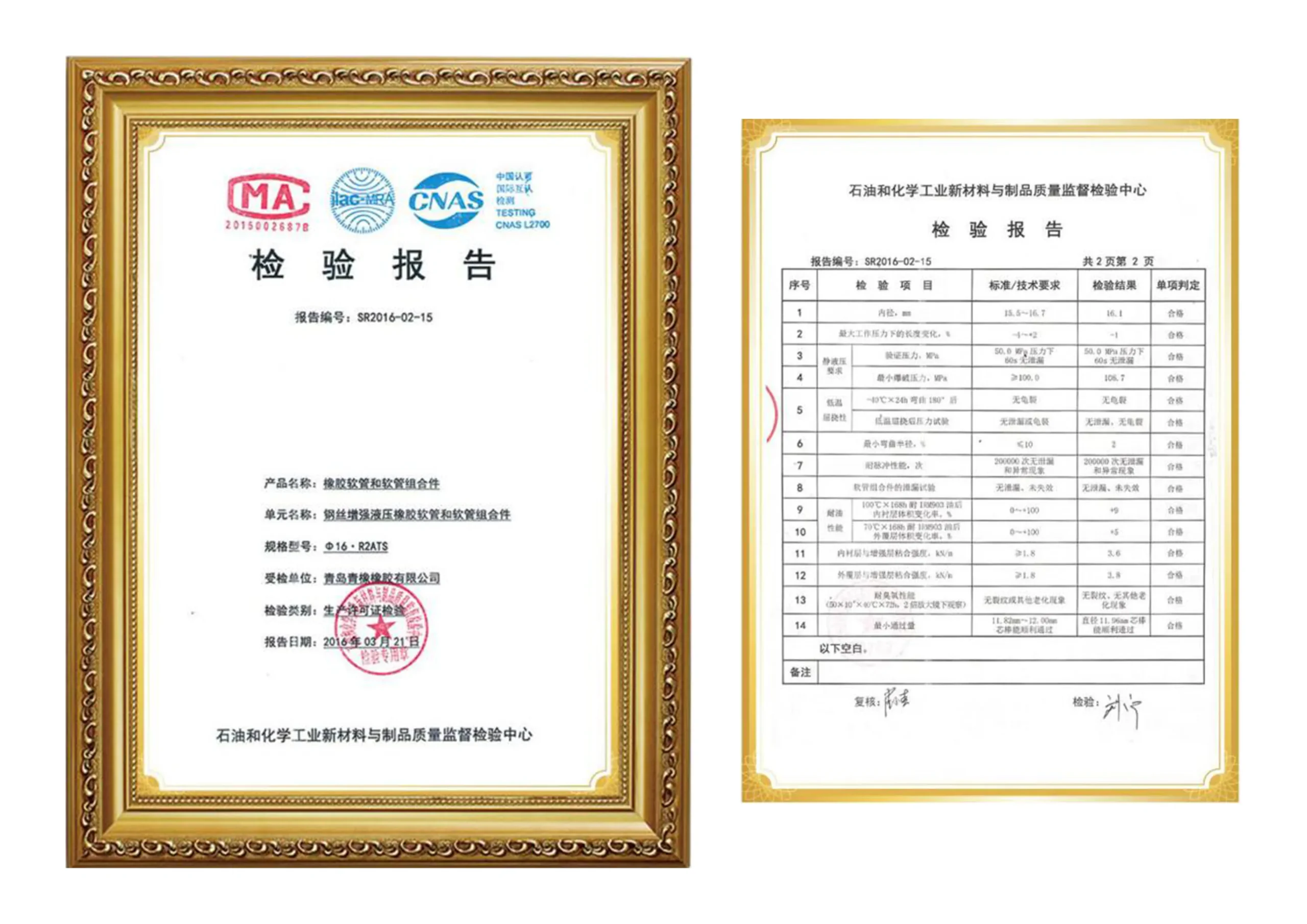
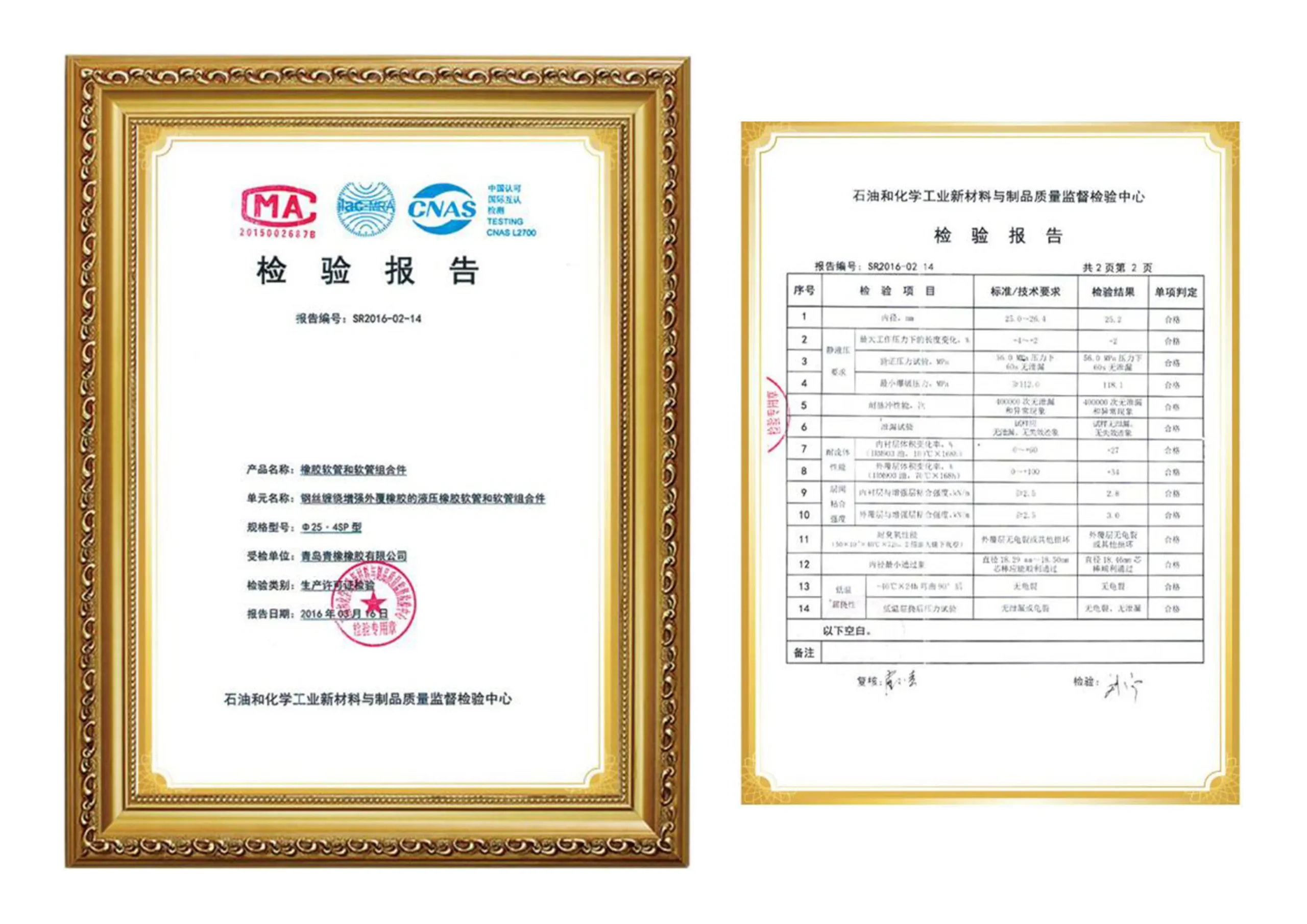
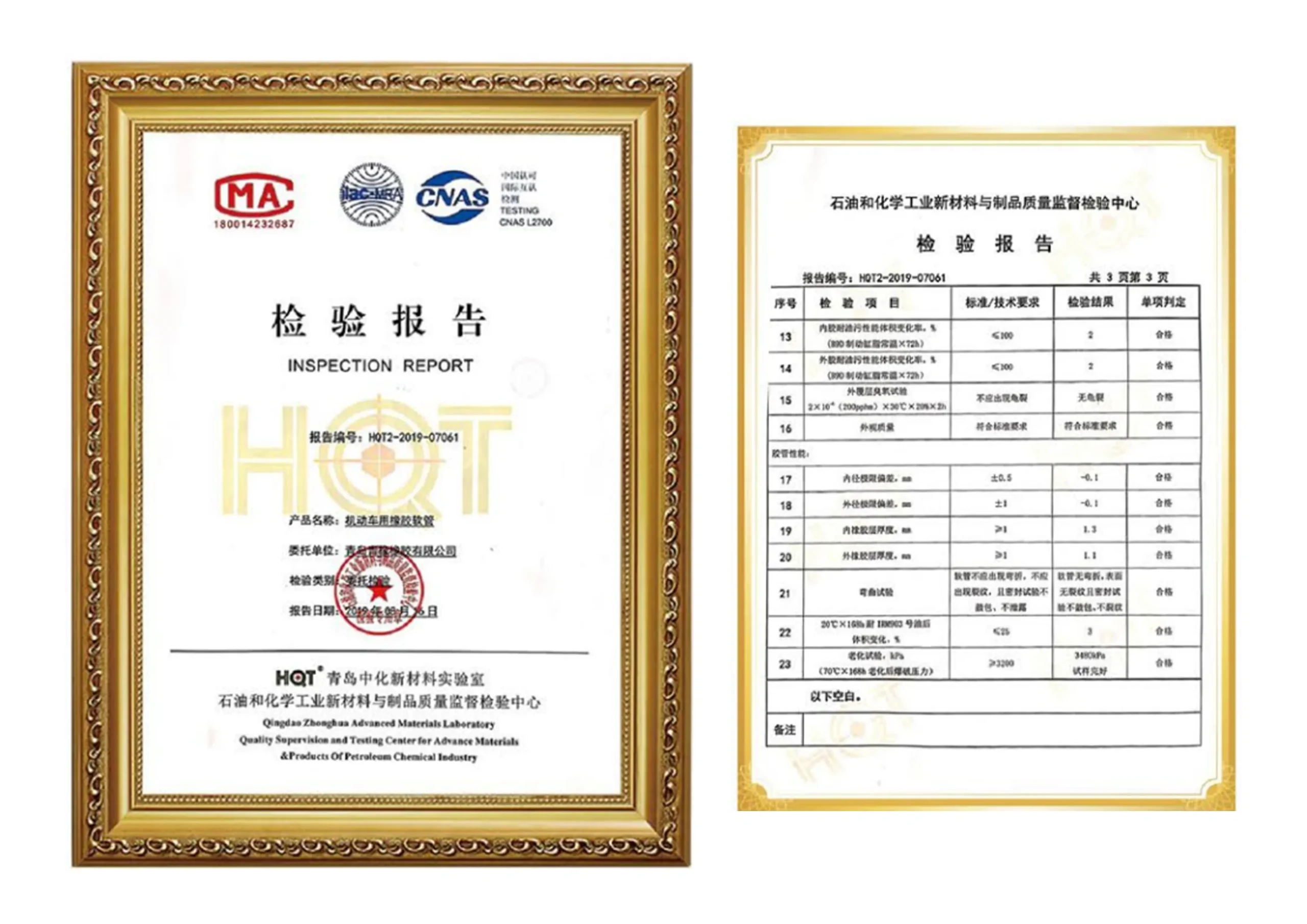
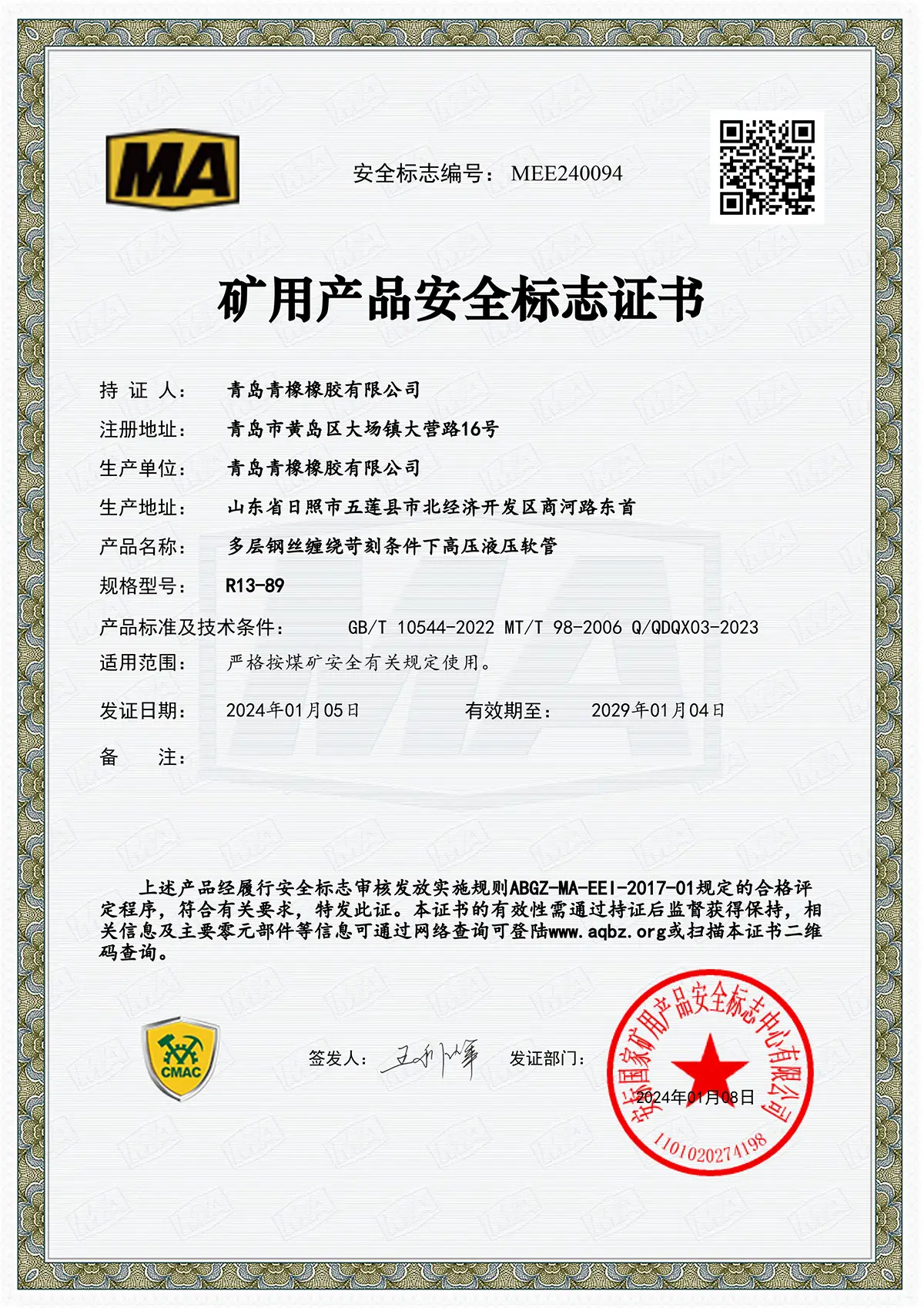
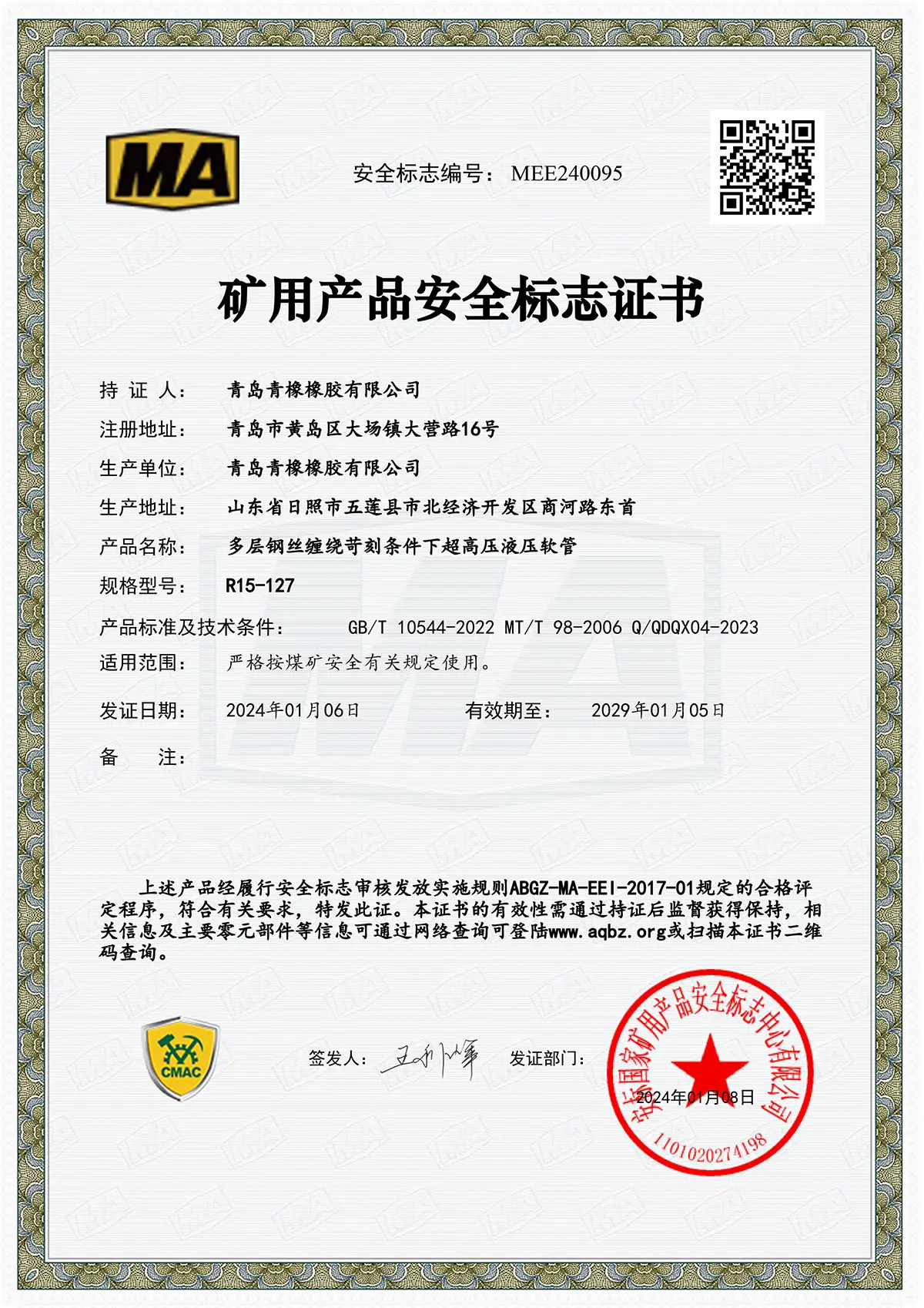
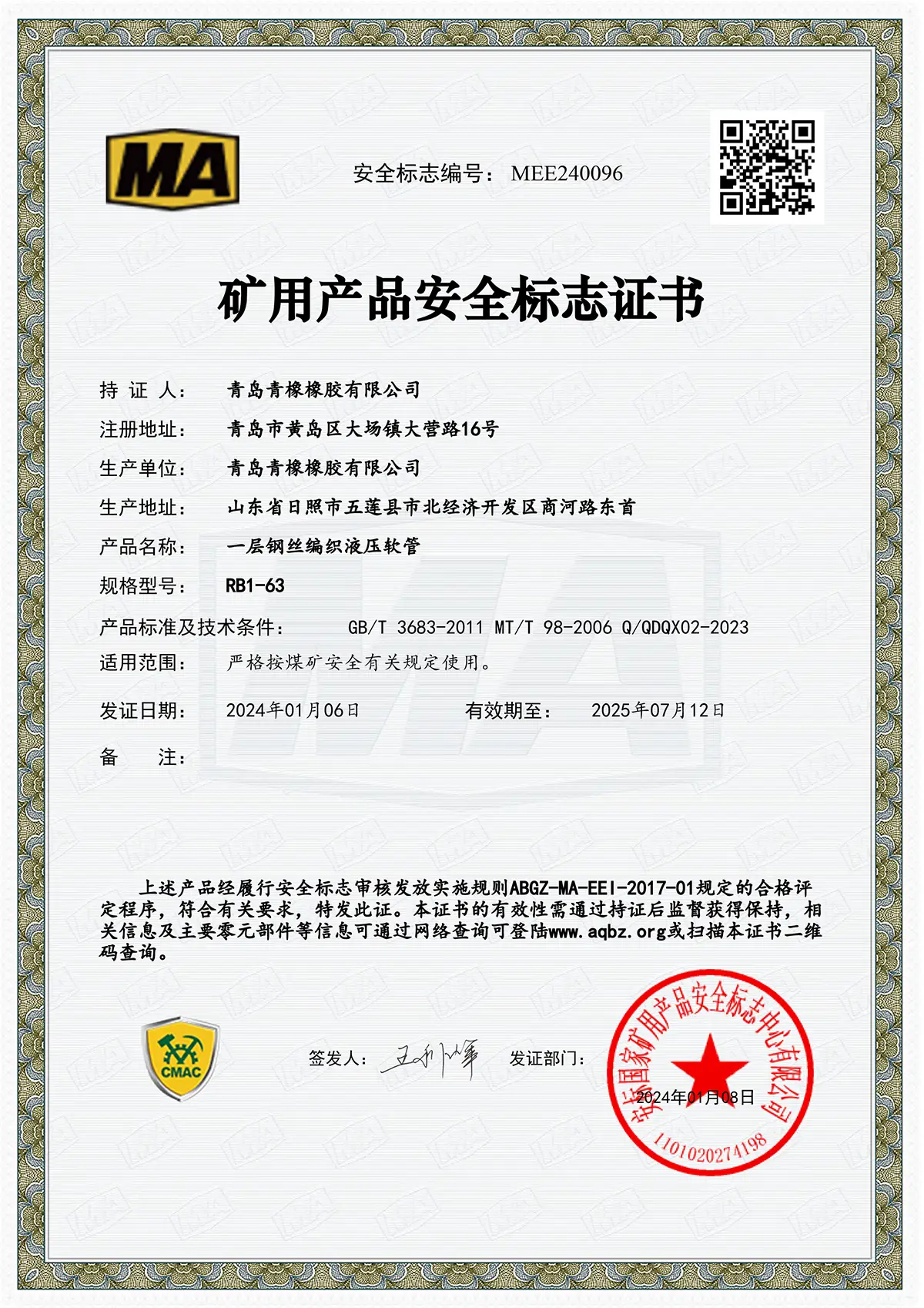
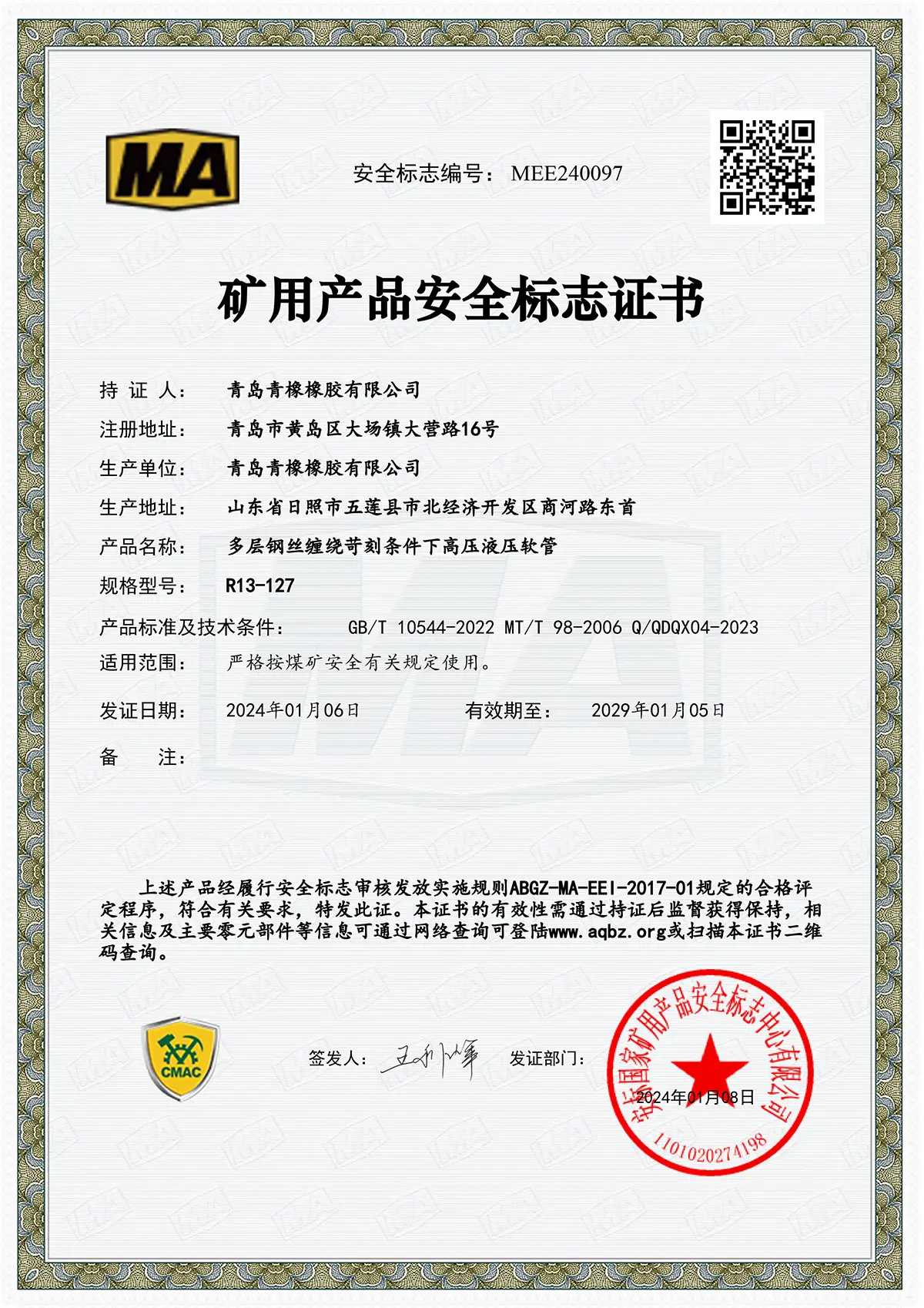
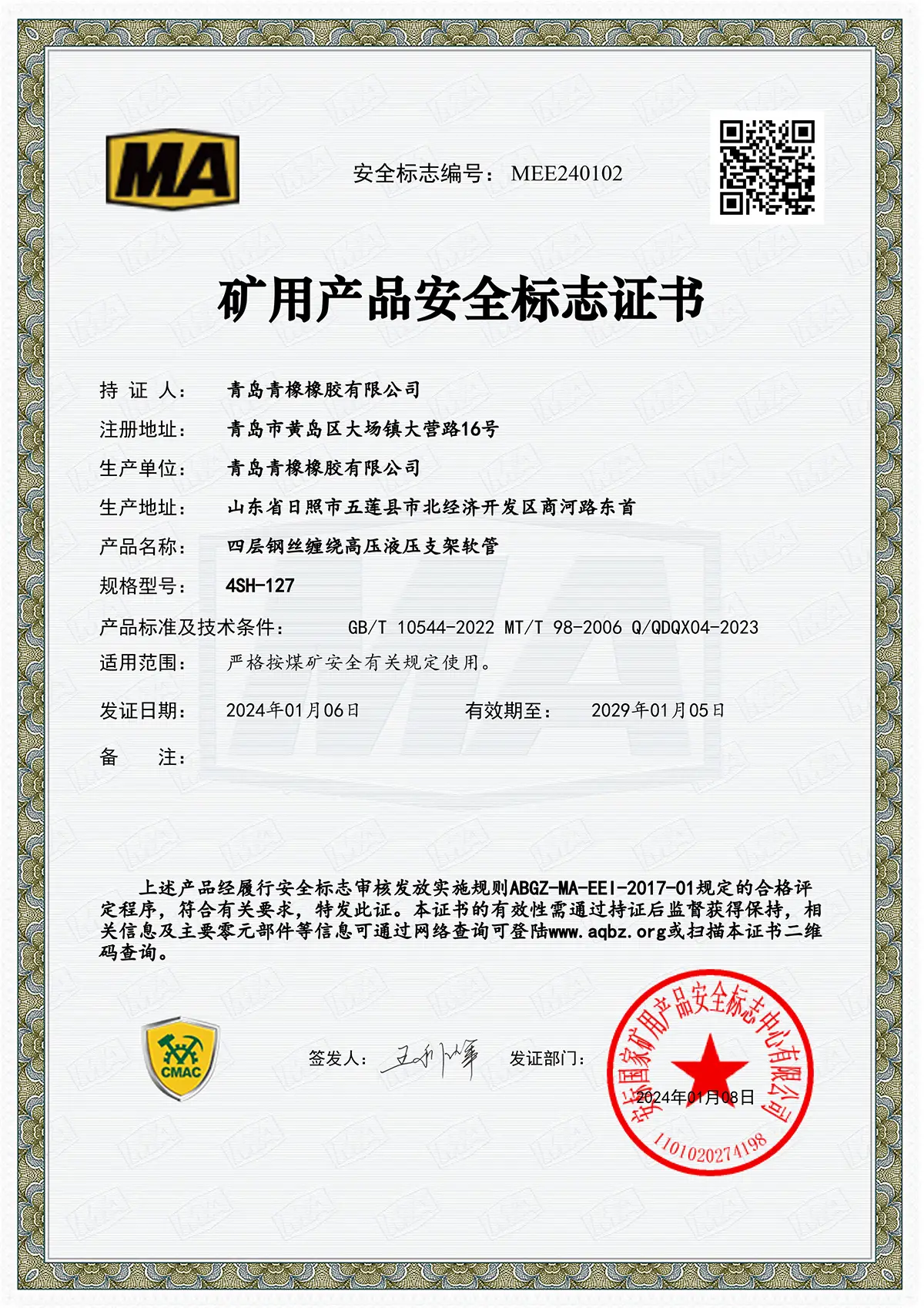
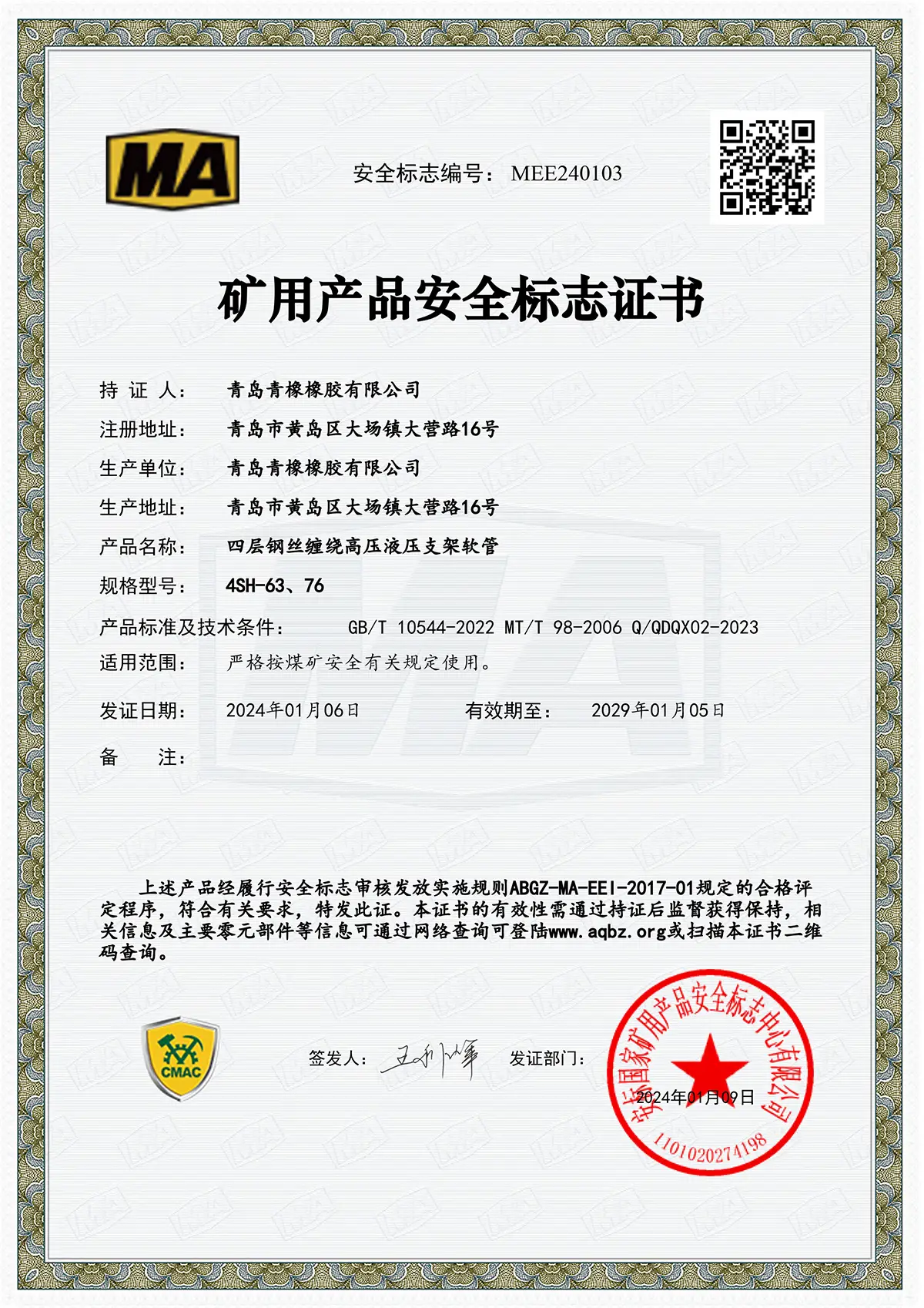
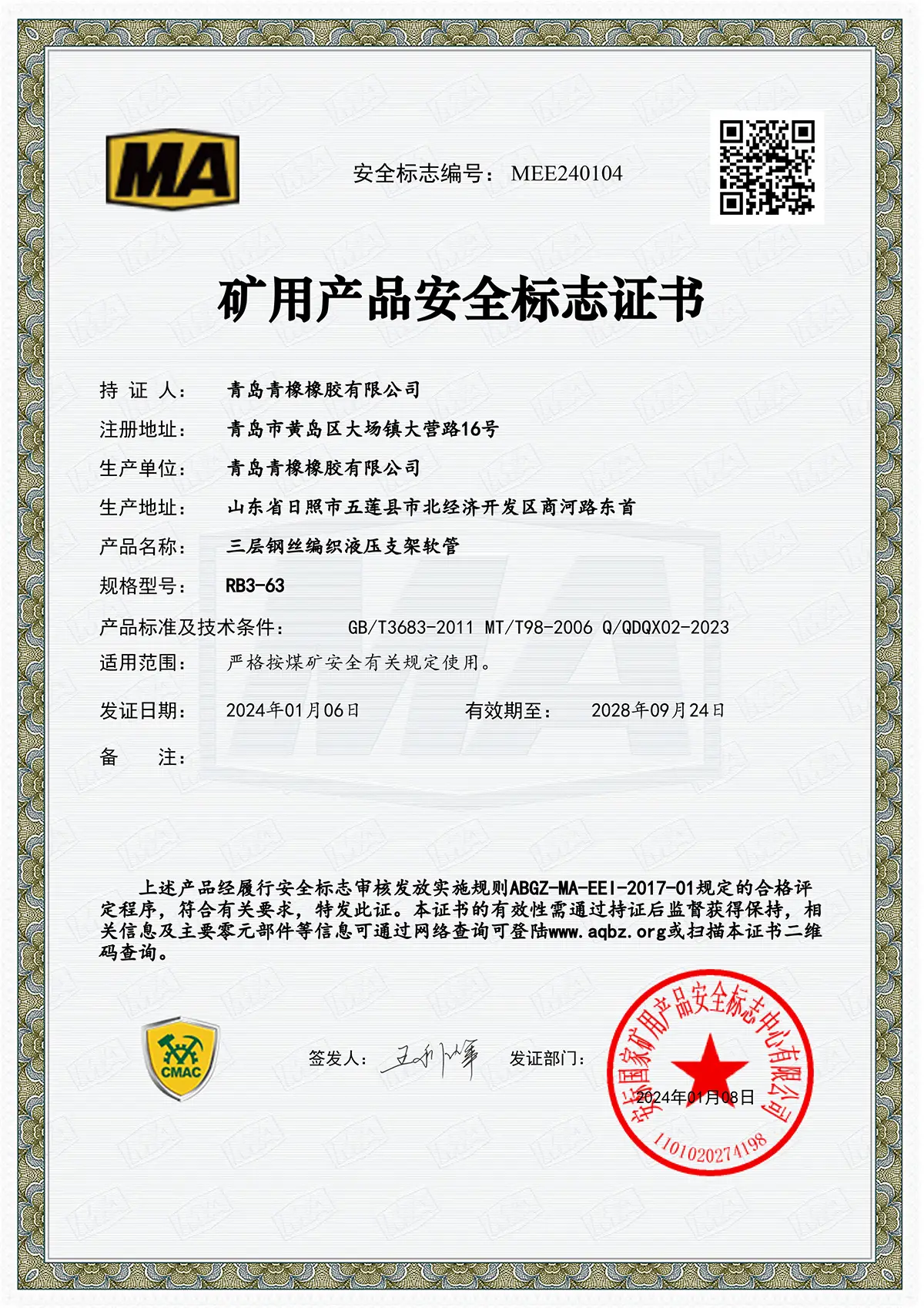
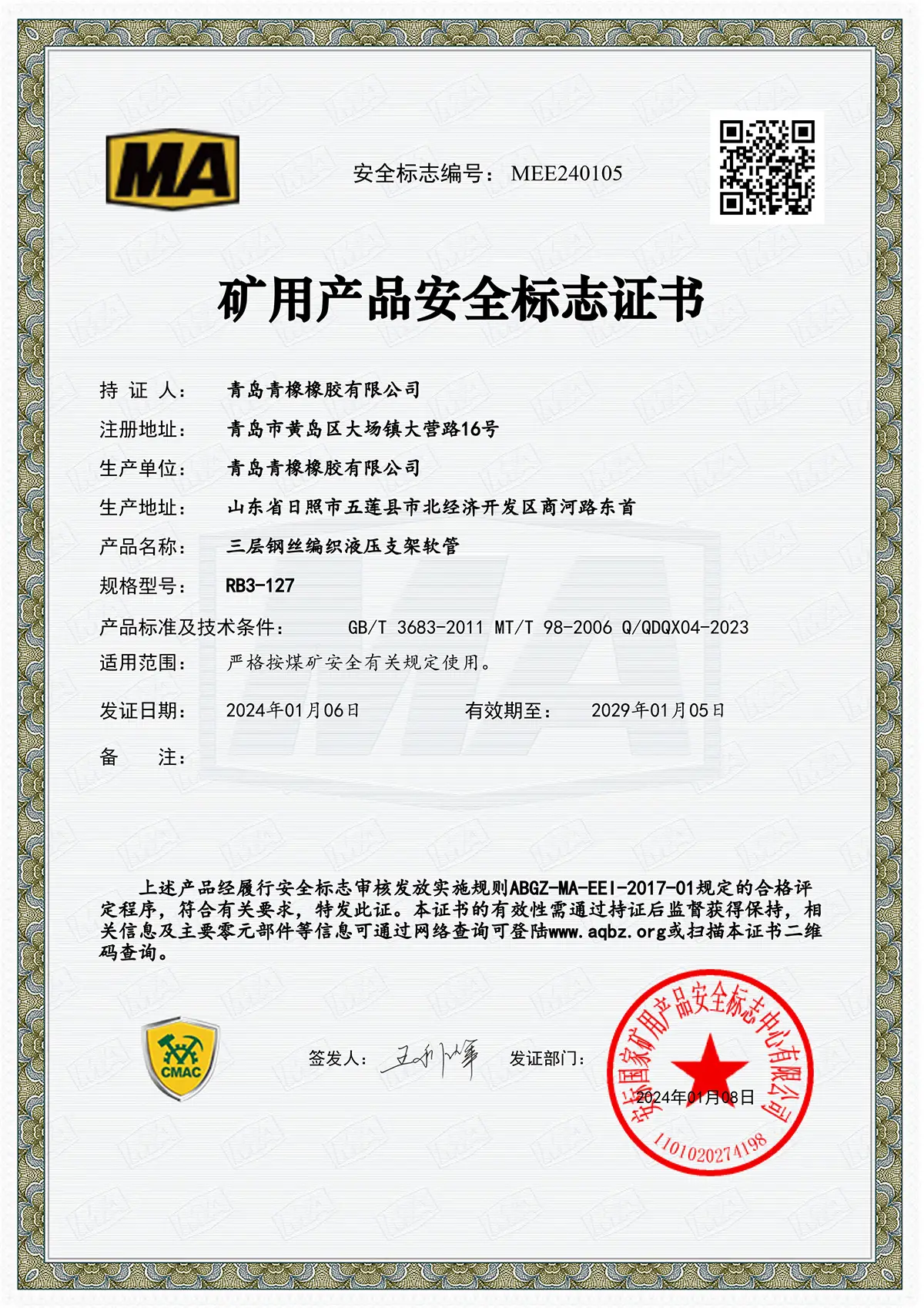
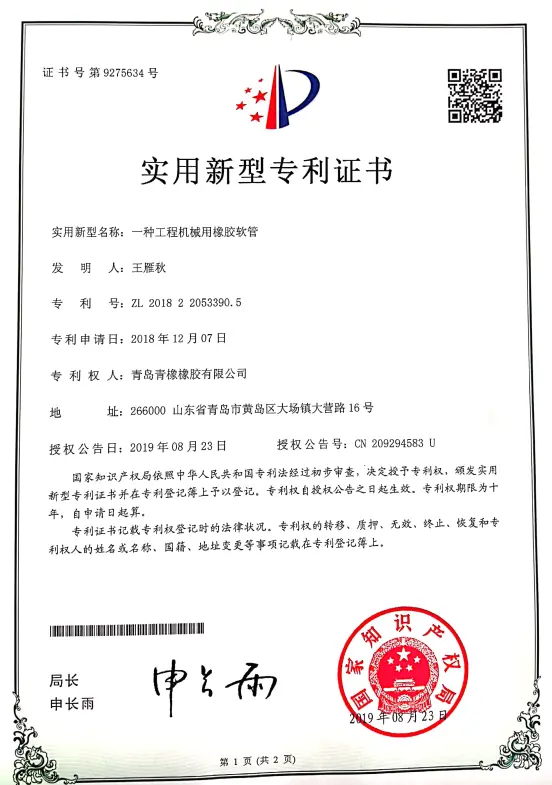
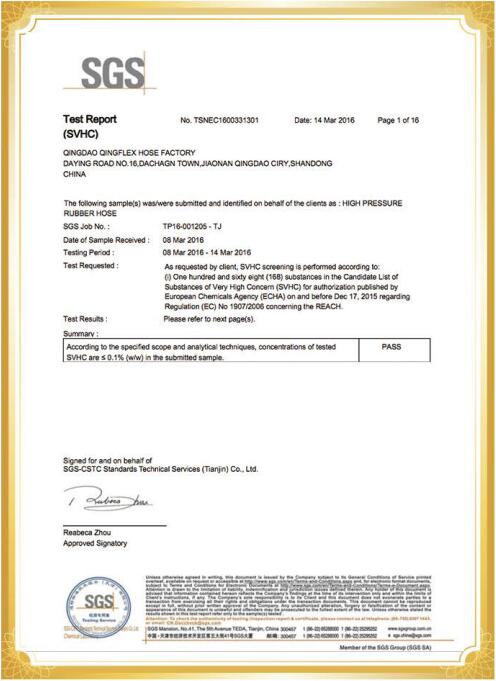
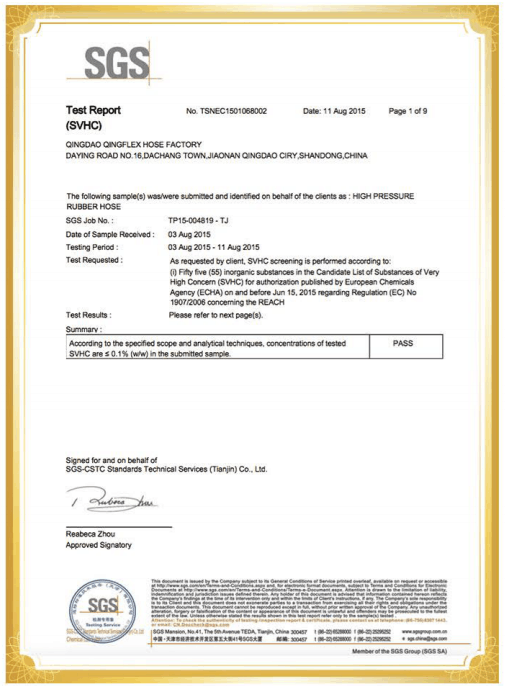
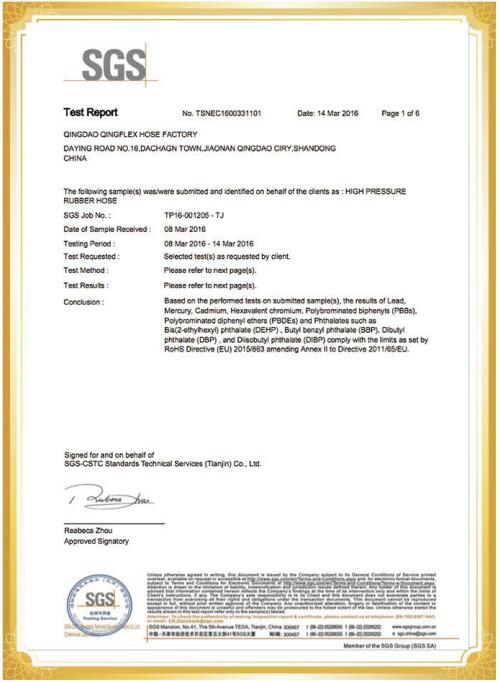
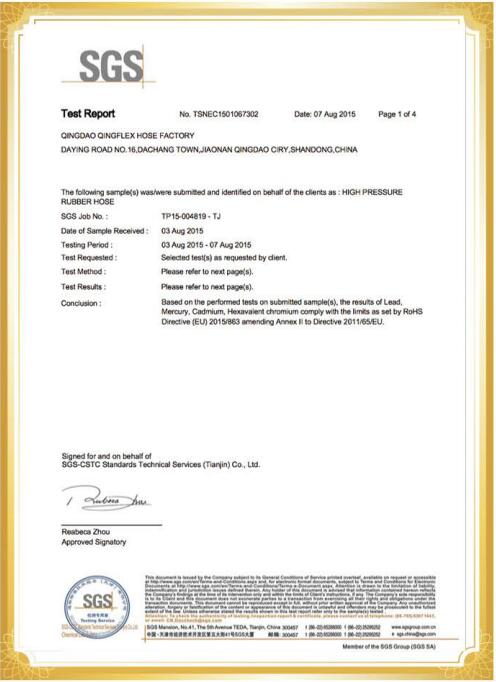
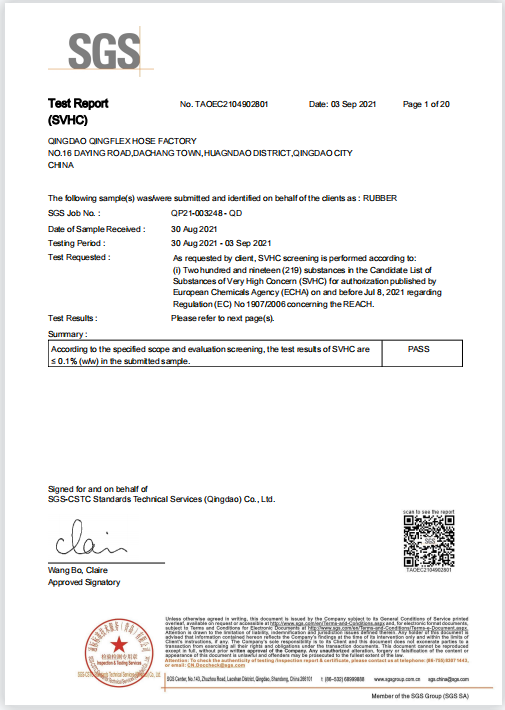
Our company proudly possesses certifications from DNV MED, CCS, ABS, and API, underscoring our unwavering commitment to delivering products of exceptional quality and reliability.
Qingflex, a leading enterprise, specializes in the research, development, and manufacturing of oilfield drilling hoses compliant with API standards such as API 7K and API 16C. Additionally, we produce acid frac hoses and hydraulic hoses meeting DIN, SAE, Japanese, and GB standards.
Our range includes AllienDrill hoses, API-7K Cement hoses, Rotary Drilling and Vibrator Hoses, API-16C Choke and Kill Hoses, BOP Control Hoses, and more. These products are crafted using state-of-the-art machinery and technologies, catering to the global oilfield sector.
Our AlienFrac Acid Fracturing Hose, both fitted with built in fittings and crimped fittings, boasts impressive Working Pressure (W.P.) ratings of up to 15,000 PSI and 20,000 PSI. They offer enhanced flexibility during installation and extended service life, making them an excellent alternative to steel pipes.
A cement hose is a heavy-duty, flexible pipe for transporting cement slurry or concrete under high pressure. You use it to move cement efficiently on construction sites or industrial projects.
Reinforced with steel wire and synthetic fibers to resist pressure and abrasion.
Secure metal couplings ensure tight, leak-free connections.
Maintains shape under stress and prevents clogging during pumping.
Handles vertical, horizontal, or curved pumping routes without flow loss.
This hose boosts project efficiency and ensures consistent cement delivery in all conditions.
What Factors Determine Cement Hose Cost?
Cost depends on material quality, diameter, length, reinforcement layers, and coupling type.
High-pressure hoses cost more due to steel braid reinforcement.
Specialized abrasion-resistant liners or chemical-resistant inner tubes increase price.
Custom lengths and diameters directly affect unit cost.
Investing in durable hoses reduces long-term replacement expenses.
Choosing the right hose balances upfront cost with long-term savings.
How Do I Choose the Right Cement Hose for My Project?
Select a hose based on flow volume, pressure requirements, length, and abrasion resistance.
Match diameter to pump output for consistent flow.