API vs ASME Flanges: Which Standards Suit Your Project?

api vs asme flanges
Compare API vs ASME flange standards to choose the right fit for your project's pressure, safety, and compliance requirements in industrial applications.
Table of Contents

You face a critical decision when choosing between API vs ASME flange standards for your project. Each flange standard addresses unique safety and performance requirements. If you select the wrong flange, you risk leaks and operational failures.

Flange compatibility is not just a technical detail—it protects your system and your team. Alienfrac supplies high-quality API flanges designed for harsh environments. You can trust these flanges to deliver reliable performance when your application demands the highest standards.

Make every flange choice count for the success of your operation.

Key Takeaways

  • Choose the right flange standard for your project. API flanges suit high-pressure oil and gas applications, while ASME flanges fit general industrial use.
  • Understand the differences in pressure ratings and material strengths. API flanges handle extreme conditions, while ASME flanges are designed for moderate pressures.
  • Always match gaskets to the correct flange type. Mixing gaskets can lead to leaks and system failures, so ensure compatibility.
  • Follow proper bolting practices to maintain joint integrity. Use tension control and correct materials to prevent leaks and ensure safety.
  • Consult with experts or trusted suppliers like Alienfrac for high-quality flanges. This ensures reliable performance and compliance with industry standards.

Flange Standards Overview

What Are ASME Flanges?

what are asme flanges

You encounter ASME flanges in a wide range of industries. These flanges follow strict ASME flange guidelines, which focus on safety, reliability, and compatibility. ASME flanges are designed for general industrial use, including high-volume valves, vessels, and large-scale pipe systems. You will find ansi/asme flanges in:

  • Industrial pumps and manufacturing systems
  • Food and beverage processing
  • Waterworks and municipal piping
  • Heat exchangers and nuclear power plants
  • Oil and gas drilling
  • Petrochemical treatment and processing

ASME flanges use standardized dimensions and pressure classes. This approach ensures you can easily match components from different manufacturers. The ASME standards help you maintain system integrity and simplify maintenance.

What Are API Flanges?

api flanges

Api flanges serve a different purpose. You rely on api flanges when your project faces extreme conditions. These flanges meet API 6A standards, which address high-pressure, high-temperature, and corrosive-substance exposure.

Api flanges play a critical role in the oil and gas industry, especially in pipelines and drilling operations. The demand for api flanges continues to grow as exploration and production activities expand, particularly in regions with rich shale resources.

Alienfrac manufactures API flanges that meet strict API 6A standards. You can trust these flanges for safe and efficient operations in demanding environments. Api flanges offer robust connections that withstand pressures up to 20,000 psi, making them ideal for pipelines, offshore drilling platforms, and other oilfield applications.

Why Flange Standards Matter?

Flange standards protect your pressurized piping systems. ASME flanges and api flanges both ensure safety, but each follows a unique design philosophy. ASME flanges focus on broad industrial compatibility, while api flanges address the specific needs of oil and gas operations.

These standards consider internal pressure limits, temperature effects, and long-term reliability. By following the correct flange standards, you maintain the integrity of your system and reduce the risk of leaks or failures.

Applications of Flange Standards

ASME Flange Uses

asme flange uses

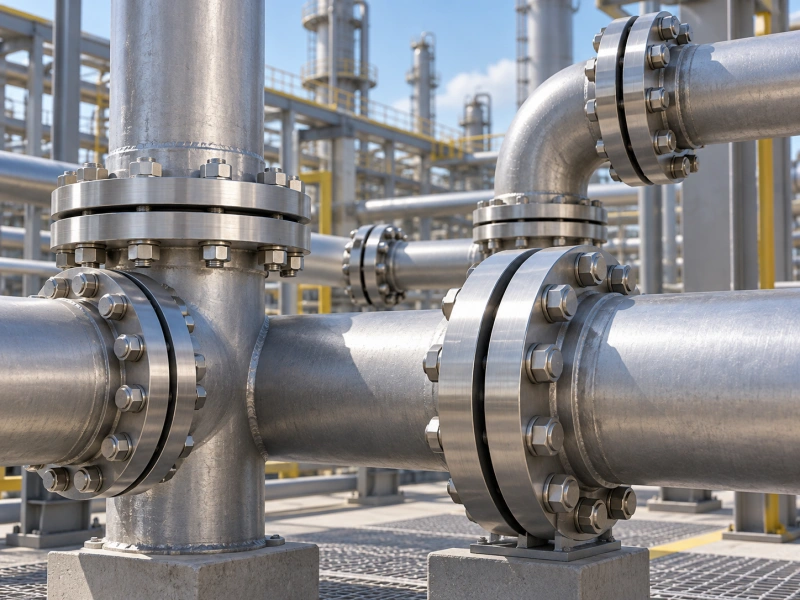
You see ASME flanges in many industries. These flanges work well in water treatment plants, chemical factories, and food processing facilities. You can use ASME flanges for pumps, valves, and heat exchangers. The design of these flanges follows strict ASME guidelines.

You benefit from easy installation and replacement because the dimensions are standardized. You can connect pipes and equipment from different manufacturers without problems. ASME flanges support moderate pressure and temperature levels.

You find them in municipal water systems and general industrial piping. These flanges help you maintain safe and reliable operations in less extreme environments.

API Flange Uses in Oil & Gas

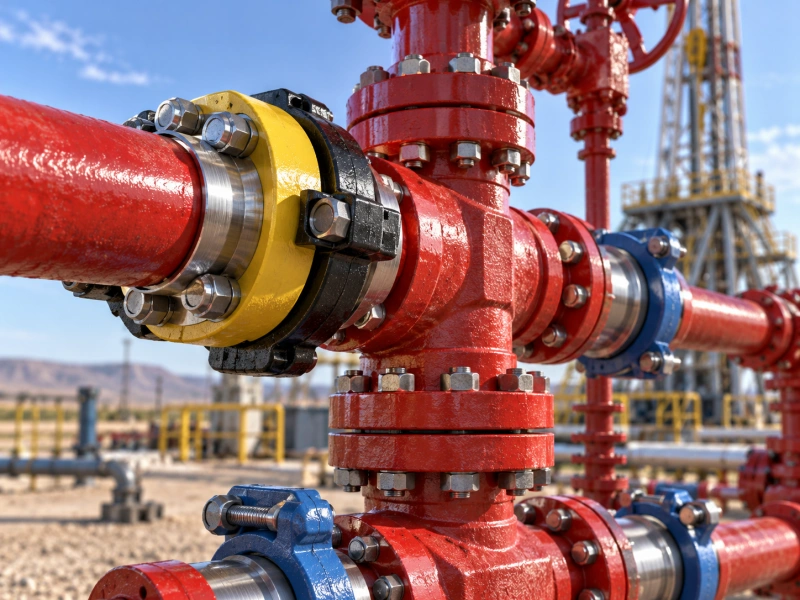
You rely on API flanges when you face high-pressure and high-temperature challenges. The oil and gas industry demands strong connections for pipelines, wellheads, and blowout preventers. API 6A flanges give you the durability and pressure resistance you need.

You use these flanges in drilling rigs, production platforms, and refineries. API 6A flanges ensure leak-free joints, which protect your equipment and your team. You see these flanges in critical spots where failure is not an option.

Alienfrac API flanges meet strict API 6A standards, so you can trust them in the toughest oilfield conditions.

When you choose API 6A flanges, you improve safety and reduce downtime. These flanges handle pressures up to 20,000 psi. You get reliable performance in harsh environments. API 6A flanges are essential for your wellhead and blowout preventer systems. You keep your operations running smoothly and avoid costly leaks.

You find API 6A flanges in both onshore and offshore oil and gas projects. These flanges support your need for secure, high-pressure connections. Alienfrac API 6A flanges give you peace of mind in demanding applications.

Pressure Ratings and Sizes

ASME Pressure Classes

You often see ASME pressure classes defined by numbers such as 150, 300, 600, 900, 1500, and 2500. These numbers represent the maximum working pressure for ASME flanges at ambient temperature. ASME B16.5 and ASME B16.47 standards set these classes for different flange sizes and materials.

You use ansi/asme flanges in many industries because they offer reliable performance for moderate to high pressures. The table below compares a common ASME pressure class with an api rating:

Flange TypePressure ClassWorking Pressure (psi) at Ambient Temperature
ASME/ANSI B16.5Class 1500~3705
API 6A5000 psi5000

You select the right ASME pressure class rating based on your system’s pressure and temperature needs. This approach helps you maintain safety and system integrity.

API Flange Pressure Ratings

Api flanges follow a different system. You find api ratings such as 2,000, 3,000, 5,000, 10,000, 15,000, and 20,000 psi. These ratings show the maximum pressure the flange can handle. Api 6a flanges, including types 6B and 6BX, are common in oil and gas.

You use these flanges for high-pressure pipelines, wellheads, and blowout preventers. The table below shows the range of api flange pressure ratings:

Flange TypePressure Rating (psi)
Type 6B2,000, 3,000, 5,000
Type 6BX5,000, 10,000, 15,000, 20,000

You rely on api flanges when you need to handle extreme pressures. These flanges give you confidence in critical applications.

Dimensional Differences

You notice that ASME and api flanges have different dimensional tolerances. ASME B16.5 and ASME B16.47 flanges use standardized dimensions for easy interchangeability. Api flanges, however, use thicker metal and tighter tolerances to support higher pressures.

The chart below compares ASME pressure classes and api ratings for various flange types:

Flange TypeASME Pressure ClassesAPI RatingsNotes
Class 150150 lbs2,000 psiEquivalent dimensions but lower yield strength
Class 300300 lbs3,000 psiMore metal for higher pressure capability
Class 600600 lbs5,000 psiThicker flanges for higher ratings
Class 900900 lbs10,000 psi
Class 15001500 lbs15,000 psi
Class 25002500 lbs20,000 psi

You must match the correct flange type to your system’s pressure and size requirements. This step ensures safety and long-term performance.

Flange Materials and Construction

ASME Material Options

You have many choices when selecting materials for ASME flanges. Each material offers unique mechanical properties that suit different environments and applications. You can use carbon steel for general piping because it balances strength and cost.

Stainless steel works best in harsh or corrosive settings, such as chemical plants or offshore oil and gas. Alloy steel handles high-pressure and high-temperature conditions, making it ideal for power generation and the oil and gas sector.

Duplex and super duplex stainless steel give you extra strength and corrosion resistance for marine and subsea projects. Nickel alloys, like Inconel and Monel, perform well in extreme heat and severe corrosion. Some specialized materials solve unique engineering challenges.

Material TypeMechanical PropertiesApplications
Carbon Steel (ASTM A105, A350)Exceptional strength-to-cost ratio, suitable for ambient and elevated temperatures.General piping applications
Stainless Steel (Grades 304, 316)Outstanding corrosion resistance, ideal for harsh environments.Food processing, chemical manufacturing, offshore oil & gas
Alloy Steel (ASTM A182 F11, F22)Engineered for high-pressure and high-temperature services.Power generation, oil & gas sector
Duplex and Super Duplex StainlessHigh strength and superior corrosion resistance.Marine and subsea environments
Nickel Alloys (Inconel, Monel)Extraordinary resistance to heat and severe corrosion.Specialized chemical processing, ultra-high-temperature systems
Other Specialized MaterialsUnique properties for specific challenges.Aerospace, desalination, marine engineering

You should match the material to your system’s pressure, temperature, and corrosion requirements. This approach helps you maintain safety and reliability.

API Flange Material Strength

You need to consider material strength when choosing api flanges. These flanges must handle extreme pressures and temperatures, especially in oil and gas operations. Most api flanges use ASTM A105 carbon steel, which provides a minimum yield strength of 36,000 psi and a tensile strength of 70,000 psi.

Some ASME flanges, such as those made from ASTM A516 Grade 70, offer similar or higher yield and tensile strengths. ASTM A694 F70, used in some ASME flanges, delivers even greater strength for demanding applications.

Flange TypeMaterialMin Yield Strength (psi)Min Tensile Strength (psi)
API FlangesASTM A10536,00070,000
ASME FlangesASTM A516 Grade 7038,00070,000 – 90,000
ASME FlangesASTM A694 F7070,00082,000

You can see that api flanges must meet strict requirements for high-pressure service. You should always verify the material specifications before installation.

Manufacturing and Tolerances

You benefit from precise manufacturing when you choose ASME flanges or api flanges. Manufacturers use advanced machining and strict quality control to ensure each flange meets industry standards. You get consistent dimensions, smooth sealing surfaces, and tight tolerances.

This precision reduces the risk of leaks and failures. For api flanges, you see even tighter tolerances and thicker sections to handle higher pressures. You should always select flanges from trusted suppliers who follow api and ANSI standards. This practice ensures your system operates safely and efficiently.

Sealing and Gasket Compatibility

ASME Sealing Types

You encounter several sealing types when working with ASME flanges. Each face type affects how the flange prevents leaks and maintains system integrity. You must select the right sealing method for your application. The table below shows common ASME sealing types and their behaviors:

Face TypeSeal BehaviorTypical GasketApplications
Raised Face (RF)Concentrates compression on small areaSpiral woundMost industrial systems
Flat Face (FF)Full-surface contactFull-face gasketsCast iron systems
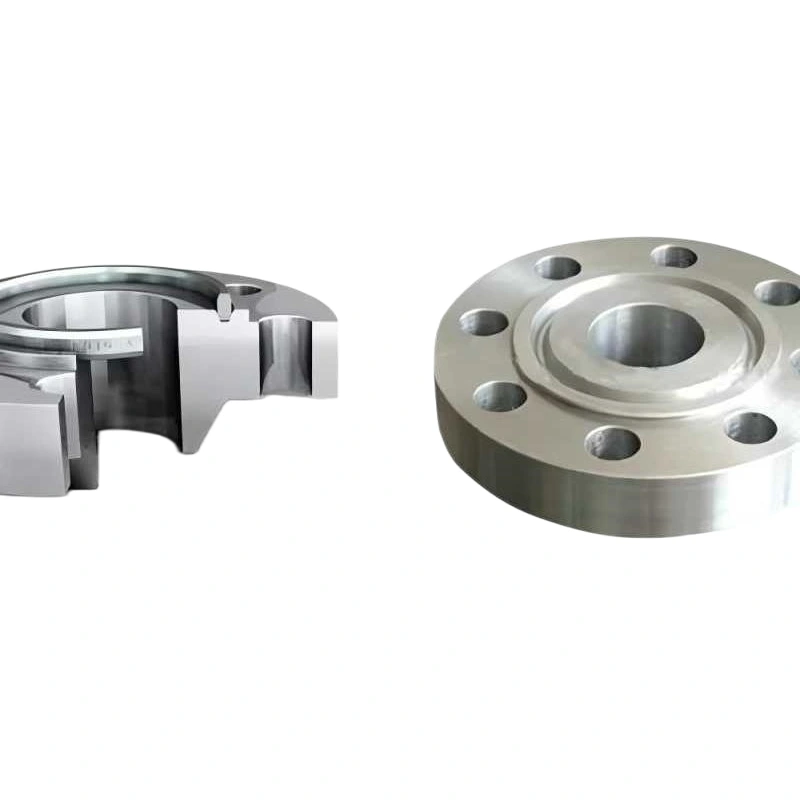
Ring-Type Joint (RTJ)Metal-to-metal groove sealingRTJ ringHigh-pressure, high-temperature

You use raised face flanges for most ASME flanges. Flat face flanges work best with cast iron. Ring-type joint flanges handle high-pressure and high-temperature environments. You must match the gasket to the flange face for reliable sealing.

API Flange Sealing Methods

You rely on api sealing methods when you need to secure high-pressure connections. These methods use advanced materials and designs to prevent leaks. The table below highlights api sealing methods for demanding environments:

Sealing MethodDescription
Low-Emission PackingEngineered materials like expanded graphite and PTFE maintain sealing integrity under pressure.
GasketsGraphite or PTFE gaskets provide chemical resistance and conformability for flanged connections.
Pressure SealsGraphite seals with anti-extrusion devices prevent leaks and enhance seal longevity.
Live-Loaded Packing SystemsSystems maintain consistent packing compression to reduce emissions.
Bellow SealsFlexible seals accommodate dynamic movements and temperature changes for valve stem applications.

You select api sealing methods for oil and gas projects. These methods help you maintain safety and performance in extreme conditions. You see api flanges in wellheads, pipelines, and blowout preventers.

Gasket Interchangeability

You must avoid mixing gaskets between ASME and api flanges. The designs are not compatible. Using the wrong gasket type can cause leaks or even catastrophic failure. Consider these risks:

  • Gaskets for ASME and api flanges are not interchangeable.
  • Using a BX gasket with an ASME RTJ flange leads to leaks because BX gaskets require face-to-face contact, which ansi/asme flanges do not provide.
  • Substituting an ASME flange in an api application risks failure due to lower pressure ratings and material strength.

Always match the gasket to the flange standard. You protect your system and ensure reliable operation.

Bolting and Connections

ASME Bolting Practices

You must follow strict bolting practices when working with ASME flanges. These practices help you maintain joint integrity and prevent leaks. You use advanced techniques to ensure each flange connection stays secure, even under pressure changes or vibration. Here are some common practices:

  • You use tension control bolting and hydraulic bolt tensioners to keep a consistent preload in bolted joints.
  • These methods help you maintain the right clamping force, even when the system heats up or cools down.
  • You may use torque-to-yield bolts, which stretch beyond their elastic limit. This technique keeps the flange joint tight during pressure spikes or vibration.
  • You combine precise bolting with the right flange design and material. This approach reduces the risk of gasket failure and fluid leaks, which is critical for high-pressure ASME and ASME flanges.

You should always follow these practices to keep your ASME flanges safe and reliable.

API Flange Bolting Requirements

You see more demanding requirements for api flanges, especially in oil and gas. You must use specific materials and follow a set assembly sequence. The table below shows the main requirements for api flange bolting:

Specification TypeDetails
Bolting MaterialsA193 B7, A307 Gr. B, A193 B8, A193 B8M, A193 B7M, A194 2H
Assembly Sequence1. Thread assembly with sealant 2. Gasket placement 3. Stud and nut assembly 4. Cross-bolt tightening 5. Torque to specification 6. Re-torque after initial pressurization

You must use the correct bolting materials for each api flange. You also need to follow the assembly steps in order. This process ensures that api flanges can handle high pressure and temperature without leaks or failures.

Connection Types

You have several connection types for ASME, ANSI, and api flanges. You choose the type based on your system’s needs. Common types include:

  • Weld neck flanges: You weld these directly to the pipe. They give you strong, leak-proof joints for high-pressure ASME and api systems.
  • Threaded flanges: You screw these onto the pipe. You use them for low-pressure ASME flanges.
  • Blind flanges: You use these to close the end of a pipe. Both ASME and api flanges offer this type.
  • Slip-on flanges: You slide these over the pipe and weld them in place. You use them for moderate-pressure ASME and ANSI systems.

You must select the right connection type for your application. This choice helps you maintain safety and performance in your piping system.

API vs ASME Flange Standards: Interchangeability and Risks

Why They Are Not Interchangeable

You cannot swap api vs ASME flange standards in your system. Each standard uses a different design philosophy, material strength, and pressure rating. You see these differences clearly when you compare the two side by side.

FeatureASME Flange (Class 1500)API Flange (6A 5000 psi)
Pressure Rating1500 psi5000 psi
Actual Working Pressure~3705 psi at ambient5000 psi across range
Material StrengthLower strengthHigher strength, controlled
Flange ThicknessThinnerThicker
Design PhilosophyGeneral-purposeHigh-risk applications

You notice that ASME flanges focus on general-purpose use. You use them in many industries, but they do not handle the same extreme pressures as api flanges. Api flanges use thicker metal and higher-strength materials. You rely on these for high-risk oil and gas applications.

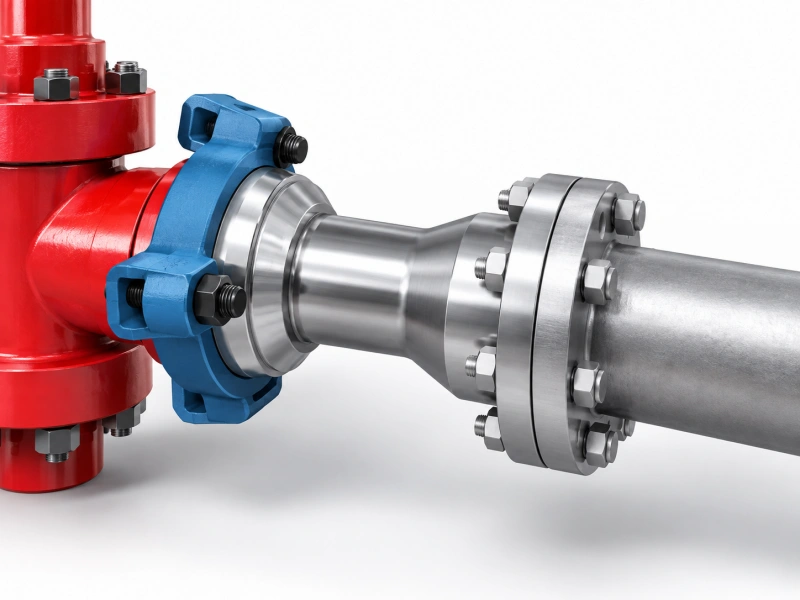
You cannot mix ASME flanges with api flanges because the dimensions, pressure ratings, and material requirements do not match. If you try to connect an api flange to an ASME flange, you risk leaks and failures. You must always follow the correct api vs asme/ansi flange standards for your project.

Safety and Compliance Risks

You face serious risks if you use the wrong flange standard. You must understand these dangers before you make a decision.

  • Incorrectly sized gaskets or those made from the wrong materials can cause leaks and material erosion.
  • Improper bolting, such as uneven tightening, can lead to flange misalignment. This overstresses the joint and may cause deformation or leaks.
  • Ignoring compatibility issues, like flange facing and gasket type, can result in system failure.

You also face compliance problems if you do not follow the correct api vs asme flange standards.

  • Non-compliance can lead to severe penalties and safety hazards.
  • You may face complex regulatory issues if you do not use the right standard.
  • Material degradation can happen when you use the wrong flange.
  • Installation errors become more likely with incorrect flanges.
  • Inspection becomes difficult, making it hard to prove compliance.

A real-world example shows the danger. On an offshore platform in the North Sea, a fire started because someone used a carbon steel ring between stainless steel flanges. The team did not verify the materials or follow proper standards for bolted joints. This mistake created a major safety hazard.

You must always match the correct api vs ASME flange standards to your application. You protect your team, your equipment, and your reputation when you follow the right procedures.

Selecting the Right Flange Standard

Key Selection Criteria

You must consider several factors when choosing between api and ASME flanges for your project. The right flange ensures safety, performance, and compliance. You start by identifying the governing code for your application. This code determines which standard you must follow.

Material selection plays a crucial role in compatibility and durability. Pressure class affects the flange’s ability to withstand operational demands. Face type impacts sealing and connection methods. Size and bore are essential for fitting within your piping system. Standards compliance guarantees adherence to industry regulations.

  • Governing code
  • Material selection
  • Pressure class
  • Face type
  • Size and bore
  • Standards compliance

You need to evaluate each criterion carefully. Selecting an appropriate ASME flange for general industrial use requires attention to material and pressure class. For oilfield and high-pressure applications, api flanges offer superior performance.

Tip: Always match the flange standard to your system’s requirements. This approach prevents leaks and ensures reliable operation.

Decision Guide for Your Project

You can follow a step-by-step process to select the best flange for your project. Begin by defining your design conditions. Consider pressure, temperature, and fluid type. Select materials compatible with your design temperature and fluid.

Choose the flange standard that fits your application, such as ASME B16.5 or api 6a. Determine the pressure class based on your system’s needs. Pick the flange facing that suits your sealing requirements.

  1. Define design conditions (pressure, temperature, fluid type)
  2. Select material (compatible with design temperature and fluid)
  3. Choose flange standard (asme b16.5, api 6a, or other)
  4. Determine pressure class (based on design pressure and temperature)
  5. Select flange facing (RF, RTJ, FF, etc.)

You must evaluate pressure requirements and assess temperature conditions. Check media compatibility and consider installation constraints. Ensure compliance with international standards. For oil and gas projects, api flanges provide robust connections and high-pressure tolerance.

Alienfrac api flanges deliver reliable performance in harsh environments. You can trust these flanges for demanding oilfield applications.

Note: Alienfrac api flanges are engineered for high-pressure, high-temperature, and oilfield systems. You gain peace of mind knowing your connections meet strict industry standards.

Regulatory Considerations

You must follow regulatory requirements when selecting api or ASME flanges. Each standard outlines specific material, testing, and inspection protocols. The table below summarizes key standards and their descriptions.

StandardDescription
API 6ACovers design and material requirements for flanges in upstream oil and gas production.
API 6DPertains to pipeline valves and flanges for crude oil and gas transport.
ASME B16.5Outlines material requirements, pressure ratings, and testing protocols for industrial piping.

You need to ensure material requirements match the governing standard. ASME flanges often use ASTM A105, A182 F316, or alloy steels. API designs may require enhanced impact testing and sour service compliance.

You must check the applicable standard, pressure class, design temperature, material grade, and heat treatment. Testing and inspection requirements are critical for safety. Dimensional compatibility with mating components ensures proper installation.

  • Material requirements tied to the governing standard
  • Enhanced impact testing for api designs
  • Sour service compliance for oil and gas applications

You protect your system and maintain compliance by following these guidelines. Alienfrac api flanges meet strict api standards, making them a reliable choice for oilfield projects.

Alert: Regulatory compliance is essential. Always verify flange specifications and documentation before installation.

Common Misconceptions and Tips

Visual Identification

You may think identifying api and asme flanges is simple, but many professionals confuse ansi and asme standards. ASME develops technical standards for flanges, while ANSI accredits these standards. You often hear people refer to ANSI flanges when they actually mean ASME standards.

This confusion can cause mistakes during procurement and installation. You must check the markings and documentation to confirm the correct flange standard.

You should not rely only on price when selecting api or ASME flanges. Focusing on cost can lead to poor sealing and frequent replacements. You need to consider the adaptability of the flange to your working conditions. Ignoring this can result in leaks and damage.

Supplier qualifications matter. If you choose a supplier without proper credentials, you risk inadequate support and quality issues.

  • Many confuse ANSI and ASME standards, leading to incorrect flange selection.
  • Price-focused decisions often result in poor sealing and higher maintenance.
  • Overlooking working conditions can cause leaks and system failures.
  • Not checking supplier qualifications may lead to quality and support problems.

Tip: Always verify flange markings and supplier certifications before installation. This step helps you avoid costly errors.

Overlooked Differences

You may overlook critical differences between api and ansi/asme flanges. These differences affect performance and safety. You must understand how each flange type fits your application. The table below highlights key distinctions:

FeatureANSI/ASME FlangesAPI Flanges
StandardsDesigned according to ASME standardsDesigned according to api 6A standards
ApplicationsUsed in high-precision applicationsUsed in oil and gas drilling and production
Manufacturing TolerancesManufactured to strict tolerancesDesigned to withstand harsh environmental conditions
TypesWeld neck, slip-on, blind, lap joint, threaded, socket weldWeld neck, slip-on, blind, socket weld, threaded

You must match the flange to your system’s requirements. API flanges are built for oil and gas environments. ANSI/asme flanges suit high-precision industrial applications. You need to check manufacturing tolerances and flange types before making your choice.

Note: Overlooking these differences can lead to leaks, failures, and compliance issues. You protect your operation by understanding the unique features of each flange standard.

Conclusion

You need to select the right flange for your project. Use api flanges when you work in high-pressure oil and gas environments. Choose ASME flanges for general industrial applications. Mixing api and ASME standards can cause leaks and safety risks. You protect your system by following the correct api flange standard.

Consult with experts or reach out to Alienfrac for api flanges and guidance. You ensure reliable performance and compliance when you trust api flanges from Alienfrac.

Always match the flange to your application. You avoid costly mistakes and maintain safety.

FAQ

What is the main difference between API and ASME flanges?

You use API flanges for high-pressure oil and gas systems. ASME flanges fit general industrial applications. API flanges handle more extreme conditions. You should always check your project requirements before choosing a flange.

Can you use API flanges in non-oil and gas projects?

You can use API flanges outside oil and gas, but you may not need their high-pressure features. You should match the flange to your system’s pressure and temperature needs. This approach ensures safety and cost-effectiveness.

How do you identify an API flange?

You find API markings on the flange body. These markings include the API specification, pressure rating, and material grade. You should always verify these details before installation. This step helps you avoid mistakes and ensures proper use of flanges.

Are API flanges compatible with ASME flanges?

You cannot mix API flanges with ASME flanges. The dimensions, pressure ratings, and gasket types differ. You risk leaks and failures if you try to connect these flanges. Always use the correct flange standard for your system.

Why should you choose Alienfrac API flanges?

You choose Alienfrac API flanges for reliable performance in harsh environments. These flanges meet strict API standards. You get high-quality materials, precise machining, and consistent quality. Alienfrac flanges help you maintain safety and efficiency in demanding applications.

Share to:
Latest News
Contact Us
Alienfrac Logo

Contact Us