Oilfield Hose Manufacturer for API 7K / 16C / 16D High Pressure Service
Alienfrac builds tough oilfield hose for drilling rigs, mud pumps, frac lines, OS&D, and water transfer. Reinforced layers handle high-pressure service in the field. Custom sizes ready from our factory. Need dependable hose? Request an oilfield hose quote from Alienfrac.
Why Choose AlienFrac as Your Oilfield Hoses Manufacturer
Advanced Manufacturing Equipment
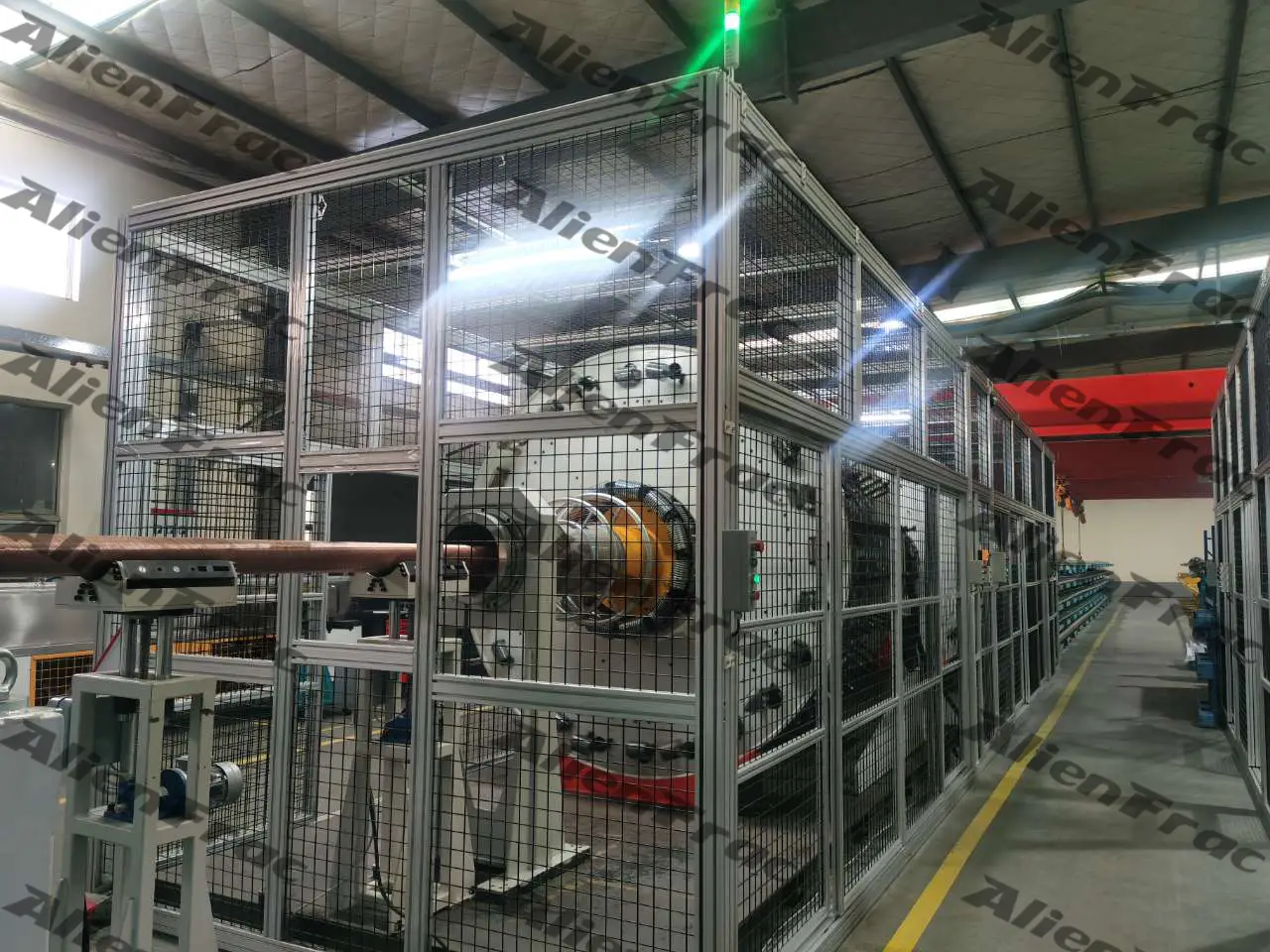
Our factory operates modern weaving, winding, and spiral machines from Germany and the United States, along with UNIFLEX crimping systems and automated cooling equipment. These machines support stable and efficient hose production.
Strong Production Capacity
We produce large-caliber wire-wrapped oil drilling hoses up to 1,000 meters per day and hydraulic hoses up to 120,000 meters per day, ensuring stable supply for large oilfield projects.
Certified Quality
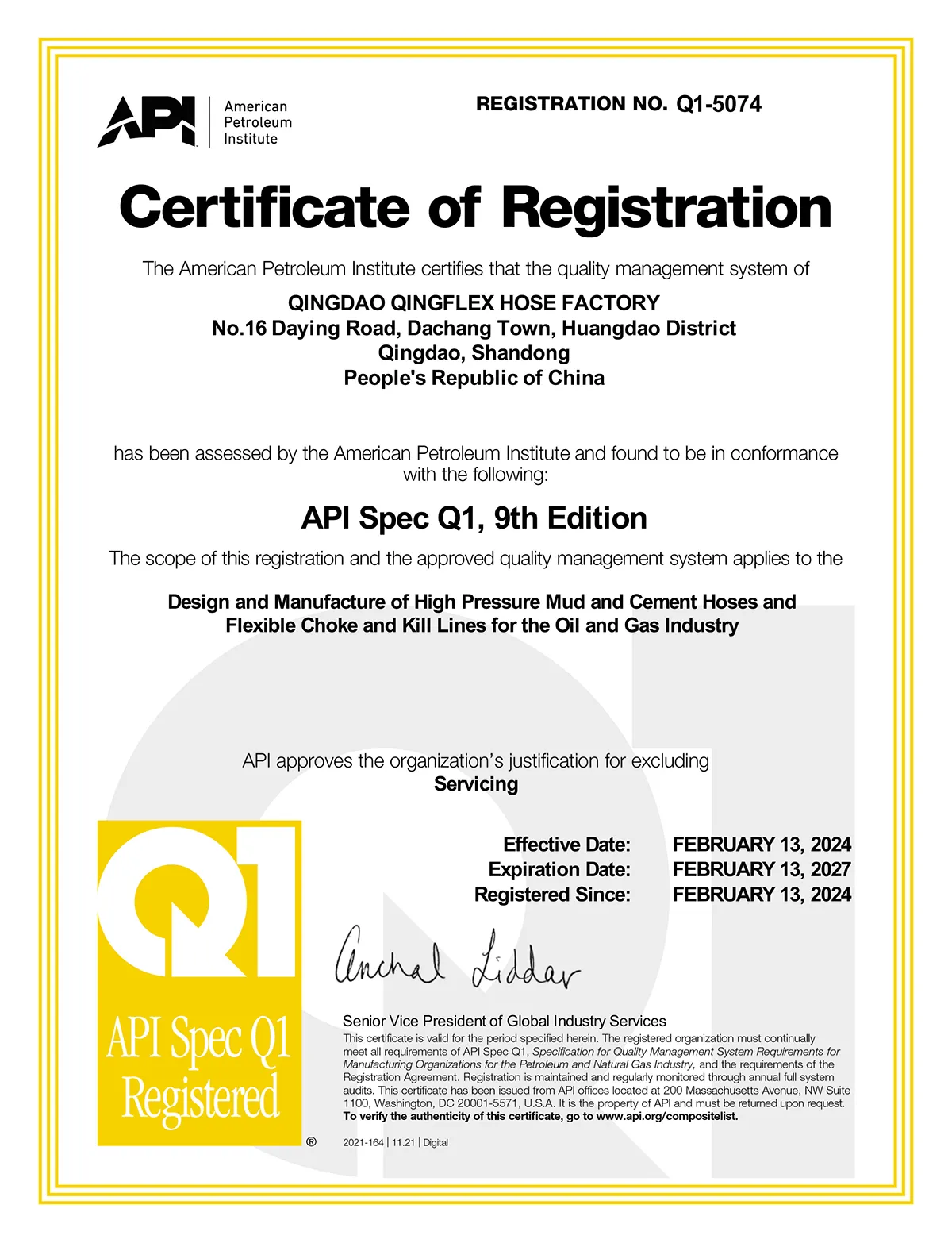
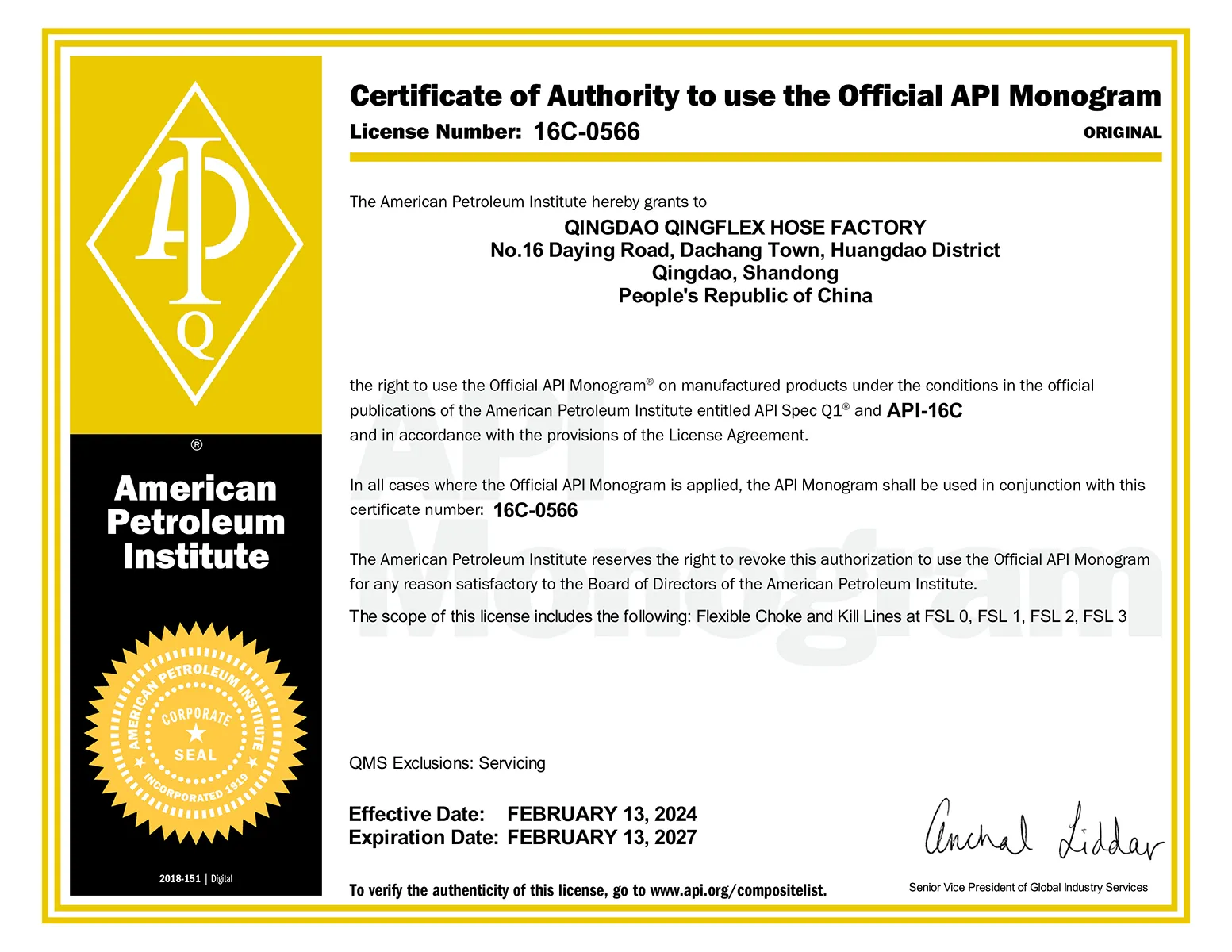
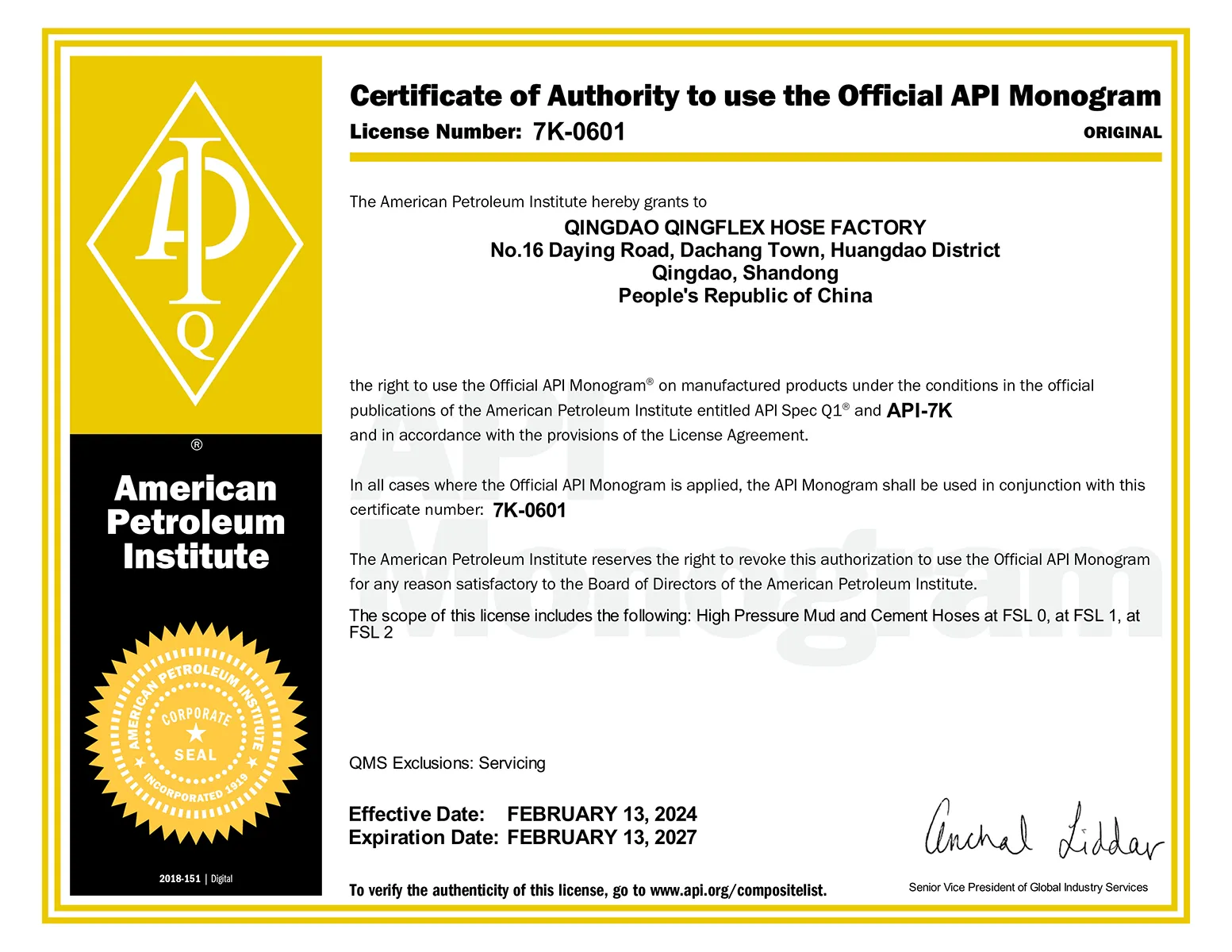
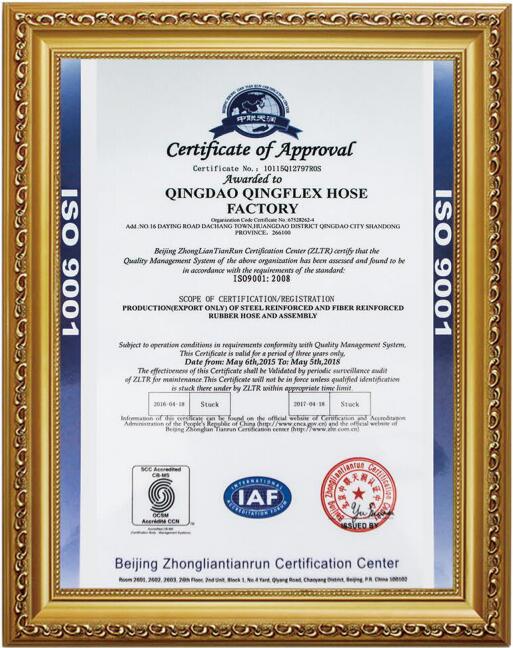
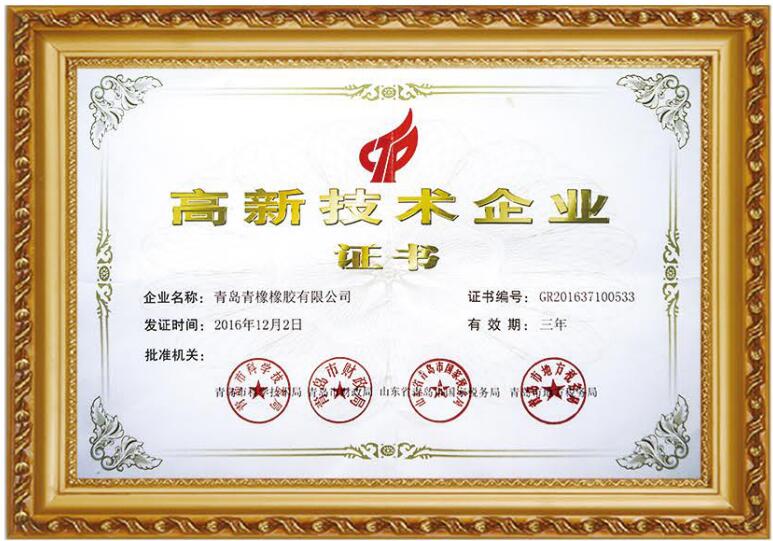
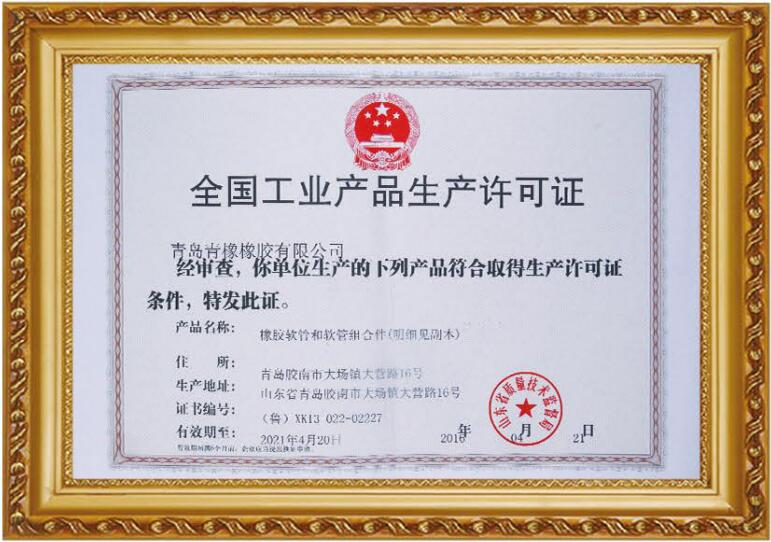
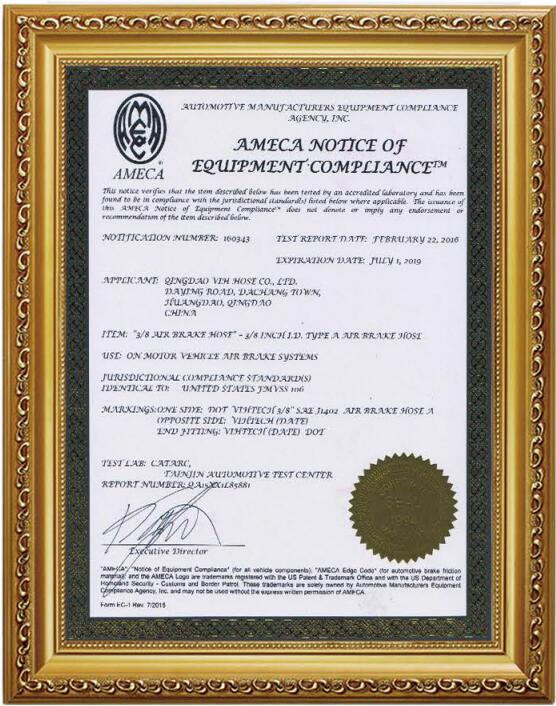
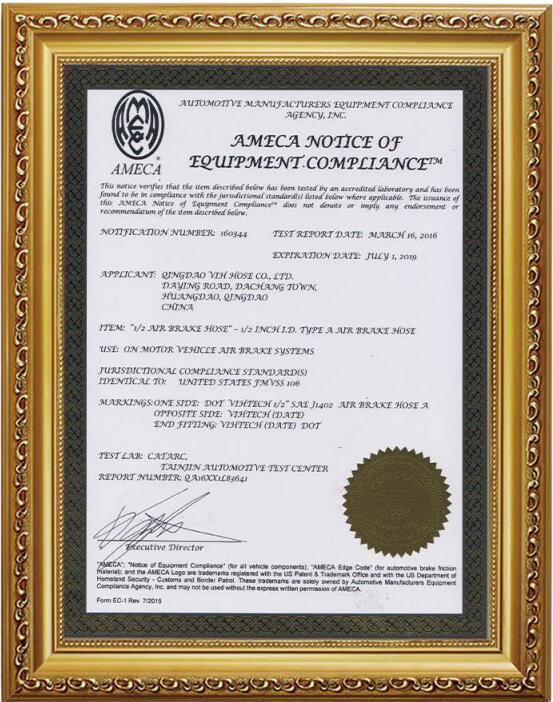
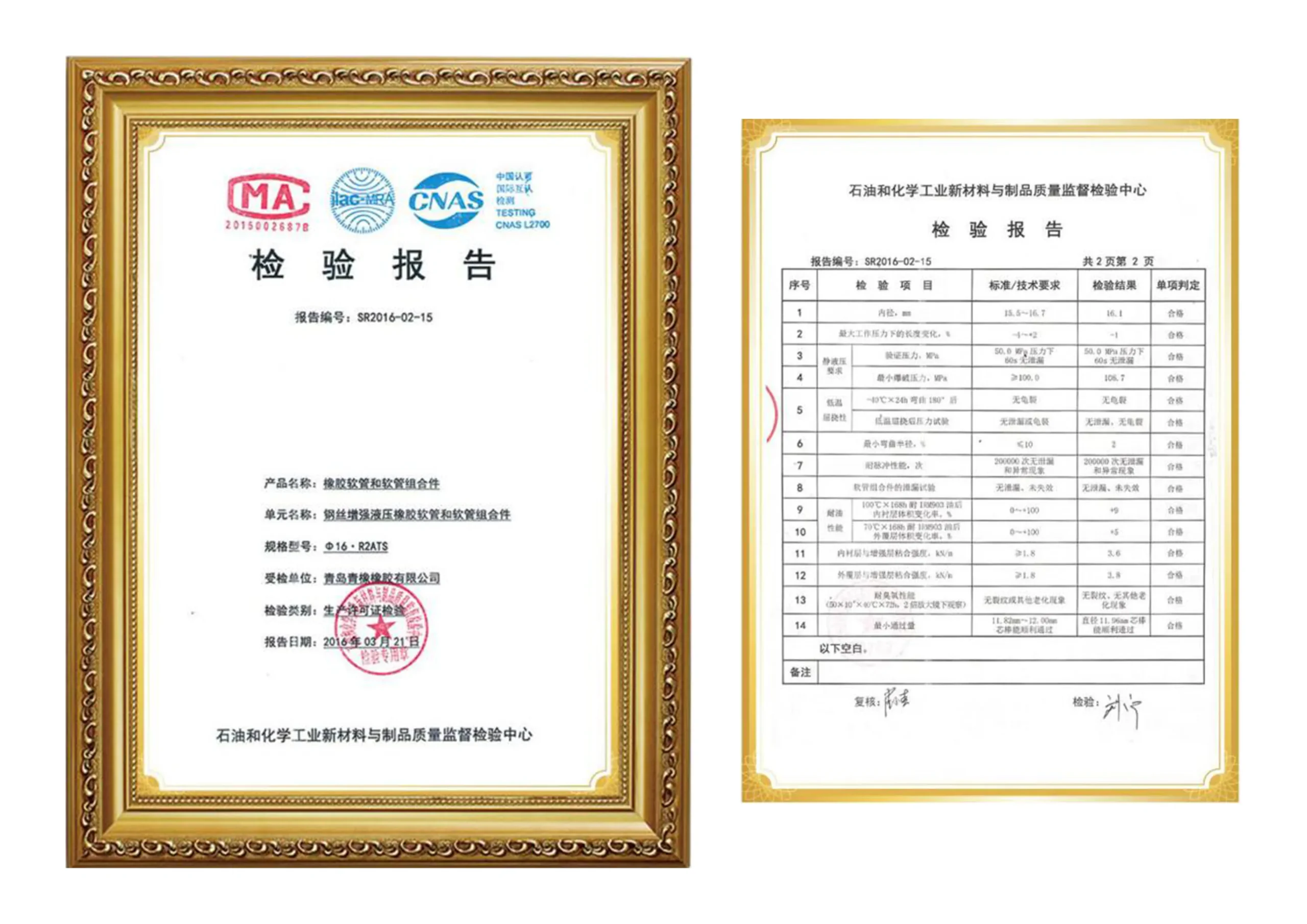
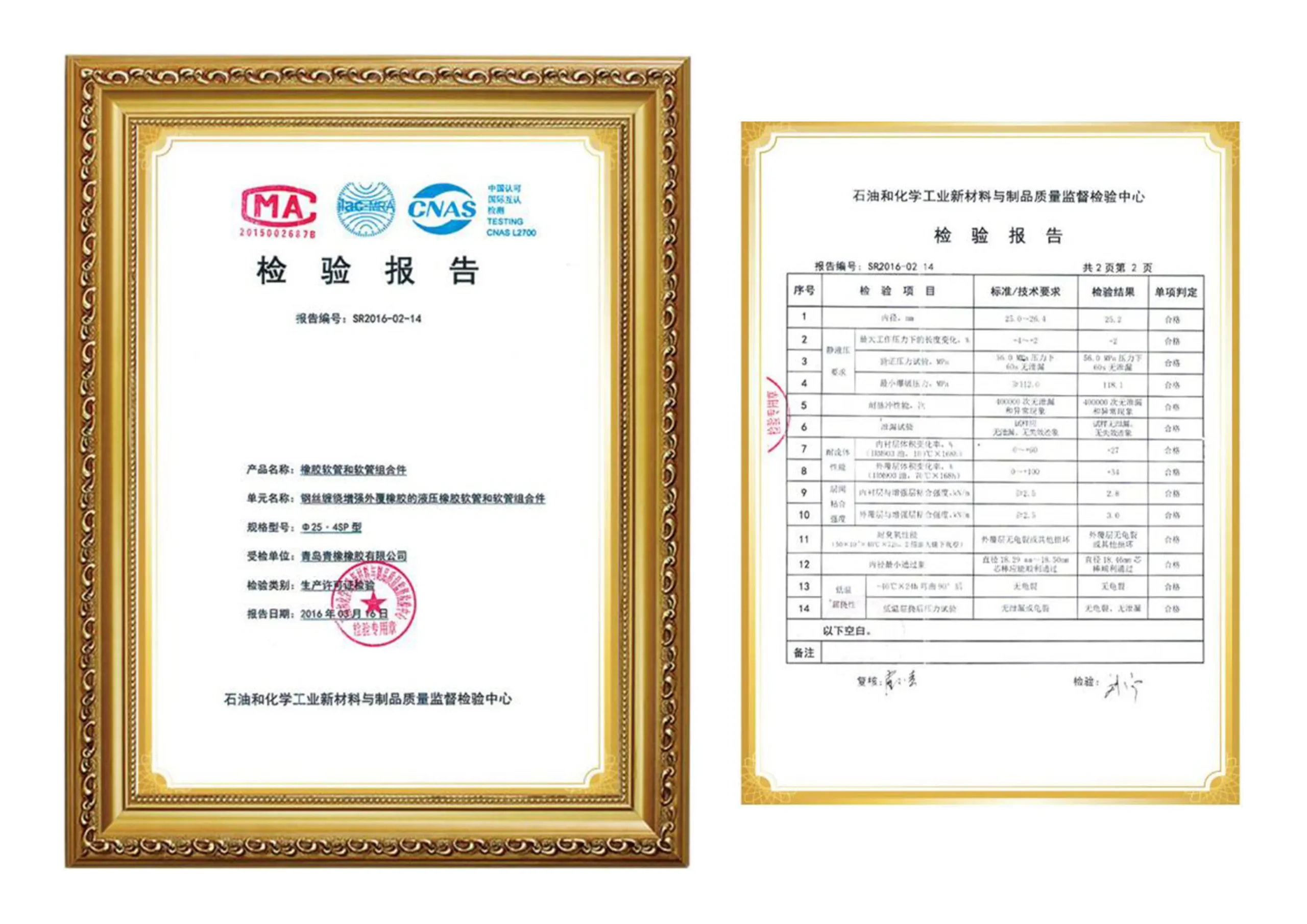
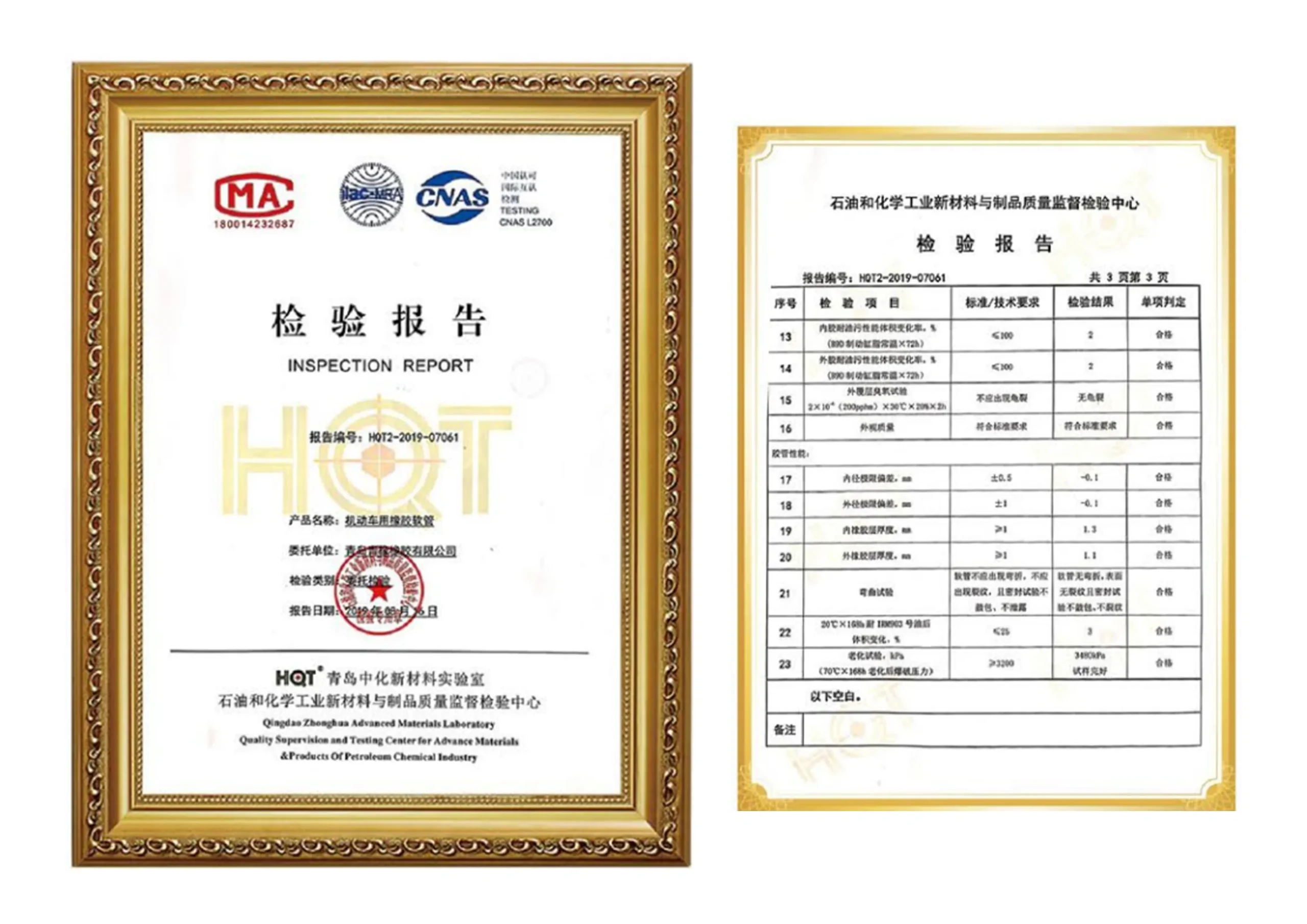
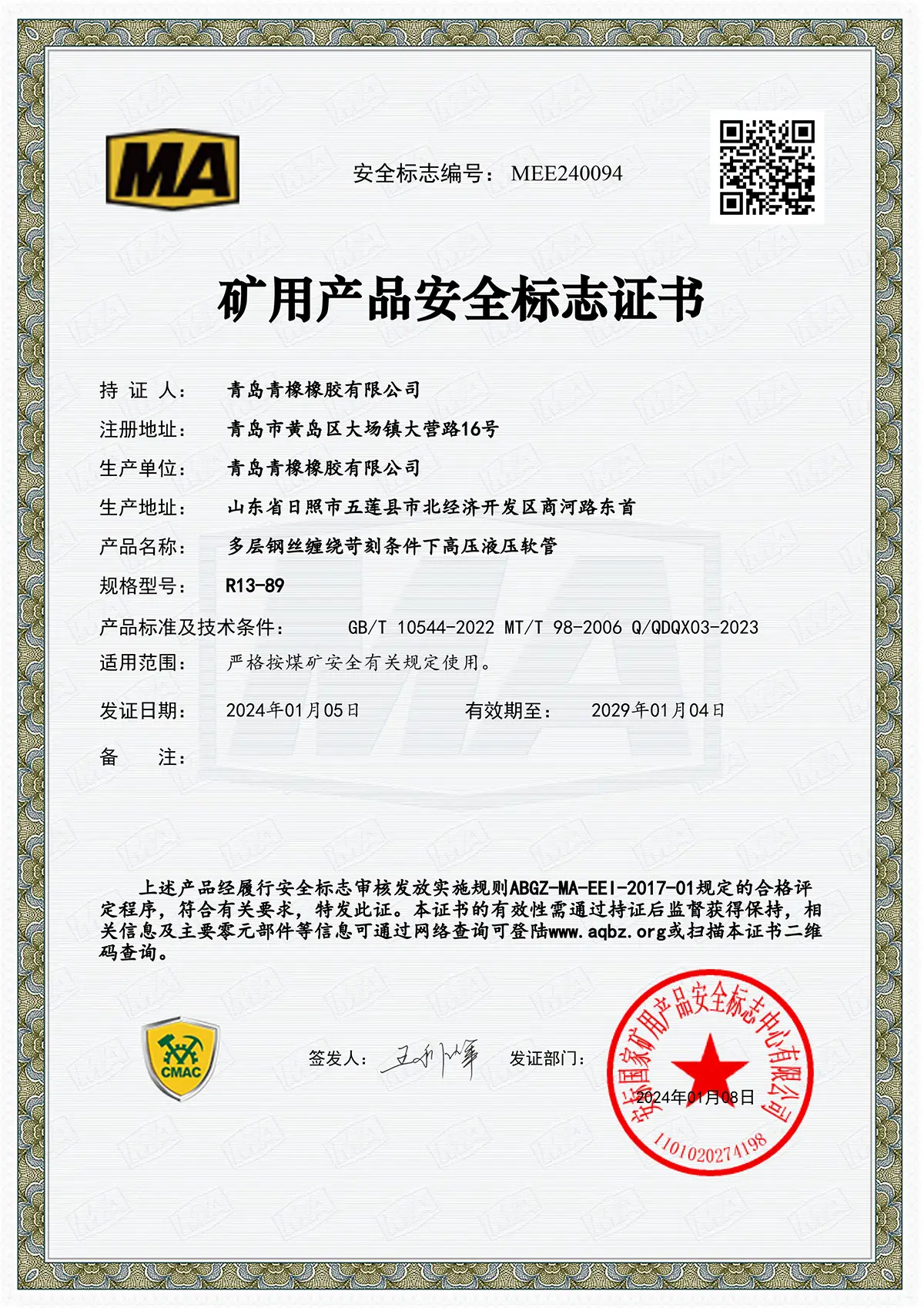
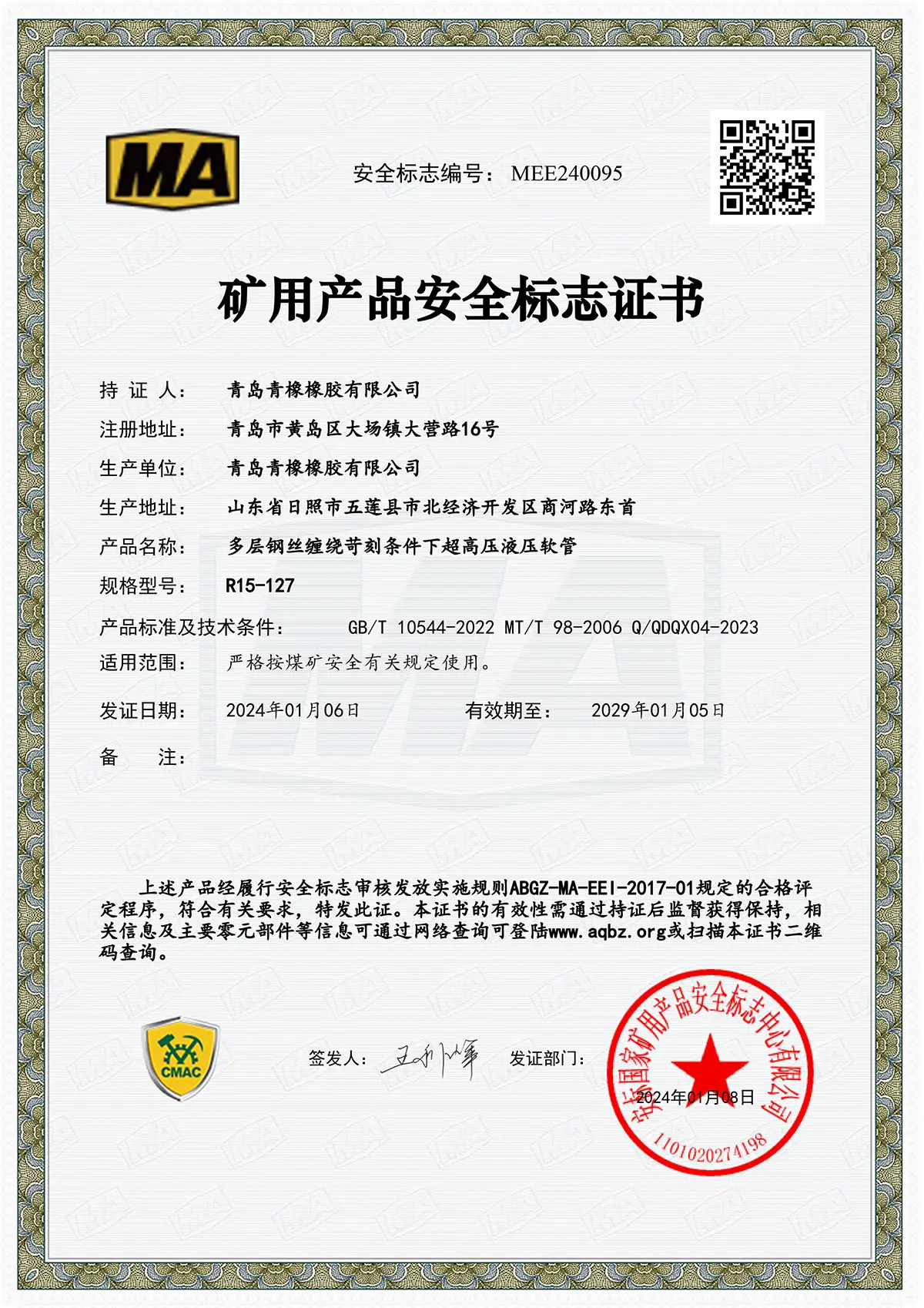
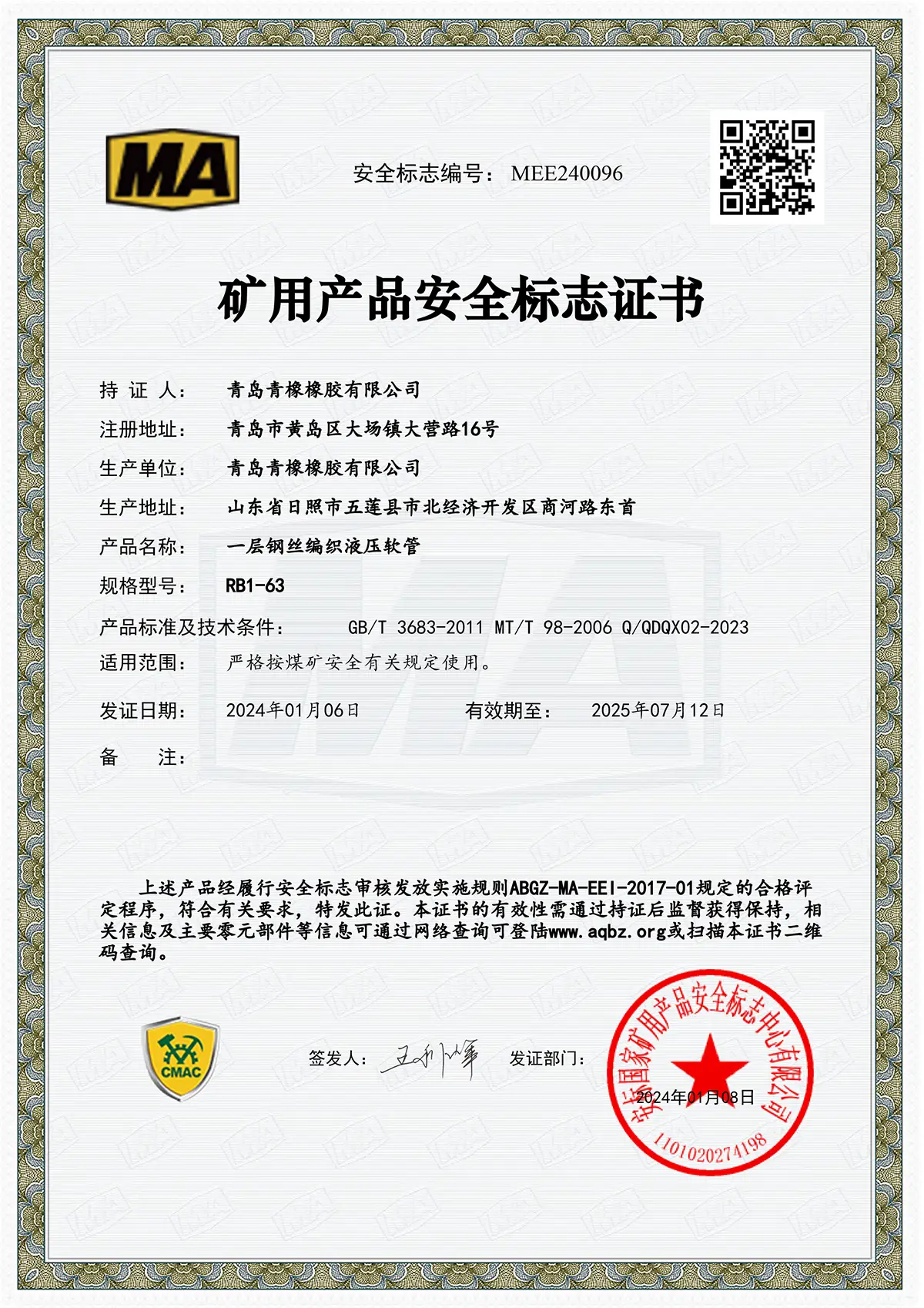
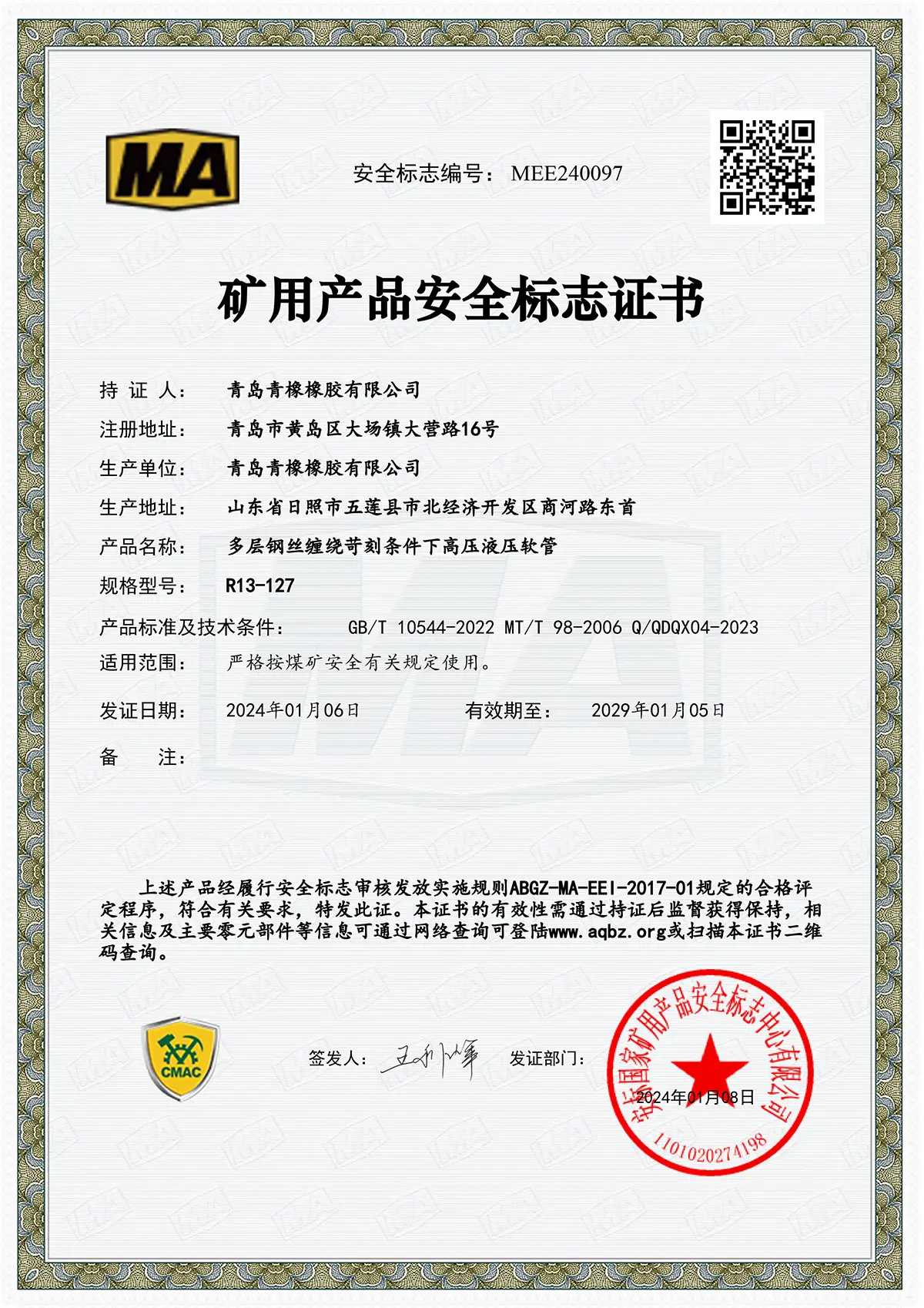
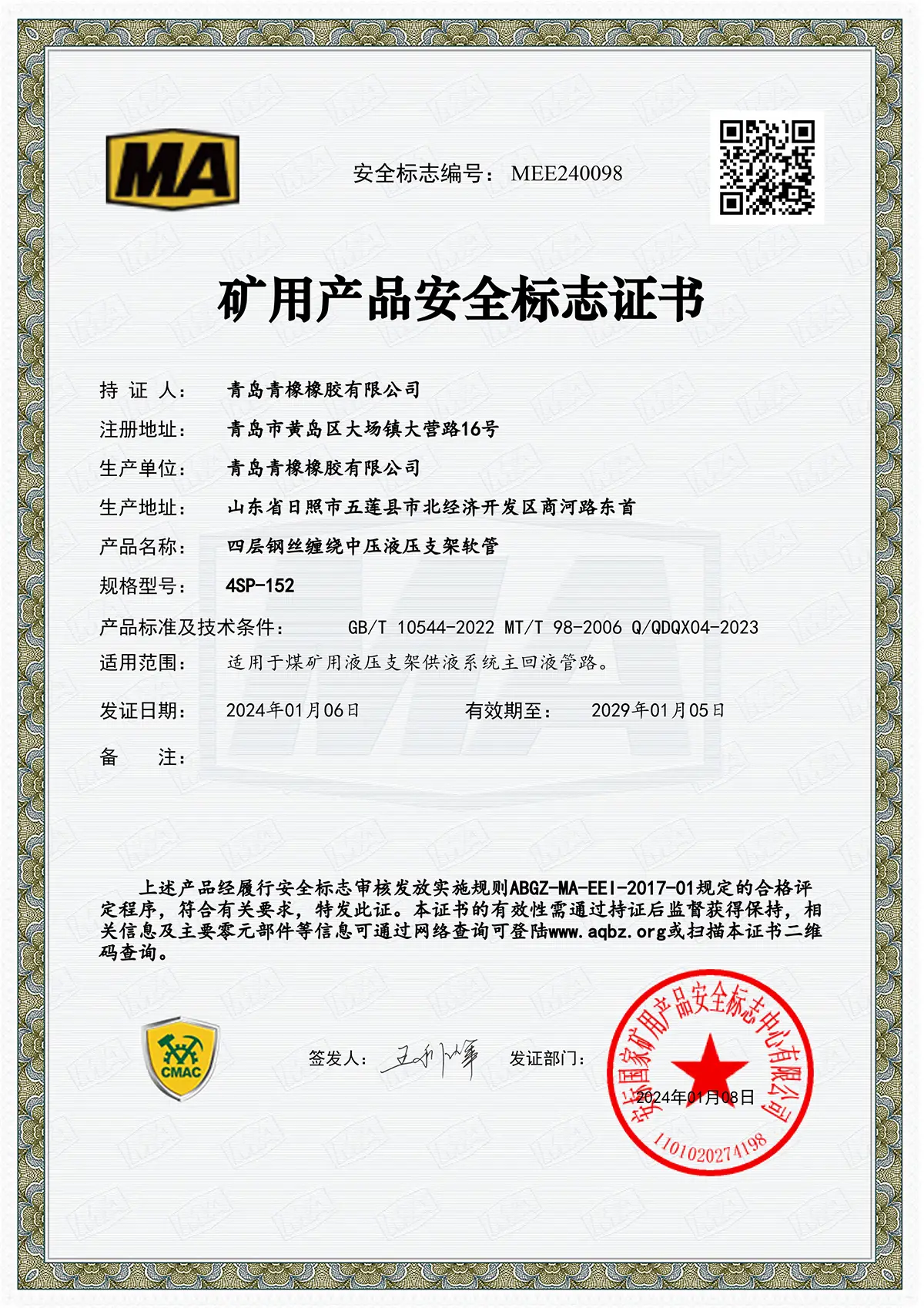
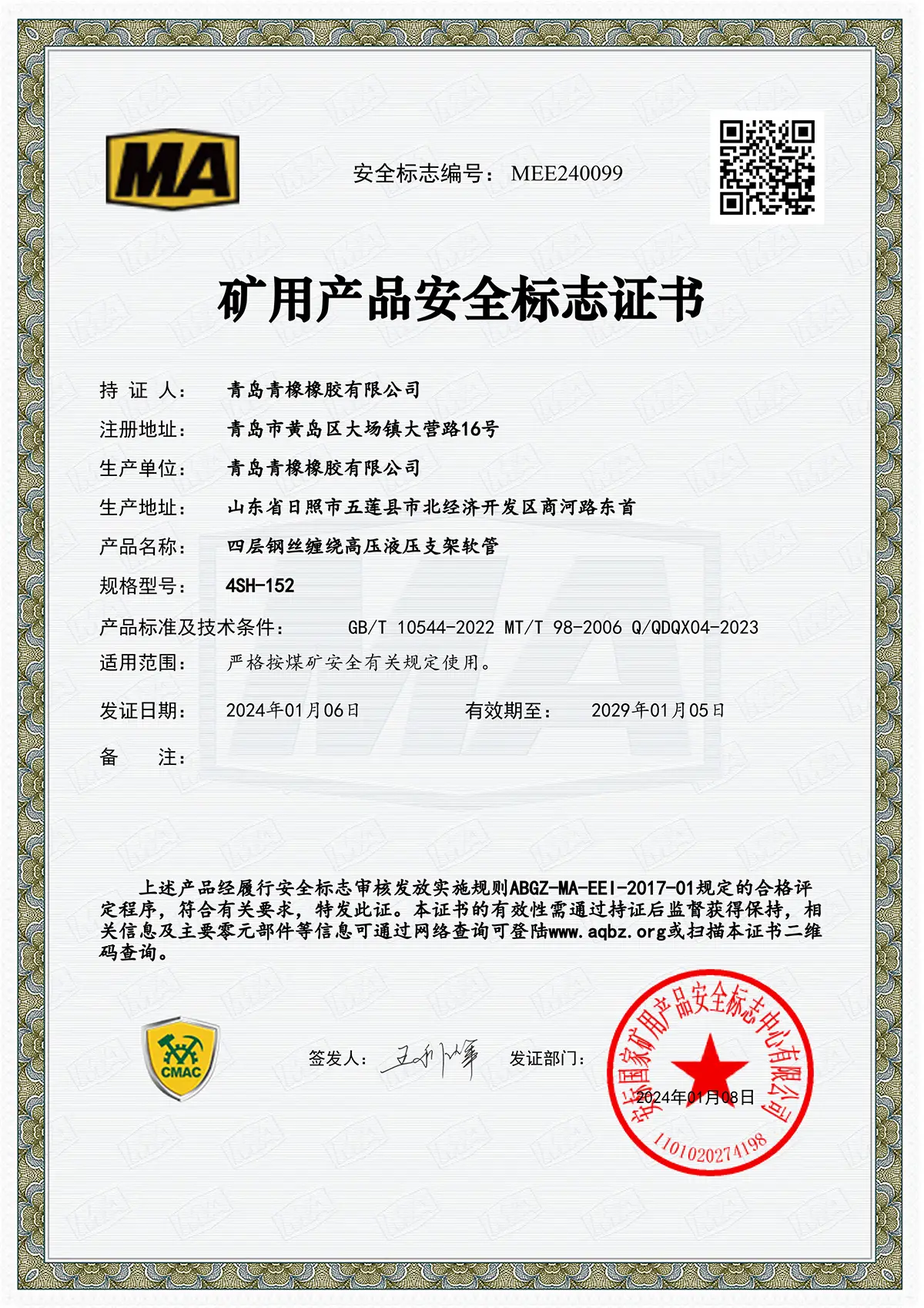
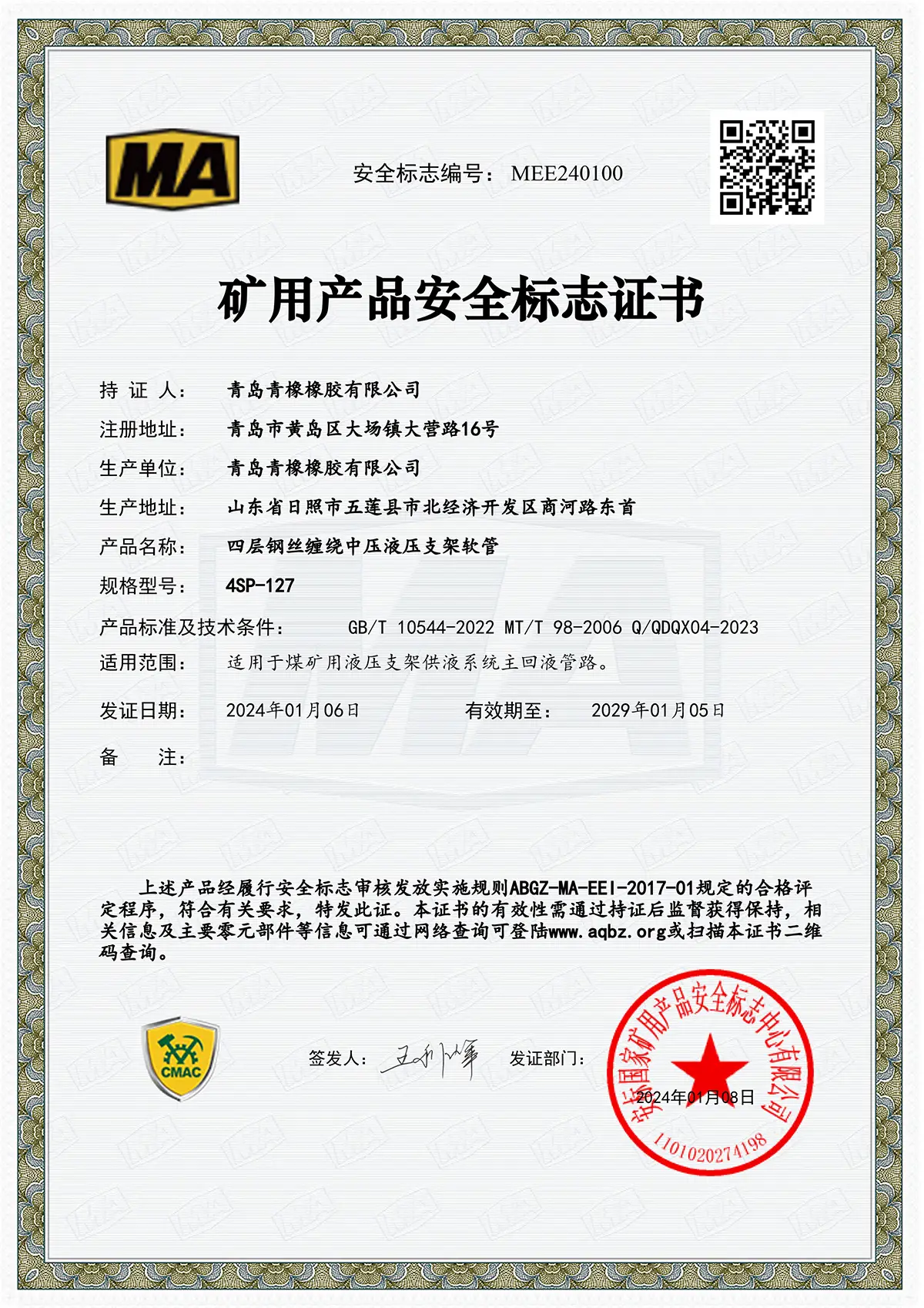
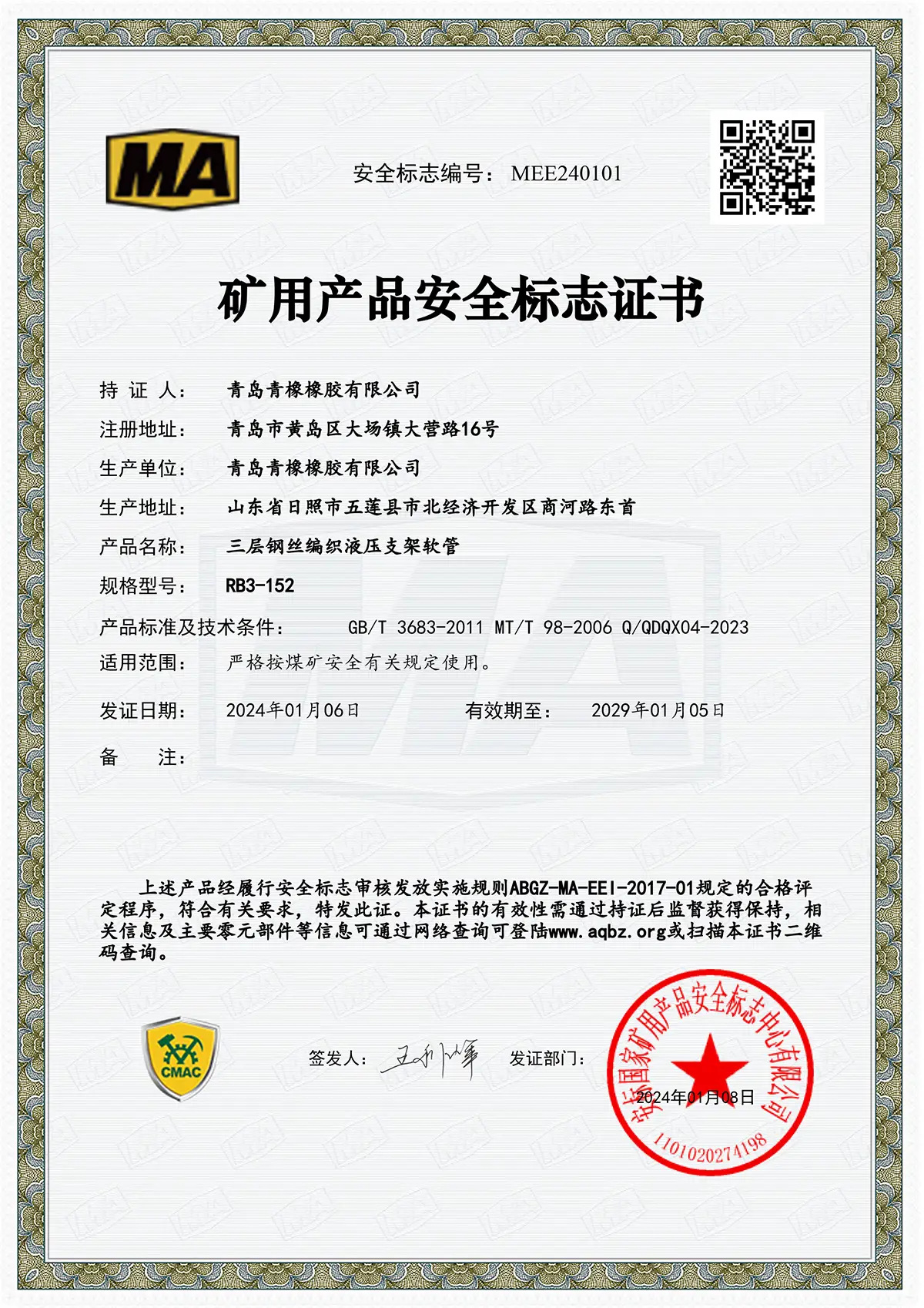
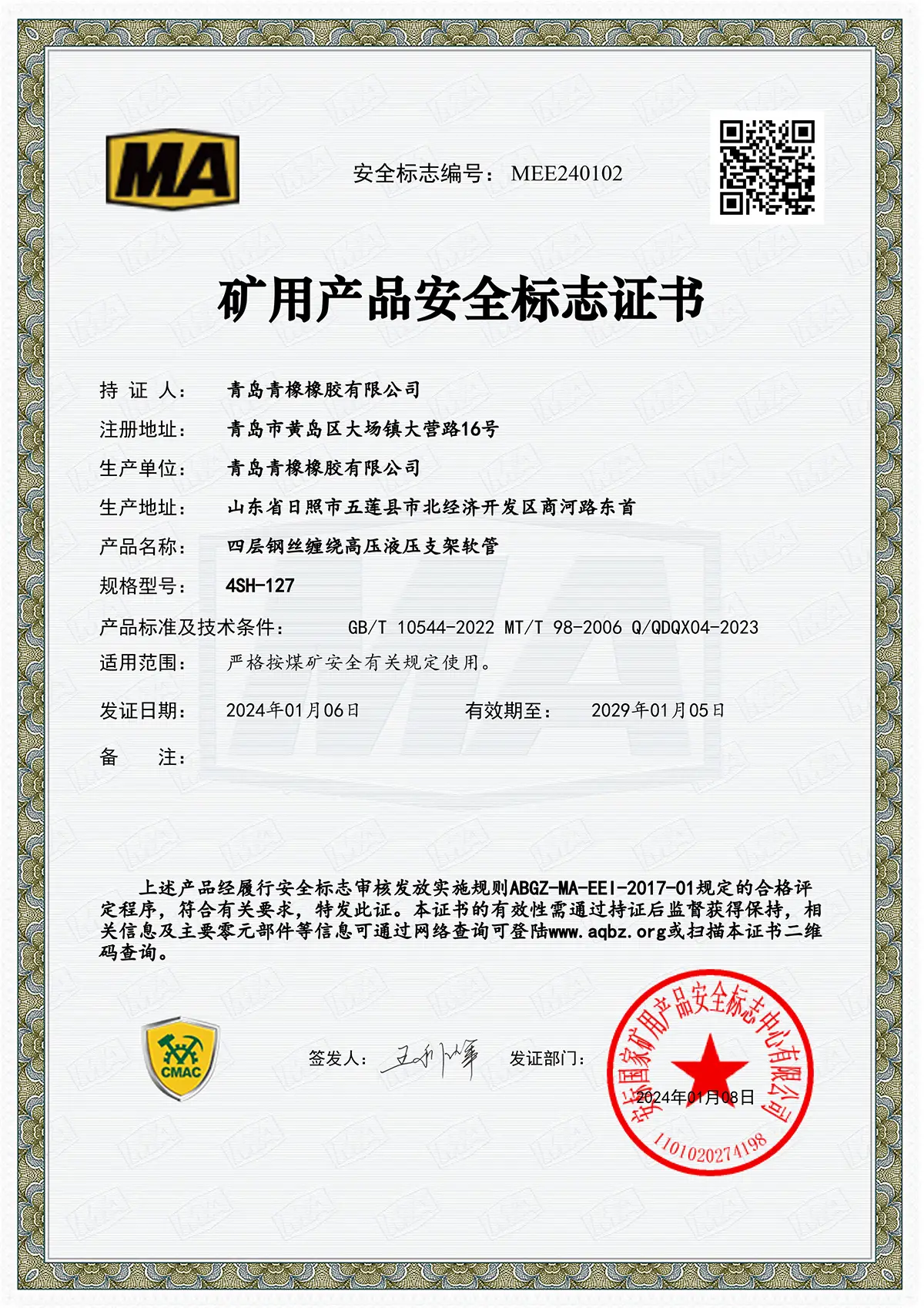
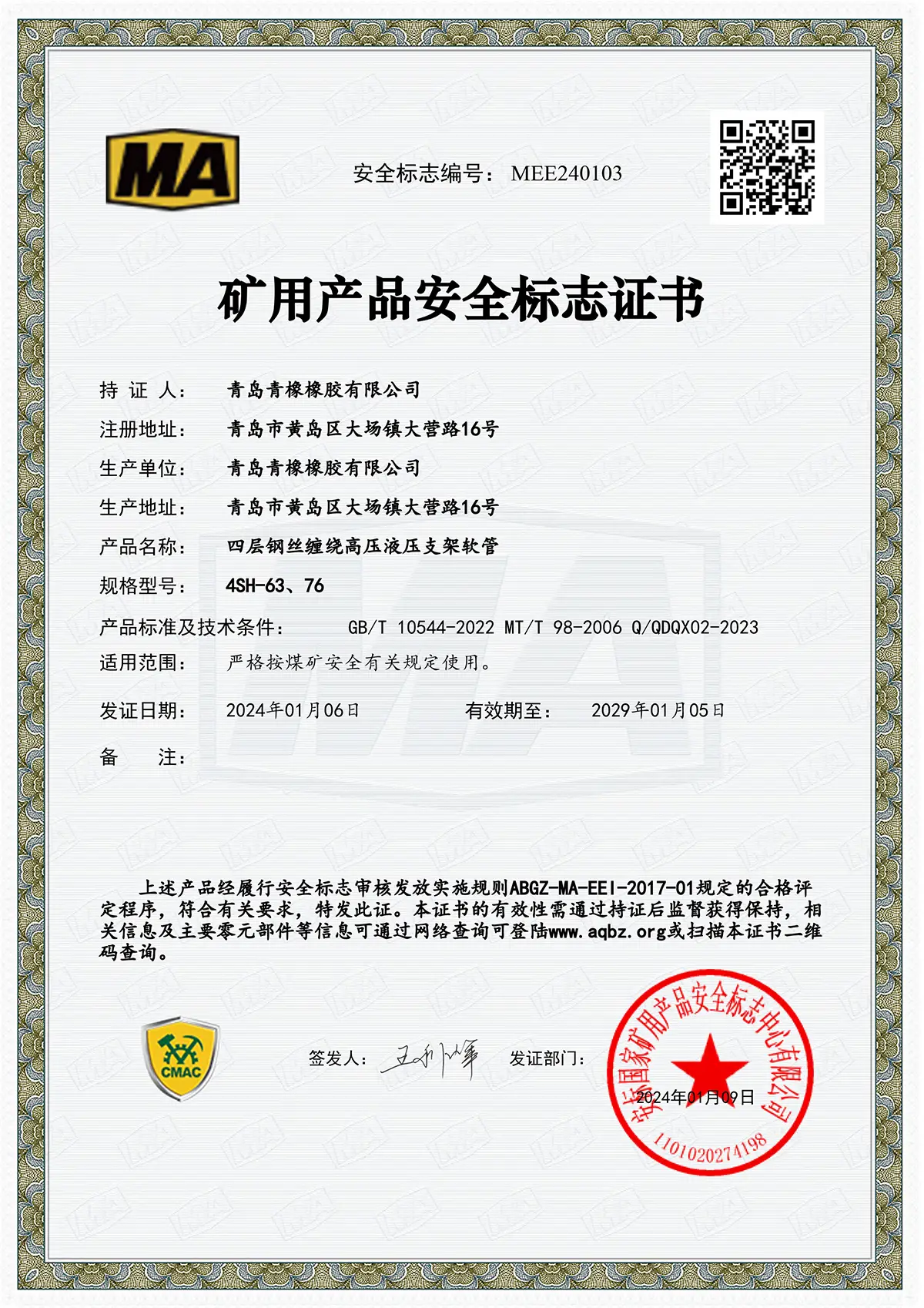
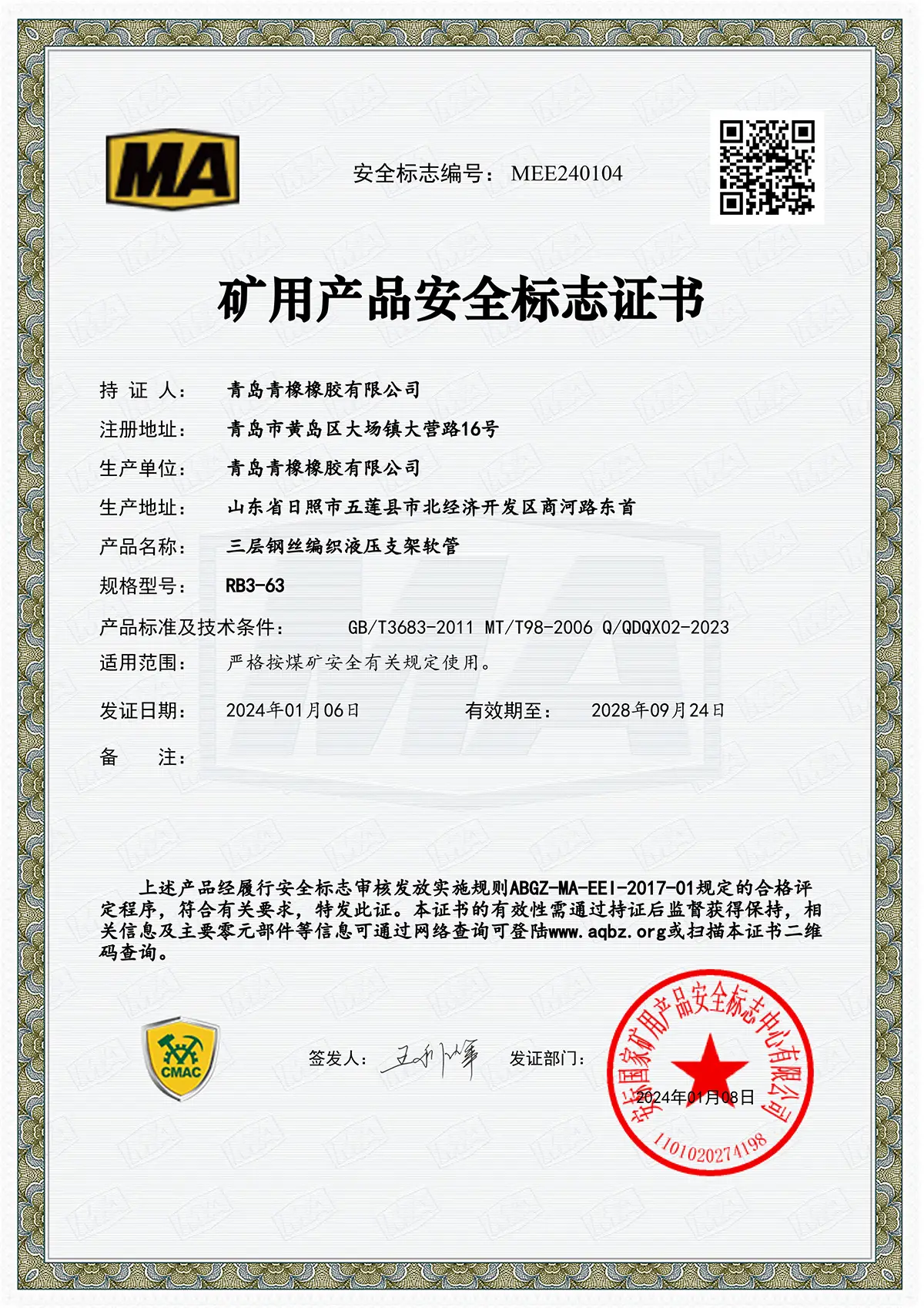
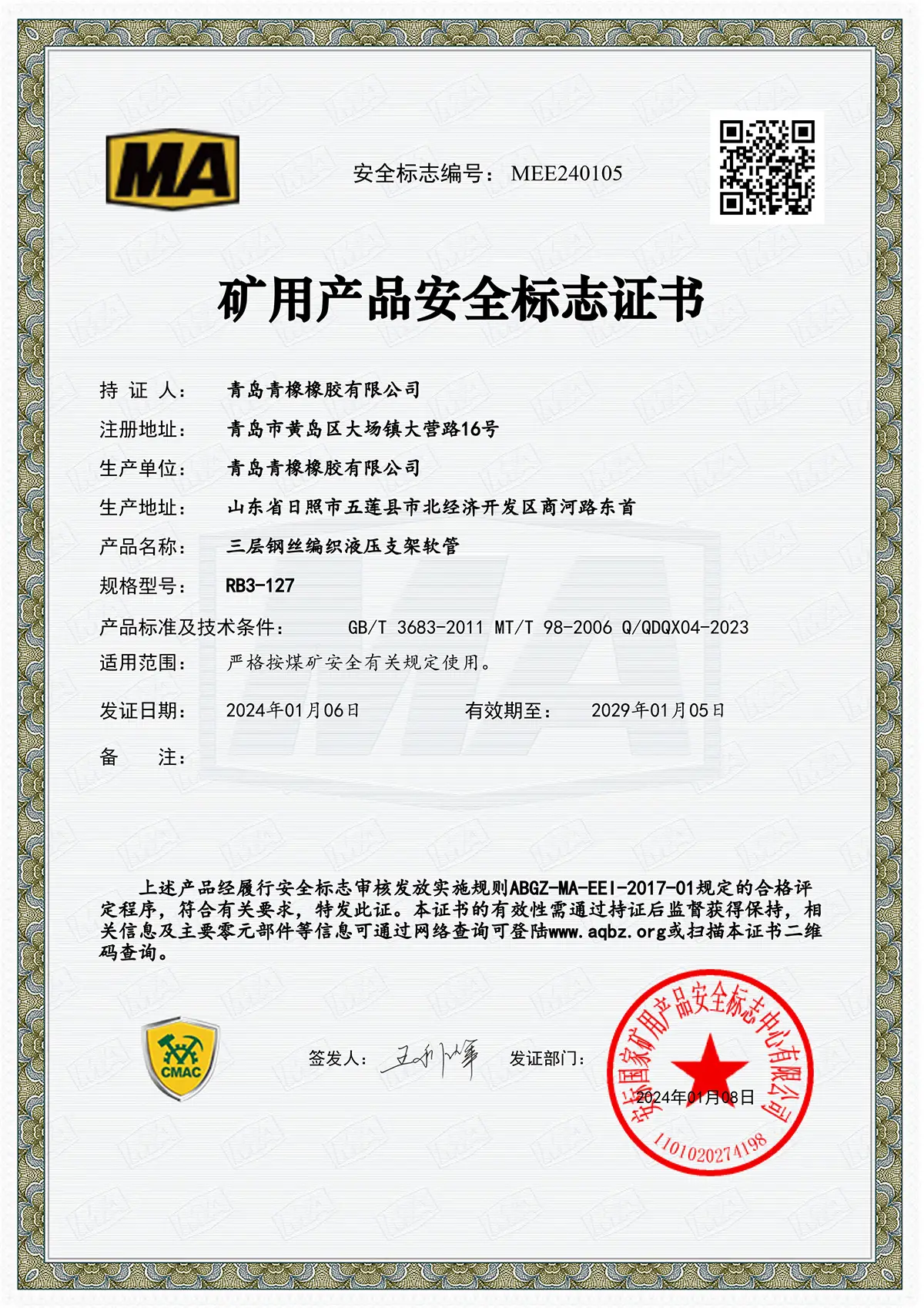
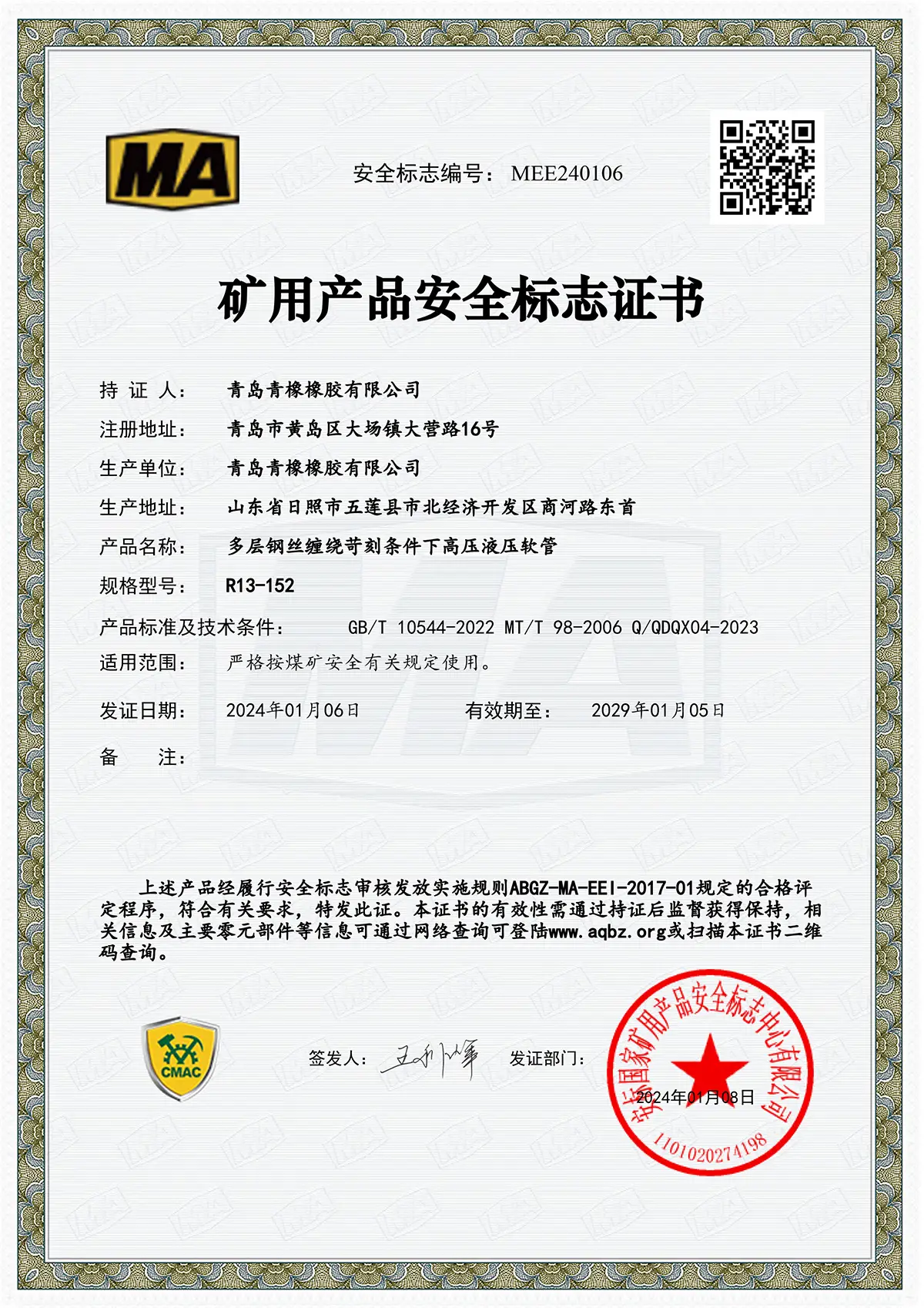
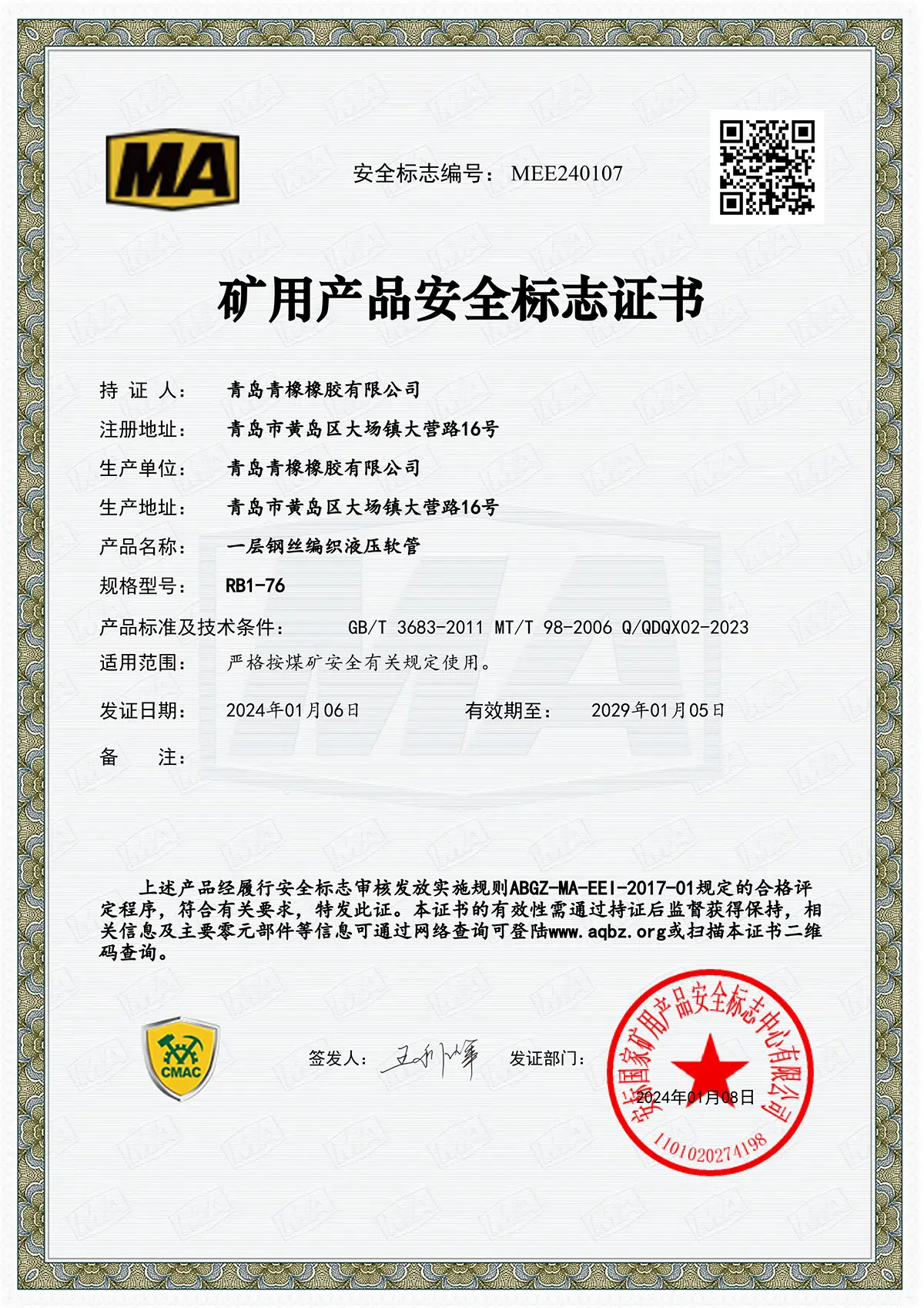
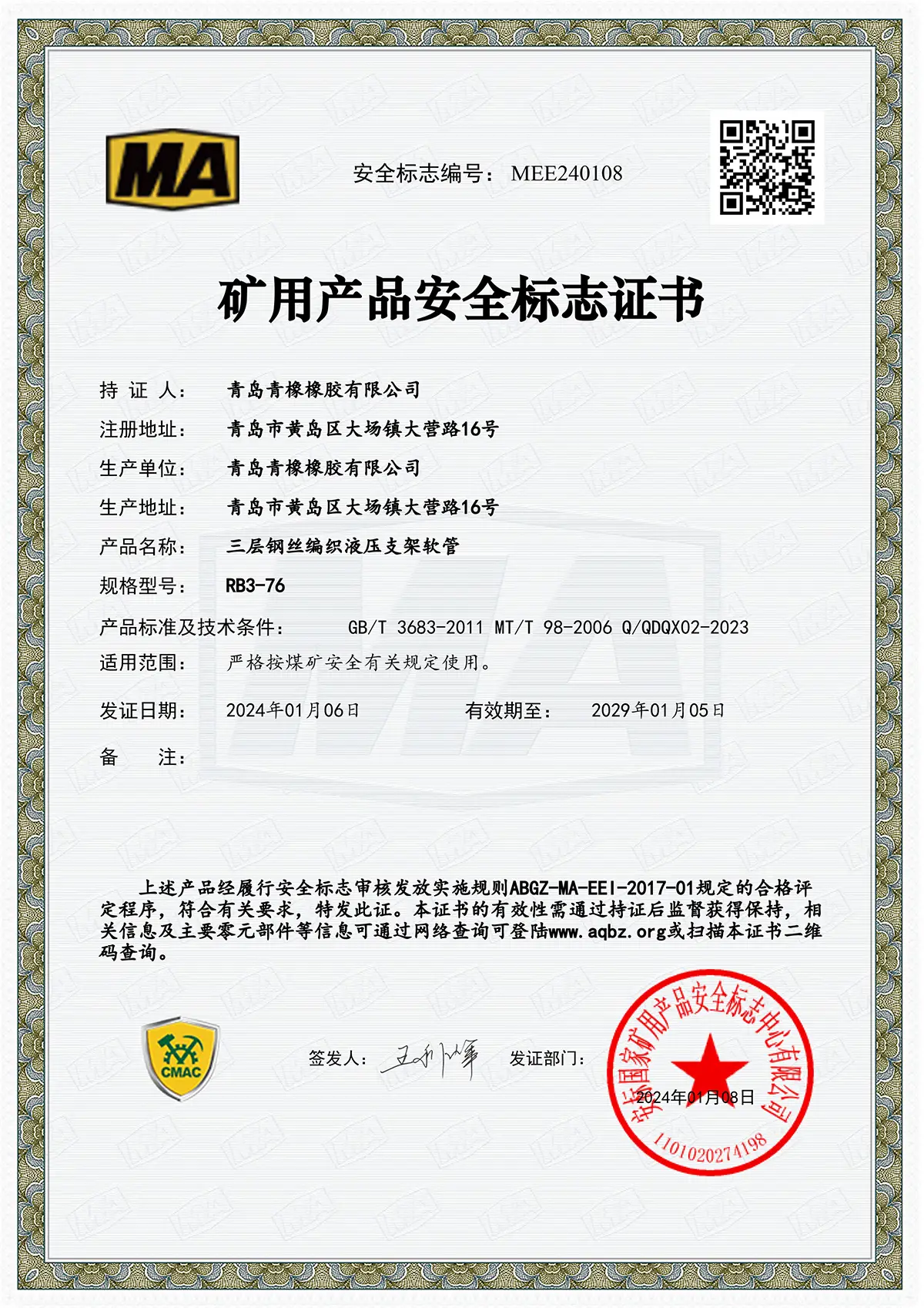
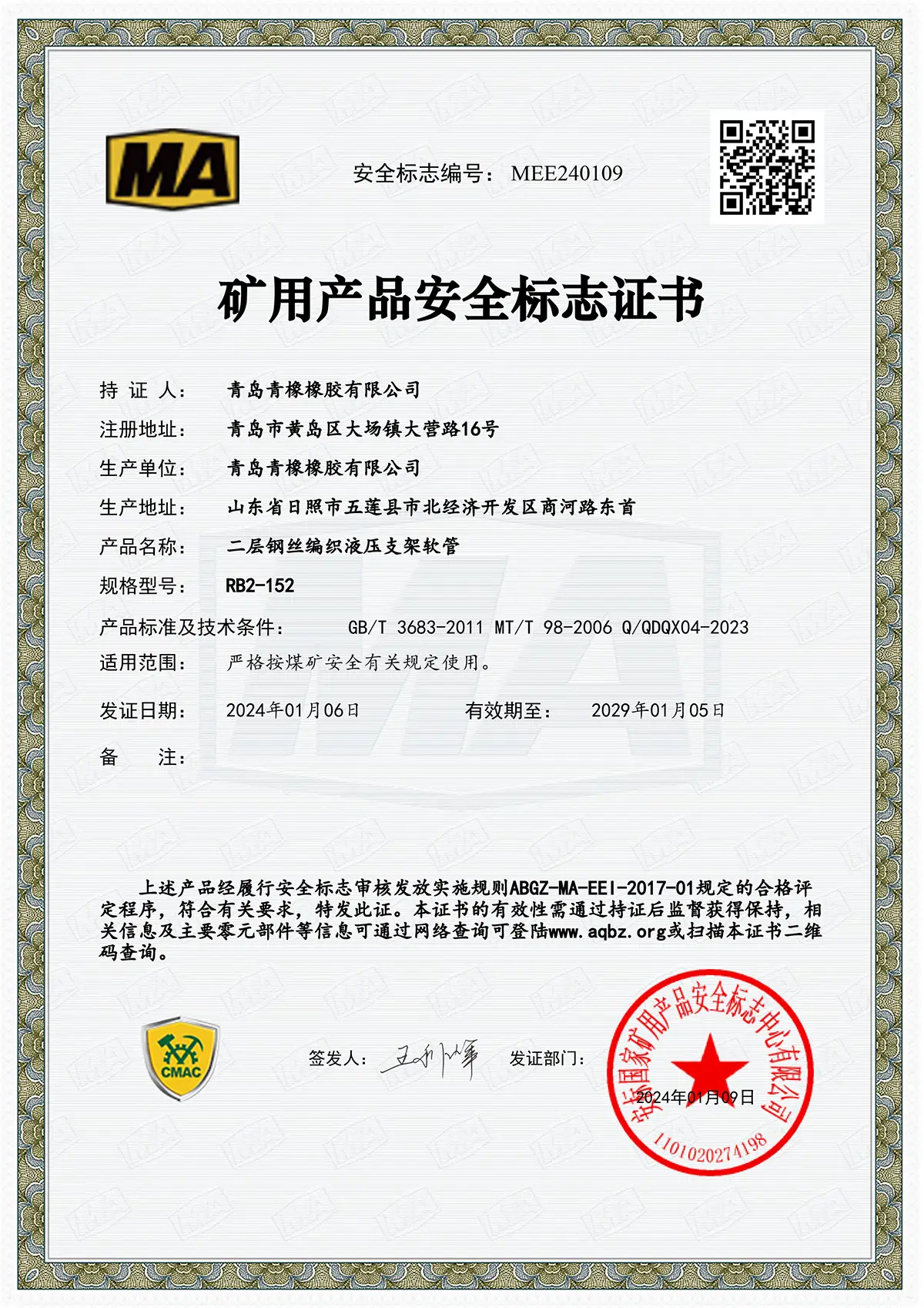
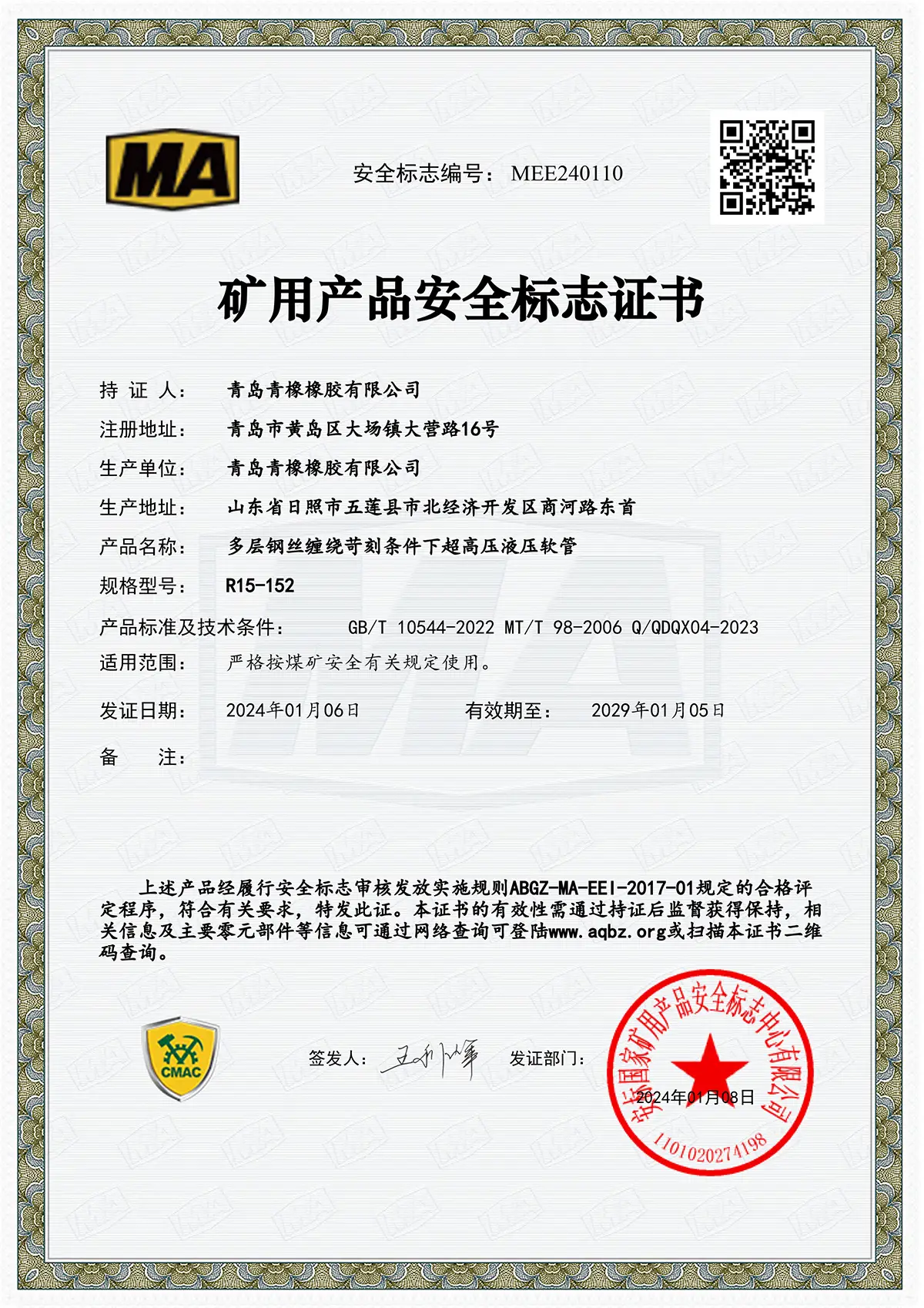
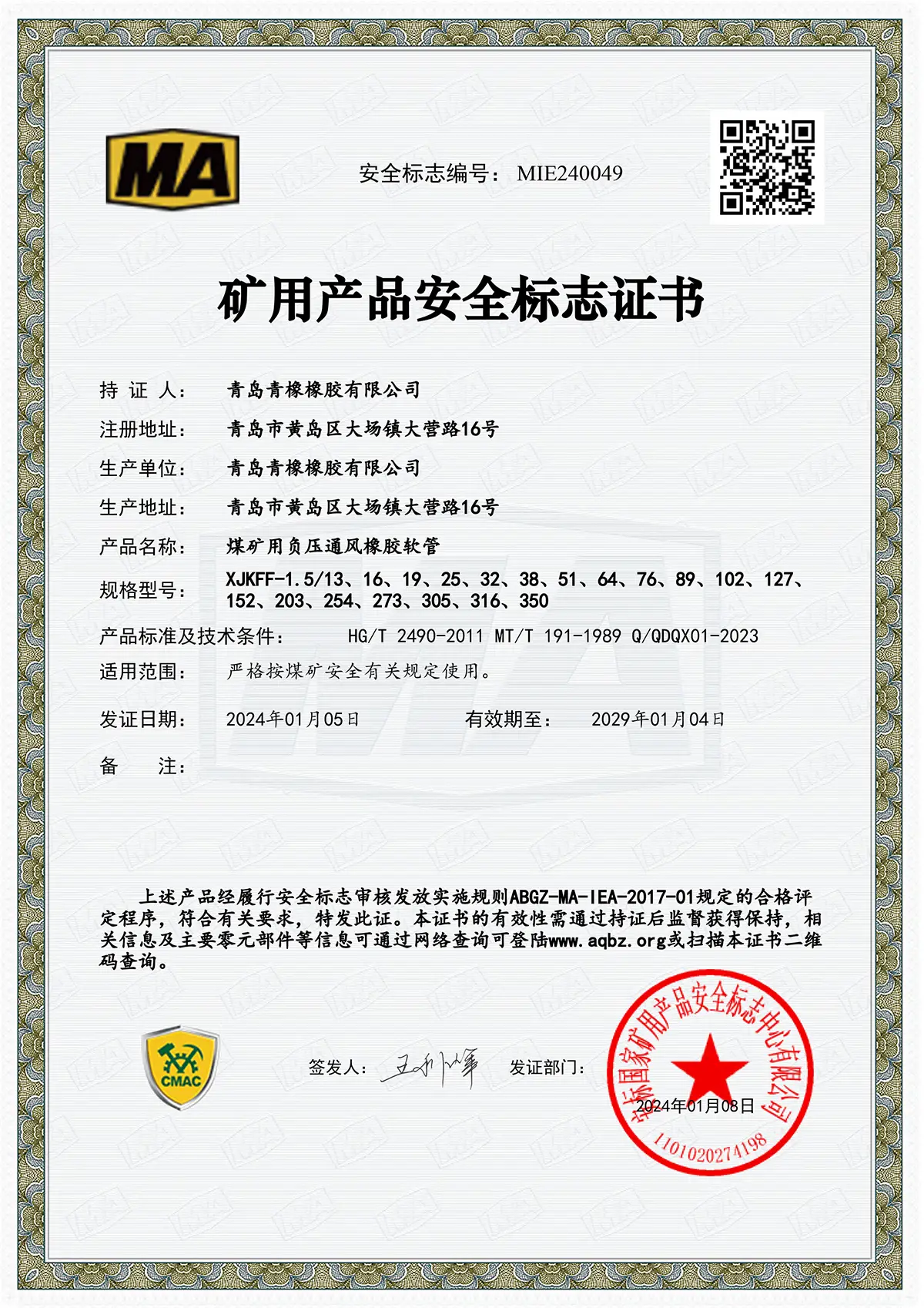
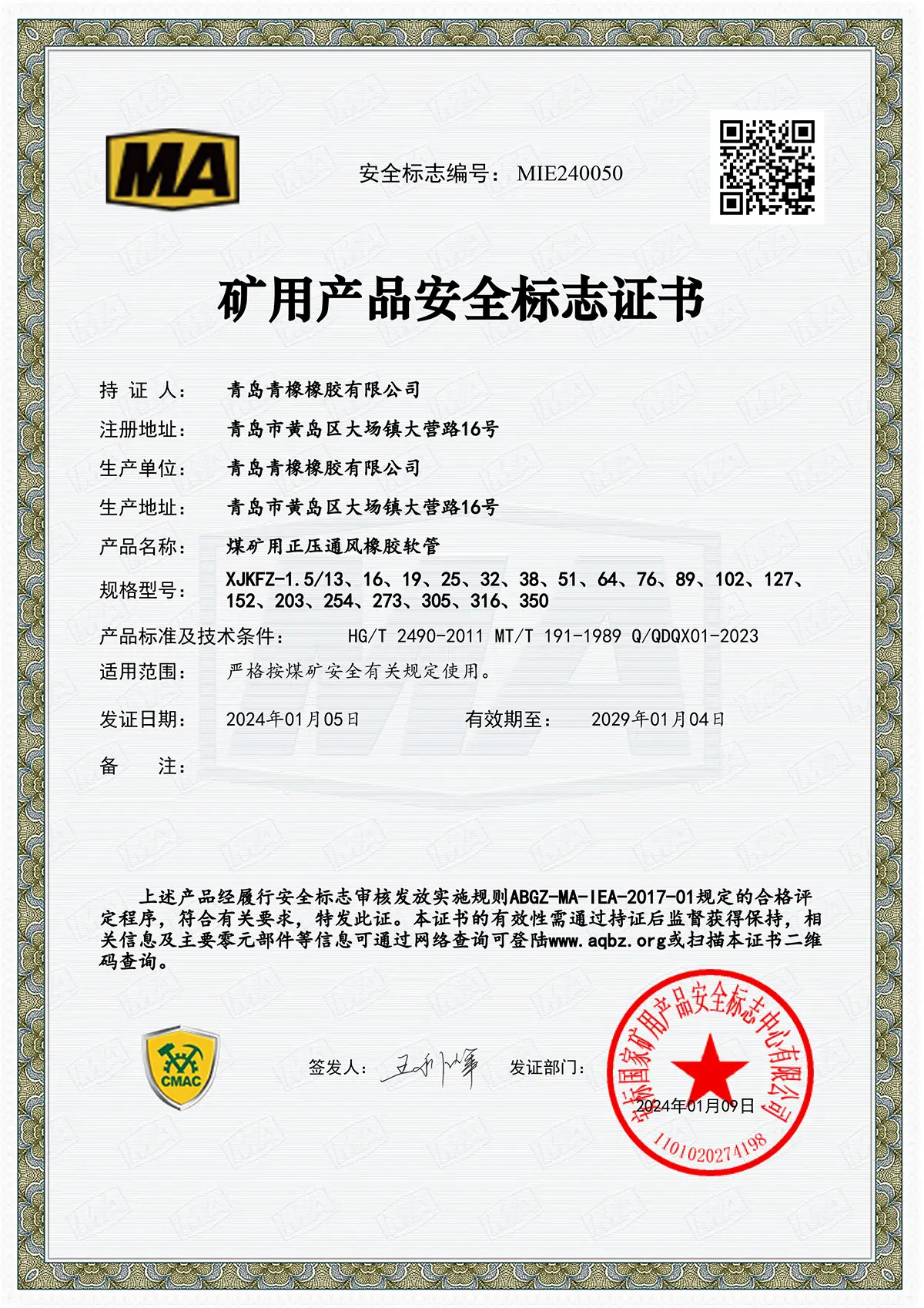
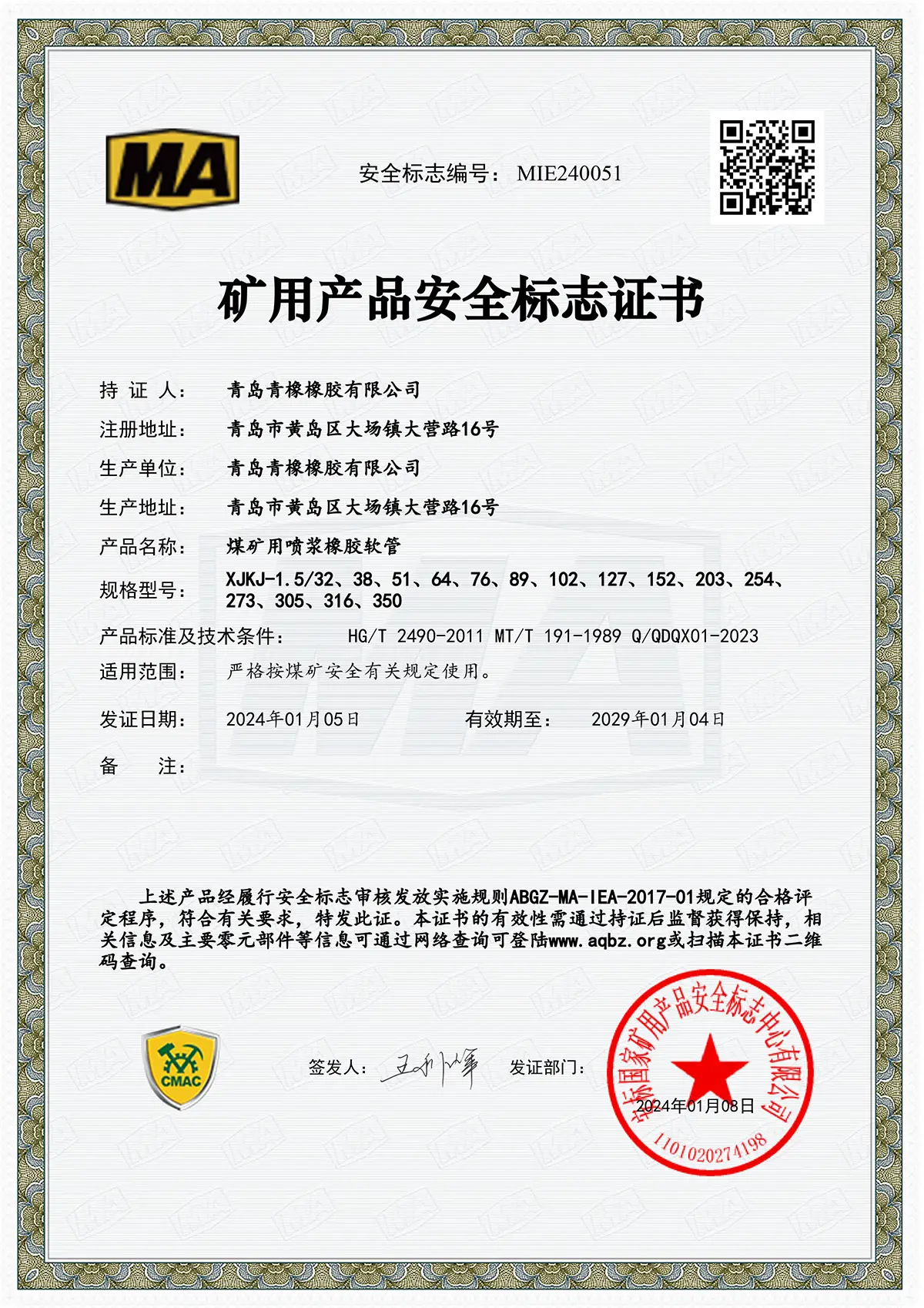
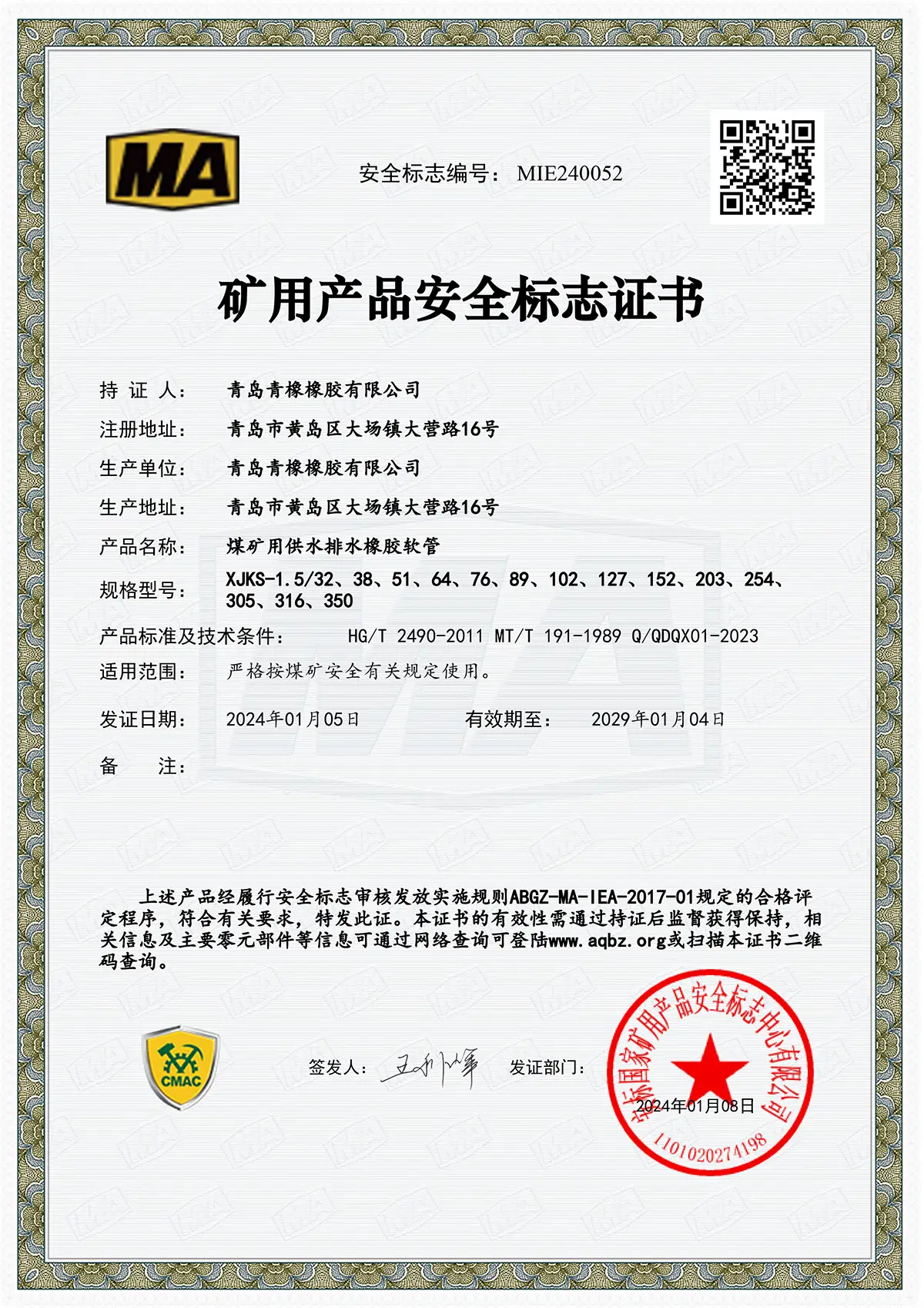
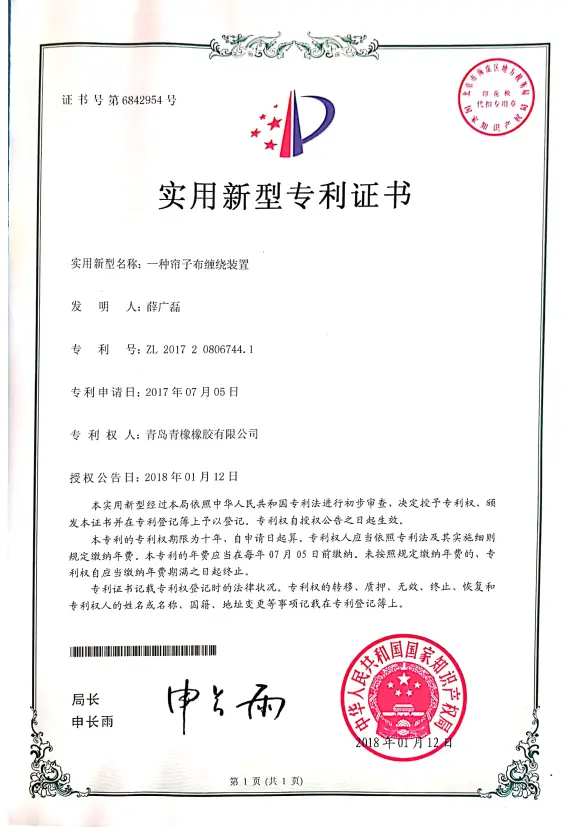
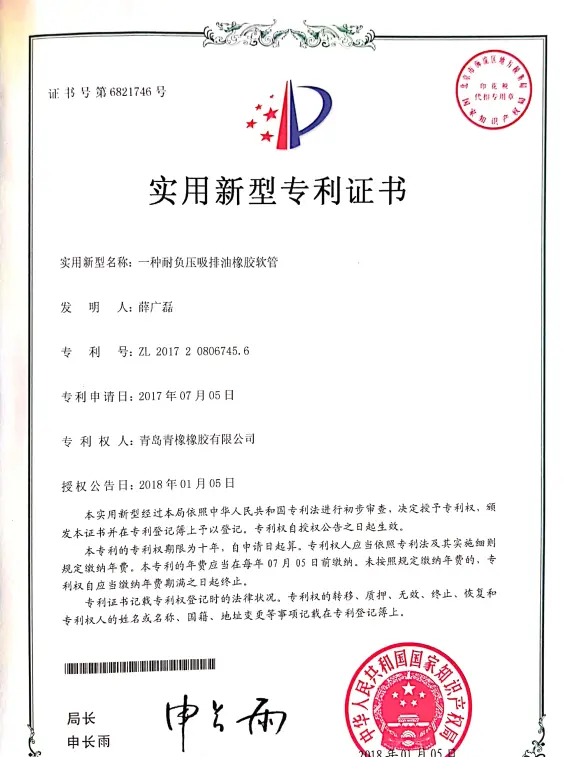
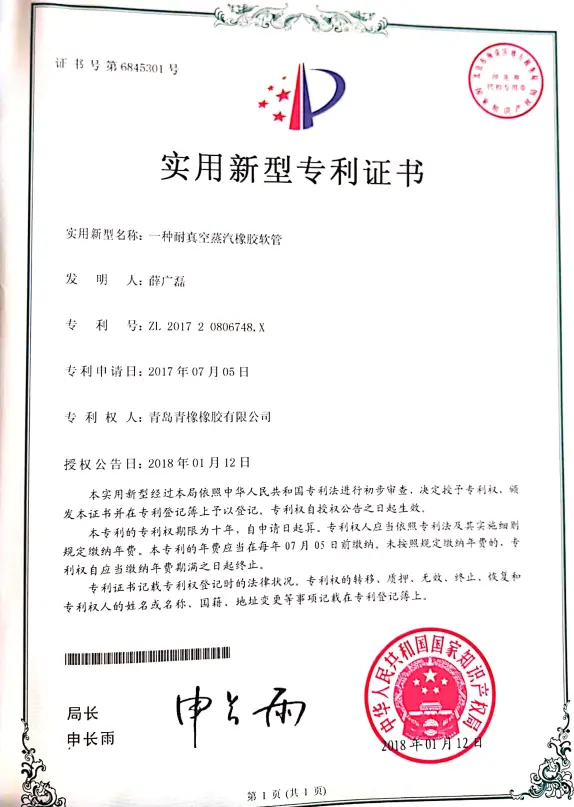
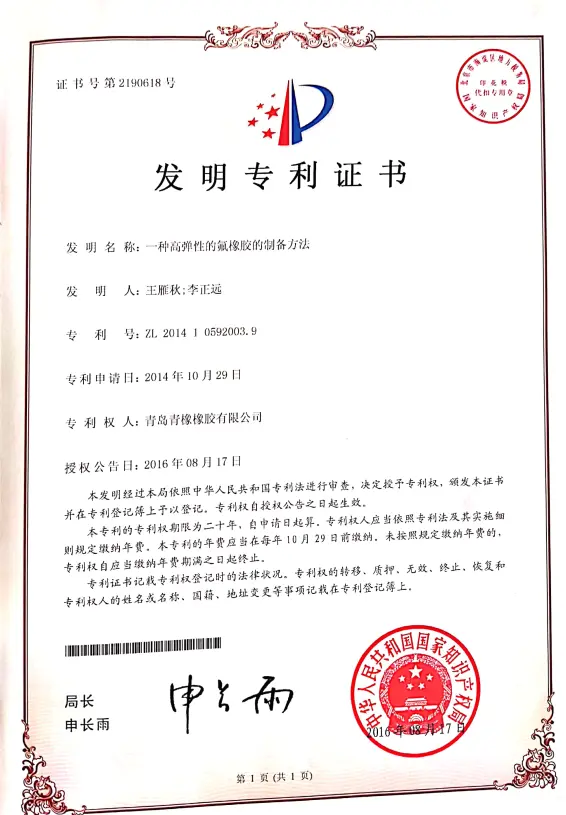
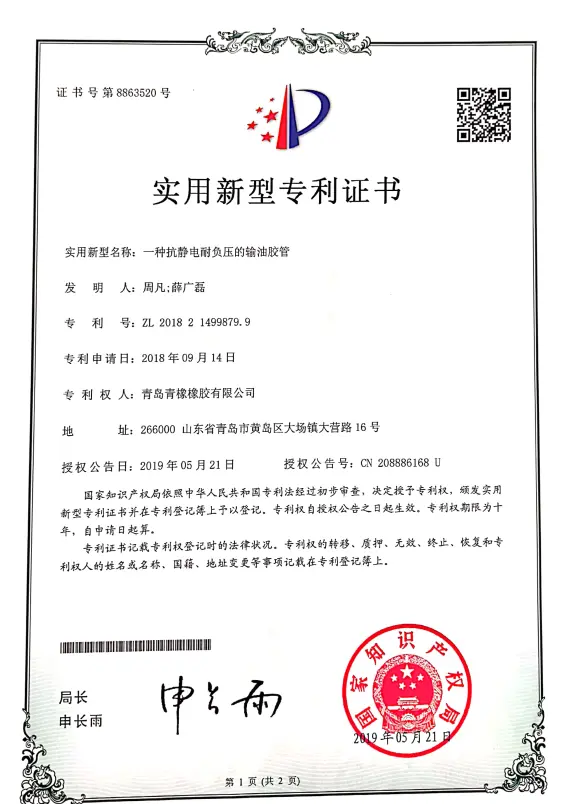
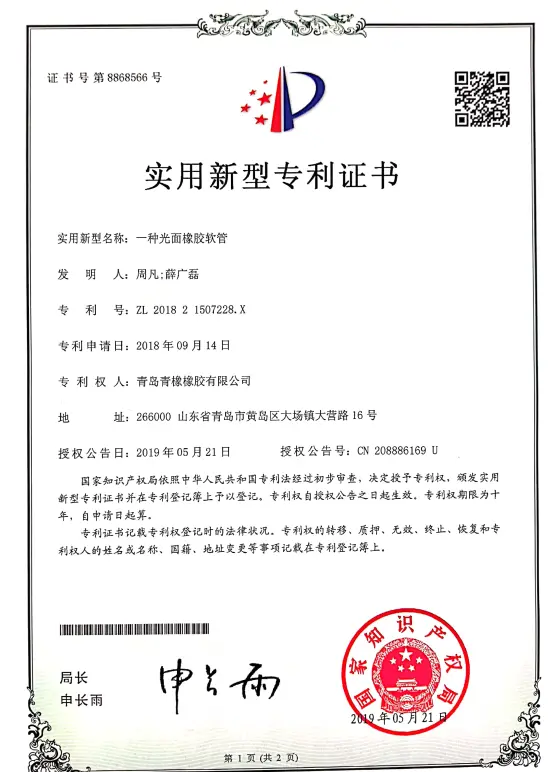
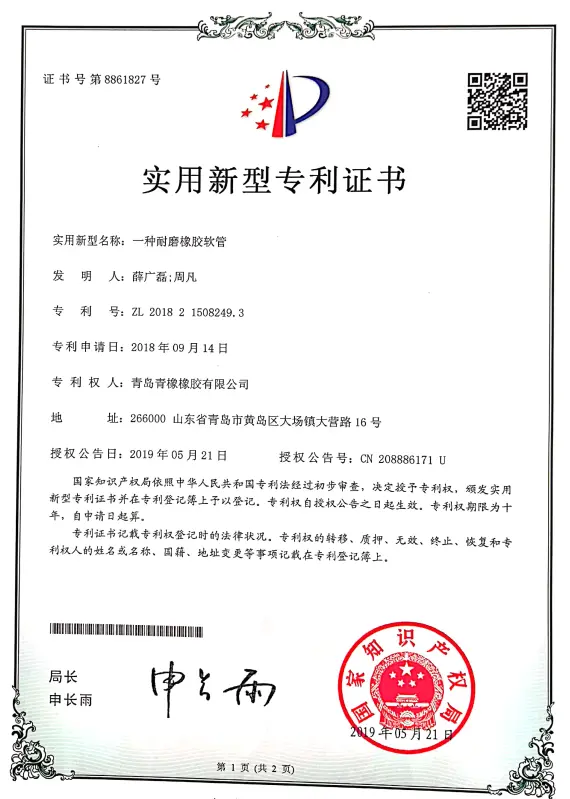
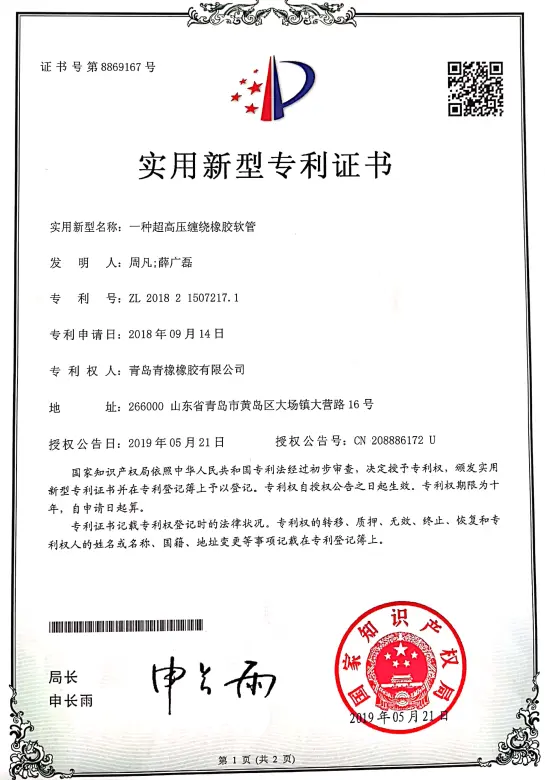
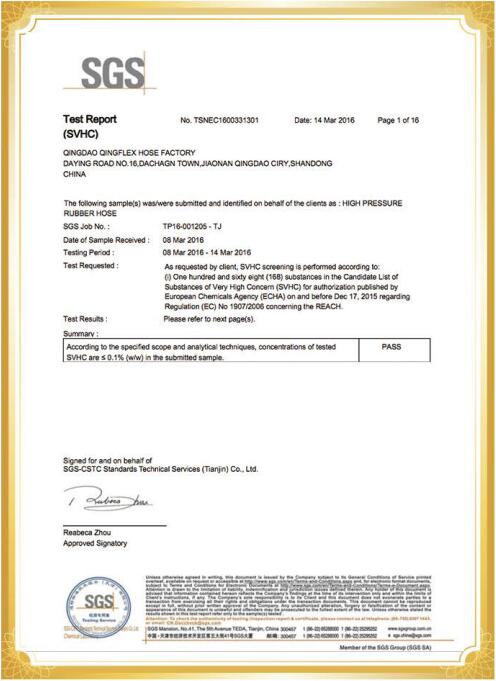
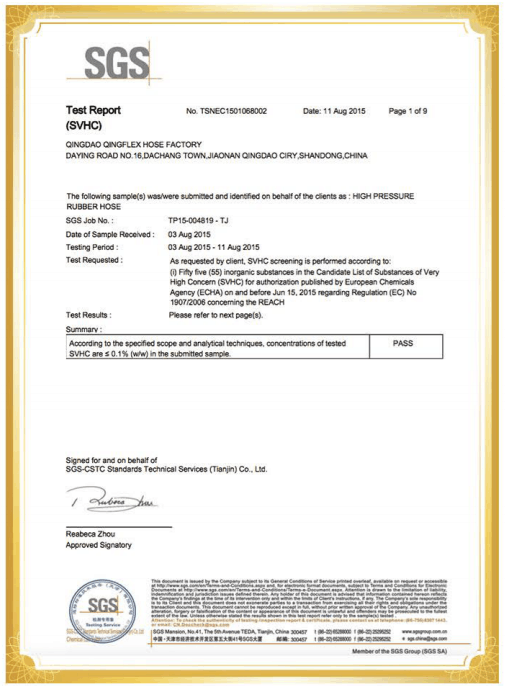
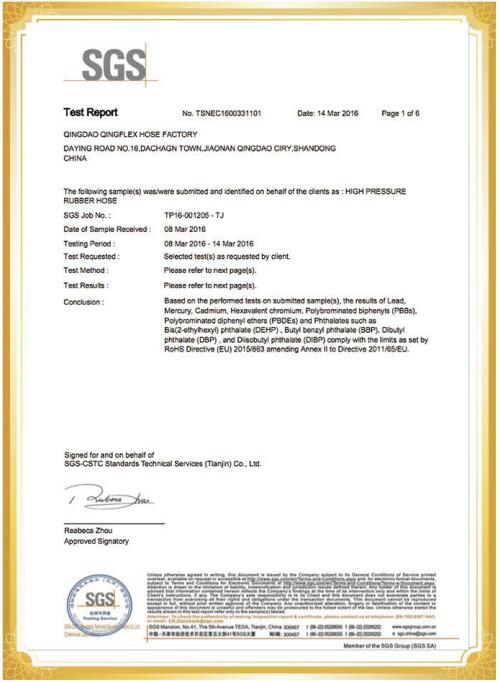
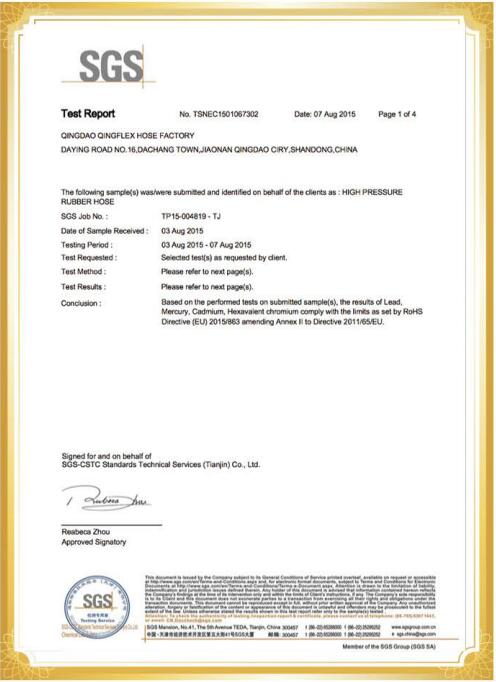
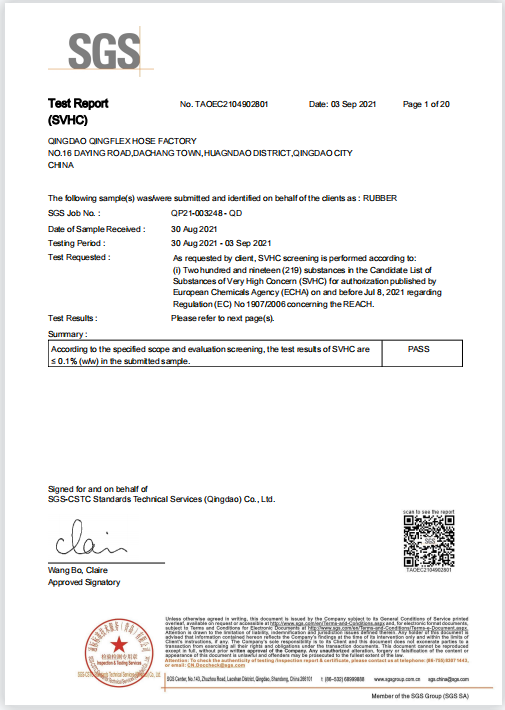
Our hoses meet API, DNV, CCS, and ABS certification standards. Strict quality inspection and controlled production processes ensure reliable performance in demanding oilfield operations.
Focus on Oilfield Hose Manufacturing
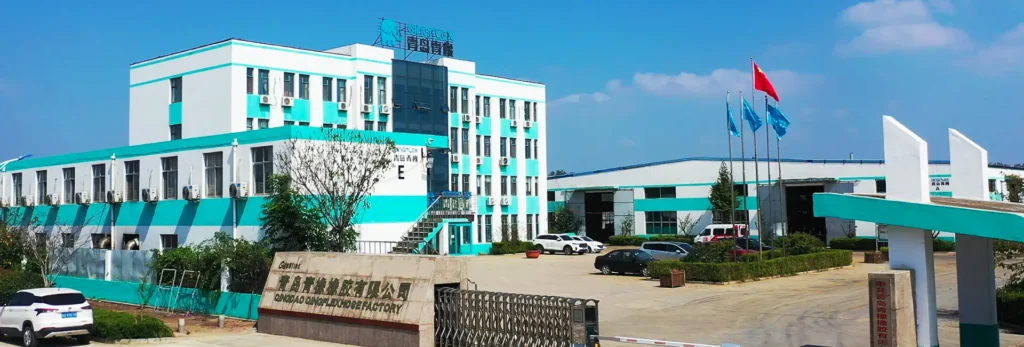
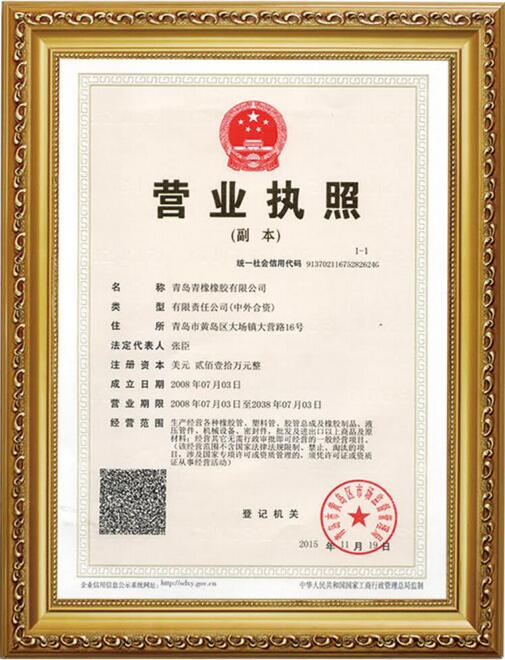
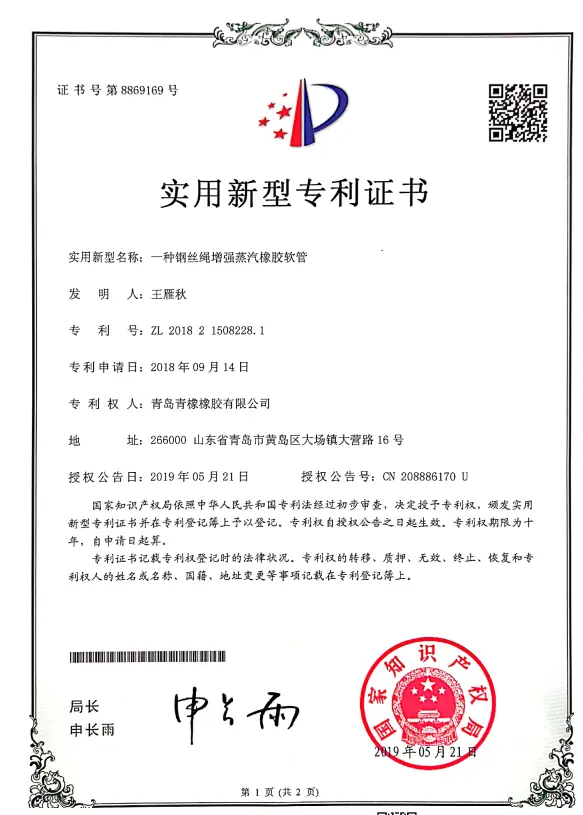
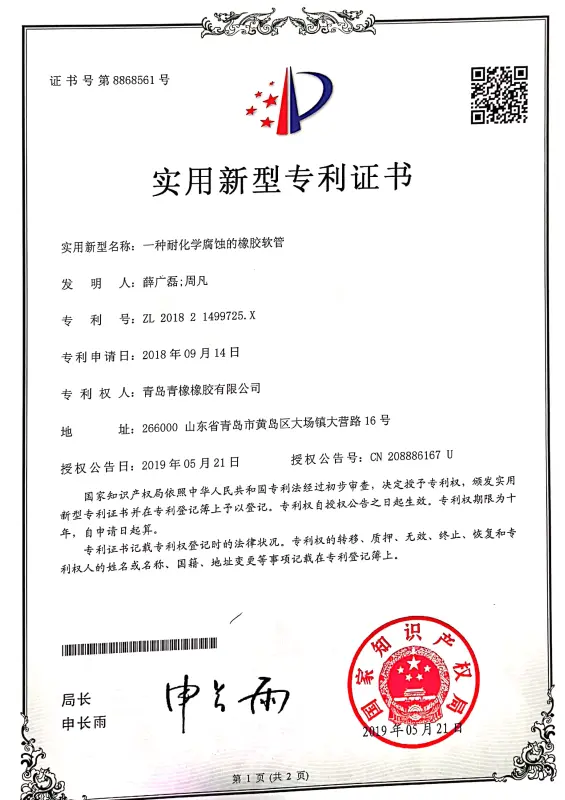
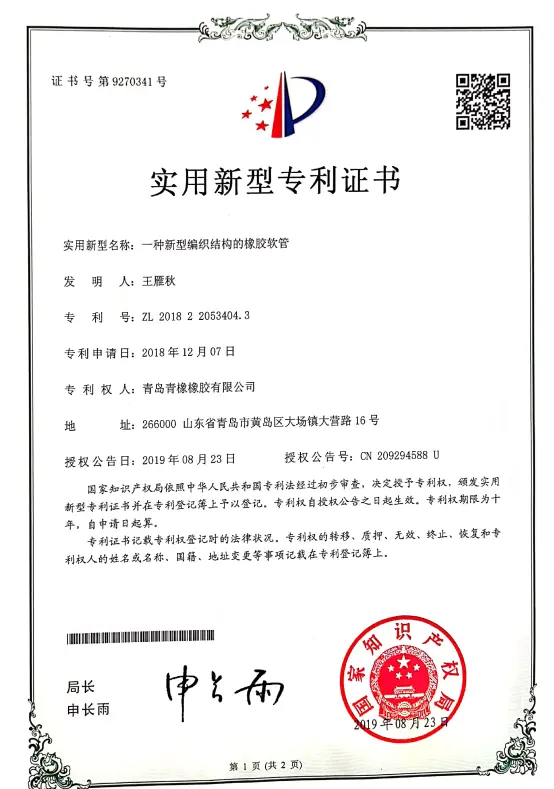
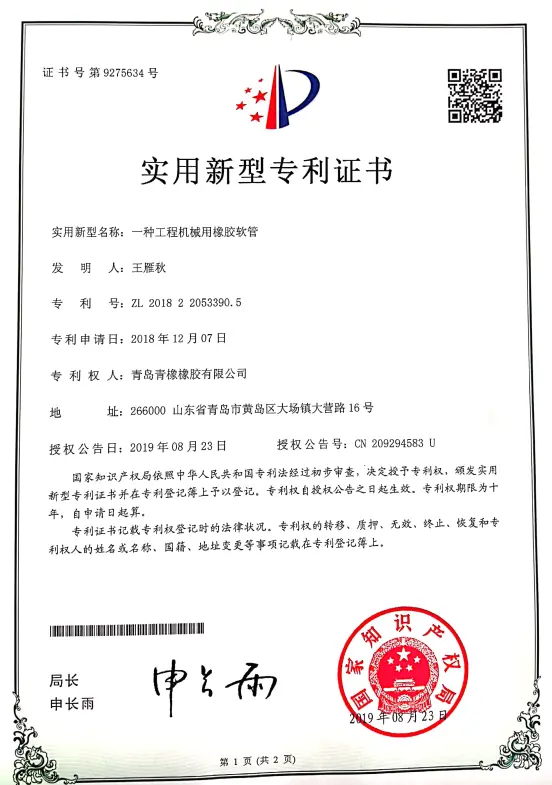
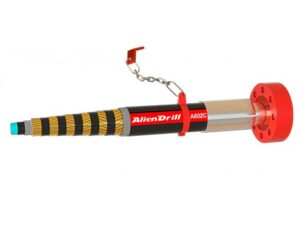
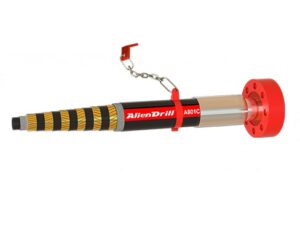
Since 2008, AlienFrac has specialized in oilfield hose research, development, and production, providing rotary drilling hoses, choke and kill hoses, BOP control hoses, and cement hoses.
What is an Oilfield Hose and Why Does Drilling Equipment Require It?
Oilfield hoses transfer drilling fluids, cement slurry, crude oil, and fracturing mixtures across rigs, pumps, and wellhead systems. Strong hose construction protects drilling operations from pressure spikes, abrasion, and harsh chemicals.
You see oilfield hoses installed in drilling rigs, fracturing pumps, mud circulation systems, and cementing equipment. Each hose handles demanding conditions such as high pressure, vibration, extreme temperatures, and abrasive materials like sand or rock particles.
Oilfield operations require specialized hoses because standard industrial hoses cannot withstand the pressure levels or mechanical stress present during drilling and well stimulation. Oilfield hose manufacturers design reinforced structures with steel wire layers and durable rubber compounds to ensure safe and reliable fluid transfer.
What Types of Oilfield Hoses Do Drilling and Production Systems Use?
Oilfield operations use several specialized hoses. Each hose supports a specific drilling or well service function.
Common oilfield hose types include:
Rotary drilling hose – connects the standpipe to the swivel or top drive
Vibrator hose – absorbs vibration between mud pumps and drilling systems
Choke and kill hose – controls well pressure in blowout preventer systems
Frac hose – transports high-pressure fracturing fluid and sand slurry
Cement hose – transfers cement slurry during well completion
BOP control hose – operates hydraulic control systems for blowout preventers
Petroleum transfer hose – moves crude oil or fuel during storage and transport
What Role Does Frac Hose Play in the Oilfield Fracking Hose Market?
Frac hoses support hydraulic fracturing operations by transporting high-pressure fluid mixtures from frac pumps to wellheads. These fluids contain water, sand, and chemical additives that create fractures in underground rock formations.
The oilfield fracking hose market grows rapidly because modern unconventional drilling relies heavily on hydraulic fracturing. Frac pumps generate extreme pressure levels that often exceed several thousand PSI.
Frac hoses must handle:
high internal pressure
abrasive sand slurry
constant vibration
rapid pressure fluctuations
Oilfield hose manufacturers design frac hoses with multi-layer steel wire reinforcement and abrasion-resistant inner tubes. These structural features allow the hose to survive demanding fracturing environments while maintaining safe fluid flow.
What Are the Main Applications of Oilfield Hoses?
Oilfield hoses support many operations throughout drilling, well completion, and production activities.
Major applications include:
drilling fluid circulation
hydraulic fracturing fluid transfer
cement slurry delivery
well pressure control systems
petroleum loading and unloading
degassing and mud processing systems
Each application exposes hoses to different conditions such as pressure, temperature, chemicals, or mechanical movement. Engineers select hoses according to these operating conditions to ensure safe performance.
Oilfield hoses also improve operational flexibility. Flexible hose connections allow equipment movement without rigid pipe systems, which helps drilling crews install or relocate equipment faster.
How Do You Select the Right Oilfield Hose for Drilling Operations?
Choosing the correct oilfield hose requires careful evaluation of operating conditions. A mismatch between hose capability and working environment may cause leaks, pressure failure, or operational downtime.
Key selection factors include:
working pressure requirements
fluid type and chemical compatibility
hose diameter and flow capacity
temperature range
connection standards
bending radius requirements
You also review industry certifications such as API specifications, which confirm that hoses meet strict oilfield safety standards.
A reliable oilfield hose manufacturer provides technical data, pressure ratings, and application guidance to help engineers select the correct hose design.
How Does Oilfield Hose Construction Improve Durability?
Oilfield hoses use specialized multilayer construction designed for extreme operating conditions.
Typical hose structure includes:
inner rubber tube resistant to oil, chemicals, or abrasion
multiple steel wire reinforcement layers
protective outer rubber cover
optional steel armor or helix reinforcement
The inner tube protects against chemical attack from drilling fluids or petroleum products. Reinforcement layers carry the pressure load and maintain hose shape under stress.
The outer cover shields the hose from mechanical damage, UV exposure, and environmental conditions found in drilling sites.
This multilayer design ensures long service life and safe operation.
What Tailored Oilfield Hose Solutions Do Manufacturers Offer?
Many drilling operations require customized hose designs that match specific equipment or working environments.
We offer tailored solutions such as:
custom hose diameters
specialized pressure ratings
abrasion-resistant inner tubes
flame-resistant outer covers
custom end fittings and connectors
Customized hoses help drilling companies improve operational efficiency and ensure compatibility with existing drilling equipment.
We also assist engineers during project planning to develop hose designs that meet drilling requirements.
How Does the Oilfield Hose Market Continue to Evolve?
The oilfield hose market expands as drilling technology advances. Modern drilling operations require hoses capable of handling higher pressure levels, harsher environments, and larger fluid volumes.
Key industry trends include:
increased demand from hydraulic fracturing operations
stronger hose reinforcement technology
higher pressure ratings
improved abrasion resistance
advanced materials for extreme environments
We invest heavily in research and development to meet these evolving technical requirements.
How Do You Maintain Oilfield Hoses for Long Service Life?
Proper hose maintenance improves safety and extends hose lifespan in demanding oilfield environments.
Recommended maintenance practices include:
inspecting hoses regularly for wear or damage
checking connections for leaks
monitoring pressure levels during operation
cleaning hoses after heavy slurry or chemical exposure
storing hoses in dry and protected areas
Routine inspections help crews identify early signs of abrasion, cracking, or reinforcement exposure.
Replacing damaged hoses before failure prevents operational disruptions and protects drilling equipment.