Material Handling Hose
Material Handling Hoses
Polyurethane Hose
Abrasion Resistant Sbr Material Handling Hose
Pvc Material Handling Hose
Hot Air Blower Hose
Advanced Bulk Material Handling Hose & Solutions
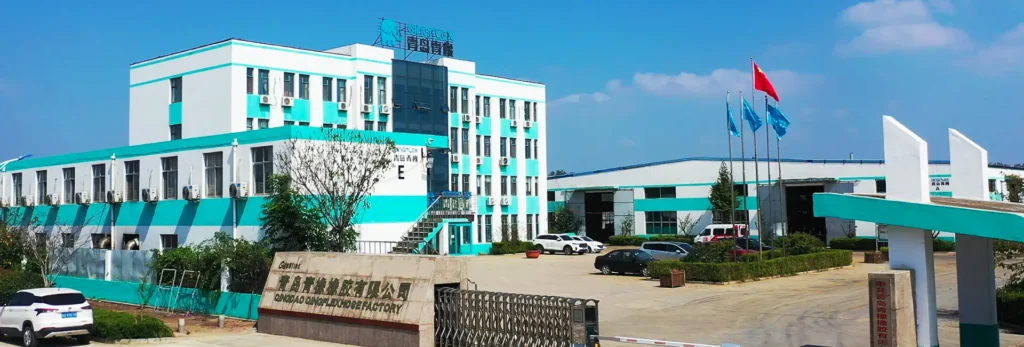
Qingdao Qingflex Hose Factory, founded in 2008, boasts a formidable production capacity and focuses on R&D and production of material handling hoses.
Using modern equipment and continuous R&D, we deliver durable hoses built for abrasive materials, high pressure, and demanding industrial environments worldwide.
Why Choose QingFlex as Your Material Handling Hose Manufacturer
Advanced Manufacturing Equipment
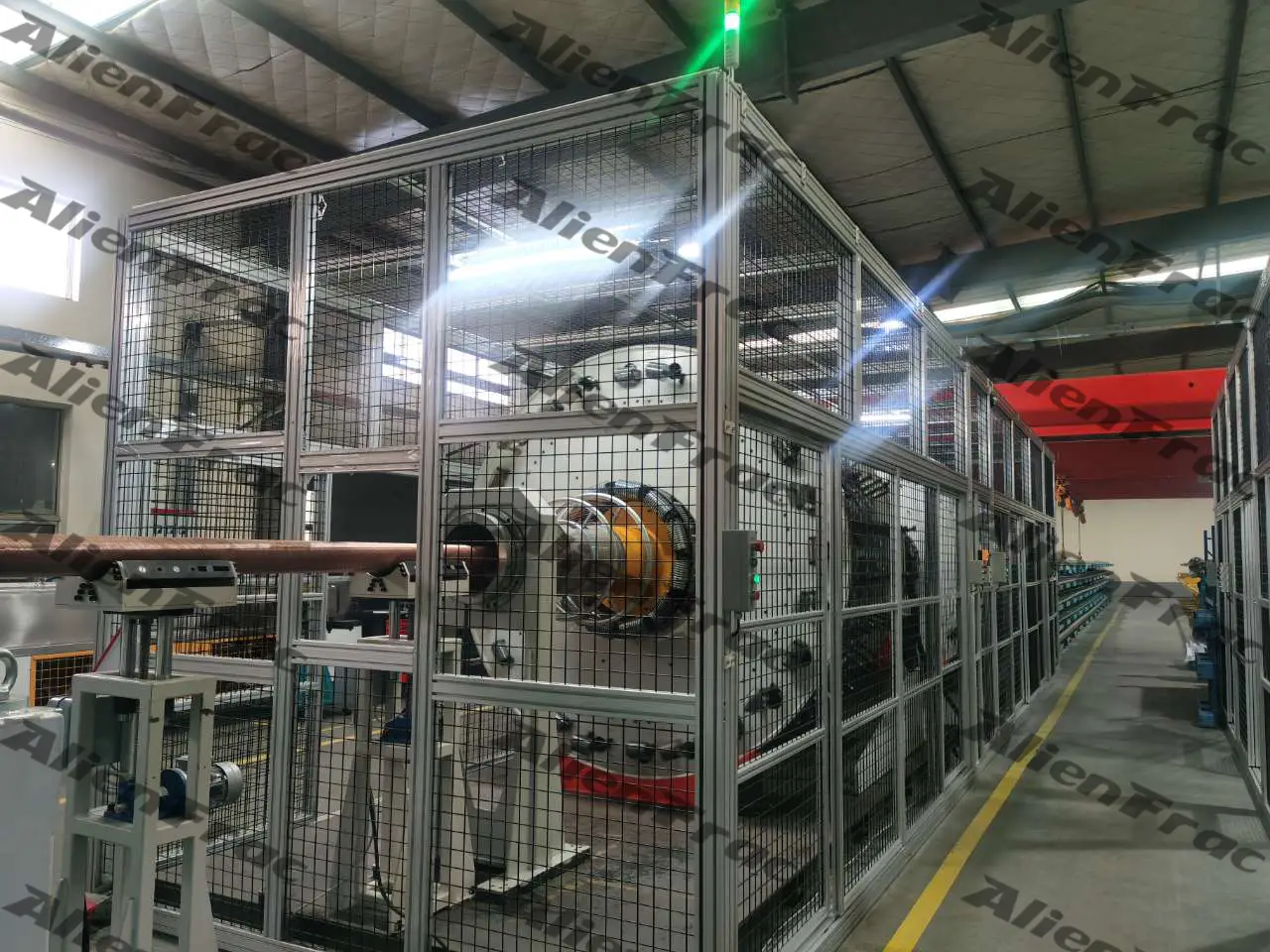
Efficient German and American weaving, winding and spiral machines, UNIFLEX crimping, cooling system, innovative large-scale hose machines, industry-leading.
High Production Capacities
Our factory boasts extremely high production capacities, manufacturing a range of hoses, including large-caliber wire-wrapped oil drilling hoses at 1000 meters per day and hydraulic hoses at 120,000 meters per day.
Reliable Quality
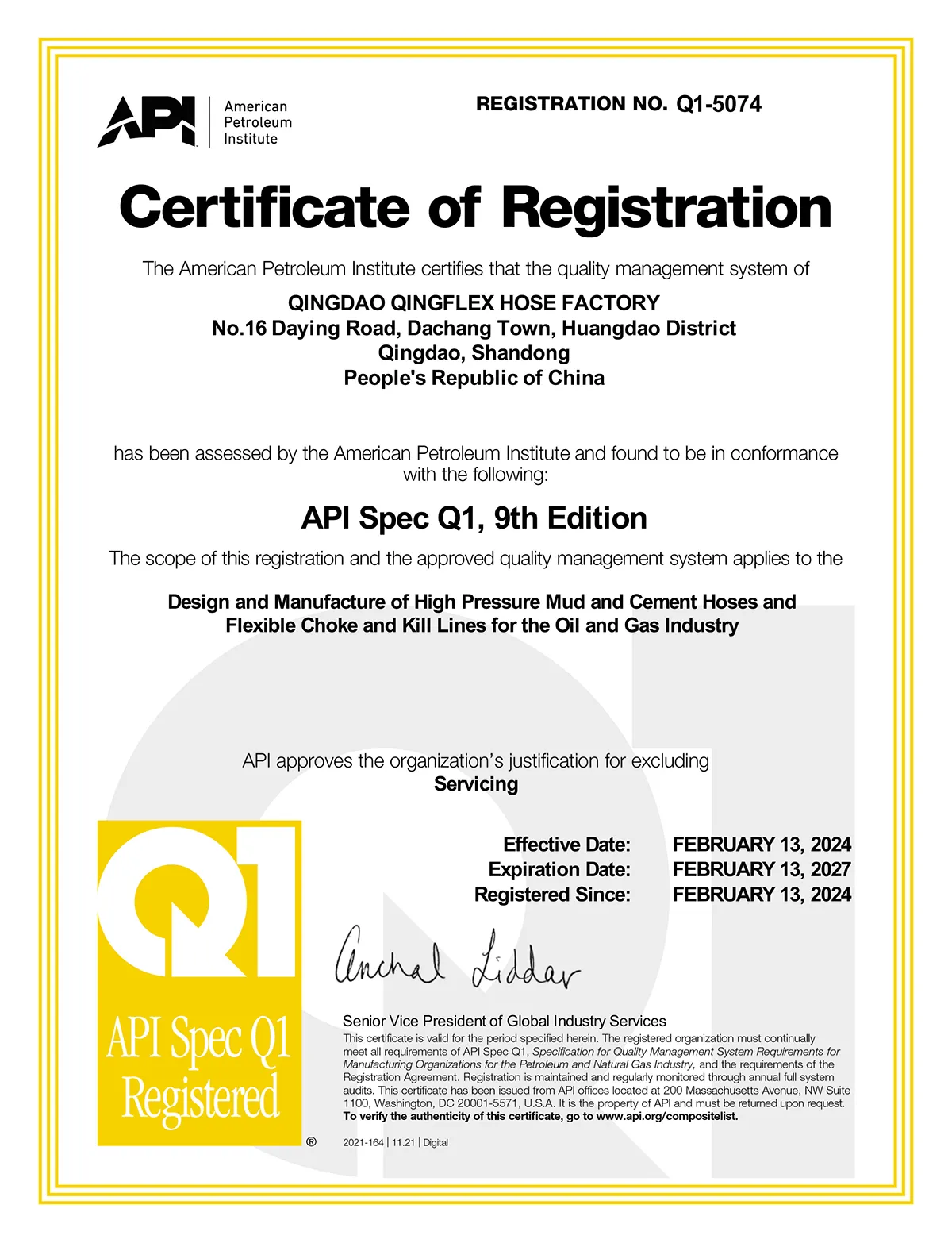
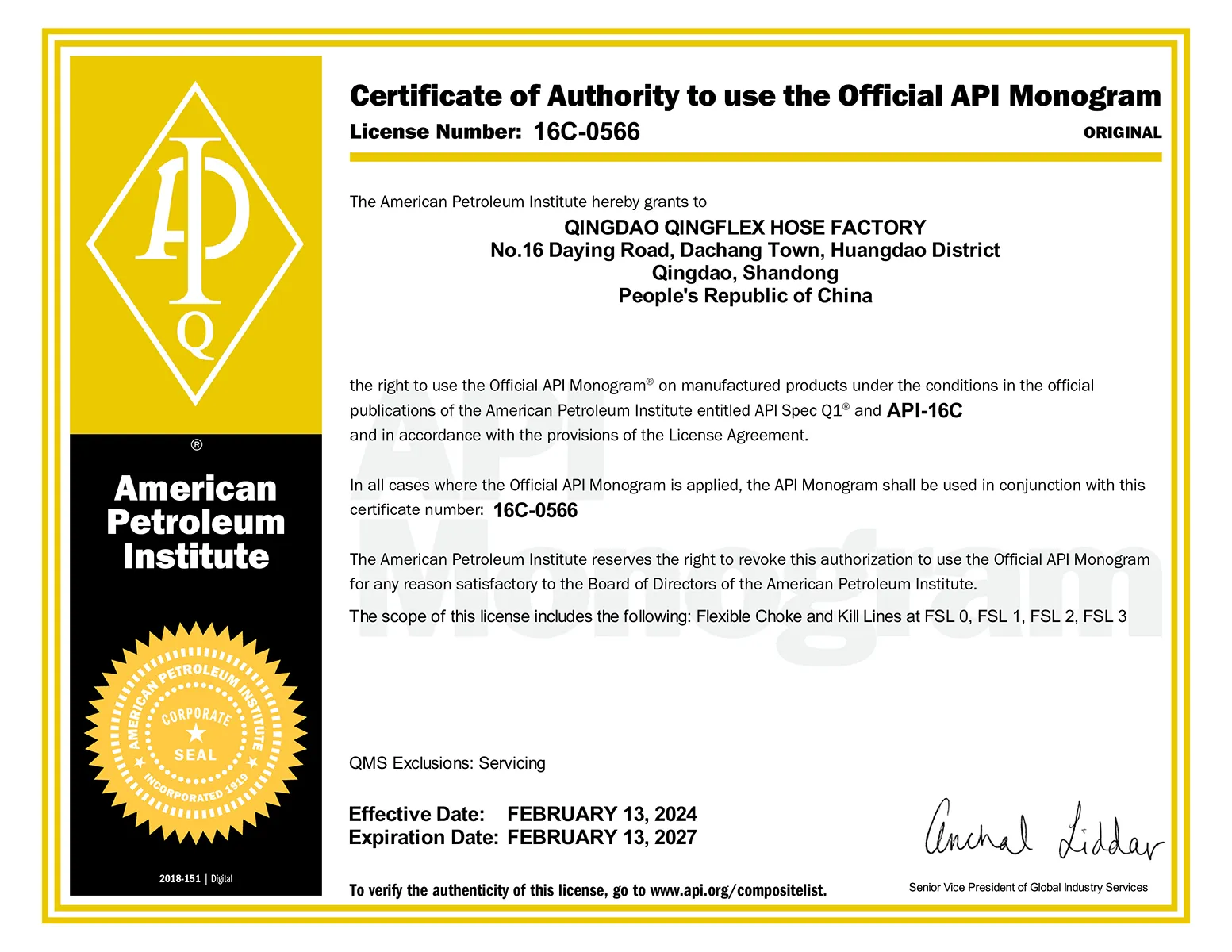
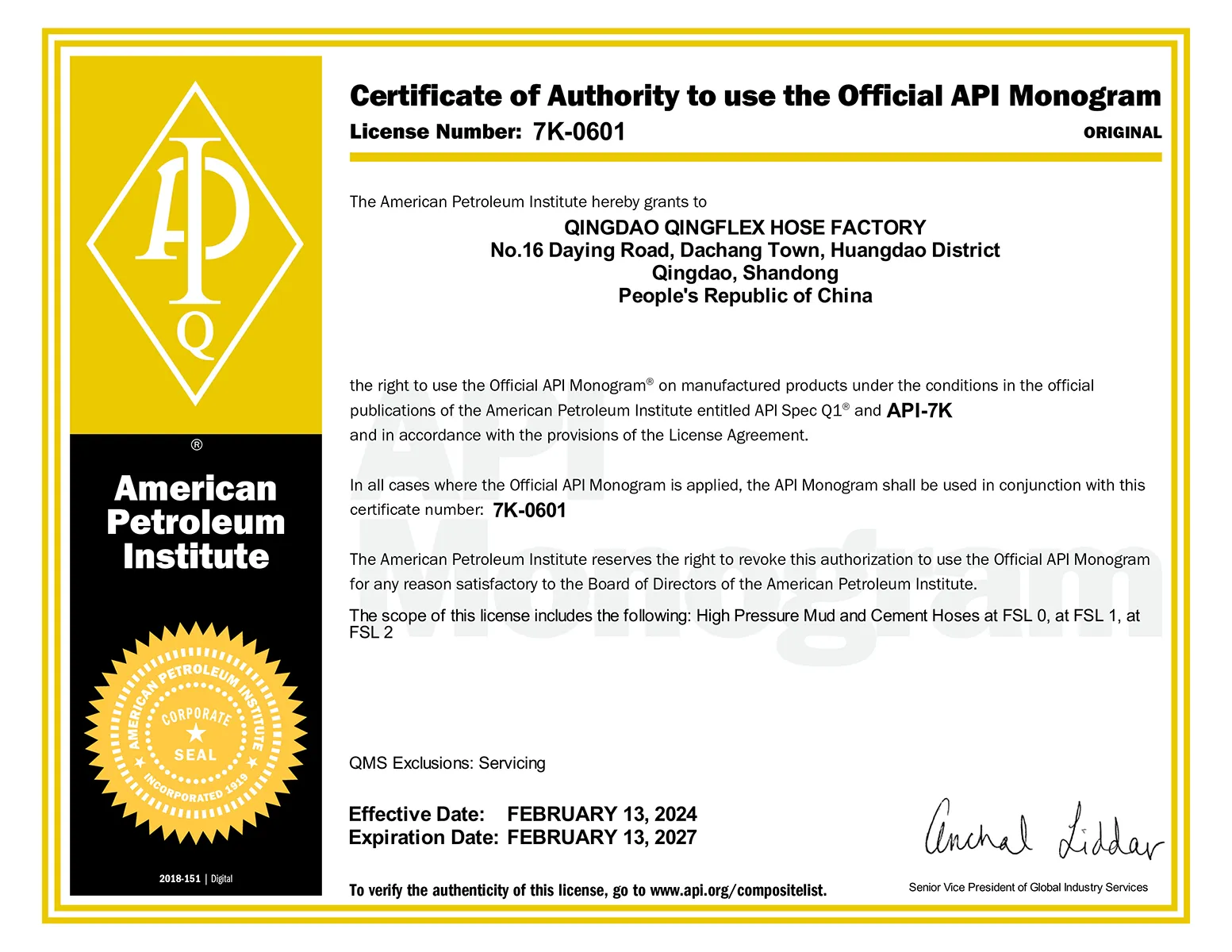
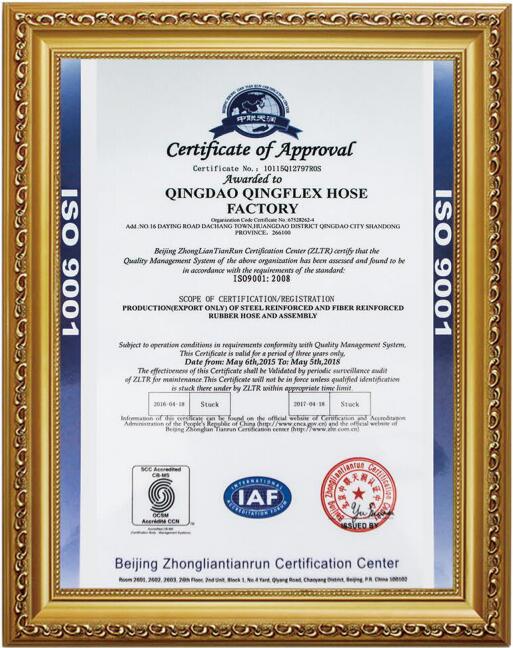
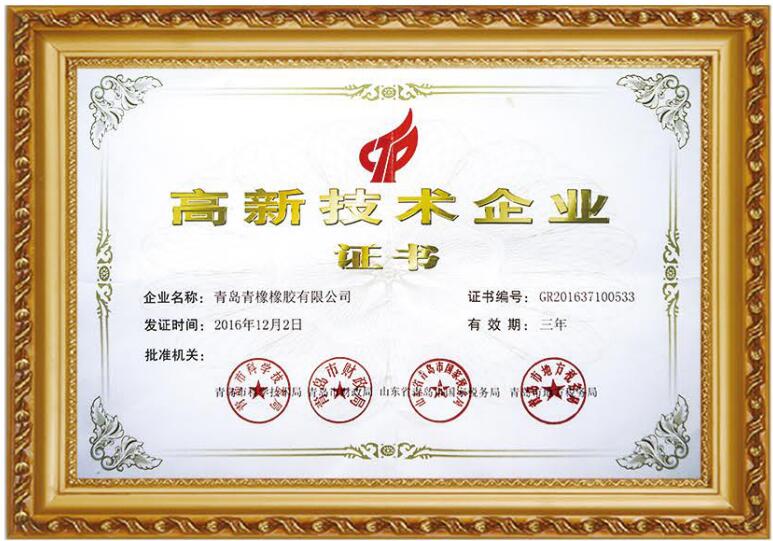
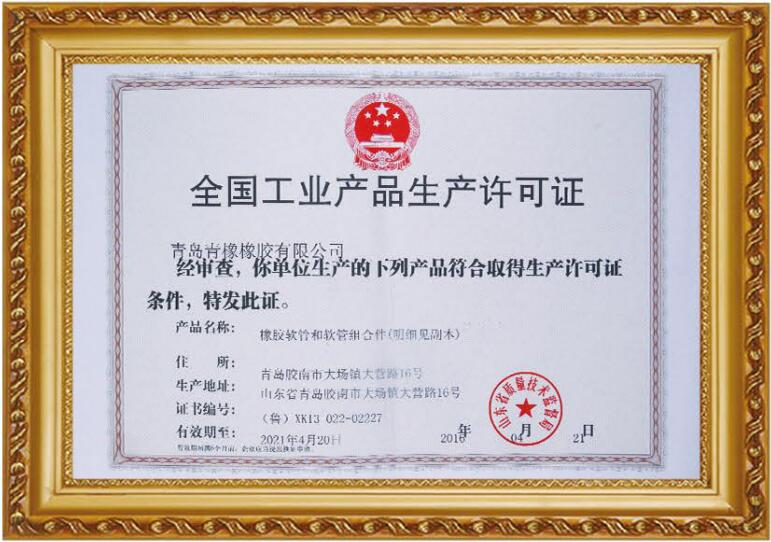
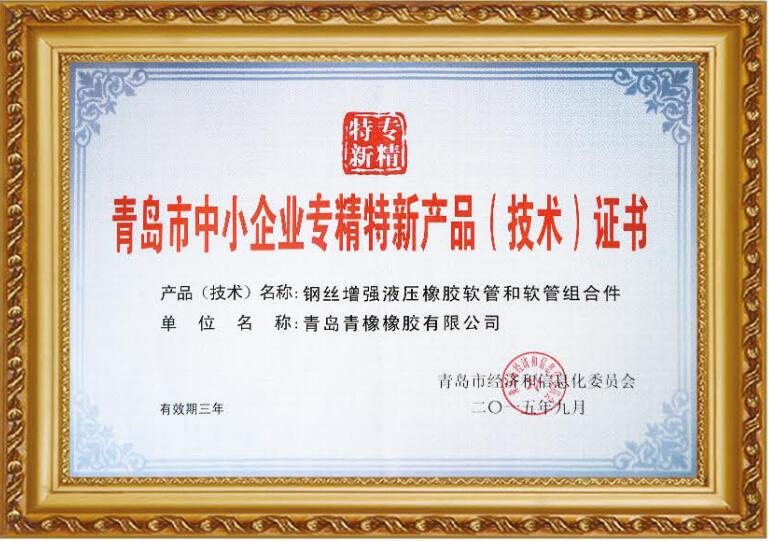
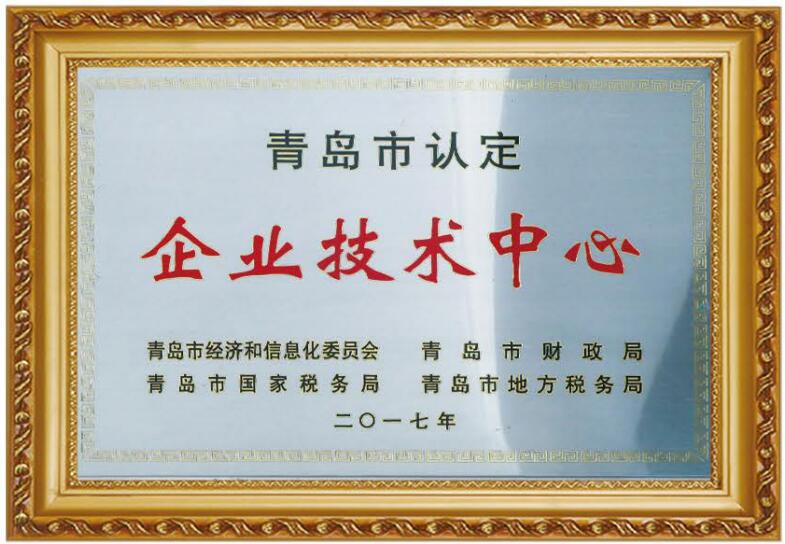
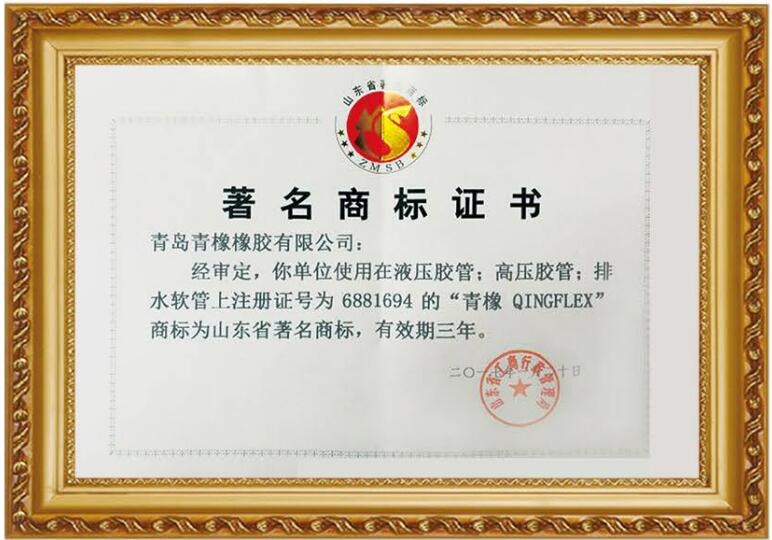
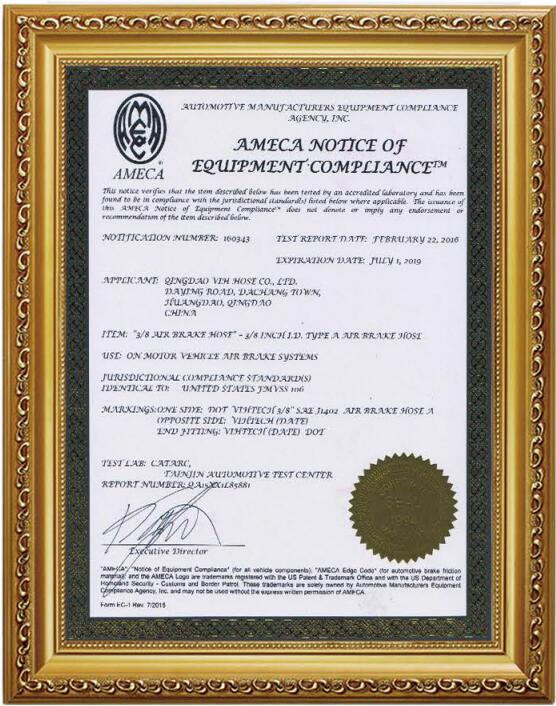
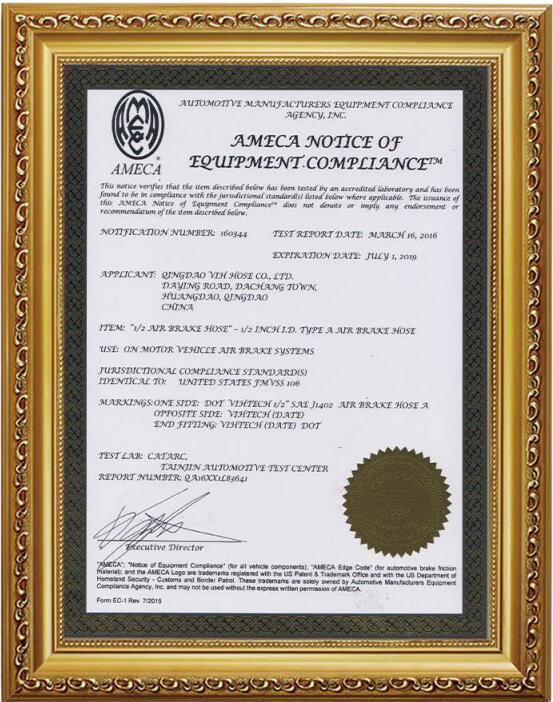
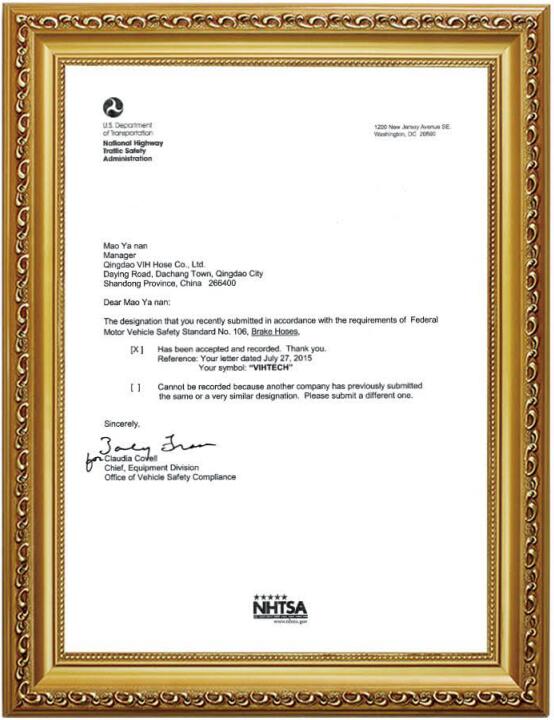
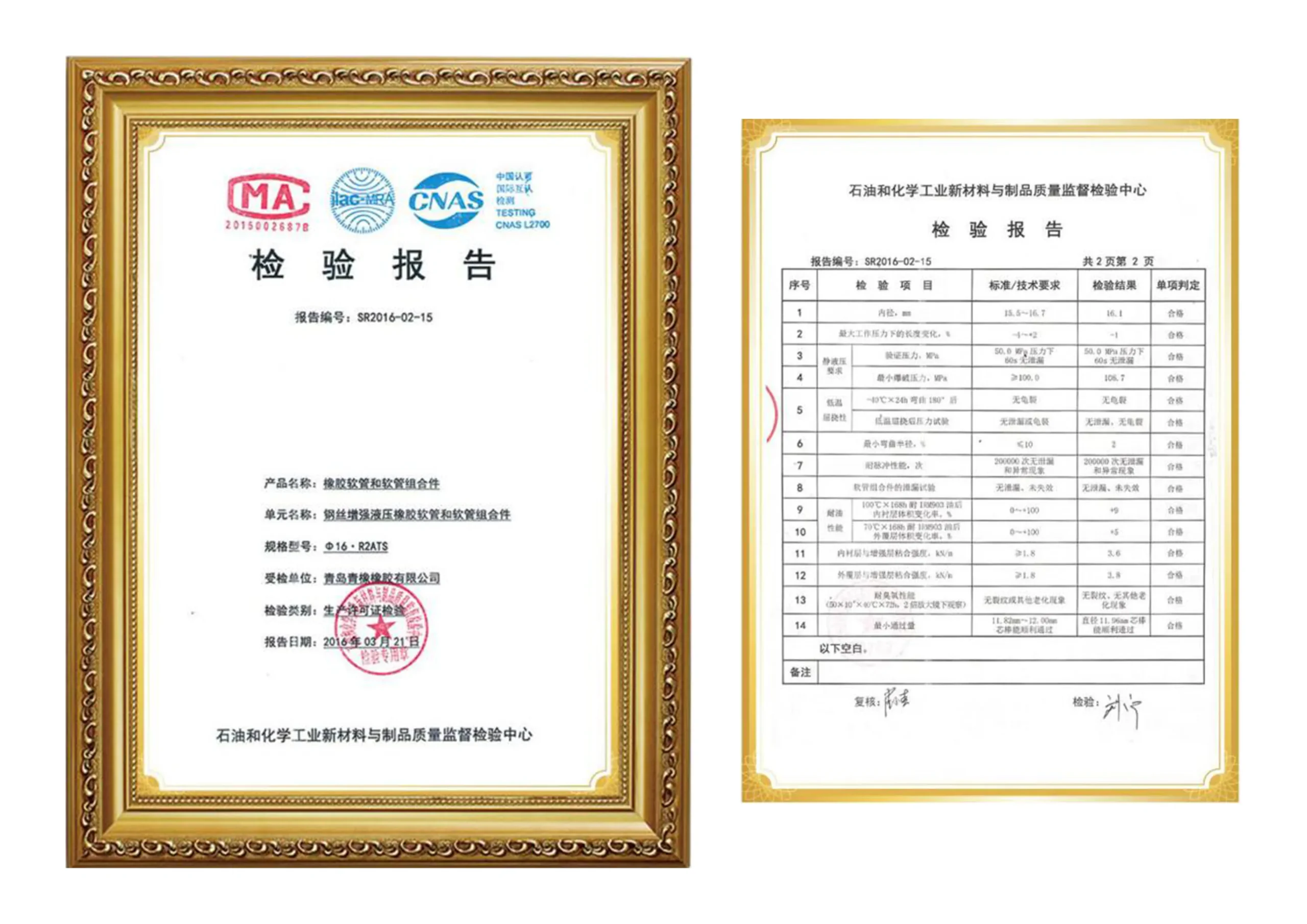
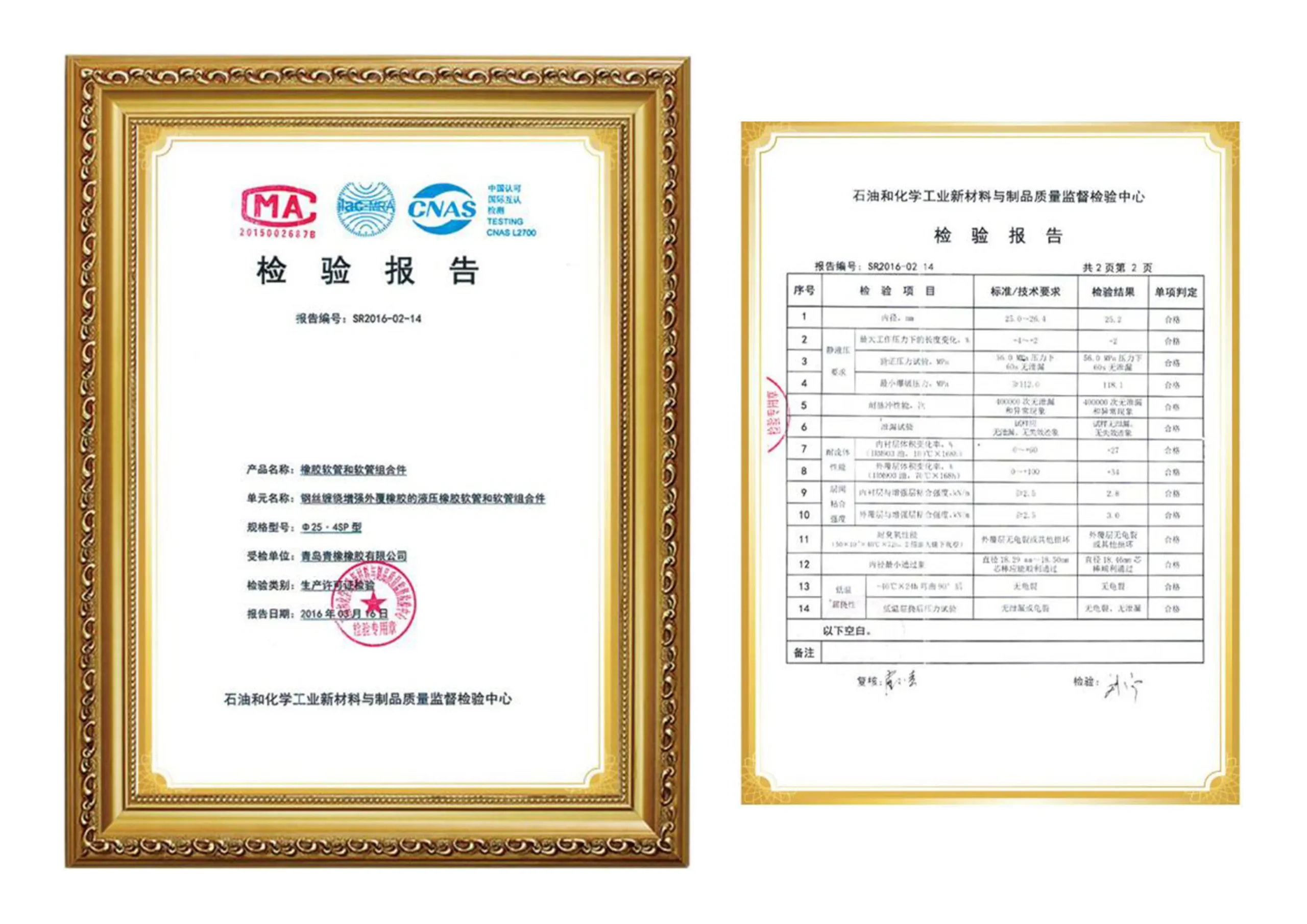
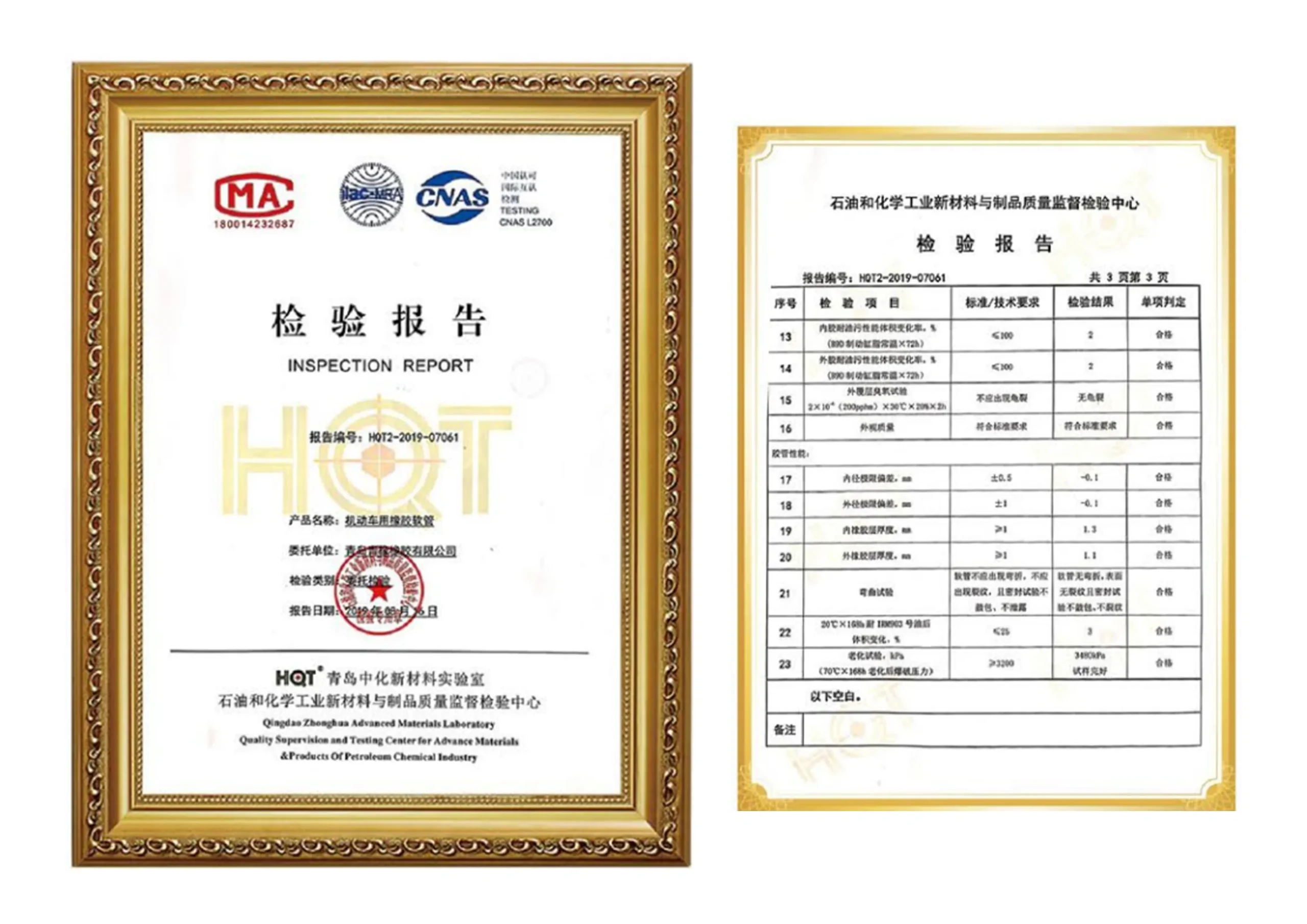
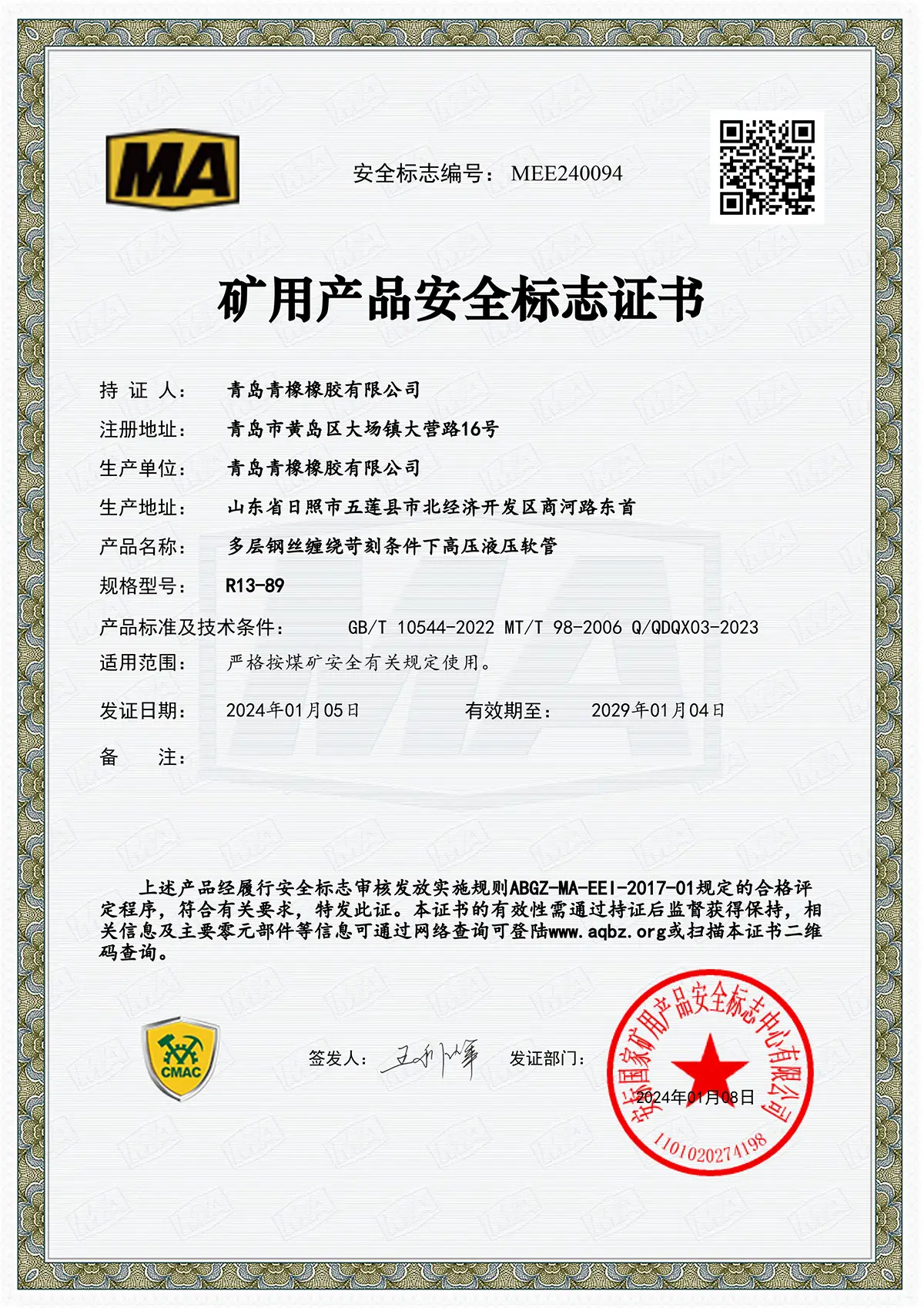
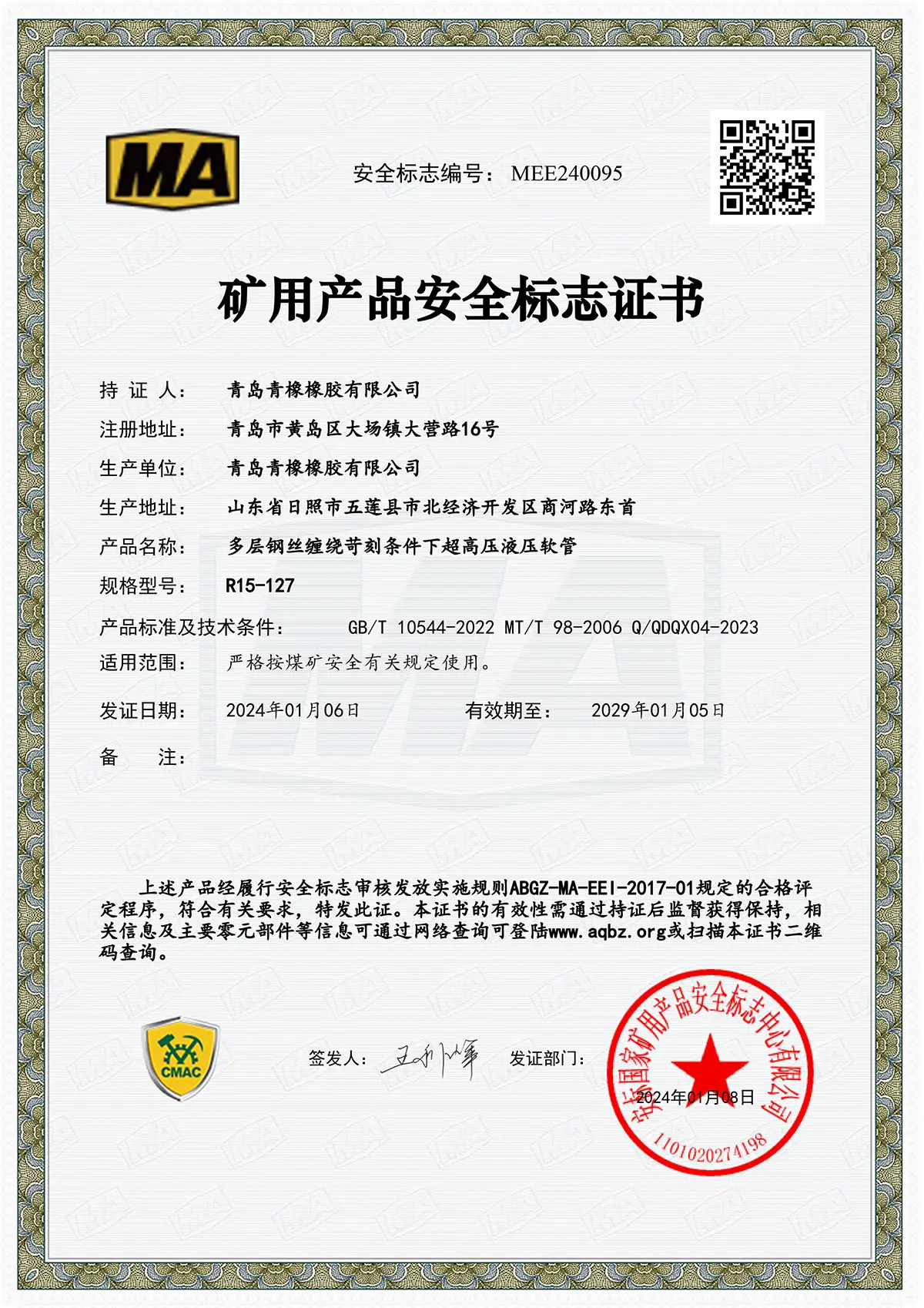
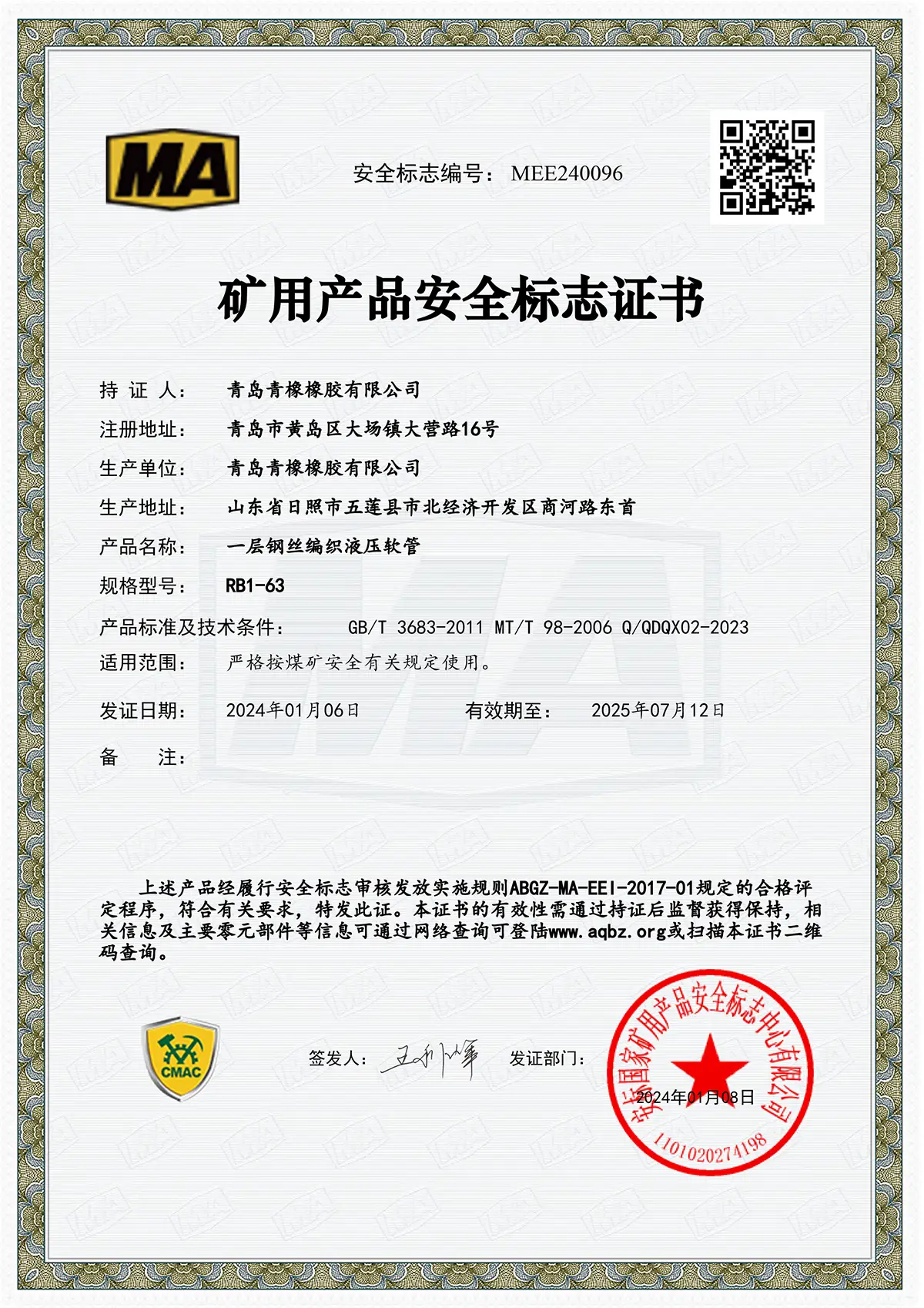
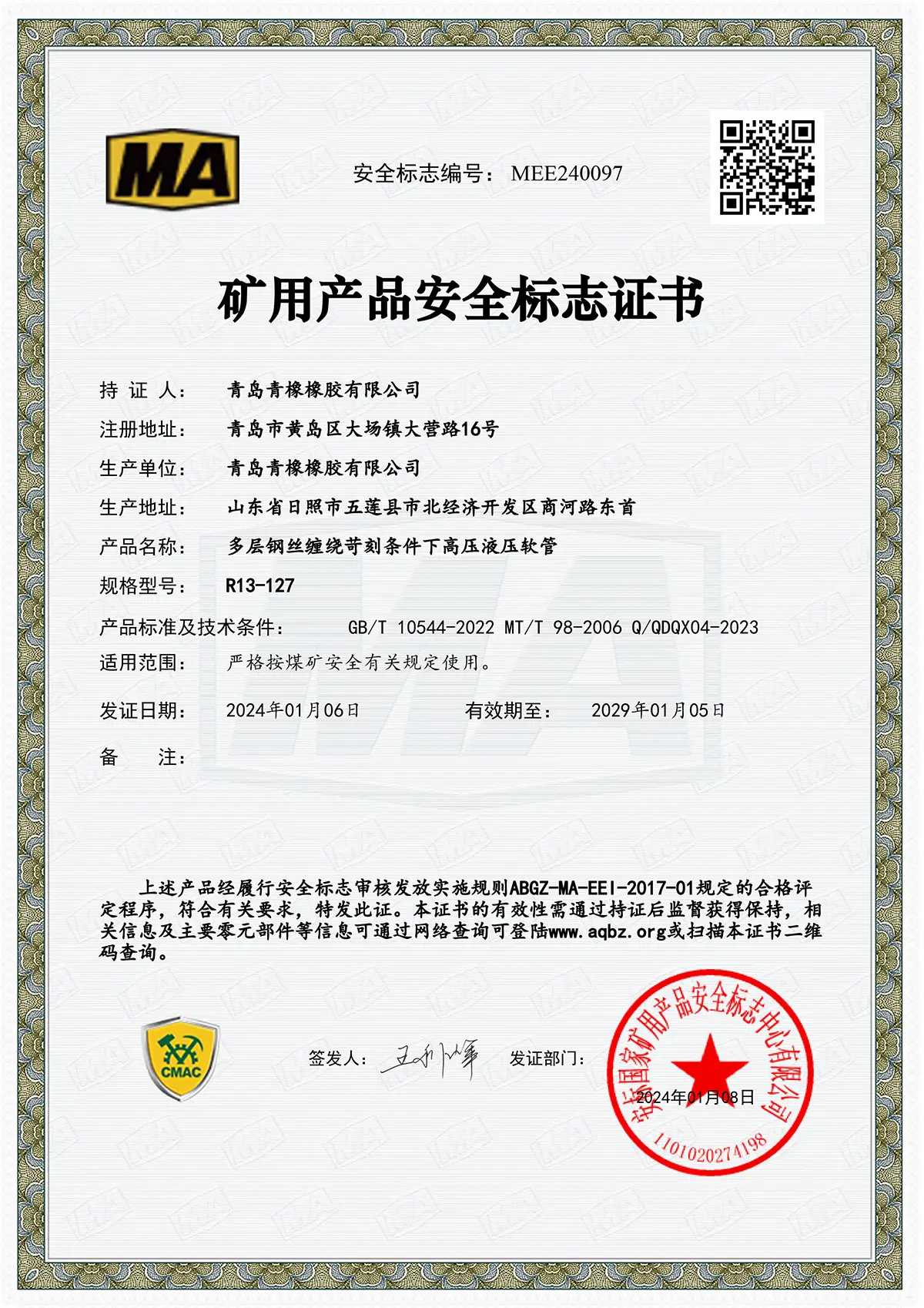
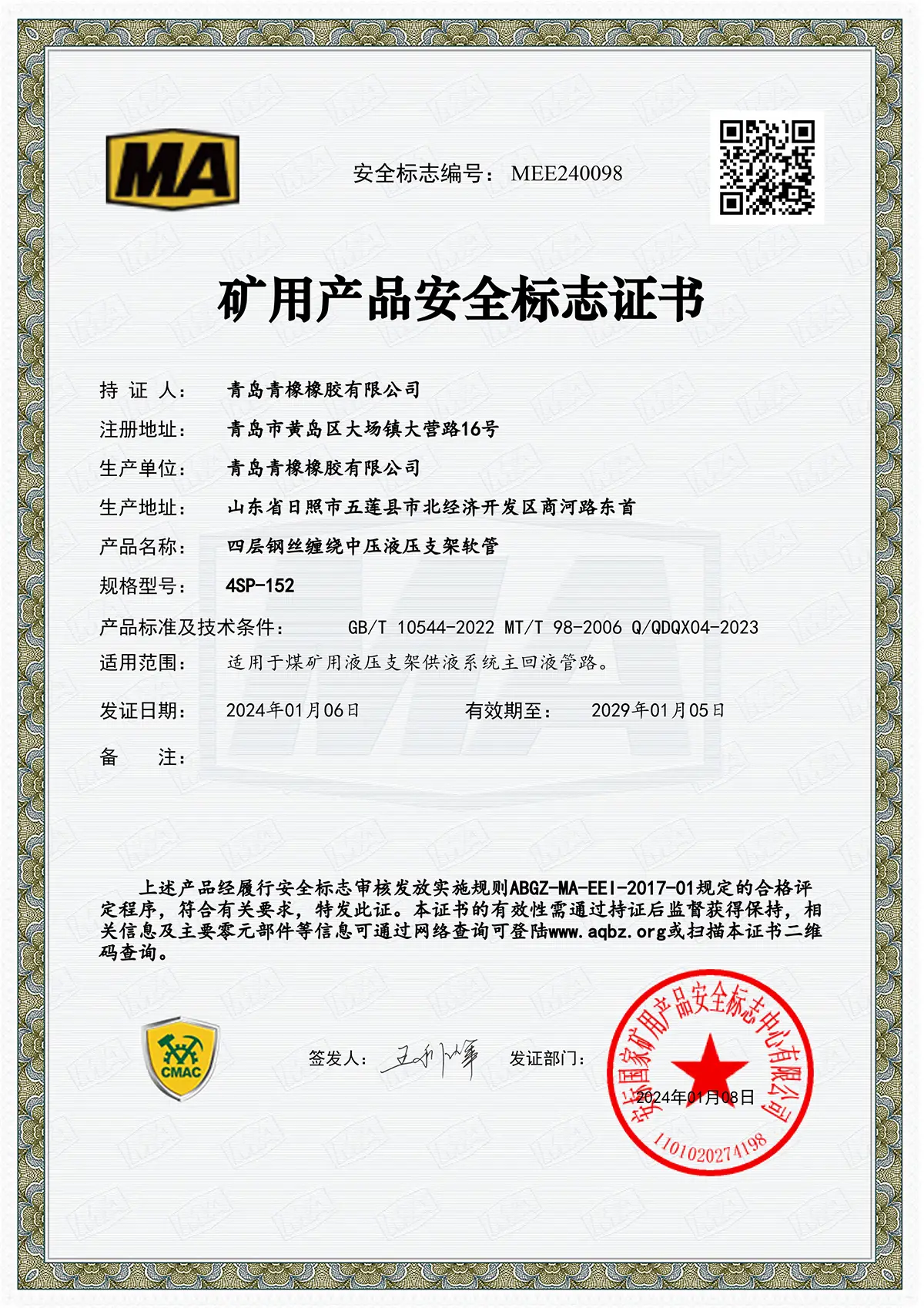
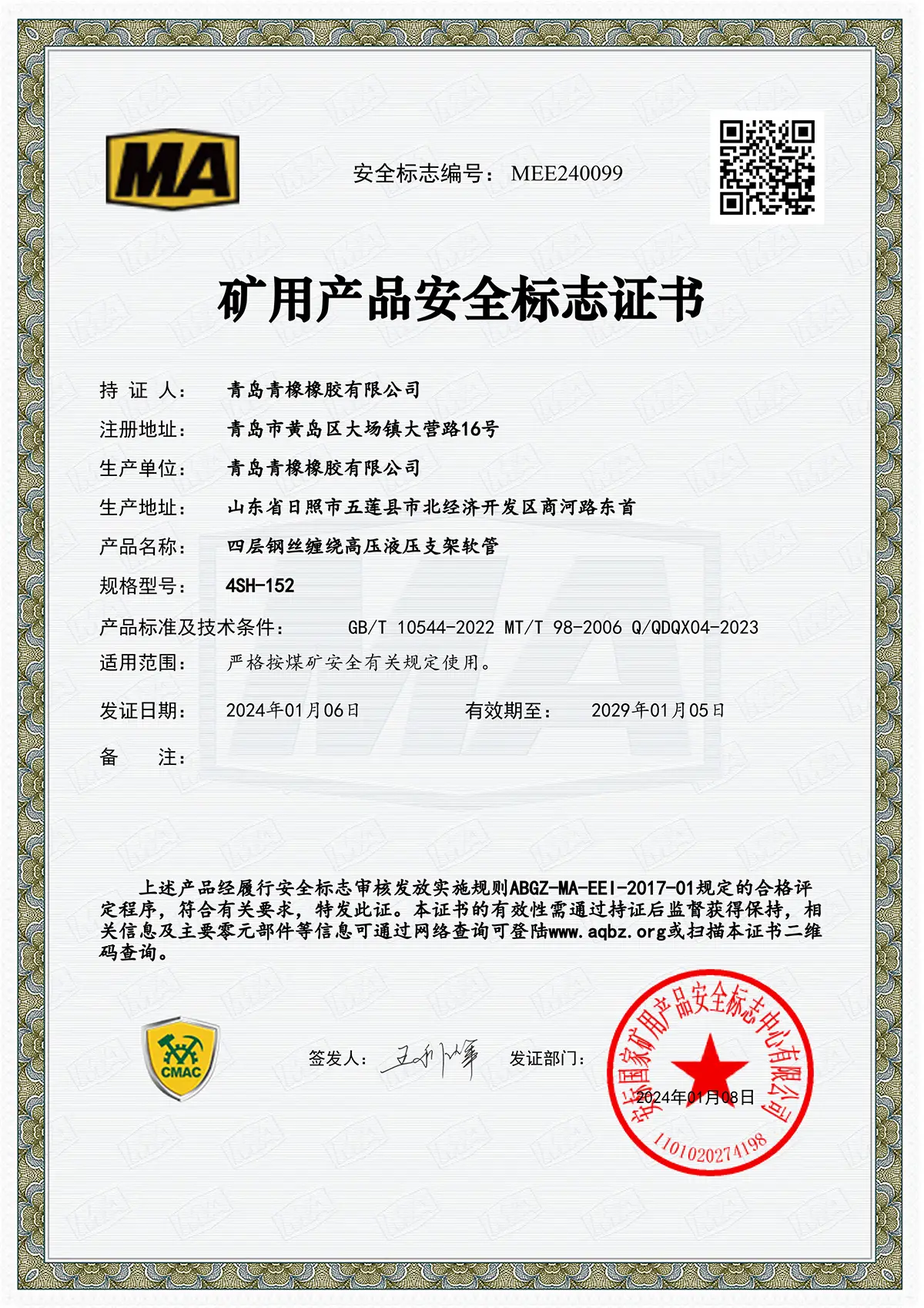
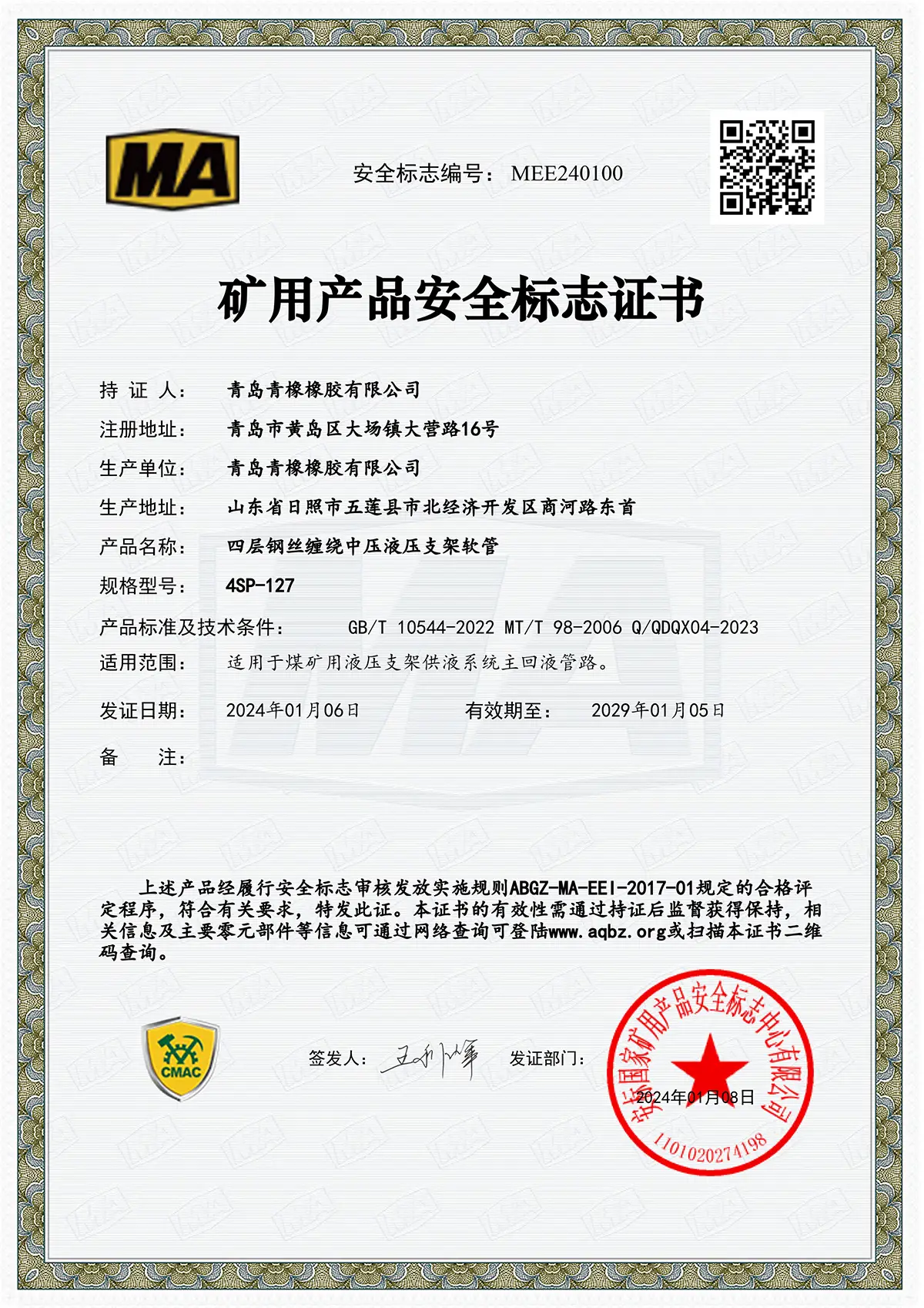
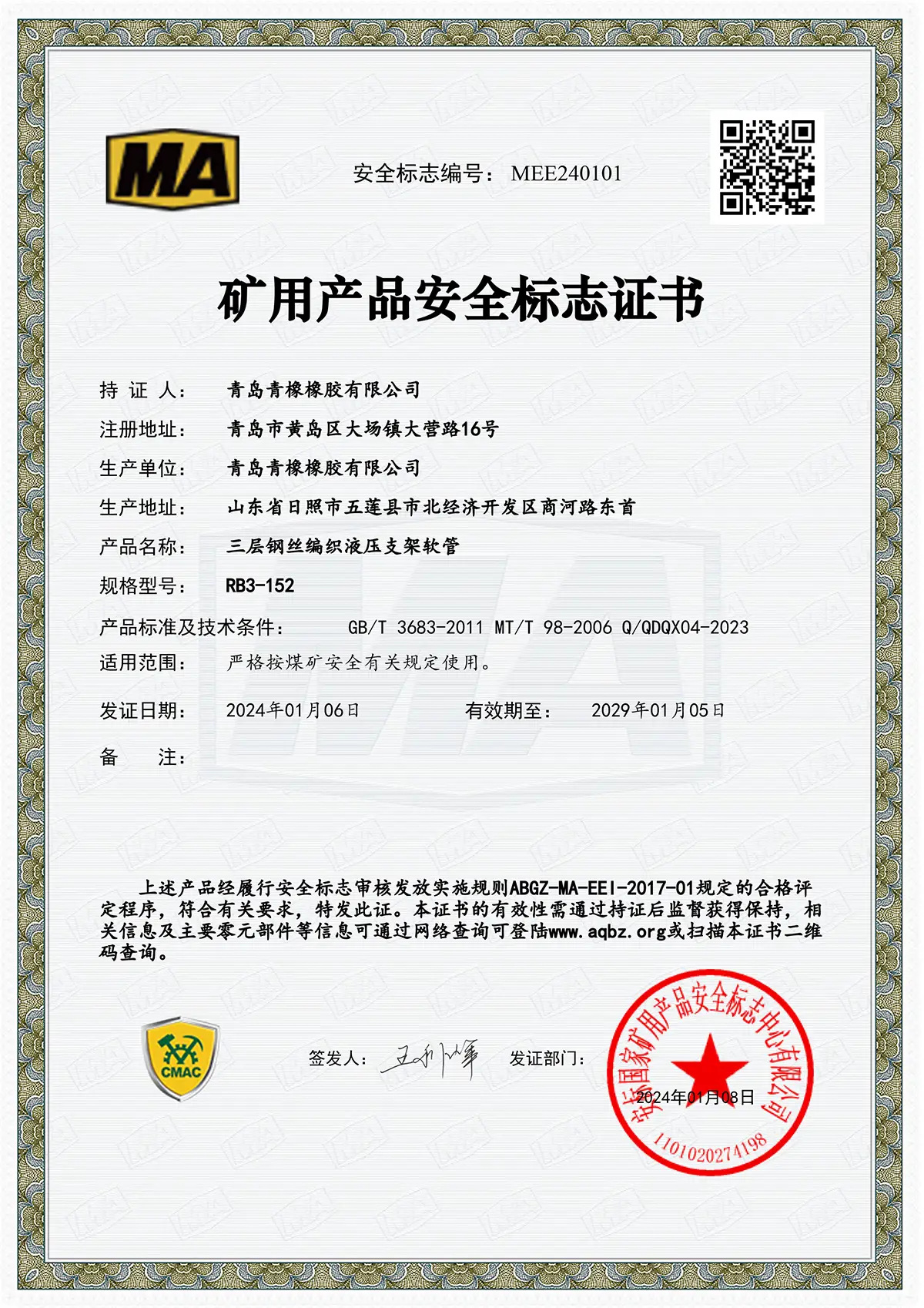
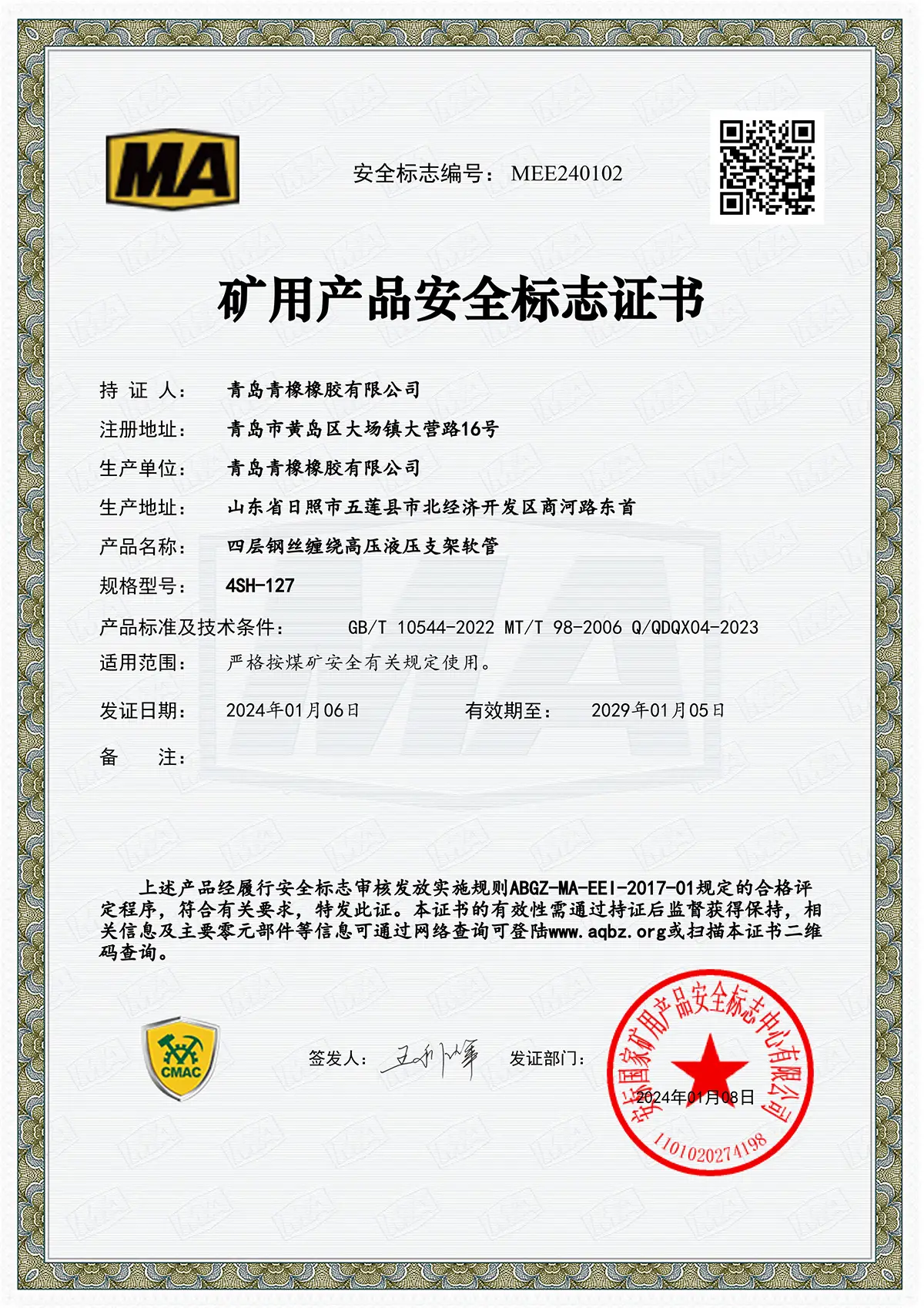
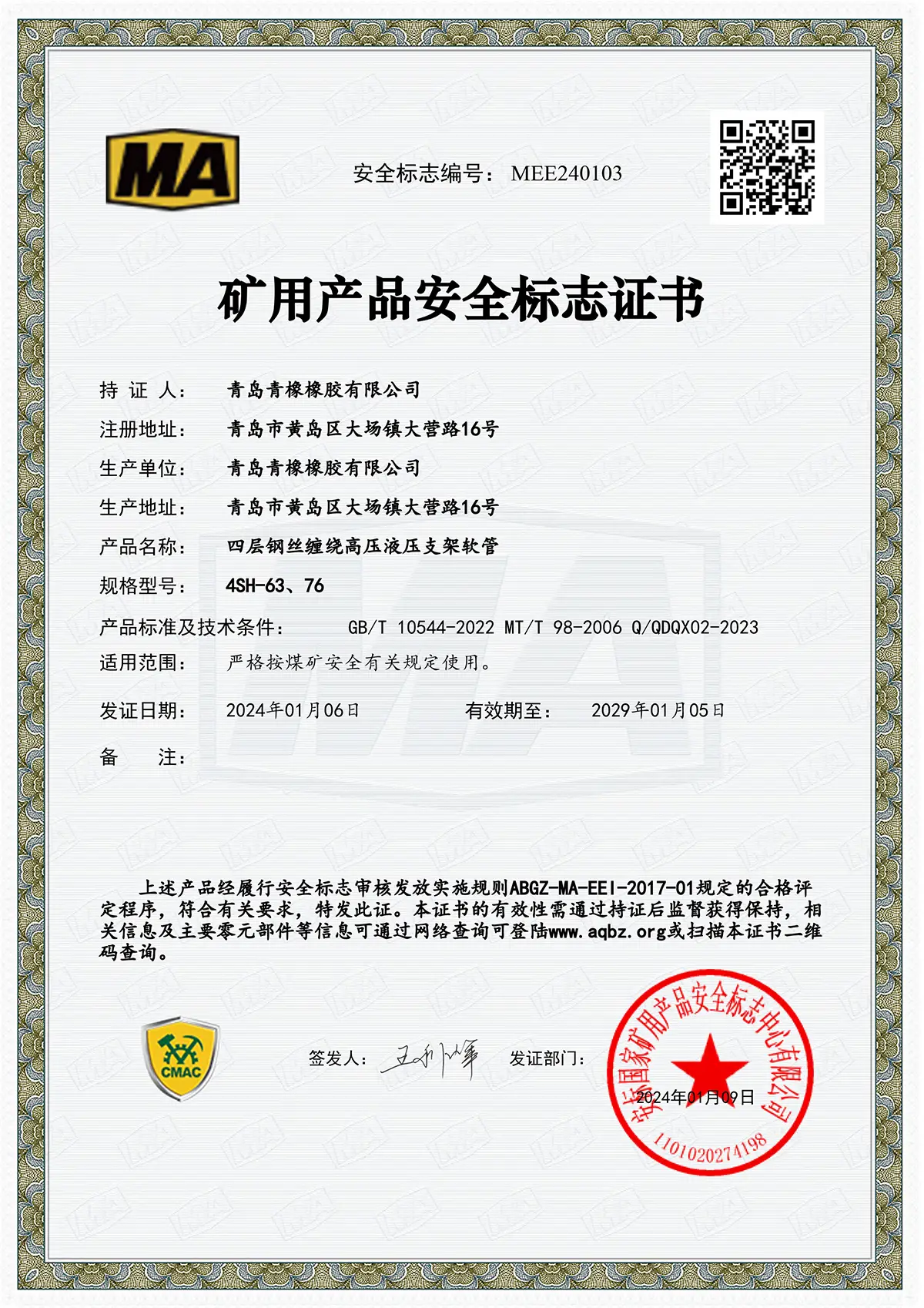
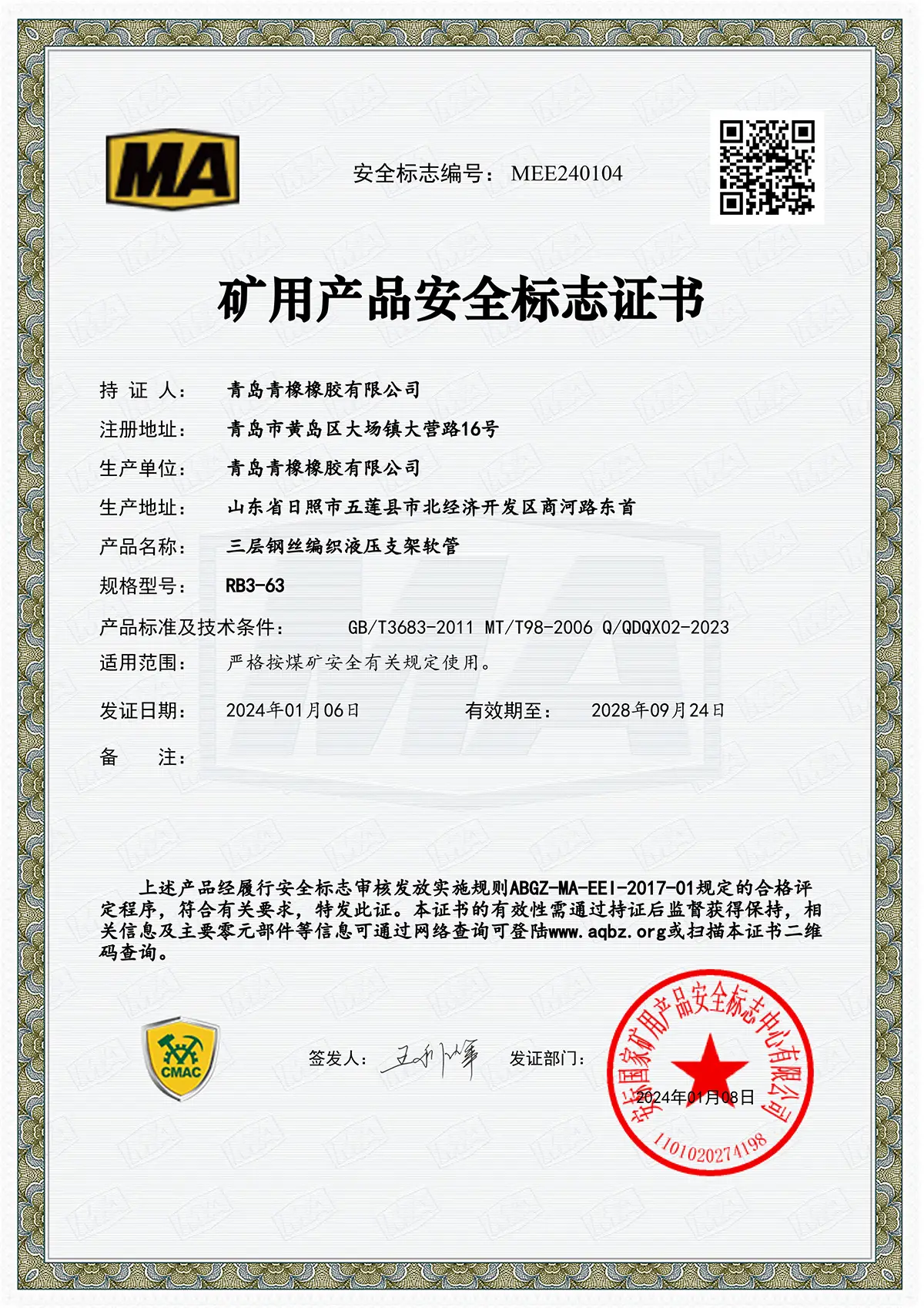
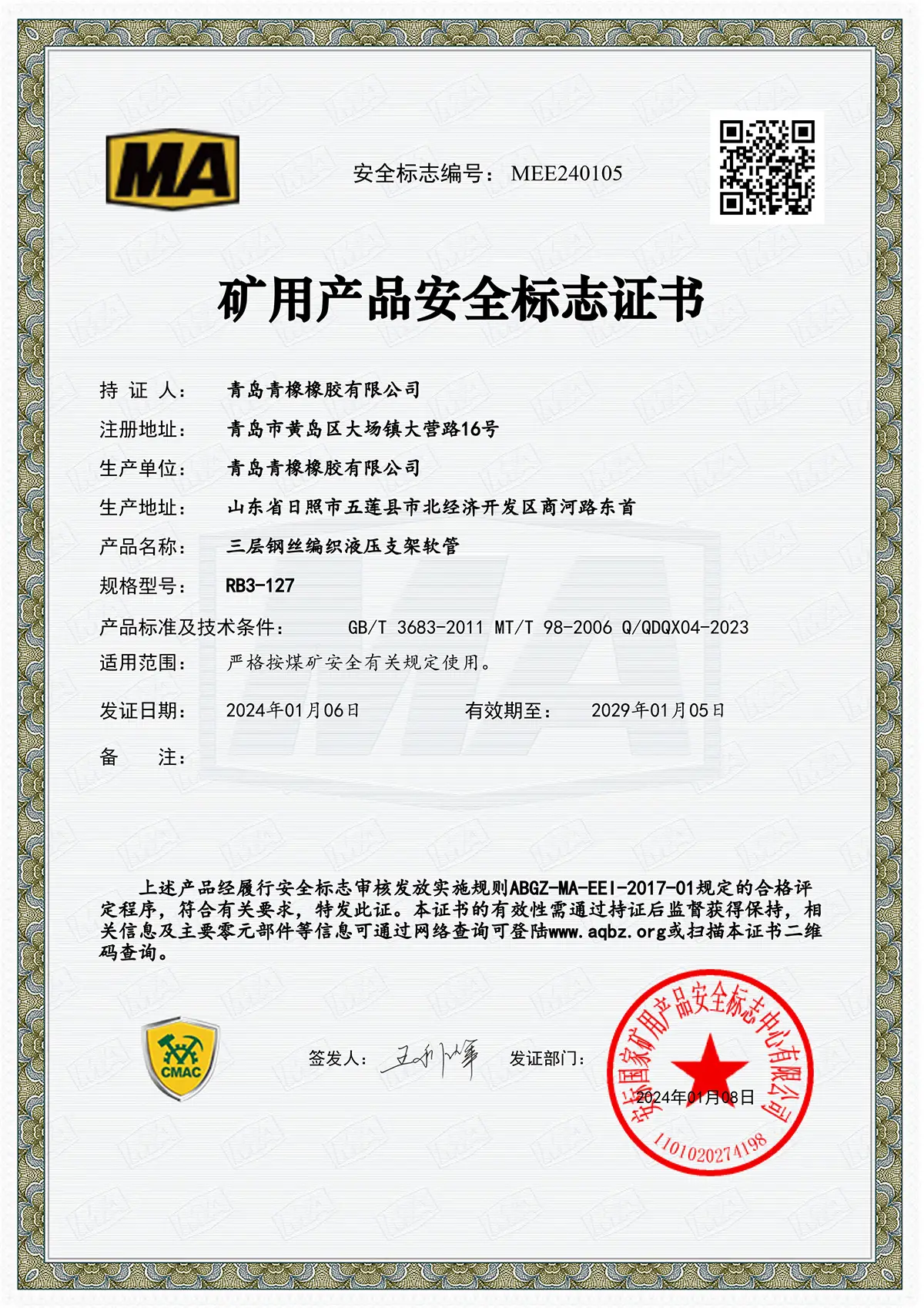
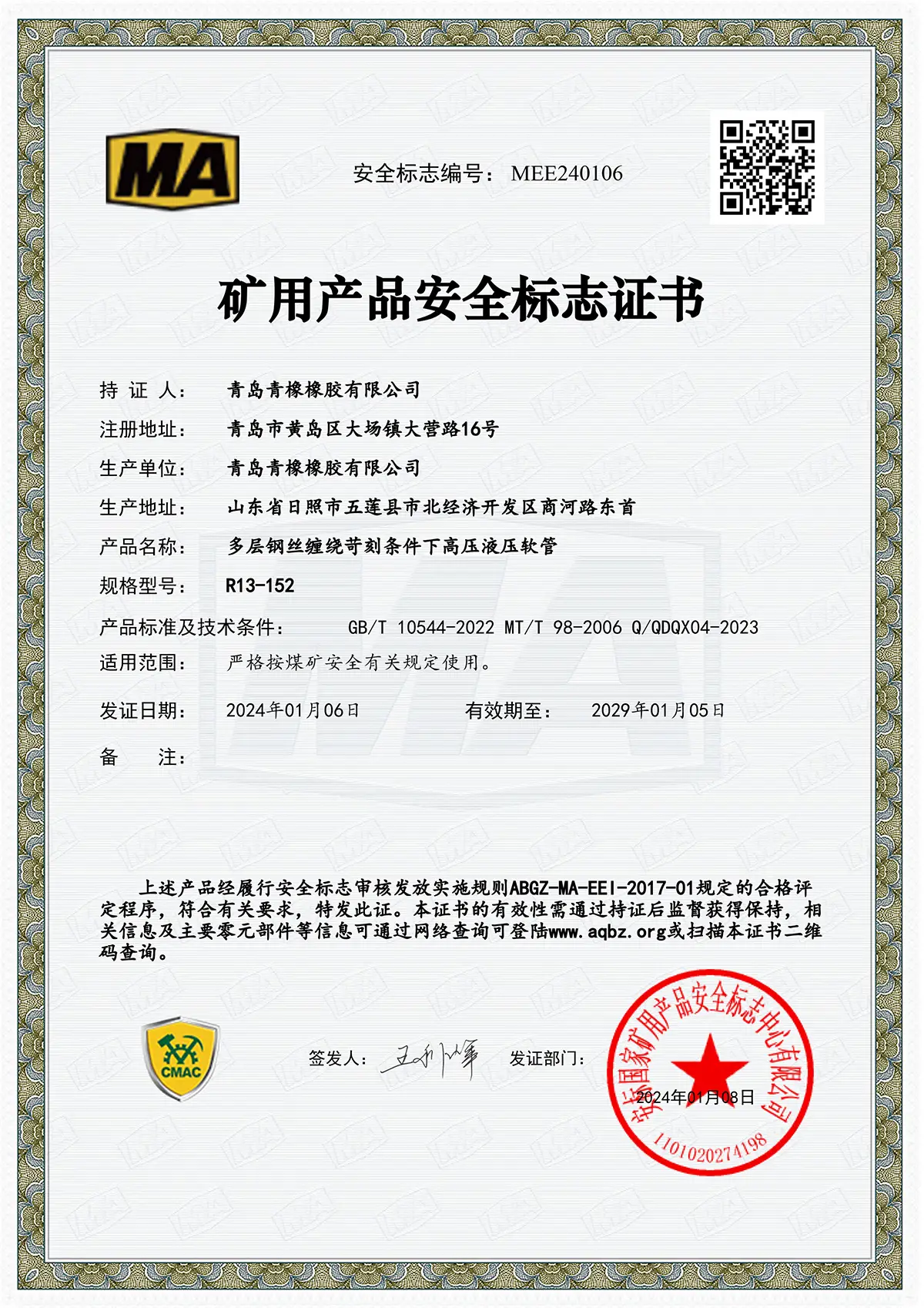
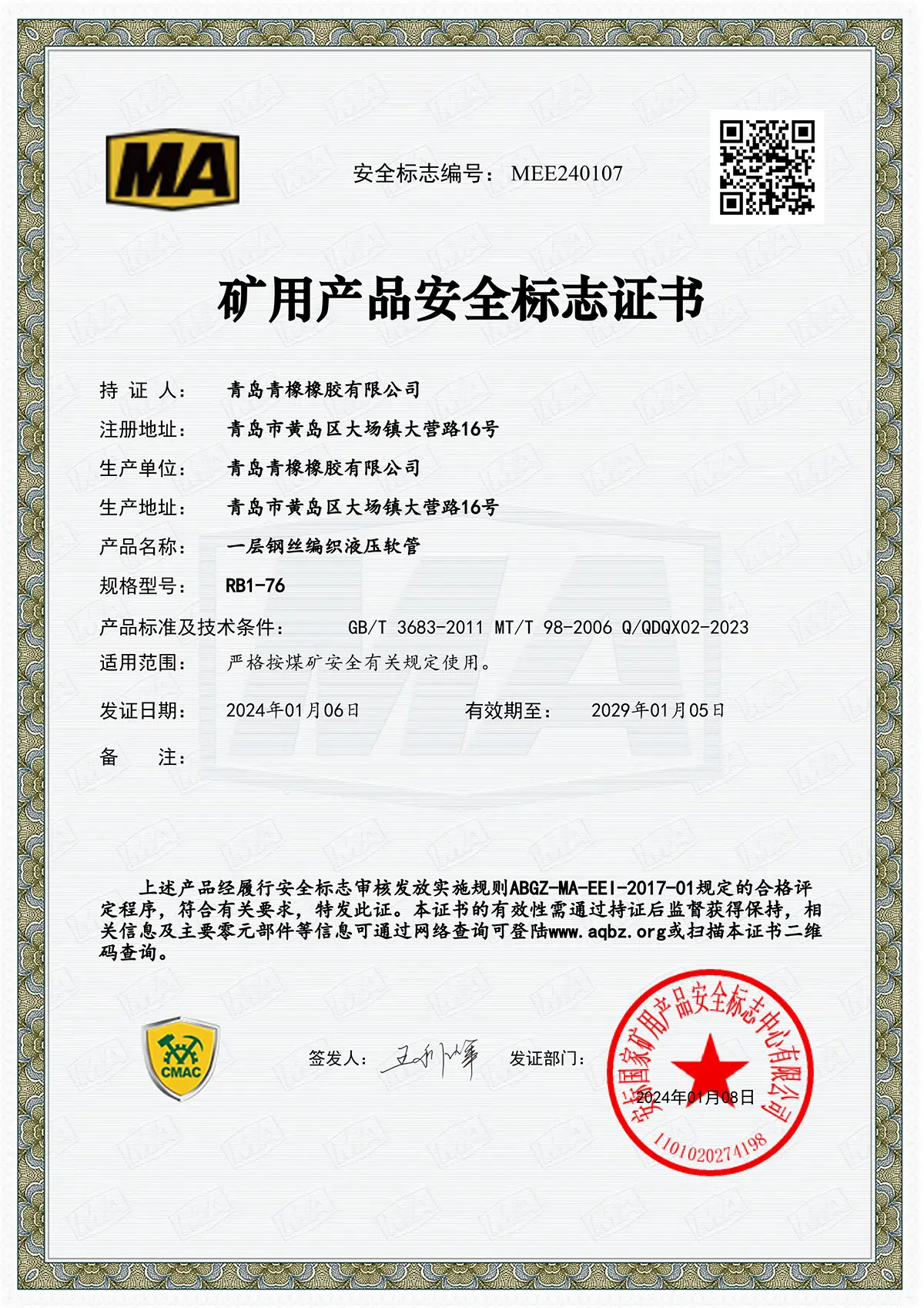
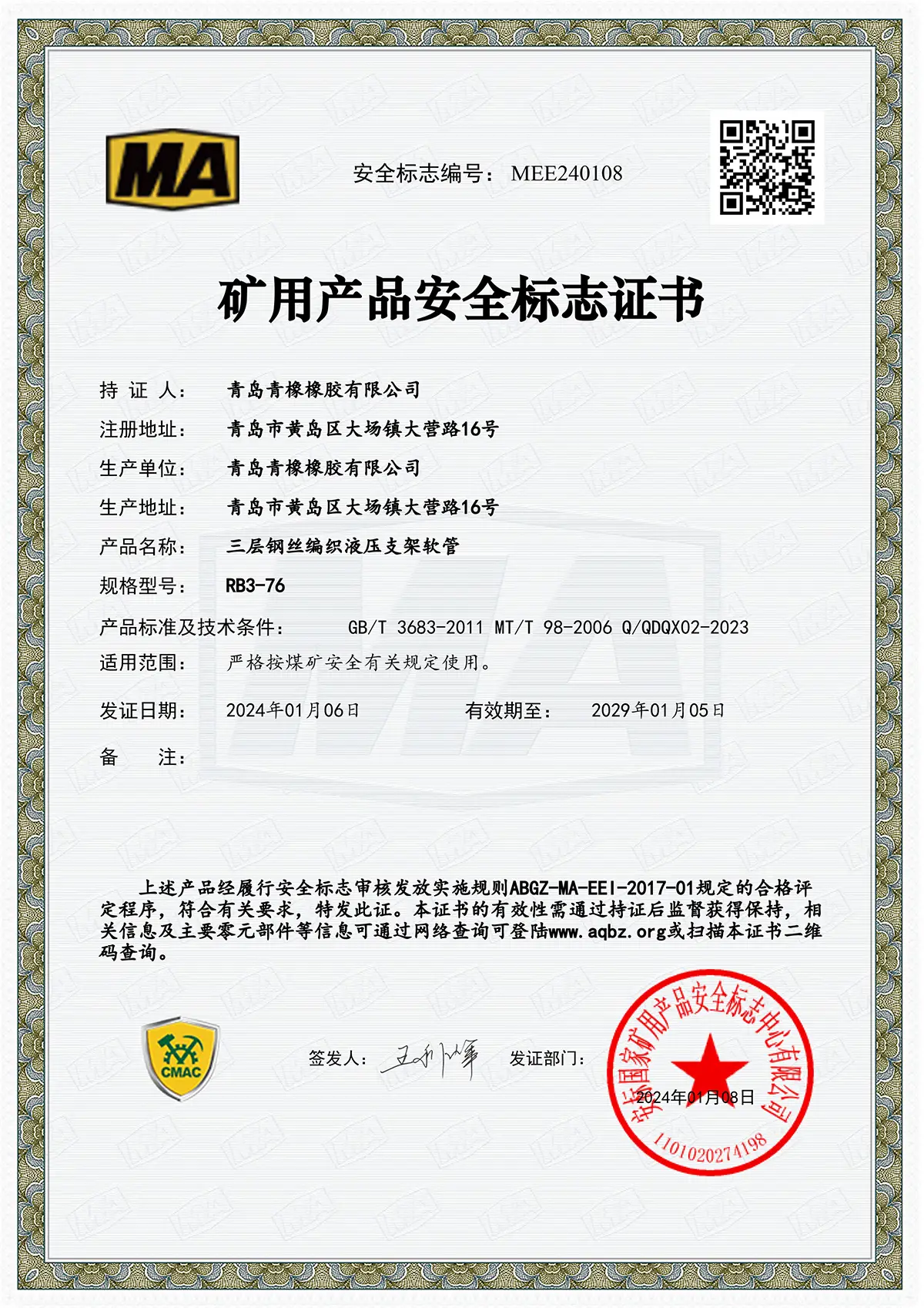
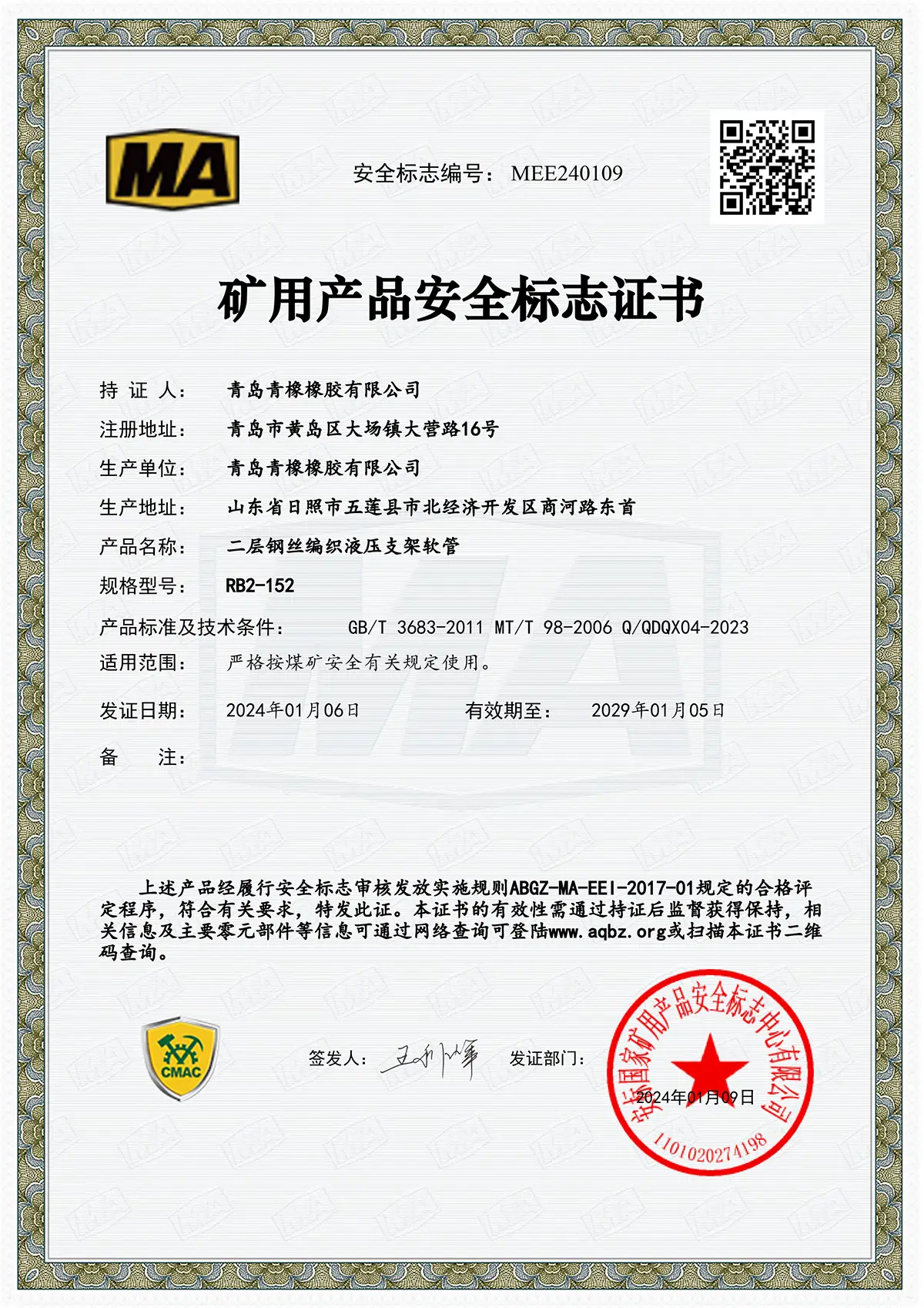
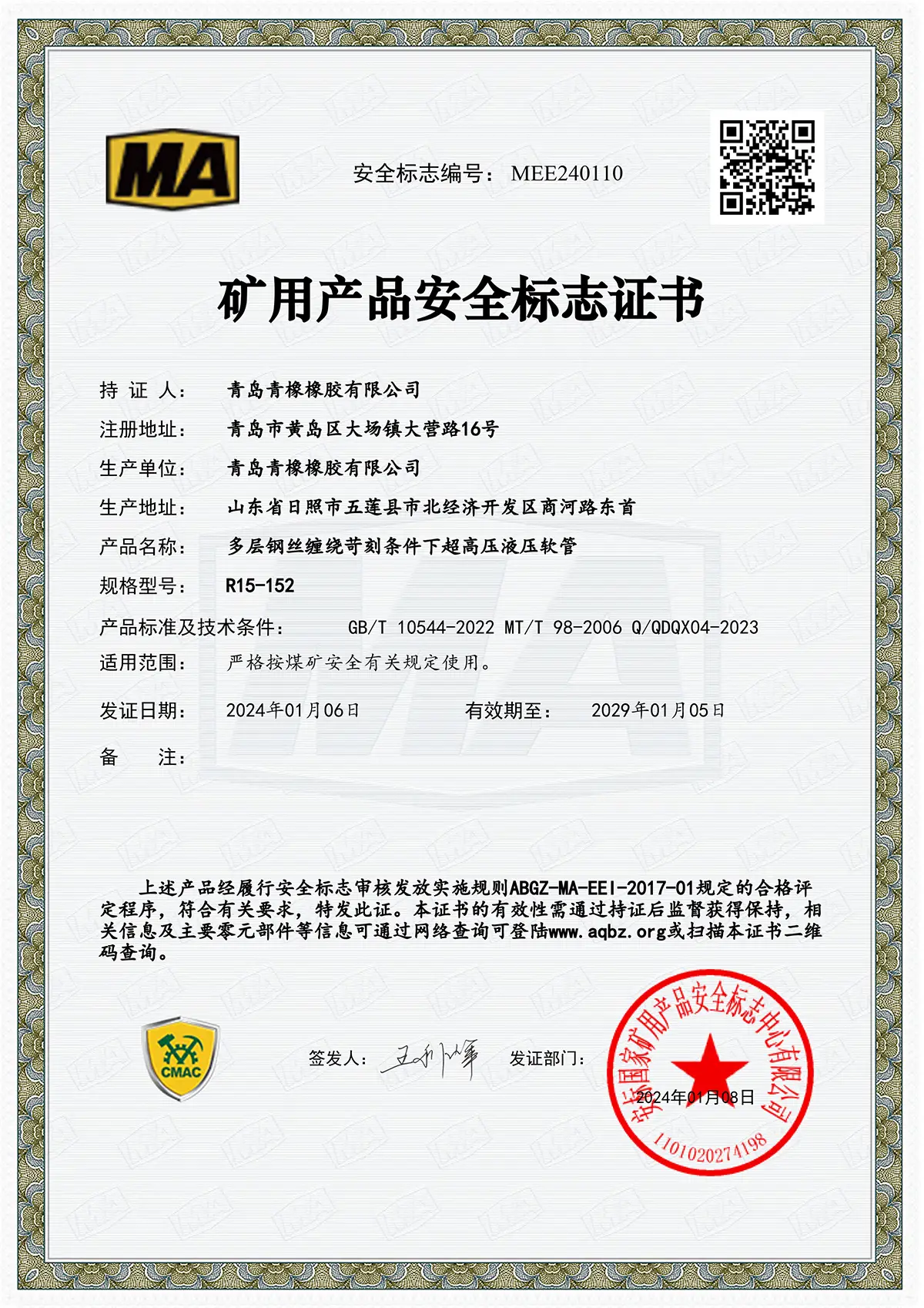
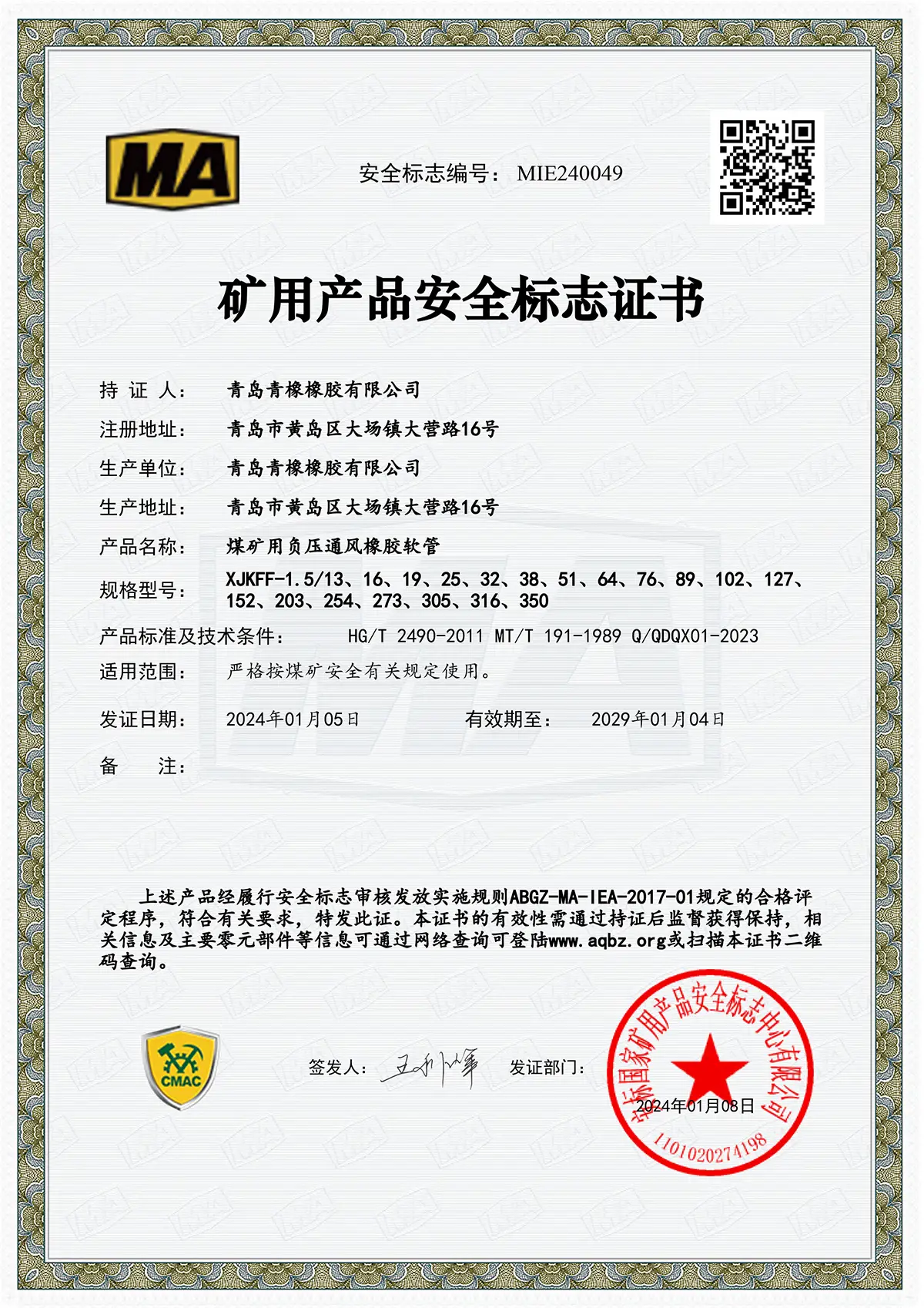
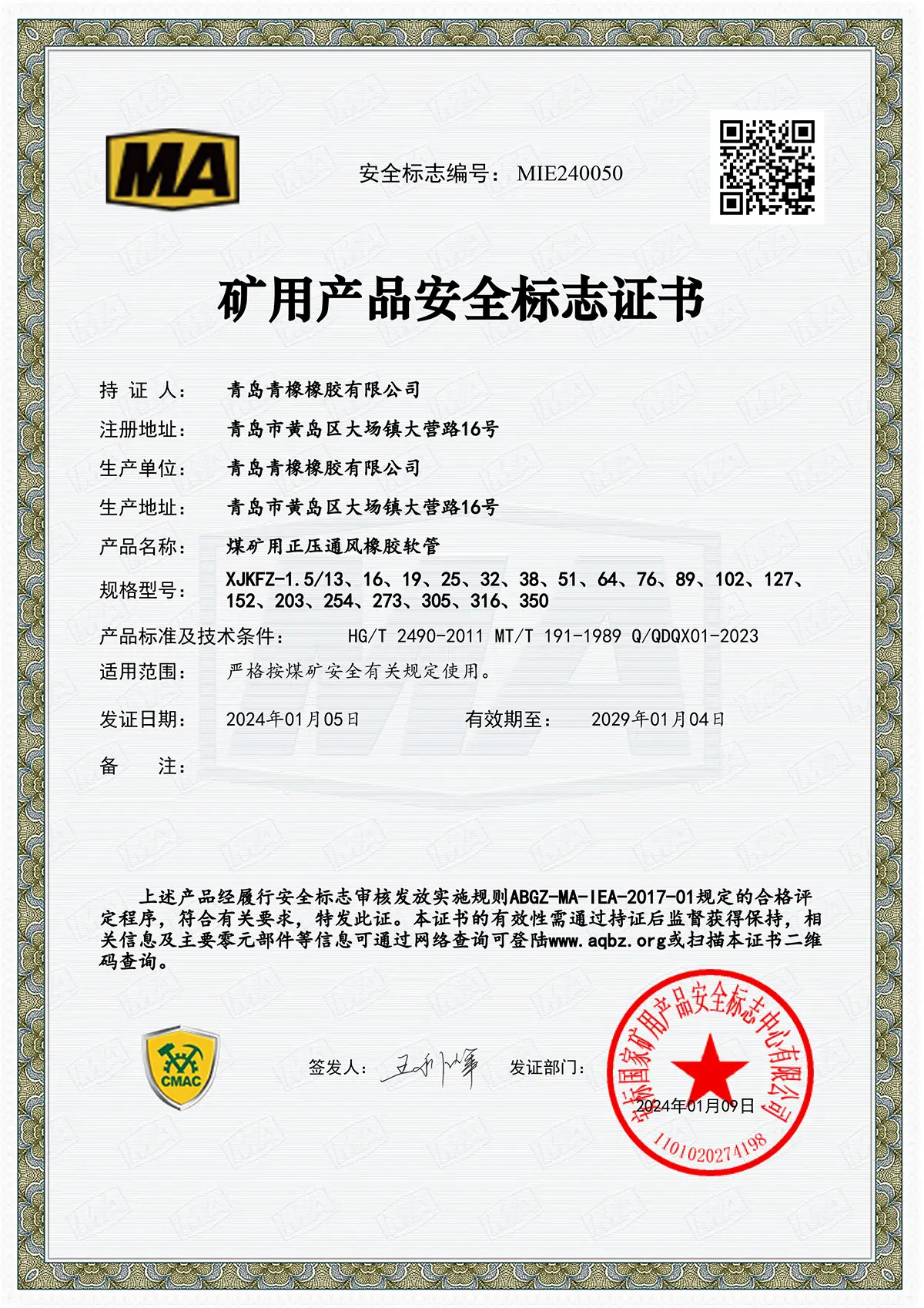
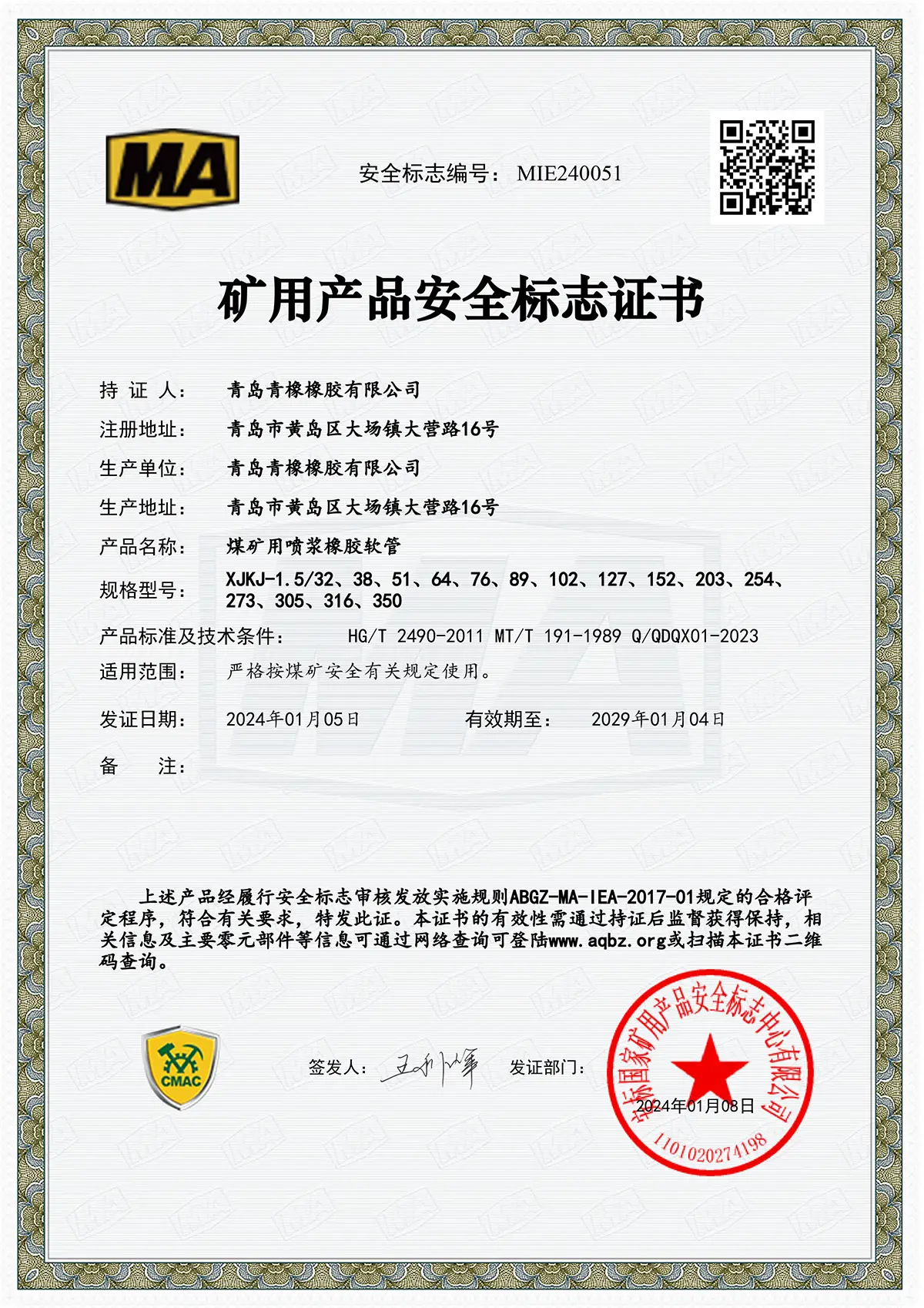
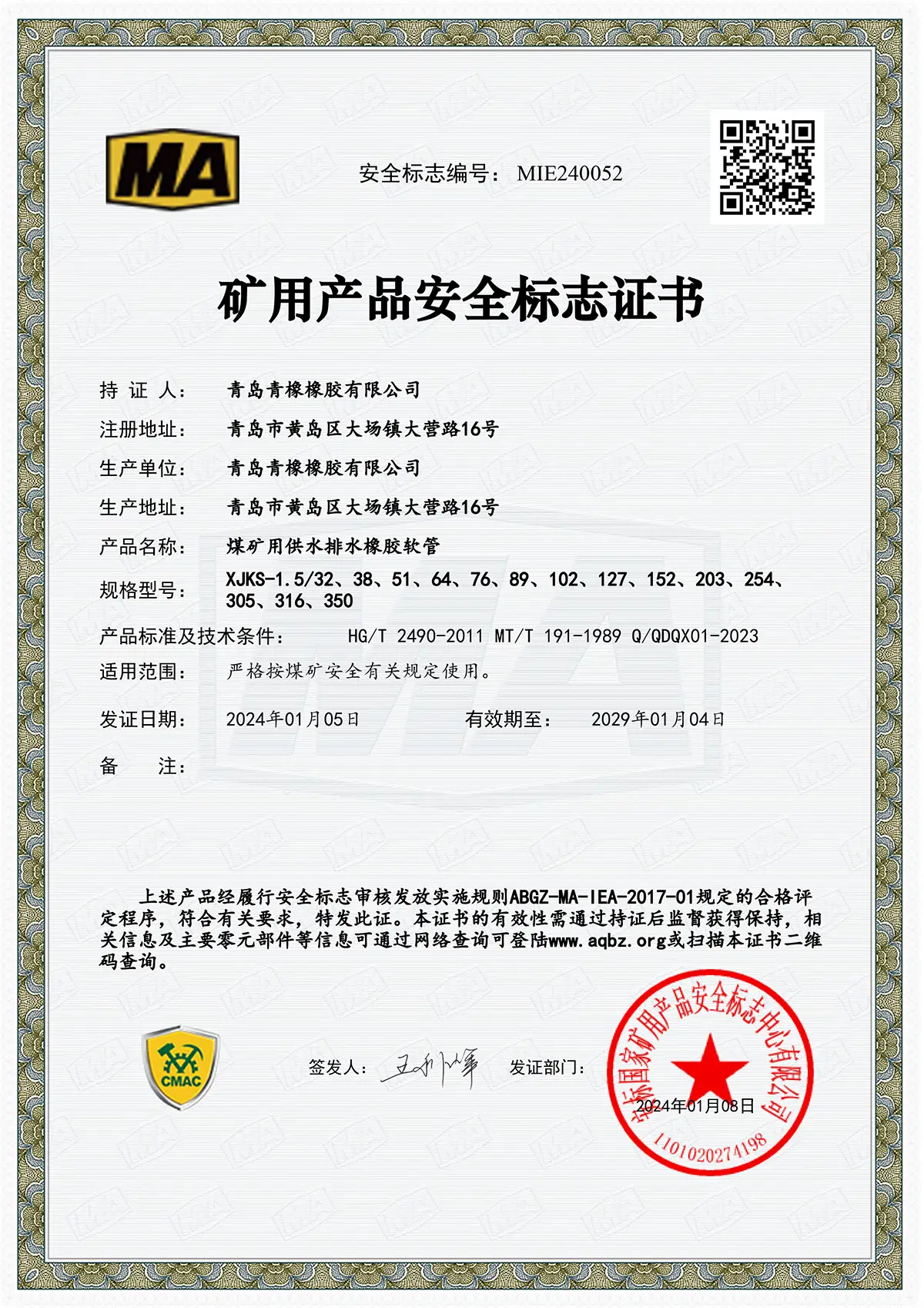
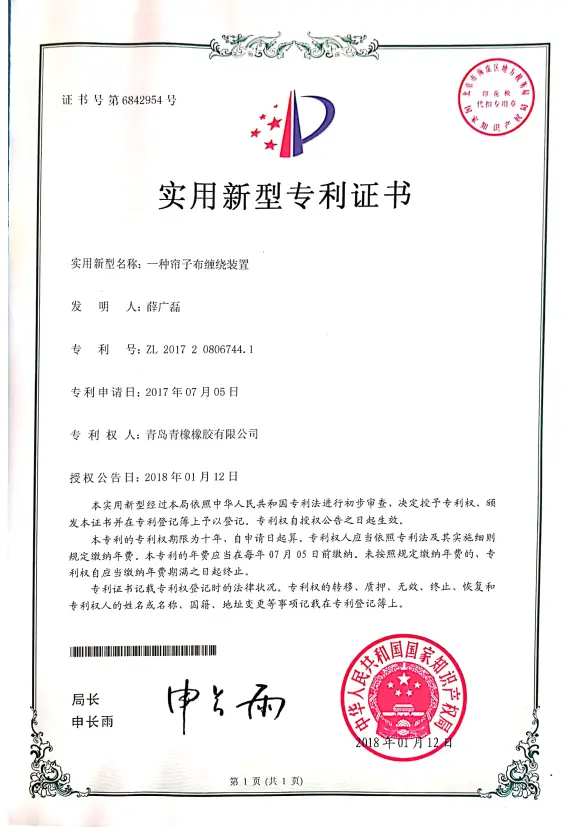
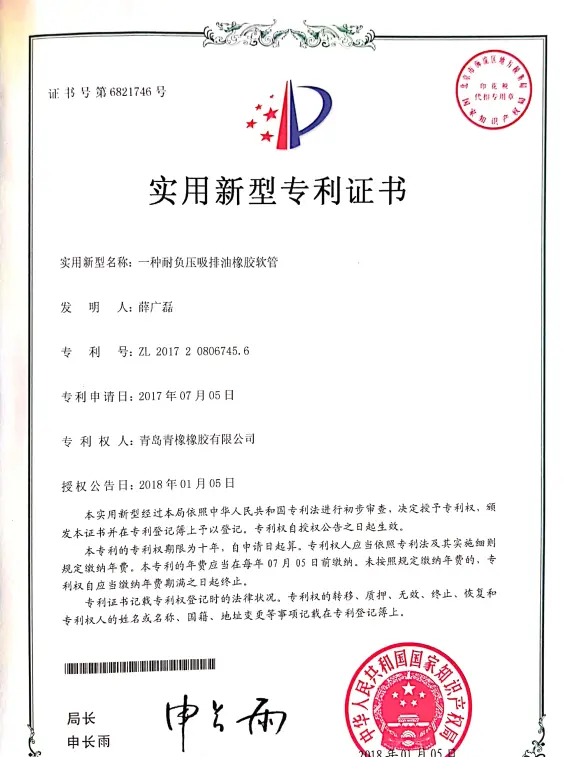
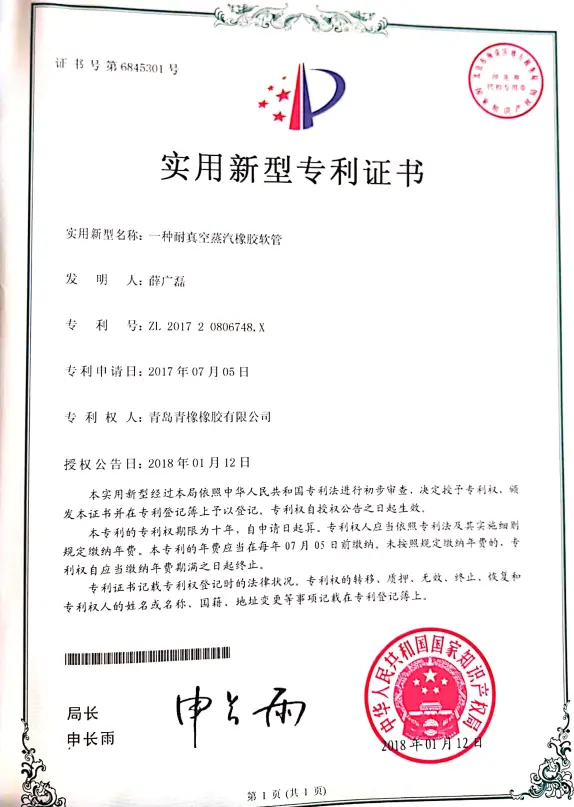
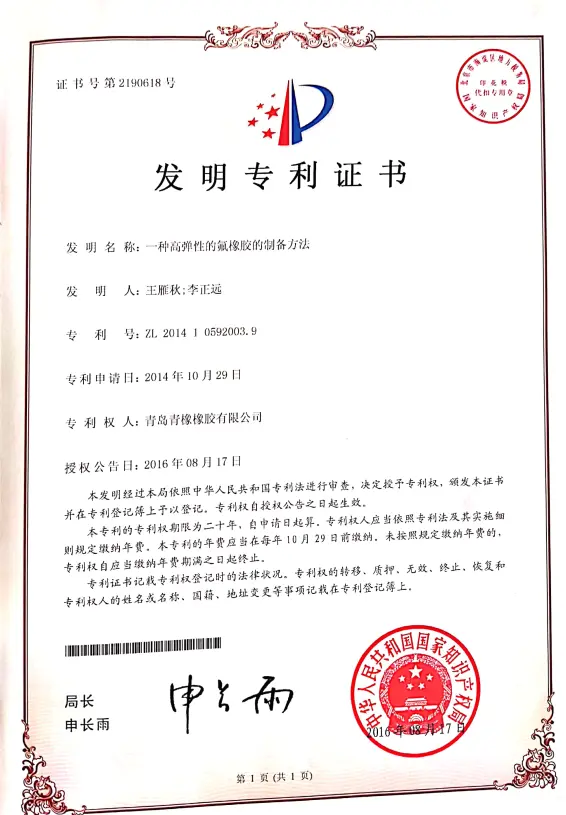
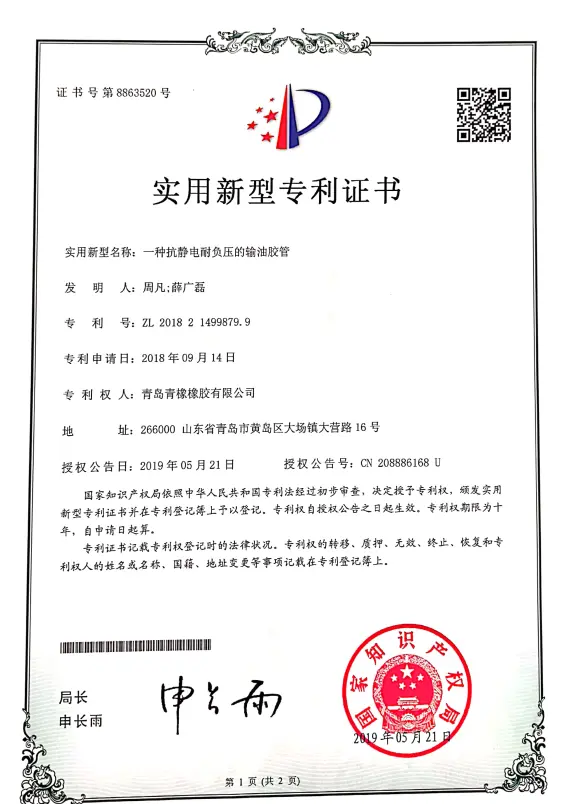
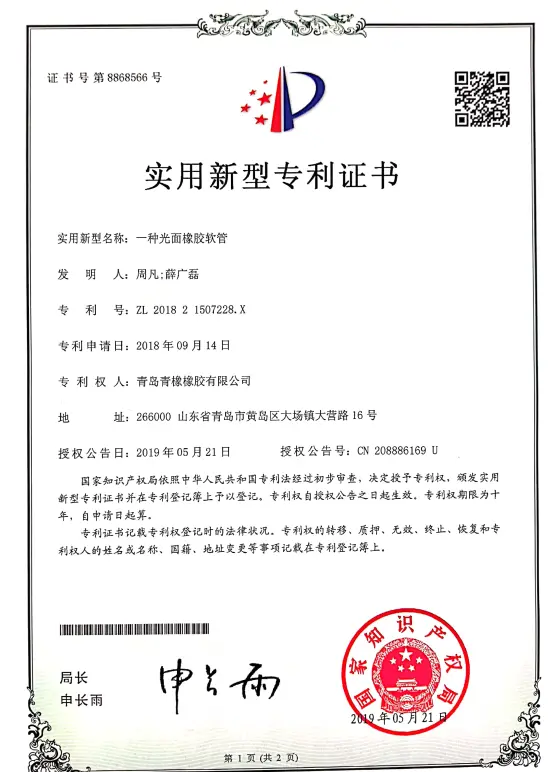
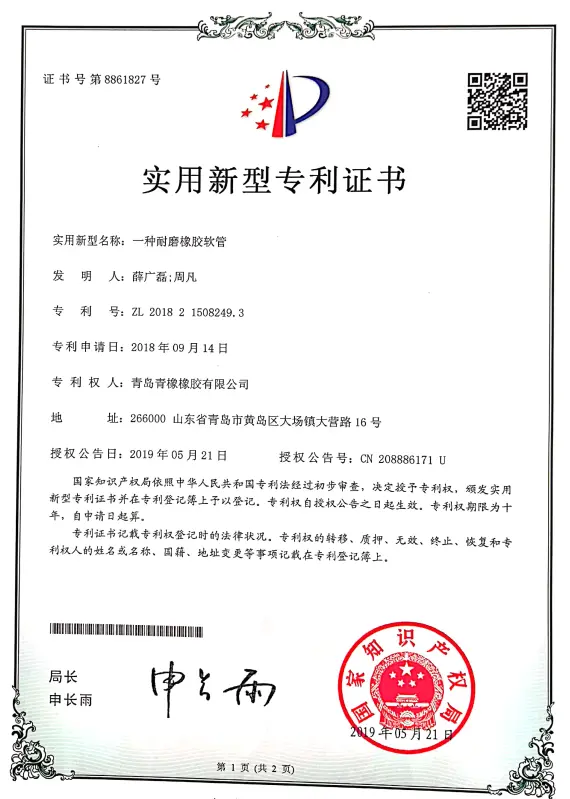
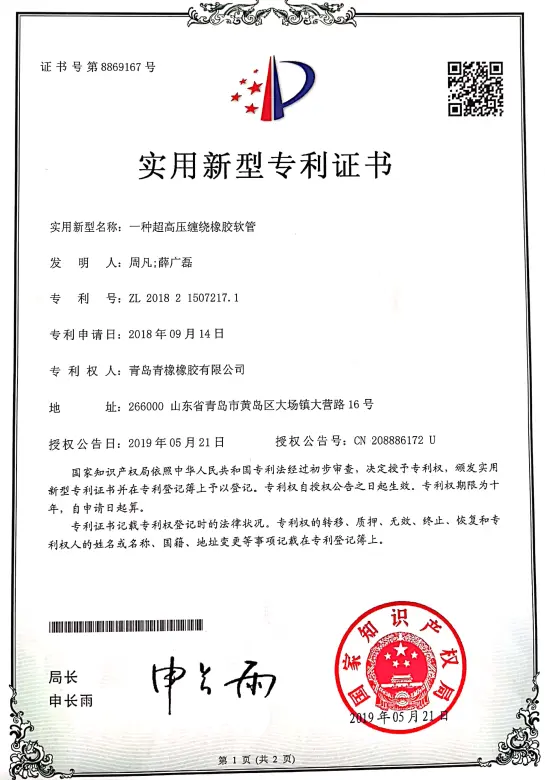
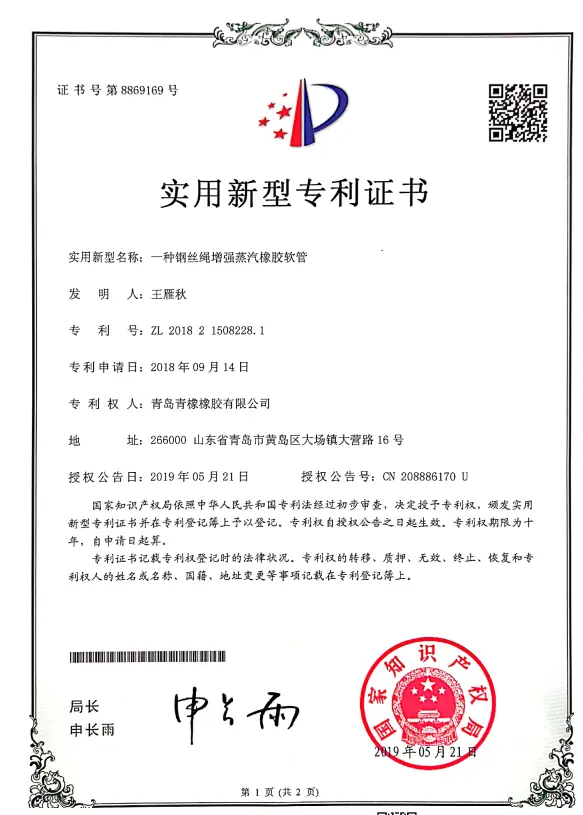
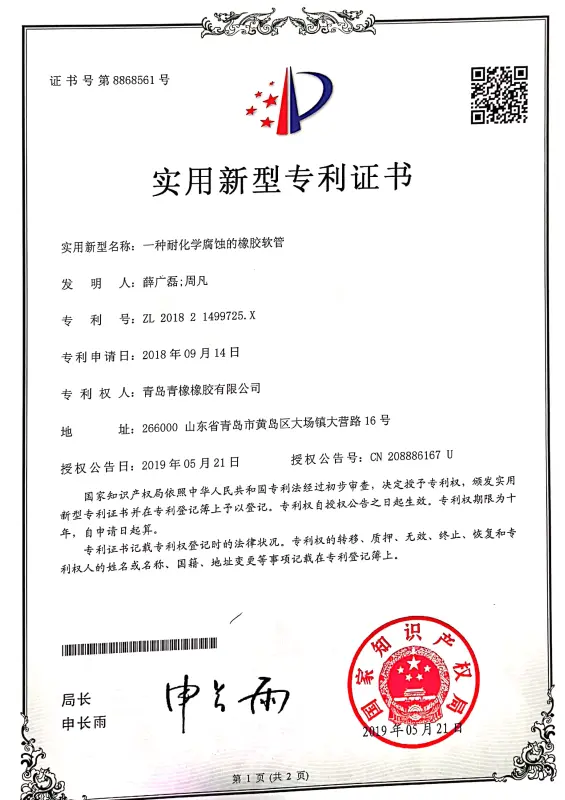
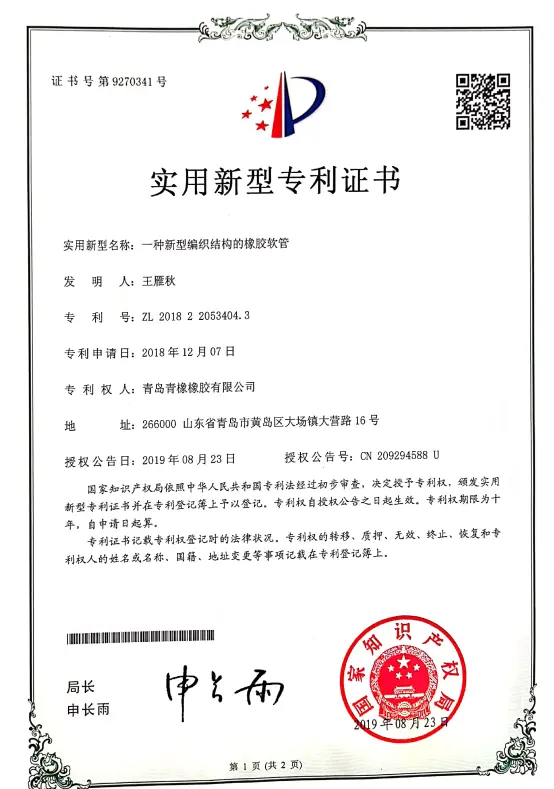
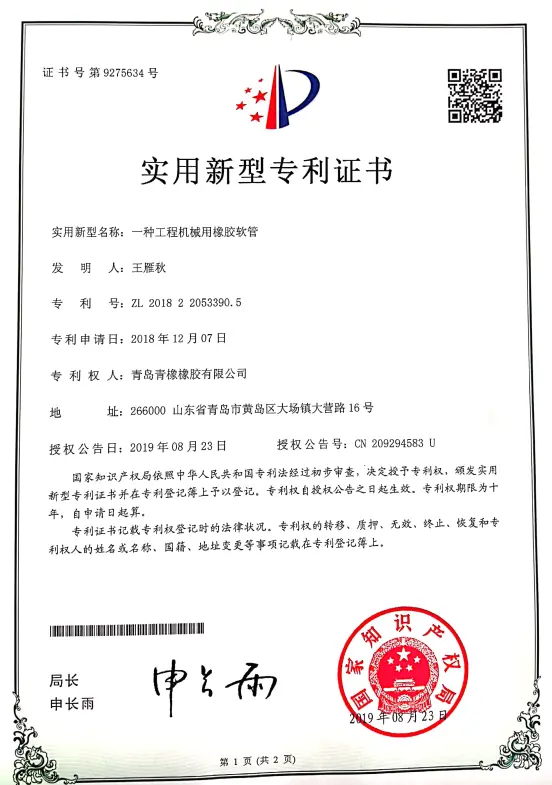
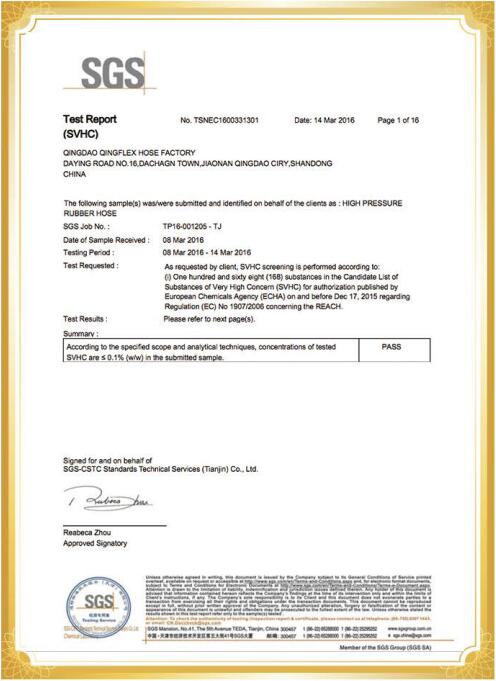
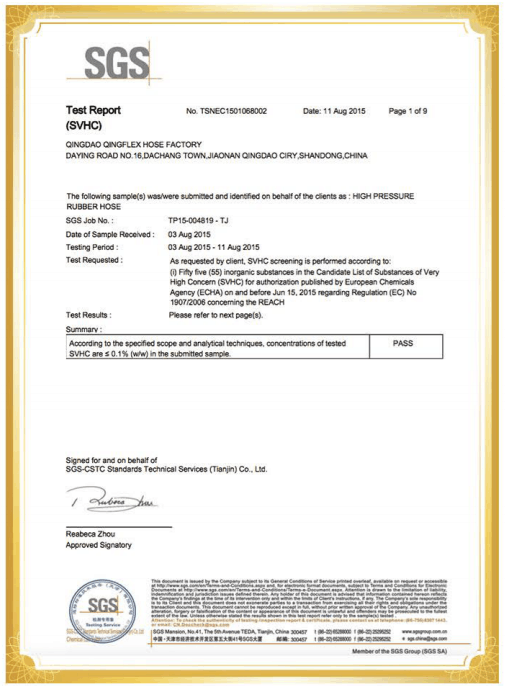
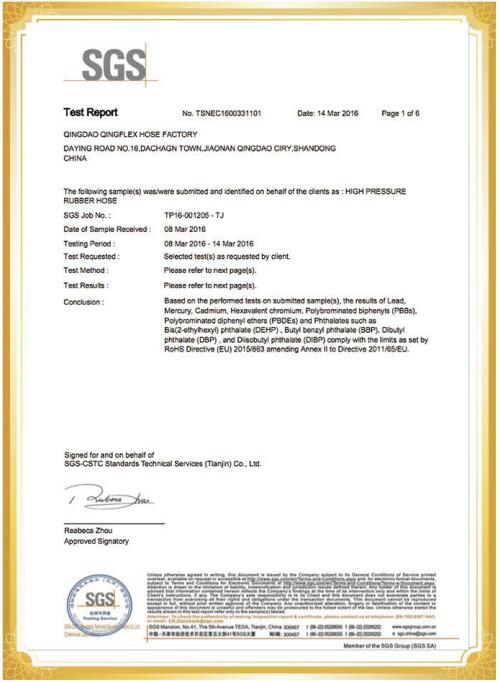
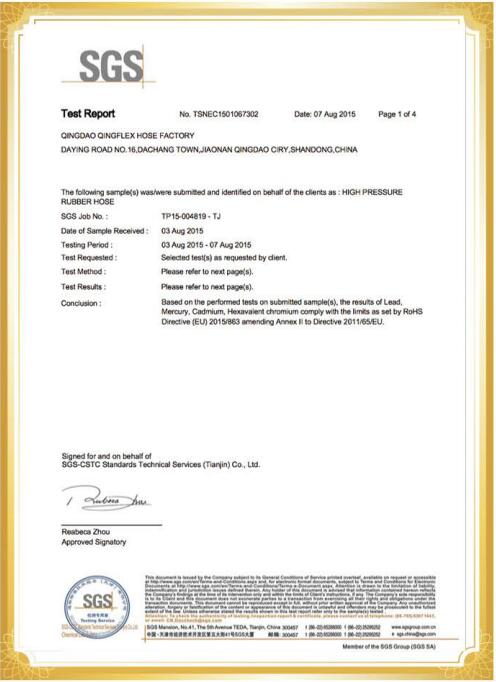
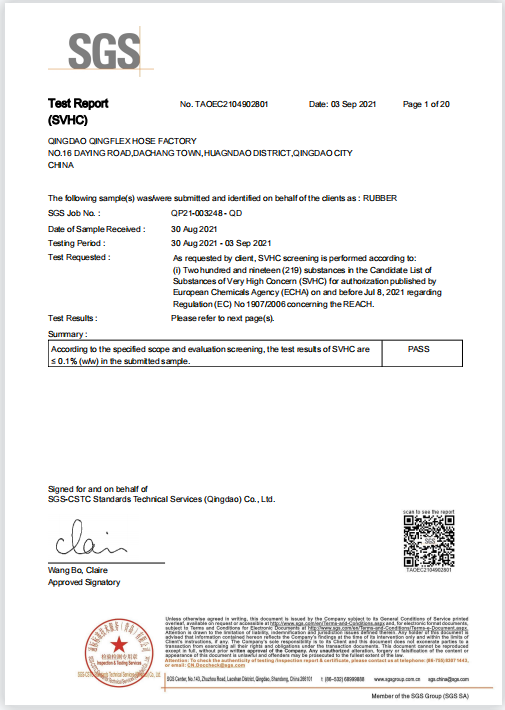
Our company proudly possesses certifications from DNV MED, CCS, ABS, and API, underscoring our unwavering commitment to delivering products of exceptional quality and reliability.
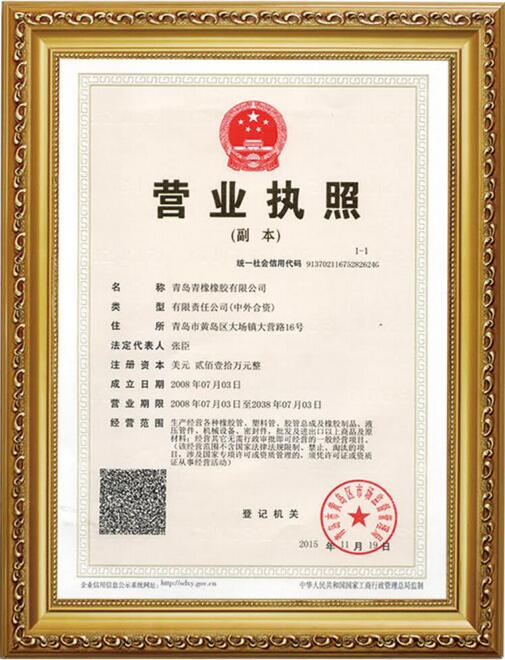
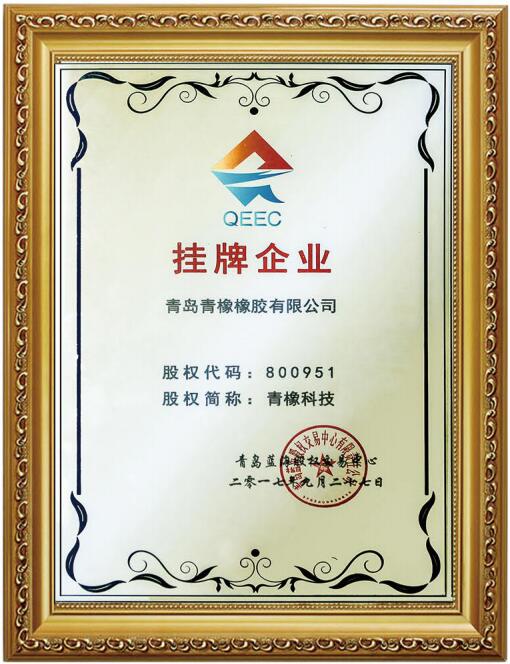
Certificates
FAQ of Material Handling Hose
What Materials Can You Transfer With a High-Performance Material Handling Hose?
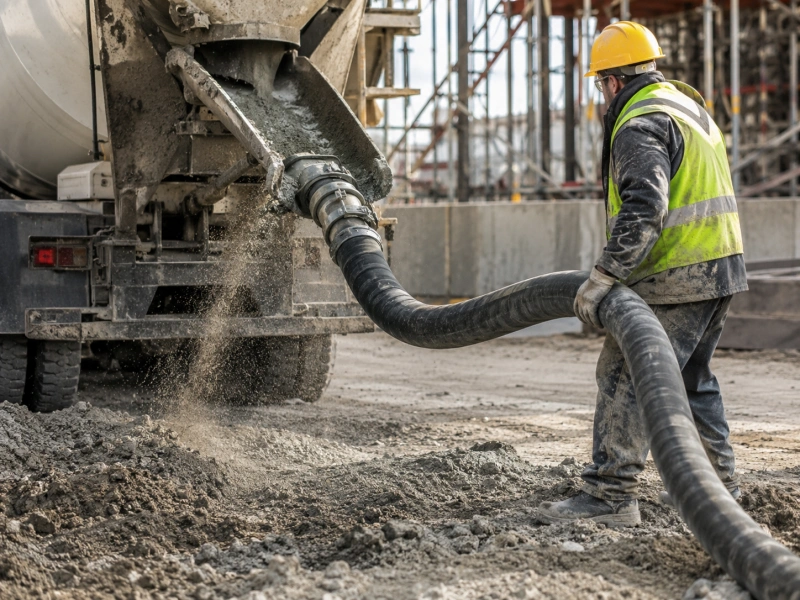
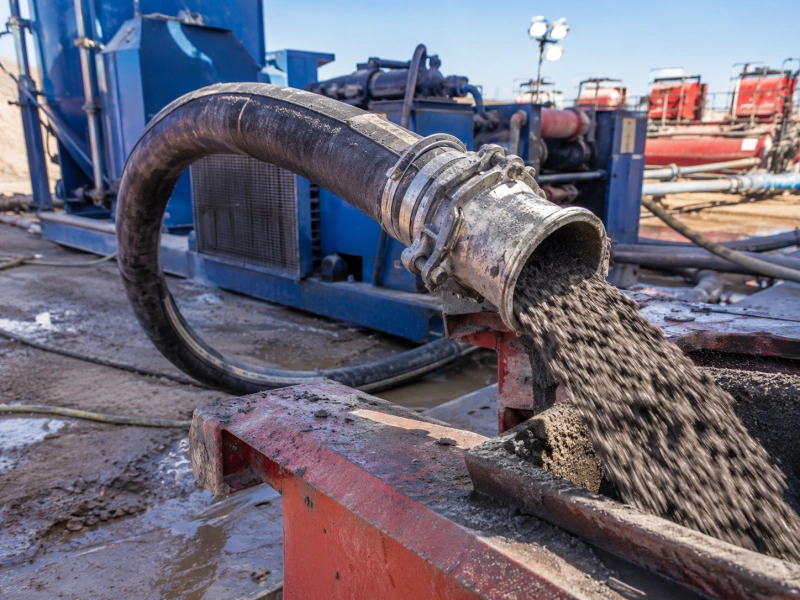
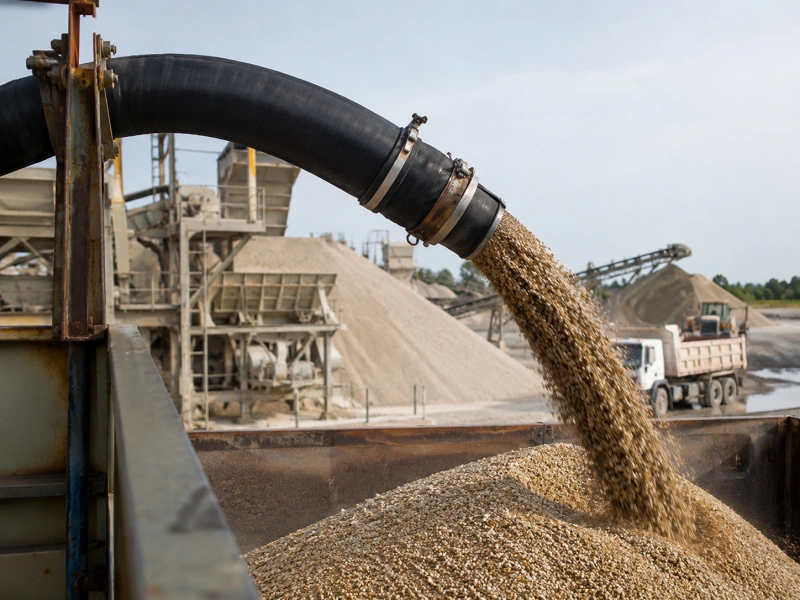
You move aggressive bulk materials such as silica sand, cement, clinker, gravel, mineral powders, fertilizer, plastic pellets, grain, and wood chips through our engineered material handling hose systems. We design inner tubes specifically for abrasive impact and high-velocity flow. You gain controlled transfer, reduced internal wear, and stable throughput in demanding industrial operations where standard hoses fail quickly.
How Do You Select the Correct Material Handling Hose for Heavy Industrial Use?
Selecting the right material handling hose requires more than matching a diameter and pressure rating. Heavy industrial environments demand precise alignment between operating conditions and hose construction. A data-driven selection process ensures durability, safety, and long-term performance under continuous load.
Key Selection Criteria
Operating Pressure Requirements
Determine the system’s maximum working pressure, including peak demand cycles. Ensure the hose reinforcement exceeds this threshold with an appropriate safety factor.Vacuum and Suction Conditions
Identify whether the hose must withstand full vacuum or partial suction. Structural reinforcement must prevent wall collapse during unloading or negative pressure transfer.Surge and Pressure Spikes
Account for pump pulsation, start-up shock loads, and sudden valve closures. Reinforcement design should handle dynamic stress, not just static pressure ratings.Temperature Range
Define both ambient and conveyed material temperatures. Tube compounds must resist thermal degradation, hardening, or cracking under sustained heat exposure.Material Characteristics
Evaluate particle size, shape, density, and abrasiveness. Sharp or high-velocity media require thicker abrasion-resistant inner liners.Transfer Distance and Layout
Consider hose length, bend radius, elevation changes, and routing constraints. Excessive bending or tension accelerates fatigue failure.
How Do You Maximize Service Life in Abrasive Applications?
Abrasive material transfer places continuous mechanical stress on hose inner tubes. Excess velocity, turbulence, and improper installation accelerate wear and shorten replacement cycles. Extending service life requires both operational control and engineered hose construction.
Key Strategies to Reduce Abrasive Wear
Control Material Velocity
Maintain flow rates within engineered limits. Excess speed increases internal scouring and liner erosion, especially with sharp or high-density particles.Maintain Proper Bend Radius
Avoid tight bends that create turbulence and uneven wear zones. Follow manufacturer-recommended minimum bend radius specifications.Reduce Turbulence in System Design
Minimize abrupt direction changes, sudden diameter reductions, and misaligned couplings that disturb flow patterns.Secure Reinforced Couplings Correctly
Ensure couplings are properly crimped or clamped to prevent vibration and stress concentration at connection points.Select Abrasion-Resistant Tube Compounds
Choose advanced rubber or polyurethane inner liners specifically formulated to withstand internal scouring from bulk solids.Implement Preventive Inspection Cycles
Schedule regular thickness checks and visual inspections to detect early wear before structural failure occurs.
What Pressure and Vacuum Performance Should Your Hose Deliver?
You must account for dynamic surge pressure, pump pulsation, and full vacuum conditions during unloading. We build material handling hose assemblies with high tensile reinforcement and structural stability to prevent collapse under suction and rupture under pressure spikes. You operate with confidence during start-up, shutdown, and continuous heavy-duty transfer.
Can You Customize Hose Construction for Specialized Operations?
You can specify anti-static conductivity, extra-thick abrasion liners, high-temperature compounds, branded covers, or fully crimped end connections. We manufacture custom material handling hose assemblies inside our facility to ensure dimensional accuracy and coupling integrity. This integration reduces installation errors and ensures consistent performance across your fleet or plant.
How Do You Control Static Electricity During Dry Bulk Transfer?
Dry bulk materials such as grain, cement powder, and mineral fines generate static electricity during high-velocity movement through a material handling hose. Without proper dissipation, static buildup increases the risk of sparks, dust ignition, and equipment damage. Effective static control requires engineered hose construction and proper grounding practices.
Key Methods to Control Static During Material Transfer
Use Conductive Tube Compounds
Select inner liners formulated with conductive materials that safely dissipate static charges generated by friction.Integrate Embedded Grounding Wires
Choose hoses designed with built-in grounding wires to provide a controlled discharge path.Ensure Proper Grounding Connections
Secure grounding wires to verified earth grounding points to prevent charge accumulation during operation.Match Hose Design to Material Type
Fine, dry powders generate higher static levels than coarse bulk solids. Select anti-static configurations based on dust intensity and particle size.Comply with Industrial Safety Standards
Align hose selection with facility safety requirements in grain handling, mineral processing, chemical transfer, and other dust-intensive operations.Inspect Grounding Continuity Regularly
Perform routine electrical continuity checks to confirm static discharge capability remains intact over time.
What Separates Premium Material Handling Hose From General Industrial Hose?
Not all hoses are engineered for heavy industrial bulk transfer. General-purpose hoses typically emphasize flexibility and cost efficiency, while premium material handling hose systems are designed for abrasion resistance, structural integrity, and long-term mechanical performance under continuous duty cycles.
Key Differences Between General and Premium Material Handling Hose
Abrasion Resistance
Premium hoses use specialized rubber or polyurethane inner liners formulated to resist internal scouring from abrasive bulk materials such as sand, cement, and mineral aggregates.Inner Tube Thickness
You receive thicker tube construction designed to extend wear life and reduce early liner failure in high-velocity transfer systems.Reinforcement Architecture
Engineered carcass layers and high-tensile reinforcement provide superior burst resistance and vacuum stability compared to standard industrial hoses.Structural Stability Under Load
Premium designs maintain shape under suction, surge pressure, and dynamic mechanical stress during continuous operation.Service Life Expectation
General-purpose hoses often serve intermittent applications, while premium material handling hose assemblies are built for extended duty cycles and high production throughput.Total Cost of Ownership
Enhanced durability reduces replacement frequency, minimizes downtime, and lowers long-term operational costs.
How Should You Inspect and Maintain Industrial Material Handling Hose?
Industrial material handling hose systems operate under constant mechanical stress from abrasion, pressure fluctuations, vibration, and environmental exposure. A structured inspection and preventive maintenance program reduces unplanned downtime, extends hose service life, and protects overall production efficiency.
Key Inspection and Maintenance Practices
Inspect Outer Cover Integrity
Check for cuts, cracks, blistering, or exposed reinforcement. Surface damage can weaken structural strength and accelerate internal failure.Verify Coupling Security
Examine crimped or clamped fittings for movement, corrosion, or misalignment. Loose couplings increase vibration stress and leak risk.Monitor Internal Wear Thickness
Measure liner thickness periodically in abrasive applications. Early detection of tube erosion prevents sudden rupture.Observe High-Vibration Zones
Identify sections exposed to constant movement, pump pulsation, or equipment vibration. These areas require more frequent inspection.Rotate Hoses in High-Impact Areas
Reposition hoses periodically to distribute wear evenly and extend operational lifespan.Maintain Proper Bend Radius
Confirm installation complies with minimum bend radius specifications to prevent structural fatigue.Follow Scheduled Maintenance Intervals
Establish inspection frequency based on operating hours, conveyed material hardness, pressure cycles, and environmental conditions.
Can Your Hose Handle Elevated Temperatures in Processing Systems?
Hot cement discharge, heated air transfer, and industrial drying systems require specialized compounds. You select temperature-rated tube materials that match your maximum operating conditions. We engineer material handling hose options that maintain structural strength and flexibility under elevated heat without cracking or premature degradation.
Why Source Material Handling Hose Directly From a Premium Manufacturer?
Direct manufacturing control ensures compound selection, reinforcement design, precision assembly, and strict testing remain consistent from batch to batch. You receive engineering consultation before production and responsive support after installation. This partnership strengthens operational reliability, reduces total cost of ownership, and supports long-term industrial growth.
Want to Speak to a Professional?