
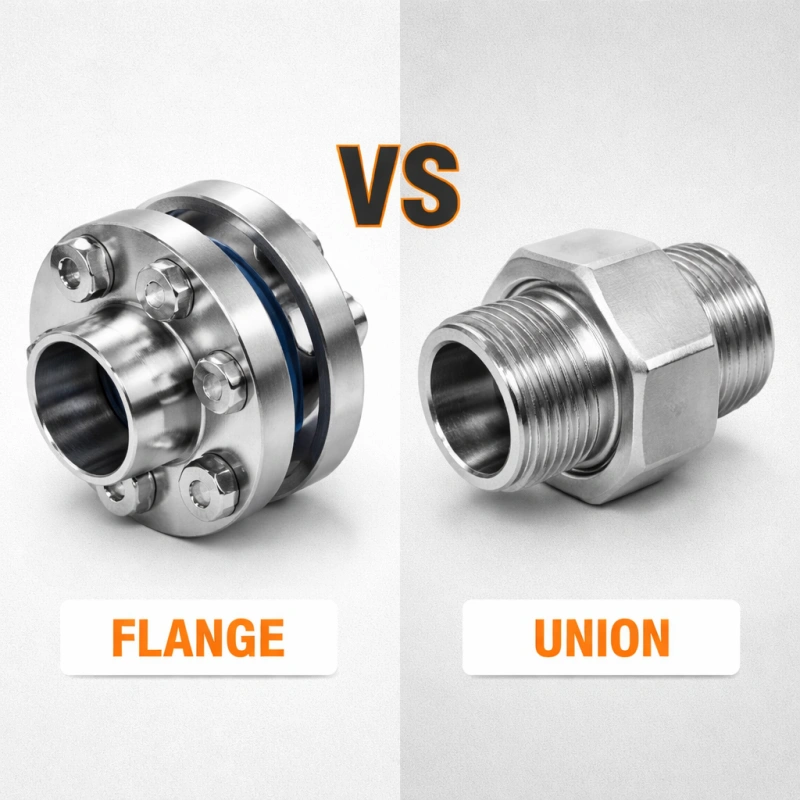
When you compare unions vs flanges for your piping needs, the best choice depends on your specific application. In high-pressure systems, both union and flange connections play a vital role in ensuring reliability and safety. You often use a union for quick installation and removal, especially when maintenance is frequent.
A flange connection provides a strong seal in high-pressure environments, making it ideal for joining pumps, compressors, and pipe sections. You will see unions vs flanges used in fluid transport, pipe modification, and equipment connection.
Alienfrac’s API Flanges and Hammer Union products stand out for their pressure tolerance, reliability, and ease of installation in demanding oilfield operations.
- Flanges allow you to connect pipe sections, valves, and other equipment with ease.
- Unions make installation and disassembly faster, which reduces downtime and boosts reliability.
| Application Type | Description |
|---|---|
| Fluid Transport | Essential in directing or controlling the flow of liquids in high-pressure systems. |
| Connecting Pipe Sections | Used to join multiple sections, ensuring a strong and reliable connection. |
Key Takeaways
- Choose unions for quick installation and easy disassembly, especially in systems requiring frequent maintenance.
- Select flanges for strong, reliable connections in high-pressure environments, ensuring compliance with industry standards.
- Consider the specific needs of your application, including pressure, temperature, and maintenance frequency, when deciding between unions and flanges.
- Regularly inspect and maintain both unions and flanges to prevent leaks and ensure long-term reliability in your piping system.
Designs & Definitions
What is a Pipe Union?
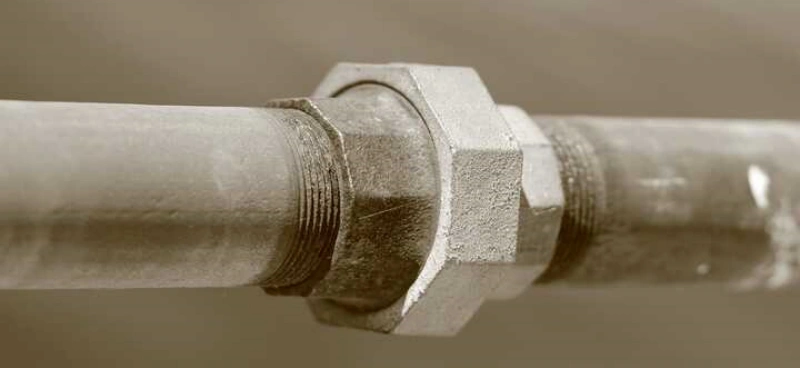
You use a pipe union when you need a fitting that allows for quick connection and disconnection of pipes. A pipe union consists of three main parts: a male end, a female end, and a gasket. This design lets you assemble or disassemble piping without damaging the pipe or the connection.
In oilfield operations, Alienfrac’s Hammer Union stands out for its robust construction and easy installation. You often choose a union for small-diameter pipes or situations where frequent maintenance is required. The pipe union provides a reliable seal and supports efficient workflow in demanding environments.
Tip: You can save time during repairs by using a pipe union, especially in systems where you need to disconnect pipes regularly.
| Component | Description |
|---|---|
| Union | A fitting that allows for easy connection and disconnection of pipes without damage, consisting of a nut, female end, and male end. |
What is a Flange?
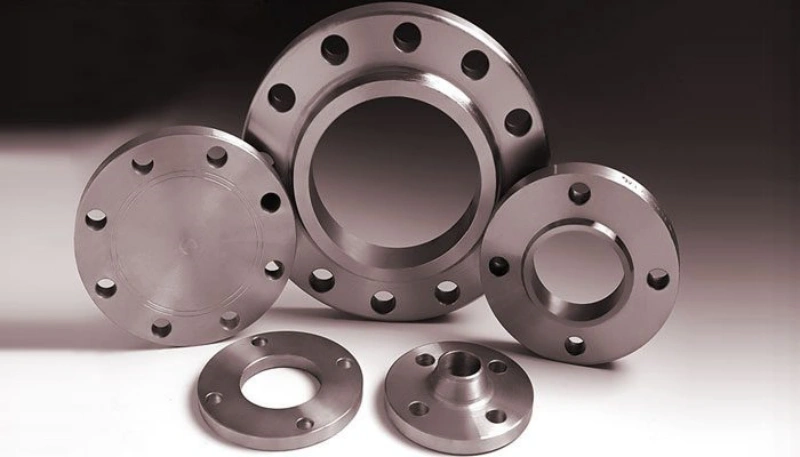
A flange is a plate or ring attached to the end of a pipe. You use a flange to connect pipes, valves, or equipment. The flange features bolt holes for secure attachment, making it ideal for high-pressure and high-temperature applications.
Alienfrac’s API Flanges offer precise machining and durable materials, ensuring strong connections in oil, gas, and power systems. You rely on a flange when you need a robust seal and compatibility with industry standards. Flanges are common in larger pipe sizes and critical systems where safety and reliability matter most.
| Component | Description |
|---|---|
| Flange | A plate or ring attached to the end of a pipe, used to connect pipes and equipment, featuring bolt holes for secure attachment. |
Key Differences in Design
When you compare unions vs flanges, you notice clear differences in structure and function.
- A union consists of a male end, a female end, and a gasket. You can quickly disassemble a union, making it popular in small-diameter plumbing.
- A flange connection involves two flanges, a gasket, and bolting. You assemble a flange joint using multiple bolts, which suits larger pipe sizes and higher load situations.
- You find that unions vs flanges differ in complexity. A union offers simple assembly, while a flange requires careful alignment and bolting.
- Flange compatibility depends on standard dimensions and bolt patterns. You must follow standards like ASME B16.5 or API 6A to ensure proper fit and performance.
You select a pipe union for speed and convenience. You choose a flange for strength and compliance with industry standards. Both fittings play vital roles in piping systems, but your choice depends on the demands of your application.
Flange vs Union: Connection Methods
Union Installation & Sealing
You install a union by joining the male and female halves, then tightening the nut to secure the pipe. Hammer Unions make this process fast and straightforward. You do not need special tools for most union installations. The sealing surface inside the union ensures a tight fit, preventing leaks.
You can connect any union halves with the same figure number, which gives you flexibility during installation. When you need a reliable connection in high-pressure environments, you choose a union for its quick assembly and strong seal.
You often use unions in systems where you must disconnect pipes frequently for maintenance or repairs.
Flange Installation & Sealing
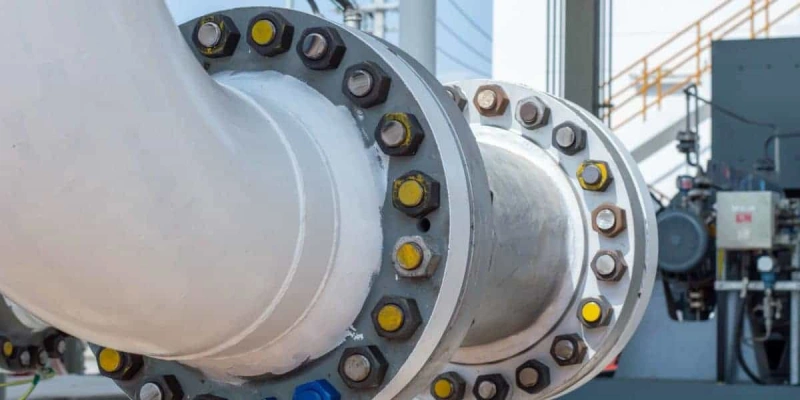
You install a flange by aligning two flanges, placing a gasket between them, and bolting them together. API Flanges require precise alignment to avoid stress and damage to the pipe. You must follow established standards for flanged connection installation, which helps reduce vibration and misalignment.
The bolts compress the gasket, creating a reliable connection that withstands high pressure. You need to check bolt tension regularly to maintain the seal. Flanged connections are common in larger pipe sizes and critical systems where you need a strong and durable connection.
Note: Flanged connections face maintenance challenges. System vibrations and pressure surges can cause bolts to lose tension. Gaskets may adhere to the flanges, making removal difficult and increasing the risk of leaks after reinstallation. You must inspect and tighten bolts often to prevent these issues.
Ease of Assembly & Disassembly
You find that unions offer easier assembly and disassembly compared to flanged connections. You can quickly disconnect a union without damaging the pipe or the connection. This feature saves you time during installation and maintenance.
Flanged connections require more steps, including bolt removal and careful gasket handling. You may spend more time on flange disassembly, especially when dealing with large pipes or high-pressure systems.
| Connection Method | Hammer Unions | API Flanges |
|---|---|---|
| Designation | Figure Number designated, allowing for compatibility between unions of the same size | Rigid mechanical components bolted together, providing connection strength |
| Connection Flexibility | Can connect any male and female half with the same Figure Number | Requires precise alignment and installation of expansion joints to prevent stress and damage |
| Standardization Efforts | Ongoing API efforts to create a standard for hammer unions | Established standards for flanged connections to reduce vibration and misalignment |
You select a union when you need fast installation and frequent maintenance. You choose a flange for a strong, reliable connection in high-pressure systems. Both methods support safe and efficient pipe operations.
Flange vs Union: Applications & Use Cases
Where Pipe Unions Excel?
You often choose a union when you need a quick and reliable connection in smaller pipe systems. A pipe union works best in applications where frequent installation and removal are necessary. You see unions used in many mechanical rooms and service corridors.
You rely on this plumbing fitting for boilers, hydronic heating systems, and pumps. You also find unions in HVAC condensers, chillers, and control valves. When you work with water heaters or filtration systems, a union makes maintenance simple.
You can disconnect and reconnect pipes without disturbing the rest of the system. This flexibility saves you time and reduces downtime during repairs.
- Boilers and hydronic heating systems
- Pumps and circulators
- HVAC condensers and chillers
- Control valves and backflow preventers
- Water heaters and filtration systems
- Mechanical rooms and service corridors
Alienfrac’s Hammer Union stands out in high-pressure systems. You use it in oilfield pipe fittings where you need a secure seal and fast installation. The robust design handles pressure changes and harsh environments.
Flange Applications in Industry
You select a flange when you need a strong, leak-proof connection in demanding applications. API Flanges from Alienfrac support oil and gas exploration, production, and transportation. You use flanges in mining for water transport and fluid handling.
In power generation, you connect piping systems, valves, and equipment with flanges. You also see flanges in water supply systems and water treatment plants. Wastewater treatment facilities depend on flanges for system integrity. Marine and exhaust industries use flanges for corrosion resistance and leak-free operation.
- Oil and gas industry
- Mining industry
- Power generation industry
- Water and wastewater treatment
- Exhaust systems
- Marine and maritime industry
You trust flanges for high-pressure systems where safety and durability matter most.
Choosing Based on Needs
You decide between a union and a flange by considering your application. If you need fast installation and frequent maintenance, a pipe union offers the best solution. For high-pressure or large-diameter pipe, you choose a flange for its strength and compliance with industry standards.
You look at the demands of your system, including pressure, temperature, and the need for future disassembly. Alienfrac provides both Hammer Unions and API Flanges, giving you reliable options for every application. You ensure safe and efficient operations by selecting the right fitting for your specific needs.
Strength, Pressure & Cost Comparison
Pressure Ratings & Durability
You need to consider pressure rating and durability when choosing between a union and a flange for your piping system. Both fittings play a critical role in high-pressure environments, but their performance can differ based on design and application.
Alienfrac’s API Flanges deliver outstanding strength and pressure resistance. Weld neck flanges, for example, offer robust construction that prevents leaks even under extreme conditions. You can rely on these flanges to maintain a secure connection in pipelines that handle high temperatures and pressures.
The pressure rating of API Flanges can reach up to 20,000 psi, making them suitable for the most demanding oilfield and industrial applications.
Hammer Unions from Alienfrac also provide impressive performance in high-pressure systems. You often use these unions in drilling, cementing, and fracturing operations where quick assembly and disassembly are essential. Hammer Unions come in various pressure ratings, with some models handling up to 15,000 psi.
Their rugged design ensures durability and reliability, even when exposed to harsh environments.
Durability depends on more than just pressure rating. You must also consider factors like corrosion, temperature changes, and mechanical stress. Both flanges and unions require regular inspection and maintenance to prevent common failure modes, such as:
- Non-compliance with standards
- Improper material selection
- Assembly error
- Corrosion
- Mechanical vibration
- Wear and fatigue
You can extend the life of your fittings by choosing the right materials and following proper installation procedures. Regular checks and maintenance help you avoid leaks and ensure long-term reliability.
Flanges are classified by pressure ratings or ‘classes,’ defined under ASME B16.5. As the temperature rises, the pressure capacity of a flange decreases. For example, a Class 150 carbon steel flange is rated for about 285 psi at 100°F but only around 65 psi at 850°F.
Cost Factors
You must balance performance and cost when selecting a fitting for your piping system. The initial cost of a flange is usually higher than that of a union, especially for large-diameter or high-pressure applications.
Flanges require precise machining, quality materials, and careful installation, which can increase both material and labor costs.
Unions, such as Hammer Unions, offer a more cost-effective solution for smaller pipe sizes or systems that need frequent assembly and disassembly. You save on labor because unions are easier and faster to install.
Maintenance costs also tend to be lower since you can quickly disconnect and reconnect the union without damaging the pipe or the connection.
However, you should not focus only on the upfront cost. The total cost of ownership includes maintenance, downtime, and replacement expenses. A high-quality flange or union with a higher initial price may provide better long-term value by reducing the risk of leaks, failures, and costly repairs.
| Fitting Type | Initial Cost | Installation Time | Maintenance Cost | Long-Term Value |
|---|---|---|---|---|
| API Flange | Higher | Longer | Moderate | Excellent |
| Hammer Union | Lower | Shorter | Lower | High |
Value in Demanding Environments
You need fittings that deliver consistent performance and reliability in challenging conditions. Alienfrac’s API Flanges and Hammer Unions are engineered for strength, high pressure, and durability.
You can trust these products to maintain a secure connection even when exposed to temperature swings, corrosive fluids, and mechanical stress.
Environmental factors, such as temperature and corrosion, can affect the performance of both flanges and unions. You should maintain surface coatings and inspect for signs of wear to protect your fittings. Reapplying protective coatings when needed helps you extend the service life of your connections.
Maintaining surface paint and coatings is crucial for protecting flanges from environmental factors. Regular checks for signs of wear on coatings are necessary. Reapplication of protective coatings should be done whenever needed.
You can count on Alienfrac’s high-performance fittings to provide the strength, pressure rating, and durability required for oilfield, industrial, and high-pressure applications.
By choosing the right product and following best practices for installation and maintenance, you ensure the reliability and safety of your piping system.
Flange vs Union: Pros and Cons
Union Advantages & Limitations
You gain several advantages when you use a union in your piping system. Unions offer flexibility, allowing pipes to rotate and move without stressing the fitting. You can install and disconnect unions quickly, which reduces downtime and labor costs. Leak prevention is another benefit.
The tight seal minimizes the risk of leaks, helping you maintain system integrity. You find unions in a variety of materials, so you can match them to your application and environmental conditions. Their versatility means you can use them across many industries.
| Advantage | Description |
|---|---|
| Flexibility | Pipes rotate freely, reducing stress on connections. |
| Leak Prevention | Tight seal minimizes leaks and maintains system integrity. |
| Ease of Installation | Straightforward installation lowers downtime and labor costs. |
| Material Diversity | Available in many materials for different environments. |
| Versatility | Adaptable for multiple industries and applications. |
- Easy installation and disconnection saves you time and money.
- Leak-proof sealing prevents gas leaks and protects your system.
- Flexibility allows for easy adjustments in piping layouts.
- Durability ensures performance under high pressure and temperature.
- Cost-effective design makes unions a practical choice.
Tip: You can use unions in systems where frequent maintenance or adjustments are needed. This fitting helps you avoid lengthy shutdowns.
You must also consider limitations. Unions may face corrosion issues in harsh environments. Acidic water, high velocity flow, and elevated temperatures can cause aggressive corrosion, especially when you connect dissimilar metals.
Galvanic corrosion can occur if you use different metals in the same union. You need to select the right material and monitor for signs of wear.
| Type of Corrosion | Description |
|---|---|
| Low pH Corrosion | Acidic water causes aggressive corrosion, especially with dissimilar metals. |
| High Velocity Erosion | Fast water flow increases metal deterioration, leading to grooves and pitting. |
| High Water Temperature | Elevated temperatures enhance biological growth and chemical corrosion. |
| Galvanic Corrosion | Dissimilar metals in contact accelerate corrosion in the presence of an electrolyte. |
Flange Advantages & Limitations
You rely on flanges for strength and reliability in high-pressure and high-temperature environments. Flanges create strong mechanical connections that maintain structural integrity. You can easily disassemble flanges for inspection and repair, which is not possible with welded joints.
Standardization ensures compatibility across global piping systems, so you can match flanges to industry requirements.
- Flanges provide strength in demanding conditions.
- They maintain reliability even when exposed to high temperatures.
- Standardized design allows for easy replacement and compatibility.
- Strong mechanical connections prevent leaks and failures.
- You can inspect and repair flanges without cutting pipes.
Note: Flanges are essential in oilfield and industrial applications where you need robust performance and compliance with standards.
You must address drawbacks as well. Flange installation and maintenance can be complex and labor-intensive. You need to remove all bolts to inspect or replace a gasket. Heavy flanges require special tools, such as flange spreaders, to separate them. You must manually scrape off old gaskets, which adds time to maintenance.
Leak-tightness depends on several factors, including facing condition, gasket type, bolt grade, lubrication, and tightening sequence. Small installation errors can lead to recurring leaks, requiring repeated tightening and inspection.
- Maintenance requires removing every bolt and prying apart heavy flanges.
- Scraping off old gaskets is time-consuming.
- Installation complexity increases the risk of leaks from small errors.
- Labor costs rise due to the need for special tools and careful procedures.
Alert: You should follow proper installation and maintenance steps to avoid leaks and ensure long-term reliability.
Making the Right Choice
You need to evaluate your project requirements before selecting a fitting. Consider the connection method, application, strength, pressure rating, and cost. Flanges connect by bolting, providing a strong and reliable connection. You use flanges in high-pressure and high-temperature industrial applications.
Unions connect by threading, making them easier to install and disassemble. You choose unions for systems that require frequent disassembly, such as residential plumbing or smaller industrial setups.
| Criteria | Flange | Union |
|---|---|---|
| Connection Method | Bolted, strong and reliable | Threaded, easy to install and disassemble |
| Applications | High-pressure, high-temperature industrial systems | Frequent disassembly, residential plumbing |
| Strength and Pressure | Higher strength and pressure rating | Lower pressure rating, suitable for medium loads |
| Cost | More expensive, complex design and materials | Less expensive, simpler design |
You should choose a flange when you need maximum strength and pressure resistance. Flanges suit demanding environments where safety and durability matter most. You select a union when you need flexibility, easy installation, and cost savings.
Unions work best in systems with frequent maintenance or adjustments.
Tip: Review your system’s pressure, temperature, maintenance needs, and budget. Select the fitting that matches your operational demands and long-term goals.
You can trust Alienfrac’s API Flanges and Hammer Unions to deliver performance and reliability in oilfield and industrial applications. By understanding the pros and cons of each fitting, you make informed decisions that support safe and efficient operations.
Conclusion
You need to weigh the differences between flanges and unions for your piping system. Flanges provide flexibility for maintenance and future modifications, while unions offer quick installation and removal. Consider your system’s pressure, maintenance needs, and budget before making a decision.
| Feature | Flanges | Pipe Fittings |
|---|---|---|
| Detachability | Yes | No |
| Maintenance Access | Good | Limited |
| System Reconfiguration | Supports modular | Requires work |
Alienfrac’s products meet high industry standards, including DNV MED, CCS, ABS, and API certifications. You can trust Alienfrac for reliable performance in high-pressure applications. Review your requirements and reach out for tailored solutions.
FAQ
What is the main difference between a flange and a union?
You use a flange for strong, bolted connections in high-pressure systems. You choose a union when you need quick assembly and disassembly, especially for smaller pipes or frequent maintenance.
When should you use a union instead of a flange?
You select a union when you need fast installation or frequent pipe removal. Unions work best in systems with regular maintenance, such as residential plumbing or small industrial setups.
How do you maintain flange and union connections?
You should inspect both fittings regularly for leaks, corrosion, and wear. Tighten bolts on flanges as needed. Clean and lubricate union threads to ensure a secure seal and easy disassembly.
Can you use flanges and unions together in one piping system?
You can combine flanges and unions in the same system. This approach lets you balance strength and flexibility, using each fitting where it performs best.
What materials are available for flanges and unions?
You find flanges and unions in carbon steel, stainless steel, and alloy materials. Your choice depends on pressure, temperature, and the type of fluid in your system.
