
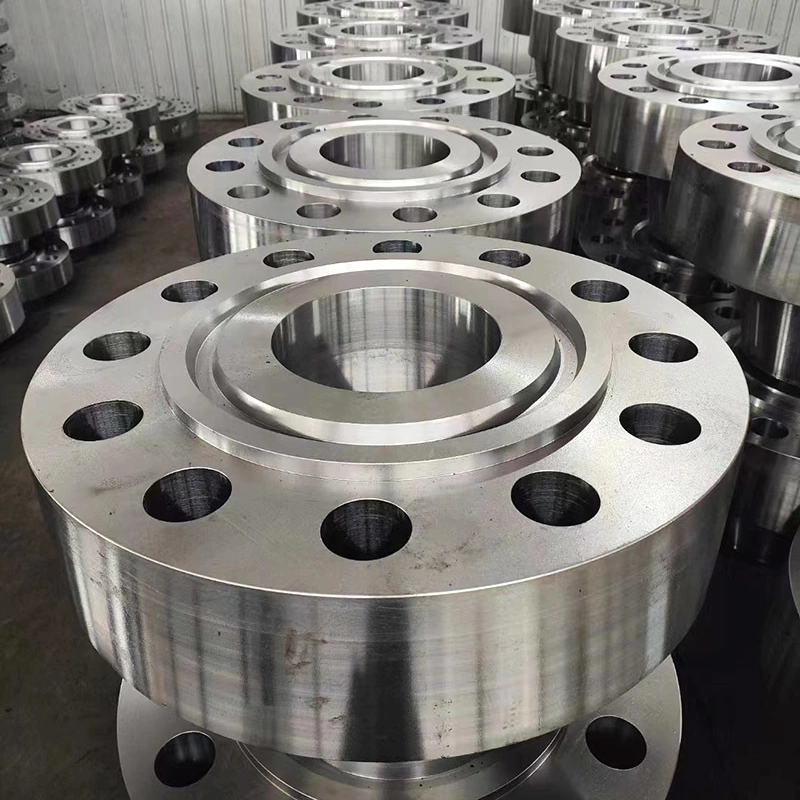
You need to understand api flange ratings and pressure classes to ensure safe and reliable operation in high-pressure systems. These ratings define the maximum pressure and temperature a flange can withstand, which directly impacts system integrity and compliance.
Choosing the correct rating safeguards your equipment and meets industry standards. Alienfrac offers API Flanges designed for demanding oilfield and industrial applications, giving you confidence in durability and performance.
| Type of Flange | Pressure Capacity | Benefits and Uses |
|---|---|---|
| Slip-On Flange | Low | Lower-cost option; fits over the pipe for a snug fit |
| Lap-Joint Flange | Low | Easier bolt hole alignment; good for frequent dismantling |
| Threaded Flange | Low | No-weld attachment for small-diameter applications |
| Blind Flange | Highest | Seals off piping systems; provides easy access |
| Weld-Neck Flange | High | Reduces pipe stress in high-pressure applications |
| Socket Weld Flange | High | Smooth fluid flow; no leakage |
Key Takeaways
- Understand API flange ratings to ensure safe operation in high-pressure systems. These ratings define the maximum pressure and temperature a flange can handle.
- Choose the right flange type based on your application. Options include slip-on, lap-joint, threaded, blind, weld-neck, and socket weld flanges, each with unique benefits.
- Always match the flange’s temperature rating to your system’s operating temperature. This step is crucial for maintaining system integrity and preventing leaks.
- Follow industry standards and specifications when selecting flanges. Compliance with API and ASME standards ensures safety and reliability in demanding environments.
- Consult pressure-temperature tables to guide your flange selection. These tables help you understand how pressure ratings change with temperature, ensuring safe design.
What Are API Flange Ratings?
API Flange Ratings Explained
You need to understand api flange ratings to select the right flange for your system. These ratings define the maximum pressure a flange can safely handle under specific conditions.
The American Petroleum Institute (API) sets these standards to ensure safety and reliability in high-pressure environments, such as oil and gas operations.
Api flange ratings depend on several factors. You must consider the pressure class, flange size, material, temperature, and bolt configuration. Each of these elements affects the flange’s ability to maintain a secure seal under stress.
- Pressure class determines the flange’s dimensions and pressure limits.
- Flange size impacts how much pressure the connection can withstand.
- Material selection is crucial for performance and longevity.
- Both external and internal temperatures influence the rating.
- Bolt size, number, and thickness play a significant role in overall strength.
When you choose a flange, always match its temperature rating to your system’s operating temperature. Also, consider chemical exposure and environmental conditions when selecting materials.
The API defines specific pressure classes for different flange types. Here is a quick reference table:
| Flange Type | Pressure Class (psi) |
|---|---|
| Type 6B | 2,000, 3,000, 5,000 |
| Type 6BX | 5,000, 10,000, 15,000, 20,000 |
These ratings ensure that your flanges can handle the extreme pressures found in oilfield and industrial applications. For example, API 6A flanges are rated for pressures from 2,000 psi up to 20,000 psi. You will often find these in wellhead and drilling operations, where safety and reliability are critical.
Tip: Always verify that your chosen flange meets or exceeds the maximum pressure and temperature requirements of your system.
Pressure Classes Overview
Pressure classes help you compare different flanges and select the right one for your application. Each class represents a specific pressure range and typical use case. The American Society of Mechanical Engineers (ASME) also defines pressure classes, which you may encounter alongside API standards.
Here is a table showing common ASME pressure classes, their typical pressure ranges, and applications:
| ASME Pressure Class | Typical Pressure Range | Common Applications |
|---|---|---|
| Class 150 | Up to ~285 psi | Water systems, HVAC, and low-pressure steam |
| Class 300 | Up to ~740 psi | Process piping, compressed air |
| Class 600 | Up to ~1480 psi | Oil and gas processing, steam systems |
| Class 1500 | Up to ~3705 psi | High-pressure reactors, critical steam |
| Class 2500 | Up to ~6170 psi | Ultra-high-pressure systems |
Api flange ratings stand out because they are designed for extreme conditions. Unlike some ASME classes, API ratings do not change with temperature. This fixed rating gives you confidence when working in harsh environments, such as oilfields or chemical plants.
When you select a flange, always check both the pressure class and the material. This ensures your system remains safe and efficient, even under the most demanding conditions.
Importance of Flange Ratings
Safety and System Integrity
You rely on strong, reliable connections in every high-pressure system. Flange ratings play a vital role in keeping your operations safe and efficient. When you use the correct flange rating, you protect your equipment and the people working with it.
- API flanges offer enhanced strength and corrosion resistance.
- These flanges ensure reliable connections between pipes and fittings, which is essential for maintaining system integrity in oil and gas operations.
- API 6A flanges provide secure, leak-free connections in high-pressure environments.
- Their construction helps contain pressure and prevent leaks, even in harsh conditions.
- You benefit from quick assembly and disassembly, which makes maintenance easier and keeps downtime to a minimum.
Note: Using the right flange rating helps you avoid leaks, equipment failures, and costly repairs. It also supports safe operation in critical areas like flowline assemblies and wellhead connections.
Compliance and Industry Standards
You must meet strict industry standards when selecting flanges for your system. These standards ensure that every component can handle the demands of high-pressure environments. API flange ratings help you comply with these requirements.
- The API 6A standard sets strict material specifications to guarantee safety and integrity.
- Materials are chosen based on their minimum yield strength, which determines how much pressure they can handle.
- Product Specification Levels (PSL) define quality control, with higher PSL numbers requiring more rigorous testing and certification.
- All equipment must use traceable, certified materials and pass thorough inspections.
- Using non-compliant materials, such as standard ASME B16.5 bolting in API 6A flanges, can lead to dangerous failures.
When you follow these standards, you protect your system and meet legal and industry requirements. You also show your commitment to safety and quality, which builds trust with clients and partners. By understanding api flange ratings, you make informed choices that keep your operations running smoothly.
API Flange Standards and Codes
Key API Flange Specifications (6A, 605, 6B, etc.)
You need to understand the main API flange specifications to select the right flange for your system. Each specification addresses different requirements for pressure, size, and material. API 6A covers wellhead and Christmas tree equipment, including Type 6B and 6BX flanges.
API 605 focuses on large-diameter carbon steel flanges for pipelines. These standards ensure you get reliable performance in demanding environments.
| API Flange Type | Description | Pressure Ratings |
|---|---|---|
| API 6A Type 6B | Commonly used flanges with various pressure ratings | 2000 psi, 3000 psi, 5000 psi |
| API 6A Type 6BX | Similar to 6B but not used for threaded applications | 2000 psi, 3000 psi, 5000 psi, 10000 psi, 15000 psi, 20000 psi |
| API 605 | Standard for large-diameter carbon steel flanges | N/A |
You see that API 6BX flanges handle much higher pressures than 6B types. API 605 does not specify pressure ratings but focuses on size and material.
API vs ANSI Flanges
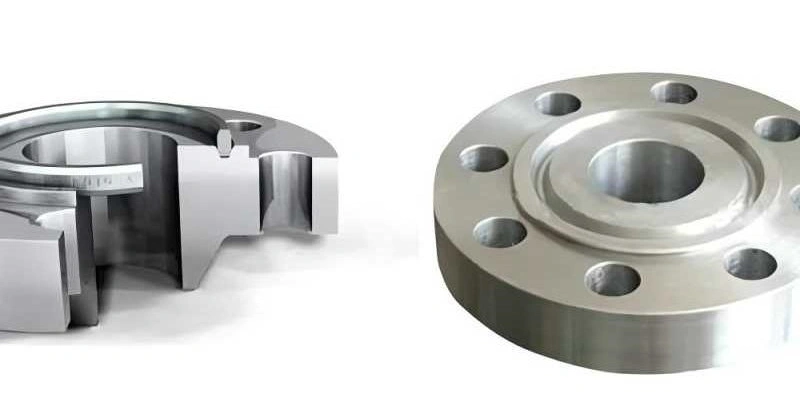
You must compare API and ANSI/ASME flange standards to make informed decisions. API standards target high-pressure, high-risk applications. ANSI/ASME standards cover a broader range of industries and allow more flexibility.
| Feature | API Flange Standards | ASME Flange Standards |
|---|---|---|
| Pressure Ratings | Fixed, high-pressure ratings (e.g., 5000, 10000, 15000 psi) | Flexible pressure ratings based on temperature |
| Material Requirements | Stricter, high-strength materials (e.g., AISI 4130) | A broader range of materials allowed |
| Design Philosophy | Specialized for high-risk applications | Focus on safe design and fabrication |
- API standards use fixed pressure ratings to ensure safety in extreme conditions.
- ASME standards adjust pressure ratings based on temperature, which suits many industries.
- API flanges require high-strength materials, while ASME flanges allow more material options.
You benefit from api flange ratings when you need reliable performance in harsh environments.
Alienfrac API Flanges and Compliance
You want assurance that your flanges meet industry standards. Alienfrac API flanges follow strict API specifications, including API 6A, 605, and 6B. You receive products manufactured with high-strength materials and precise machining. Alienfrac holds certifications from DNV MED, CCS, ABS, and API.
These certifications confirm that you get flanges tested for quality and safety. You can trust Alienfrac to deliver flanges that comply with global standards and perform reliably in high-pressure systems.
Alienfrac’s commitment to API standards means you get secure, leak-free connections and peace of mind in demanding oilfield and industrial applications.
API Flange Pressure Ratings and Temperature Limits
Pressure-Temperature Tables
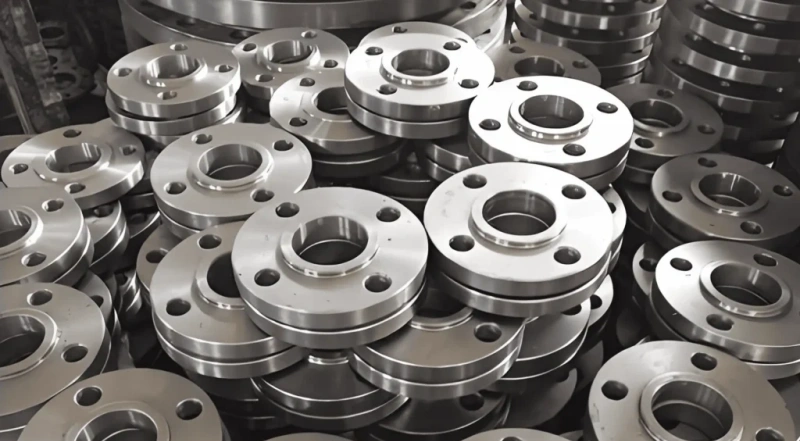
You rely on pressure-temperature tables to guide your flange selection. These tables show the maximum pressure a flange can handle at different temperatures. You match the flange’s pressure class to your operating environment. This step protects your system from failures and ensures safety.
- Pressure classes define the allowable pressure–temperature limits for each flange. You must check these limits before installation.
- You consider operating pressure, temperature, mechanical loading, and environmental exposure. This approach helps you choose the right flange for your application.
Tip: Always review the pressure-temperature table for your flange type. This practice prevents mismatches and keeps your system reliable.
Material Selection Impact
You must select the right material for your API flange. Material choice affects both pressure and temperature ratings. You ensure mechanical performance and safety in high-pressure environments.
- Material selection determines how well your flange handles extreme conditions.
- You consider the maximum operating temperature and pressure. Compatibility with the fluid prevents corrosion and extends flange life.
- API standards require strict adherence to material strength and quality. You use traceable, certified materials and rigorous testing to guarantee integrity.
- For pressure ratings of 10,000 psi and above, API requires high-strength steels like AISI 4130. This requirement ensures performance and safety.
Gasket Types and Ratings
You need the correct gasket to maintain a secure seal between flanges. Gasket type and rating must match the flange’s pressure and temperature limits. You select gaskets made from materials that resist chemical attack and withstand high pressures.
- Ring-type joint (RTJ) gaskets suit high-pressure, high-temperature applications.
- Spiral wound gaskets offer flexibility and reliable sealing for moderate pressures.
- You check gasket ratings to ensure compatibility with your flange and system requirements.
Note: Always use gaskets that meet API standards. This practice prevents leaks and maintains system integrity.
Types and Features of Alienfrac API Flanges
Weld Neck, Threaded, and Blind Flanges
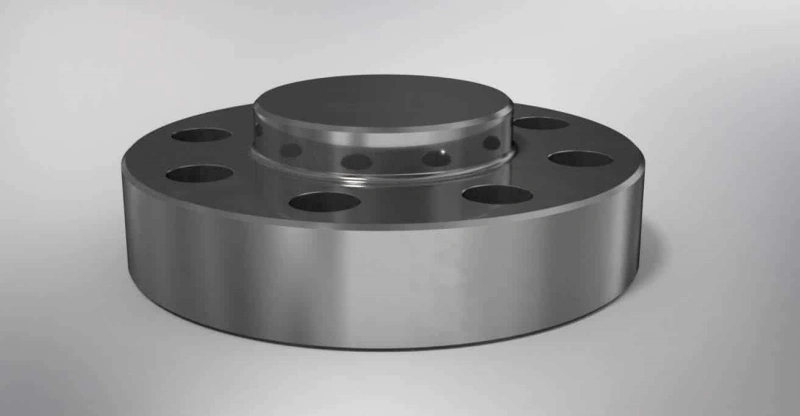
You can choose from several types of API flanges, each designed for specific applications. Weld neck flanges provide excellent stress distribution and long fatigue life. You often use them in high-temperature or high-pressure lines where reliability matters most.
Threaded flanges do not require welding, making them ideal for small-diameter, low-pressure systems or areas where hot work is not allowed. Blind flanges close off the ends of pipes or vessel nozzles. You will find them useful during hydrostatic testing or when you need to isolate a section of your system.
| Flange Type | Pros | Applications |
|---|---|---|
| Weld Neck | Butt-welded, excellent stress distribution, long fatigue life | High-temp/high-pressure critical lines |
| Threaded | No welding needed | Small-diameter, low-pressure, no-hot-work areas |
| Blind | Closes pipe ends or vessel nozzles | Hydrostatic testing |
Material Options and Sizes
You have access to a wide range of material options and sizes with Alienfrac API flanges. Carbon steel and alloy steel are the most common materials. These materials give you the strength and durability needed for demanding environments.
You can select flanges in various sizes, with pressure ratings from 2,000 psi up to 20,000 psi. This flexibility allows you to match the flange to your system’s exact requirements.
| Material Options | Size Ranges | Pressure Ratings |
|---|---|---|
| Carbon Steel | Various sizes | 2,000 psi to 20,000 psi |
| Alloy Steel | Various sizes | 2,000 psi to 20,000 psi |
Tip: Always select the material and size that best fit your operating conditions to maximize safety and performance.
Advantages of Alienfrac API Flanges
Alienfrac API flanges offer several advantages that set them apart in the industry. You benefit from enhanced strength, which allows these flanges to withstand high pressures and ensure safety in demanding environments.
The corrosion resistance of these flanges protects your system from harsh chemicals and extends service life. Their robust design gives you reliable performance and minimizes the risk of failure, supporting overall system integrity.
| Advantage | Description |
|---|---|
| Enhanced Strength | Withstand high pressures, ensuring safety in demanding environments. |
| Corrosion Resistance | Resist harsh chemicals, enhancing durability in challenging conditions. |
| Reliability | Robust design minimizes failure risks, contributing to overall system integrity. |
You can trust Alienfrac API flanges to deliver consistent quality, durability, and compliance with API standards. This reliability helps you maintain safe and efficient operations in oilfield and industrial applications.
Selecting the Right API Flange
Assessing System Requirements
You must start by understanding your system’s unique needs. Begin with graphics, flow diagrams, or system schematics if available. Identify the operating pressure, temperature, and the type of fluid or gas in your pipeline. These factors determine the flange’s material, size, and pressure class.
You should also consider the environment. For example, offshore platforms require corrosion-resistant materials. Chemical plants may need flanges that withstand aggressive fluids. Always check the compatibility of the flange material with the process medium.
| Criteria | Description |
|---|---|
| Temperature Rating | Choose a flange with a temperature rating greater than or equal to the system’s operating temperature. |
| Pipe Size | Select a flange that matches the size of the pipe it will be attached to. |
Tip: Review your system’s design documents and consult with your engineering team to confirm all requirements before making a selection.
Using Pressure-Temperature Ratings
You must use pressure-temperature ratings to ensure safety and reliability. These ratings tell you how much pressure a flange can handle at a specific temperature. As the temperature increases, the maximum allowable working pressure usually decreases. This relationship is critical for safe design.
- Select a flange with a temperature rating that meets or exceeds your system’s operating temperature.
- Remember that a flange’s maximum allowable working pressure decreases as its service temperature increases.
You can find this information in manufacturer catalogs or API standards. Always match the flange’s rating to your system’s highest expected pressure and temperature.
Note: Never exceed the pressure or temperature limits specified for your chosen flange. This practice prevents leaks and equipment failure.
Step-by-Step Selection Guide
You can follow a clear process to select the right API flange for your application. This approach helps you avoid costly mistakes and ensures system integrity.
- Understand the Basics of Flanges
Learn about the function and types of flanges used in piping systems. Review the differences between weld neck, threaded, and blind flanges. - Choose the Right Flange Material
Select materials based on corrosion resistance and application needs. Use stainless steel for corrosive environments or carbon steel for less demanding conditions. - Consider Flange Pressure Ratings
Determine the appropriate pressure ratings for your application. Check api flange ratings to ensure safety and reliability. - Assess Flange Types and Facing
Identify the type of flange that suits your application. Consider factors like sealing and installation requirements. - Industry-Specific Considerations
Take into account the unique needs of your industry. For example, you may need extra durability for oilfield operations or insulation for HVAC systems. - Partner with a Reliable Manufacturer
Choose a reputable manufacturer or distributor. Alienfrac provides quality assurance and technical support throughout the selection process.
Callout: Always document your selection process. This practice helps with future maintenance and troubleshooting.
Common Mistakes to Avoid
You can prevent many problems by avoiding common mistakes during flange selection.
- Choosing the Wrong Material
Selecting an inappropriate material can lead to corrosion and failure. Consider the operating environment and consult material specifications. - Mismatched Flange Size or Pressure Rating
Incorrect sizing can cause leaks and failures. Measure carefully and ensure the pressure rating matches system demands. - Poor Weld Quality or Incorrect Weld Procedure
Inadequate welding can lead to weak joints. Use qualified welders and inspect welds thoroughly. - Inadequate Gasket Selection
Using the wrong gasket can result in leaks. Ensure the gasket material is appropriate for the application.
Alert: Double-check all specifications before installation. This step reduces the risk of costly downtime and repairs.
By following these guidelines, you can select the right API flange for your system. You ensure safety, reliability, and compliance with industry standards.
Practical Reference for API Flange Ratings
Example Selection Scenarios
You often face situations where you must choose the right flange for your system. Imagine you work on a water pipeline that operates at low pressure. You select a Class 150 flange because it handles up to 285 psi at 100°F. For a steam line in a refinery, you need higher pressure tolerance.
You choose a Class 600 flange, which supports up to 1,480 psi at 100°F. If you manage an oilfield operation with extreme pressures, you look for API 6BX flanges rated up to 20,000 psi. You always check the pressure and temperature requirements before making your decision.
You also consider material compatibility. For corrosive environments, you select stainless steel flanges. In less demanding conditions, carbon steel works well. You review pressure-temperature tables to confirm your choice.
Engineers rely on these tables, which categorize flange ratings into 44 groups based on material and operating conditions. This organization helps you match the flange to your system’s needs.
Tip: Always verify the flange class and material against your system’s maximum pressure and temperature. This step prevents leaks and ensures safe operation.
Quick Reference Table
You need a quick way to compare flange classes and their maximum pressure ratings. The table below summarizes the ASME B16.5 standard for seven common flange classes at 100°F.
| Flange Class | Maximum Pressure (at 100°F) |
|---|---|
| Class 150 | 285 psi |
| Class 300 | 740 psi |
| Class 400 | 990 psi |
| Class 600 | 1,480 psi |
| Class 900 | 2,220 psi |
| Class 1500 | 3,705 psi |
| Class 2500 | 6,175 psi |
You use this table to quickly identify the right flange for your application. The chart above gives a visual comparison of pressure ratings across flange classes. You see that api flange ratings provide clear guidance for selecting flanges in high-pressure systems.
Conclusion
You gain confidence in your system when you understand api flange ratings and pressure classes. These ratings help you select flanges that match your industry’s pressure and temperature requirements, ensuring operational safety and reliability.
Alienfrac demonstrates its commitment to quality through strict quality control, adherence to API standards, and rigorous testing protocols.
| Evidence Description | Details |
|---|---|
| Quality Control Role | Rigorous testing and evaluations ensure each flange meets specifications |
| API Standards Adherence | API 6A flanges are constructed to strict industry standards |
| Quality Assurance Protocols | Material testing and dimensional inspections guarantee compliance |
You can use the selection guide and reference tables for your next project. Reach out to Alienfrac for tailored solutions or technical support.
FAQ
What does an API flange rating mean?
You see an API flange rating as a measure of the maximum pressure and temperature a flange can handle. This rating ensures your system operates safely under demanding conditions.
How do you choose the right API flange material?
You select the material based on your system’s pressure, temperature, and fluid type. For corrosive environments, you use stainless steel. For high-pressure oilfield applications, you often choose alloy or carbon steel.
Can you use API flanges in non-oilfield industries?
Yes, you can use API flanges in chemical, power, and industrial systems. Their high-pressure tolerance and durability make them suitable for any application that requires secure, leak-free connections.
What certifications do Alienfrac API flanges have?
Alienfrac API flanges carry certifications from DNV MED, CCS, ABS, and API. These certifications confirm that you receive products tested for quality, safety, and compliance with international standards.
