Keep drilling, well-service and fluid-transfer systems moving when cold changes the behavior of rubber, fluids and metal components. Alienfrac configures low-temperature oilfield hose assemblies around the complete service envelope—not a temperature number alone.
An Arctic hose is not defined by ambient temperature alone. Selection must account for the lowest cold-soak and start-up temperature, internal fluid temperature, working and surge pressure, pressure pulsation, movement, minimum bend radius, fluid chemistry, external abrasion, ice, UV exposure and the materials used in couplings and seals. The approved datasheet and purchase specification should state the conditions that apply to the complete hose assembly.
Ambient temperature determines how the cover, reinforcement system, couplings and seals behave before and during start-up. Fluid temperature affects the tube and can create a steep thermal gradient through the hose wall. Use the most demanding credible combination—not the average daytime temperature—as the selection basis.
Why Hoses Behave Differently in Severe Cold?
Elastomers Stiffen
As temperature falls, many rubber compounds become less flexible. A hose that routes easily in a warm shop may resist bending after a long outdoor cold soak. Low-temperature performance therefore depends on the actual compound, wall construction and finished assembly—not the generic name NBR, HNBR or rubber.
Fluids Become More Viscous
Cold drilling fluids, oils and hydraulic media may require more energy to start and move. Higher viscosity can increase pressure loss and transient loading. Verify the fluid condition, start-up procedure and pressure margin together with the hose rating.
Interfaces Contract at Different Rates
Rubber, steel reinforcement, end fittings and seals do not respond identically to temperature change. Assembly design and manufacturing control must maintain sealing, reinforcement support and coupling integrity across the specified range.
Abrasion Risk Remains
A stiff, cold hose may drag, rub or concentrate load differently during handling. Ice and frozen ground can hide sharp contact points. Routing, lifting devices and abrasion protection remain essential even when the compound is rated for low temperature.
Material and Construction Choices for Arctic Service
Tube
Select the tube for both fluid compatibility and low-temperature behavior. Modified nitrile compounds are widely used where oil resistance is required; HNBR or specialty constructions may offer other heat, chemical or mechanical advantages. UPE/UHMW-PE liners can support abrasive or chemically demanding media. Every option remains formulation- and application-specific.
Reinforcement
Textile and/or high-tensile steel reinforcement is selected for pressure, impulse, flexibility and movement. More reinforcement is not automatically better for cold handling; the complete structure must balance pressure containment with the required bend behavior.
Cover and External Protection
The cover should resist the expected combination of weather, ozone, oil splash and abrasion. Optional armor, abrasion wraps, lifting eyes, safety clamps or bend-control devices should be selected from the actual routing and handling plan.
Couplings, Seals and Traceability
End fittings and seals must be suitable for the temperature, pressure, fluid and corrosion environment. Specify connection type, material, orientation and any low-temperature toughness requirement in the purchase data. Keep the assembly serial number linked to drawings, material records and test documentation.
Testing and Documentation
A temperature statement is valuable only when the test scope matches the intended assembly and application. Depending on the hose family, project specification and applicable standard, the qualification and acceptance plan may include the following elements.
Sub-Ambient Conditioning and Bend/flex Evaluation
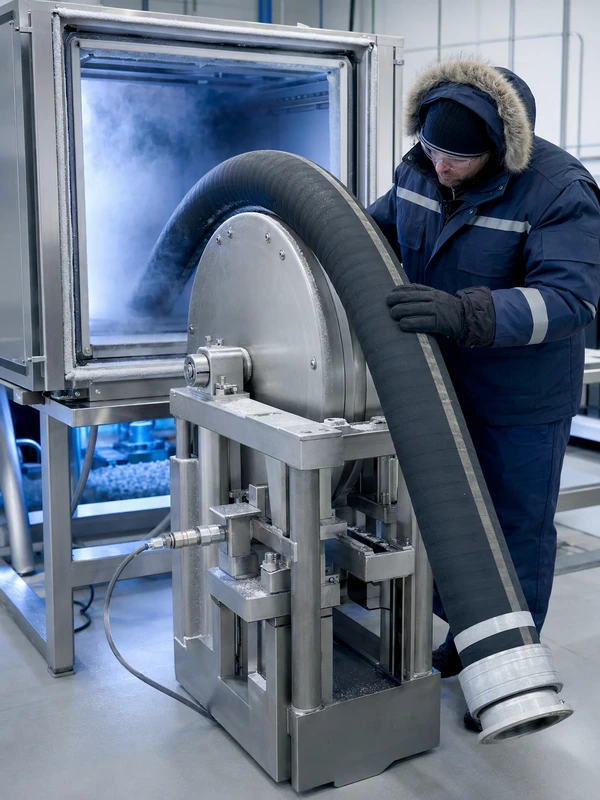
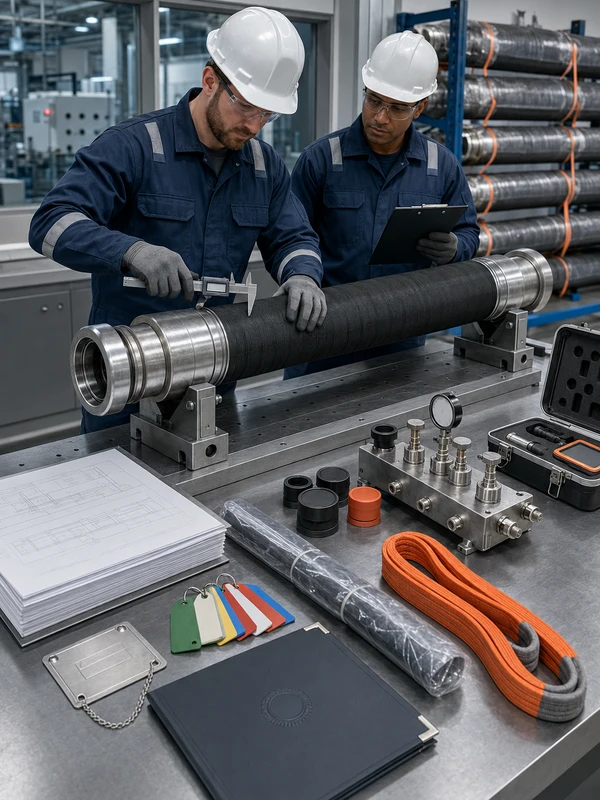
Condition the hose or representative assembly at the specified low temperature, then assess flexibility, stiffness, cracking, cover condition and dimensional change using an agreed method. ISO 10619-2:2021 provides sub-ambient bending methods for rubber and plastics hose and tubing; applicability depends on hose size and test objective.
Pressure and Leakage Verification
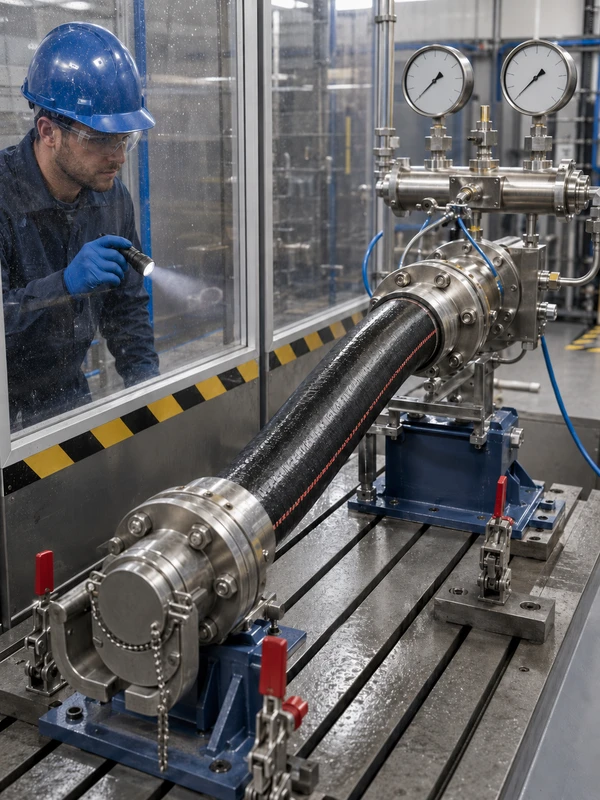
Confirm proof or hydrostatic test requirements, test pressure, hold time, medium, instrumentation and acceptance criteria from the applicable specification and purchase agreement. A finished-assembly pressure test does not replace design qualification.
Impulse, Pulsation and Movement
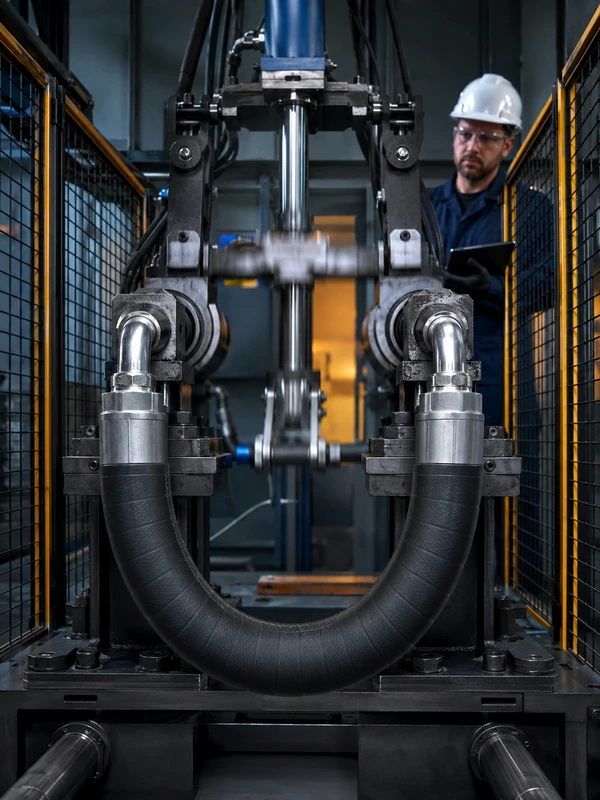
Where the service includes repeated pressure cycles or continuous movement, define the relevant impulse or pulsation profile, bend condition and temperature. API flexible specification levels differ in design-verification scope, so the purchaser and manufacturer must agree the correct FSL for the application.
Fluid Compatibility and Aging
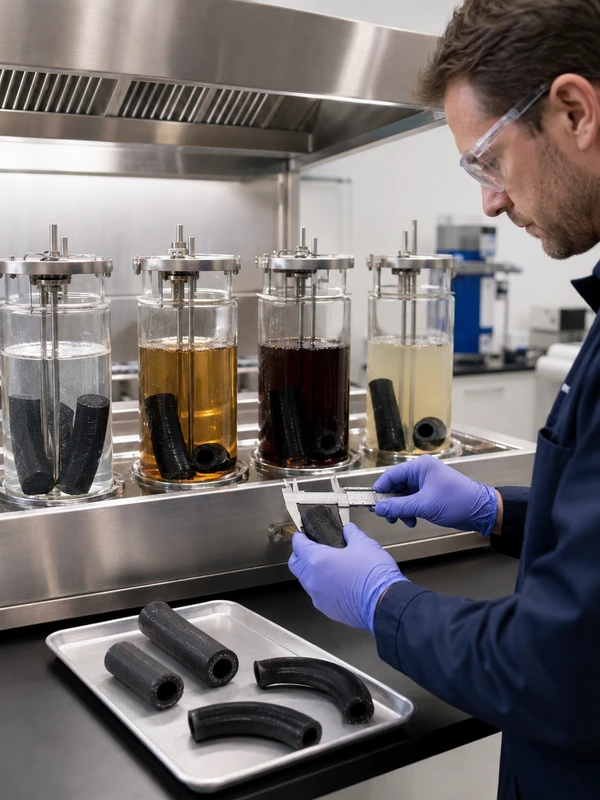
Evaluate the actual drilling fluid, oil, chemical or cleaning medium at the expected concentration and temperature. Generic compatibility tables are a screening tool, not a substitute for project-specific confirmation when conditions are severe or uncertain.
Recommended Data Book
Approved datasheet and drawing; serial number and marking; material and end-fitting traceability; dimensional inspection; qualification references; finished-assembly test report and calibration records; certificate of conformity; preservation, storage, lifting, installation and inspection instructions; third-party witness records when specified.
Storage and Cold-Weather Handling
Before Installation
Store hose assemblies indoors in a cool, dry and dark area unless the supplied instructions state otherwise. Keep them away from sunlight, ozone-generating electrical equipment, heat, oils, solvents and corrosive fumes. Keep protective caps installed, support the hose in a stress-free shape, never coil below the specified minimum bend radius and use first-in, first-out inventory control.
After Outdoor Cold Soak
Do not force a cold-soaked hose into a tight bend, drop it, pull it by the end fitting or use it as a lifting point. Inspect the cover, coupling area, guards and seals before start-up. Remove ice without sharp tools or uncontrolled heat, and follow the approved site procedure for conditioning and pressurization.
During Operation
Maintain the specified minimum bend radius, prevent twist, support dynamic sections correctly and keep the hose clear of sharp edges and vehicle traffic. Watch for leakage, coupling movement, localized bulging, cover cracking, abnormal stiffness or changes in routing. Stop and isolate the system if the inspection criteria require it.
Typical Arctic-Service Application Scenarios
Land-Rig Rotary and Vibrator Lines
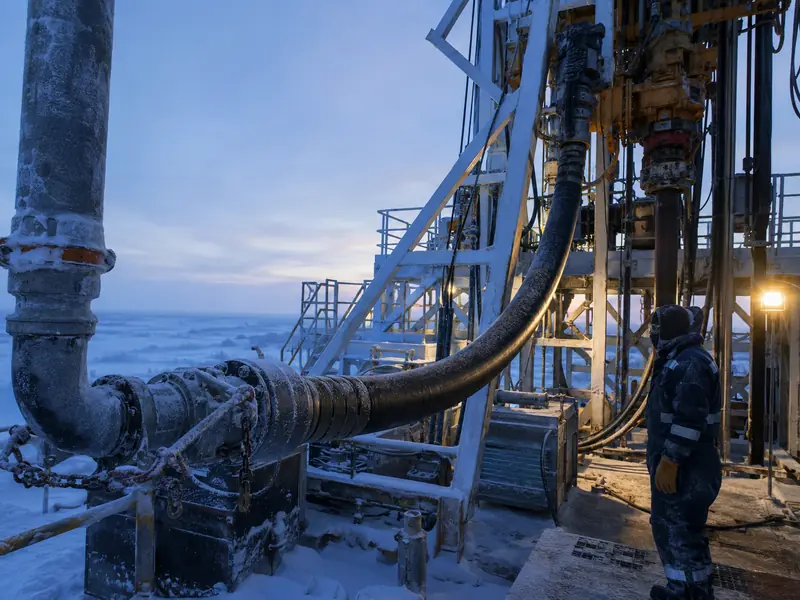
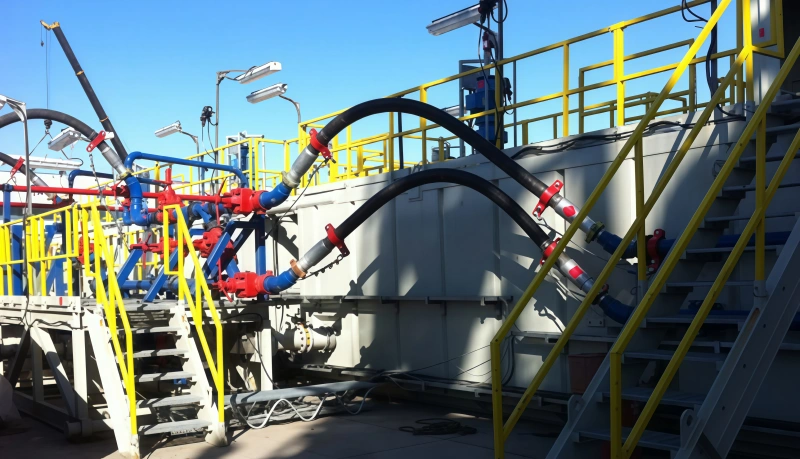
A hose may remain exposed between shifts and start the next operation after a deep cold soak. Selection focuses on the minimum start-up temperature, pressure pulsation, dynamic movement, standpipe/top-drive geometry, bend radius and documented API scope.
Winter Well-Service and Fluid Transfer
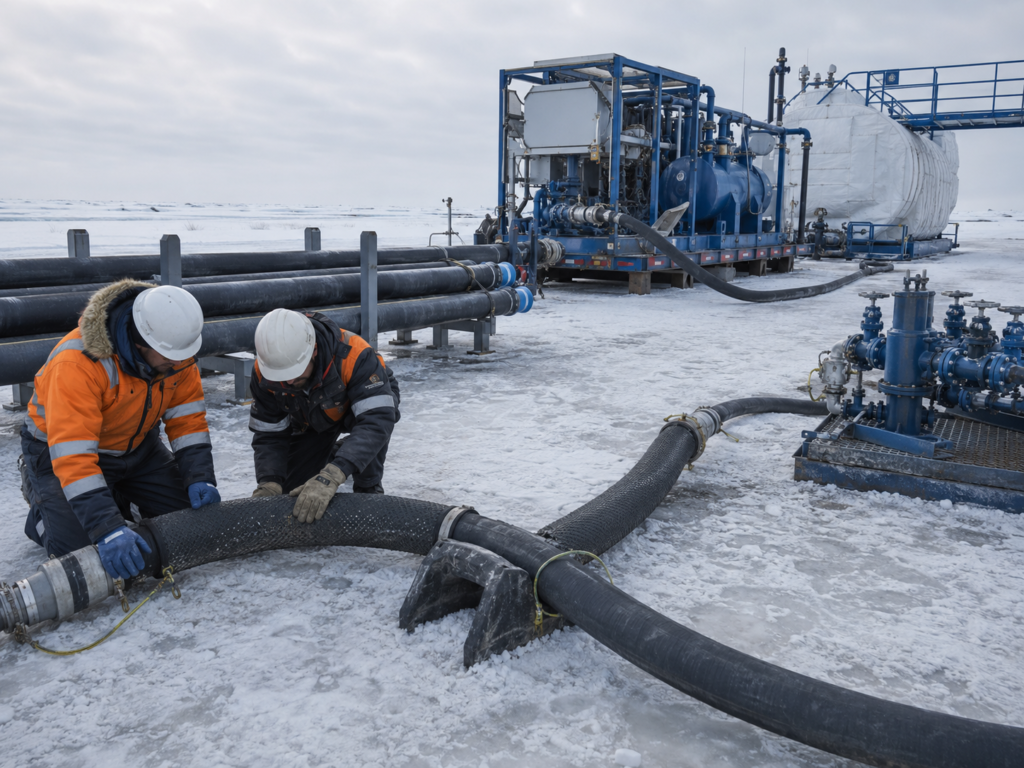
Temporary lines may be deployed, moved and stored repeatedly around frozen ground and mobile equipment. The review should distinguish suction, discharge and high-pressure duty, then address fluid viscosity, vacuum or pressure requirements, abrasion protection, electrical continuity where required and safe handling.
Cold Ambient With Warm Process Fluid
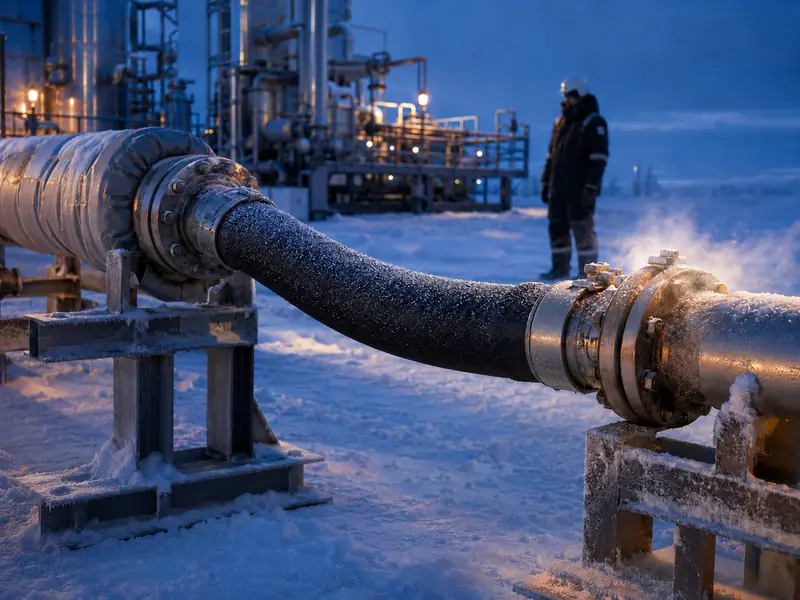
The outside of the assembly may be far below freezing while the internal fluid is warm. This mixed condition creates a changing thermal gradient and can affect tube, cover, seals and fittings differently. Specify both temperatures and the start/stop cycle so the assembly can be reviewed as a system.
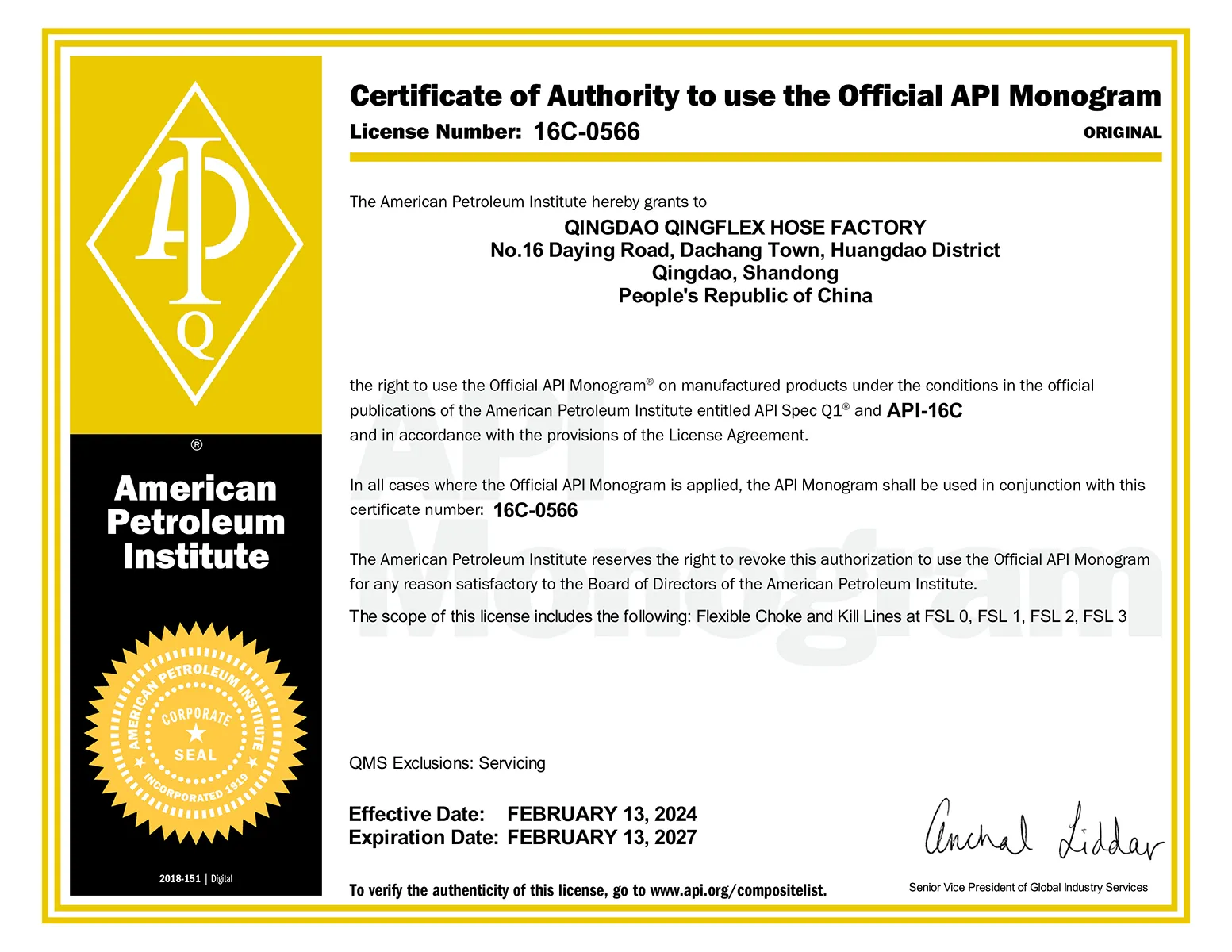
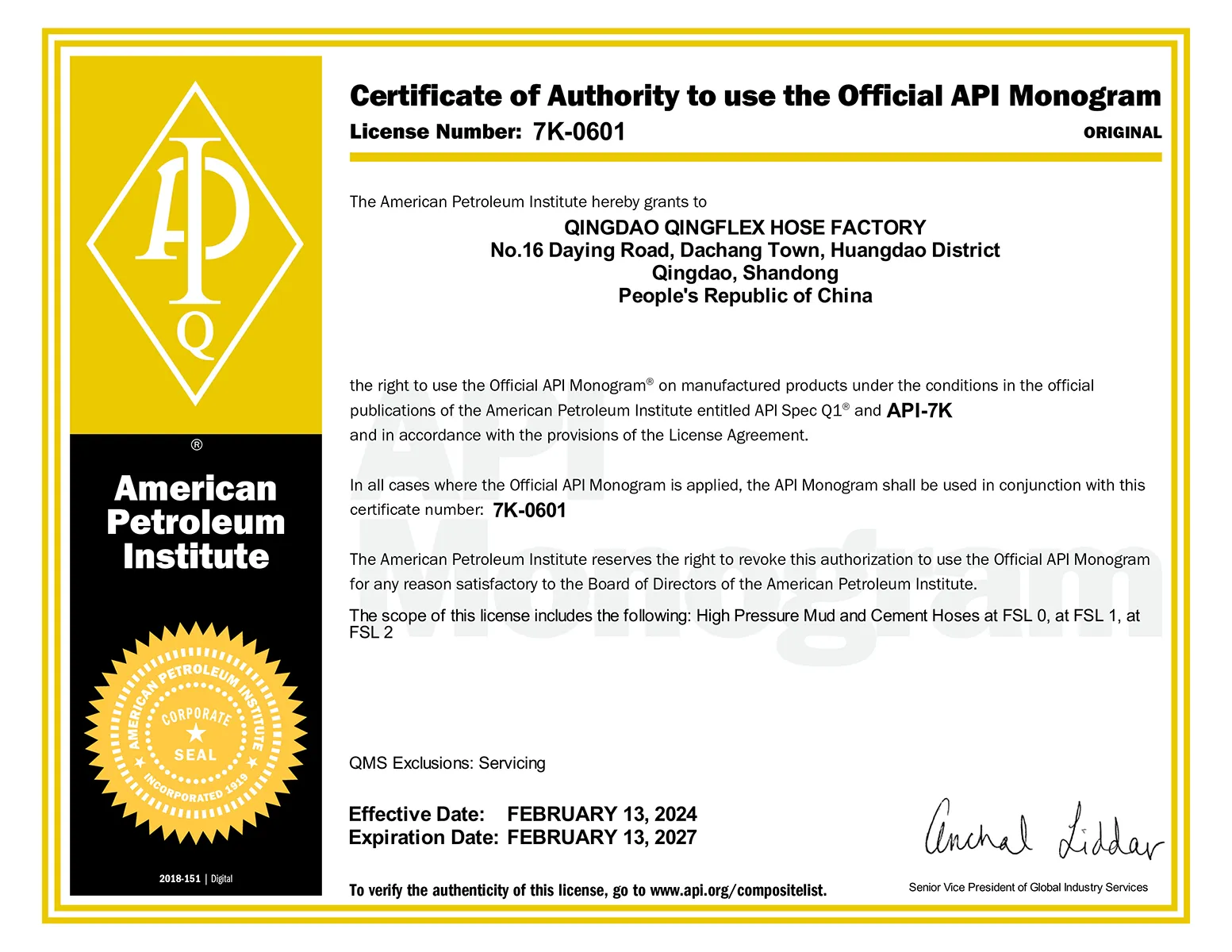
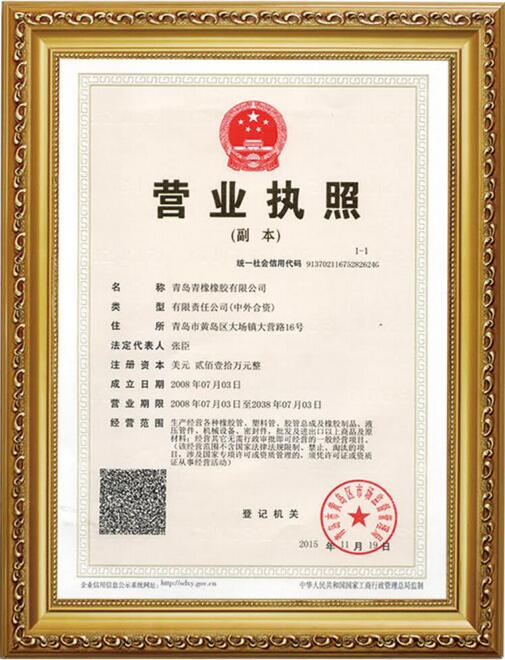
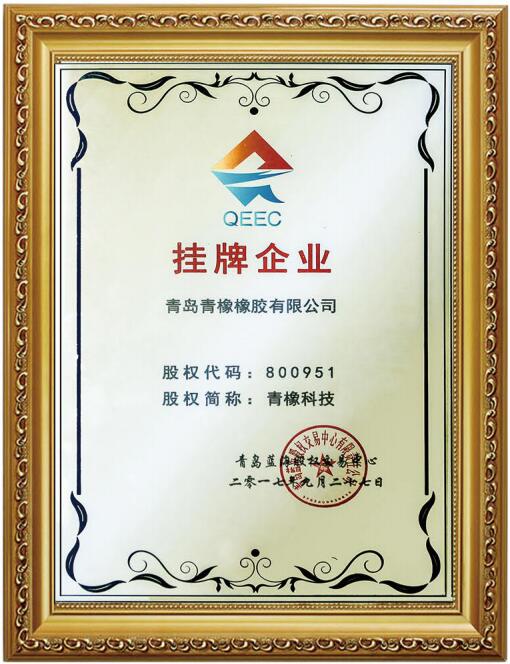
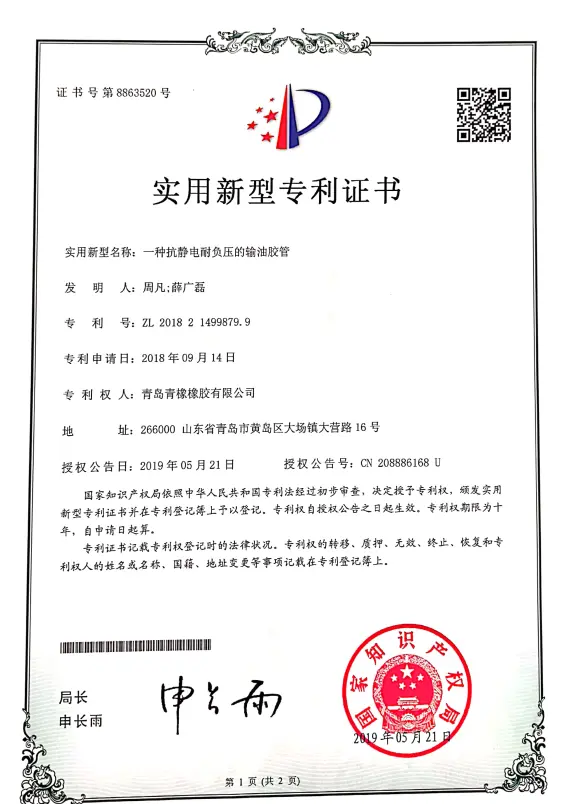
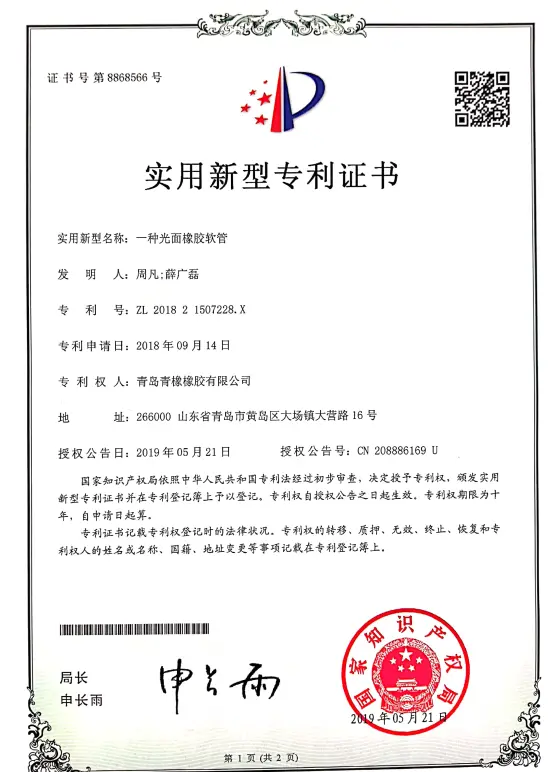
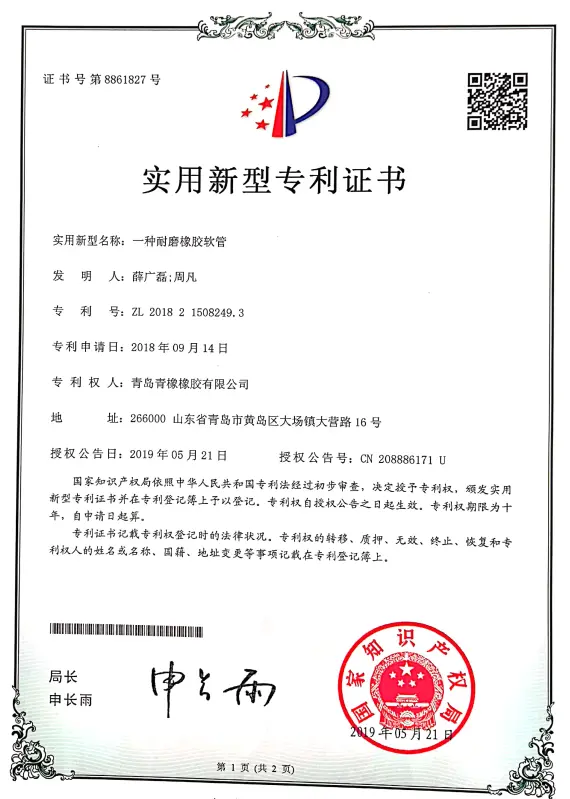
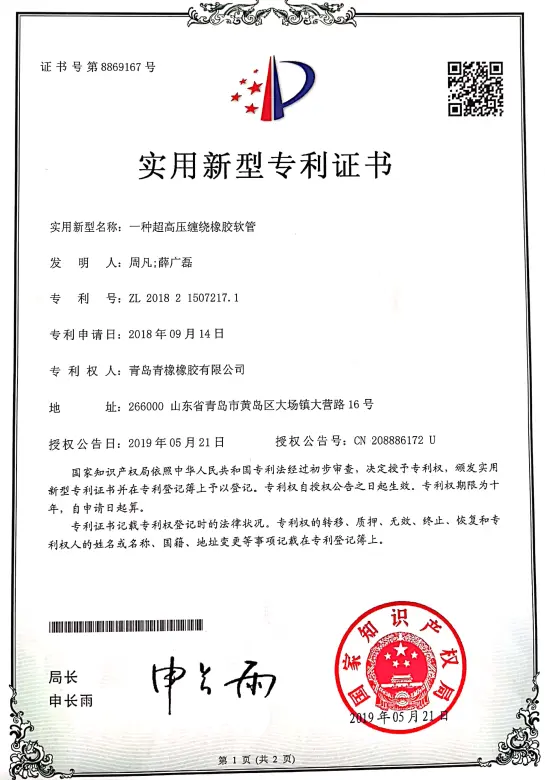
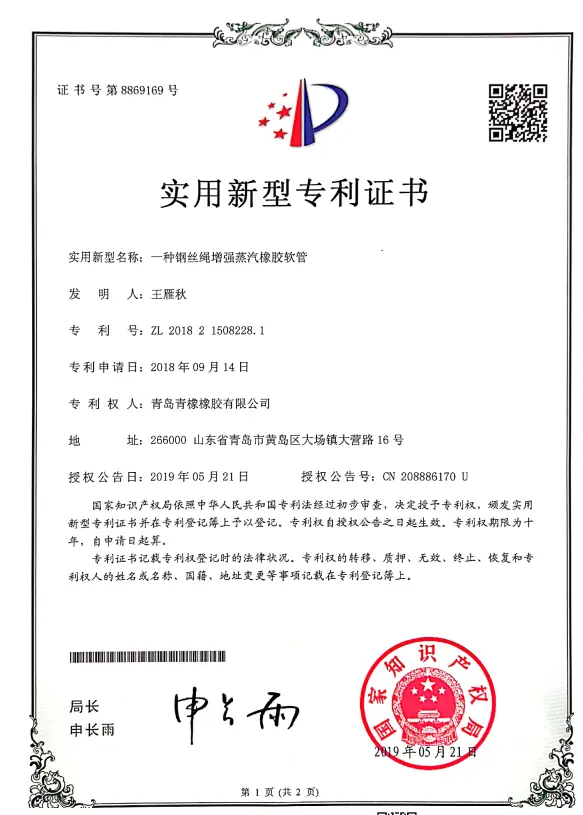
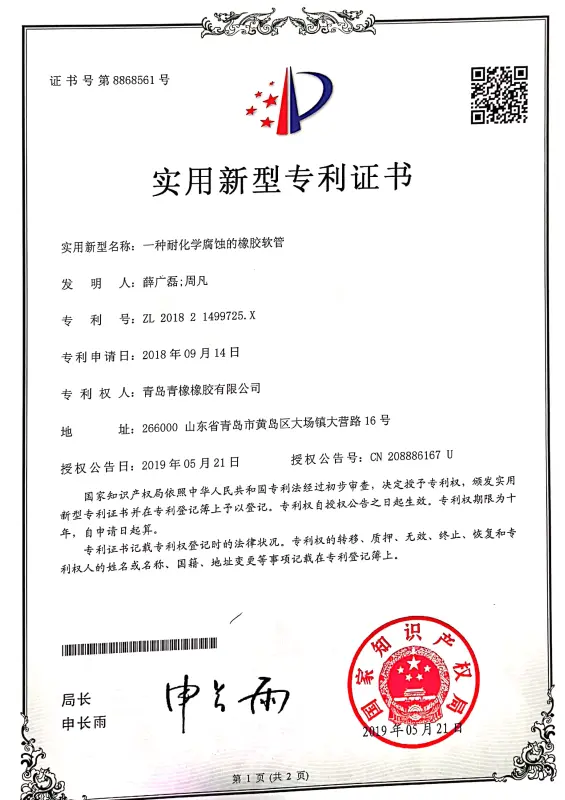
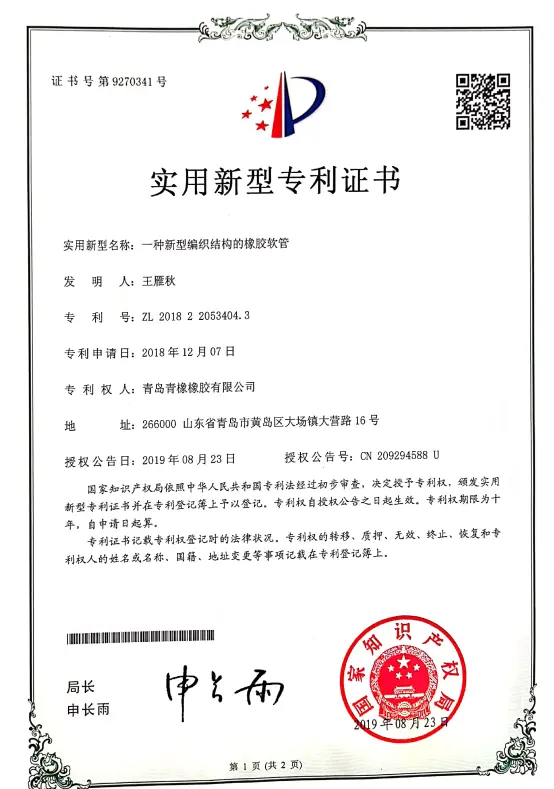
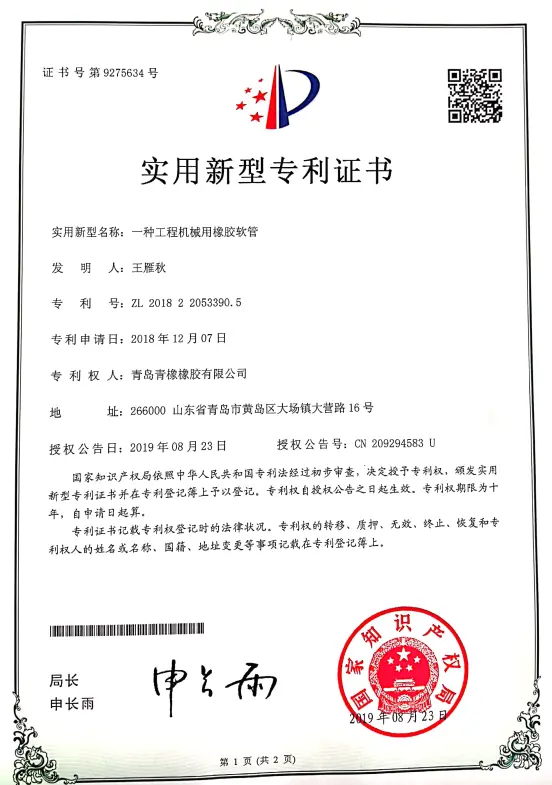
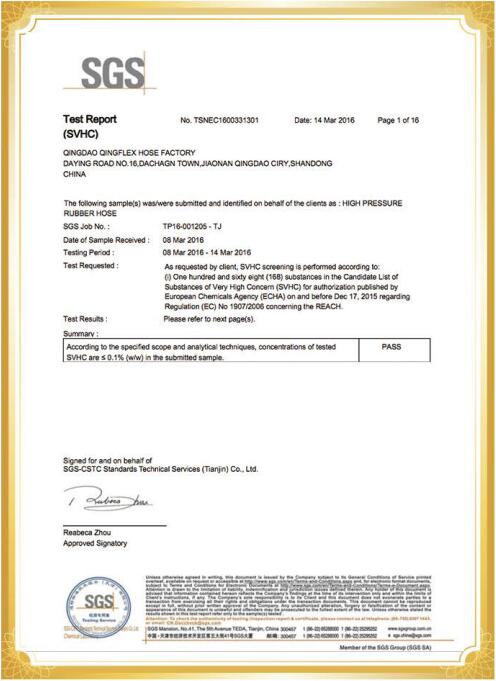
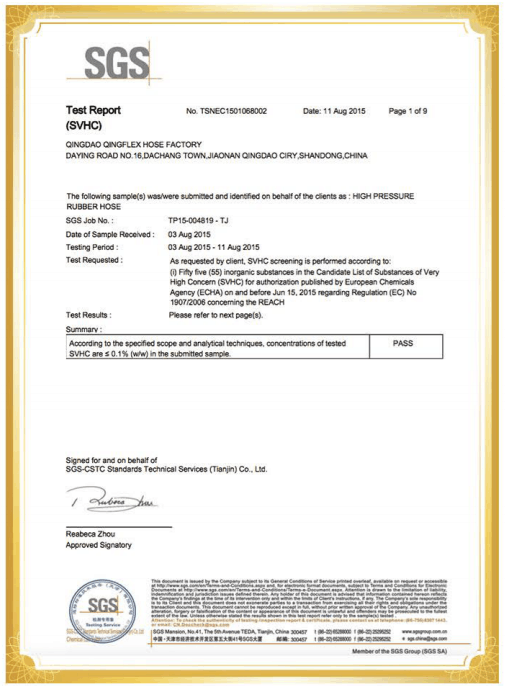
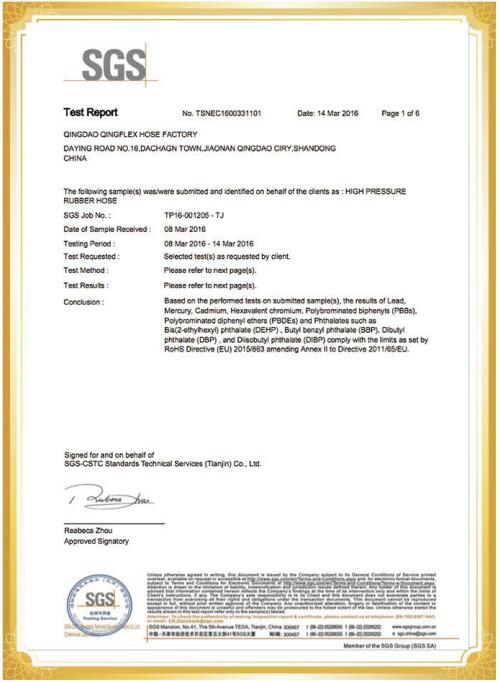
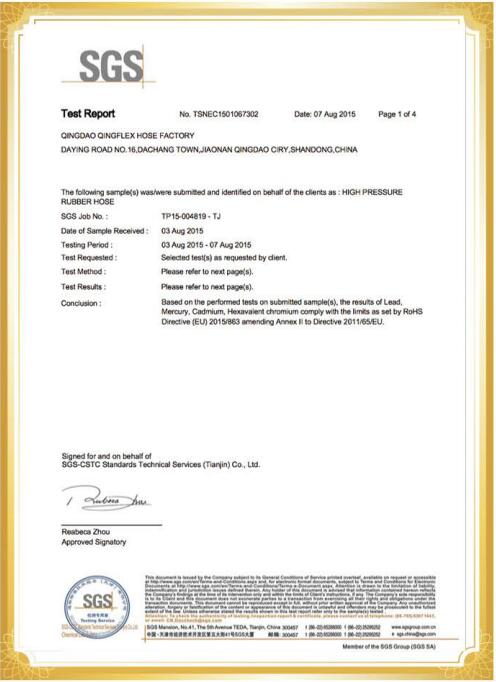
Certificates
Certificate API Q1 Monogram.webp
Certificate API 16C Monogram.webp
Certificate API 7K Monogram.webp
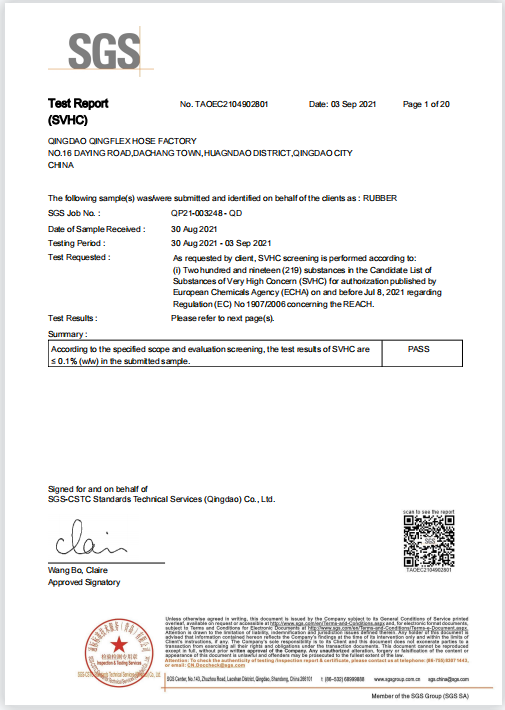
Business License.jpg
Listed Enterprise.jpg
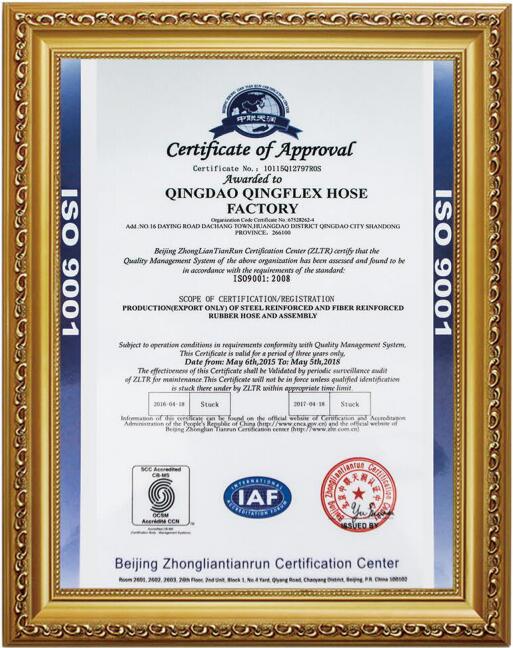
ISO 9001.jpg
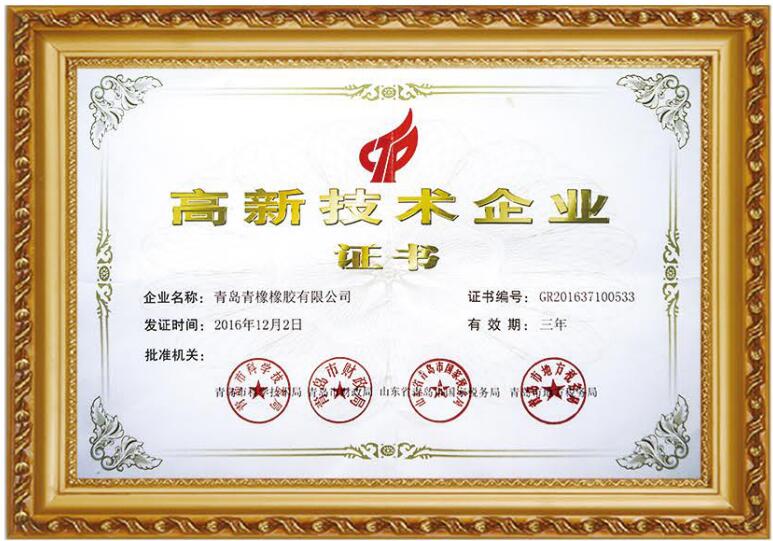
New High Tech Enterprise.jpg
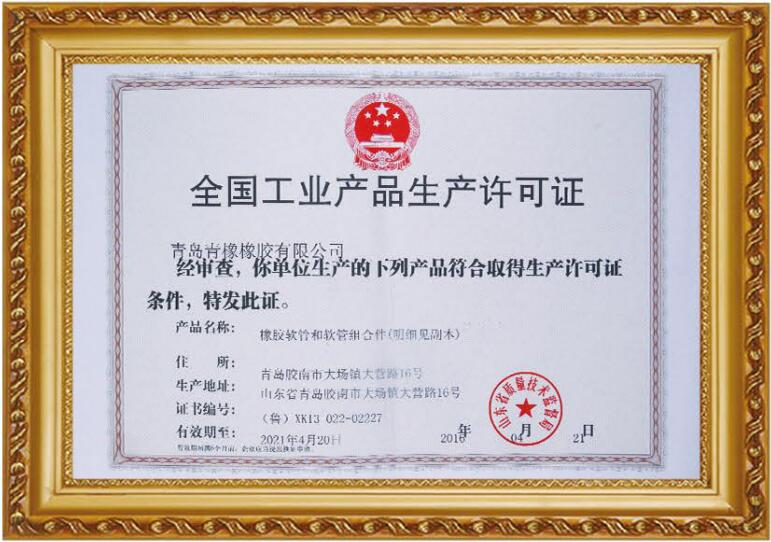
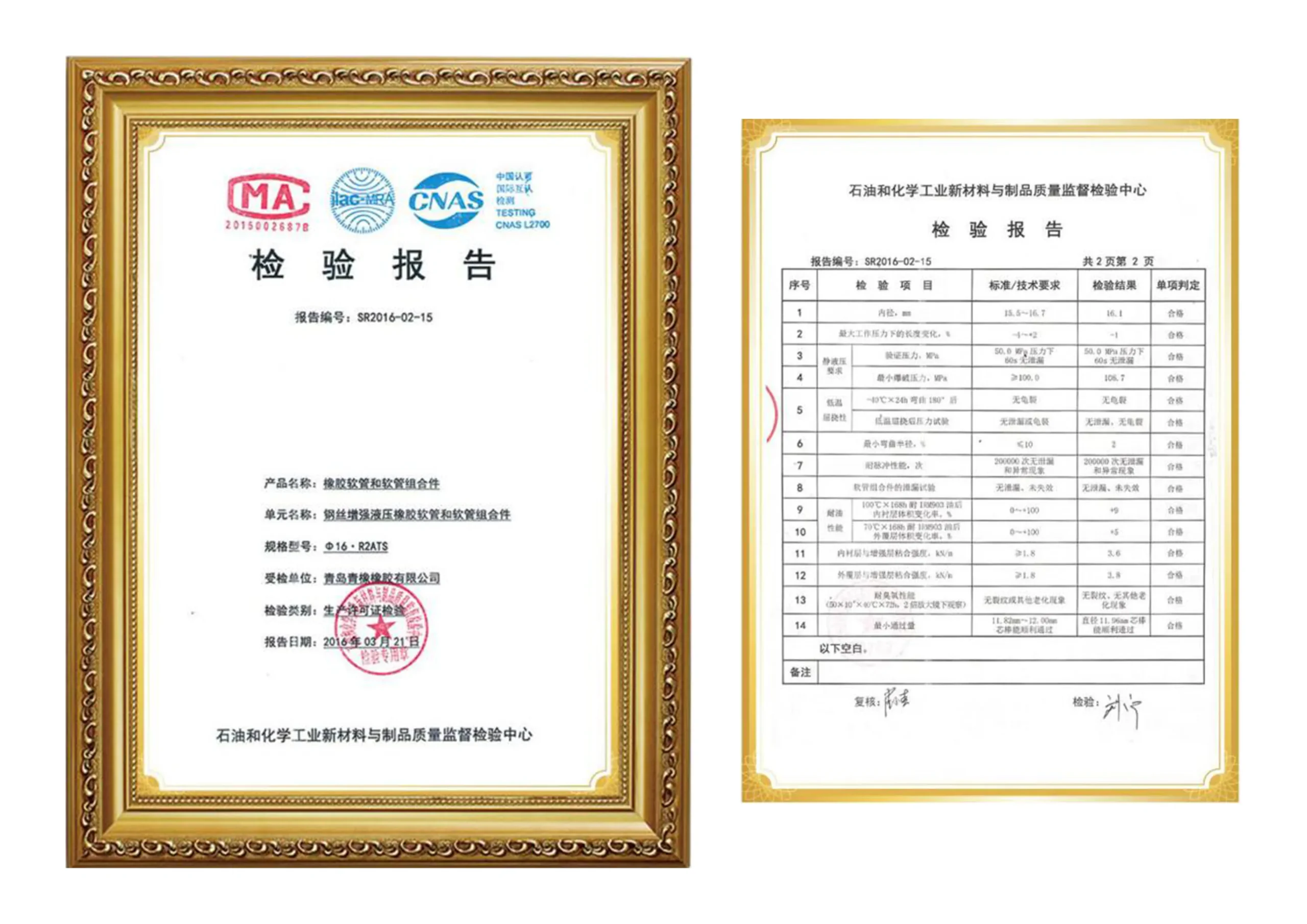
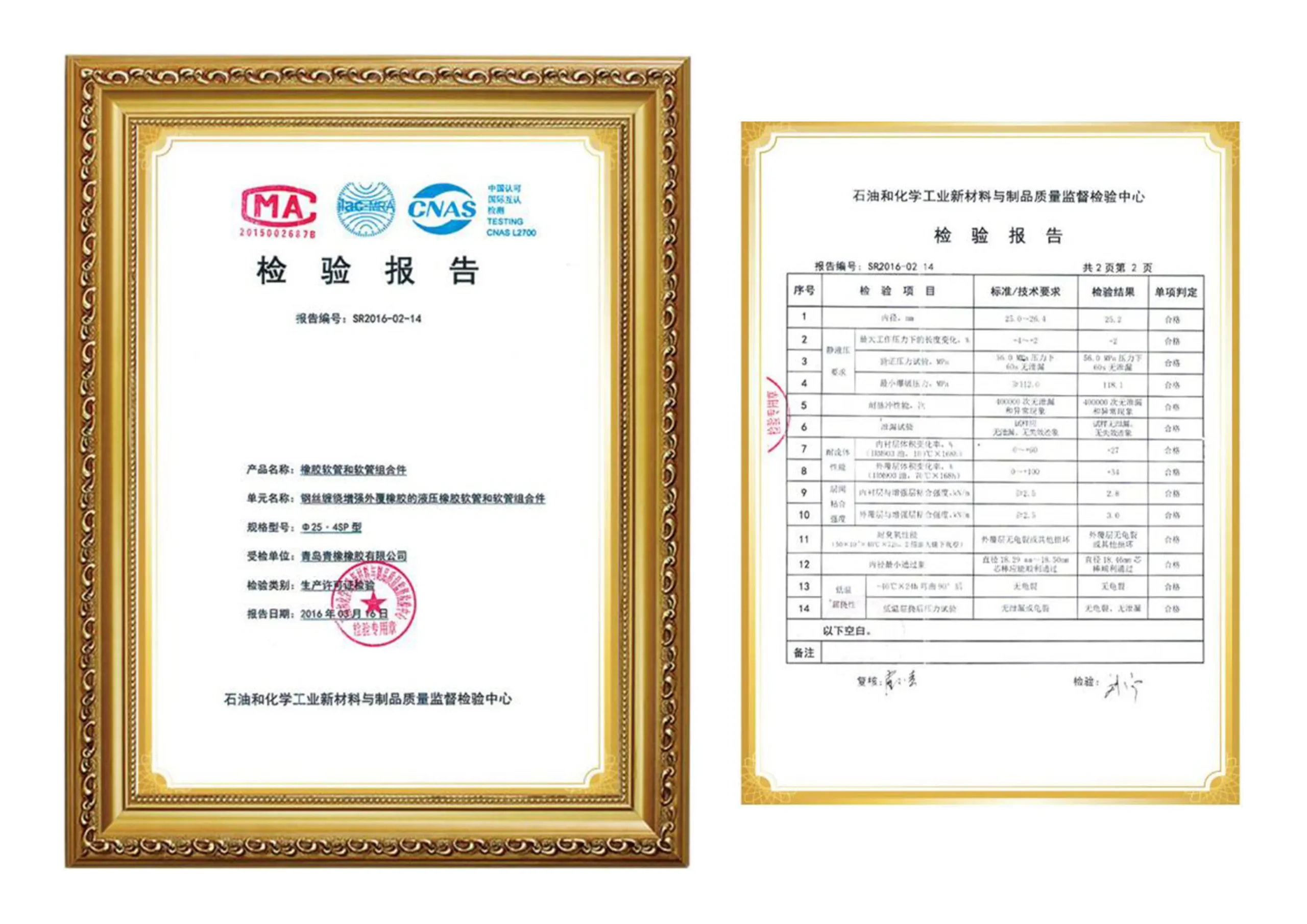
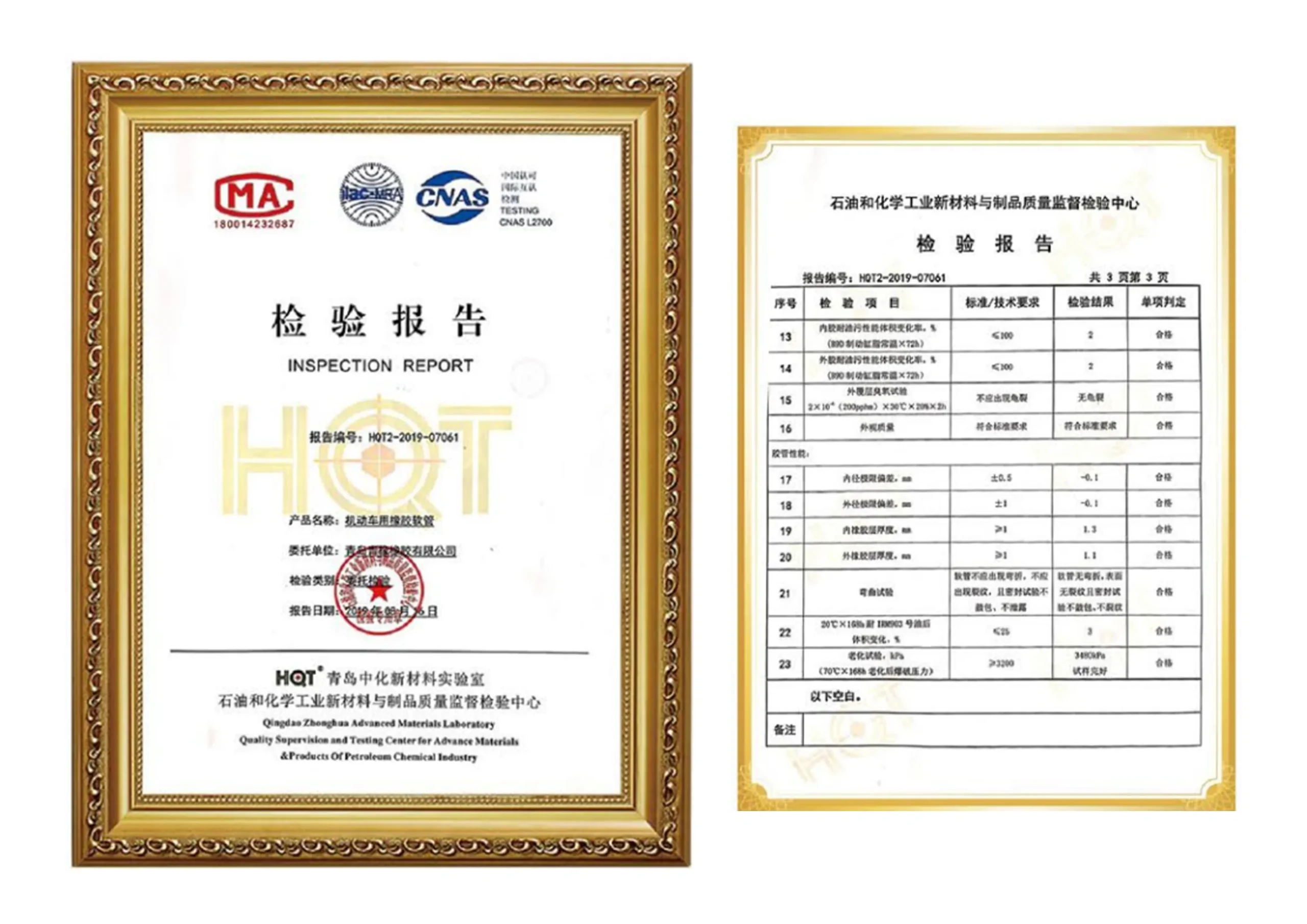
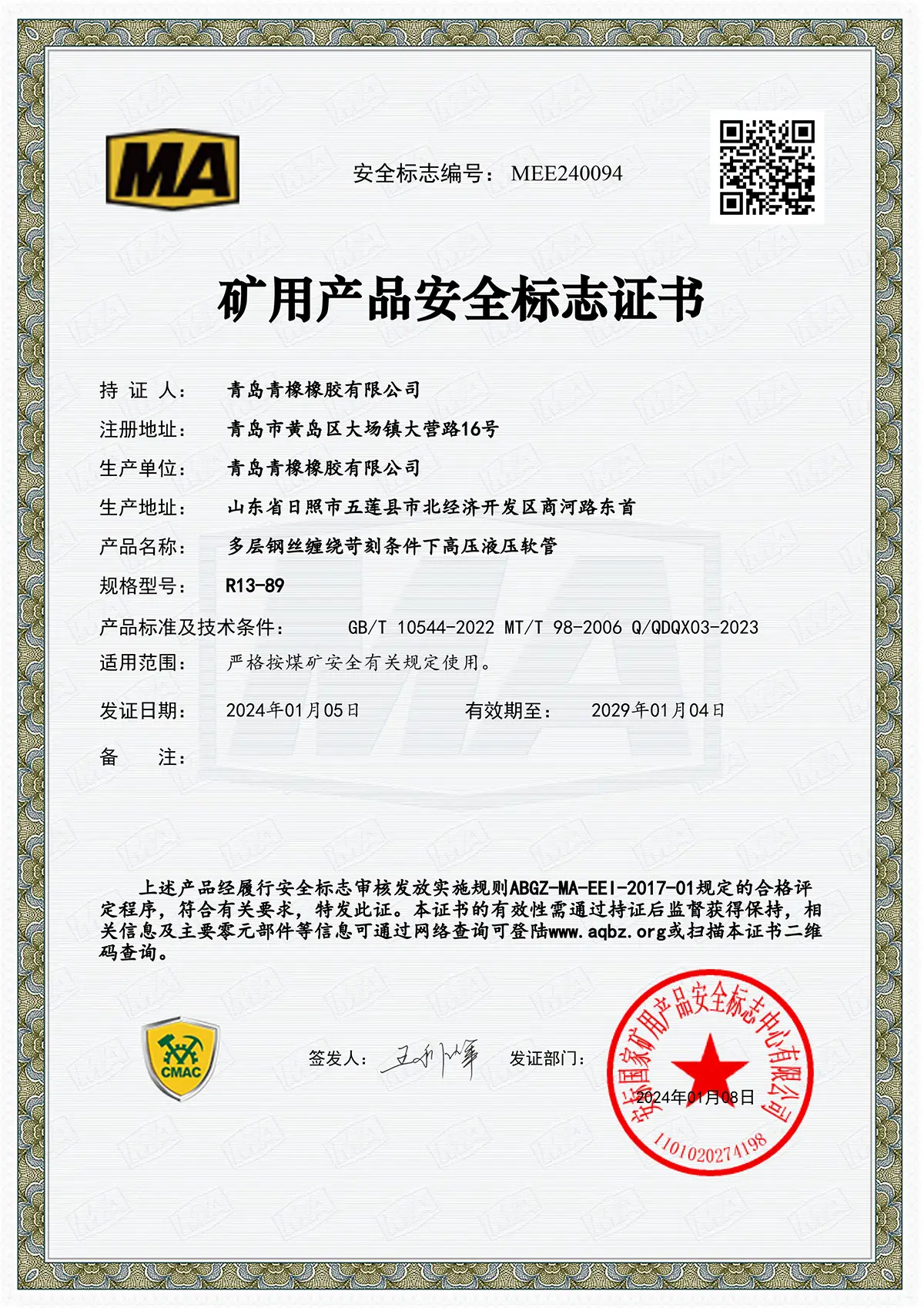
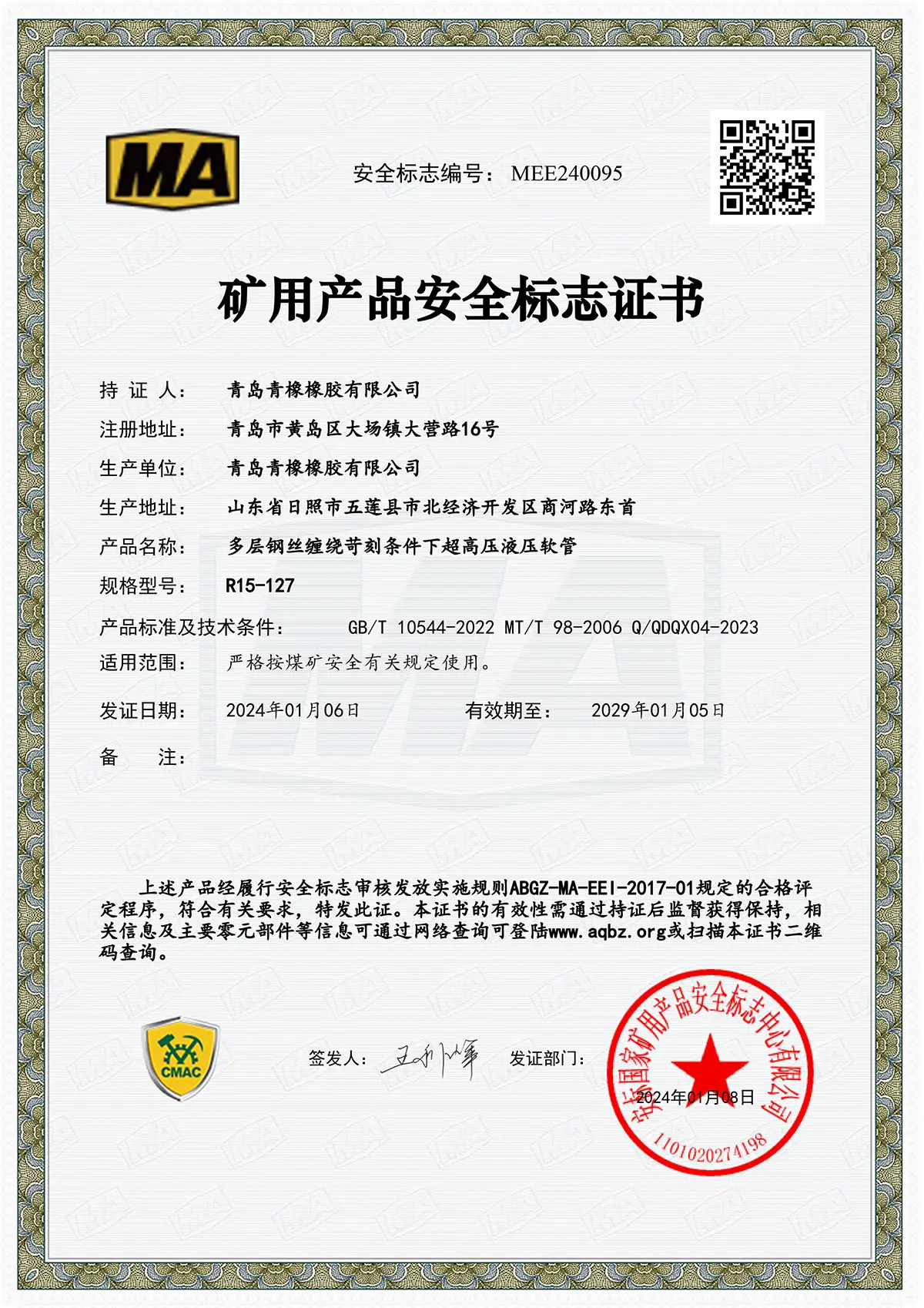
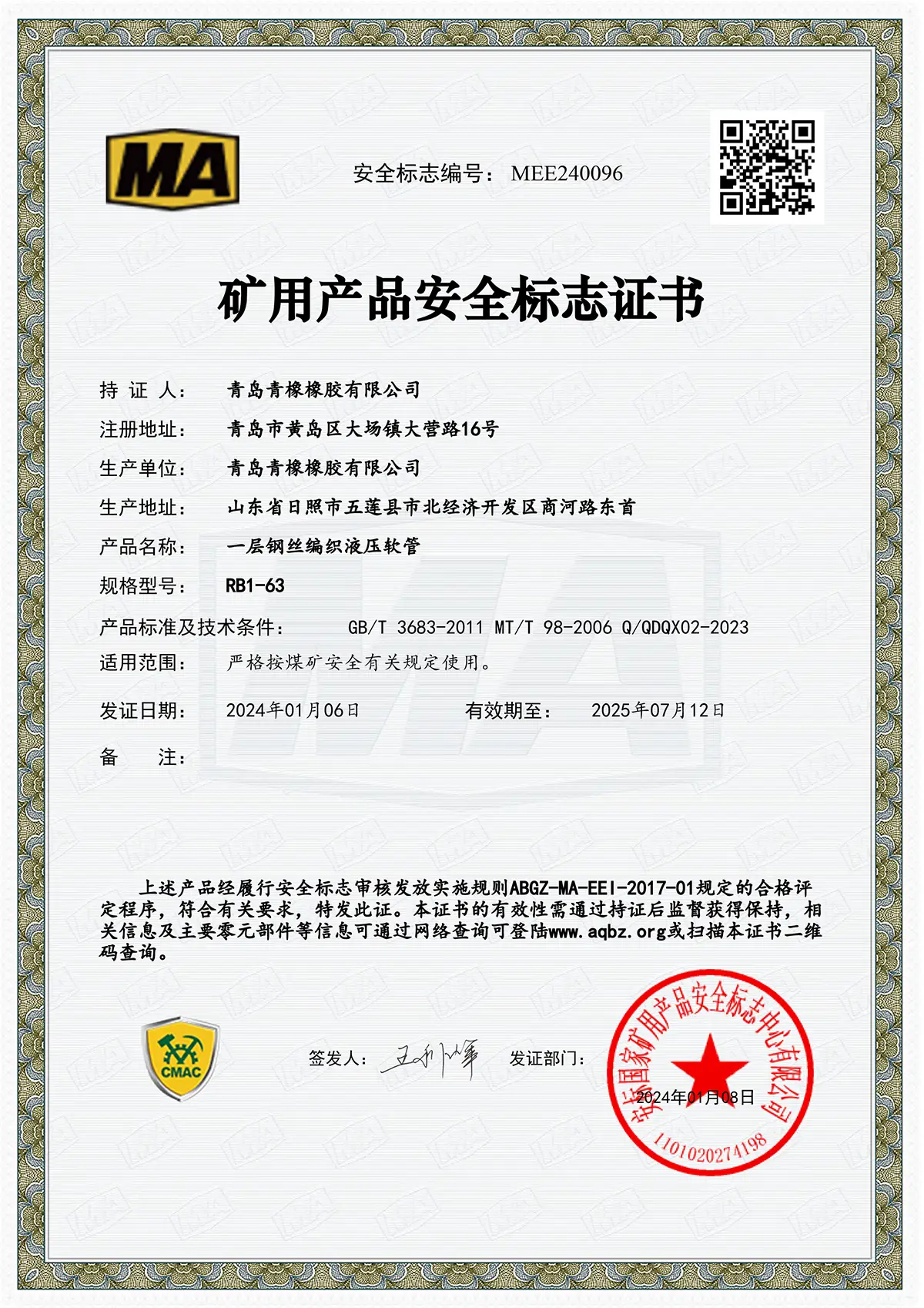
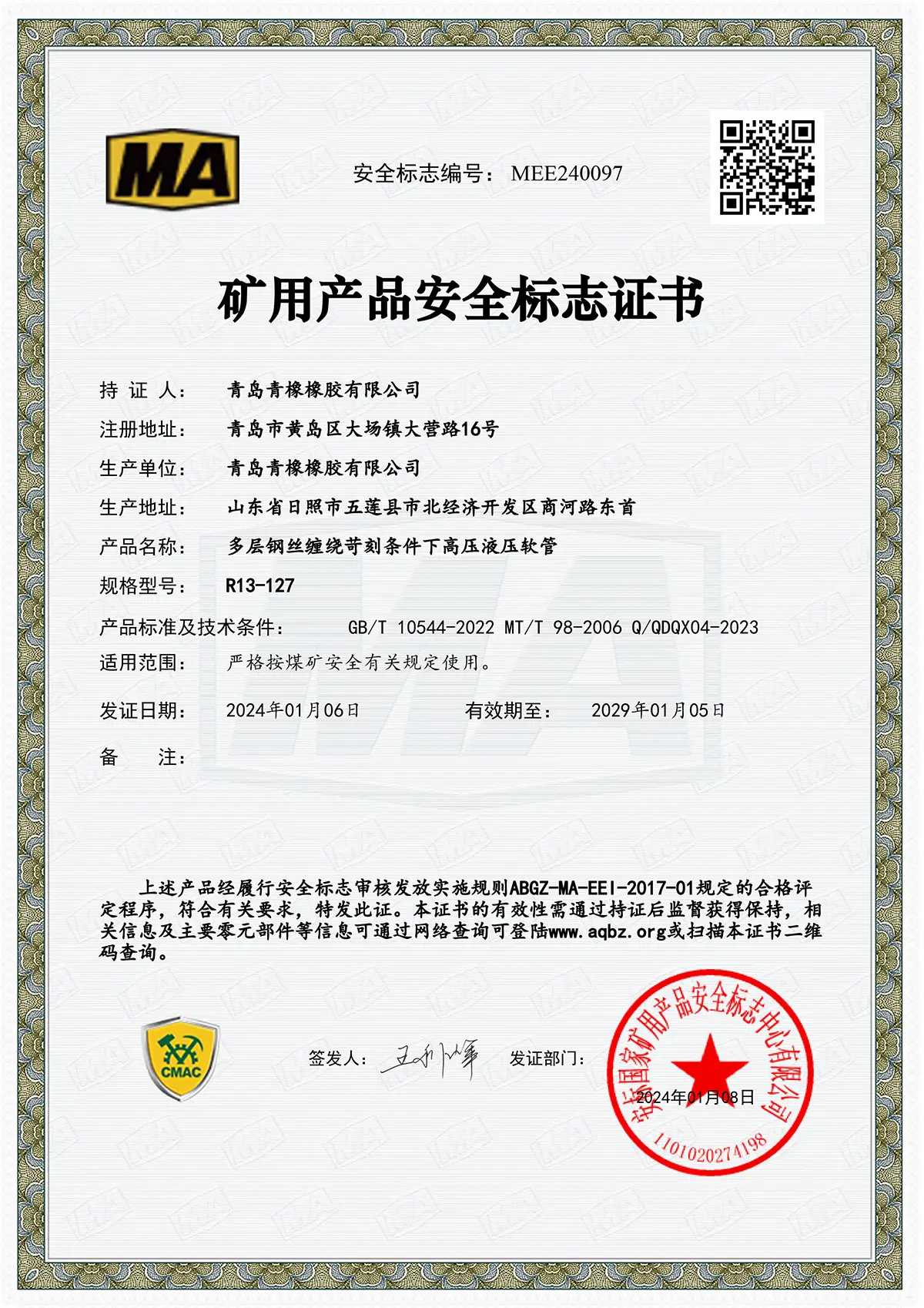
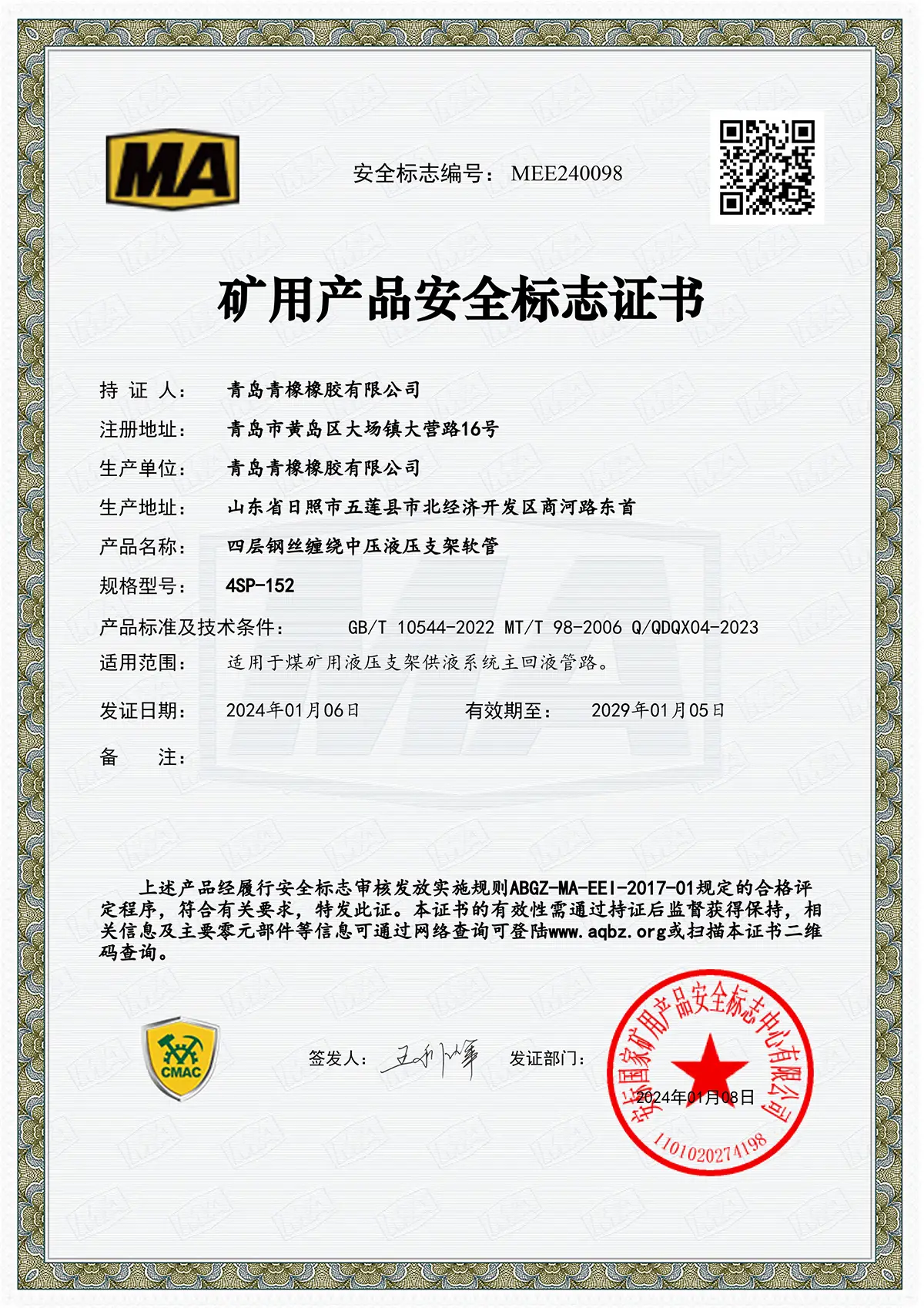
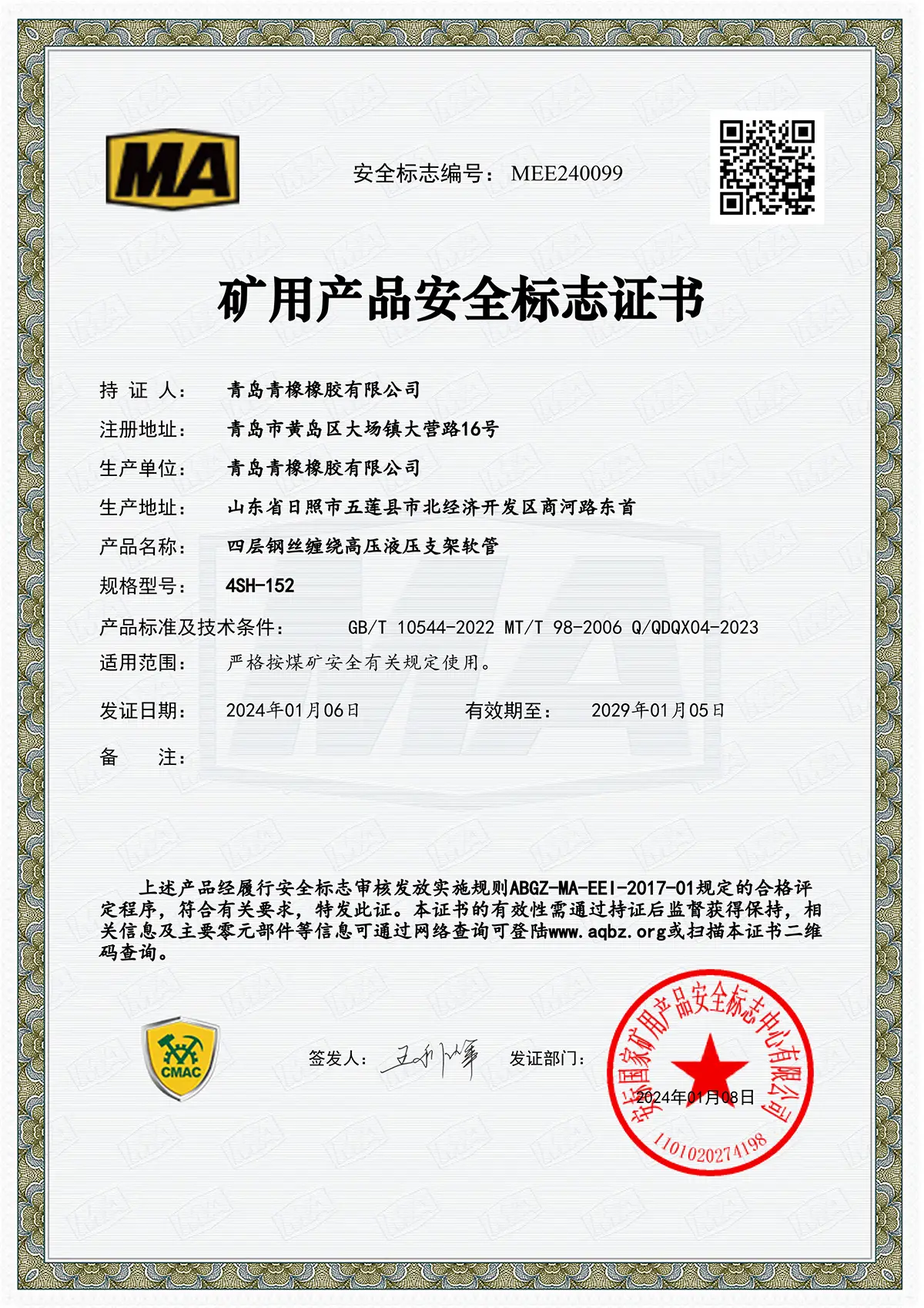
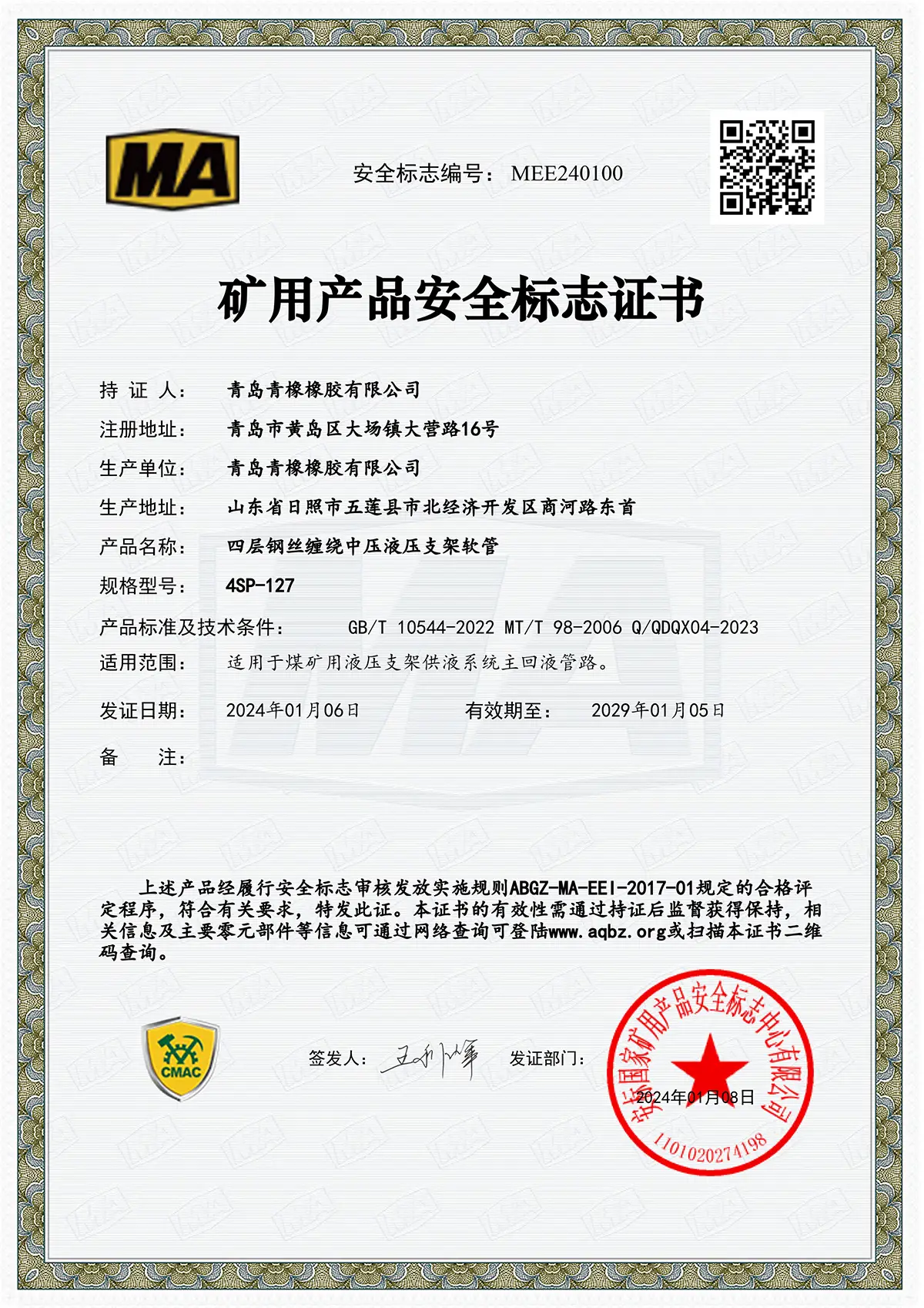
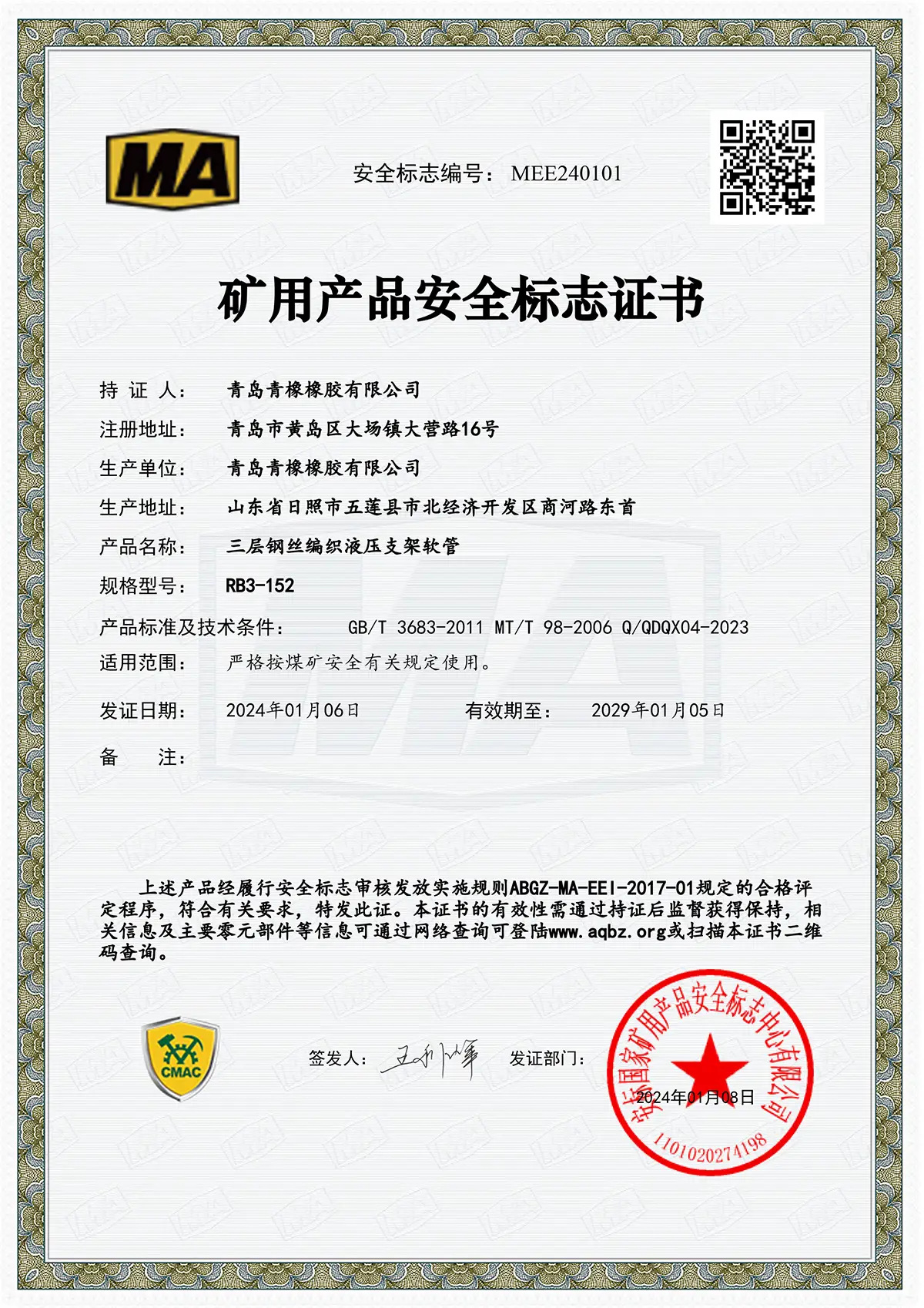
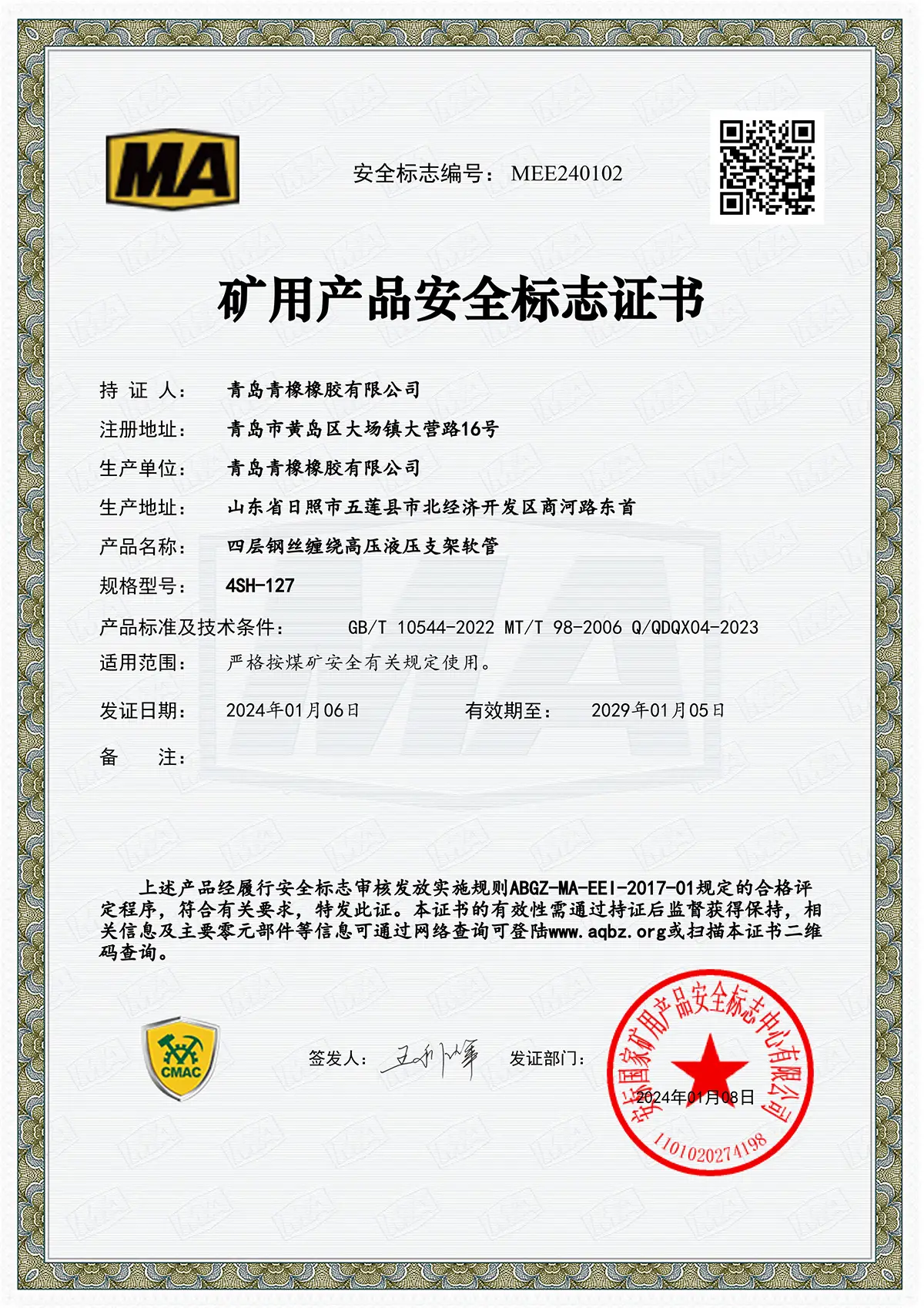
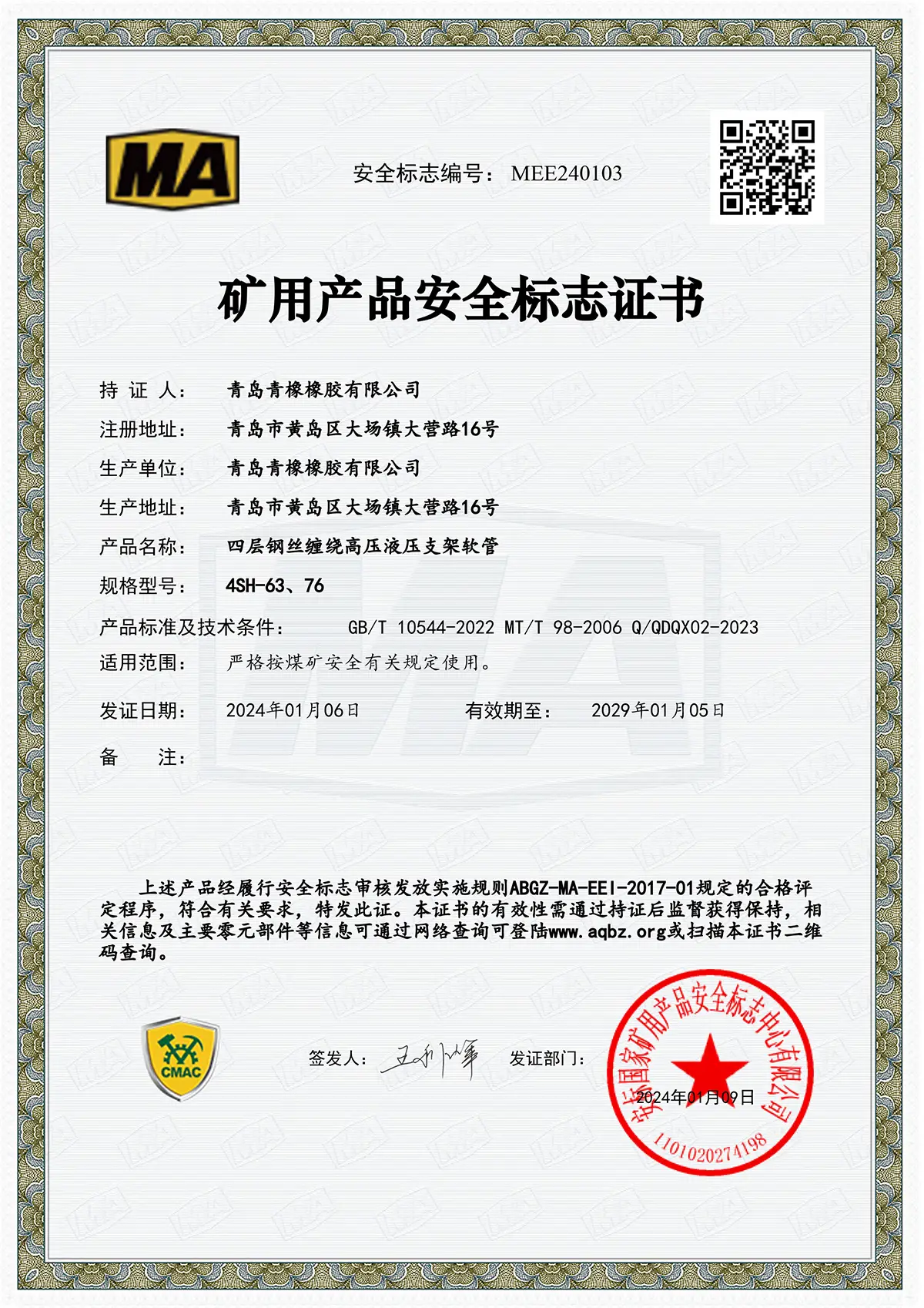
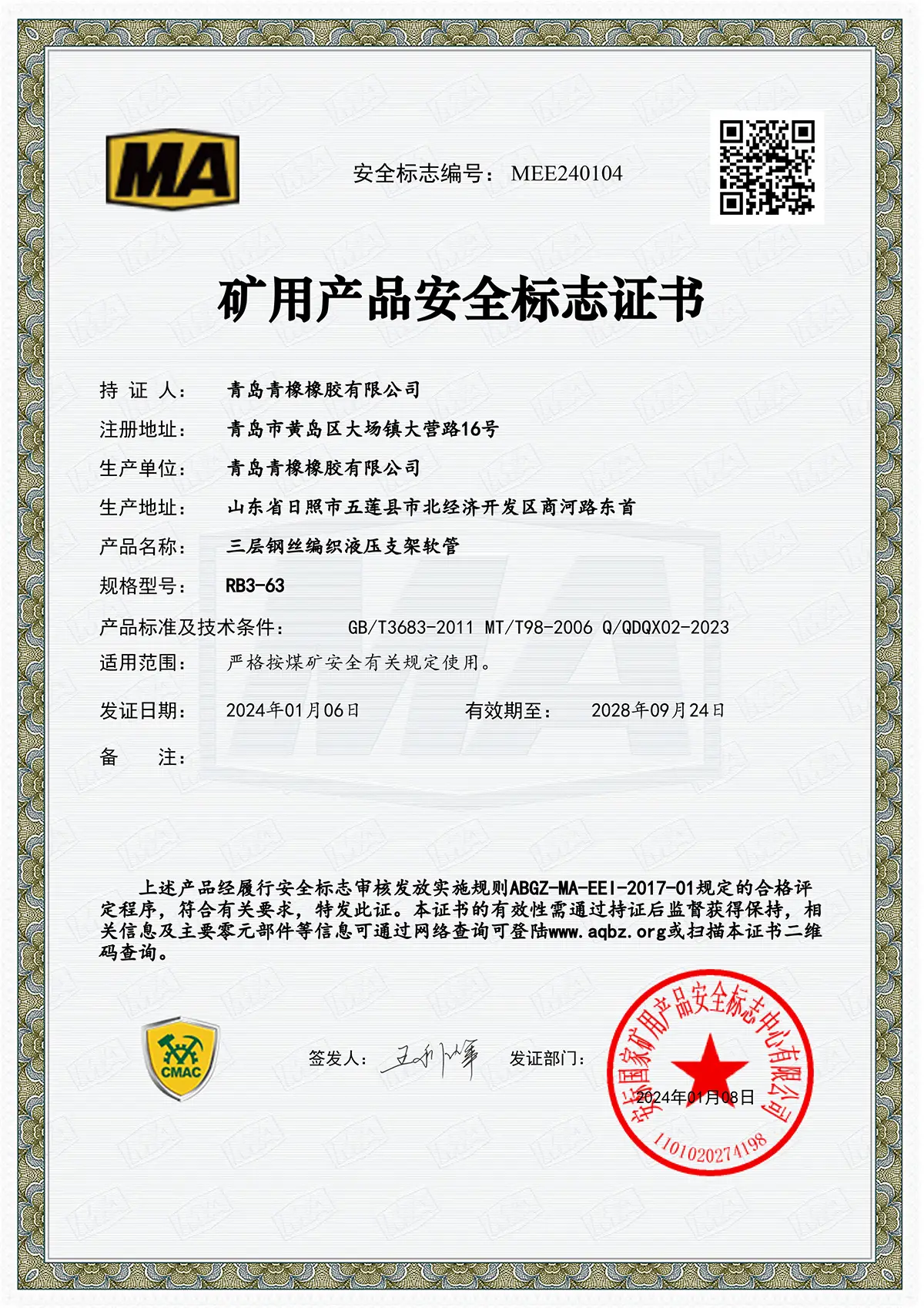
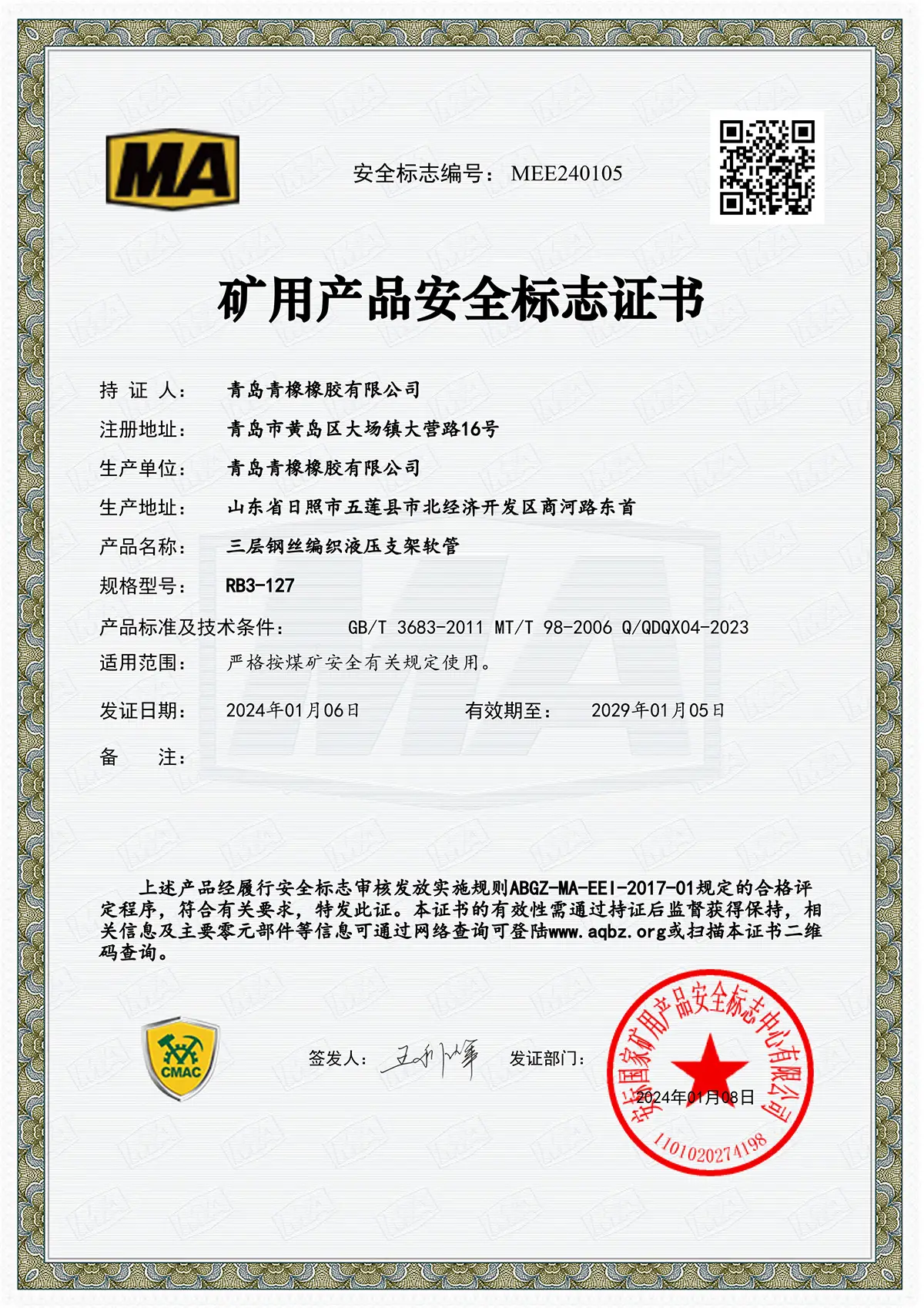
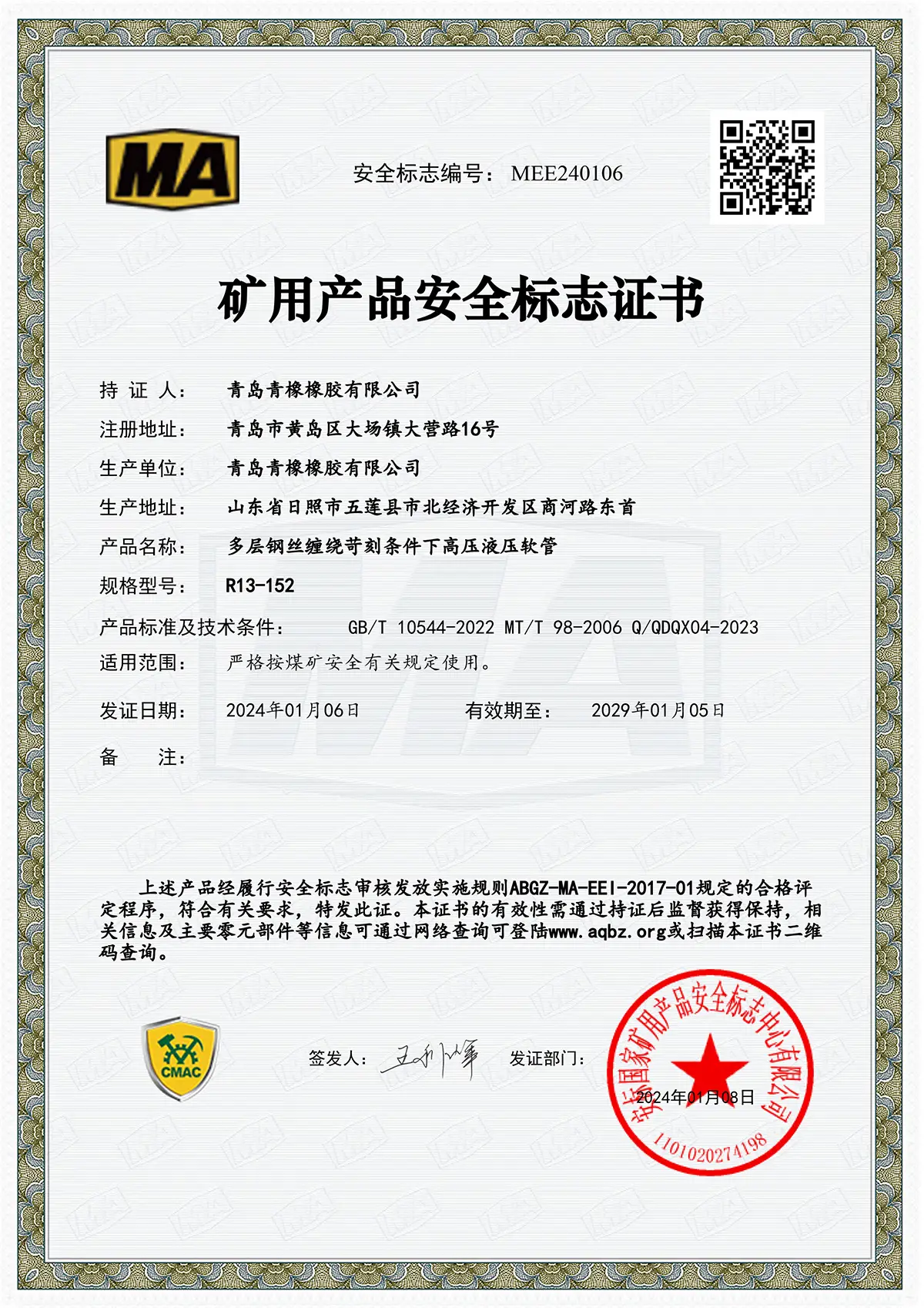
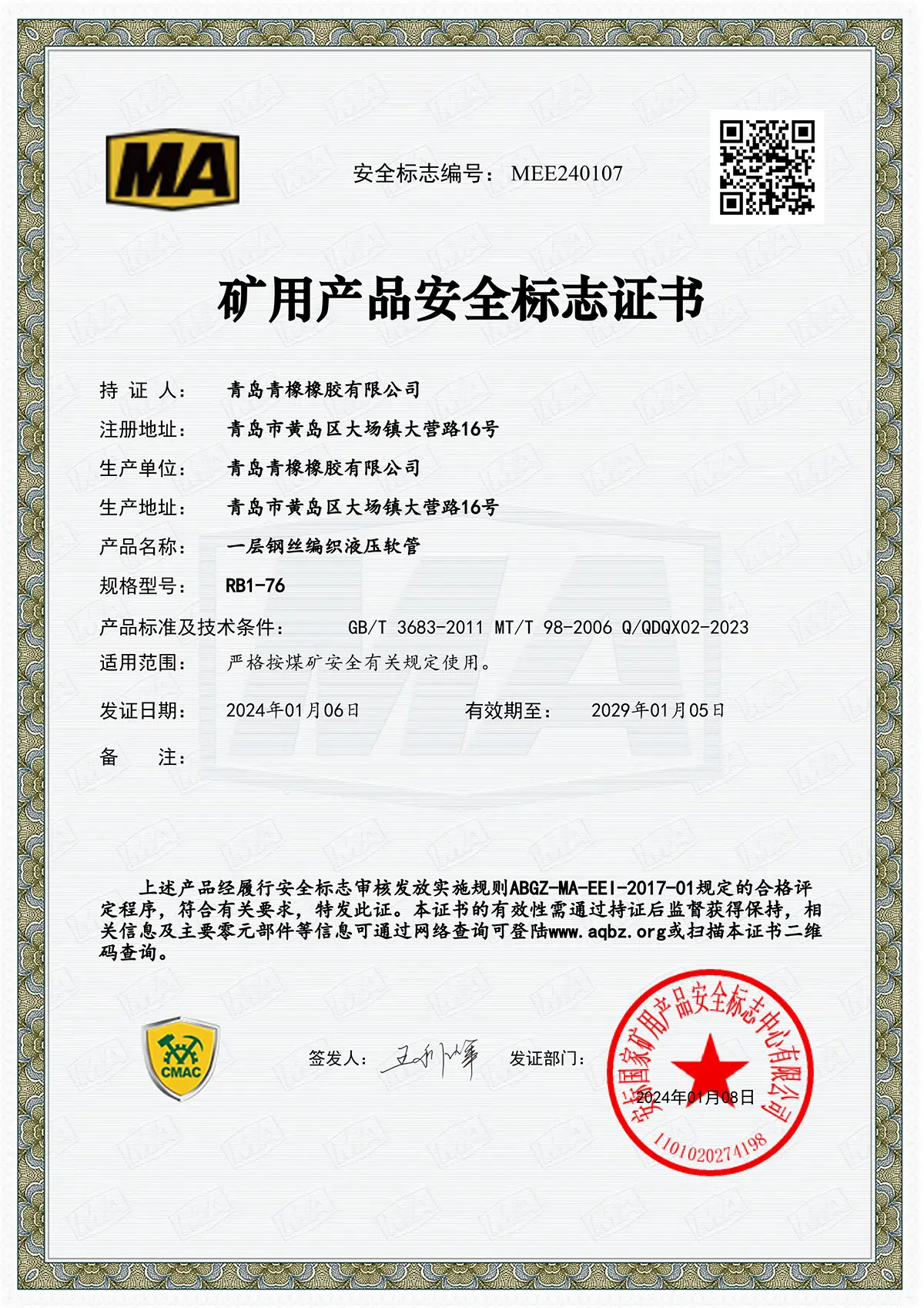
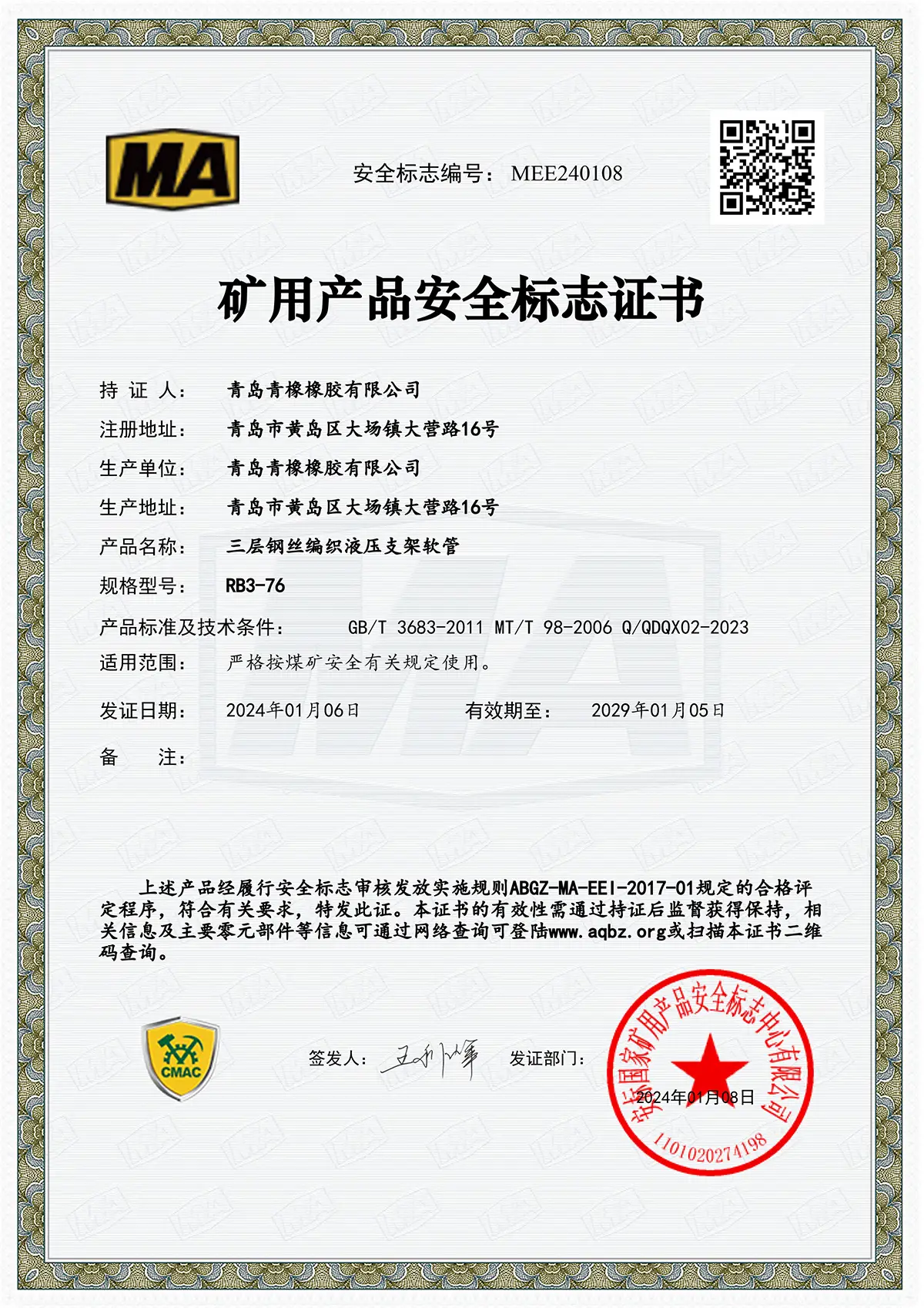
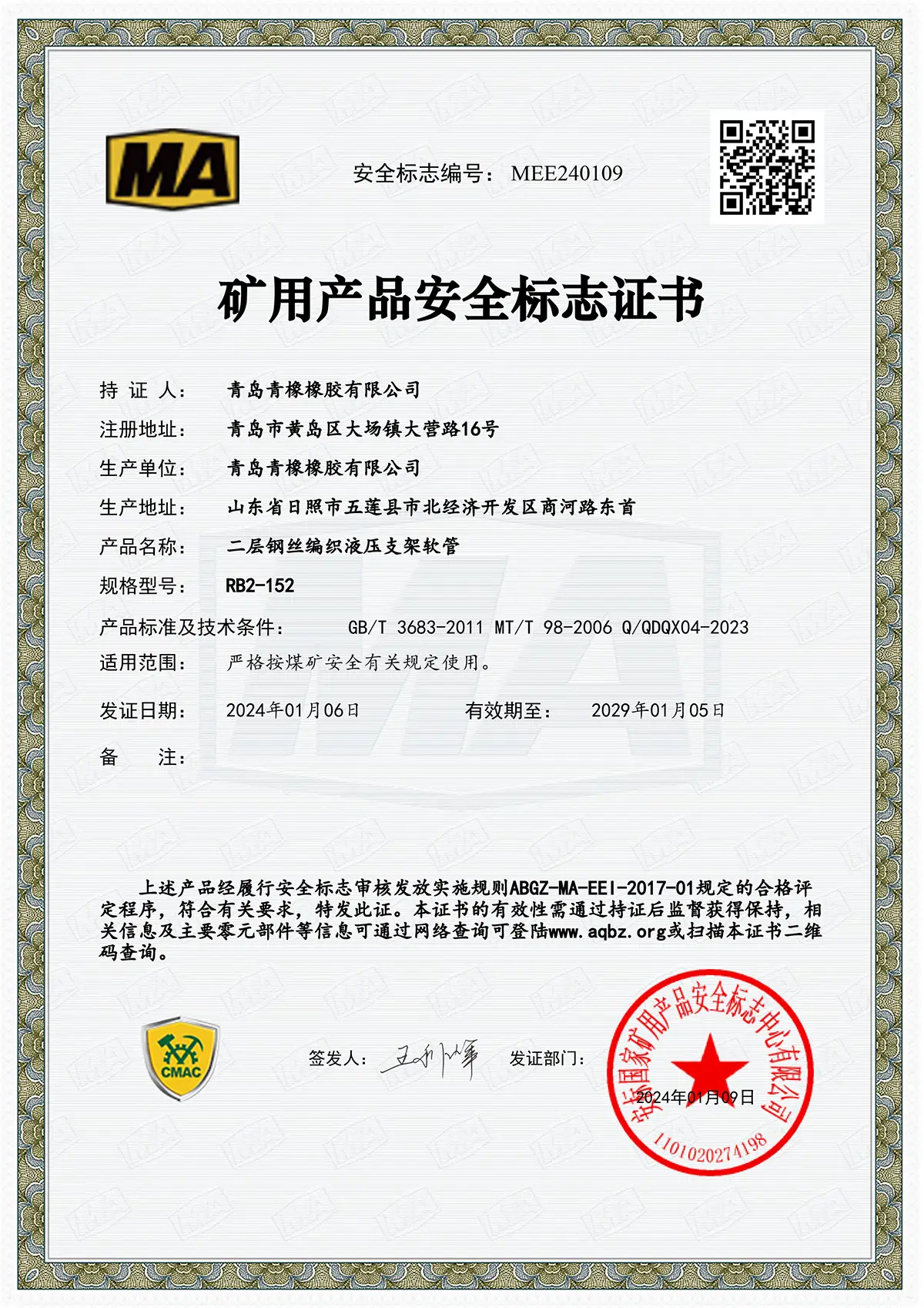
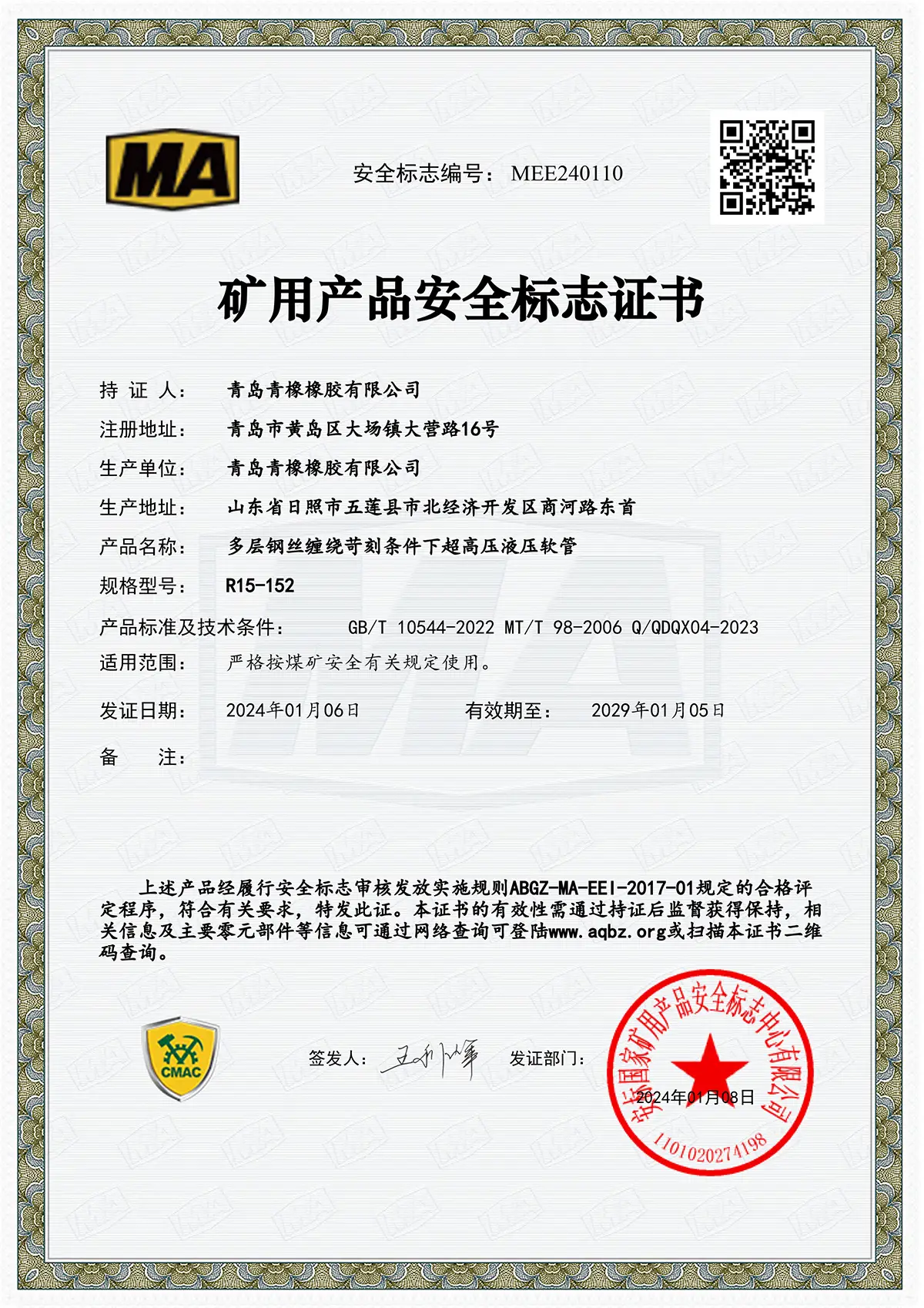
Production License for Industrial Products.jpg
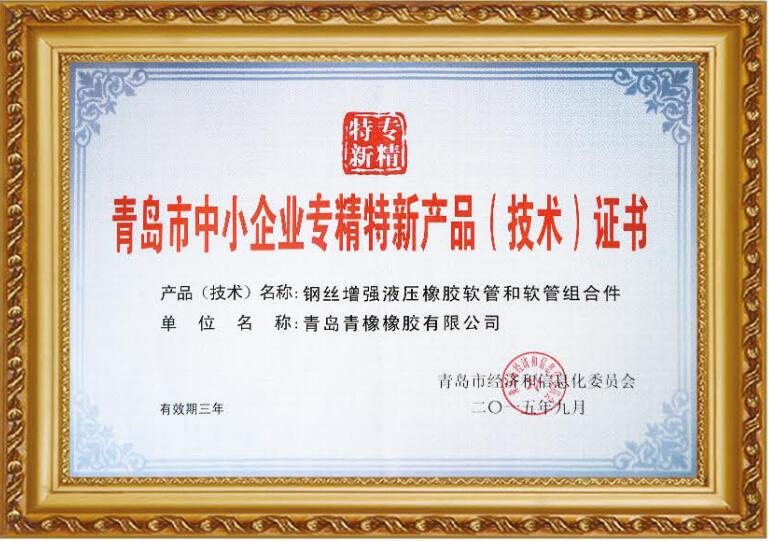
Qingdao Medium sized Enterprices for Special and New Product Technical Certification.jpg
It is a hose assembly whose tube, reinforcement, cover, couplings and seals have been selected and validated for a defined subzero service envelope. The rating must apply to the complete assembly and intended fluid—not only to a raw rubber compound.
Is -40°C automatically suitable for every Arctic operation?
No. Confirm the lowest cold-soak and start-up temperature, fluid temperature, pressure, movement, bend radius, wind exposure, connection materials and operating procedure. A nominal -40°C rating is only one part of the service envelope.
Can a standard API 7K hose be used at very low temperature?
Only when the selected model’s approved temperature range and documentation cover the intended condition. API documents require the purchaser and manufacturer to agree the operating temperature range and service requirements; the exact edition and FSL must be confirmed in the purchase specification.
Which tube material is best for Arctic oilfield service?
There is no universal best material. Modified nitrile, HNBR, UPE/UHMW-PE and thermoplastic constructions solve different combinations of oil resistance, abrasion, chemical compatibility, flexibility and temperature. Selection must be based on the actual compound and finished assembly.
How should low-temperature hose performance be tested?
The plan may include sub-ambient conditioning and bend/flex evaluation, pressure/leak testing, impulse or pulsation testing, fluid compatibility, dimensional inspection and coupling verification. Use the applicable product standard, purchase specification and an agreed supplemental low-temperature method where needed.
How should oilfield hose be stored during winter?
Store it in a cool, dry, dark area away from heat, sunlight, ozone, solvents and corrosive fumes. Keep caps in place, support the hose without stress, respect the minimum bend radius, avoid hanging heavy coils from hooks and manage stock first-in, first-out.
What should be checked after a hose has cold-soaked outdoors?
Inspect the cover, coupling area, guards, seals and routing before pressurization. Do not force tight bends, drop the assembly or remove ice with sharp tools or uncontrolled heat. Follow the approved conditioning and start-up procedure.
What information is required for an Arctic-service hose quotation?
Provide hose application, minimum ambient/start-up temperature, fluid and temperature, working and surge pressure, ID and length, movement, bend radius, end connections, applicable standard/FSL, external exposure, quantity, destination and documentation requirements.
Get Quick Response
Send your Arctic operating conditions, connection drawing and documentation requirements. Alienfrac will review the complete assembly and return a configuration for technical approval.