Petroleum Hoses

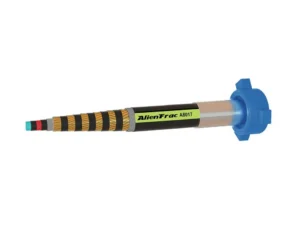
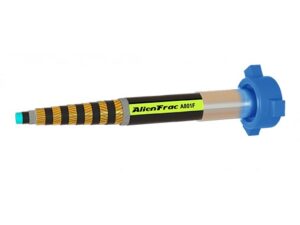
Petroleum hoses move oil, fuel, and crude across drilling sites, tank trucks, and transfer lines every day. At Alienfrac, we manufacture petroleum hoses with tough rubber, strong reinforcement, and reliable couplings that hold up in real field work. Need a dependable supply? Request a petroleum hoses quote from Alienfrac.

Comprehensive Range of Petroleum Hose Products

Petroleum Transfer Hose

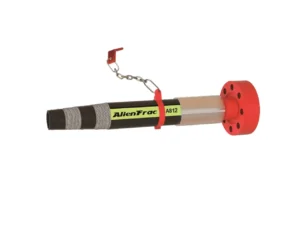
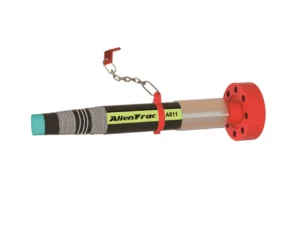
Petroleum Transfer Hose handles gasoline, diesel, crude oil, and other fuels in petroleum transfer systems and industrial oil lines. Tough oil-resistant rubber and strong reinforcement help keep fuel moving safely and reliably.

Fuel Dispenser Hose​

Fuel Dispenser Hose carries gasoline, diesel, and ethanol blends from fuel pumps to vehicles at gas stations. Flexible NBR rubber or thermoplastic construction handles daily fuel dispensing while maintaining durability and easy handling.

Aircraft Refueling Hose

Aircraft Refueling Hose is designed for safe aviation fuel transfer in airport systems and fueling trucks. With an inner conductive wire and smooth inner tube, it prevents contamination and static buildup, ensuring clean, efficient fueling of aircraft.

Tank Truck Hose

Tank Truck Hose is built for transferring petroleum products between transport trucks. Reinforced with synthetic fiber or steel wire, these medium-pressure rubber hoses ensure safe suction and discharge for fuel and oil handling.
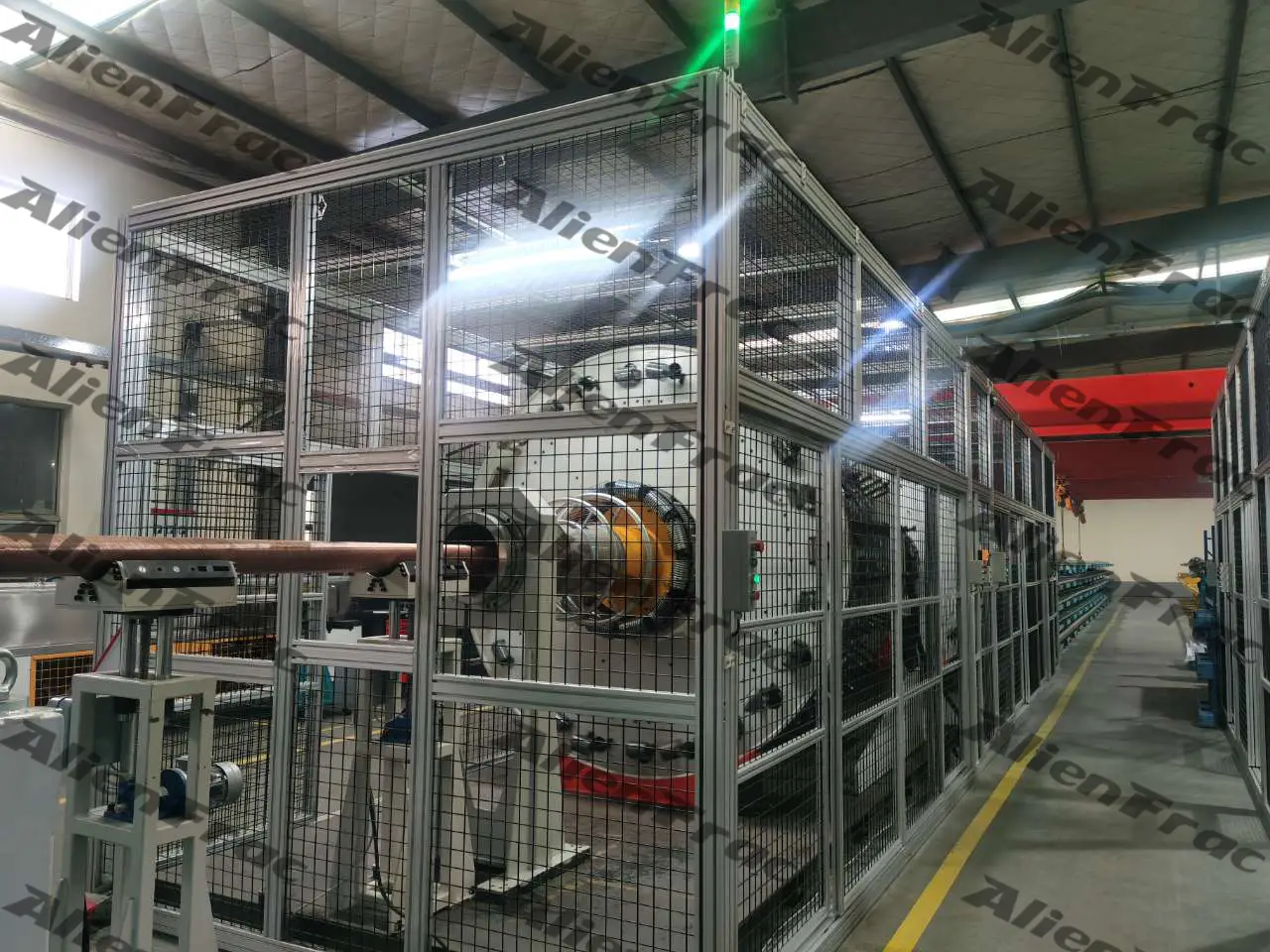
Large winding machine.webp

Advanced Petroleum Hose & Solutions

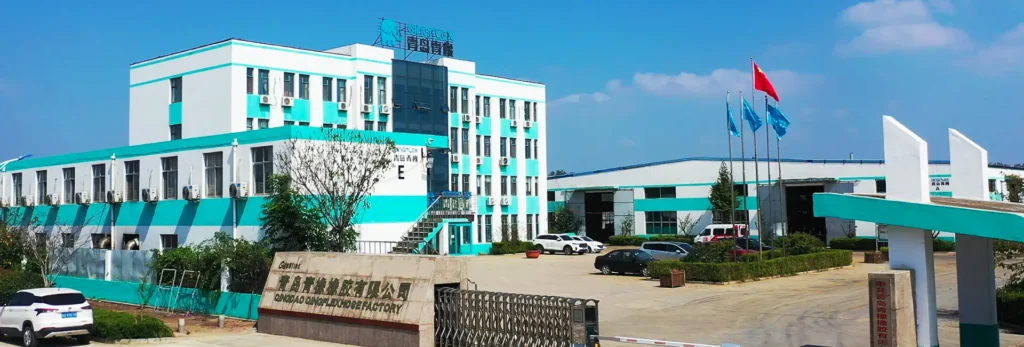
Qingdao Qingflex Hose Factory, founded in 2008, boasts a formidable production capacity and focuses on R&D and production of built-in and crimped high-pressure oilfield hoses.

With cutting-edge technology and modern machinery, we manufacture AllienDrill hoses, including API 7K Cement Hose, Rotary Drilling and Vibrator Hose, API 16C Choke and Kill Hose, and API 16D BOP Control Hose, powering oilfields worldwide.

Why Choose QingFlex as Your Petroleum Hose Manufacturer

Advanced Manufacturing Equipment

Efficient German and American weaving, winding and spiral machines, UNIFLEX crimping, cooling system, innovative large-scale hose machines, industry-leading.

High Production Capacities

Our factory boasts extremely high production capacities, manufacturing a range of hoses, including large-caliber wire-wrapped oil drilling hoses at 1000 meters per day and hydraulic hoses at 120,000 meters per day.

Reliable Quality

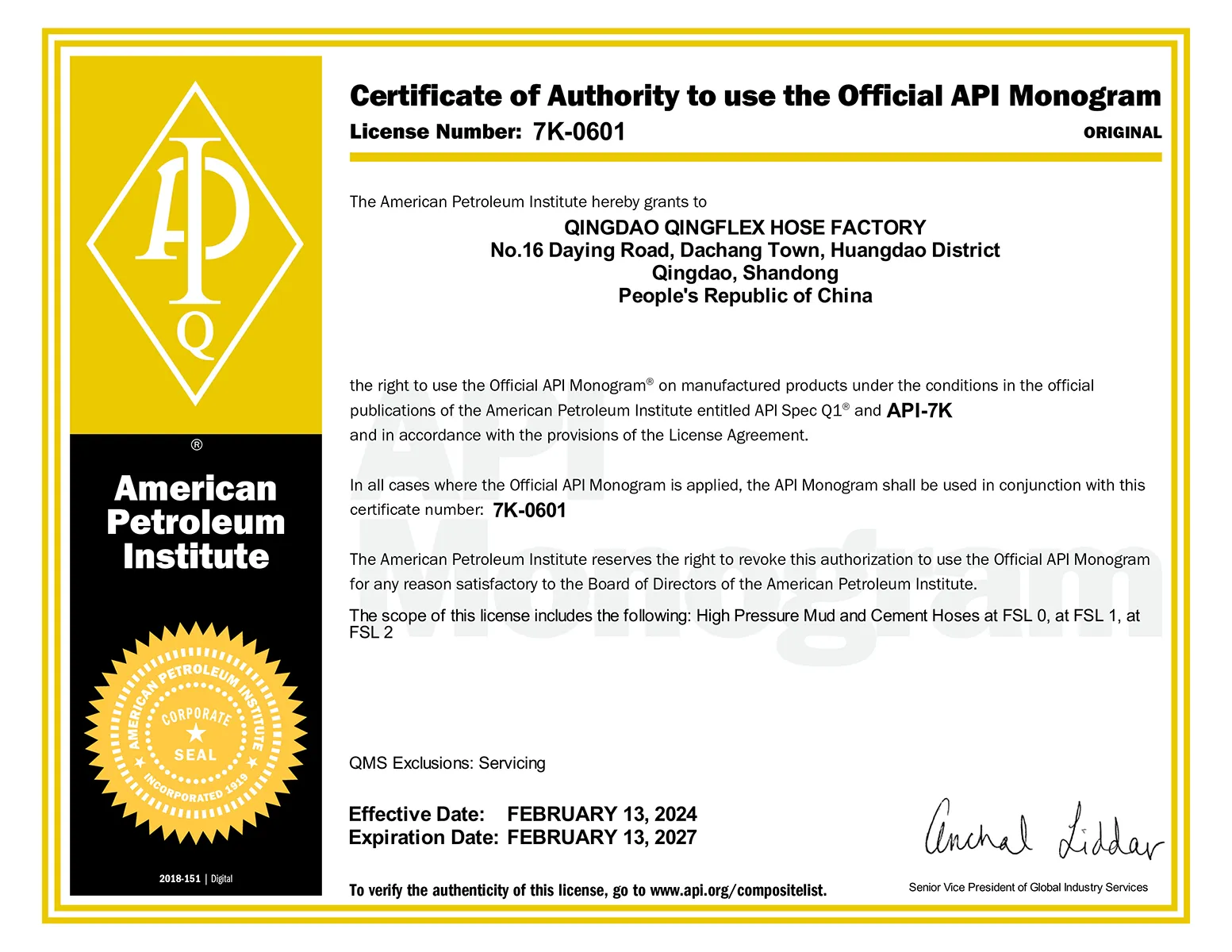
Our company proudly possesses certifications from DNV MED, CCS, ABS, and API, underscoring our unwavering commitment to delivering products of exceptional quality and reliability.

Oilfield Hoses manufacturer Qingflex.webp

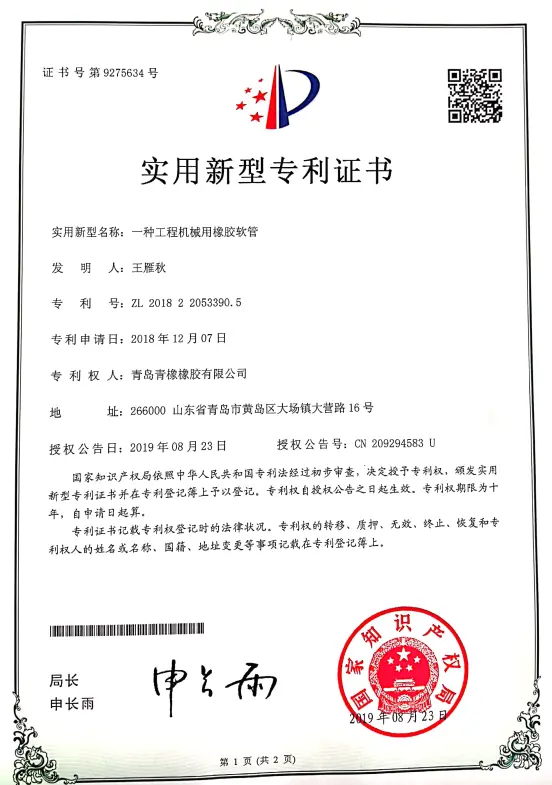
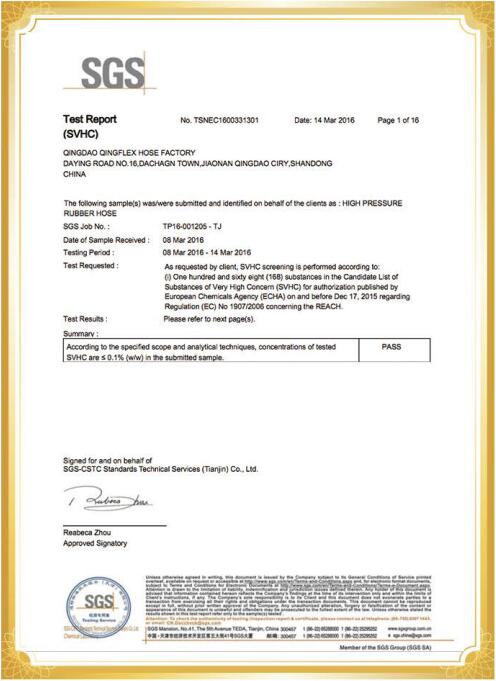
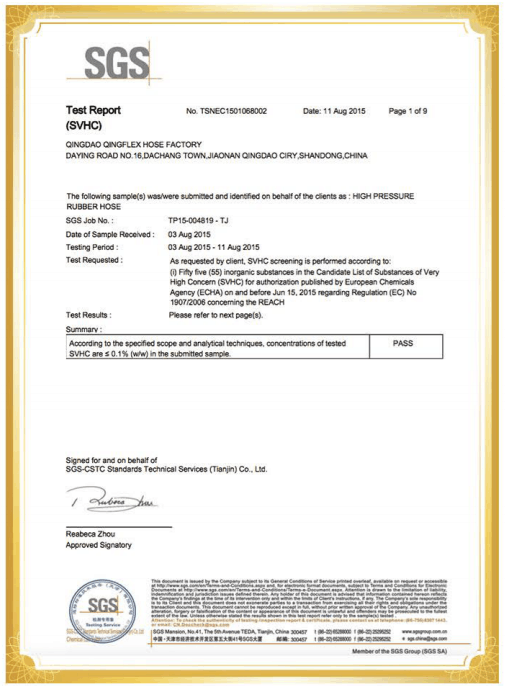
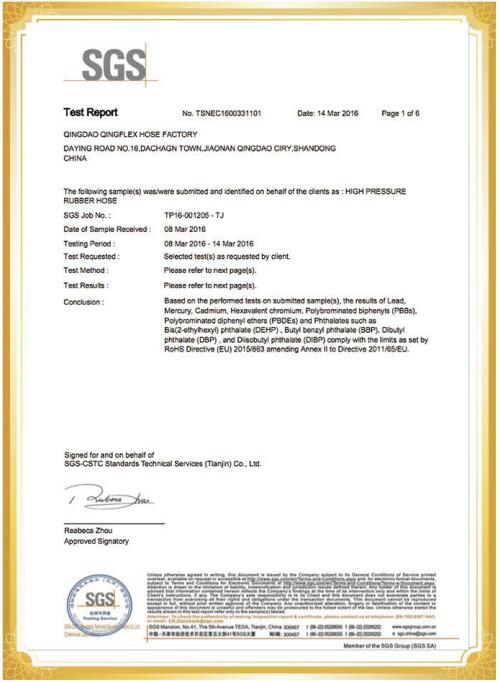
Certificates

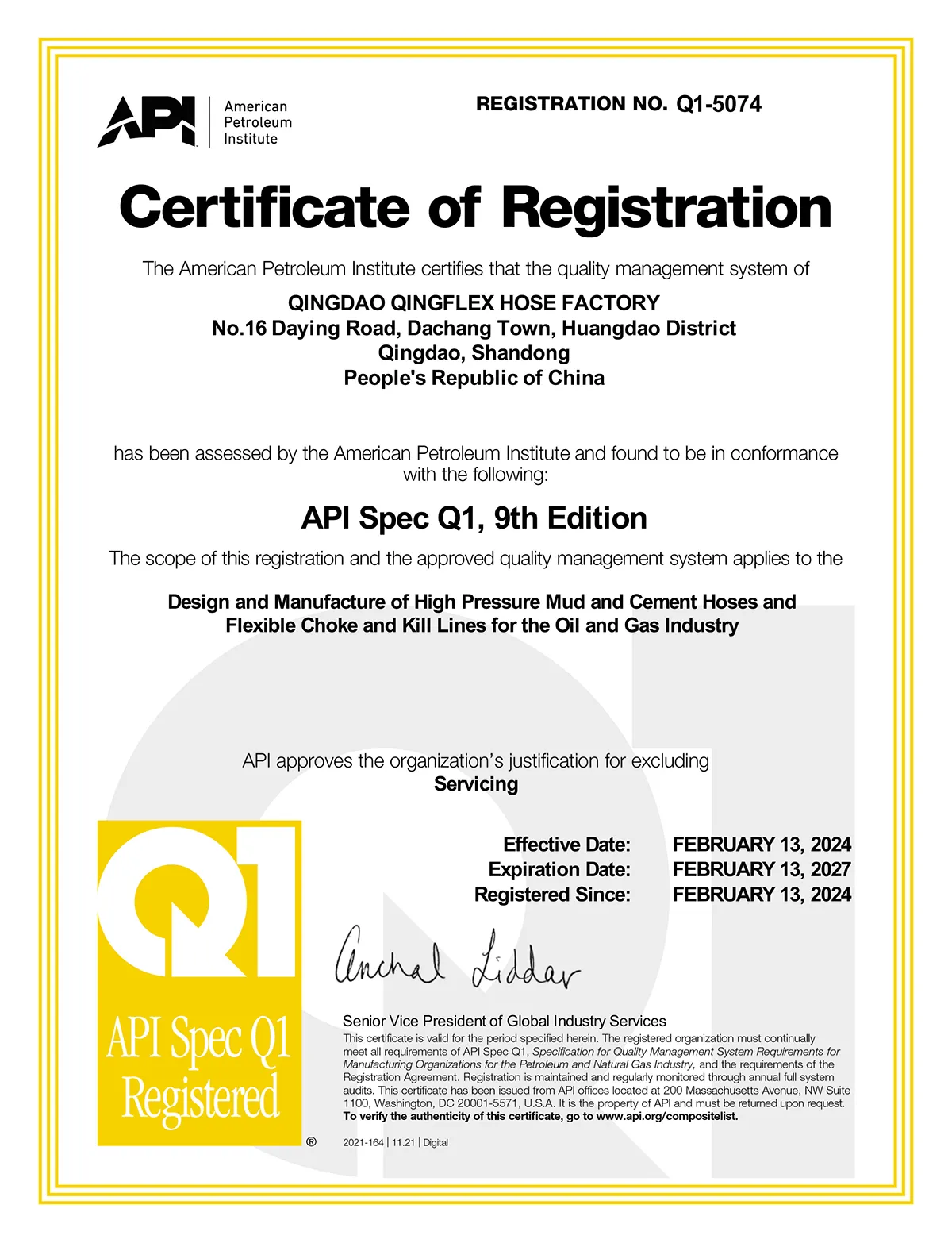
Certificate API Q1 Monogram.webp
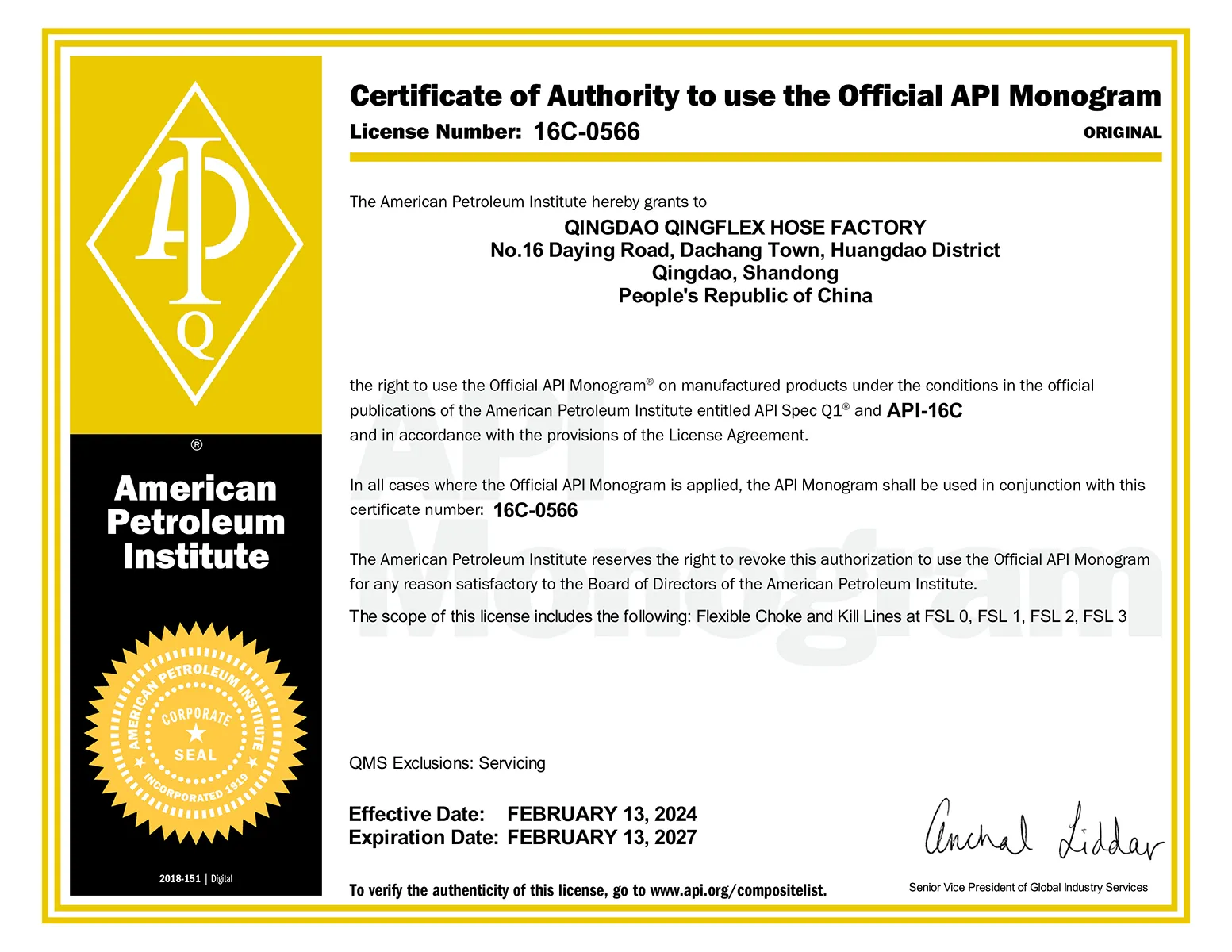
Certificate API 16C Monogram.webp
Certificate API 7K Monogram.webp
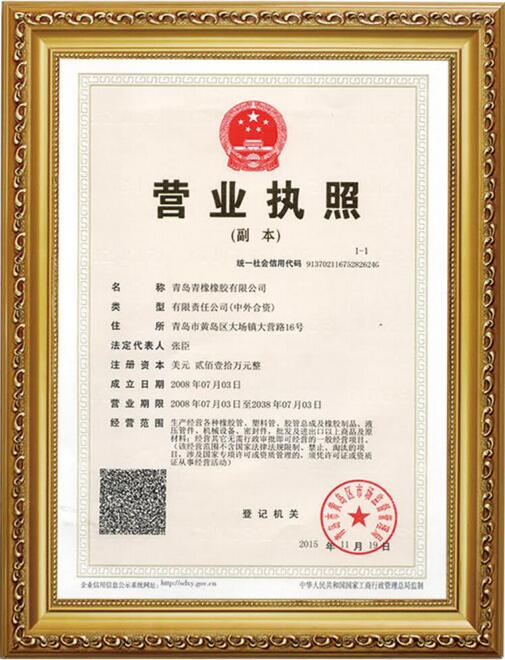
Business License.jpg
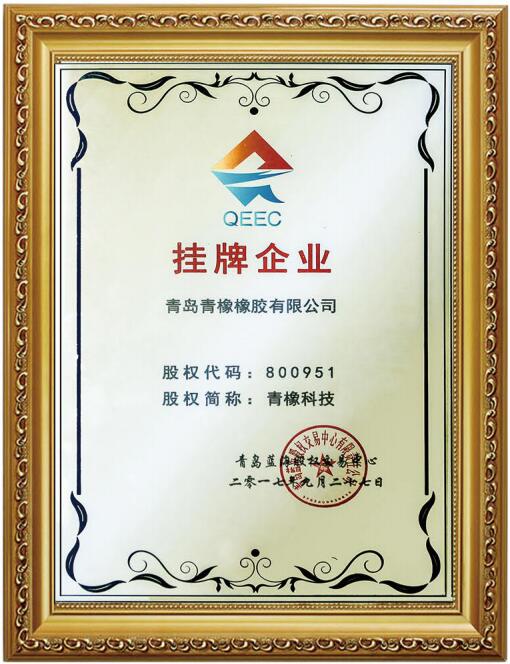
Listed Enterprise.jpg
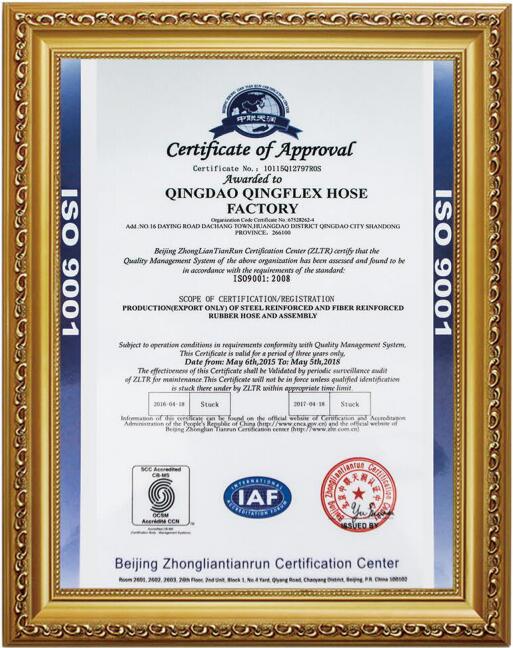
ISO 9001.jpg
ISO 9001.jpg
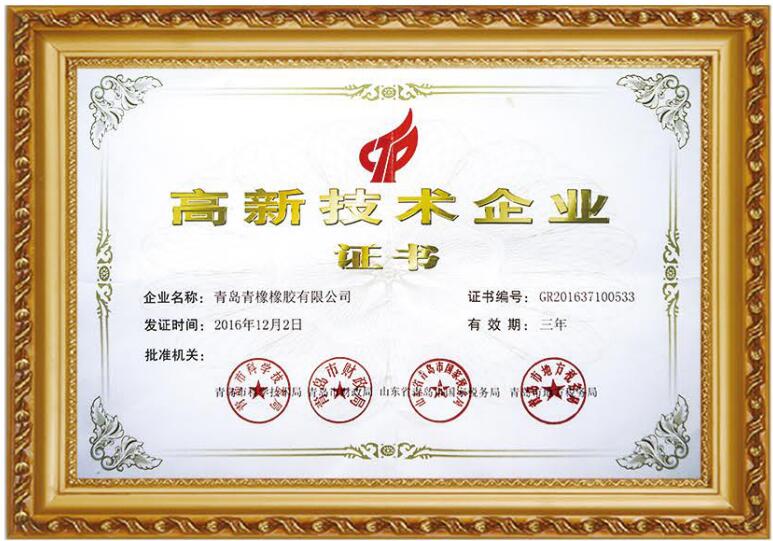
New High Tech Enterprise.jpg
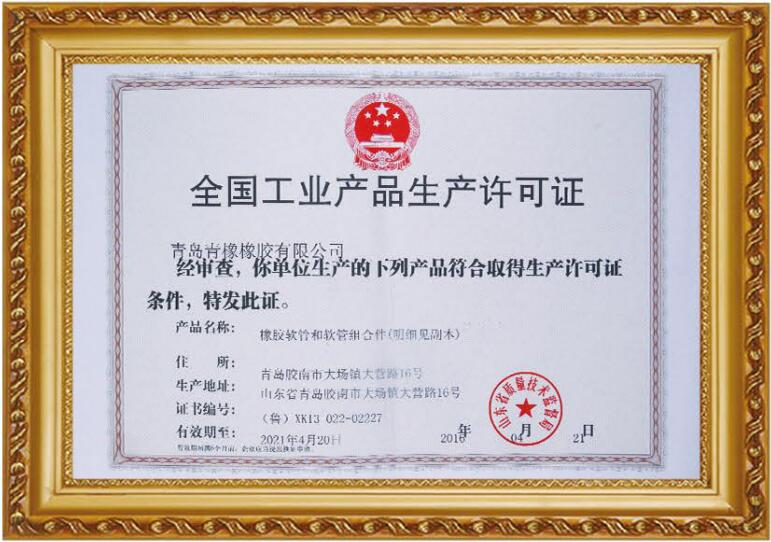
Production License for Industrial Products.jpg
Qingdao Medium sized Enterprices for Special and New Product Technical Certification.jpg
Qingdao Certificated Enterprise Technology Center.jpg
Famous Brand Certification.jpg
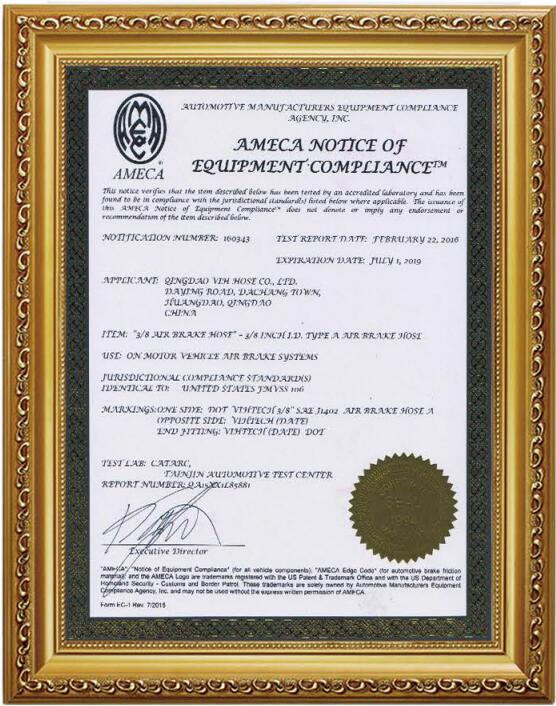
AMECA Certification.jpg
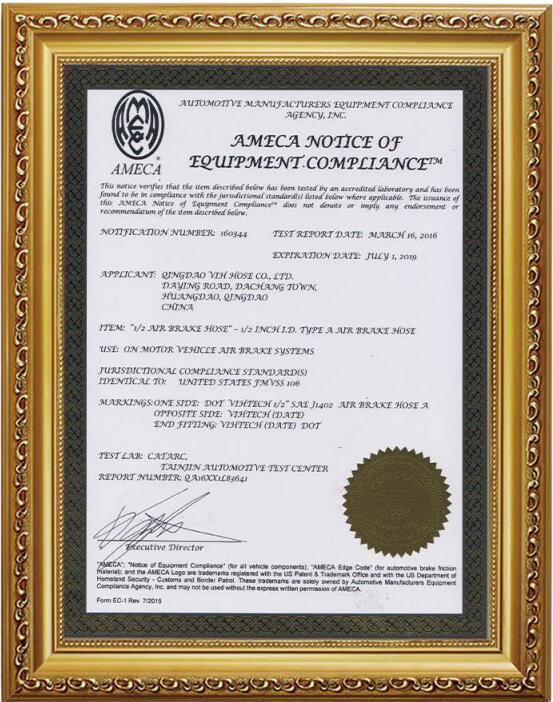
AMECA Certification 2.jpg
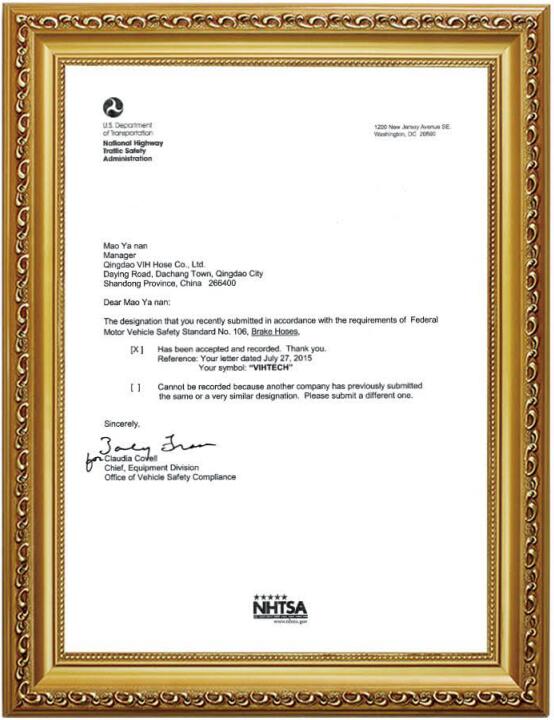
DOT Certification.jpg
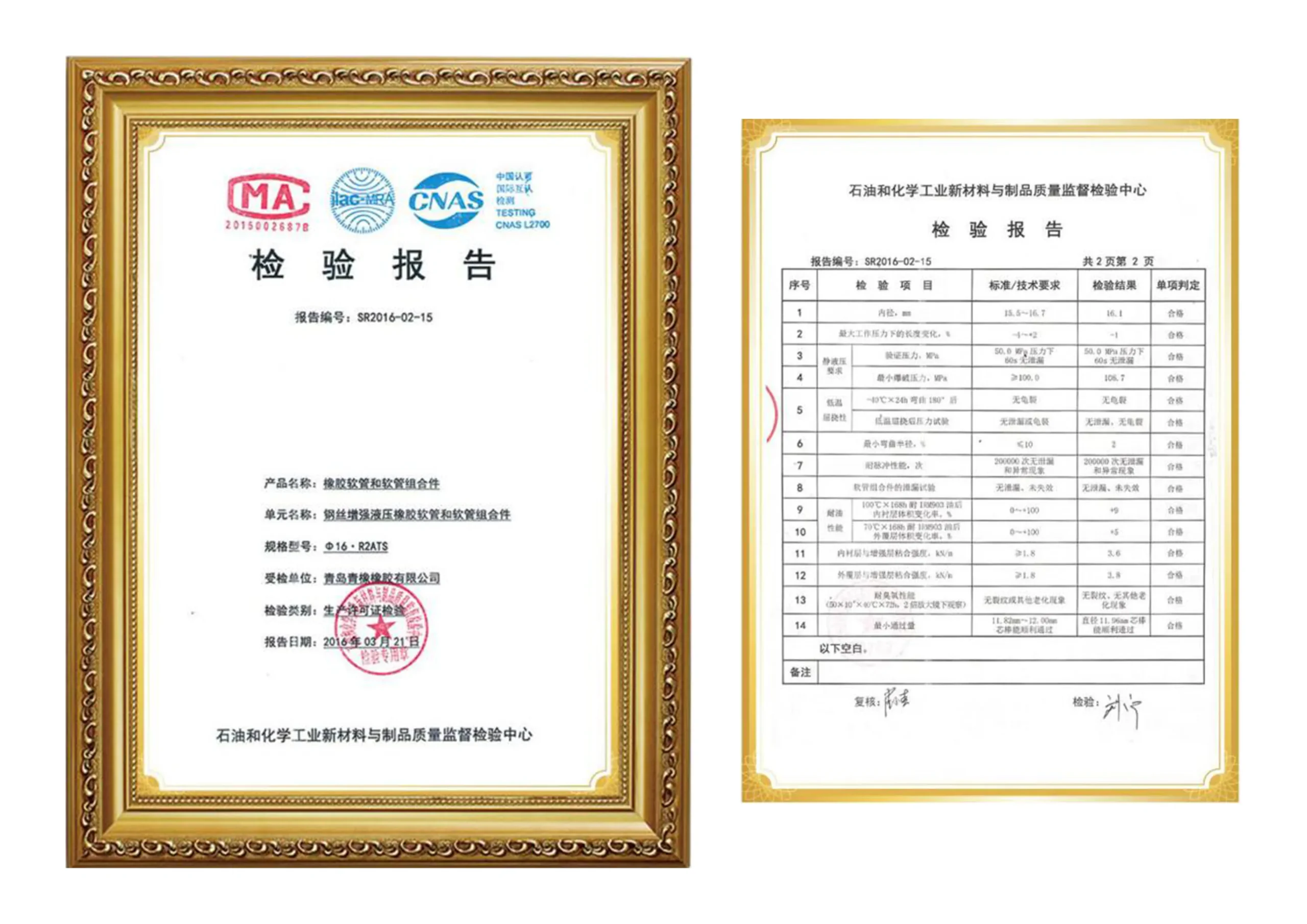
Rubber tube test report scaled.webp
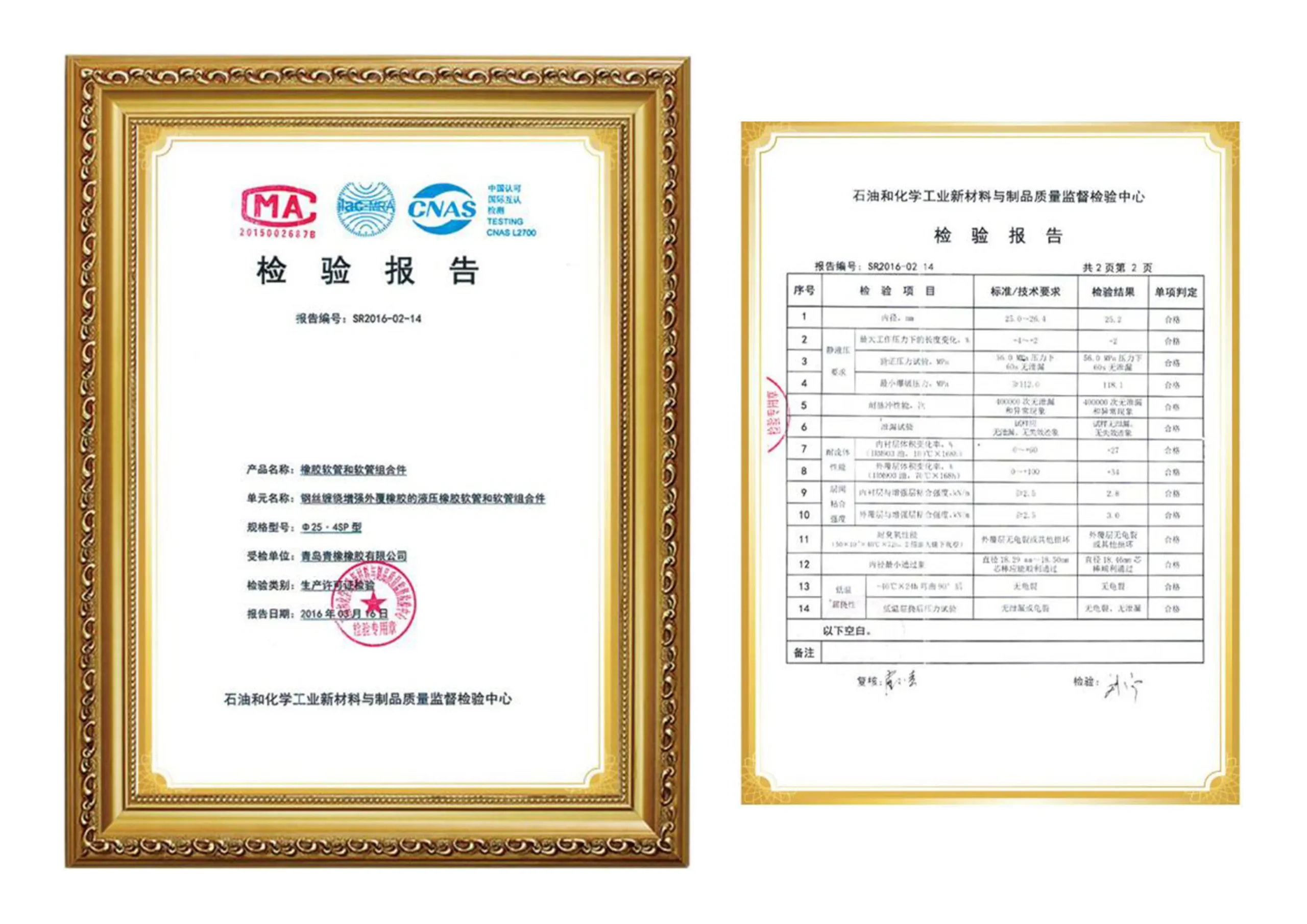
Rubber tube test report 2 scaled.webp
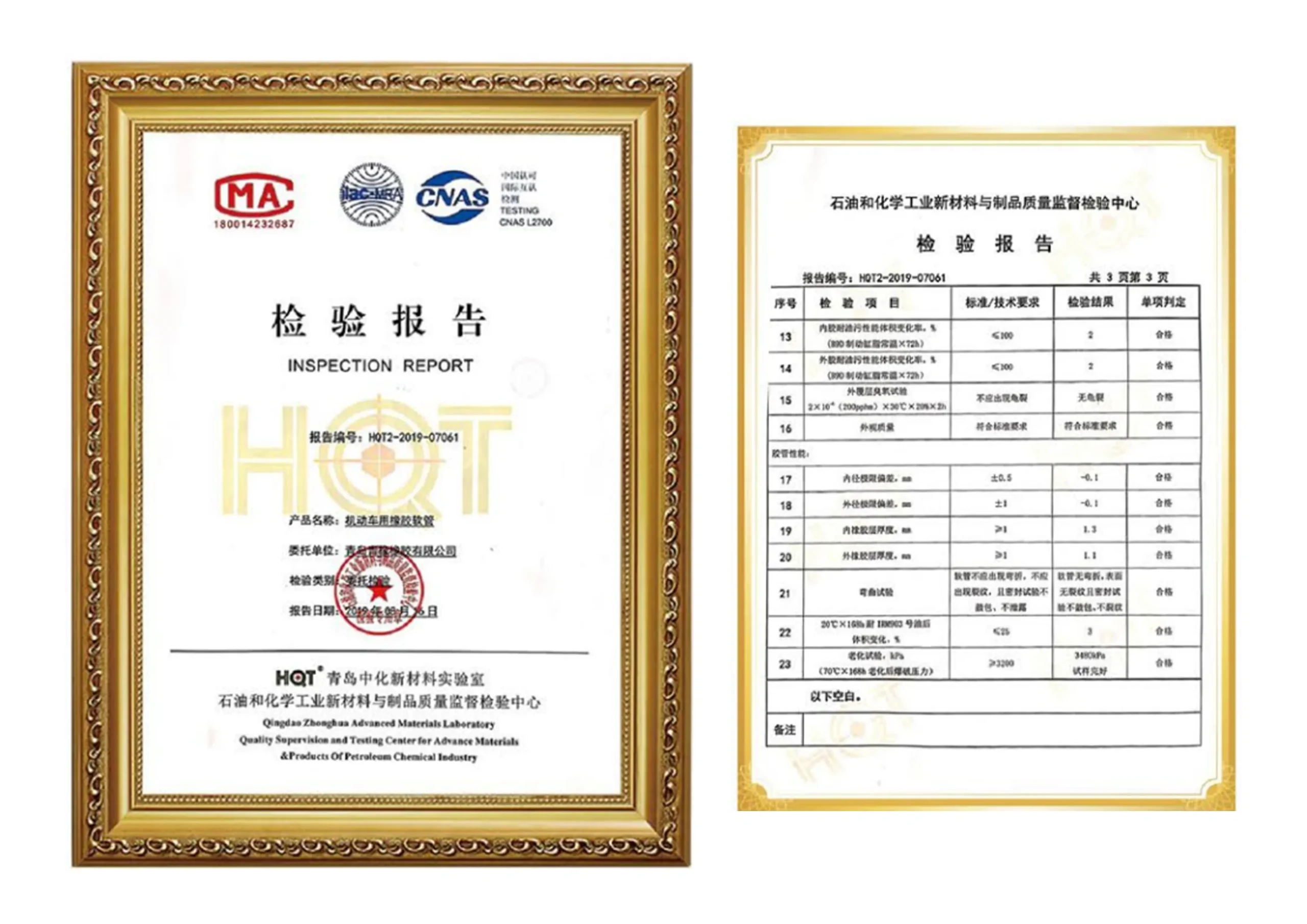
Automotive rubber hose test report scaled.webp
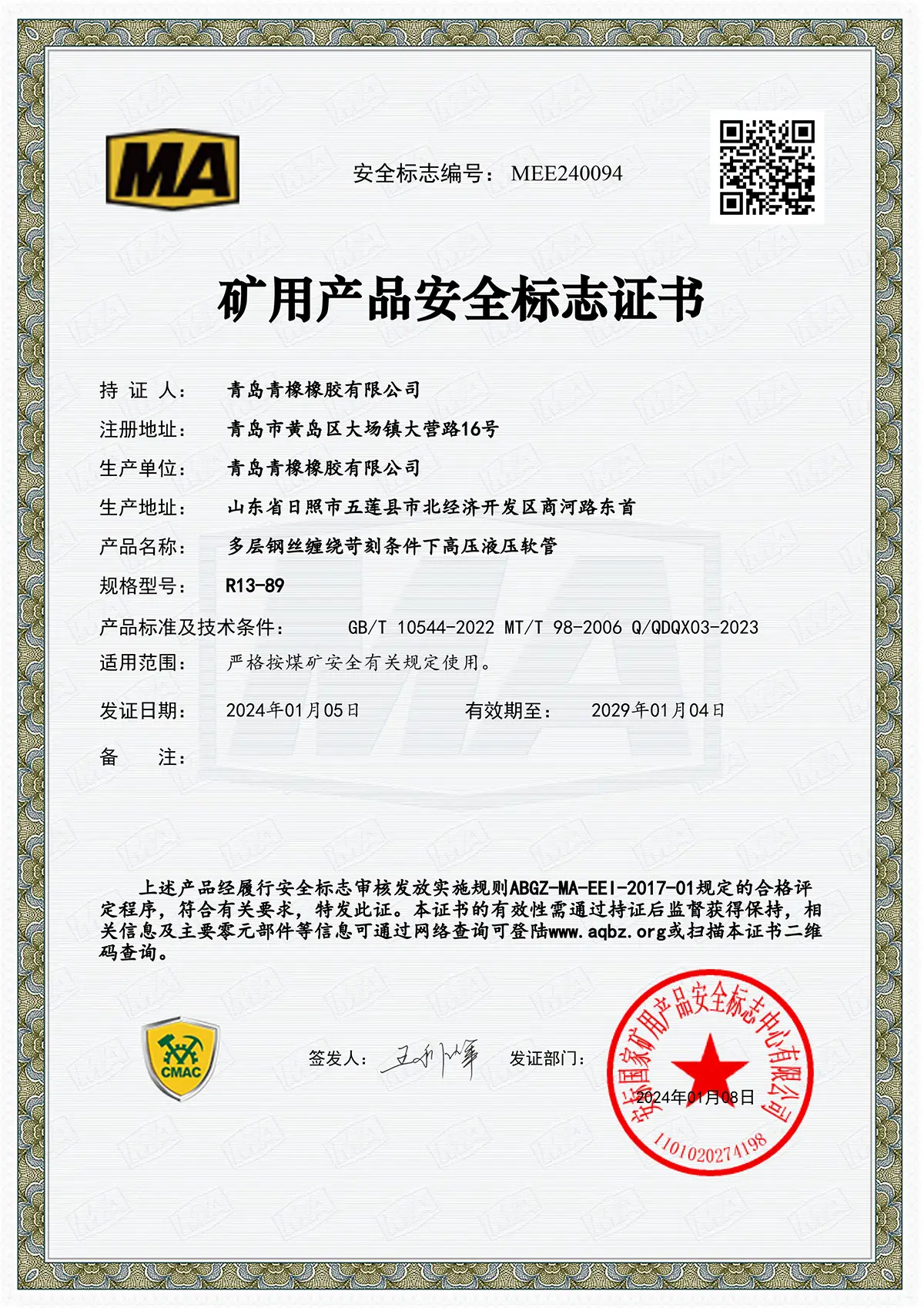
MEE240094 1.webp
MEE240094 1.webp
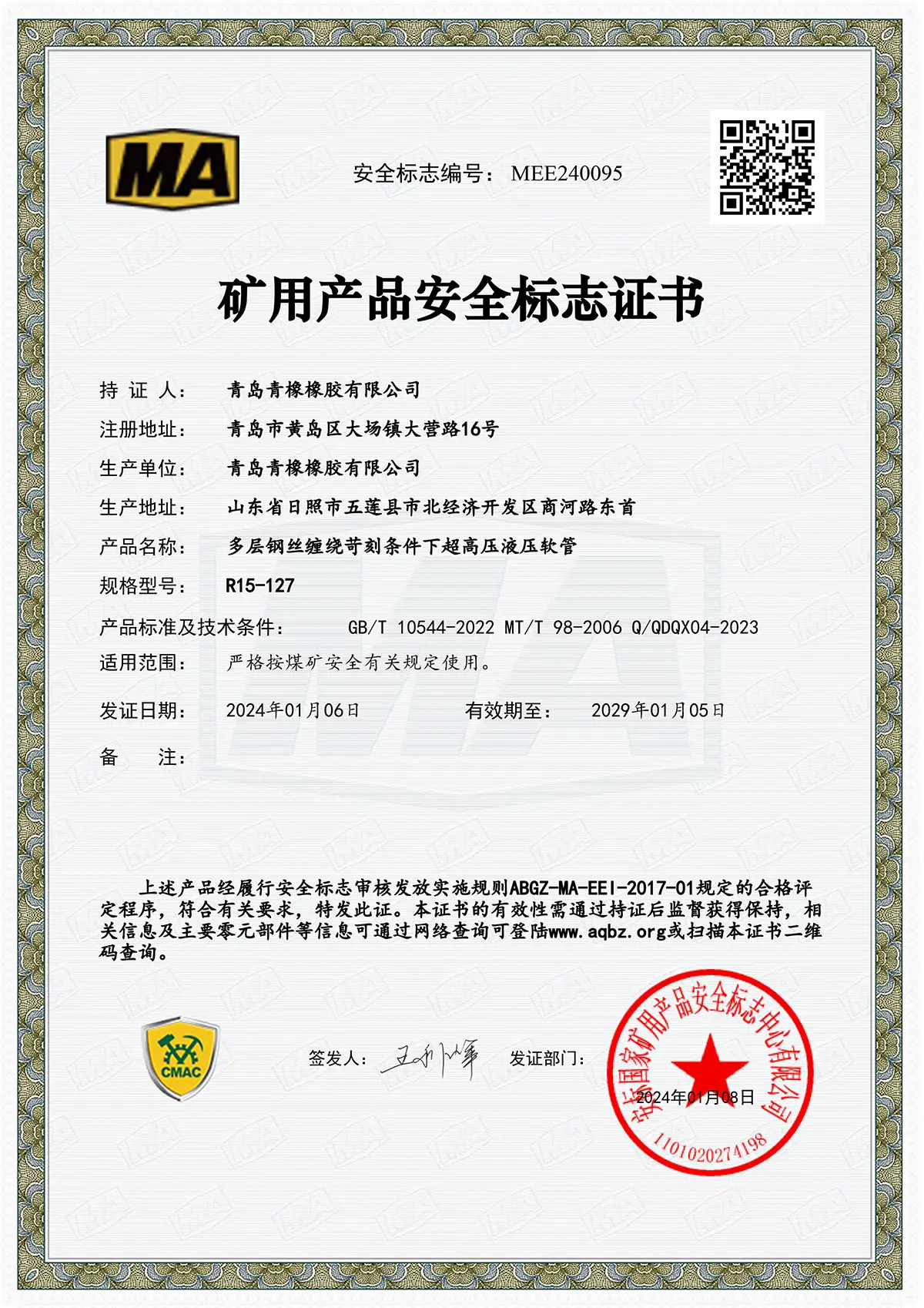
MEE240095 1.webp
MEE240095 1.webp
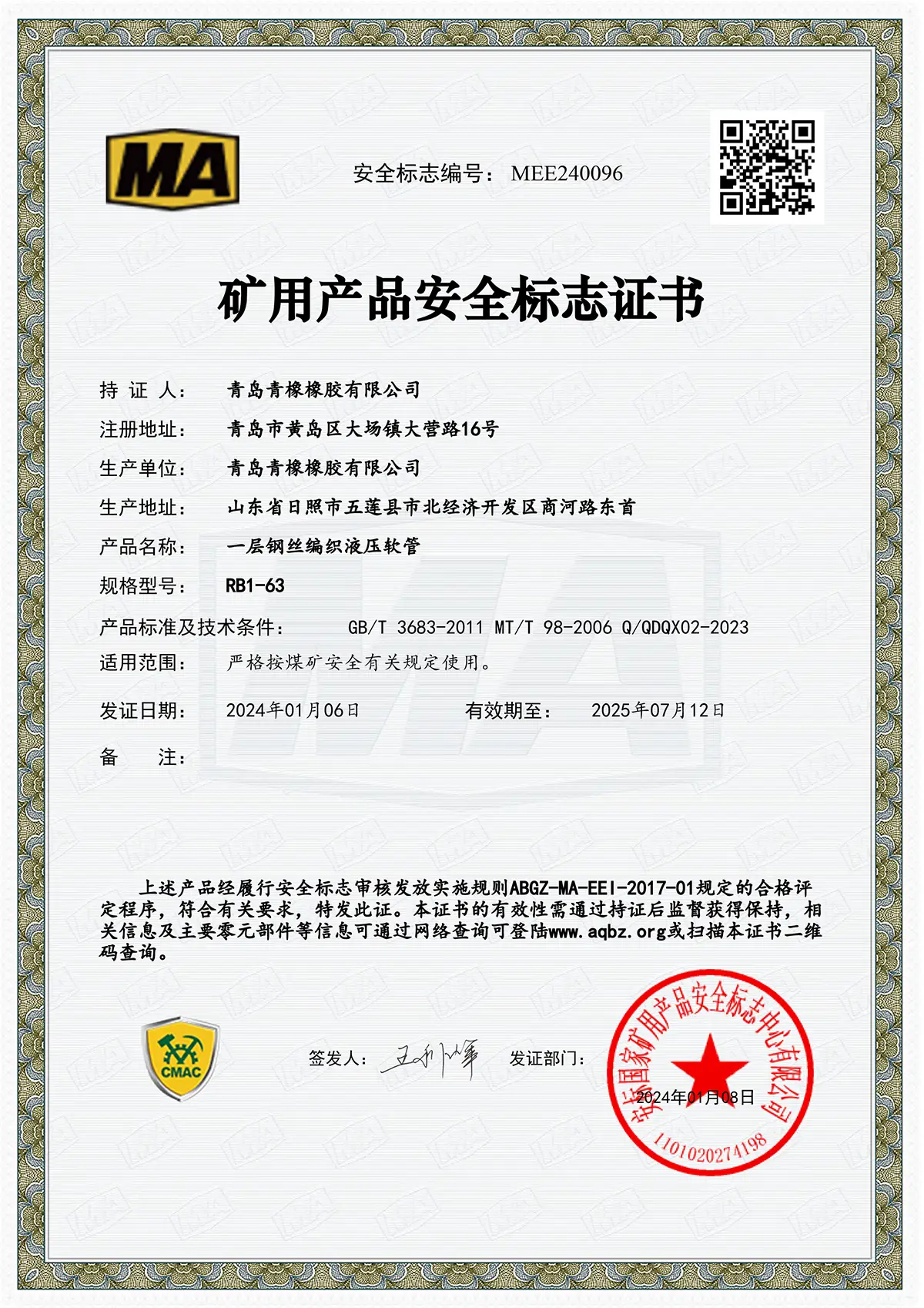
MEE240096 1.webp
MEE240096 1.webp
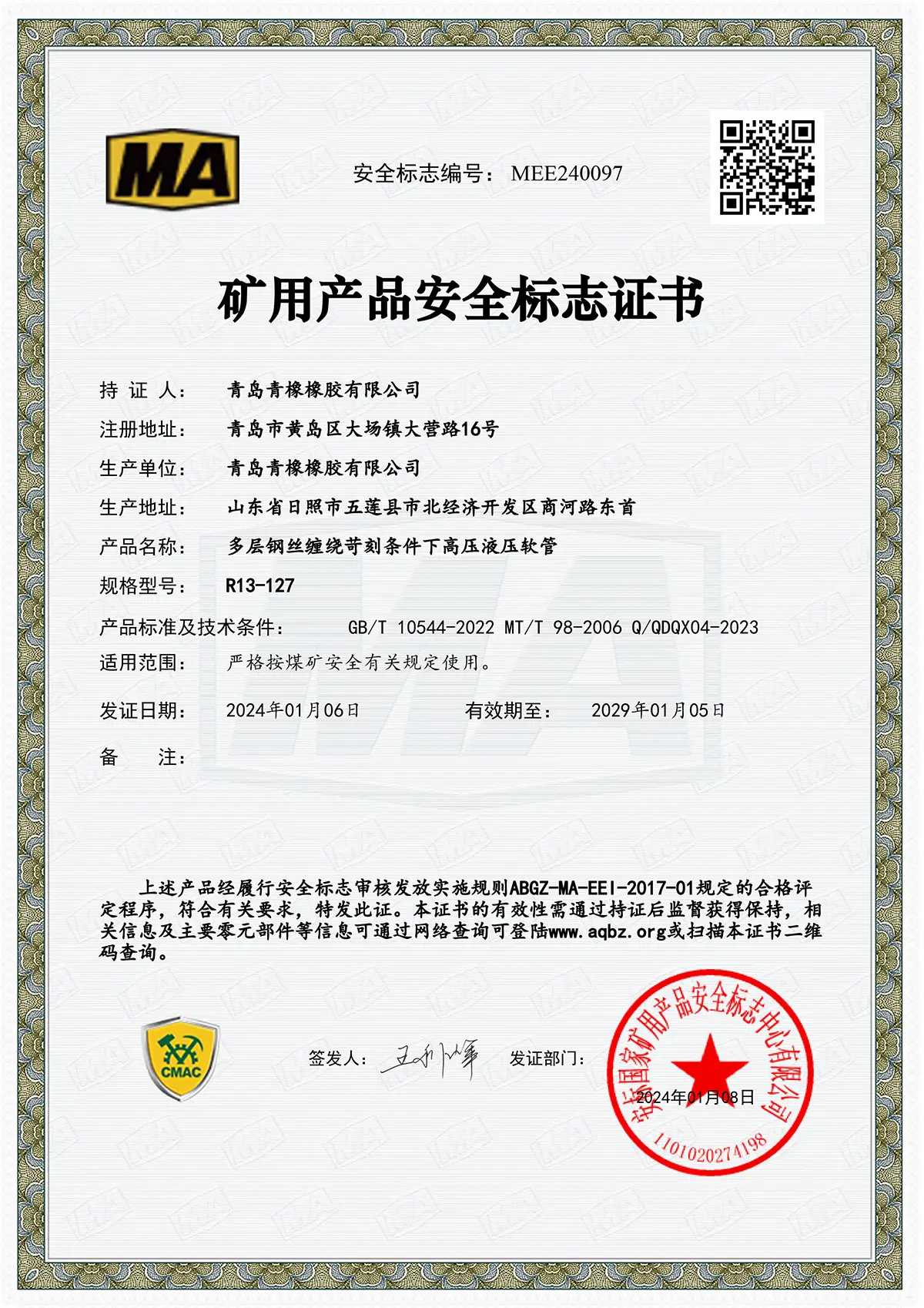
MEE240097 1.webp
MEE240097 1.webp
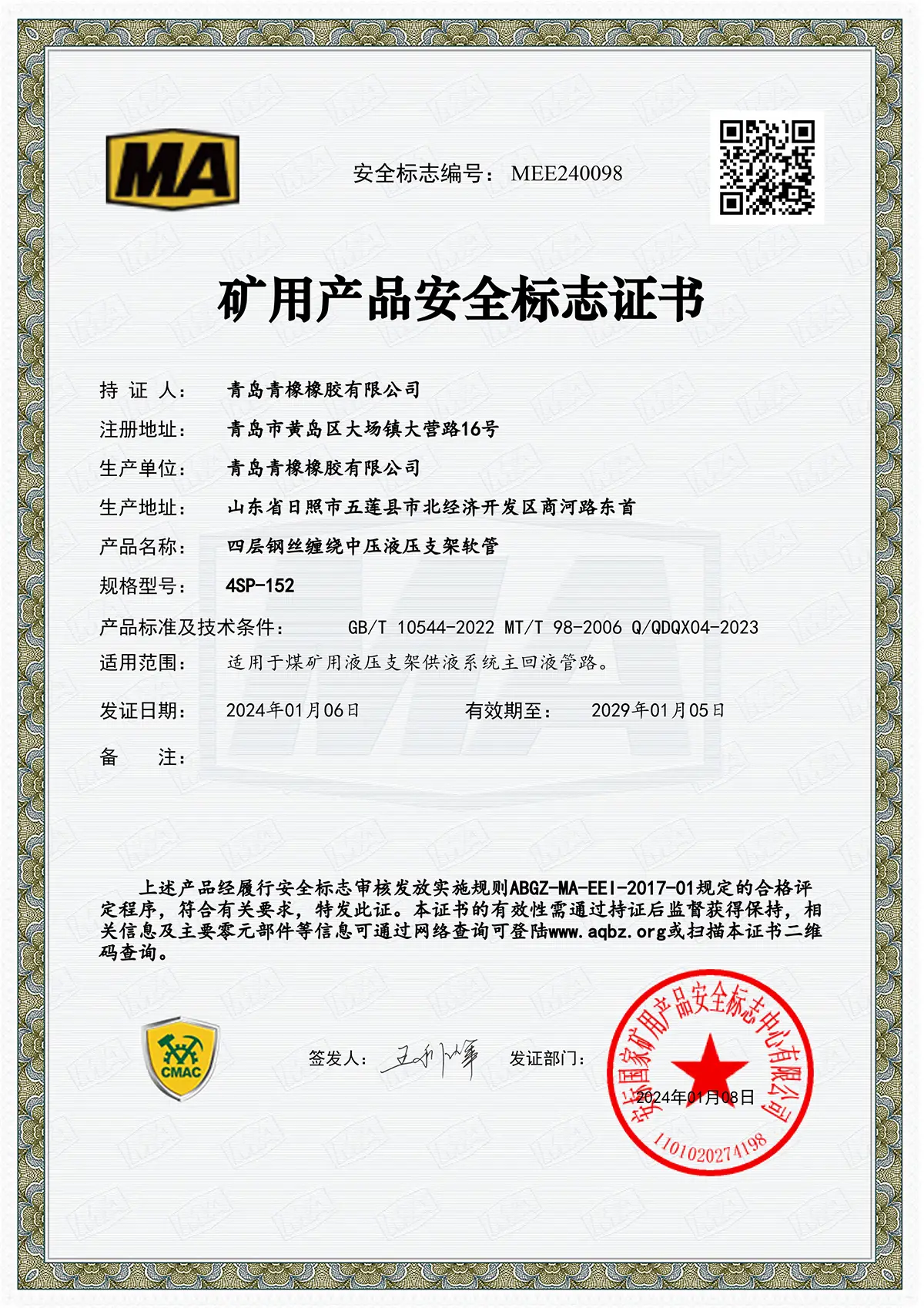
MEE240098 1.webp
MEE240098 1.webp
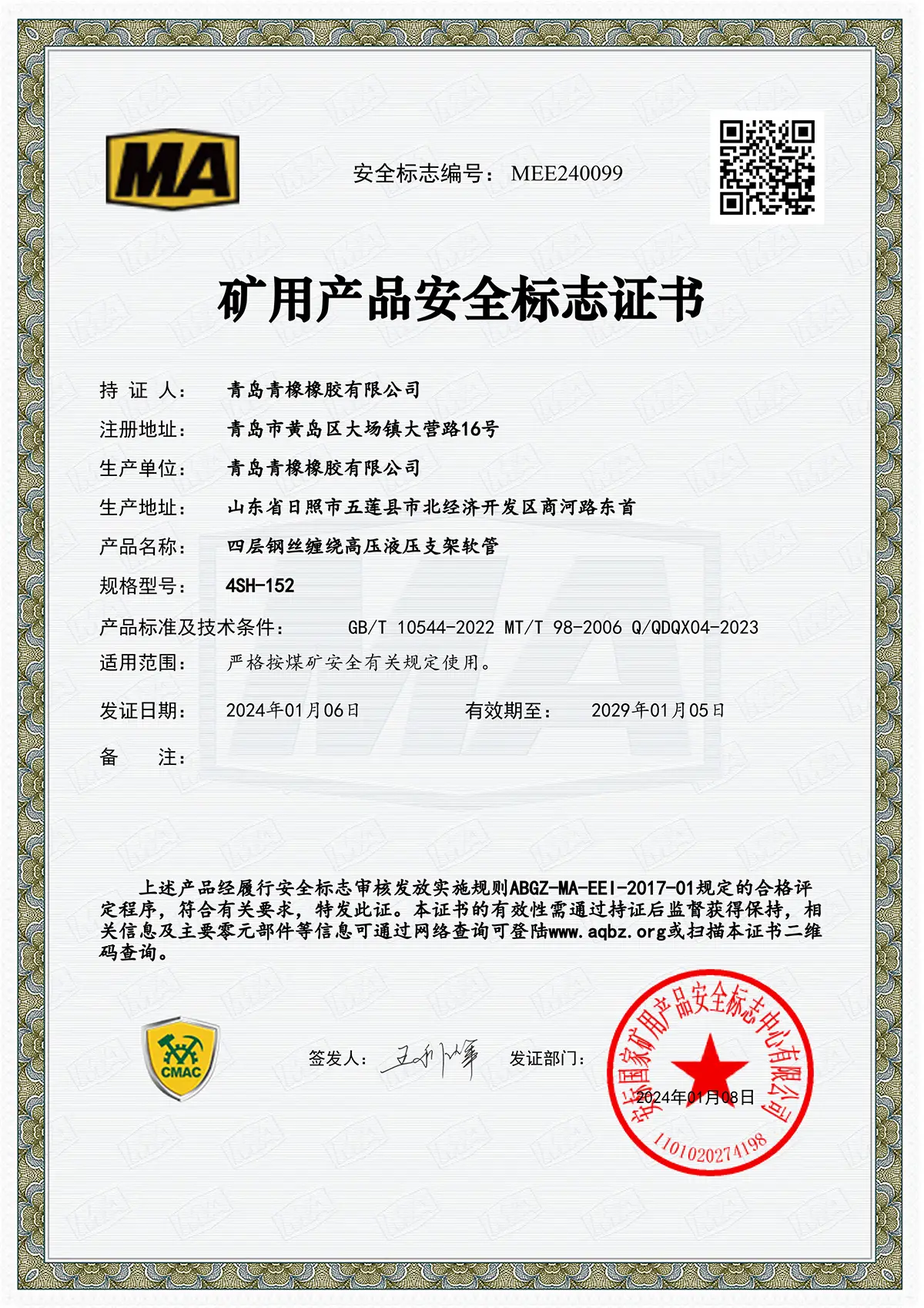
MEE240099 1.webp
MEE240099 1.webp
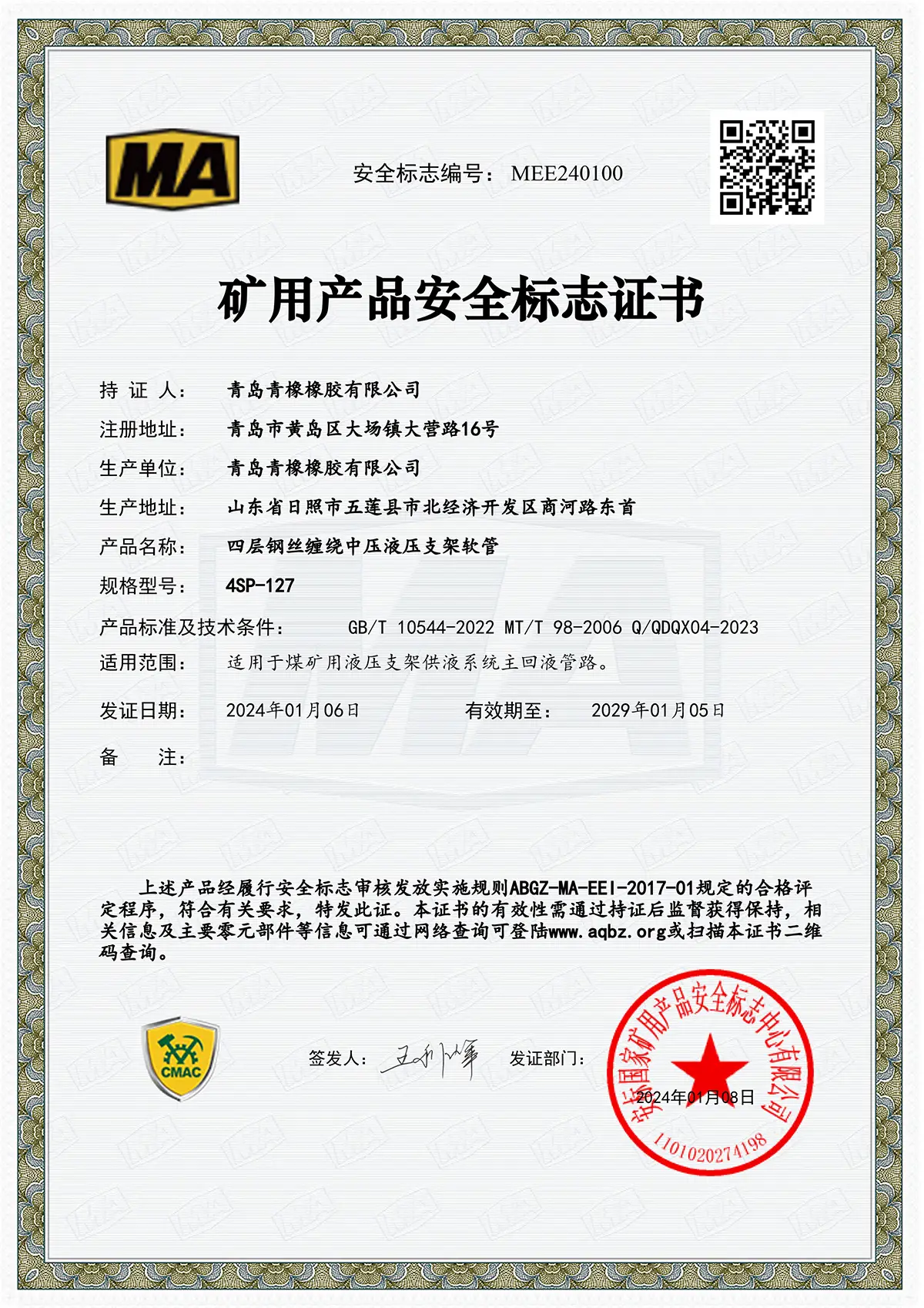
MEE240100 1.webp
MEE240100 1.webp
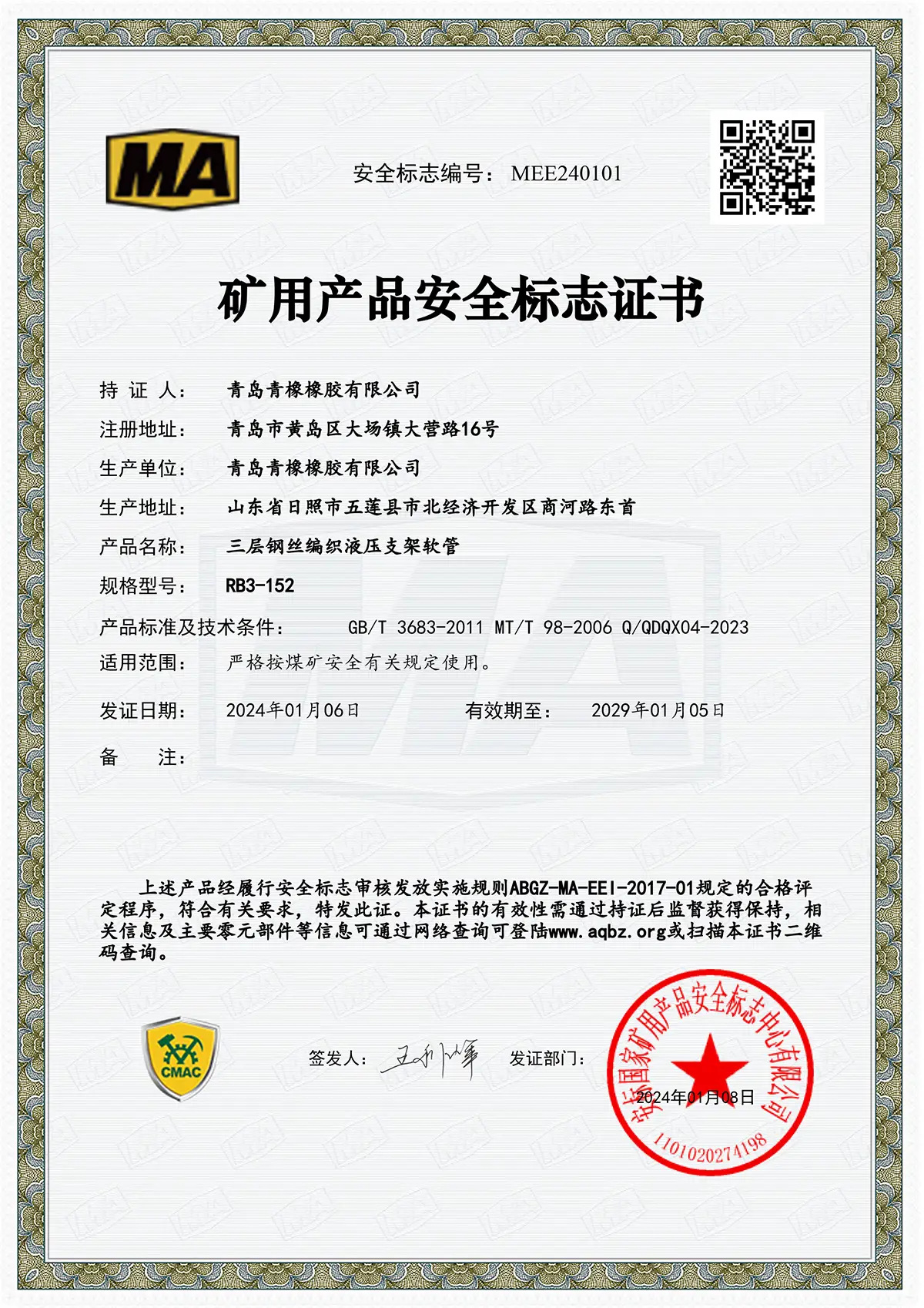
MEE240101 1.webp
MEE240101 1.webp
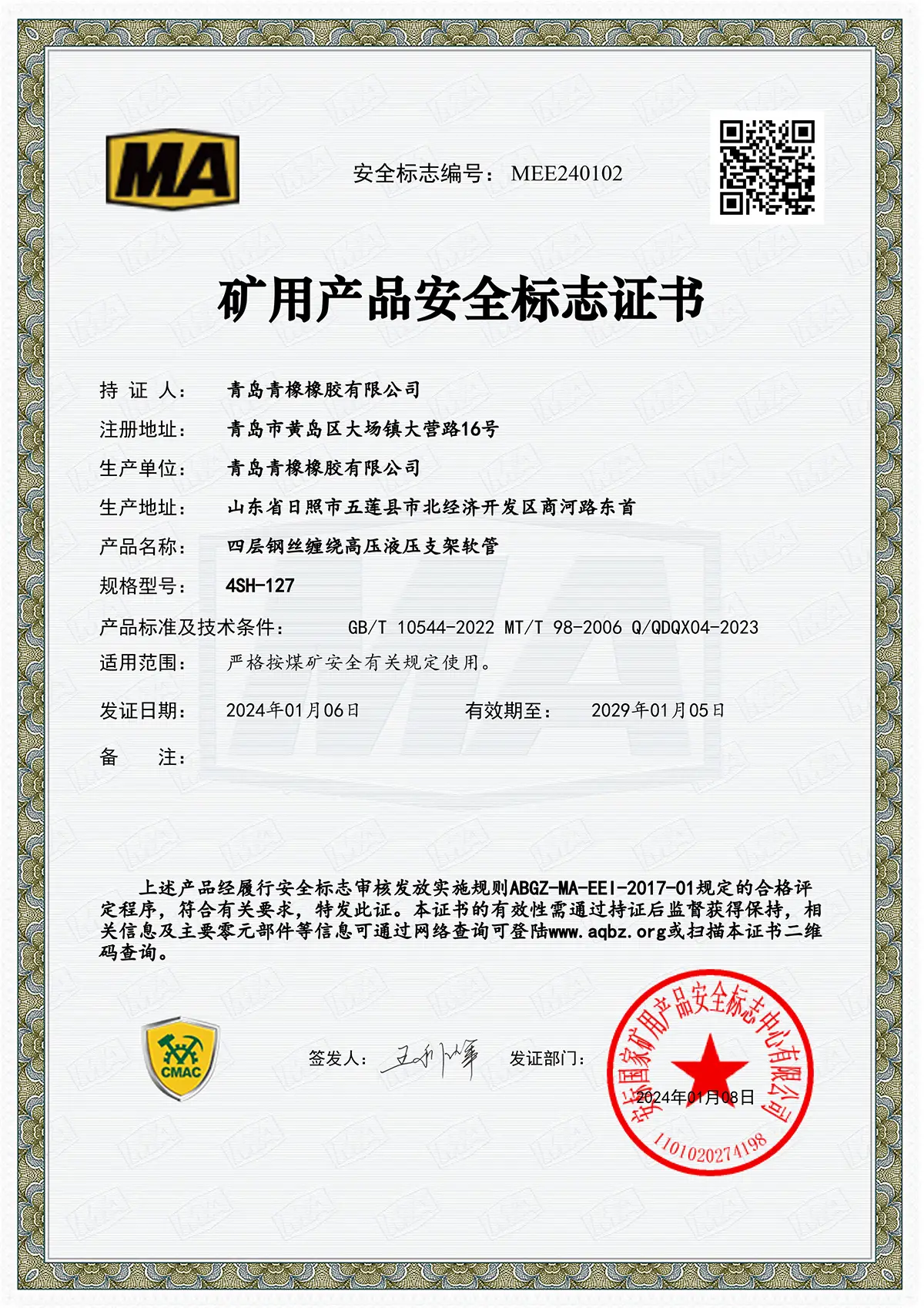
MEE240102 1.webp
MEE240102 1.webp
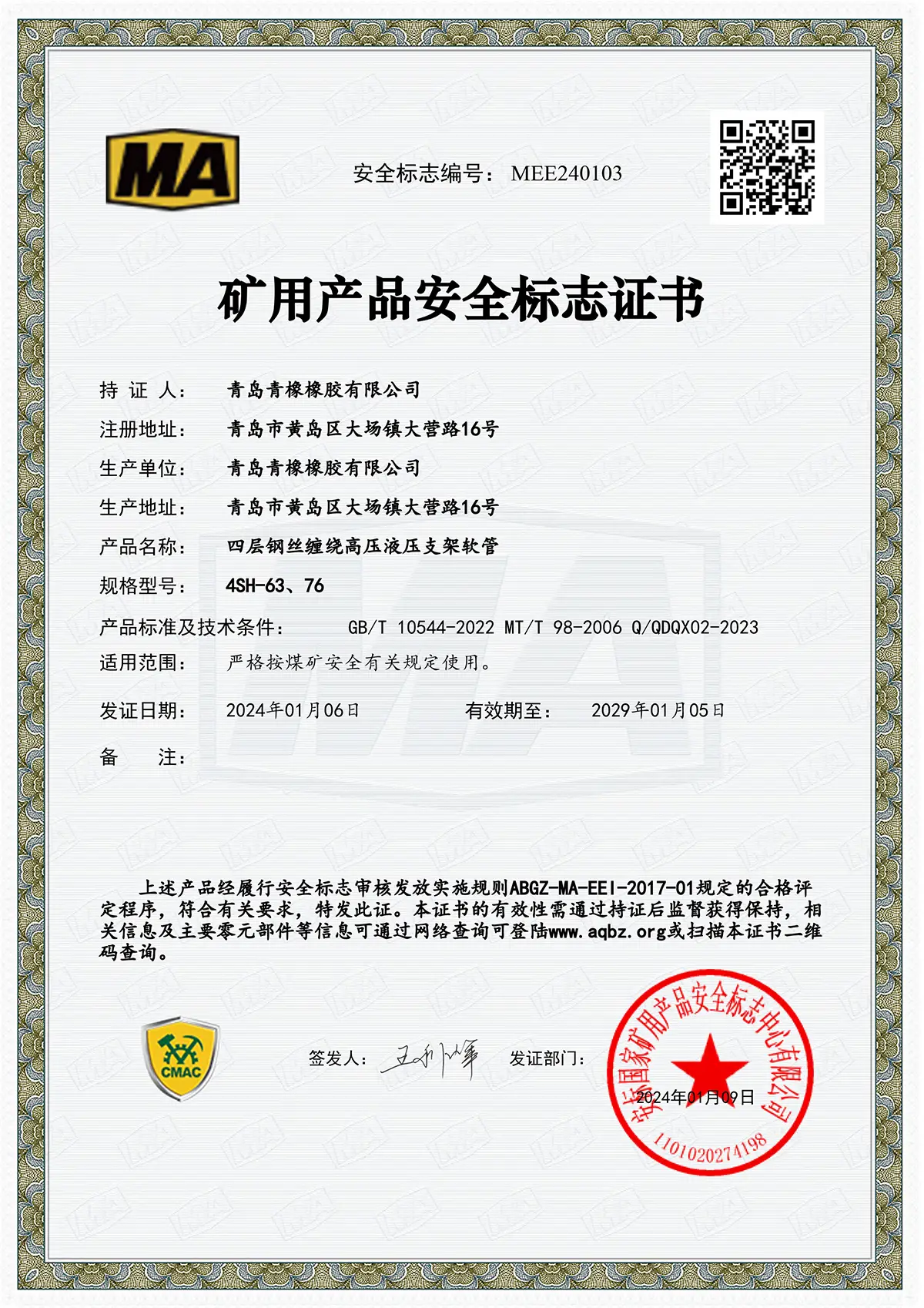
MEE240103 1.webp
MEE240103 1.webp
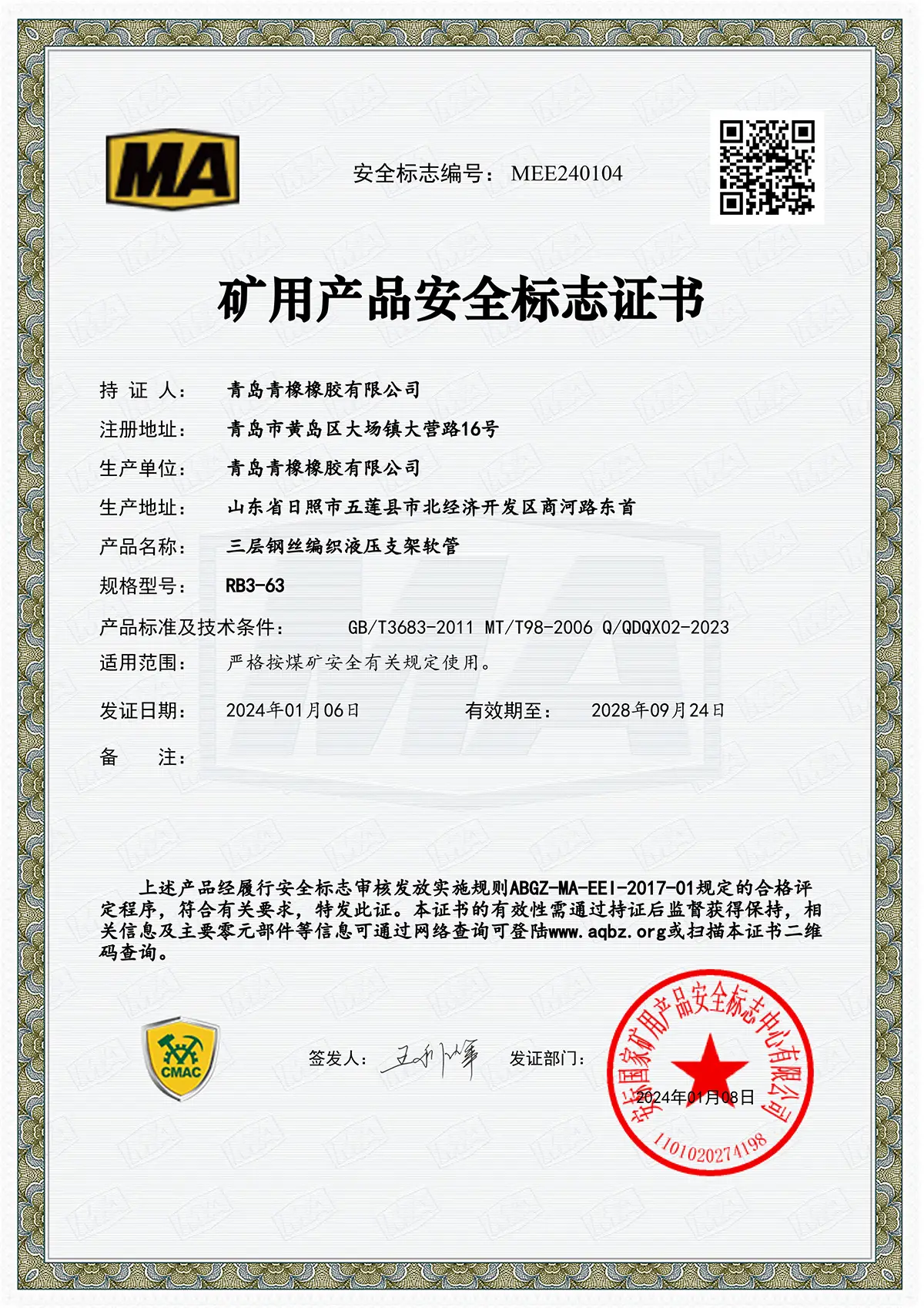
MEE240104 1.webp
MEE240104 1.webp
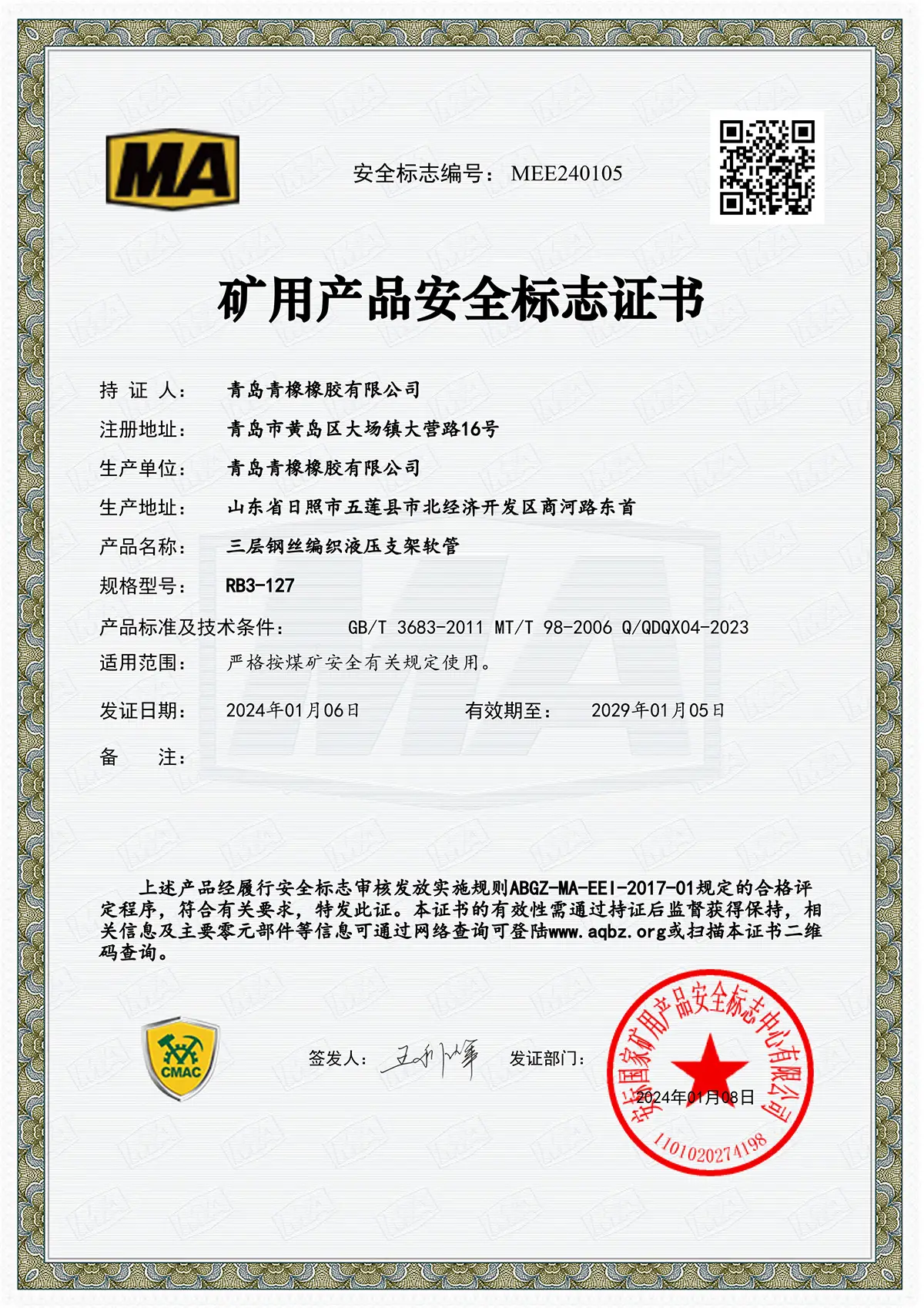
MEE240105 1.webp
MEE240105 1.webp
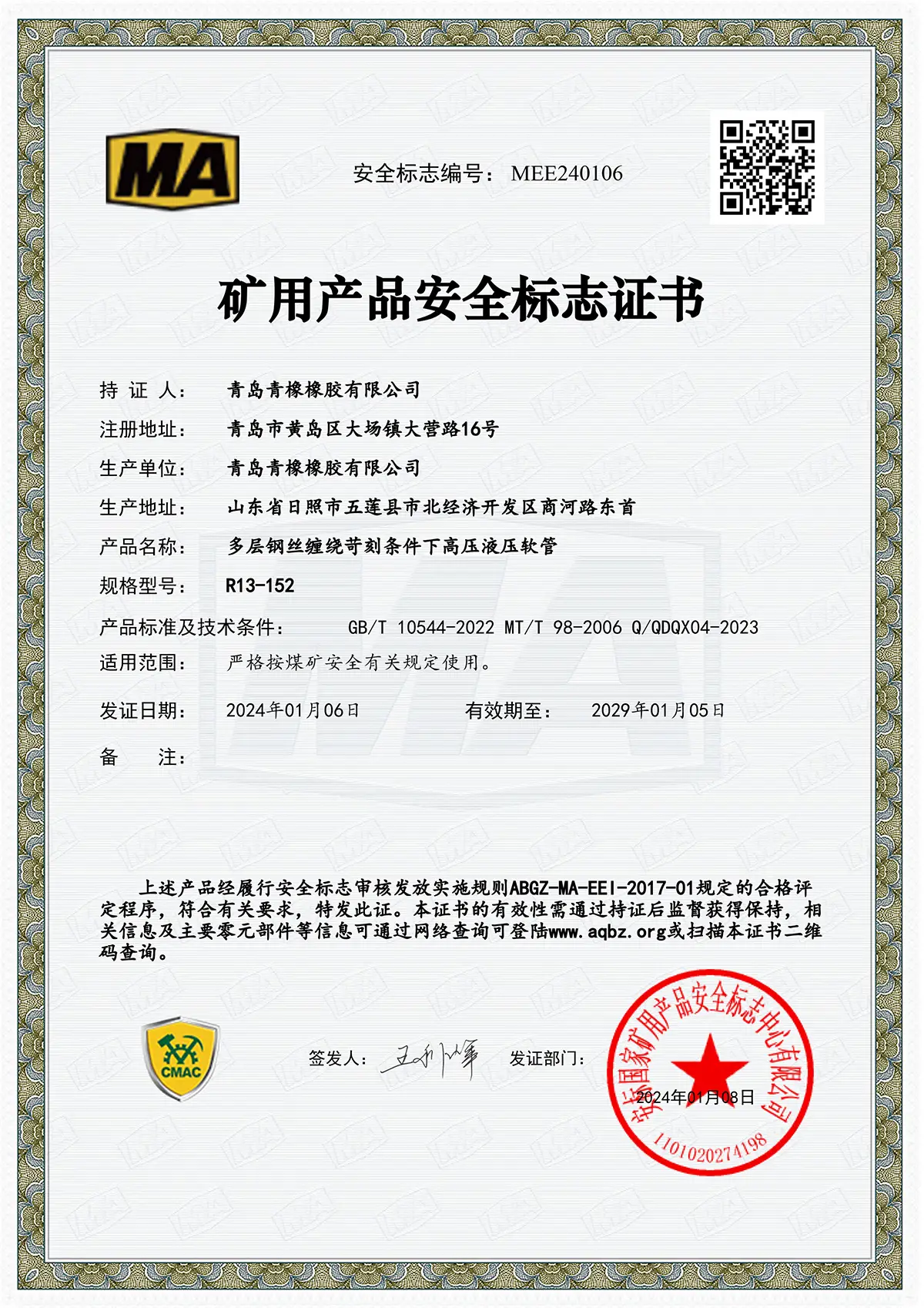
MEE240106 1.webp
MEE240106 1.webp
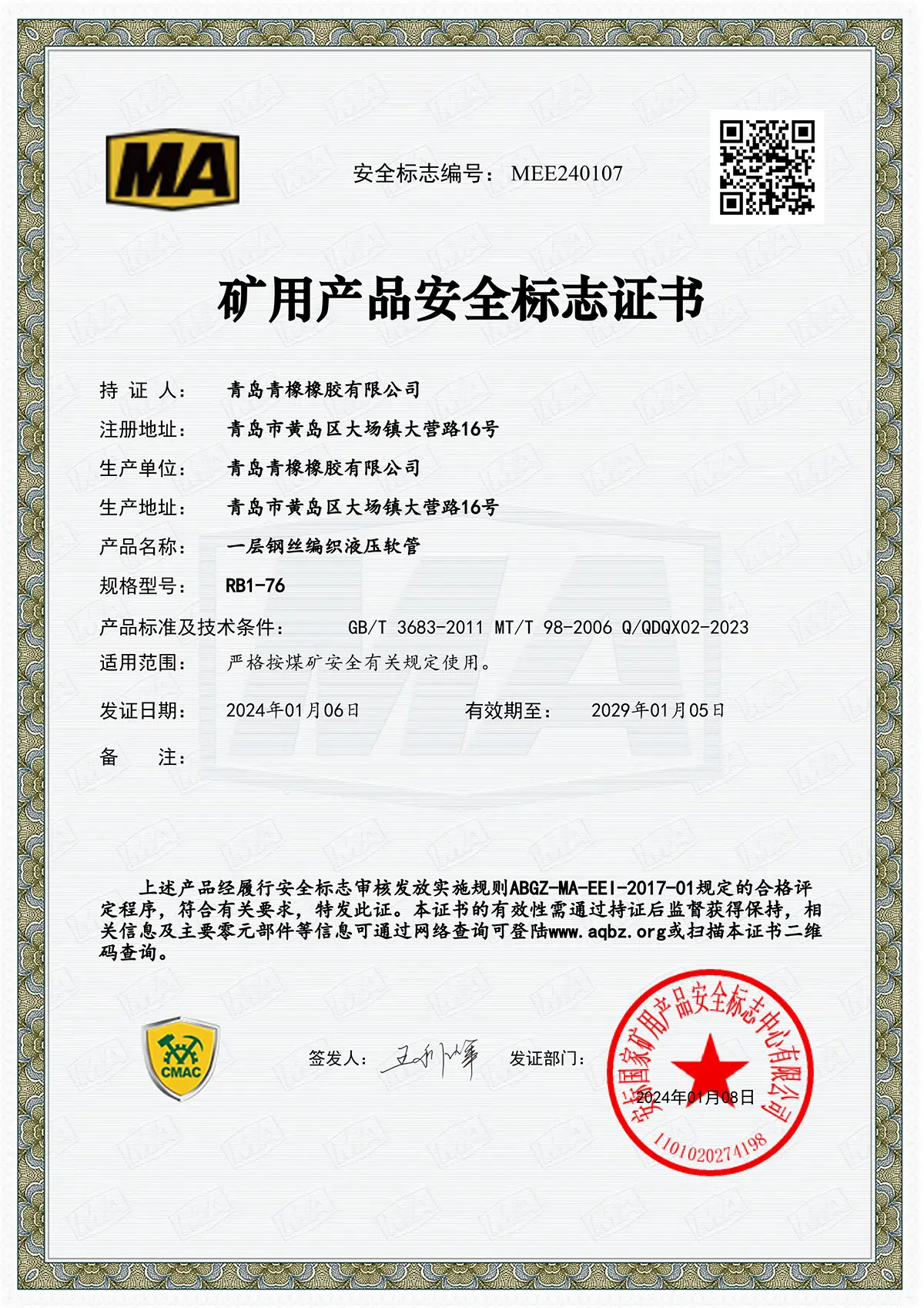
MEE240107 1.webp
MEE240107 1.webp
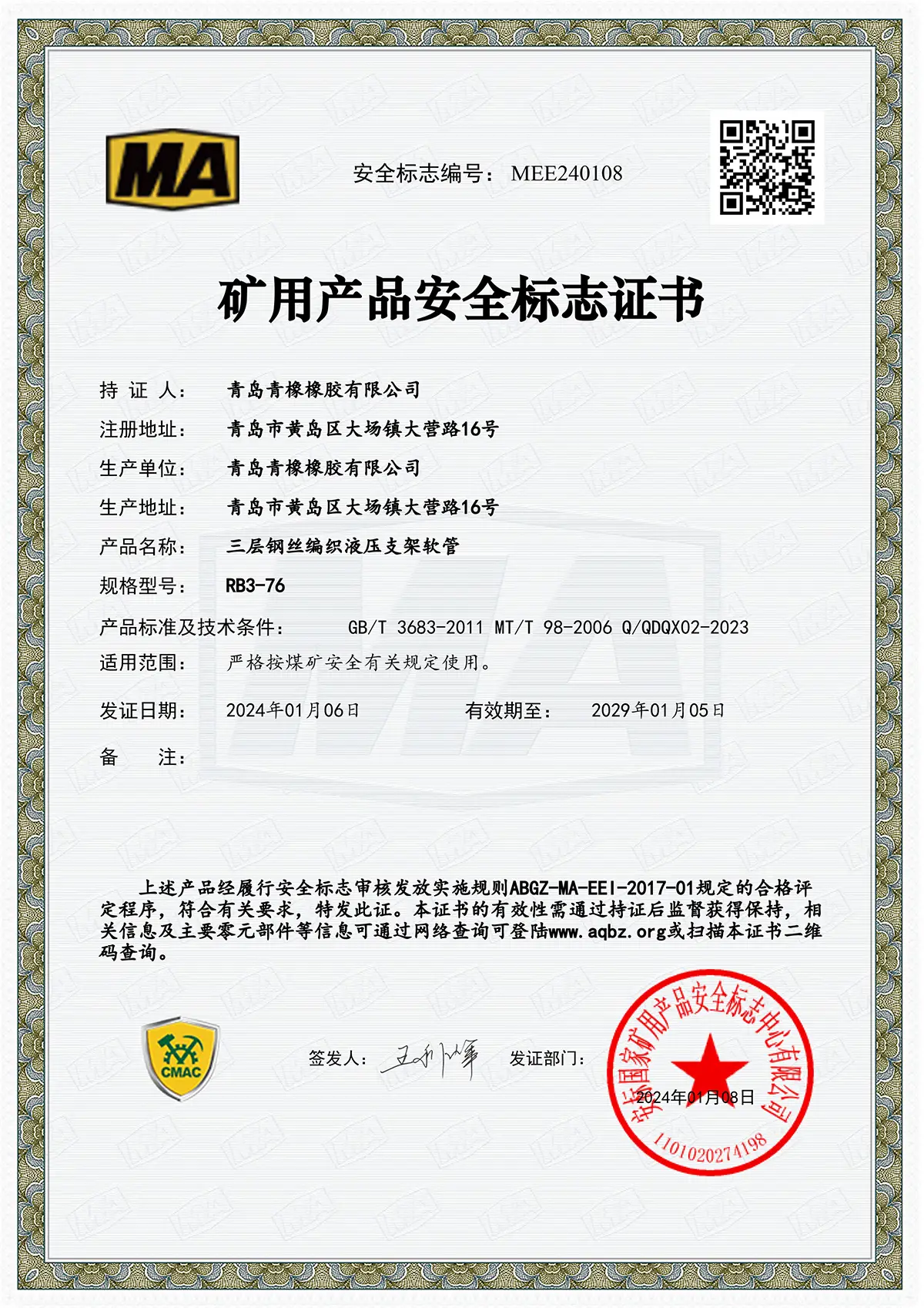
MEE240108 1.webp
MEE240108 1.webp
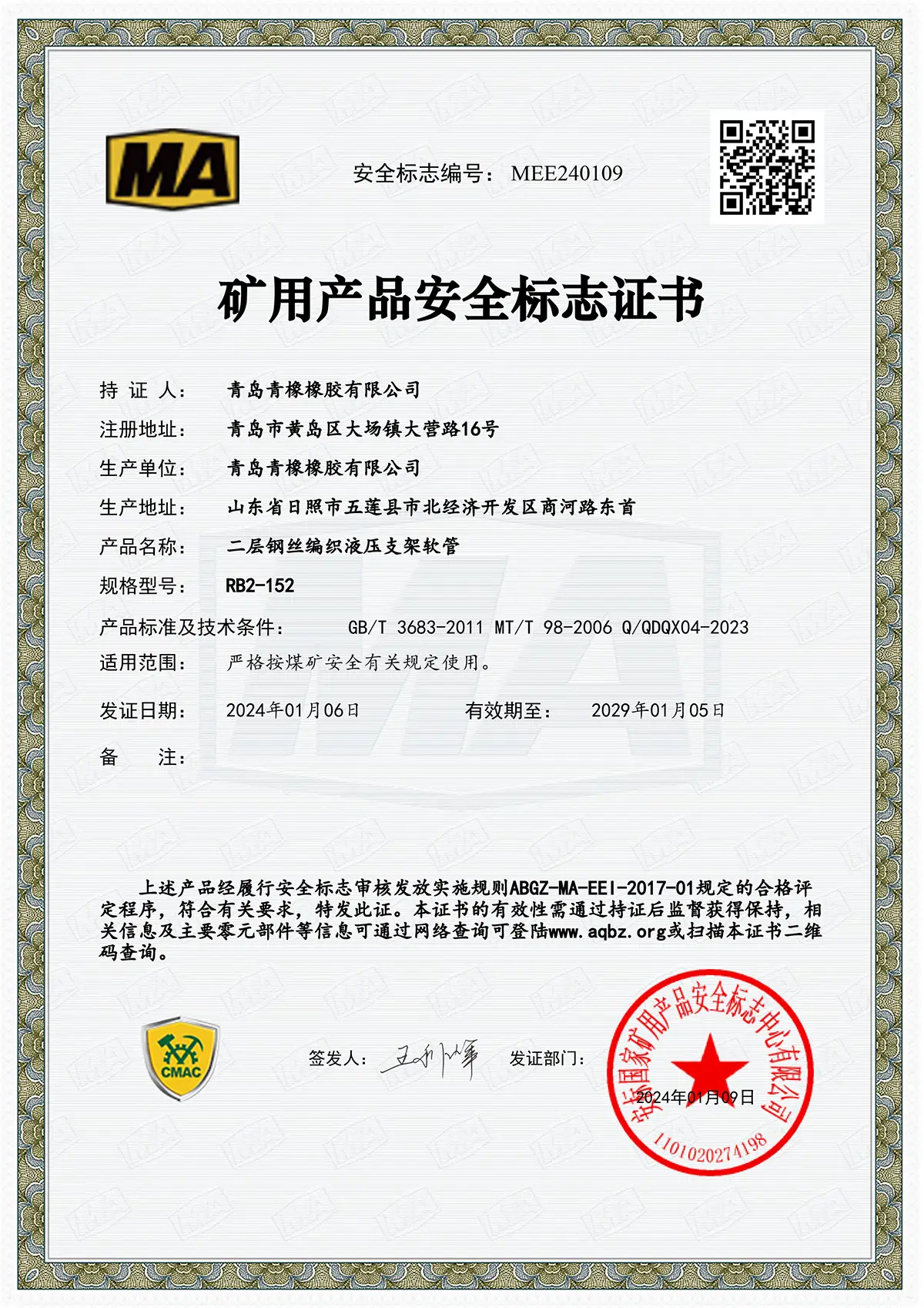
MEE240109 1.webp
MEE240109 1.webp
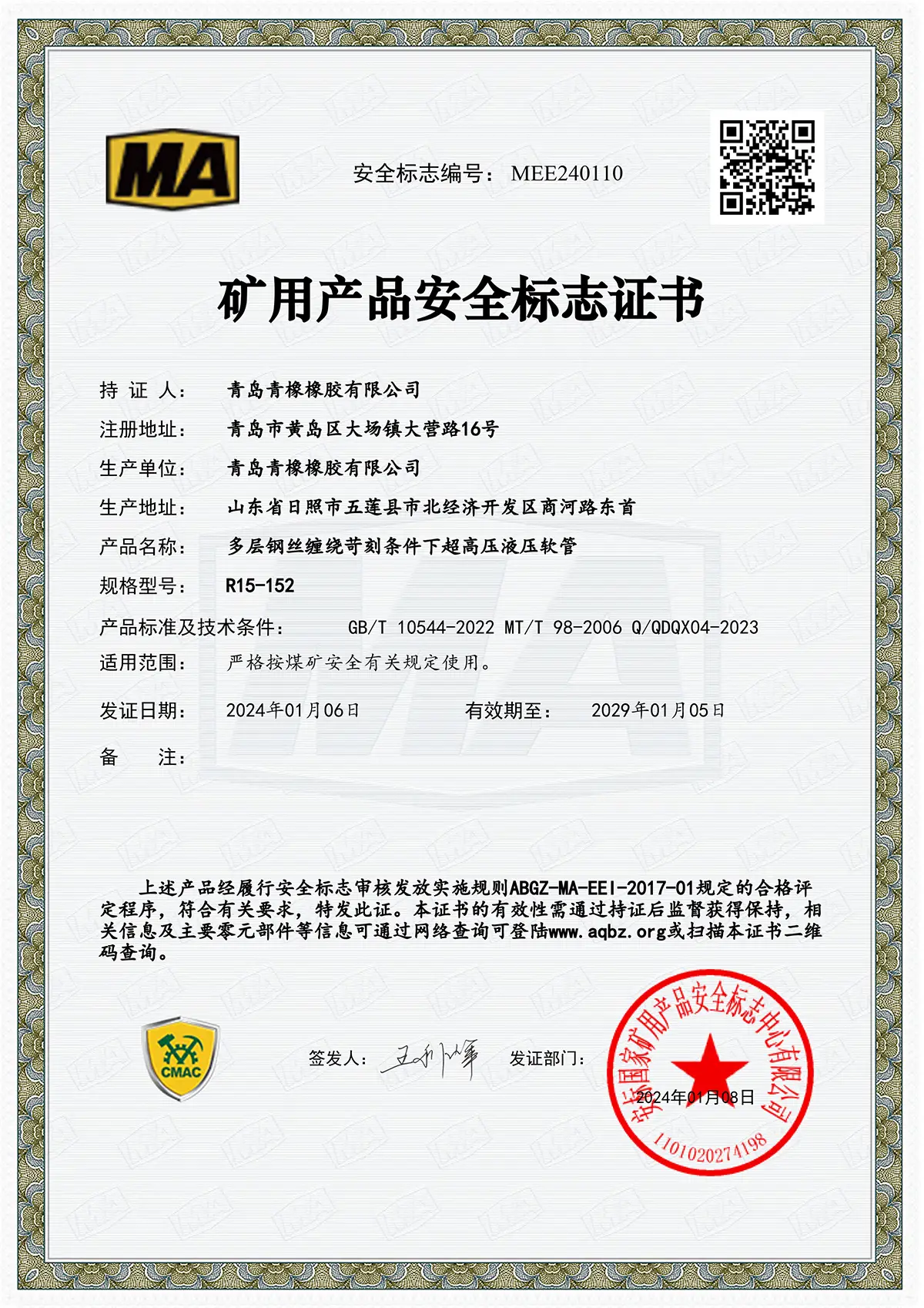
MEE240110 1.webp
MEE240110 1.webp
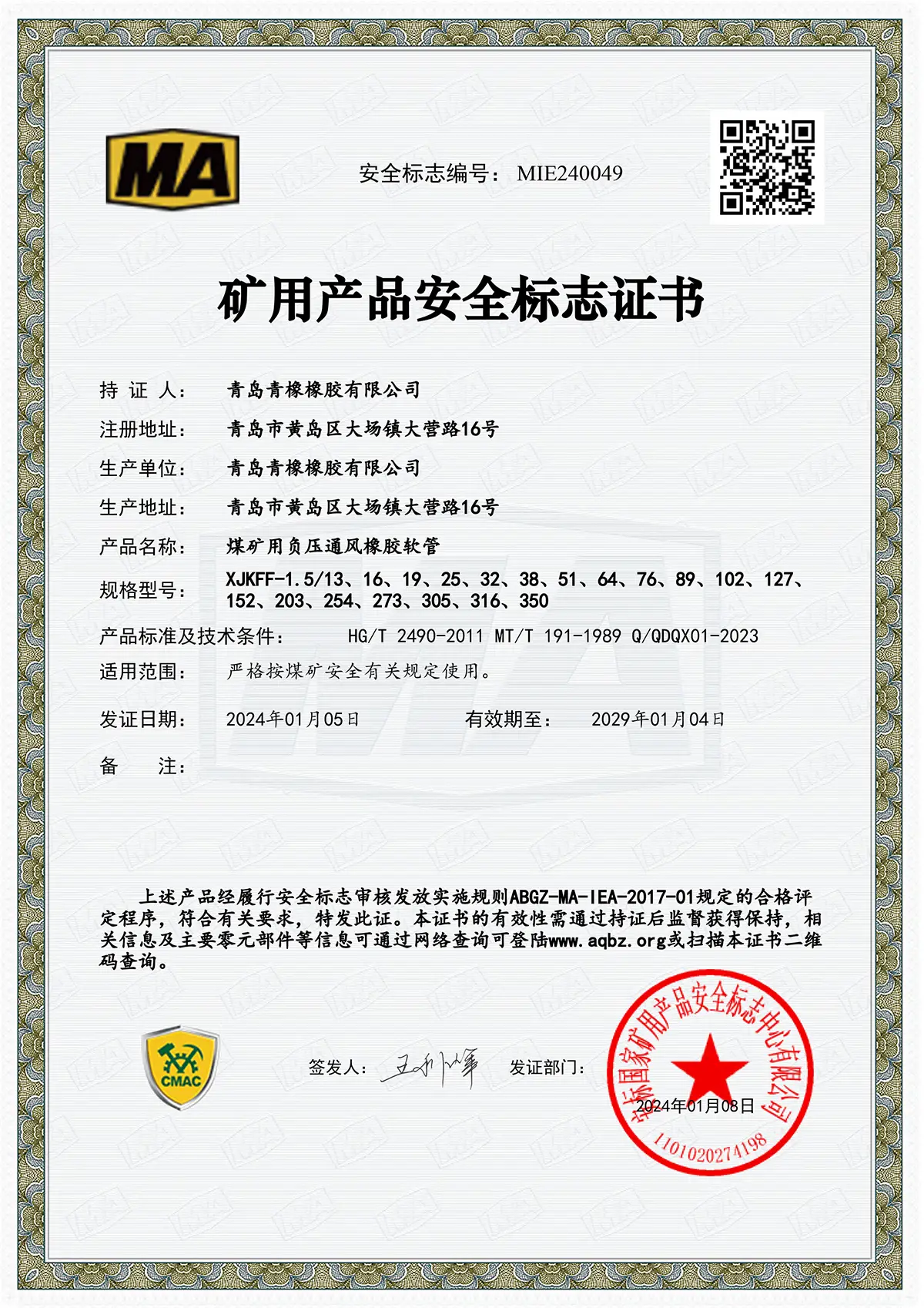
MIE240049 1.webp
MIE240049 1.webp
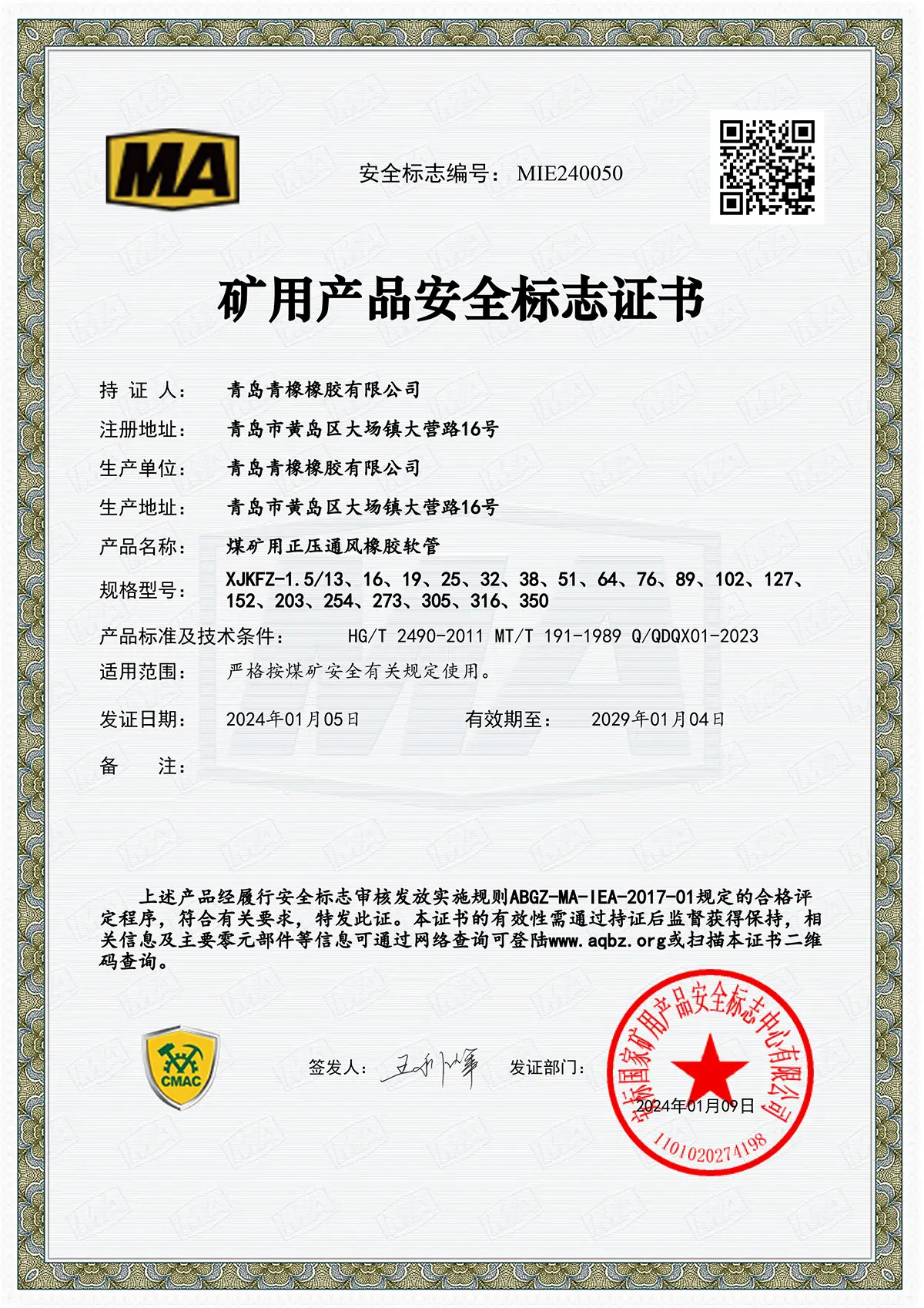
MIE240050 1.webp
MIE240050 1.webp
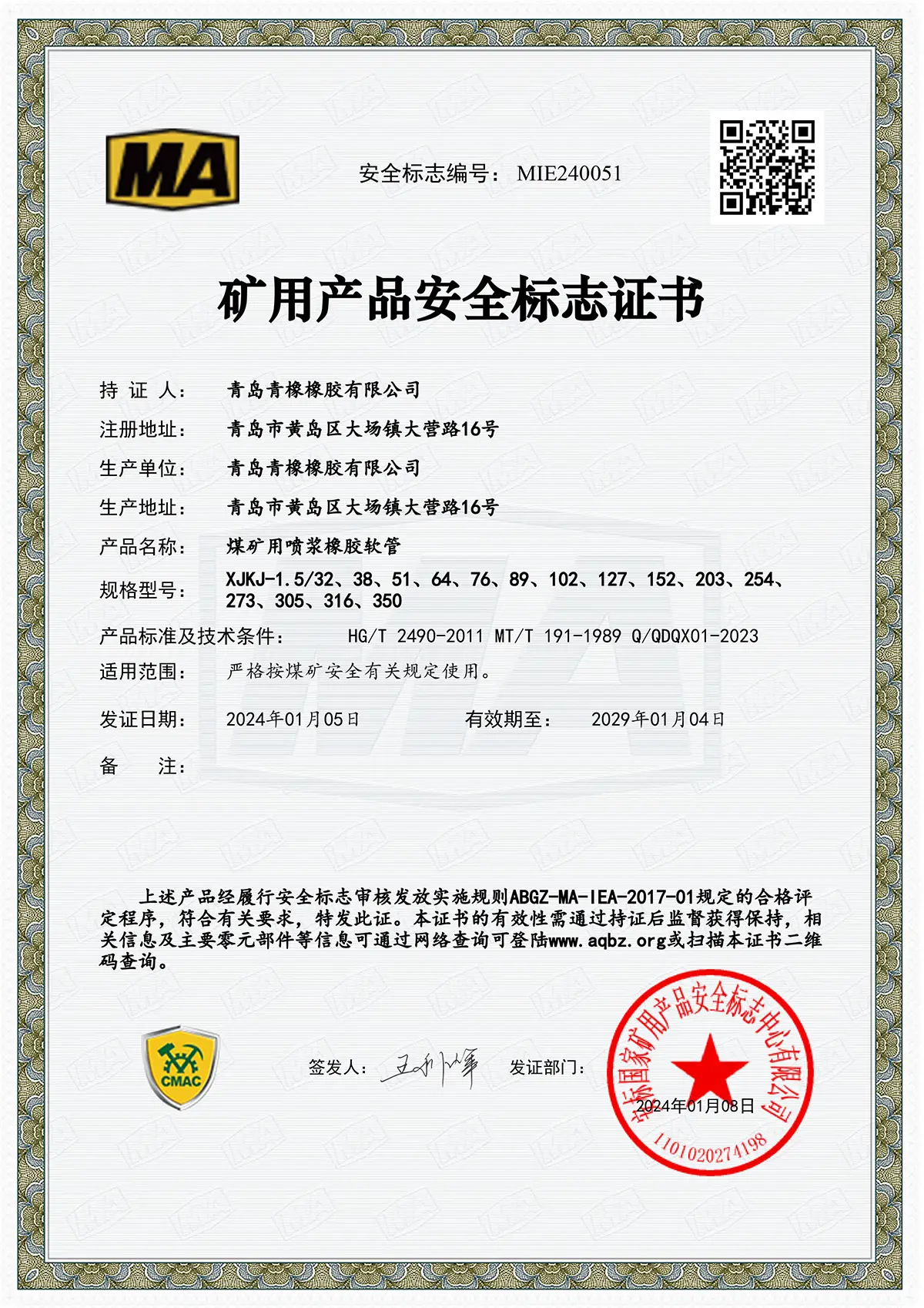
MIE240051 1.webp
MIE240051 1.webp
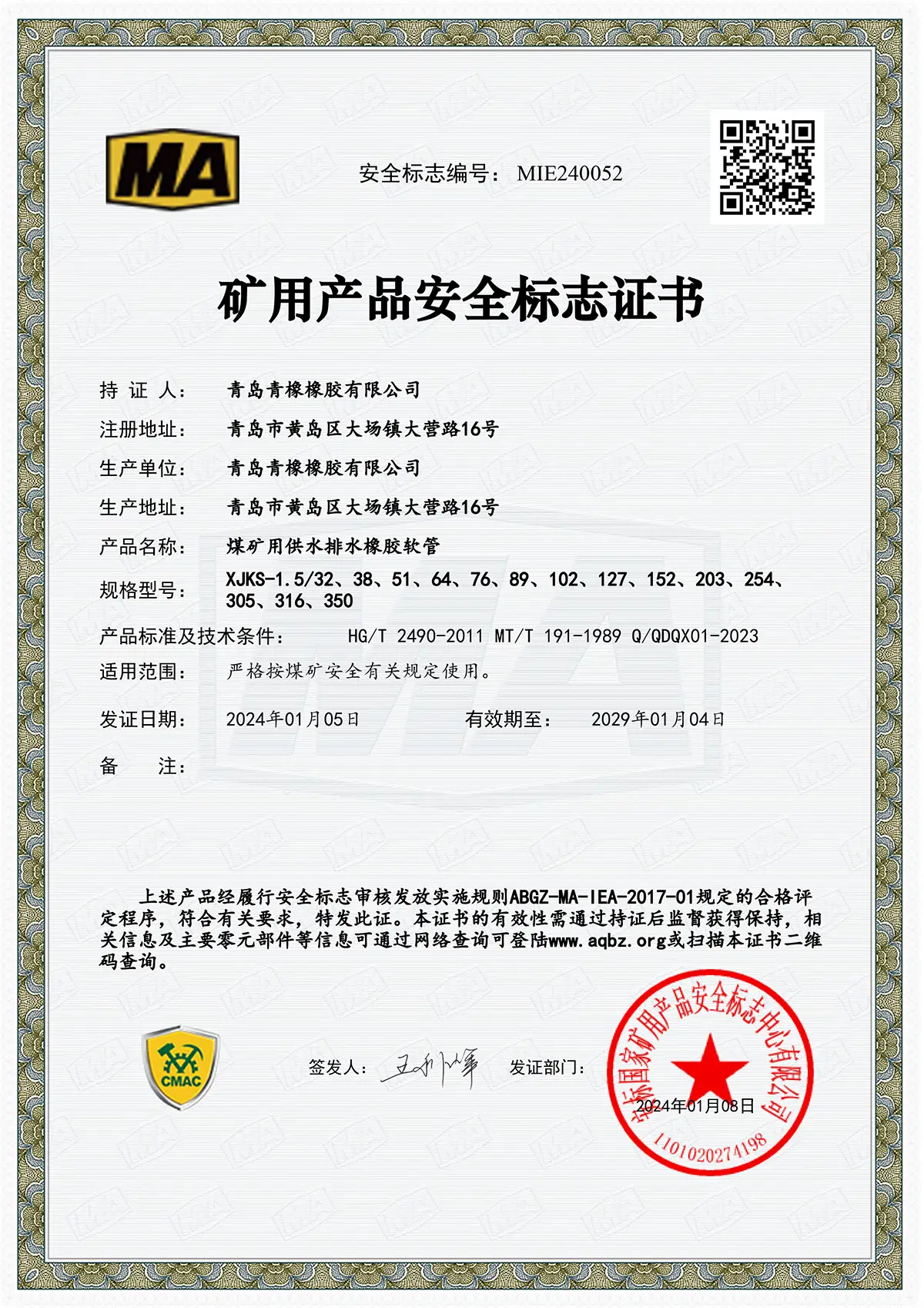
MIE240052 1.webp
MIE240052 1.webp
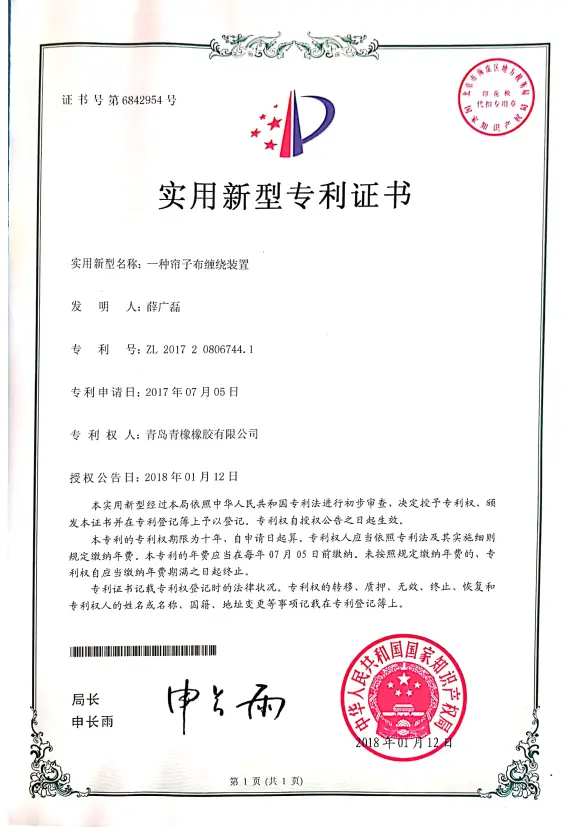
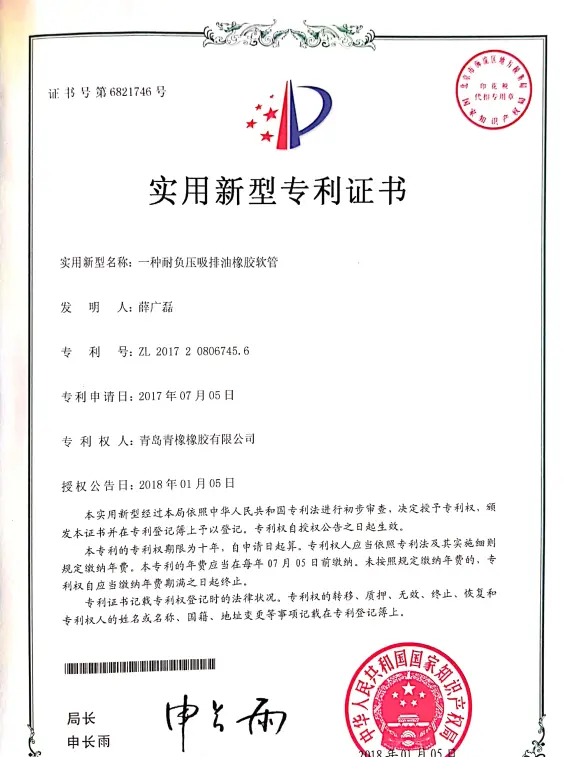
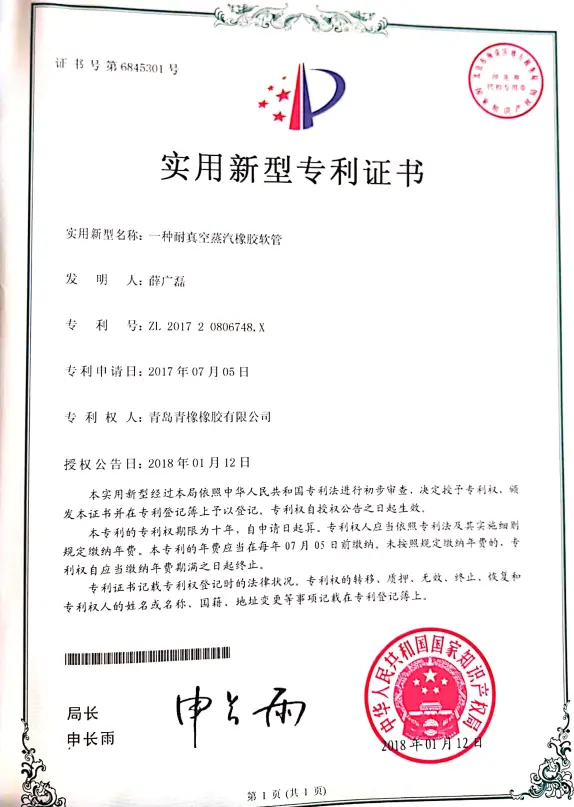
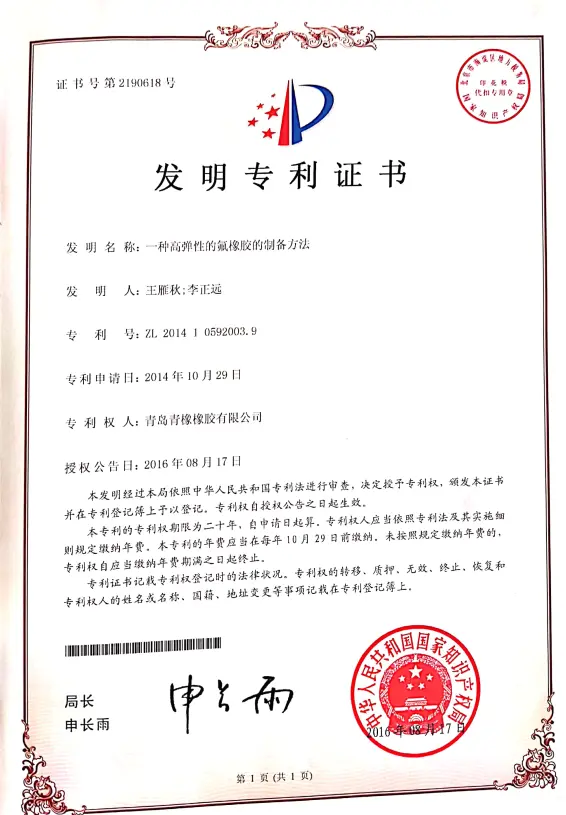
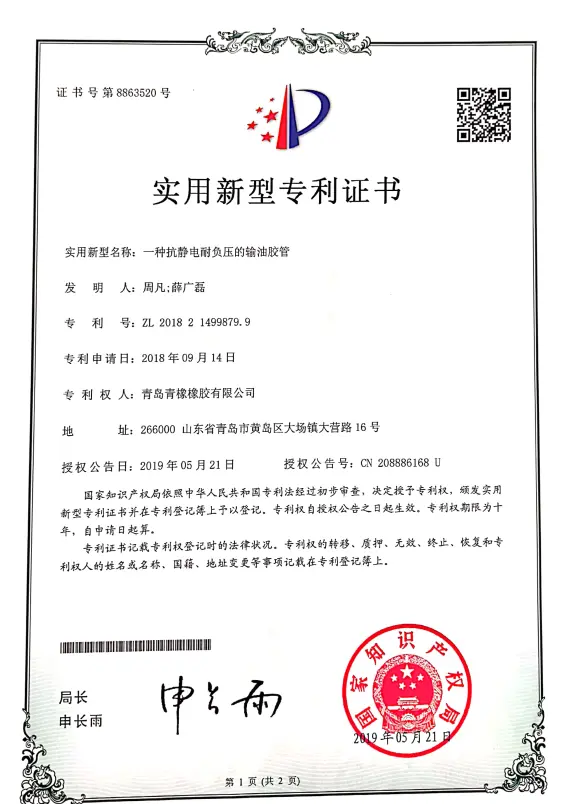
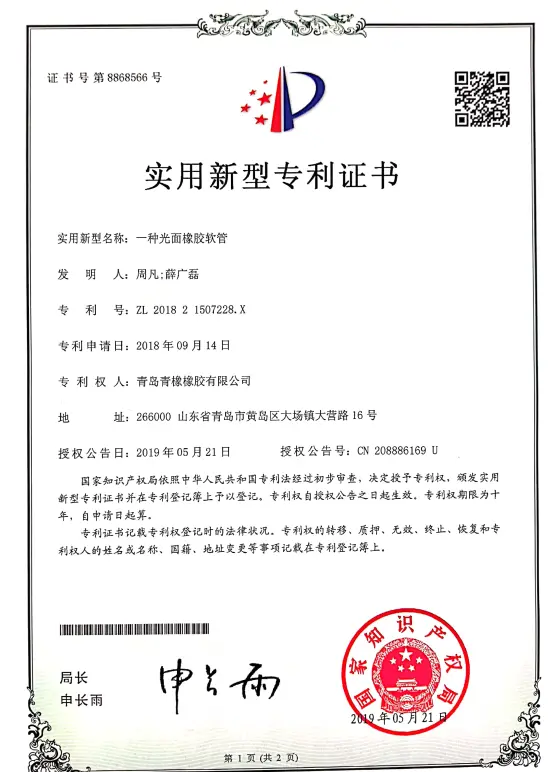
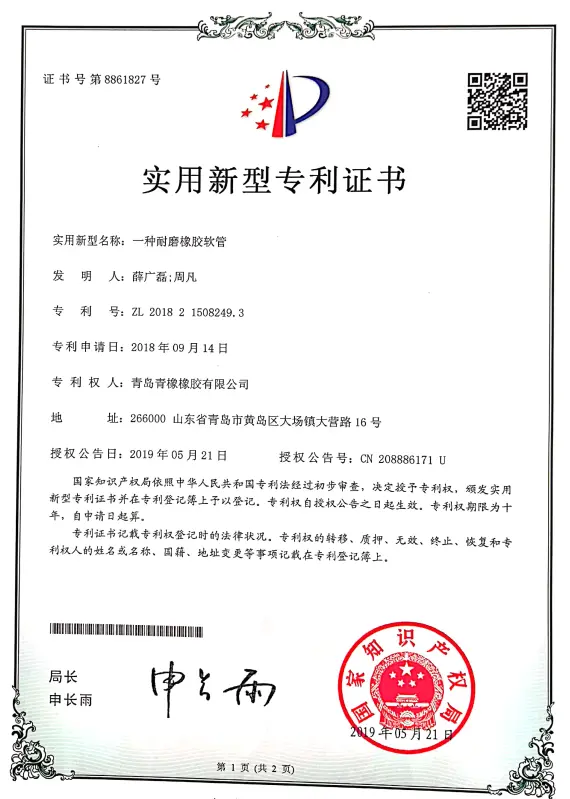
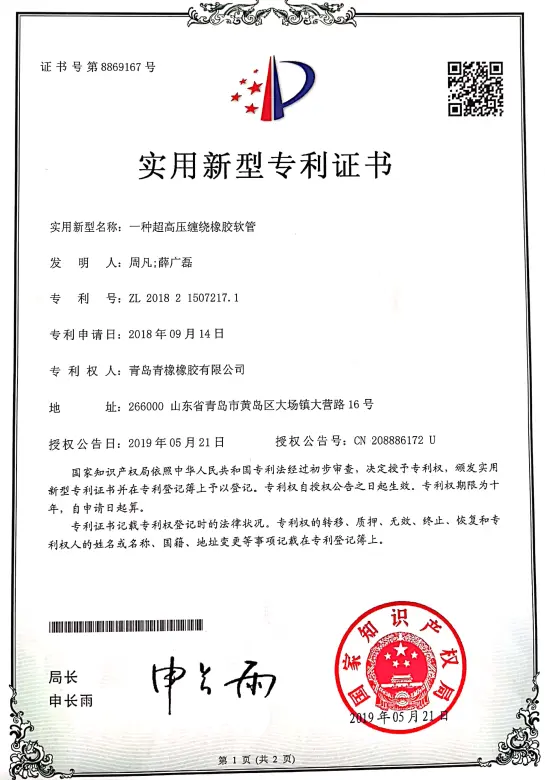
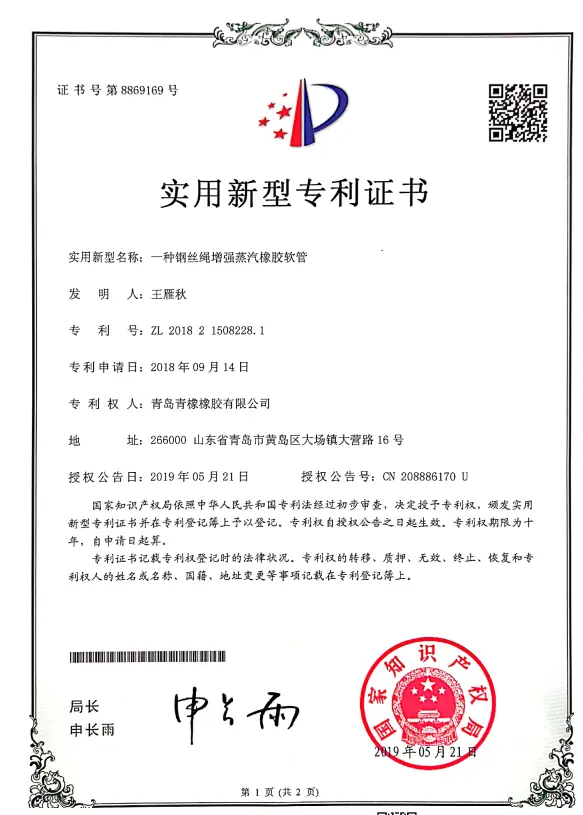
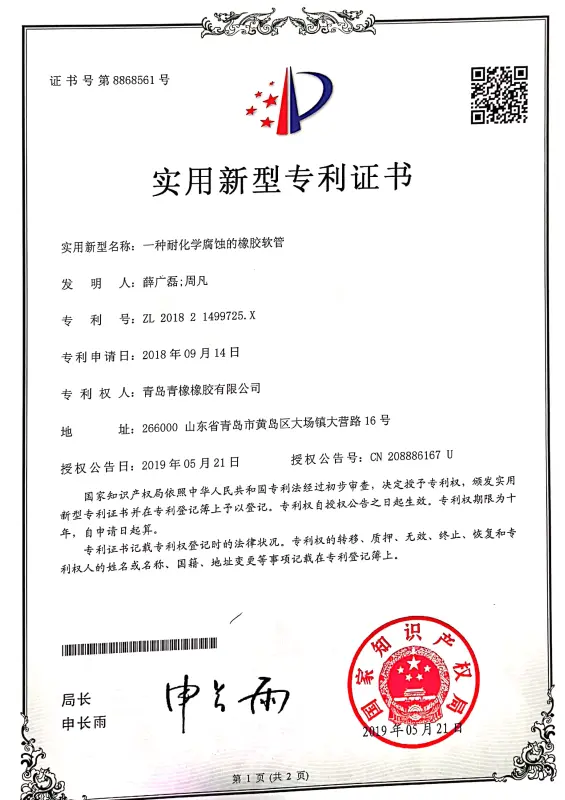
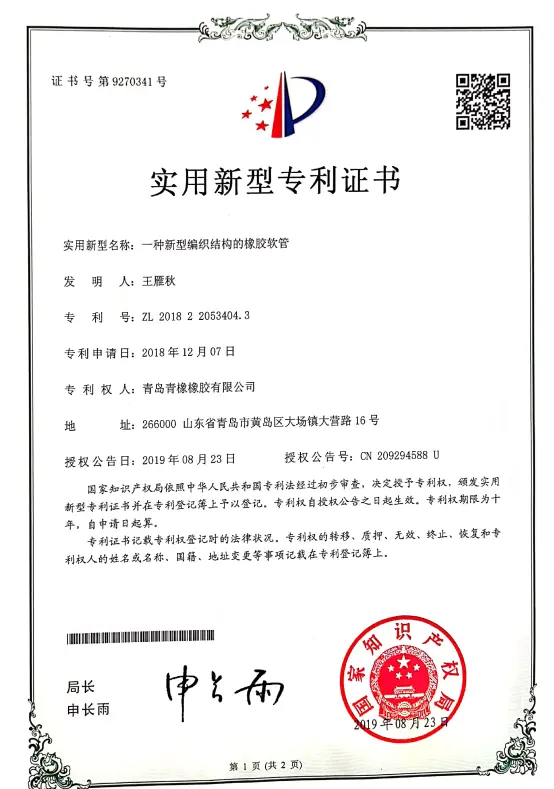
New Invention Patent 1.webp
New Invention Patent 2.webp
New Invention Patent 3.webp
New Invention Patent 4.webp
New Invention Patent 5.webp
New Invention Patent 6.webp
New Invention Patent 7.webp
New Invention Patent 8.webp
New Invention Patent 9.webp
New Invention Patent 10.webp
New Invention Patent 11.webp
New Invention Patent 12.webp
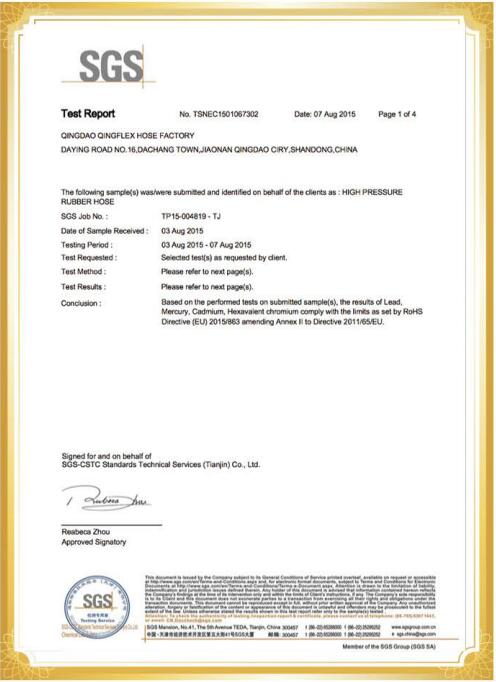
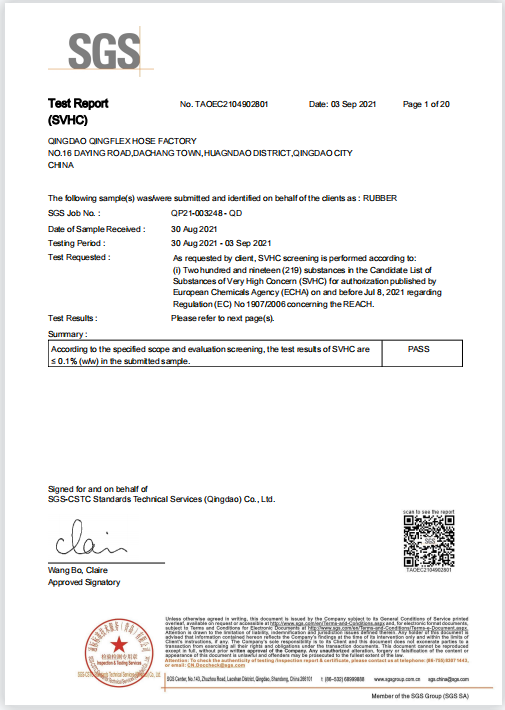
SGS 1.jpg
SGS 1.jpg
SGS 1.png
SGS 1.png
SGS 2.jpg
SGS 2.jpg
SGS 3.jpg
SGS 3.jpg
REACH.png
REACH.png

FAQ of Petroleum Hose

Application of Petroleum Hoses

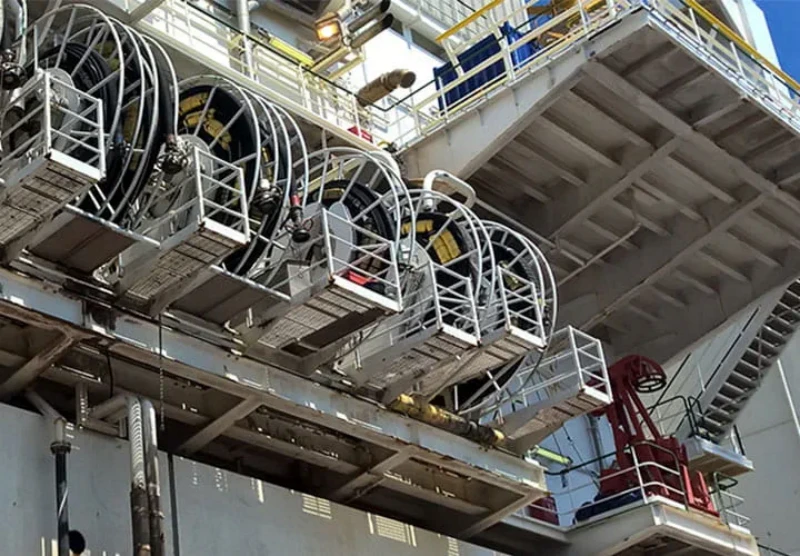
Petroleum hoses are crucial for safely transporting fuel and oil across various industries. From fuel dispensing at gas stations to oilfield operations and marine dock transfers, these hoses ensure reliable, high-pressure fuel transfers. Whether transferring gasoline, diesel, or crude oil, petroleum hoses guarantee safe, quick, and efficient handling in everyday operations.
Key Applications of Petroleum Hoses:

  1. Fuel Dispensing at Gas Stations – Transports gasoline and diesel safely to vehicles.

  2. Oilfield Operations – Handles high-pressure fuel and drilling mud transfers in remote locations.

  3. Marine Dock Transfers – Enables the safe transfer of petroleum products from ships to shore.

  4. High-Pressure Fuel Transfers – Designed to withstand the pressure during fuel handling and oil transport.

  5. Crude Oil Transportation – Specifically built for transferring crude oil without compromising safety.

  6. Reliable and Safe Fuel Handling – Ensures safety in various environments while providing quick fuel delivery.

  7. Heavy-Duty Construction – Built to endure harsh environmental conditions, such as extreme temperatures and abrasions.

Petroleum hoses are designed for durability and flexibility, making them ideal for high-pressure environments and safe fuel transfer. Built to withstand harsh conditions, these hoses provide reliable service across a variety of industries, including fuel dispensing, oilfield operations, and marine transfers.
Key Characteristics of Petroleum Hoses:

  1. Durable Construction – Built to withstand tough conditions, ensuring long-term performance.

  2. Flexibility and Strength – Offers flexibility for easy handling without sacrificing strength for heavy-duty applications.
  3. Reinforced with Synthetic Fibers or Steel Wire – Provides extra strength and durability, especially for high-pressure environments.
  4. Abrasion-Resistant Outer Layer – Protects against wear and tear from rough handling and extreme conditions.

  5. Fuel Leak Prevention – The inner lining is specially designed to prevent leaks and chemical reactions, ensuring safe petroleum transfer.

  6. High-Pressure Resistance – Capable of handling the high pressures common in fuel and oil transport, whether transferring gasoline, diesel, or crude oil.

  7. Chemical Resistance – Built to resist the effects of various petroleum products and chemicals, ensuring safe usage in diverse industries.

  8. Safe Transfer of Petroleum Products – Ensures safe, quick, and reliable transfer of fuels, reducing the risk of accidents in oilfield, marine, and industrial operations.

The petroleum hose market is rapidly evolving to meet growing demands in fuel distribution, storage, and transportation. Key trends include greener materials, higher-pressure capabilities, and longer-lasting designs, all aimed at improving safety, performance, and sustainability.

Key Trends in the Petroleum Hose Market:

  1. Environmentally Conscious Designs – Increased use of greener materials and recyclable components to support sustainability.

  2. Higher-Pressure Capabilities – Focus on hoses designed to handle higher pressures, meeting stricter safety standards.

  3. Offshore and Remote Operations – Special attention is given to hoses that can withstand the unique demands of offshore oilfields and remote locations.

  4. Improved Durability – Manufacturers are designing hoses with longer lifespans and improved resistance to harsh environments.

  5. Stricter Safety Standards – Hoses are being developed to meet higher safety standards, especially in high-risk petroleum transport.

  6. Growing Demand for Petroleum Transportation – The increasing need for fuel distribution and petroleum storage is pushing innovation in hose design.

  7. Resistance to Harsh Conditions – New designs feature improved abrasion resistance, chemical resistance, and high-temperature endurance to handle extreme conditions in the field.

We conduct rigorous testing on every petroleum hose to ensure it meets the highest standards of performance, durability, and safety. These tests ensure that our hoses can handle pressure, extreme conditions, and the demands of various industries.

Key Tests for Petroleum Hoses:

  1. Pressure Testing – Ensures the hose can withstand typical operating pressures without failure.

  2. Abrasion Resistance Testing – Verifies the hose’s durability in rough environments, protecting it from wear and tear.

  3. Chemical Resistance Testing – Confirms the hose can handle exposure to fuels, oils, and chemicals without degradation or damage.

  4. Flexibility Testing – Assures the hose maintains flexibility for easy handling and reliable performance.

  5. Temperature Resistance Testing – Tests the hose’s ability to perform under both high and low temperature extremes, ensuring safe operation in all conditions.

Petroleum hoses are specifically designed to handle high-pressure environments commonly encountered in oilfield operations and fuel transfer systems. These hoses are reinforced to withstand extreme pressure and provide safe, reliable performance in demanding applications.

  1. Reinforced Construction – Built with steel wire or synthetic fabric to provide added strength and durability under pressure.

  2. High-Pressure Resistance – Capable of withstanding pressures up to 3,000 psi or more, making them ideal for heavy-duty applications.

  3. Prevents Collapse Under Pressure – Specially designed to maintain shape and functionality, preventing hose collapse in high-flow conditions.

  4. Abrasion-Resistant Outer Layer – The outer layer is designed to resist abrasion and wear, ensuring durability even in tough, high-stress environments.

  5. Ideal for High-Flow Applications – Perfect for use in drilling, tank truck fueling, and other high-flow petroleum transfer applications.

These features ensure that petroleum hoses maintain their performance and safety, even under extreme pressure and harsh environmental conditions.

Choosing the right petroleum hose is crucial for safe and efficient fuel and oil transfer. By considering the type of petroleum product, hose size, and application requirements, you can select the best hose for your needs, ensuring optimal performance and longevity.

  • Identify the Petroleum Product – Determine whether you’re transferring gasoline, diesel, or crude oil to select a hose suitable for that specific product.

  • Select the Appropriate Diameter – Choose the correct hose diameter based on your flow rate requirements and system specifications.

  • Consider the Pressure Rating – Ensure the hose has the appropriate pressure rating to handle the demands of your application, especially for high-pressure systems.

  • For Fuel Dispensing – Look for flexible, lightweight hoses that allow quick fuel flow and easy handling, especially in gas stations or fuel delivery systems.

  • For Oilfield Operations – Choose hoses reinforced with stronger materials like steel wire or synthetic fibers to endure harsh conditions and high-pressure environments.

  • Consult with Your Manufacturer – For custom hose solutions, consult with your manufacturer to ensure the hose meets the specific needs of your system or application.

Petroleum hoses are designed with strict safety standards to ensure safe fuel and oil transfers. These hoses are built to meet industry regulations, providing protection for workers and equipment, especially in high-pressure and hazardous environments.

Key Safety Features of Petroleum Hoses:

  1. API 16C Certification – Meets API 16C standards for offshore and onshore oil drilling, ensuring the hose can handle high-pressure transfers safely.

  2. UL (Underwriters Laboratories) Certification – Many hoses are UL certified, making them ideal for fuel transfer systems where safety and reliability are critical.

  3. Fire-Resistant Construction – Designed to resist fire hazards, these hoses can withstand exposure to high temperatures and potential fire risks.

  4. Static-Dissipating Capabilities – Some hoses are equipped with static-dissipating properties to prevent ignition from static electricity during fuel transfer.

  5. Compliance with International Safety Regulations – Built to meet global safety standards, ensuring protection for both workers and equipment during fuel handling.

These safety features ensure that petroleum hoses perform reliably in demanding environments while meeting strict safety requirements.

At our manufacturing facility, we prioritize high-quality materials and rigorous testing to ensure every petroleum hose meets industry standards. Our production process guarantees hoses that perform reliably, even in demanding, real-world conditions.

Key Steps in Petroleum Hose Manufacturing:

  1. High-Quality Materials – We use oil-resistant rubber and reinforced fabric to enhance the hose’s durability and performance under harsh conditions.

  2. Vulcanization Process – During production, we vulcanize the rubber to improve flexibility and ensure resistance to extreme temperatures.

  3. Rigorous Quality Control – Each hose undergoes thorough inspections at various stages of production, ensuring uniformity and compliance with standards.

  4. Pressure Testing – Every hose is subjected to pressure testing to confirm it can withstand the pressures it will encounter in real-world applications.

  5. Flexibility and Pressure Resistance Testing – We test hoses for flexibility and pressure resistance to ensure they perform reliably in flexible, high-pressure environments.

  6. Chemical Compatibility Testing – Hoses are also tested for chemical compatibility, ensuring they can handle fuels, oils, and chemicals without degradation.

The lifespan of your petroleum hose depends on how it’s used and maintained. With proper care, high-quality petroleum hoses can last anywhere from 5 to 10 years. Regular inspections for cracks, leaks, or signs of wear, as well as proper storage and cleaning, will extend the hose’s lifespan. If your hose is exposed to extreme conditions such as high temperatures or abrasive environments, it may need to be replaced sooner. Always replace a hose if it shows signs of degradation or if it no longer meets performance requirements.

Want to Speak to a Professional?

petroleum hose manufacturer

Get Quick Response with Petroleum Hose Manufacturer

Alienfrac Logo

Contact Us