
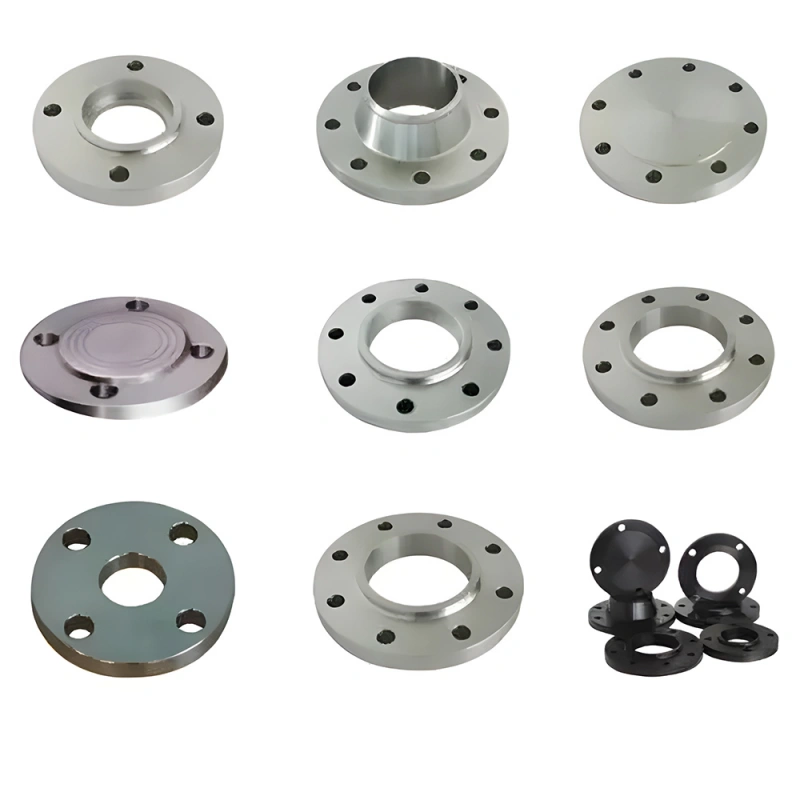
You face a crucial decision when selecting the appropriate flange types for industrial piping systems. Flanges connect and secure pipes, making them essential for maintaining system integrity in high-pressure environments.
Weld neck, socket-weld, and blind flanges are common choices, each offering unique advantages for oil, gas, and chemical operations. Understanding these options helps ensure safe, efficient performance. Alienfrac API Flanges deliver reliable solutions that meet strict industry standards.
Key Takeaways
- Understand the different types of flanges, such as weld neck, slip-on, and blind flanges, to choose the right one for your piping system.
- Select flange materials based on the environment; stainless steel is best for corrosion, while carbon steel is cost-effective for non-corrosive systems.
- Always verify pressure ratings and compliance with industry standards such as API and ASME to ensure safety and reliability in high-pressure applications.
- Regularly inspect flanges for defects and ensure gasket selection is appropriate to prevent leaks and maintain system integrity.
- Follow a checklist for flange selection, including application requirements, size matching, and performance testing, to avoid costly installation issues.
Types of Flanges in Piping Systems
Weld Neck Flanges
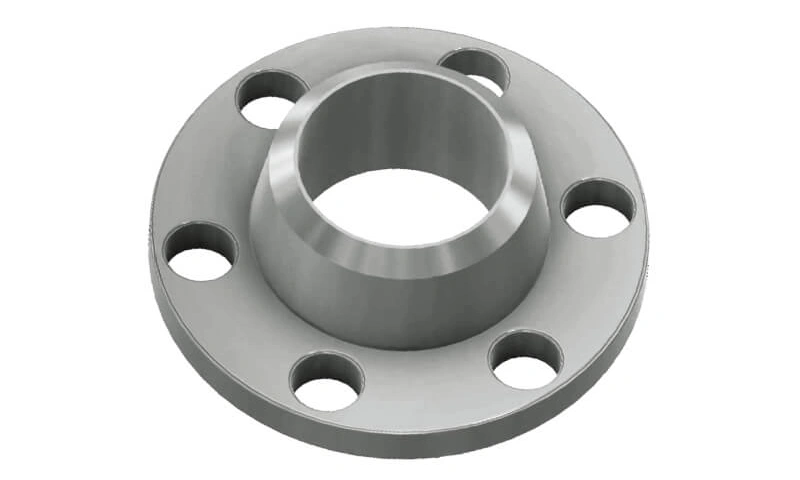
You encounter weld neck flanges in many high-pressure piping systems. These flanges feature a long tapered hub and a machined bore that matches the pipe’s internal diameter. The butt-welded connection creates a continuous structure, minimizing turbulence and pressure drop.
This design ensures a strong, well-sealed joint that withstands extreme pressure and temperature. You often select weld neck flanges for applications where leaks could cause severe consequences, such as oil and gas pipelines, chemical reactors, and offshore platforms.
| Structural Feature | Contribution to Performance |
|---|---|
| High-hub design | Smooth transition of stress, minimizing concentration at the joint |
| Butt-welded connection | Strong, sealed connection, enhancing integrity |
| Machined bore | Matches pipe diameter, ensuring smooth flow |
| Tapered hub | Reduces stress, improving fatigue resistance |
You choose weld neck flanges for their high-pressure resistance, temperature tolerance, and corrosion resistance. Alienfrac API Flanges offer weld-neck options that comply with API standards, making them ideal for oilfield and power-industry applications.
Slip-On Flanges
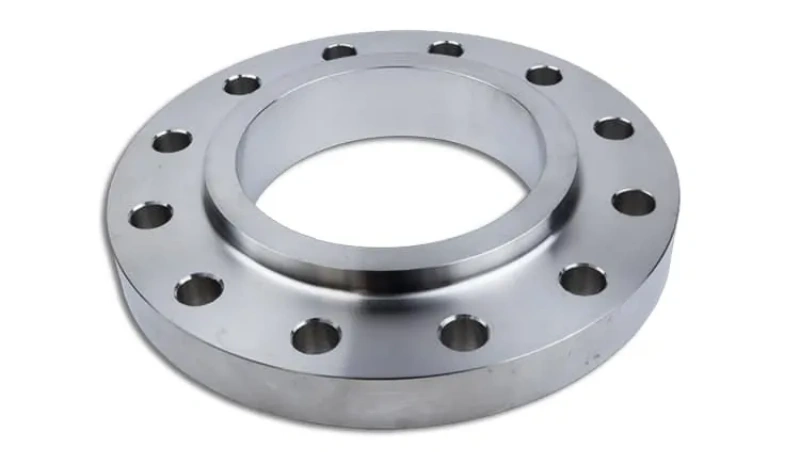
Slip-on flanges provide a practical solution for many types of flanges in piping systems. You slide the flange over the pipe and secure it with two welds—one inside and one outside.
This method allows for easier alignment during installation. Slip-on flanges are best suited for low-pressure systems, where cost-effectiveness and ease of installation are paramount.
| Aspect | Slip-On Flanges |
|---|---|
| Installation | Two welds, easier alignment |
| Sealing | Suitable for lower pressure, less robust sealing |
You find slip-on flanges in industries such as water treatment, HVAC, and general industrial piping. These flanges are common in systems that require infrequent maintenance.
Alienfrac API Flanges are slip-on, steel-manufactured, and designed for reliable performance in moderate-pressure environments.
Socket Weld Flanges
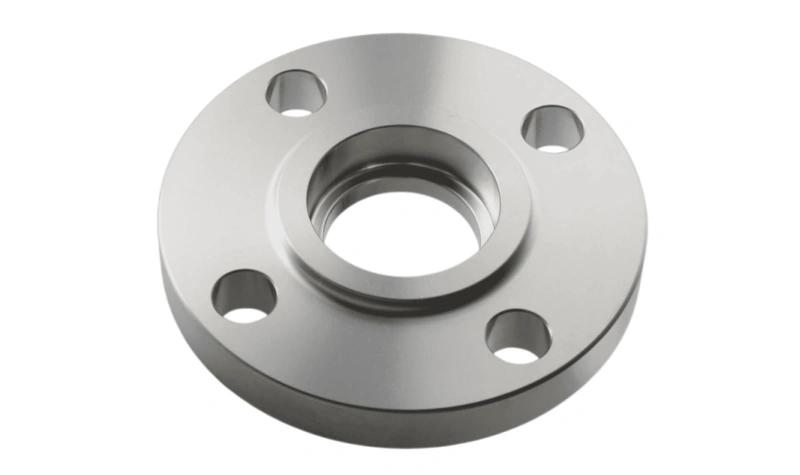
Socket weld flanges serve small-diameter, high-pressure piping systems. You insert the pipe into a recessed area (socket) of the flange and apply a fillet weld around the hub.
This design ensures easy alignment and strong structural integrity. Socket weld flanges require less welding than butt weld flanges, making installation straightforward.
- High resistance to pressure and temperature
- Pipe sits in a socket, fillet weld ensures smooth bore flow
- Designed for weldability with a specific socket depth
- Gap maintained to prevent stress concentration
You select socket-weld flanges for high-pressure transmission lines, especially where leak minimization is required. Alienfrac API Flanges offer socket weld options that meet API standards, providing secure connections for oil and gas applications.
Blind Flanges
Blind flanges close the ends of pipes or vessels, allowing you to isolate sections for maintenance or pressure testing. These flanges create airtight seals capable of withstanding significant internal pressures. You use blind flanges in chemical processing facilities, power plants, and oilfield systems.
- Provide closure for pipeline ends
- Enable isolation during maintenance and pressure testing
- Create tight seals, preventing leaks and enhancing safety
Alienfrac API Flanges include blind flange designs built to API standards. You rely on these flanges to maintain system integrity and safety during critical operations.
Threaded Flanges
Threaded flanges connect pipes using internal threads, eliminating the need for welding. You use threaded flanges for temporary connections, pressure gauge installations, and safety valve setups. These flanges are ideal for frequent disassembly, such as during construction or commissioning.
- Ideal for applications requiring frequent disassembly
- Used for temporary connections and equipment installations
- Facilitate modifications and maintenance
Alienfrac API Flanges offer threaded flange options in steel and alloy materials, ensuring durability and compliance with industry standards.
Lap Joint Flanges
Lap joint flanges consist of a stub end welded to the pipe and a backing flange that rotates freely. This design allows you to align bolt holes easily during assembly, which is crucial for maintenance. You can disassemble and reassemble lap joint flanges quickly, making them ideal for systems requiring frequent inspections.
- Stub end welded to the pipe, backing flange rotates freely
- Easy alignment of bolt holes during assembly
- Ideal for frequent maintenance and inspection
You find lap joint flanges in piping systems where corrosion resistance is important. Common materials include carbon steel, stainless steel, and specialty alloys. Alienfrac API Flanges provide lap joint options that support efficient maintenance in oilfield and industrial environments.
Orifice Flanges
Orifice flanges play a key role in flow measurement and control. You install an orifice plate between two flanges, creating a pressure drop as fluid flows through. This drop is proportional to the flow rate, allowing you to monitor and regulate process conditions.
- An orifice plate creates a pressure drop for flow measurement
- Used with differential pressure transmitters for process monitoring
- Essential for measuring and regulating fluid flow in pipelines
Alienfrac API orifice flanges comply with national and international standards, ensuring accurate flow measurement and safety. You depend on these flanges for custody transfer and industrial flow applications in oil and gas, chemical processing, and water treatment.
Tip: When selecting flange types for piping systems, consider the operating pressure, temperature, and maintenance requirements. Alienfrac API Flanges offer a wide range of steel options, each designed for specific industrial needs and certified for high-pressure environments.
Flange Materials and Performance
Common Flange Materials
You will find several materials used for flange manufacturing in industrial piping. The most common options include:
- Carbon steel, which you often see in oil and gas systems.
- Stainless steel, which works well in environments where corrosion is a concern.
- Alloy steel, which you select for high-temperature or high-stress applications.
- Specialty alloys, such as superduplex or Inconel, that you use for extreme conditions.
Alienfrac API Flanges offer a wide range of these materials, ensuring you can match the right flange to your system’s requirements.
Material Selection Factors
When you choose a flange material, you must consider temperature, pressure, and compatibility with the process fluid. Temperature changes can cause materials to expand or contract, potentially weakening the flange. Stainless steel resists high temperatures and corrosion, while carbon steel may need coatings for protection.
You should always check the pressure rating for each flange class, as higher pressure requires thicker flanges. Material compatibility also matters—stainless steel is suitable for corrosive environments, while carbon steel is suitable for non-corrosive systems.
Durability and Strength
The durability of a flange depends on both the material and the design. The table below compares the main types of steel used for flanges:
| Type of Steel | Corrosion Resistance | Strengths | Limitations |
|---|---|---|---|
| Carbon Steel | Prone to rust and corrosion unless coated | Cost-effective, high strength, easy to machine | Requires coating for corrosion resistance |
| Alloy Steel | Moderate corrosion resistance | Improved strength, toughness, and wear resistance | More expensive, may need specialized fabrication |
| Stainless Steel | Excellent corrosion resistance | Highly corrosion-resistant, aesthetic finish | High cost, harder to machine or weld |
You must inspect flanges regularly and select the right gasket to prevent leaks and maintain safety.
Ease of Assembly
Proper flange design makes assembly and maintenance easier. Flanges enable you to build modular piping systems and simplify future modifications. You can quickly disassemble flanges for inspection or repairs. Alienfrac API Flanges comply with strict standards, helping you achieve reliable, safe assembly.
| Evidence Point | Description |
|---|---|
| Modularity | Flanges support modular construction and easy modifications. |
| Maintenance | You can quickly disassemble flanges for maintenance and inspection. |
| Thermal Expansion | Flanges accommodate thermal expansion, preventing leaks. |
| Safety Standards | Compliance with ASME, API, and ISO ensures safety and reliability. |
Weight Considerations
Flange weight affects installation and maintenance. For example, a 6-inch carbon steel flange weighs about 19 kg, while a stainless steel flange of the same size weighs around 12 kg.
Heavier flanges may require more manpower and equipment, which can increase costs. You should plan for proper lifting and handling to avoid unplanned shutdowns and ensure safe operations.
Tip: Choose lighter flanges when possible to reduce labor and equipment needs, but never compromise on strength or safety. Alienfrac API Flanges balance weight, durability, and compliance for your industrial piping systems.
Selecting the Right Flange for Industrial Needs
Application Requirements
You must start by understanding the demands of your piping systems. Each flange must match the pressure, temperature, and media type in your industrial applications. You need to select steel flanges that match your pipe sizes to prevent leaks or failures. Quality inspection is essential before installation.
You should check for defects and confirm that pressure ratings align with your system. Matching specifications avoids costly installation issues. Material selection matters most in high-pressure applications.
You choose steel or specialty alloys for harsh environments. Performance testing ensures that each flange meets your requirements.
| Criteria | Description |
|---|---|
| Understand requirements | Know the specifics of pipes, valves, and equipment, including pressure, temperature, and media type. |
| Size matching | Confirm the flange size fits the pipe to prevent leakage or failure. |
| Quality Inspection | Inspect for defects and check pressure ratings. |
| Specification matching | Select flanges that meet system specifications. |
| Material selection | Select steel or an alloy for high-pressure applications. |
| Performance testing | Test flanges for quality and performance before installation. |
Tip: Always match gasket material with the process fluid and flange pressure class. Consider fluid viscosity and abrasiveness. Account for vibration and thermal cycling in your piping systems.
Cost and Safety Balance
You must balance cost and safety when selecting flanges for industrial applications. Lower-cost flanges may suit low-pressure piping, but you need steel flanges for high-pressure or corrosive environments.
Safety standards guide your choices. You must select flanges that comply with ASME, API, and ISO standards. Pressure class influences both cost and safety. The table below shows common flange classes and their pressure ratings.
| Flange Class | Approx. Pressure at 100°F (Carbon Steel) | Common Application |
|---|---|---|
| Class 150 | 285 psi | Water, HVAC, low-pressure steam |
| Class 300 | 740 psi | Chemical, refinery, oil & gas |
| Class 600 | 1480 psi | Power generation, high-temp steam |
| Class 900–2500 | 2220–6170 psi | Offshore, specialty systems |
Note: You must never compromise safety for cost. Always select flanges that meet or exceed your system’s requirements.
Alienfrac API Flanges Selection Guide
Alienfrac API Flanges provide reliable solutions for high-pressure and high-temperature piping systems. You can choose from weld neck, blind, threaded, and slip-on flanges made from steel, stainless steel, or specialty alloys.
These flanges meet API standards and deliver secure connections in oil, gas, and power applications. You must follow a checklist to ensure proper selection:
- Identify pressure and temperature requirements.
- Match flange size and material to your piping systems.
- Confirm compliance with API, ASME, and ISO standards.
- Inspect flanges for defects and verify pressure ratings.
- Test performance before installation.
You can trust Alienfrac API Flanges for durability, safety, and efficiency in industrial applications.
Conclusion
You have explored the main types of flanges, their materials, and key performance features. Choosing the right flange ensures safety and efficiency in your piping systems. Always consider factors like application needs, steel grade, and product quality. For complex projects, follow these steps:
- Define your application requirements for each flange.
- Review ANSI and ASME standards for flanges.
- Check pressure ratings for your steel piping.
- Select materials that resist corrosion and suit your process.
- Consult professional engineers for expert guidance.
Alienfrac stands ready to support your industrial needs with trusted solutions.
FAQ
What is the main difference between a flange and other pipe connectors?
You use a flange to create a strong, sealed connection between pipes. Flanges allow easy assembly and disassembly. Other connectors, like couplings, do not provide the same level of strength or flexibility for maintenance.
How do you select the right flange for high-pressure applications?
You check the pressure rating and material. Choose flanges that meet API or ASME standards. Select a flange with a welded neck or blind design for high-pressure systems. Always verify compatibility with your piping.
Can you reuse flanges after disassembly?
You can reuse flanges if they show no signs of damage or corrosion. Inspect the flange surface and bolt holes. Replace the gasket before reassembly. You maintain system safety by following proper inspection procedures.
What materials are best for flanges in corrosive environments?
You select stainless steel or specialty alloys for corrosive environments. These materials resist rust and chemical attack. Flanges made from these alloys ensure long-term durability and reduce maintenance needs.
Why do you need different types of flanges in piping systems?
You need different types of flanges to match specific system requirements. Each flange type supports unique installation, pressure, and maintenance needs. Using the correct flange improves safety and efficiency in your piping operations.
