
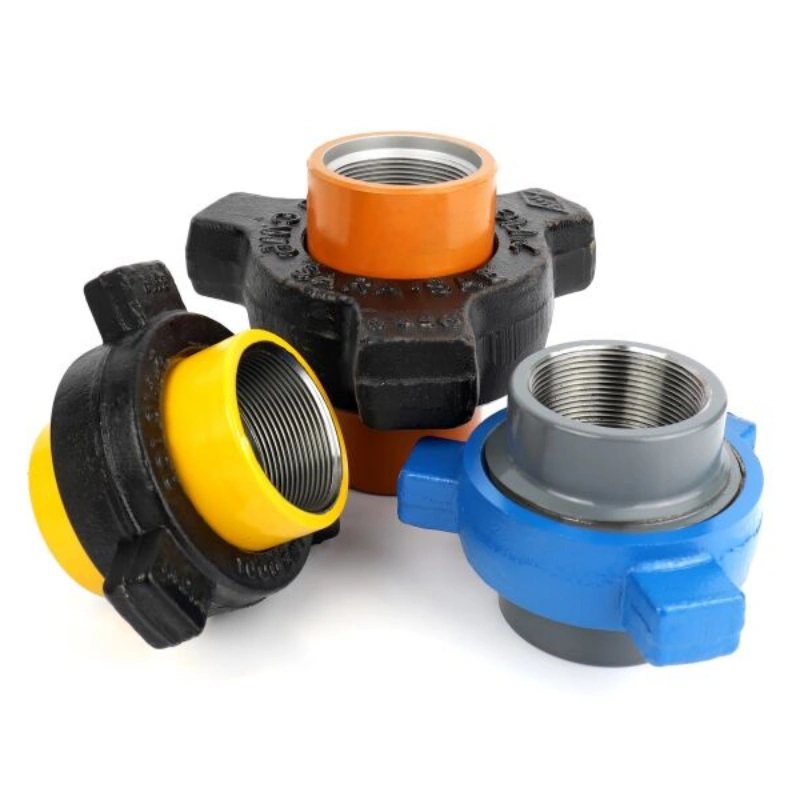
You must select the correct hammer union types to ensure safety and efficiency in demanding operations. Focus on size, pressure rating, material, compatibility, and application when you compare options.
Alienfrac provides high-quality hammer unions trusted by industry professionals. Avoid errors like choosing the wrong size, poor thread alignment, over-tightening, and neglecting pressure ratings.
| Mistake | Implication |
|---|---|
| Choosing the wrong size | Can lead to leaks, pressure loss, or system failure. |
| Poor thread alignment | Can cause serious thread damage, impacting the integrity of the connection. |
| Over-tightening | Can damage the union’s threads and compromise the integrity of the seal, leading to leaks. |
| Neglecting pressure ratings | Risks include equipment failure and endanger safety. |
For complex requirements, consult technical support to ensure the best fit.
Key Takeaways
- Select the right hammer union size to prevent leaks and ensure a secure fit. Always measure your pipe or hose diameter before ordering.
- Choose hammer unions with appropriate pressure ratings to avoid equipment failure. Match the union’s rating to your system’s maximum requirements.
- Consider material options carefully. Use corrosion-resistant materials like stainless steel for harsh environments to extend service life.
- Ensure connection compatibility by checking thread types and sizes. Mismatched connections can lead to leaks and mechanical failures.
- Follow a strict inspection routine for maintenance. Regular checks help identify wear and prevent costly downtime.
Hammer Union Types Overview
Common Hammer Union Types and Uses
You will find several hammer union types in oil and gas operations. Each type serves a specific purpose and fits a particular pressure range. Understanding these differences helps you select the right connection for your job.
Here is a quick reference table for the main hammer union types and their typical applications:
| Type | Characteristics | Typical Use Cases |
|---|---|---|
| Green Line Hammer Union | Low-pressure, lightweight | Water well drilling, low-pressure transfer lines |
| Blue Line Hammer Union | Medium-pressure, versatile | Drilling mud circulation, cementing operations |
| Red Line Hammer Union | High-pressure, reinforced materials | Oil and gas production, high-pressure fracturing lines |
| Double-Acting Hammer Union | Dual seals for bi-directional flow | Blowout preventers, high-integrity pressure barriers |
| Single-Acting Hammer Union | Seals pressure from one direction | Pipeline testing, purging systems, and low-pressure lines |
You should match the hammer union types to your operational needs. For example, use green line types for water transfer and red line types for high-pressure fracturing. Double-acting types work best when you need a seal in both directions.
Alienfrac Hammer Union Features
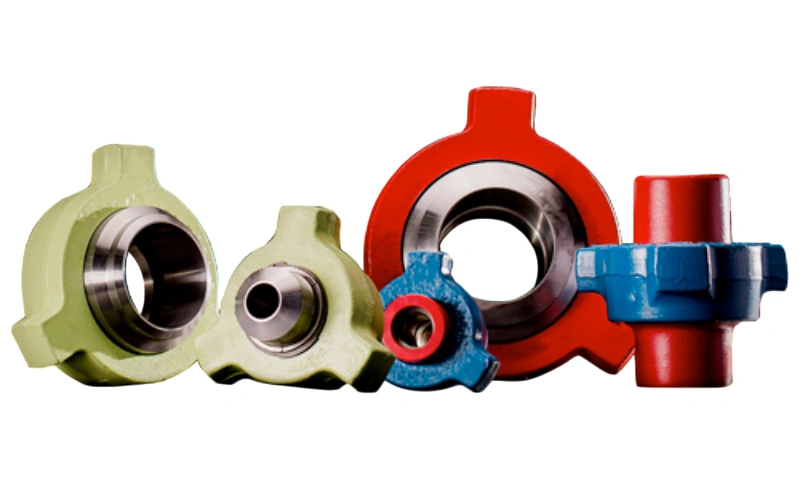
Alienfrac offers a full range of hammer union types, including FIG 100, 200, 206, 1002, and 1502. You can rely on these products for high-pressure ratings, with options up to 15,000 psi. The robust materials, such as high-strength steel and corrosion-resistant alloys, ensure long service life even in harsh environments.
Alienfrac uses industry-standard color coding for fast identification. This feature helps you quickly verify pressure ratings and compatibility in the field. The precision-machined sealing surfaces provide a tight, leak-proof connection.
You will also benefit from the wing nut design, which allows for easy assembly and disassembly. These advantages make Alienfrac hammer union types a reliable choice for demanding oilfield applications.
Tip: Always check the color code and figure number before installation to ensure you use the correct hammer union types for your operation.
Choosing Hammer Unions by Size and Pressure
Selecting the Right Size
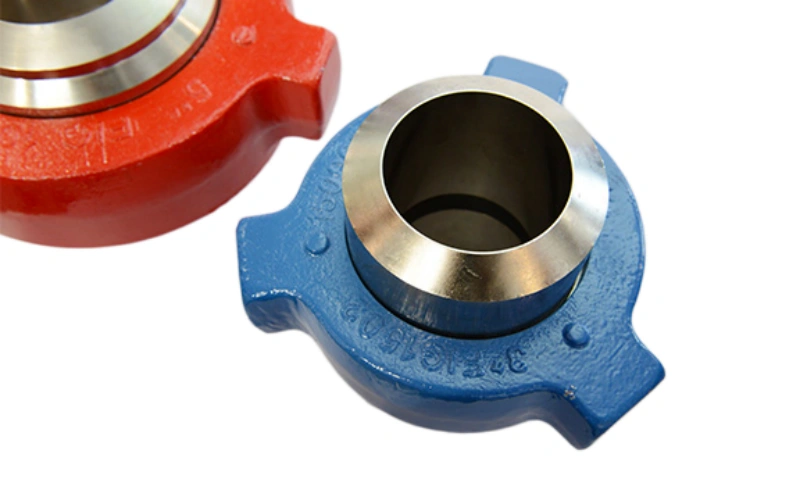
You must select the correct size when choosing hammer unions for your operation. The right size ensures a secure fit and prevents leaks or pressure loss. Hammer union sizes range from 1 inch to 12 inches, covering most oilfield and industrial needs.
You will often see sizes like 2″, 3″, 4″, and 6″ in daily use. Each application may require a different size, so always check your pipeline or hose diameter before making a selection.
Here is a quick reference table for common hammer union sizes and their applications:
| Size Range | Series | Application |
|---|---|---|
| 2″–8″ | 1502 | Standard applications |
| 2″–10″ | 206 | Specific applications |
| 3″–12″ | 602 | Ultra-high-pressure scenarios |
You should match the hammer union sizes to your pipeline requirements. For example, the 1502 series fits most standard oilfield jobs, while the 602 series works best for ultra-high-pressure environments. Alienfrac offers a full range of sizes to meet your needs, so you can always find the right fit for your project.
Tip: Measure your pipe or hose diameter carefully before ordering. A mismatch can lead to costly downtime and safety risks.
Pressure Ratings and Application Fit
Pressure ratings play a critical role in the safe operation of hammer unions. Each union has a maximum pressure it can handle, measured in pounds per square inch (psi). You must always choose a union with a pressure rating that matches or exceeds your system’s requirements.
- The pressure rating defines the maximum internal pressure a hammer union can safely handle. This prevents leaks or blowouts during operation.
- Using a union with an inadequate pressure rating can cause catastrophic failures and put your team at risk.
- Unions designed for higher pressures use more durable materials. This increases their service life in tough environments.
You will find pressure ratings from 1,000 psi up to 15,000 psi in the Alienfrac product line. Always check the figure number and color code to confirm the pressure rating before installation. For example, FIG 1002 and FIG 1502 unions support higher pressures and suit demanding oilfield applications.
When choosing hammer unions, you must match both the size and pressure ratings to your operational needs. This ensures safety, reliability, and long-term performance. Alienfrac provides detailed specifications for each product, making it easy to select the right union for your job.
Note: Never exceed the recommended pressure ratings. Doing so can shorten equipment life and compromise safety.
Material Selection for Hammer Unions
Material Options and Durability
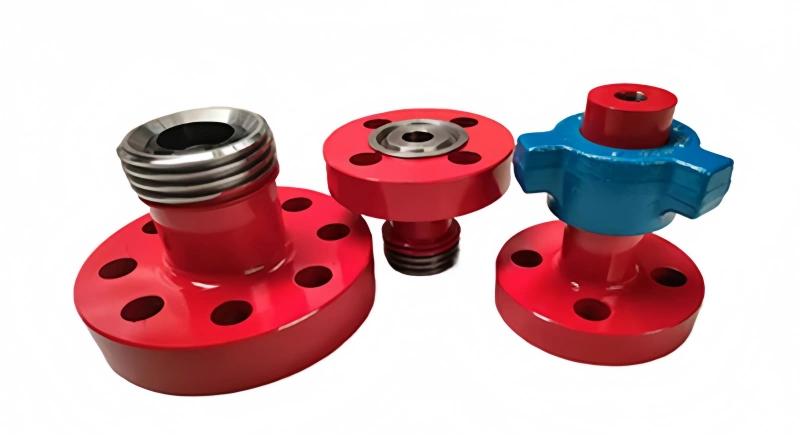
Your material choice plays a critical role in the performance and longevity of hammer unions. Each material offers unique strengths and limitations. The table below highlights the most common materials, their key properties, and how they affect durability:
| Material | Key Properties | Durability Impact |
|---|---|---|
| Carbon Steel | Exceptional strength, cost-effective, weldable | May require protective coatings in corrosive environments |
| Stainless Steel | Superior corrosion resistance, excellent performance in harsh environments | Longer service life due to resistance to corrosion |
| Alloy Steel | Enhanced strength and toughness, resists fatigue under cyclic loading | Improved durability under stress |
| Ductile Iron | Flexibility in high-pressure situations | Maintains integrity under pressure |
| Brass | Excellent machinability and corrosion resistance | Ideal for adaptable connections |
You should always consider material quality when selecting hammer unions. Carbon steel provides high tensile strength and cost efficiency, making it suitable for many standard applications.
Stainless steel stands out for its corrosion resistance and temperature tolerance, which extends service life in aggressive environments. Alloy steel delivers extra toughness, especially where equipment faces repeated stress.
Note: Understanding corrosion types is essential. Uniform corrosion weakens surfaces evenly, while pitting corrosion causes localized damage that can quickly compromise durability.
Environmental and Application Considerations
You must match the material to your operating environment. In oilfields with sour gas (H₂S/CO₂) or seawater exposure, corrosion-resistant alloys like stainless steel prevent rapid degradation. These alloys help maintain the integrity of hammer unions, even in the harshest conditions.
Alienfrac offers hammer unions made from high-strength steel and corrosion-resistant alloys. These options ensure reliable performance in both standard and extreme environments.
For operations involving high pressure or sour gas, select unions specifically rated for those conditions. This approach maximizes safety and reduces maintenance needs.
When you choose the right material, you protect your investment and ensure long-term reliability. Always review your application’s requirements and consult with technical experts if you face unique challenges.
Hammer Unions Connection and Compatibility
Ensuring Proper Fit and Seal
You need to pay close attention to connection compatibility when working with hammer unions. The right fit ensures a secure seal and prevents leaks or failures. Start by identifying the hammer union connection types used in your system.
Most hammer unions come with either threaded or butt-weld ends. Threaded connections are common and require you to match the thread types, such as API 6A Regular or API 6BX, to your existing equipment.
Here is a quick reference table to help you check the main connection points:
| Connection Type | Key Considerations |
|---|---|
| Thread Type | Confirm thread type (e.g., API 6A Regular, API 6BX) |
| Size Compatibility | Check size compatibility (e.g., 2-1/2″, 3″, 4″) |
| Gender and Orientation | Verify male/female ends and orientation requirements |
| Inspection Tools | Use thread gauges and seal ring checks during inspection |
To ensure a proper seal, follow these steps:
- Review the manufacturer’s specifications for both the hammer unions and the mating parts.
- Match the size and thread configuration exactly.
- Confirm that the pressure ratings align between all components.
- Inspect the sealing surfaces for damage or wear.
- Use the recommended installation techniques to avoid over-tightening or misalignment.
Tip: Mismatched threads or sizes can cause leaks or mechanical failures. Always use thread gauges and inspect seal rings before assembly.
Compatibility with Alienfrac and Other Systems
You must verify connection compatibility when integrating Alienfrac hammer unions with your existing equipment or with products from other manufacturers. Even small differences in thread types or sealing surfaces can affect performance. Always check the figure number, pressure rating, and connection details before installation.
Alienfrac designs its hammer unions to meet industry standards, making them suitable for most oilfield systems. However, if you encounter unique configurations or legacy equipment, consult Alienfrac technical support.
Their experts can help you assess connection compatibility and recommend the best solution for your operation.
Note: Ensuring connection compatibility protects your investment and keeps your operation running safely and efficiently.
Color Coding and Identification
Understanding Color Codes
You rely on color coding to identify hammer unions quickly in the field. The industry-standard system assigns specific colors to indicate pressure ratings and material types. For example, Fig 100 uses a black nut and grey subs for low-pressure applications.
Fig 400, built for higher pressures, features a red nut and blue subs. This visual system helps you avoid confusion and mistakes, especially when working under pressure. Immediate recognition of the correct union prevents mismatched connections and enhances safety.
Alienfrac follows this standardized color coding, so you can trust their products to provide clear visual cues. You improve efficiency and reduce risk when you understand these color codes.
Quick Identification Tips
You can streamline your workflow by adopting several best practices for identifying hammer unions in the field:
- Schedule inspection protocols after each use to maintain reliability.
- Clean unions thoroughly to remove debris and keep threads clear.
- Learn threading types such as NPT, BSP, and ACME for proper connections.
- Use color coding to spot size, pressure rating, and application at a glance.
Tip: Always check the color and figure number before installation. This habit ensures you select the right union for your operation and prevents costly errors.
You gain confidence and speed when you follow these steps. Consistent identification practices help you maintain safety and keep your operation running smoothly.
Application Guide for Choosing Hammer Unions
Oil & Gas Operations
You face some of the toughest conditions in oil and gas operations. You must select hammer unions that deliver high performance and safety. Consider these key criteria:
- Choose pressure ratings that match your system’s maximum requirements.
- Select materials like stainless steel or high-grade alloys for corrosion resistance.
- Ensure connection compatibility with your existing equipment.
- Schedule regular maintenance and inspections to maintain safe operations.
Alienfrac offers hammer unions built for high-pressure resistance and durability. You can rely on their robust construction and precise engineering for drilling, cementing, and fracturing. Their color-coded identification system helps you avoid mistakes in fast-paced environments.
Industrial and Water Applications
You need reliable connections for industrial and water systems. Hammer unions in these settings must allow for quick installation and easy repairs. You often work with medium pressure and require unions that resist corrosion from water or mild chemicals.
| Industry | Requirements |
|---|---|
| Construction | Quick installation and repairs in water and wastewater systems. |
| Chemical | Resistance to corrosive substances and leak prevention. |
| Industrial | Versatility for various fluids and moderate pressure levels. |
Alienfrac provides a range of sizes and materials to fit these needs. Their unions support efficient maintenance and minimize downtime in industrial plants and municipal systems.
Mining and Petrochemical Uses
You encounter unique challenges in mining and petrochemical applications. You must handle abrasive slurries, high pressures, and exposure to harsh chemicals. The right hammer unions must withstand these stresses and maintain a secure seal.
| Challenge | Description |
|---|---|
| Abrasive Materials | Unions must resist wear from slurry and particulates. |
| Corrosive Environments | Materials must prevent rapid degradation from chemicals. |
| Supply Chain Disruptions | Reliable suppliers like Alienfrac help you avoid delays and maintain operations. |
Alienfrac’s unions use high-quality steel and advanced alloys. You benefit from their durability and resistance to both abrasion and corrosion. Their technical support team can help you select the best union for your specific mining or petrochemical process.
Tip: Always match the union’s material and pressure rating to your application’s demands. This practice ensures safety and extends equipment life.
Hammer Unions Maintenance and Safety
Inspection and Maintenance Tips
You maintain peak performance and safety by following a strict inspection routine for hammer unions. Start with regular visual checks to spot signs of wear, corrosion, cracks, or deformities. Use leak detection methods, such as soap solutions or electronic detectors, to find hidden leaks.
Inspect wear indicators to determine when parts need replacement. Always follow manufacturer torque specifications and use calibrated torque tools to avoid over-tightening. Assess material compatibility with your environment to prevent premature wear.
- Conduct visual inspections for damage or leaks.
- Use leak detection tools for hidden issues.
- Check wear indicators for timely replacement.
- Apply proper torque using calibrated tools.
- Review material compatibility for your operation.
Establish a robust maintenance schedule. Address small issues before they escalate. Clean hammer unions after each use to remove debris and keep threads clear. Schedule inspections based on operational frequency and environmental conditions. Consistent maintenance extends service life and reduces downtime.
Tip: Document each inspection and maintenance activity. This practice helps you track performance and identify recurring issues.
Safety Best Practices
You protect your team and equipment by following safety best practices. Always adhere to manufacturer guidelines and industry standards. Select unions that meet API 6A and ISO 9001 requirements for reliability.
Use high-quality steel or alloy for durability and corrosion resistance. Confirm that unions can handle the pressure and temperature demands of your application.
| Guideline Type | Description |
|---|---|
| Industry Standards | Follow API 6A and ISO 9001 for safety and reliability. |
| Material Specifications | Use high-quality steel or alloy for durability and corrosion resistance. |
| Pressure Ratings | Ensure unions match your system’s pressure demands. |
| Temperature Tolerances | Select materials that withstand high temperatures. |
| Maintenance Practices | Perform regular inspection and preventive maintenance. |
Understand pressure ratings to maintain safety under operational force. Recognize temperature tolerance requirements for high-temperature applications. Always use personal protective equipment during installation and maintenance.
Follow the manufacturer’s instructions for assembly and disassembly. You reduce risks and ensure safe operation by prioritizing these guidelines.
Note: Never ignore signs of wear or damage. Immediate action prevents accidents and costly repairs.
Conclusion
To choose the right hammer unions, you should follow these essential steps:
- Assess pressure ratings for system compatibility.
- Determine the correct size for your application.
- Select materials that meet durability needs.
- Match connection types and ensure proper sealing.
- Identify your application and review installation techniques.
Prioritizing safety and reliability reduces replacements, maintains integrity, and boosts team confidence.
| Common Error | Solution |
|---|---|
| Choosing the wrong size | Verify compatibility and consult technical support. |
| Over-tightening | Use a torque wrench for proper force. |
For complex needs, consult Alienfrac’s technical support for tailored solutions.
FAQ
What is a hammer union used for?
You use a hammer union to connect pipes or hoses in high-pressure systems. These unions provide a secure, leak-proof seal for oilfield, industrial, and mining applications.
How do you identify the correct hammer union type?
You check the color code, figure number, and pressure rating. Alienfrac uses industry-standard color coding for fast identification. Always match these details to your system requirements.
Can you use Alienfrac hammer unions in sour gas environments?
Yes. You can select Alienfrac hammer unions made from corrosion-resistant alloys. These unions handle sour gas and harsh chemicals safely.
How often should you inspect hammer unions?
You should inspect hammer unions before each use and during scheduled maintenance. Look for wear, corrosion, or leaks. Regular checks help you prevent failures.
Where can you get technical support for Alienfrac hammer unions?
You can contact Alienfrac’s technical team by email or phone. Their experts help you choose the right union and solve compatibility issues.
Tip: Visit Alienfrac’s official website for more product details and support.
