
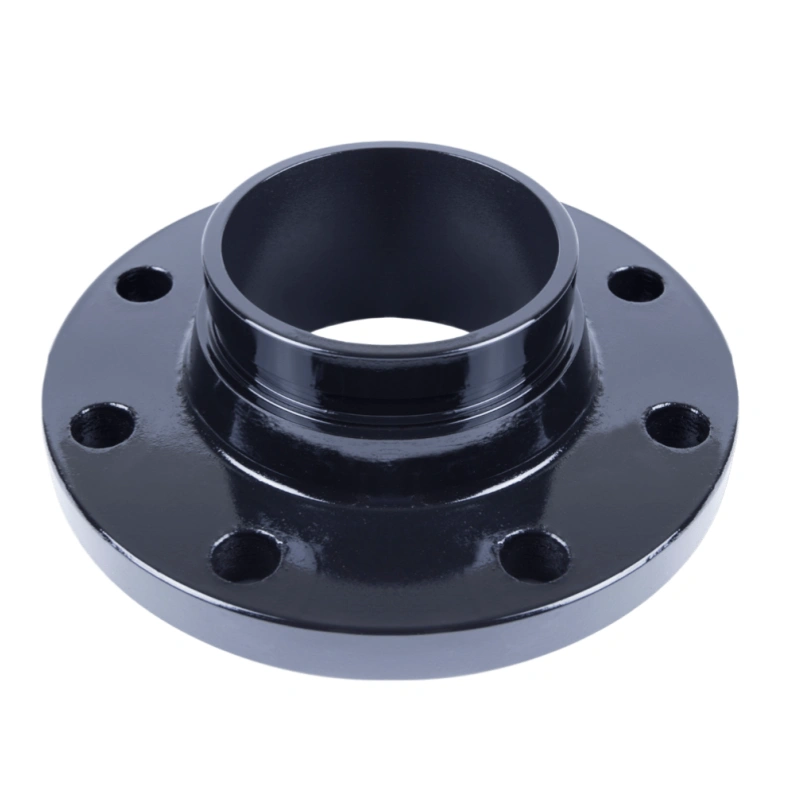
You often encounter five main flange face types in piping systems: flat face, raised face, ring type joint, tongue and groove, and male and female. Each flange face works best in specific operational scenarios.
For example, you should select a raised face for moderate to high pressure, while a ring type joint suits extreme pressure and temperature. Always match the flange face and gasket material to prevent corrosion or seal failure. Gasket materials must comply with national standards to ensure reliability.
Alienfrac API Flanges deliver trusted performance in demanding systems. Consult professionals for critical applications.
Key Takeaways
- Understand the five main flange face types: flat face, raised face, ring type joint, tongue and groove, and male and female. Each type serves specific applications.
- Select the right flange face based on your system’s pressure and temperature. Raised face and ring-type joint flanges are ideal for high-pressure environments.
- Always match the flange face with the appropriate gasket material to prevent leaks and ensure reliability. Compatibility is key for effective sealing.
- Consult industry standards and professionals when selecting flanges for complex systems. Their expertise can help avoid costly mistakes.
- Regularly inspect flange connections for damage and ensure proper installation to maintain long-term reliability and performance.
Flange Face Types in Piping Systems
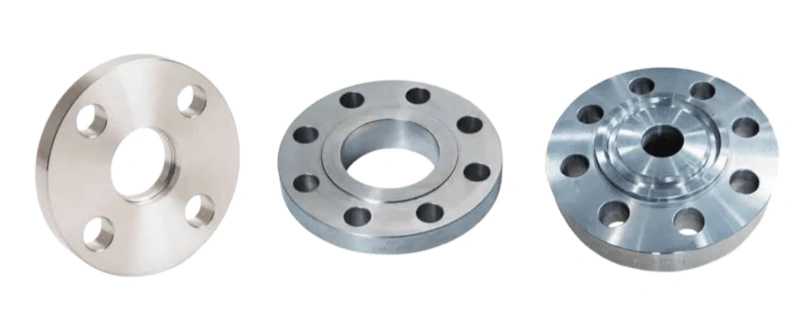
When you select a flange for oil, gas, or power systems, you must consider the flange face. Alienfrac and API Flanges offer reliable solutions for these demanding environments.
Each flange face type serves a unique purpose and requires specific gasket materials to ensure a secure seal. Understanding the differences between flange faces helps you make the right choice for your systems.
Flat Face (FF)
Flat face flanges provide a smooth, even surface for sealing. You often use this flange face in low-pressure and low-temperature systems. The design resists bending and warping, making it a dependable choice for many industrial applications.
| Feature/Aspect | Description |
|---|---|
| Gasket Type | Non-metallic gaskets (soft gaskets) |
| Sealing Surface | Serrated sealing surface |
| Pressure Suitability | Suitable for low-pressure applications, specifically pressure classes 125 and 250 |
| Gasket Installation | Installed directly on the front sealing face of the flange sheet |
| Typical Gasket Materials | Rated for 100 ⁰C (212 ⁰F) and no more than 20 bar (290 psi) pressure |
| Resistance to Mechanical Distortion | Flat-faced flanges are resistant to bending, warping, etc. |
| Compatibility | Should never be mated with raised face flanges, especially if the raised face flange is harder |
You should use flat face flanges with full-face gaskets. These gaskets cover the entire flange face, ensuring even compression. Common gasket materials include rubber, fiber, and PTFE.
Flat face flanges work best in water supply, HVAC, and other low-pressure systems. You should never mate a flat face flange with a raised face flange, as this can cause leaks or damage.
Raised Face (RF)
Raised face flanges feature a small raised area around the bore. This design concentrates the sealing pressure on a smaller gasket area, creating a tighter seal. You find raised face flanges in oil and gas, chemical processing, and other high-pressure systems.
| Feature | Description |
|---|---|
| Gasket Surface | Raised above the bolting circle face |
| Sealing Pressure | Concentrated on a smaller gasket area for a tighter seal |
| Common Industries | Oil and Gas, Chemical Processing |
| Gasket Type | Serrated sealing surfaces with non-metallic or semi-metallic gaskets |
| Temperature Rating | Up to 400⁰C (750⁰F) |
| Pressure Rating | Up to 250 bar (3,625 psi) |
You should use spiral wound or ring gaskets with raised face flanges. These gaskets provide excellent sealing under high pressure and temperature. Always ensure proper seating to prevent radial blowout.
Raised face flanges are essential in chemical processing and oil and gas pipelines, where you must prevent leaks in hazardous environments.
Ring Type Joint (RTJ)
Ring-type joint flanges, also known as RTJ flanges, use a metal ring gasket that fits into a machined groove on the flange face. When you tighten the bolts, the ring compresses and creates a strong seal. RTJ flanges excel in high-pressure and high-temperature environments.
| Feature/Application | Description |
|---|---|
| Structural Feature | A metal ring is placed in a groove, with a small compression area and uniform pressure when bolts are tightened. |
| Applications | Suitable for high temperature and high pressure environments, as well as for flammable, explosive, and toxic media. |
You should select RTJ flanges for oil and gas systems, refineries, and offshore platforms. These flange faces require metallic gaskets made from materials such as soft iron, stainless steel, Inconel, Monel, or super duplex. RTJ flanges provide reliable sealing for critical applications where safety is your top priority.
Tongue & Groove (T&G)
Tongue and groove flanges feature a matching pair: one flange has a raised tongue, and the other has a matching groove. This design ensures precise alignment and easy assembly. You benefit from rapid disassembly and reassembly, which reduces downtime during maintenance.
Tongue and groove flanges appear in aerospace, marine, pulp and paper, mining, construction, and food and beverage systems. You use these flange faces when you need a secure seal and quick access for servicing. Gasket compatibility is important.
You should use inner/outer gaskets designed for tongue and groove flanges to maintain seal integrity.
| Gasket Type | Compatibility with T&G Flanges |
|---|---|
| C (Inner/Outer) | Tongue-and-groove flanges |
Male & Female (M&F)
Male and female flanges use a raised ring (male) and a matching depression (female) to create a precise fit. This design reduces the risk of gasket extrusion and blowout. You find male and female flange faces in chemical and petroleum industries, where moderate to high-pressure applications demand excellent sealing.
| Key Characteristics | Advantages |
|---|---|
| The male face has a raised ring; the female face has a matching depression. | Excellent sealing capabilities due to a precise fit. |
| Designed for use with soft iron or metallic gaskets. | Suitable for moderate to high-pressure applications. |
| Reduces risk of gasket extrusion and blowout. | Commonly used in the chemical and petroleum industries. |
You should use metallic flanges with rubber or flexible asbestos gaskets for male and female flange faces. This combination ensures a reliable seal in demanding environments.
Tip: Always match the flange face, gasket, and material to your system’s pressure, temperature, and media. Alienfrac API Flanges provide robust options for all these flange face types, ensuring safety and reliability in your most critical applications.
Comparing Flange Faces
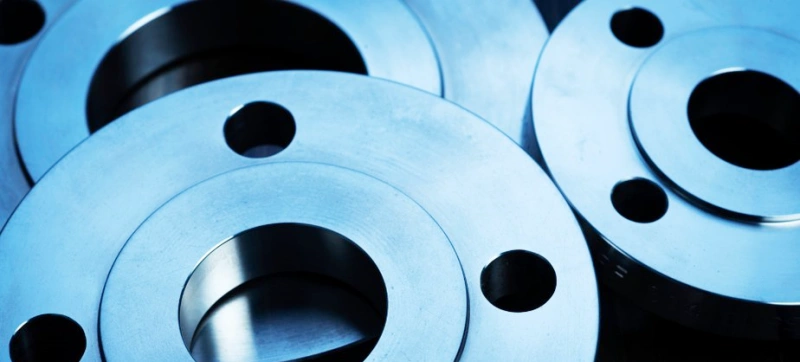
Structure & Key Features
You encounter several flange face types in piping systems, each with unique structural features that impact durability and sealing capabilities. Flat face flanges offer the largest sealing area and use soft gaskets, making them ideal for low-pressure applications.
Raised face flanges concentrate sealing pressure on a smaller area, which improves sealing performance in moderate to high-pressure environments. Ring-type joint flanges use a metal gasket in a machined groove, providing exceptional sealing capabilities for high-pressure applications.
Tongue and groove, as well as male and female types, use interlocking designs that prevent slippage and enhance connection reliability.
| Flange Type | Sealing Area | Gasket Type | Pressure Characteristics | Durability and Sealing Performance |
|---|---|---|---|---|
| Flat Face | Largest | Soft | Low surface pressure | Best for low-pressure, protects brittle materials |
| Raised Face | Moderate | Semi-metal | High surface pressure | Stable in petroleum and chemical applications |
| RTJ | Smallest | Metal | High pressure | Metal-to-metal seal for high-pressure applications |
| T&G/M&F | Moderate | Soft | Mid-to-high reliability | Robust locking, suitable for uneven conditions |
Applications & Industry Use
You must match flange face types to the right applications. Flat face flanges work best in low-pressure water piping and non-critical services. Raised face flanges are common in oil and gas, as well as petrochemical processing, due to their reliable sealing capabilities.
Ring-type joint flanges excel in high-pressure applications, such as offshore drilling and high-temperature services. Tongue and groove types are used in high-pressure steam and water systems, while male and female flanges are found in heat exchanger joints and specialized oil and gas equipment.
| Flange Type | Key Characteristics | Advantages | Disadvantages | Common Applications |
|---|---|---|---|---|
| Flat Face | Entire face is flat | Easy alignment, simple install | Not for high pressure | Low-pressure water piping |
| Raised Face | Raised portion contacts the gasket | Improved sealing, versatile | Needs careful alignment | Oil, gas, petrochemical |
| Ring Type Joint | Machined groove for a metal gasket | Exceptional sealing | Needs special gaskets | High-pressure pipelines |
| Tongue & Groove | Matching tongue and groove | Self-aligning reduces movement | Requires matched pairs | High-pressure steam, water |
| Male & Female | Raised male fits into recessed female | Excellent sealing | Needs precise alignment | Heat exchangers, oil and gas |
Material & Gasket Compatibility
You must select the right gasket and flange material for optimal performance. Metallic gaskets require a smooth flange surface, while nonmetallic gaskets work better with rougher finishes. Semi-metallic gaskets tolerate a wider range of finishes and combine the benefits of both types.
The right combination extends the life of your flange and maintains sealing capabilities.
| Gasket Type | Recommended Flange Surface Finish (μin) | Impact on Performance and Longevity |
|---|---|---|
| Metallic Gaskets | 64-μin or smoother | Needs smooth surfaces for tight seals; less forgiving to finish flaws |
| Nonmetallic Gaskets | 125- to 250-μin or rougher | More forgiving, but can creep; rougher surfaces improve friction |
| Semi-Metallic | 64- to 250-μin | Tolerates more finishes; combines the benefits of both materials |
Sealing Mechanisms
Each flange face type uses a different sealing mechanism. Flat face flanges rely on a large contact area and soft gaskets, so you must install them carefully to avoid leaks. Raised face flanges focus pressure on a smaller gasket area, which improves sealing capabilities in moderate to high-pressure applications.
Ring-type joint flanges use metal-to-metal sealing, compressing the gasket in a groove for high-pressure and high-temperature services. Tongue and groove flanges protect the gasket from corrosive media, making them ideal for stringent sealing requirements.
For high-pressure applications, Alienfrac API Flanges deliver superior sealing capabilities and durability, even in the most demanding environments.
Pressure & Temperature Ratings
You must consider pressure and temperature ratings when choosing flange face types. Flanges are rated by the maximum pressure they can handle at specific temperatures. Lower class numbers mean lower pressure capability.
Raised face flanges and ring-type joint flanges are designed for high pressure and temperature, making them suitable for critical oil and gas applications.
Comparative Summary Table
| Flange Type | Pros | Cons |
|---|---|---|
| Flat Face | Cost-effective, simple installation | Not for high pressure, limited range |
| Raised Face | Cost-effective, easy installation, and reliable | Limited to low/medium pressure and temperature |
| RTJ | Best sealing for high pressure and temperature | Higher cost, needs precise installation |
| T&G | Self-aligning reduces gasket movement | More expensive, needs matched pairs |
| Male & Female | Excellent sealing, good for moderate/high pressure | Needs precise alignment, limited compatibility |
Flange Face Finish Types
Surface Standards
You need to pay close attention to the surface finish of each flange. The finish directly affects the sealing performance of your piping system. Industry standards, such as ASME B16.5, define the acceptable roughness for flange faces. Most applications require a serrated or concentric finish.
This finish helps the gasket grip the flange and prevents leaks. Alienfrac API Flanges meet or exceed these surface standards. You can trust their precise machining to deliver a consistent finish every time. This attention to detail ensures that your flange provides a reliable base for gasket sealing.
Impact on Sealing
The surface finish of a flange plays a critical role in sealing. A rougher finish increases friction between the flange and the gasket. This friction helps prevent the gasket from slipping during installation. A smoother finish works best with metallic gaskets, while a serrated finish suits non-metallic gasket materials.
You must match the flange finish to the gasket material for the best sealing performance. If you use the wrong combination, you risk leaks or a gasket blowout. Alienfrac API Flanges offer finishes that maximize the gasket sealing area and help you achieve a tight seal, even in high-pressure environments.
Tip: Always inspect the flange face before installation. Surface damage can reduce sealing effectiveness and lead to costly downtime.
Gasket Selection
You must choose the right gasket for your flange face finish. The gasket material should match both the flange type and the operating conditions. For example, soft gasket materials like PTFE or rubber work well with rougher finishes. Metallic gaskets require a smoother flange face.
You should also consider the gasket sealing area, as this determines how much pressure the gasket can handle. Alienfrac API Flanges support a wide range of gasket materials, giving you flexibility in your selection. Always follow manufacturer recommendations to ensure the best sealing and long-term reliability.
Flange Face Selection Guide
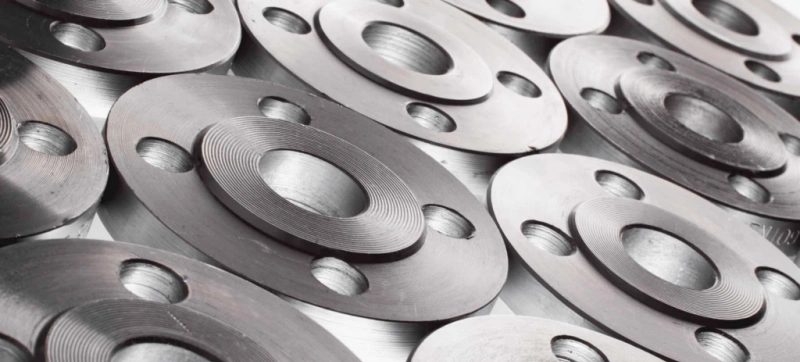
Step-by-Step Selection
You can select the right flange face by following a clear process. First, identify the operating pressure and temperature of your system. High-pressure and high-temperature conditions require a flange with robust sealing, such as a ring-type joint or raised face.
Next, consider the type of media flowing through the pipeline. Corrosive or hazardous fluids demand a flange that supports reliable sealing and a compatible gasket.
Evaluate the required sealing performance. If your application involves frequent assembly or disassembly, choose a flange face like tongue and groove for easy maintenance. Always check the compatibility of the flange material with the gasket and the media.
Alienfrac API Flanges offer a wide range of options designed for oilfield and industrial applications, ensuring you meet your operational needs.
Application Scenarios
You must match the flange face to your specific scenario. For water supply systems with low pressure, flat face flanges provide sufficient sealing. In oil and gas pipelines, raised face or ring type joint flanges handle high pressure and temperature, delivering secure sealing.
Chemical processing plants often use male and female or tongue and groove flanges for enhanced sealing and alignment. When you need to minimize downtime, select a flange that allows quick gasket replacement and reliable sealing under pressure.
Industry Standards
You should always follow recognized industry standards when selecting a flange. These standards ensure your flange meets safety and performance requirements for pressure, temperature, and sealing. The table below summarizes the main standards:
| Standard | Description |
|---|---|
| ANSI/ASME | Industry standard for pipeline flanges in the United States. |
| API | Covers large diameter carbon steel flanges used in high-pressure oilfield applications. |
| AWWA | Standards for the waterworks industry covering water treatment and supply. |
| DIN | European metric standard used internationally, often in maritime applications. |
Alienfrac API Flanges comply with these standards, giving you confidence in their performance under demanding pressure and temperature conditions.
Professional Consultation
You benefit from consulting professionals when selecting flange face types for complex or critical piping systems.
- Proper flange selection is critical for ensuring safety, reliability, and compliance with industry standards.
- Flanged joints are vital connections in piping systems, and their proper selection and installation are crucial for safety and long-term reliability.
- Understanding various flange connection types is essential for selecting the right one, especially in complex piping systems.
Tip: Always consult with experienced engineers or suppliers like Alienfrac when you face unique pressure, temperature, or sealing challenges. Their expertise helps you avoid costly mistakes and ensures your flange delivers optimal performance.
Conclusion
You must select the right flange for your piping system by considering several factors.
- Pressure and temperature ratings determine which flange face suits your application.
- Fluid properties influence flange selection, especially for corrosive or viscous media.
- Cost and availability affect your flange choice.
- Installation and maintenance requirements guide you toward the best flange design.
- System design and standards ensure you use the correct flange type.
- Matching flange face, gasket, and material prevents leaks and failures.
- Alienfrac and API Flanges deliver reliable performance in high-pressure, high-temperature, and demanding environments.
- Consult industry standards and professionals when you face complex flange selection challenges.
FAQ
What is the main purpose of a flange face?
You use a flange face to create a reliable seal between two pipe sections. The face type determines how the gasket fits and how well the connection resists leaks under pressure.
How do you choose the right gasket for your flange?
You select a gasket based on the flange face type, operating pressure, and temperature. Always match the gasket material to the flange and the media in your system for the best performance.
Can you mix different flange face types in one connection?
You should never mix different flange face types. Doing so can cause leaks or damage. Always use matching flange faces and compatible gaskets for a secure, long-lasting connection.
Why do high-pressure systems often use RTJ flange faces?
High-pressure systems use RTJ flange faces because the metal-to-metal seal handles extreme pressure and temperature. This design ensures a tight, reliable connection in critical applications.
How do you maintain a flange connection for long-term reliability?
- Inspect the flange face for damage before installation.
- Use the correct gasket and torque the bolts evenly.
- Check for leaks after assembly.
- Schedule regular inspections to ensure the flange remains secure.
